

Image of 1951 Singer 4ab, Note: These illustrations use artistic license and may differ from actual historical models.
Performance Metrics
Fundamental Metrics
Emotional Appeal
MMP Rating
| Engine Specifications | |
|---|---|
| Engine: | 1.5L I4 |
| Displacement: | 1497cc |
| Horsepower: | 48-50 HP |
| Torque: | Estimated 70-75 lb-ft |
| Compression Ratio: | Estimated 7.0:1 |
| Ignition System: | Distributor and coil |
| Cooling System: | Water-cooled |
| Performance Specifications | |
| 0-60 Time: | Estimated 30 seconds |
| 1/4 Mile Time: | Not available |
| Top Speed: | 75 mph |
| Transmission and Drive | |
| Drive Type: | Rear-wheel drive |
| Transmission Type: | 4-speed manual |
| Fuel and Efficiency | |
| Fuel System Type: | Carburetor |
| MPG: | Estimated 25-30 mpg |
| Dimensions and Brakes | |
| Brakes: | Drum brakes |
| Wheelbase: | 97 inches |
| Weight: | Estimated 2100 lbs |
Note: Specifications for classic cars are given to the best of our ability, considering the limited and variant data available.
1951 Singer 4AB: A Postwar British Roadster With Real Character
The 1951 Singer 4AB turns a modest 1.5-litre engine and a hand-built-looking open body into an unusually charming piece of postwar motoring. Built by Singer Motors in Coventry, England, it belonged to a generation of British roadsters designed for drivers who wanted an engaging car, not simply basic transportation. The 4AB combined traditional separate-wing styling with a four-seat layout, making it more practical than a strict two-seat sports car.
Singer had been building cars since the late nineteenth century and had earned a reputation for engineering-minded small cars. Its prewar models helped establish the company as a maker of sporting machines, while the 4AB reflected the realities of the early 1950s: materials were still precious, roads could be rough, and a car often had to serve more than one purpose. The Singer 4AB is not famous for a single record-breaking race or headline-grabbing innovation. Its appeal lies in the way it captures an entire British motoring tradition in one compact package.
One point of interest is the model’s place in Singer’s evolving Roadster range. The 4AB was a development of the postwar 4A and preceded the better-known, more powerful 4AD. That makes it a useful snapshot of Singer refining its formula: a sturdy four-cylinder engine, a proper manual gearbox and open-air motoring with room for occasional passengers.
Classic Roadster Styling and Cabin
The 4AB wears the unmistakable proportions of a traditional British roadster. Its long bonnet leads to a narrow, upright grille, flanked by separate rounded front wings and exposed headlamps. Running boards connect the front and rear fenders, while chrome details add brightness without overwhelming the car’s restrained design. At the back, the body tapers neatly around the rear wings, with a spare wheel commonly carried at the rear or mounted behind the passenger compartment, depending on the car’s specification and later changes.
A folding windscreen and fabric hood make the car adaptable to changing weather, though neither offers the quiet, sealed comfort of a modern convertible. Side screens provide some protection from wind and spray. They are part of the period charm, but owners quickly learn that “weatherproof” is a relative term in a 1950s roadster.
The four-seat layout is one of the 4AB’s most useful features. The front seats are the natural place for adults, while the rear bench is better suited to children, short trips or extra luggage space. Inside, expect a simple dashboard with clear instruments and practical switchgear. Cars were typically trimmed in leather or leatherette, with a painted metal dashboard and a large steering wheel. The materials have an honest, functional feel rather than the polished luxury of a grand tourer.
Surviving cars appear in a variety of period-appropriate colors, including dark greens, blues, reds, black and cream. Paint choices could vary by market and individual order, and many cars have been repainted during restoration. There is no single color that defines every 4AB, though deep British racing green and understated dark shades suit its sporting character especially well.
The 4AB’s defining body style is the open four-seat Roadster. It was not a broad range of coupes, saloons and convertibles, but a focused design intended to combine sporting looks with a little extra versatility. That open roadster body is the most recognizable and desirable expression of the model today.
Engineering and Historical Importance
At the heart of the 1951 Singer 4AB is a 1,497 cc inline-four engine, generally listed at about 48 brake horsepower. It is an overhead-valve design, paired with a four-speed manual gearbox. The numbers were modest even by the standards of the day, but the combination gave the car enough pace for ordinary roads and a more involved driving experience than a basic family saloon.
The 4AB’s importance is best understood as evolutionary rather than revolutionary. It did not introduce a new suspension layout or transform sports-car design. Instead, it carried forward Singer’s sporting identity in a practical postwar form. Separate wings, a simple ladder-style chassis approach and a straightforward mechanical layout were familiar ideas, but they made the car approachable for independent garages and hands-on owners.
Against contemporaries such as the MG TD and other British open cars, the Singer offered a distinctive alternative. It was less widely celebrated than the MG, and its performance was not its strongest selling point, but its four-seat arrangement gave it a useful advantage for buyers who wanted more flexibility. The model also helped sustain Singer’s sporting image before the company’s later absorption into the Rootes Group in 1956.
Performance and Road Manners
Period performance figures are not always consistent, and condition, gearing, tyres and tuning make a major difference today. A sound, correctly adjusted 4AB is generally associated with a top speed in the region of 70 to 75 mph. Acceleration from 0 to 60 mph is likely to take roughly 23 to 27 seconds. Treat those figures as reasonable estimates, not guaranteed factory test results for every surviving car.
The 4AB is happiest at a relaxed touring pace. The four-cylinder engine produces a modest, purposeful note, growing busier as revs rise. The gearbox asks for deliberate shifts, and the driver has to plan overtakes rather than simply press the accelerator and expect a burst of modern torque. That measured rhythm is part of the appeal: the car encourages its driver to read the road and work with the machinery.
On a winding country lane, the Singer feels narrow and relatively light, with a direct connection between the driver, steering wheel and road. Its steering and handling should not be judged by modern standards, and the condition of the suspension, tyres and steering components matters enormously. On uneven surfaces, the chassis can feel firm and the cabin will transmit bumps more clearly than a modern car. With a sound suspension and sensible speed, however, it can be an entertaining companion on back roads.
Windy or exposed routes bring the usual roadster challenges: wind buffeting, noise and limited shelter with the hood down. Raise the hood and fit the side screens and the car becomes more usable, but it remains a period open car rather than an all-weather cruiser.
Living With a Singer 4AB
Today, most 4ABs are best suited to weekend drives, classic-car gatherings, touring events and shows. Some owners use them regularly in fair weather, but they are rarely ideal as a sole daily driver. They lack modern safety equipment, can be tiring in heavy traffic and offer little protection from bad weather.
The simple mechanical layout is a genuine advantage. A mechanically capable owner can undertake many routine jobs, and the engine and running gear are not burdened with electronic systems. Good maintenance still matters: the cooling system, brakes, electrical connections, fuel delivery and chassis condition deserve close attention. As with many older British cars, age and previous repairs can matter more than the original design.
Parts availability is mixed. Common service items may be obtainable through specialist suppliers or the wider British classic-car network, while model-specific trim and body pieces can take more searching. Before buying, inspect the chassis and body carefully for corrosion or poor repairs, and check that the engine, gearbox and braking system are in sound condition. A complete, well-maintained car is usually a better proposition than a cheap project missing hard-to-find details.
4AB Facts, Myths and Trade-Offs
The 4AB is not widely associated with a famous celebrity owner, a major endurance record or a landmark motorsport victory. Its story is quieter: a small British manufacturer building appealing open cars for ordinary enthusiasts during the postwar years. Claims about a particular car’s racing history or celebrity connection should be verified against documentation rather than accepted on appearance alone.
Exact production totals for the 4AB are not consistently documented in commonly available model histories. A sensible working estimate is around 1,000 to 2,000 cars, but that should be treated as an informed approximation, not a confirmed factory figure. The number of surviving, roadworthy examples is smaller, and availability varies considerably by country.
The car’s most common criticisms are straightforward. It is slow by modern standards, its weather protection is limited, and its cabin is basic. The four-seat arrangement should not be mistaken for generous adult accommodation in the rear. On the other hand, these compromises are also part of what makes the 4AB appealing: it is light on pretension and rewards owners who enjoy the process of driving an old car.
Collector Values and Market Outlook
Values depend heavily on condition, originality, restoration quality and location. As a broad 2026 guide, a project or incomplete example might sell for approximately US$8,000 to $15,000. A usable, presentable car could fall around US$15,000 to $30,000, while an excellent, correctly restored example may reach roughly US$30,000 to $40,000 or more. These are estimates rather than formal appraisals; local markets and currency exchange can shift the figures substantially.
The 4AB is uncommon but not necessarily a blue-chip collectible. It tends to attract Singer enthusiasts, British-roadster fans and buyers looking for something less familiar than an MG. Values have generally been supported by the broader interest in usable prewar and postwar sports cars, but prices can be uneven. Exceptional, documented examples are more likely to hold their value than cars with questionable restorations or extensive missing parts.
Why the Singer 4AB Still Matters
The 1951 Singer 4AB brings together a distinctive British roadster shape, simple mechanical engineering and a useful four-seat cabin. Its performance is leisurely, its weather protection is optimistic and its production history remains less clearly documented than that of better-known rivals. Yet it offers a direct, involving kind of motoring that modern cars have largely left behind.
For collectors, the 4AB is a chance to own a characterful chapter of Singer’s history without following the most crowded path through British sports-car collecting. For drivers, it is a reminder that a memorable classic does not need record-breaking speed. Sometimes a narrow country lane, a willing four-cylinder engine and the open sky are quite enough.
1951 Singer 4ab Catalog of Parts
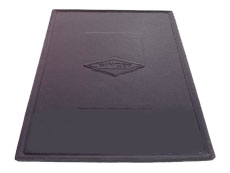 1951 Singer 4AB Accessory Floor Mat - 12"X17"-AC 48Accessory Floor Mat - made of high quality black rubber with molded original emblem. Also designed to be sewn into new carpets. 12"X17", Each
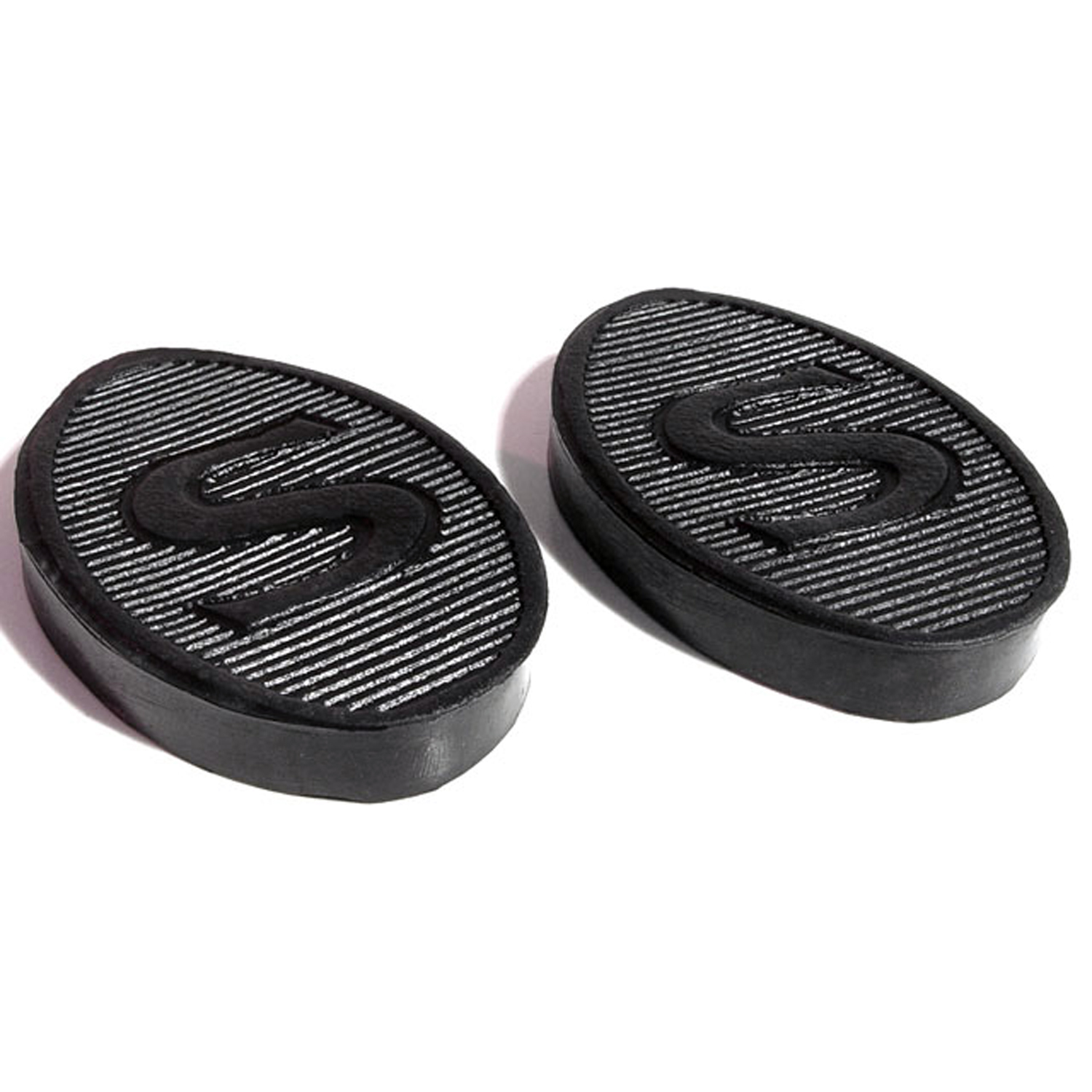 1951 Singer 4AB Clutch and Brake Pedal Pads. 1-3/4" wide X 3" long. Pair-CB 98Clutch and Brake Pedal Pads. 1-3/4" wide X 3" long. Pair
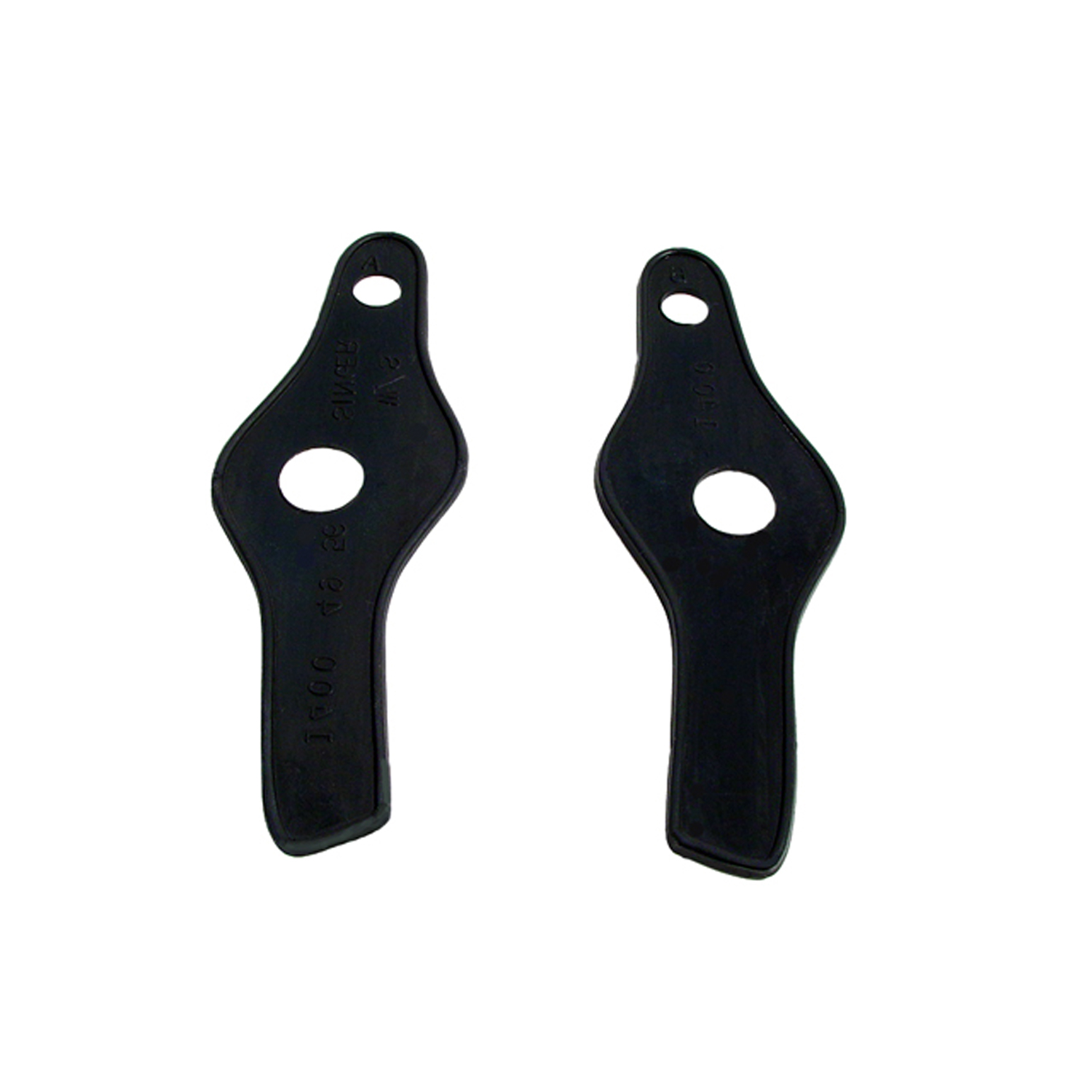 1951 Singer 4AB Windshield Post Pads. 2-3/8" wide X 6-3/4" long. Pair-MP 1400Windshield Post Pads. 2-3/8" wide X 6-3/4" long. Pair
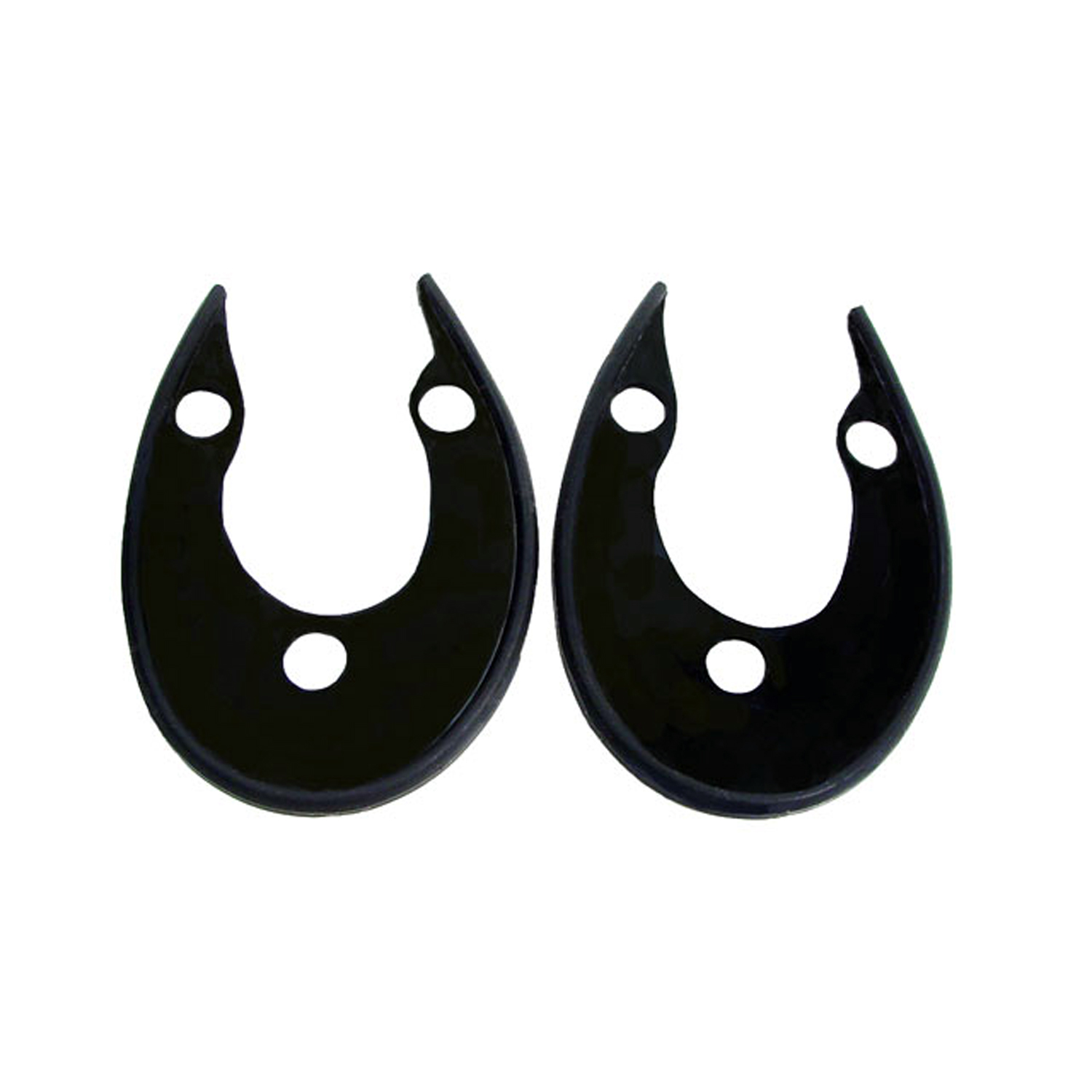 1951 Singer 4AB Tail-light Pads. 2-3/4" wide X 4" long. Pair-MP 1401Tail-light Pads. 2-3/4" wide X 4" long. Pair
 1951 Singer 4AB Park Light Pads. 1-1/4" wide X 2-3/4" long. Pair-MP 1402Park Light Pads. 1-1/4" wide X 2-3/4" long. Pair
 1951 Singer 4AB Trunk Lock Pad. 1-3/8" wide X 1-1/2" long. Each-MP 1403Trunk Lock Pad. 1-3/8" wide X 1-1/2" long. Each
 1951 Singer 4AB Door Handle Pads. 1-1/2" wide X 2-5/8" long. Pair-MP 1404Door Handle Pads. 1-1/2" wide X 2-5/8" long. Pair
 1951 Singer 4AB Headlight Pads. 3" wide X 4-1/4" long. Pair-MP 1405Headlight Pads. 3" wide X 4-1/4" long. Pair
Why Choose Metro?
For over 100 years, Metro Moulded Parts has been the pinnacle of quality in classic car restoration parts. Our commitment to precision and authenticity in every component ensures a perfect fit and an OEM-level appearance.
- Expert Craftsmanship & Quality: Each part is a testament to our dedication to reliability and perfection, crafted from original designs and thoroughly tested.
- Advanced Technology: We use cutting-edge techniques to create flawless, long-lasting parts that surpass others in performance.
- SuperSoft Sponge – The Ultimate Door Seal: Not only are our door seals 30% softer than competitors', but they're also guaranteed to never leak. They effectively reduce wind and road noise, enhancing your classic car's comfort and driving experience.
- Proudly American: Our parts are a product of American craftsmanship, made in the USA with a spirit of excellence and heritage.
- Unrivaled Warranty: We back our products with a 30-year industry-leading warranty, a testament to our confidence in their quality.
Join us in preserving the legacy of classic cars with parts that are crafted for perfection, not just made.