

Image of 1954 Singer Sm1500, Note: These illustrations use artistic license and may differ from actual historical models.
Performance Metrics
Fundamental Metrics
Emotional Appeal
MMP Rating
| Engine Specifications | |
|---|---|
| Engine: | 1.5L I4 |
| Displacement: | 1497cc |
| Horsepower: | 58hp |
| Torque: | Estimated at 70 lb-ft |
| Compression Ratio: | 7.5:1 |
| Ignition System: | Distributor and coil |
| Cooling System: | Water-cooled |
| Performance Specifications | |
| 0-60 Time: | Estimated at 30 seconds |
| 1/4 Mile Time: | Not available |
| Top Speed: | 75 mph |
| Transmission and Drive | |
| Drive Type: | Rear-wheel drive |
| Transmission Type: | 4-speed manual |
| Fuel and Efficiency | |
| Fuel System Type: | Carburetor |
| MPG: | Estimated at 25-30 mpg |
| Dimensions and Brakes | |
| Brakes: | Drum brakes |
| Wheelbase: | 97 inches |
| Weight: | 2,200 lbs |
Note: Specifications for classic cars are given to the best of our ability, considering the limited and variant data available.
1954 Singer SM1500: A British Saloon with Sporting Roots
The 1954 Singer SM1500 brought a touch of prewar British sporting character to the postwar family-car market, pairing an upright, carefully detailed saloon body with a practical 1.5-litre engine. It was built by Singer Motors, a Coventry manufacturer whose earlier cars and competition successes had given the marque a distinctly sporting reputation.
The SM1500 had been introduced in 1948, when Britain’s car industry was still rebuilding after the Second World War. By 1954, it represented the mature form of Singer’s postwar family saloon: more modern in construction than many earlier Singers, but still recognizably traditional in its detailing and driving character. One intriguing detail is that the SM1500’s four-cylinder engine was an overhead-valve design, a useful blend of contemporary engineering and straightforward mechanical layout.
Classic Singer Styling and Cabin Details
The SM1500 wears its years with a trim, upright elegance. Its rounded bonnet, separate-looking front wings, prominent headlamps and tall grille give it the unmistakable profile of an early-1950s British saloon. Brightwork is present without overwhelming the body, and the relatively narrow proportions make the car look lighter and more delicate than many later family cars.
Inside, the cabin is a mix of practical furnishings and period charm. Depending on specification and restoration, owners may find leather or leathercloth upholstery, a broad dashboard with polished trim, clear round instruments and a thin-rimmed steering wheel. The materials and finish were more traditional than luxurious, but the cabin had a more individual character than a strictly utilitarian runabout. Buyers should check the condition of the upholstery and dashboard carefully, since original trim can be difficult to match.
The SM1500 was primarily offered as a four-door saloon, the body style most closely associated with the model. Singer also sold other cars, including its open 1500 Roadster, but that was a separate model rather than simply a convertible version of the SM1500. Period paint choices varied by market and year. Solid dark shades and restrained two-tone combinations suited the car particularly well, with combinations such as deep blue or maroon paired with a lighter roof popular among owners seeking extra visual flair.
Engineering for the Postwar Road
At the heart of the SM1500 was a 1,497 cc, four-cylinder, overhead-valve engine. It produced about 48 bhp in typical specification, modest by modern standards but respectable for a family saloon of its period. A four-speed manual gearbox gave the driver useful control over the engine, while the car’s steel unitary construction helped bring postwar-era manufacturing methods to the Singer range.
The SM1500 was not a revolutionary high-performance machine, and its importance should not be overstated. Its appeal lay in combining a relatively modern body structure and overhead-valve engine with the established virtues of a British saloon: straightforward controls, manageable dimensions and a degree of sporting character. That balance helped distinguish it from more basic family cars, even if the model did not reshape the industry in the way that landmark mass-market designs did.
Performance and Road Manners
Expect a top speed in the region of 70 to 75 mph when the car is in good condition. A 0-to-60 mph time of roughly 25 to 30 seconds is a reasonable period-style estimate, rather than a guaranteed factory figure for every example. The SM1500 is best understood as a relaxed touring car, not a quick modern commuter. It can keep up with ordinary traffic if driven with anticipation, but steep hills and fast overtaking call for patience and a well-chosen gear.
On a smooth road, the Singer feels composed and pleasantly mechanical. Its suspension and relatively narrow tyres suit moderate speeds, while the steering asks for more effort and attention than a modern car. On rough surfaces, the ride is typical of its era: bumps are felt, but the car’s comfortable proportions and compliant setup make it usable on ordinary roads. On a winding route, the SM1500 rewards a tidy line and measured inputs rather than abrupt cornering. Its engine gives a steady four-cylinder note, and the driver stays involved through the clutch, manual gearbox and unassisted-feeling controls.
Living with a Singer SM1500
Today, most SM1500s are used for touring, local classic-car outings and shows rather than daily transport. A sound example can still make an enjoyable weekend car, especially for an owner who likes vintage driving at an unhurried pace. It is also a personable alternative to better-known British saloons of the period, with enough individuality to attract attention at a gathering.
Mechanical work is generally approachable for a capable home mechanic. The engine and gearbox follow conventional principles, and many routine jobs do not require specialist electronics or diagnostic equipment. The main ownership challenge is often not complexity but parts availability. Wear items and commonly shared components may be manageable to source, while model-specific trim, body fittings and correct restoration details can take more searching. As with any older car, inspect the structure, repairs, brakes, cooling system and evidence of regular maintenance before buying.
SM1500 Facts, Reputation and Criticisms
The SM1500 belongs to a marque with genuine competition heritage, but the saloon itself is remembered more as a characterful road car than as a record-breaking model. Singer’s sporting reputation came from a wider history of competition cars, including Le Mans appearances by other Singer models. The SM1500’s more notable achievement was keeping the company’s name in the postwar family-car market with a modernized, practical design.
There is no widely recognized speed or endurance record associated with the SM1500, and celebrity ownership is not central to its story. Its appeal is more modest and authentic: a distinctive British saloon from a manufacturer that had a longer and sportier history than its sedate body shape might suggest.
Common criticisms are straightforward. Performance is leisurely, the cabin and luggage space are limited by modern expectations, and specialist body parts can be difficult to find. Buyers should also be cautious of restoration work that looks tidy on the surface but conceals corrosion or poorly finished repairs. In return, the car offers period character, an engaging manual driving experience and a less predictable choice than the usual classic-car suspects.
Collector Values and Rarity
A firm production total is not consistently cited, but a reasonable estimate is around 17,000 SM1500s built across the model’s production run. That makes it a low-volume car beside mass-produced family saloons, and surviving examples are now uncommon. Cars appear on the market occasionally, though buyers may need patience to find one with sound structure, complete trim and well-documented work.
As a broad 2026 guide, a project or usable car might fall around £3,000 to £6,000 in the UK, while a tidy, well-maintained example could be roughly £6,000 to £10,000. A very good restoration may reach about £10,000 to £15,000, depending on quality, originality and provenance. In the United States, a rough equivalent range might be approximately $5,000 to $18,000. These are estimates, not fixed valuations: condition and local supply have a major effect on the final price.
The SM1500 is a specialist-market classic, so its values have generally been steadier and less dramatic than those of more famous sports cars. Strong, correctly restored examples may appreciate gradually, but the cost of a restoration can exceed the eventual sale value. For many owners, its best return is the pleasure of keeping an unusual Singer on the road.
Why the 1954 Singer SM1500 Still Matters
The 1954 Singer SM1500 combines an overhead-valve 1.5-litre engine, practical four-door bodywork and restrained British styling in a package that reflects its postwar moment. It was not a record-breaker or a mass-market sensation, but it carried Singer’s sporting identity into a useful family car and offered a more individual alternative to its contemporaries.
For today’s enthusiast, the SM1500’s charm lies in that balance: mechanically approachable, quietly distinctive and best enjoyed at the pace of the roads it was built for. It is a reminder that classic-car significance is not measured only in sales records or lap times, but also in the character a car brings to every journey.
1954 Singer Sm1500 Catalog of Parts
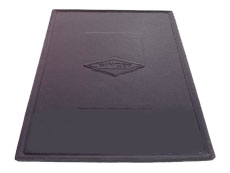 1954 Singer SM1500 Accessory Floor Mat - 12"X17"-AC 48Accessory Floor Mat - made of high quality black rubber with molded original emblem. Also designed to be sewn into new carpets. 12"X17", Each
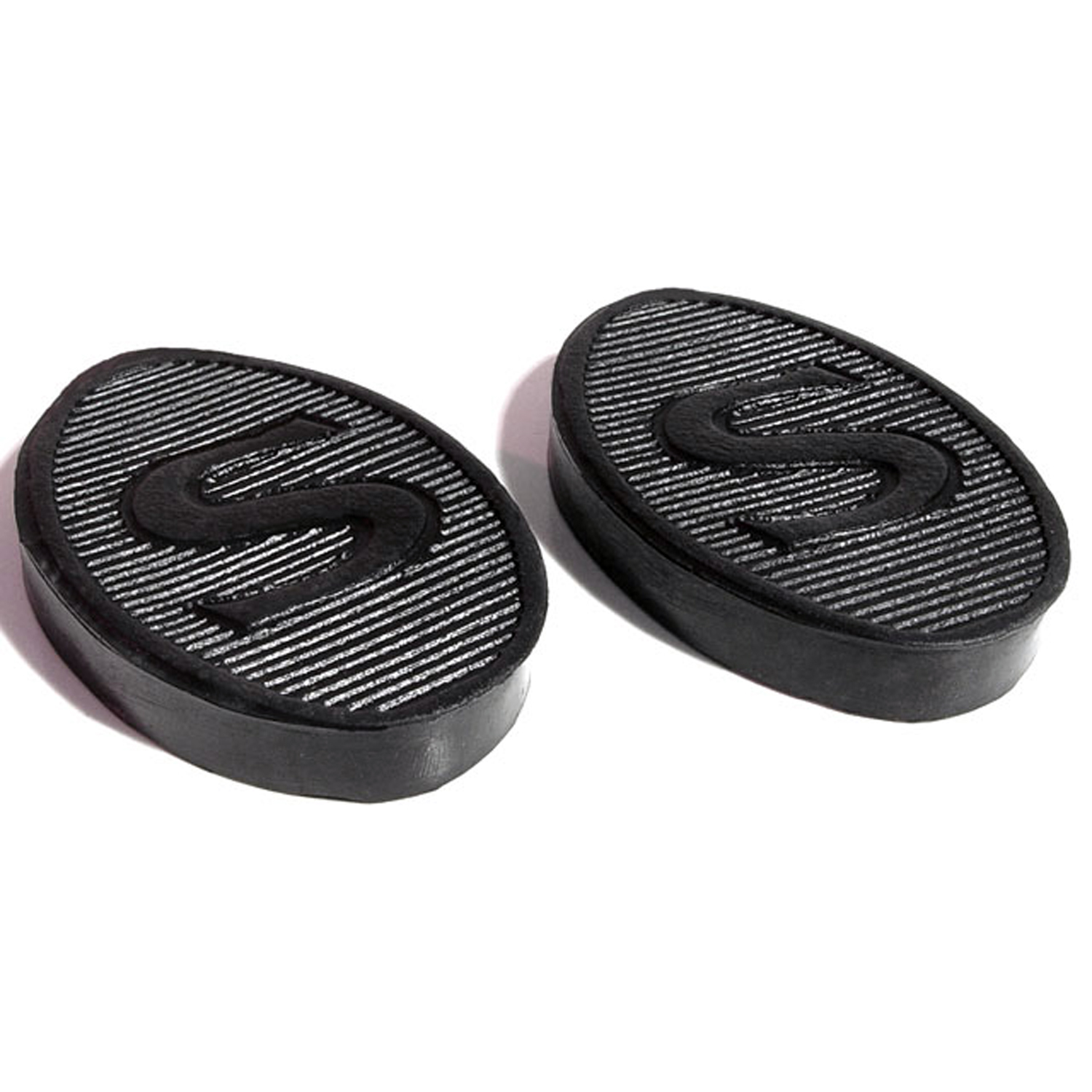 1954 Singer SM1500 Clutch and Brake Pedal Pads. 1-3/4" wide X 3" long. Pair-CB 98Clutch and Brake Pedal Pads. 1-3/4" wide X 3" long. Pair
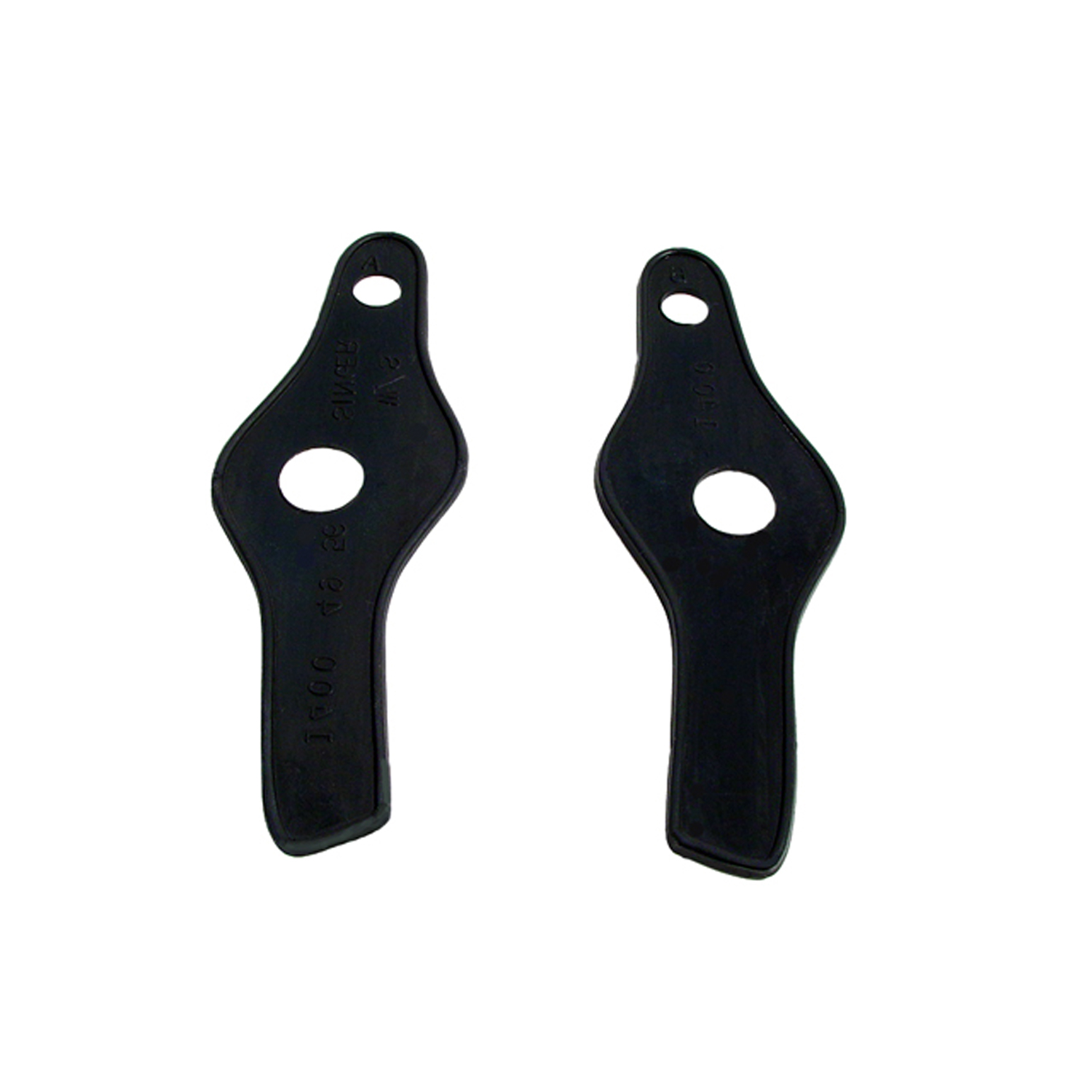 1954 Singer SM1500 Windshield Post Pads. 2-3/8" wide X 6-3/4" long. Pair-MP 1400Windshield Post Pads. 2-3/8" wide X 6-3/4" long. Pair
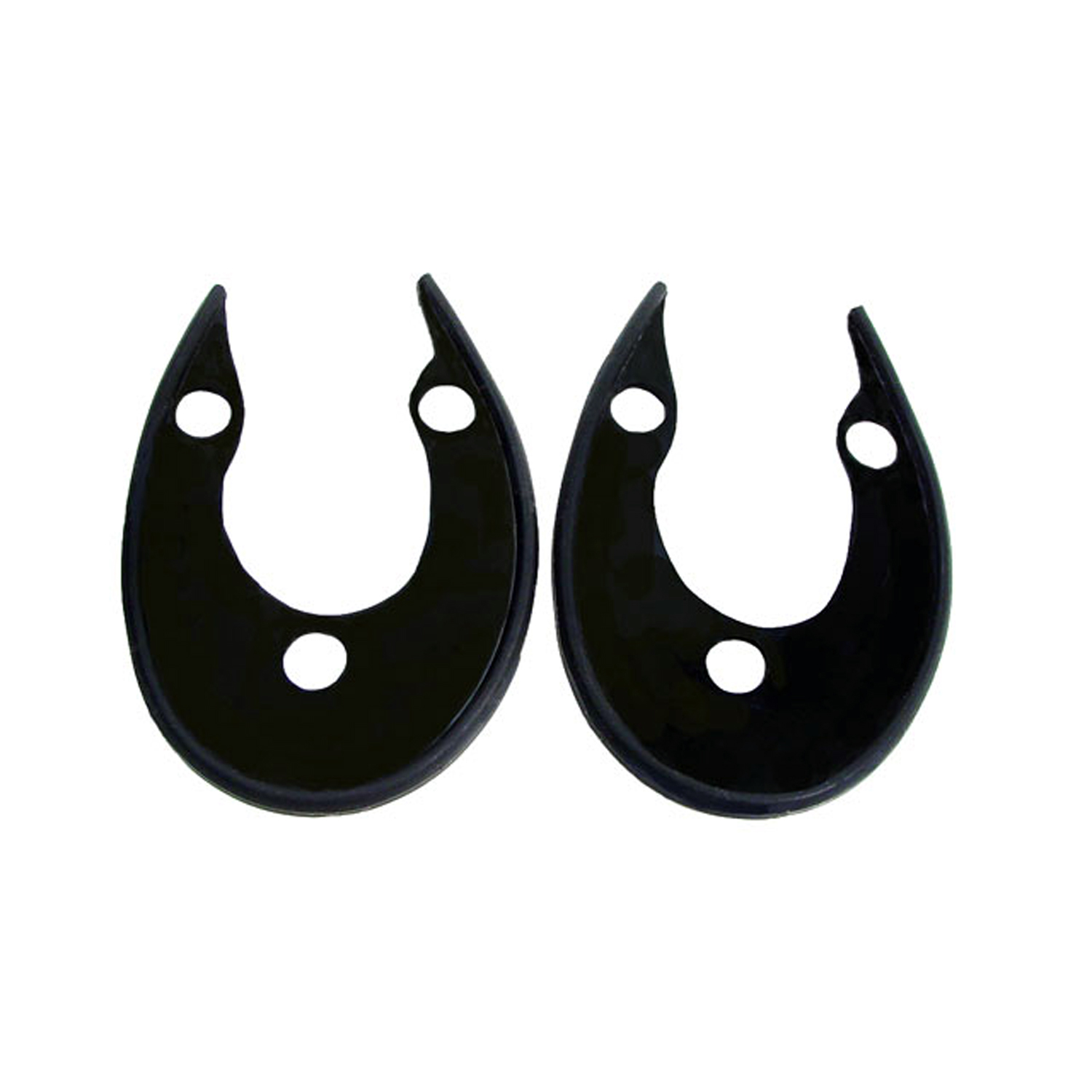 1954 Singer SM1500 Tail-light Pads. 2-3/4" wide X 4" long. Pair-MP 1401Tail-light Pads. 2-3/4" wide X 4" long. Pair
 1954 Singer SM1500 Park Light Pads. 1-1/4" wide X 2-3/4" long. Pair-MP 1402Park Light Pads. 1-1/4" wide X 2-3/4" long. Pair
 1954 Singer SM1500 Trunk Lock Pad. 1-3/8" wide X 1-1/2" long. Each-MP 1403Trunk Lock Pad. 1-3/8" wide X 1-1/2" long. Each
 1954 Singer SM1500 Door Handle Pads. 1-1/2" wide X 2-5/8" long. Pair-MP 1404Door Handle Pads. 1-1/2" wide X 2-5/8" long. Pair
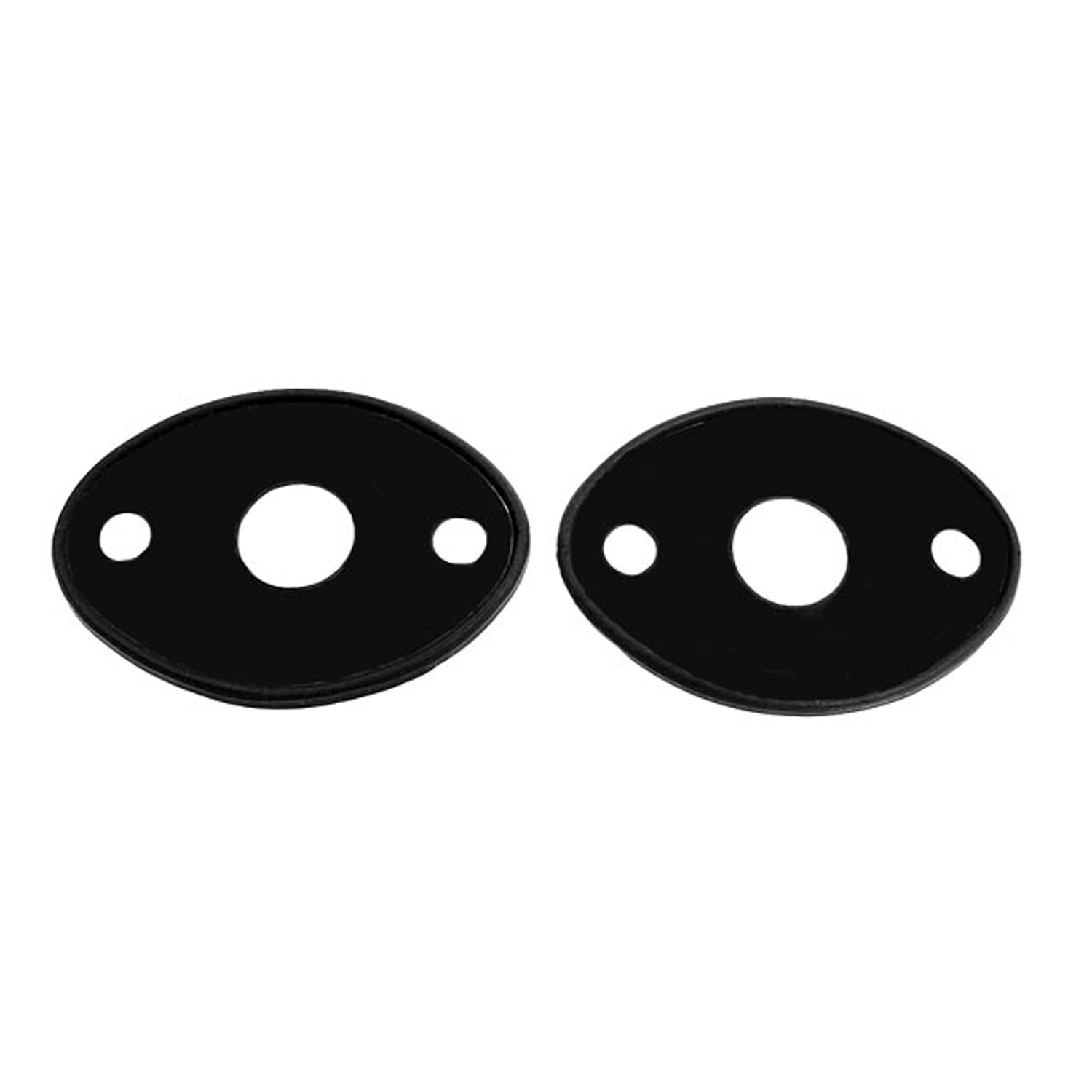 1954 Singer SM1500 Headlight Pads. 3" wide X 4-1/4" long. Pair-MP 1405Headlight Pads. 3" wide X 4-1/4" long. Pair
Why Choose Metro?
For over 100 years, Metro Moulded Parts has been the pinnacle of quality in classic car restoration parts. Our commitment to precision and authenticity in every component ensures a perfect fit and an OEM-level appearance.
- Expert Craftsmanship & Quality: Each part is a testament to our dedication to reliability and perfection, crafted from original designs and thoroughly tested.
- Advanced Technology: We use cutting-edge techniques to create flawless, long-lasting parts that surpass others in performance.
- SuperSoft Sponge – The Ultimate Door Seal: Not only are our door seals 30% softer than competitors', but they're also guaranteed to never leak. They effectively reduce wind and road noise, enhancing your classic car's comfort and driving experience.
- Proudly American: Our parts are a product of American craftsmanship, made in the USA with a spirit of excellence and heritage.
- Unrivaled Warranty: We back our products with a 30-year industry-leading warranty, a testament to our confidence in their quality.
Join us in preserving the legacy of classic cars with parts that are crafted for perfection, not just made.