

Image of 1956 Singer 4ad, Note: These illustrations use artistic license and may differ from actual historical models.
Performance Metrics
Fundamental Metrics
Emotional Appeal
MMP Rating
| Engine Specifications | |
|---|---|
| Engine: | 1.5L I4 |
| Displacement: | 1497cc |
| Horsepower: | 58hp |
| Torque: | 77 lb-ft |
| Compression Ratio: | 7.8:1 |
| Ignition System: | Distributor and coil |
| Cooling System: | Water-cooled |
| Performance Specifications | |
| 0-60 Time: | 25 seconds |
| 1/4 Mile Time: | Not available |
| Top Speed: | 75 mph |
| Transmission and Drive | |
| Drive Type: | Rear-wheel drive |
| Transmission Type: | 4-speed manual |
| Fuel and Efficiency | |
| Fuel System Type: | Carburetor |
| MPG: | 25-30 mpg |
| Dimensions and Brakes | |
| Brakes: | Drum brakes |
| Wheelbase: | 97 inches |
| Weight: | 2100 lbs |
Note: Specifications for classic cars are given to the best of our ability, considering the limited and variant data available.
1956 Singer 4AD: A Lasting British Roadster
The 1956 Singer 4AD turns ordinary country roads into an occasion, with sweeping front wings, a tall chrome grille and the unmistakable character of a small British sports car. It was built by Singer Motors Limited in Coventry, England, a manufacturer with a long history of producing compact cars and sporting machines.
The 4AD belonged to Singer’s postwar Roadster line, which carried the company’s sporting image into the 1950s. One detail worth knowing: although cars are often described as 1956 models, the 4AD is generally listed as being produced from 1951 to 1955. A car identified as a 1956 example may have been registered or sold that year, rather than built then.
Singer was later absorbed into the Rootes Group, and the marque gradually disappeared. The 4AD therefore represents one of the final chapters in Singer’s independent story: a traditional, open-top roadster from a company better known among enthusiasts for its engineering-minded small cars and early competition heritage.
4AD Styling and Cabin Details
The 4AD wears its sporting intentions with old-school confidence. Its long bonnet sits ahead of a compact cabin, while separate, rounded front wings flow into running boards and rear fenders. A prominent upright grille, paired headlamps and brightwork give the nose a formal, almost miniature luxury-car look. Many examples also carry two spare wheels on the front wings, a striking period feature that adds visual drama and hints at the practical realities of motoring in the 1950s.
As a body-on-chassis roadster, the 4AD has a more substantial, hand-built feel than a modern unitary-body car. Its open cabin is straightforward and intimate, with a folding hood, windscreen and simple controls. Trim and specification can vary by car and market, but period examples commonly feature leather upholstery, a painted or wood-trimmed dashboard, clear analogue instruments and a large steering wheel. The cabin is not lavish by modern standards, but its honest materials and uncluttered layout suit the car’s character.
The best-known configuration is the open two-door roadster, often with occasional rear seating that made it a practical 2+2 in a pinch. The rear seats are better suited to children or short trips than full-size adult passengers. Factory equipment and accessories varied, and surviving cars may have period or later hardtops, tonneau covers or upgraded trim.
Paint choices depended on market and individual specification. Traditional British shades such as dark green, red, blue, black and cream are often associated with the model, though exact factory palettes varied over time. Deep green and red are especially popular with collectors because they complement the car’s chrome details and prewar-inspired shape.
Period Engineering and Singer Heritage
Under the bonnet is a 1,497 cc four-cylinder engine with overhead valves. In typical 4AD specification it produced about 48 horsepower, delivered through a manual gearbox. The car uses conventional, serviceable mechanicals: a separate chassis, front independent suspension and a live rear axle with leaf springs. Drum brakes at all four wheels were normal for the period.
The 4AD was not a technological revolution, nor was it intended to be. Its appeal came from combining a useful 1.5-litre engine, a traditional roadster body and a sporting identity in a relatively compact package. Singer had built its reputation through engineering and competition efforts, including its earlier Le Mans models. The 4AD drew on that heritage without pretending to be a full-blooded racing car.
Compared with many contemporaries, the 4AD’s standout feature is its distinctive styling. It looks more individual than a generic postwar convertible, while its four-cylinder engine and usable cabin make it less intimidating than a large, high-powered sports car. Its influence on later automotive design was modest, but it preserves an appealing strand of British motoring: the accessible, mechanically straightforward open car built for touring rather than outright speed.
How the Singer 4AD Drives
With roughly 48 horsepower, the 4AD is a relaxed sports tourer rather than a quick modern classic. Period figures and later estimates put top speed at around 70 to 75 mph, with 0 to 60 mph taking roughly 22 to 25 seconds. Actual results depend on engine condition, gearing, tyre choice, passenger load and the accuracy of the speedometer. It feels happiest at moderate cruising speeds, where the engine can work steadily without being hurried.
The four-cylinder engine has a purposeful mechanical note, with induction and exhaust sounds that are easy to hear in the open cabin. The manual gearbox and large steering wheel keep the driver involved, while the long bonnet gives the cockpit a classic sports-car perspective. There is no modern insulation or power assistance to filter out the experience: the driver feels the road, hears the engine and makes each gear change count.
On smooth country lanes, the 4AD feels engaging and composed. Its front suspension helps it cope with ordinary road imperfections, though the live rear axle and leaf springs can feel busy over sharp bumps. On winding roads, its relatively modest power encourages momentum driving: carry speed through bends, choose a clean line and avoid asking the drum brakes to do more than they were designed to do. In strong crosswinds or at motorway speeds, the upright windscreen and open body can make the car feel exposed, as expected of a 1950s roadster.
Living with a Singer Roadster
Today, most 4ADs are weekend drivers, touring cars or show vehicles rather than daily transport. A sound example can still be enjoyable on local roads and longer, unhurried trips, but its age, open cabin and period safety equipment make it a poor substitute for a modern commuter car.
Routine maintenance is based on familiar classic-car work: regular oil changes, ignition and carburettor tuning, cooling-system checks, brake servicing and careful attention to the chassis and body. The mechanical layout is comparatively accessible, and an experienced home mechanic can perform many basic repairs. The challenge is often not complexity but parts availability. Some components are shared with other period British cars, while Singer-specific trim, body panels and fittings can take more effort to source.
Before buying, inspect the chassis and body for corrosion, check the engine’s oil pressure and cooling behaviour, and test the gearbox and brakes carefully. Also look closely at the timber or structural supports where applicable, the condition of the hood, and the fit of the distinctive wings and running boards. A complete, properly restored car is generally a better proposition than a cheap project missing hard-to-find Singer parts.
Little-Known 4AD Facts
The 4AD’s twin front-wing spare wheels are among its most recognizable details. They are not just decorative: carrying full-size spares was a sensible precaution when roadside assistance and tyre services were far less convenient than they are today.
The car’s 2+2-style seating offered a degree of flexibility, but the rear bench is best understood as occasional seating rather than a genuine family-car solution. The open roadster body is the configuration most closely associated with the model and the one most collectors seek.
There is no widely recognized production speed, sales or endurance record attached to the 4AD, and claims of celebrity ownership should be treated cautiously unless supported by documentation. Its historical interest lies instead in its place within Singer’s final years as an independent manufacturer and in the survival of a distinctive British roadster tradition.
Common criticisms are part of the ownership picture: performance is leisurely, the brakes are modest by modern standards, the cabin offers little weather protection, and body or trim parts may be difficult to find. Those limitations are also a reminder that the 4AD was designed for a different era, when drivers expected to plan journeys around the car’s abilities.
Collector Values and Availability
The Singer 4AD is uncommon, especially outside Britain, but it is not generally regarded as a one-off or impossibly rare model. A reasonable working estimate is that roughly 3,000 to 4,000 may have been built, though published production totals are not consistently documented and surviving numbers are lower. Cars appear periodically on the classic market, with availability depending heavily on location and condition.
As a broad 2026 guide, a project car may sell for around US$5,000 to US$12,000, while a usable driver might fall in the US$15,000 to US$30,000 range. A very good restoration or exceptional, well-documented example could reach approximately US$35,000 to US$50,000. These are indicative estimates, not a formal appraisal: market, originality, restoration quality, provenance and the completeness of Singer-specific parts can move the price considerably.
Values have generally benefited from renewed interest in postwar British sports cars, but the 4AD remains a specialist purchase rather than a high-volume investment vehicle. Excellent, original or expertly restored cars are likely to hold their appeal better than rough projects. Buyers should prioritize condition and documentation over promises of future appreciation.
Why the Singer 4AD Still Matters
The 1956 Singer 4AD combines handsome prewar-inspired styling, straightforward British engineering and an engaging open-air driving experience. It is not fast by modern standards, and it asks its owner to accept old-fashioned brakes, weather protection and parts hunting. In return, it offers a rare personality that a more common roadster may not.
For collectors, the 4AD is a memorable reminder of Singer’s independent years and a charming example of the traditional British sports car. Its greatest achievement is not a record or a technical breakthrough, but the way it turns a modest drive into a distinctly vintage occasion.
1956 Singer 4ad Catalog of Parts
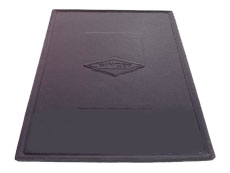 1956 Singer 4AD Accessory Floor Mat - 12"X17"-AC 48Accessory Floor Mat - made of high quality black rubber with molded original emblem. Also designed to be sewn into new carpets. 12"X17", Each
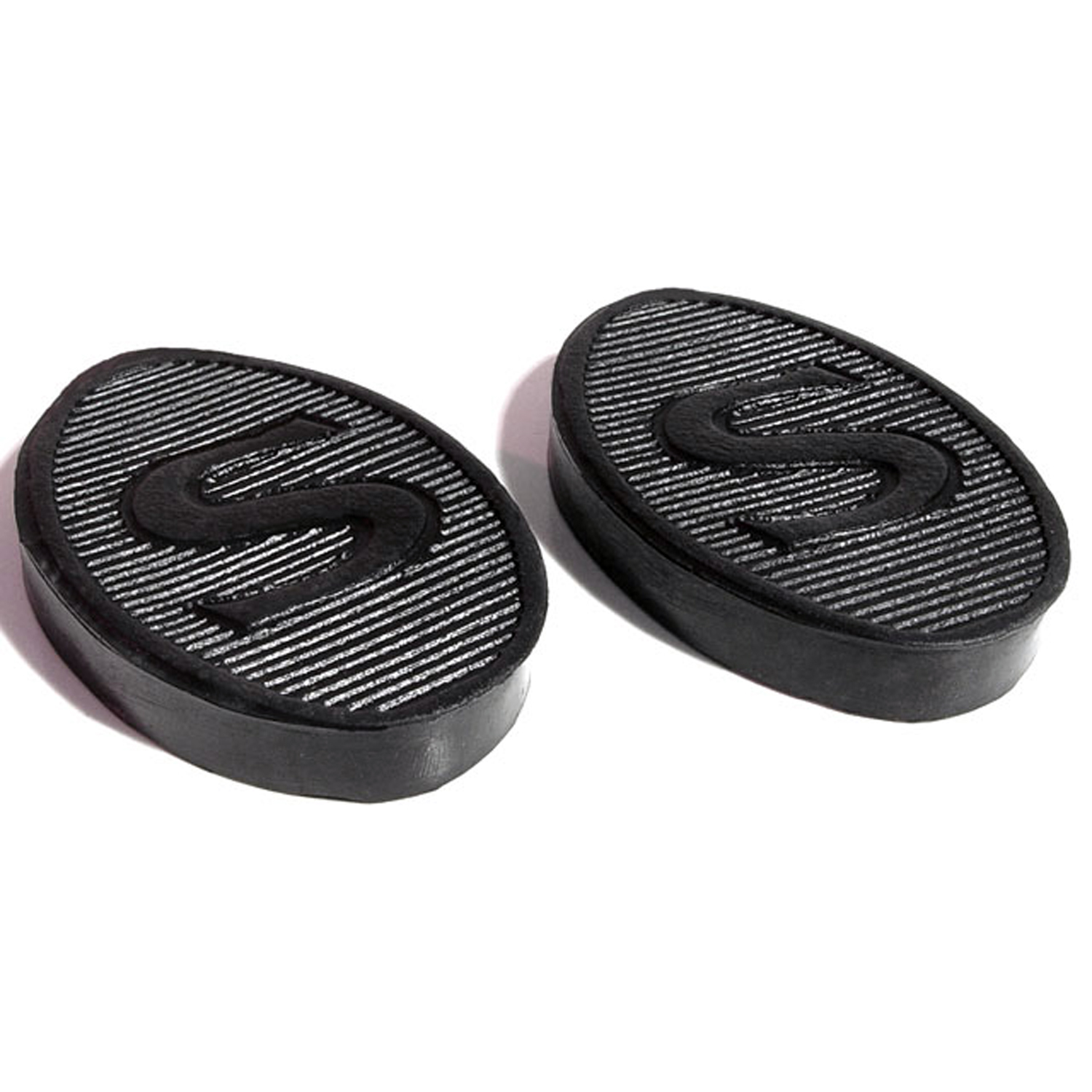 1956 Singer 4AD Clutch and Brake Pedal Pads. 1-3/4" wide X 3" long. Pair-CB 98Clutch and Brake Pedal Pads. 1-3/4" wide X 3" long. Pair
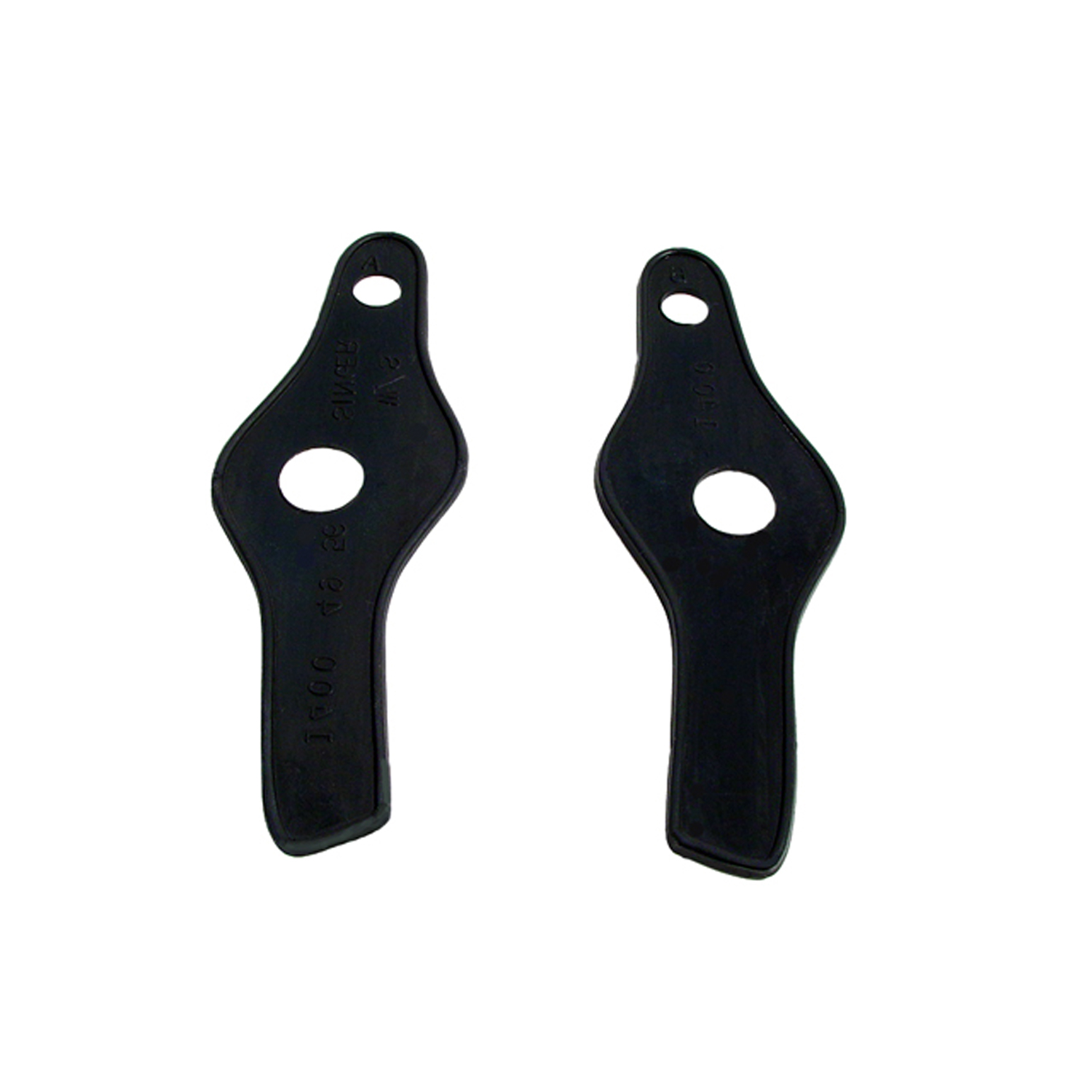 1956 Singer 4AD Windshield Post Pads. 2-3/8" wide X 6-3/4" long. Pair-MP 1400Windshield Post Pads. 2-3/8" wide X 6-3/4" long. Pair
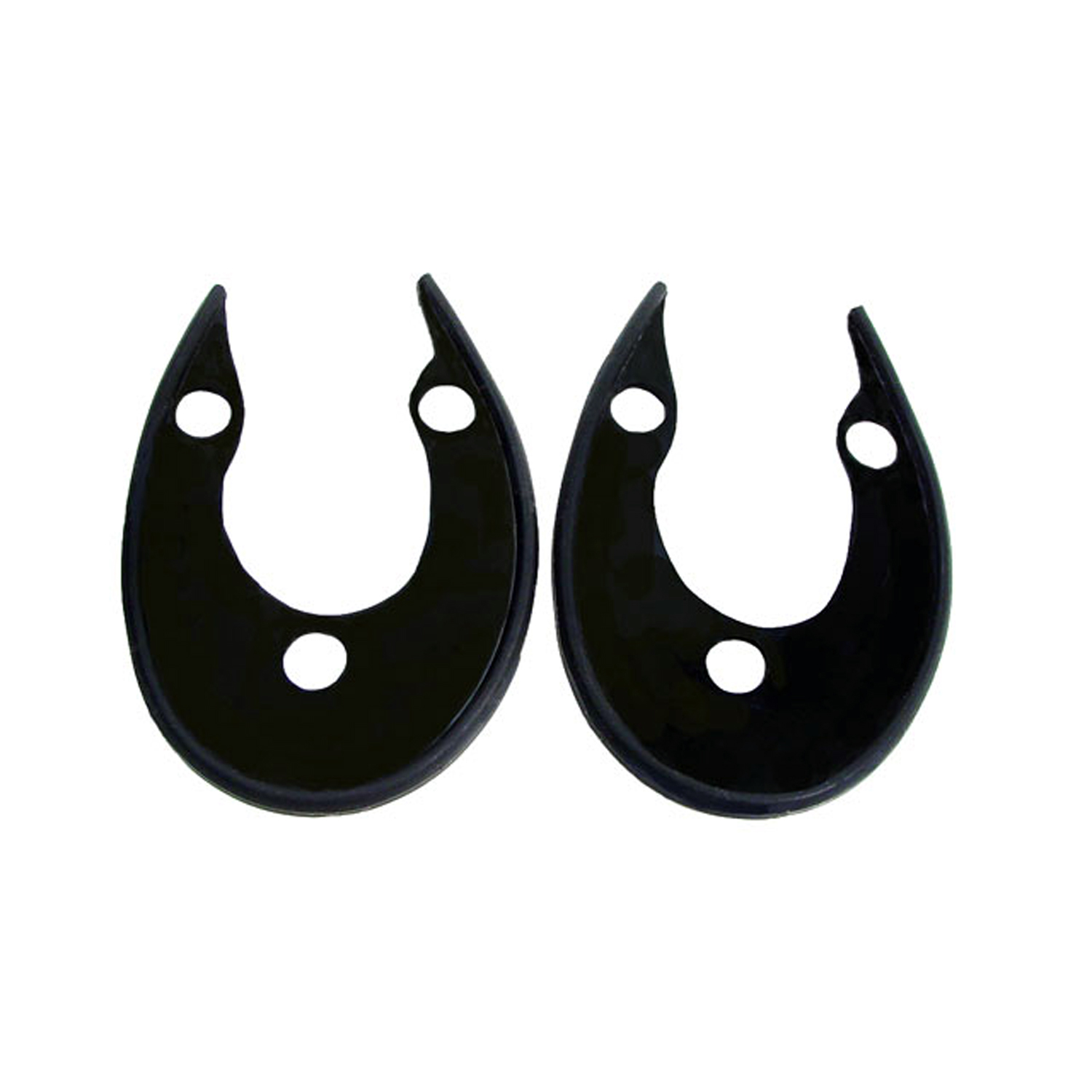 1956 Singer 4AD Tail-light Pads. 2-3/4" wide X 4" long. Pair-MP 1401Tail-light Pads. 2-3/4" wide X 4" long. Pair
 1956 Singer 4AD Park Light Pads. 1-1/4" wide X 2-3/4" long. Pair-MP 1402Park Light Pads. 1-1/4" wide X 2-3/4" long. Pair
 1956 Singer 4AD Trunk Lock Pad. 1-3/8" wide X 1-1/2" long. Each-MP 1403Trunk Lock Pad. 1-3/8" wide X 1-1/2" long. Each
 1956 Singer 4AD Door Handle Pads. 1-1/2" wide X 2-5/8" long. Pair-MP 1404Door Handle Pads. 1-1/2" wide X 2-5/8" long. Pair
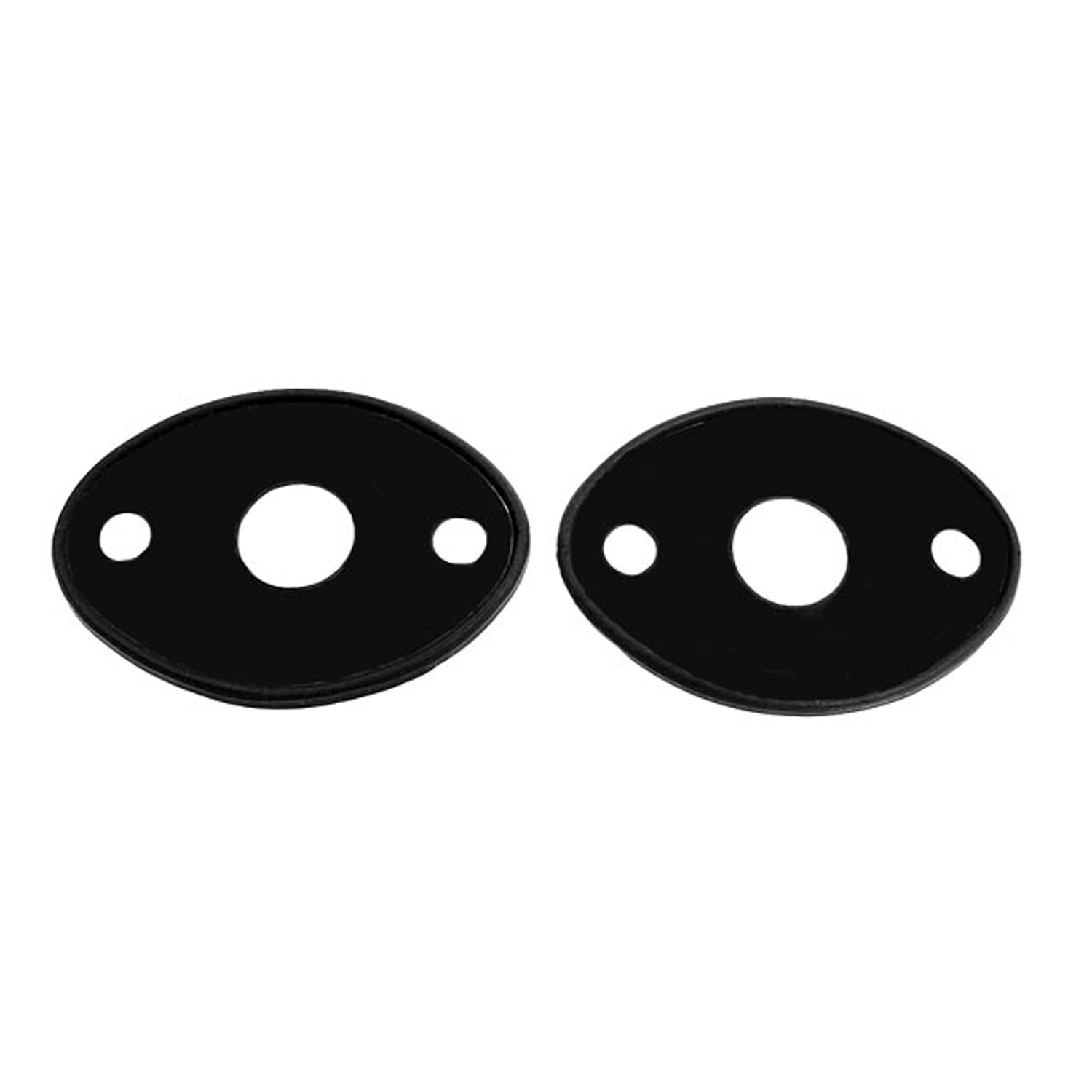 1956 Singer 4AD Headlight Pads. 3" wide X 4-1/4" long. Pair-MP 1405Headlight Pads. 3" wide X 4-1/4" long. Pair
Why Choose Metro?
For over 100 years, Metro Moulded Parts has been the pinnacle of quality in classic car restoration parts. Our commitment to precision and authenticity in every component ensures a perfect fit and an OEM-level appearance.
- Expert Craftsmanship & Quality: Each part is a testament to our dedication to reliability and perfection, crafted from original designs and thoroughly tested.
- Advanced Technology: We use cutting-edge techniques to create flawless, long-lasting parts that surpass others in performance.
- SuperSoft Sponge – The Ultimate Door Seal: Not only are our door seals 30% softer than competitors', but they're also guaranteed to never leak. They effectively reduce wind and road noise, enhancing your classic car's comfort and driving experience.
- Proudly American: Our parts are a product of American craftsmanship, made in the USA with a spirit of excellence and heritage.
- Unrivaled Warranty: We back our products with a 30-year industry-leading warranty, a testament to our confidence in their quality.
Join us in preserving the legacy of classic cars with parts that are crafted for perfection, not just made.