

Image of 1931 Studebaker Dictator Model 61, Note: These illustrations use artistic license and may differ from actual historical models.
Performance Metrics
Fundamental Metrics
Emotional Appeal
MMP Rating
| Engine Specifications | |
|---|---|
| Engine: | Inline 8 |
| Displacement: | 221 cubic inches |
| Horsepower: | Estimated 70-80 HP |
| Torque: | Not available |
| Compression Ratio: | Not available |
| Ignition System: | Battery and coil |
| Cooling System: | Water-cooled |
| Performance Specifications | |
| 0-60 Time: | Not available |
| 1/4 Mile Time: | Not available |
| Top Speed: | 60-70 mph |
| Transmission and Drive | |
| Drive Type: | Rear-wheel drive |
| Transmission Type: | 3-speed manual |
| Fuel and Efficiency | |
| Fuel System Type: | Carburetor |
| MPG: | Not available |
| Dimensions and Brakes | |
| Brakes: | Mechanical drum brakes |
| Wheelbase: | 114 inches |
| Weight: | 2,800 lbs |
Note: Specifications for classic cars are given to the best of our ability, considering the limited and variant data available.
1931 Studebaker Dictator Model 61: A Six-Cylinder Classic with a Surprising Name
The 1931 Studebaker Dictator Model 61 combined a smooth six-cylinder engine, substantial construction, and formal prewar styling in a car built for buyers who wanted more than basic transportation. It came from one of America’s oldest vehicle manufacturers, a company that had moved from horse-drawn wagons to automobiles and earned a reputation for sturdy engineering.
Studebaker began in South Bend, Indiana, as a wagon-making business in 1852. By the early twentieth century it had entered the automobile market, bringing its manufacturing experience to an industry that was changing at remarkable speed. The Dictator sat below the more expensive Commander and President in Studebaker’s lineup. The “Model 61” designation identifies the 1931 Dictator series, generally equipped with a six-cylinder engine.
The name is the car’s most memorable conversation starter. Studebaker used “Dictator” to suggest a model that set the pace or “dictated” its class, not to make a political statement. As the word took on increasingly troubling associations during the 1930s, the company eventually retired it. That unusual name gives the Model 61 a place in automotive history beyond its handsome bodywork.
Classic Studebaker Styling and Cabin Details
The Dictator’s appearance belongs unmistakably to the early 1930s. A tall, upright radiator grille anchors the front end, flanked by round headlamps and long, separate front fenders. The hood stretches back toward the cowl, with rows of cooling louvers adding texture to its broad sides. Below, running boards connect the front and rear fenders, while a rear-mounted spare tire was a familiar period detail on some body styles.
Compared with the boxier cars of the decade before, the Model 61 had a more flowing profile. Its fenders, hood, and passenger compartment still read as distinct forms, but their proportions were carefully balanced. Wire wheels and bright metal trim could add a dressier appearance, depending on the body and equipment fitted to a particular car.
Inside, the Dictator offered a practical, formal cabin rather than modern luxury. Upholstery was typically cloth, with materials and trim varying by body style and specification. The dashboard gathered the essential instruments in front of the driver, while a large steering wheel and floor-mounted gearshift made the controls feel substantial. Some cars had attractive trim details, but upholstery condition, originality, and the quality of later restoration vary widely today.
Paint choices depended on the body and the year’s catalog offerings. Period cars commonly appeared in dark, dignified shades such as black, deep blue, green, and maroon, sometimes complemented by contrasting trim or pinstriping. Exact colors should be confirmed against factory documentation for the specific body style. Today, deep greens and blues look especially at home on a Dictator, while black emphasizes its formal, upright character.
The 1931 Dictator range included several closed and open body types, with availability varying across the series. Sedans were practical choices for families and everyday travel; coupes offered a sportier profile, while open styles such as roadsters or phaetons appealed to buyers who wanted fresh air and a more recreational feel. The four-door sedan is among the most recognizable surviving forms, though the more unusual open and coupe bodies can attract added collector interest.
Engineering in the Depression Era
The Model 61 arrived as the Great Depression was reshaping American buying habits. Automakers had to persuade customers that a higher-priced car offered real advantages over an inexpensive basic model. Studebaker’s answer was a well-equipped six-cylinder automobile with the solid feel and road presence associated with the company’s engineering tradition.
Its six-cylinder powerplant was an L-head, or side-valve, design. This was a conventional layout for the period, valued for durability and straightforward construction rather than high-revving performance. The Dictator’s engineering significance lies less in a single revolutionary feature than in how it packaged a smooth six, a three-speed manual transmission, rear-wheel drive, and substantial chassis engineering into a mid-priced car.
Four-wheel hydraulic brakes were an important advantage for cars of this era. Hydraulic systems used fluid pressure to operate the brakes at each wheel, offering a more consistent feel than the older mechanical arrangements found on many early automobiles. The Model 61 also reflects the gradual shift toward more comfortable, enclosed cars, as well as the industry’s ongoing effort to improve braking and road manners while retaining familiar mechanical layouts.
The Dictator was not the only six-cylinder choice of 1931, and it did not transform automotive design on its own. What set it apart was its blend of Studebaker’s build quality, a reasonably modern specification, and a price position below the company’s flagship models. Its lasting appeal is as a representative example of a capable American middle-class automobile at a pivotal moment in the industry.
1931 Dictator Performance and Road Manners
Published specifications can vary by source and by exact configuration, but the Model 61 is commonly described with a 221-cubic-inch six-cylinder engine producing about 70 horsepower. Power went to the rear wheels through a three-speed manual gearbox. A healthy, correctly tuned example could reach roughly 60 to 65 mph under favorable conditions. A modern-style zero-to-60 mph time is not consistently documented for the car; a reasonable period-car estimate is around 25 to 30 seconds, depending on body weight, gearing, mechanical condition, and test method.
Those figures make clear that the Dictator was built for steady touring, not quick acceleration. The engine’s character is relaxed: it delivers its power with a measured growl rather than a sharp burst. Shifts require deliberate timing, and the driver has to plan ahead when joining fast traffic or climbing a long grade.
On ordinary roads, the car’s size and chassis give it a planted, substantial feel. Its suspension and tall tires absorb many bumps more softly than a modern car’s low-profile setup, but the ride is not isolated by contemporary standards. Broken pavement can produce body movement, and the solid-axle layout feels less composed over successive rough spots than modern independent suspension.
On winding roads, the Dictator rewards patience. Steering is slower and heavier than a modern driver may expect, and its narrow period tires provide less grip than current rubber. Enter a bend at a sensible speed and the car can feel reassuringly steady; push hard and body lean, limited tire grip, and long stopping distances quickly remind you that it is an early-1930s touring car. The best driving experience comes from looking well ahead, allowing extra braking distance, and enjoying the engine’s steady rhythm.
Owning and Maintaining a Model 61
Today, most Dictators are best suited to weekend drives, vintage-car events, touring, and display rather than daily commuting. A well-sorted car can make an enjoyable local driver, but its age brings practical limits: modern traffic moves faster, visibility and safety equipment are different from today’s expectations, and long trips call for careful preparation.
The straightforward mechanical layout is one of the car’s ownership advantages. A mechanically confident owner can understand much of the engine, transmission, and chassis without specialized electronic tools. Routine work still requires experience with prewar systems, and parts availability is not as convenient as it is for a common postwar classic. Some consumables and service parts can be sourced through specialist suppliers, while body trim, correct upholstery, and model-specific components may take time to find.
Reliability depends heavily on the quality of the restoration and the car’s maintenance history. Before regular use, check the cooling system, fuel lines, ignition, charging system, tires, steering, and brakes. Hydraulic brakes deserve particular attention: inspect for leaks, deteriorated hoses, and worn wheel-cylinder or master-cylinder components. Old tires can look acceptable while being unsafe, so age and condition matter as much as tread depth.
Common ownership complaints include the effort needed to keep an old cooling system in good order, the slower pace of modern-road driving, and the difficulty of locating correct restoration parts. A sound car that has been maintained regularly is generally a more appealing purchase than a polished showpiece with uncertain mechanical work underneath.
Dictator Model 61 Facts and Folklore
The name is genuine period Studebaker branding, not a nickname added by later owners. Its original meaning was about leadership in its price class, but changing world politics made the word increasingly awkward. Studebaker dropped the Dictator name in the late 1930s, giving the Model 61 a particularly distinctive badge among American classics.
The 1931 car was not primarily a racing model, and it is not widely known for a headline speed record or endurance achievement. Its story is more closely tied to everyday motoring during the Depression: a well-built family car intended to cover long distances in comfort. No single celebrity owner or major historical event is essential to its identity, though individual surviving cars may have their own documented histories.
One common criticism is that the Dictator’s name can overshadow the car itself. Another is that its performance feels modest by modern standards. Both points are fair, but they also help explain the car’s character. The Model 61 was a composed, conventional road car, not a sports machine or a technological showpiece.
Collector Values and Availability
Surviving 1931 Dictator Model 61s are uncommon, and sale prices depend strongly on body style, originality, restoration quality, and mechanical condition. A project or incomplete car might fall roughly in the $8,000 to $18,000 range. A usable driver or solid older restoration could be around $18,000 to $35,000. A professionally restored example, especially in a desirable or less common body style, might reach approximately $35,000 to $60,000 or more.
These are broad estimates rather than guaranteed sale prices. A rare open body with strong documentation can command more than an ordinary sedan, while a car needing extensive structural or mechanical work may be worth considerably less. Market comparisons should also account for whether the car is complete, correctly restored, and legally titled.
There is no universally cited production total for every Model 61 body configuration. As a working estimate, total 1931 Dictator Model 61 production may have been in the tens of thousands, perhaps roughly 30,000 to 50,000 cars across the series. That estimate should be treated cautiously, and it does not mean that many survive. Today, availability is limited, particularly for complete, well-documented examples.
Values for prewar classics tend to move gradually and unevenly. The Dictator may appreciate when a quality example is scarce and well presented, but it is not as widely pursued as the most famous luxury marques. In real terms, prices can also be affected by restoration costs, shifting collector tastes, and the expense of finding specialized parts. Buy it for its history and driving character first, with resale potential as a secondary consideration.
Why the 1931 Studebaker Dictator Still Matters
The 1931 Studebaker Dictator Model 61 brings together a smooth six-cylinder engine, four-wheel hydraulic braking, handsome upright styling, and the practical engineering of a respected American manufacturer. It was built for confident touring at a time when the Depression was changing the automobile market, and its unusual name has ensured that it remains memorable.
It may not be the fastest or most technologically radical car of its era, but that is not the point. The Model 61 captures the character of early-1930s motoring in a durable, well-proportioned package. Take the time to appreciate its measured pace, listen to that six-cylinder engine settle into a steady beat, and the Dictator reveals why a classic does not need to dominate the road to command attention.
1931 Studebaker Dictator Model 61 Catalog of Parts
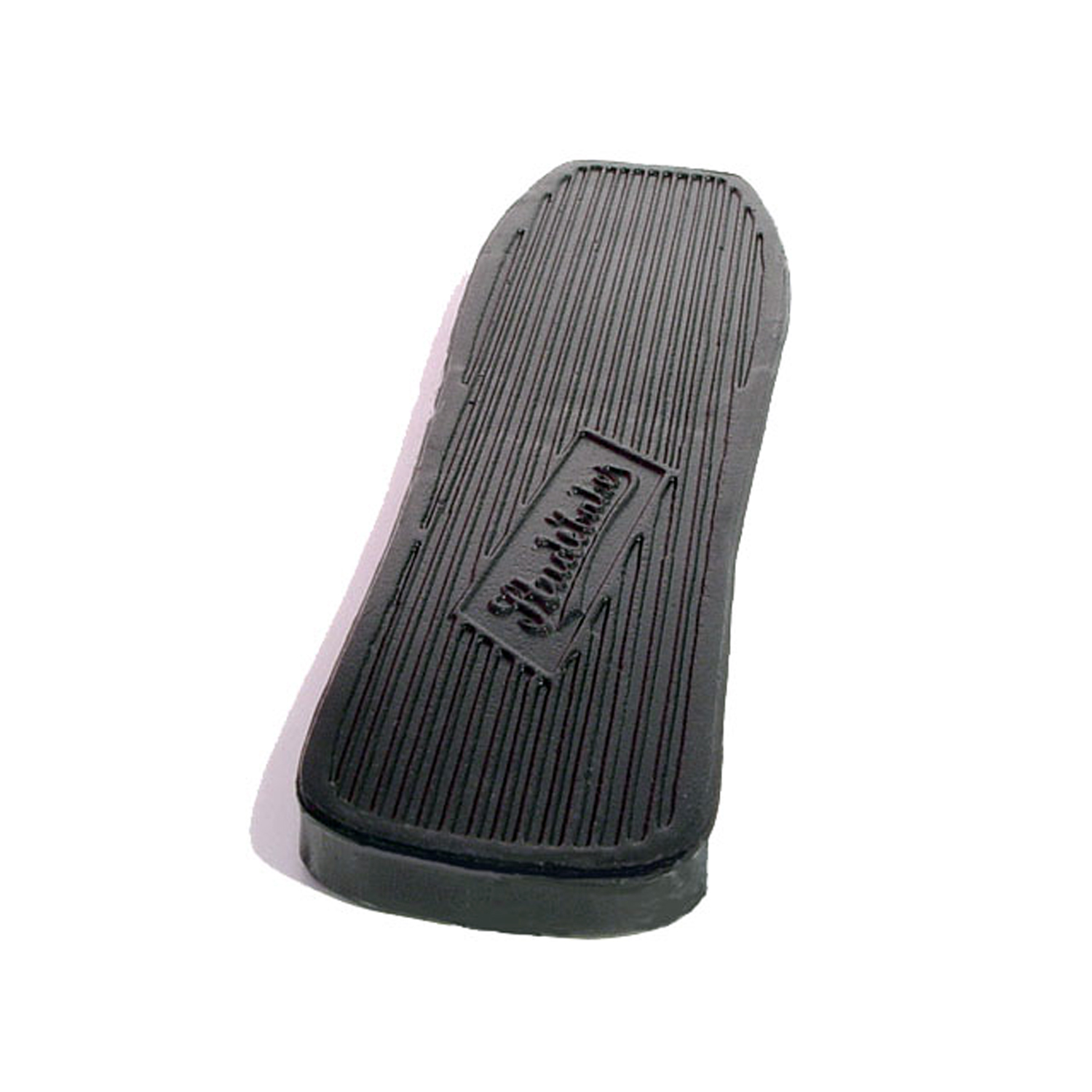 1931 Studebaker Dictator Model 61 Accelerator Pedal Pad, 2-3/8" X 9", Each-AP 22Accelerator Pedal Pad, 2-3/8" X 9", Each
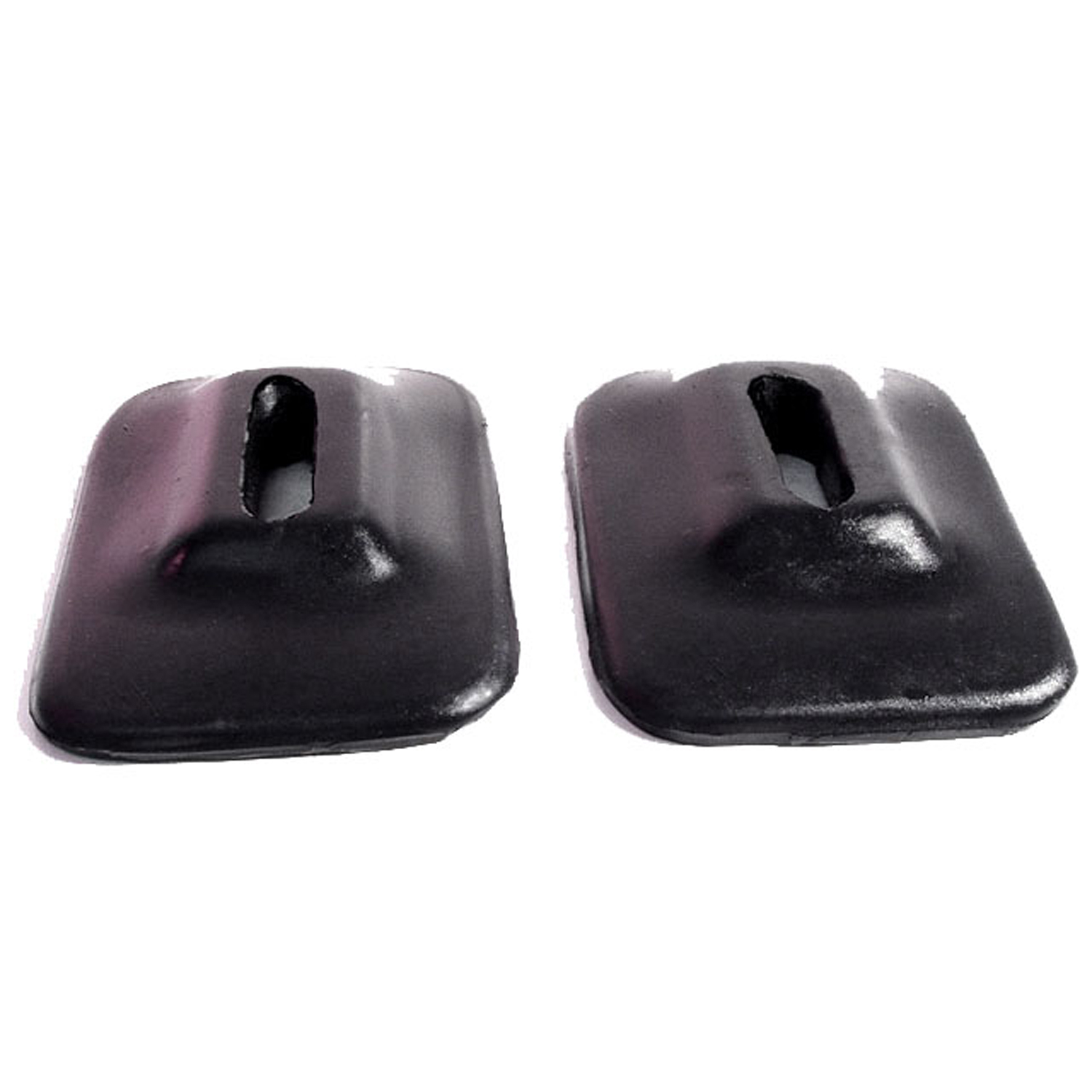 1931 Studebaker Dictator Model 61 Front and Rear Bumper Arm Grommets-BG 45Front and Rear Bumper Arm Grommets. 2-3/4" wide X 4-1/8" long, with 1-5/8" long inner slot. Pair
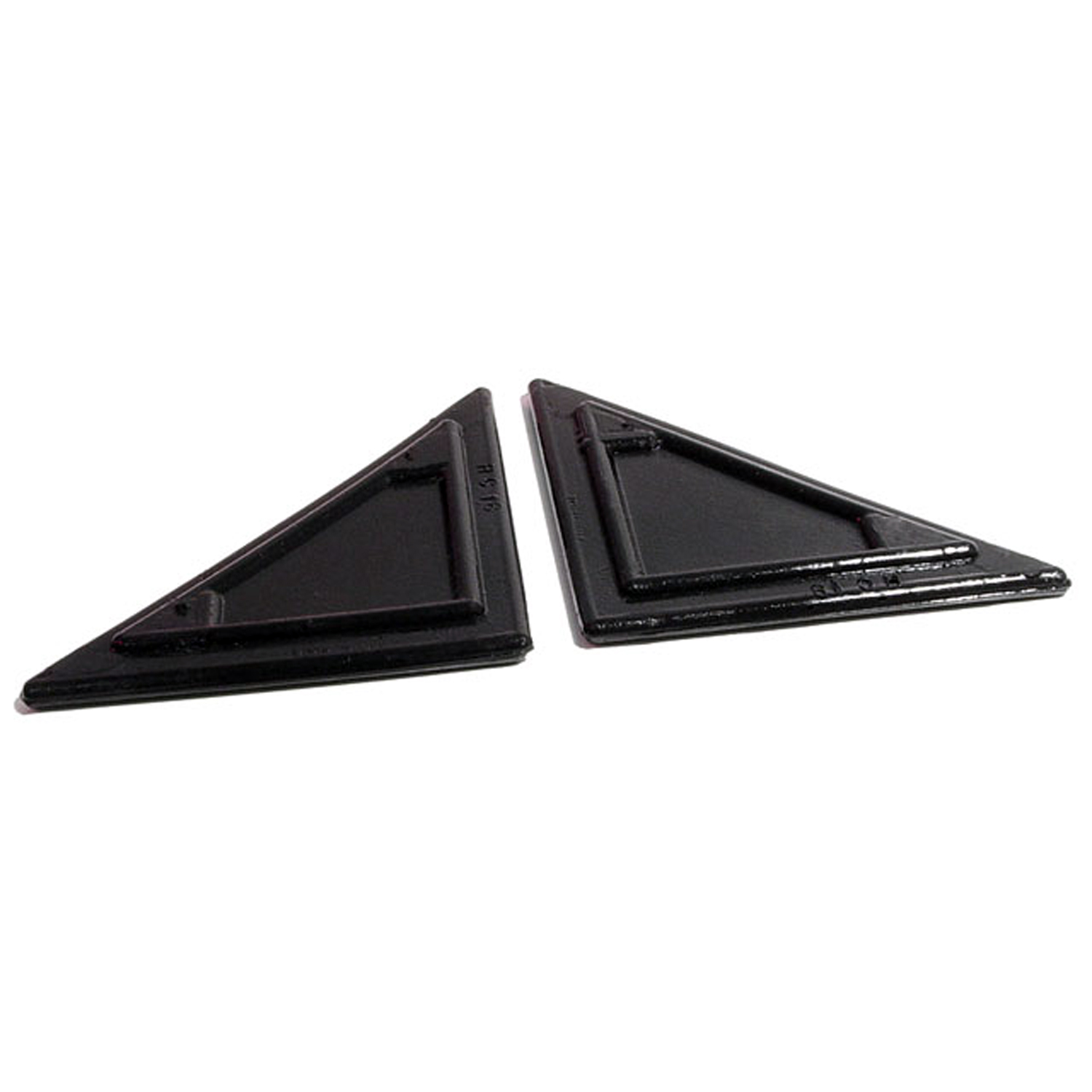 1931 Studebaker Dictator Model 61 Hood Corners. Original design. 2-3/4" wide. Pair-HC 18Hood Corners. Original design. 2-3/4" wide. Pair
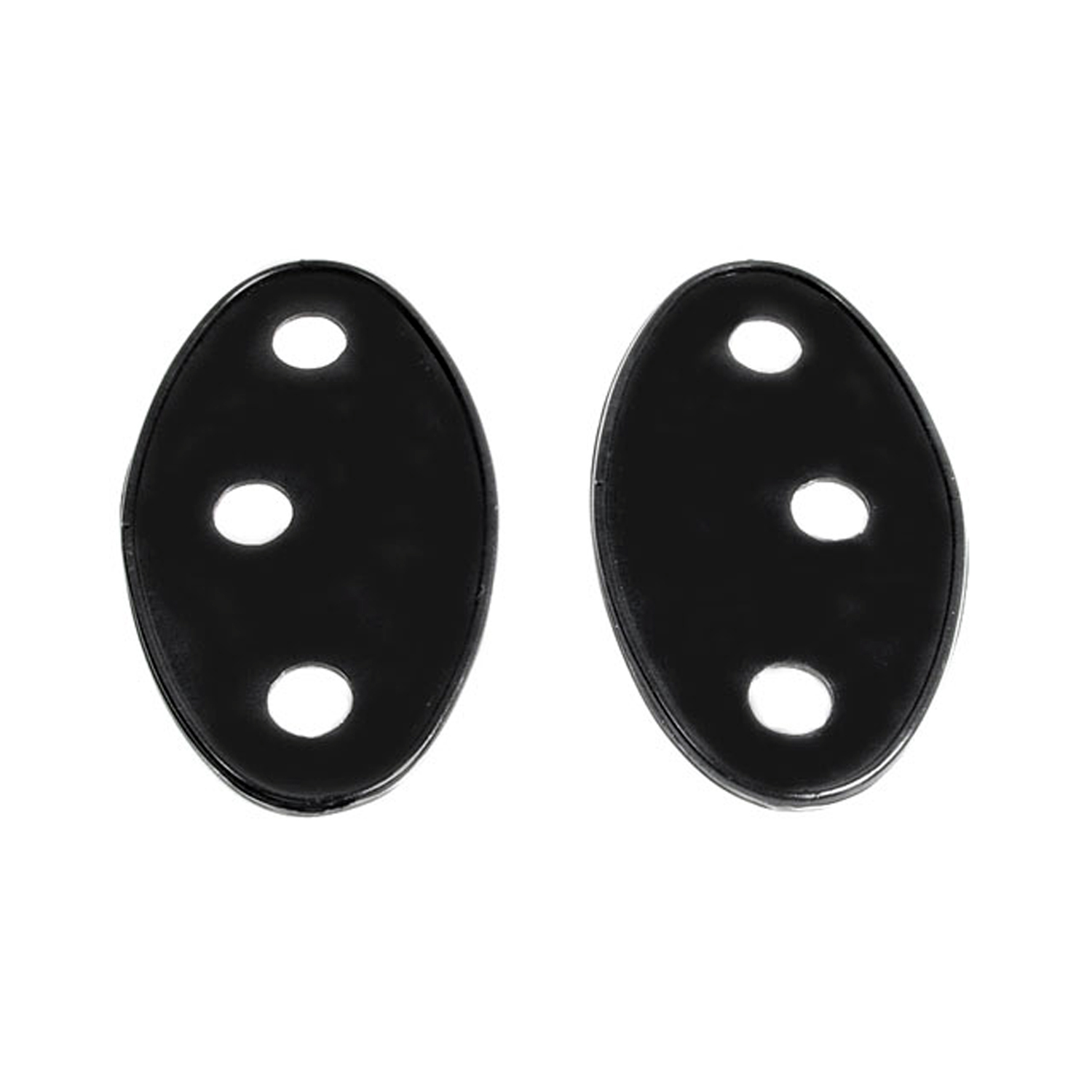 1931 Studebaker Dictator Model 61 Headlight Bracket Pads. 2-3/4" wide X 5" long. Pair-MP 960Headlight Bracket Pads. 2-3/4" wide X 5" long. Pair
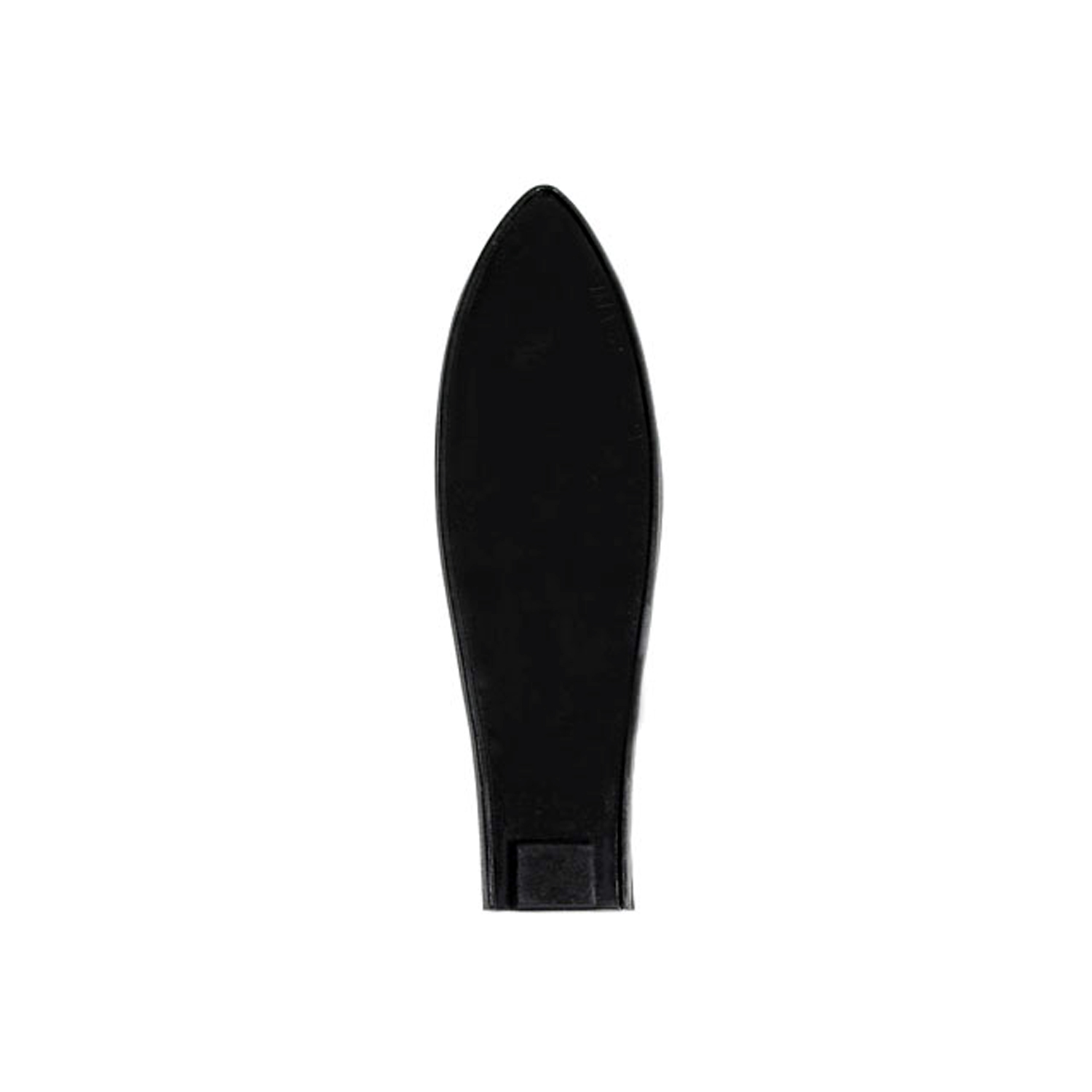 1931 Studebaker Dictator Model 61 Side Mount Clamp Pad. 2-5/8" wide X 9-1/4" long. Each-MP 962Side Mount Clamp Pad. 2-5/8" wide X 9-1/4" long. Each
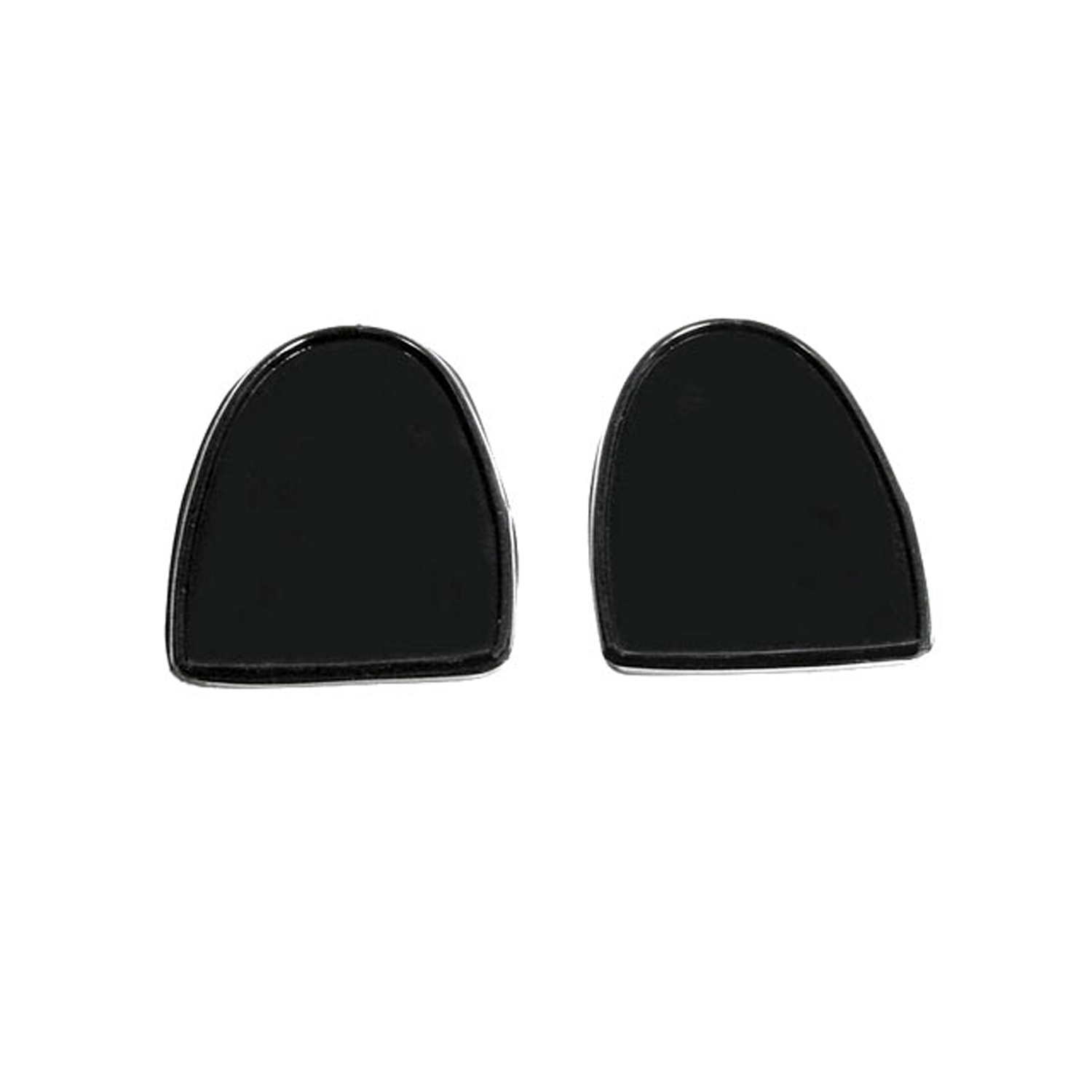 1931 Studebaker Dictator Model 61 Tail-light Pads. 2-1/2" wide X 3-1/4" long. Pair-MP 970Tail-light Pads. 2-1/2" wide X 3-1/4" long. Pair
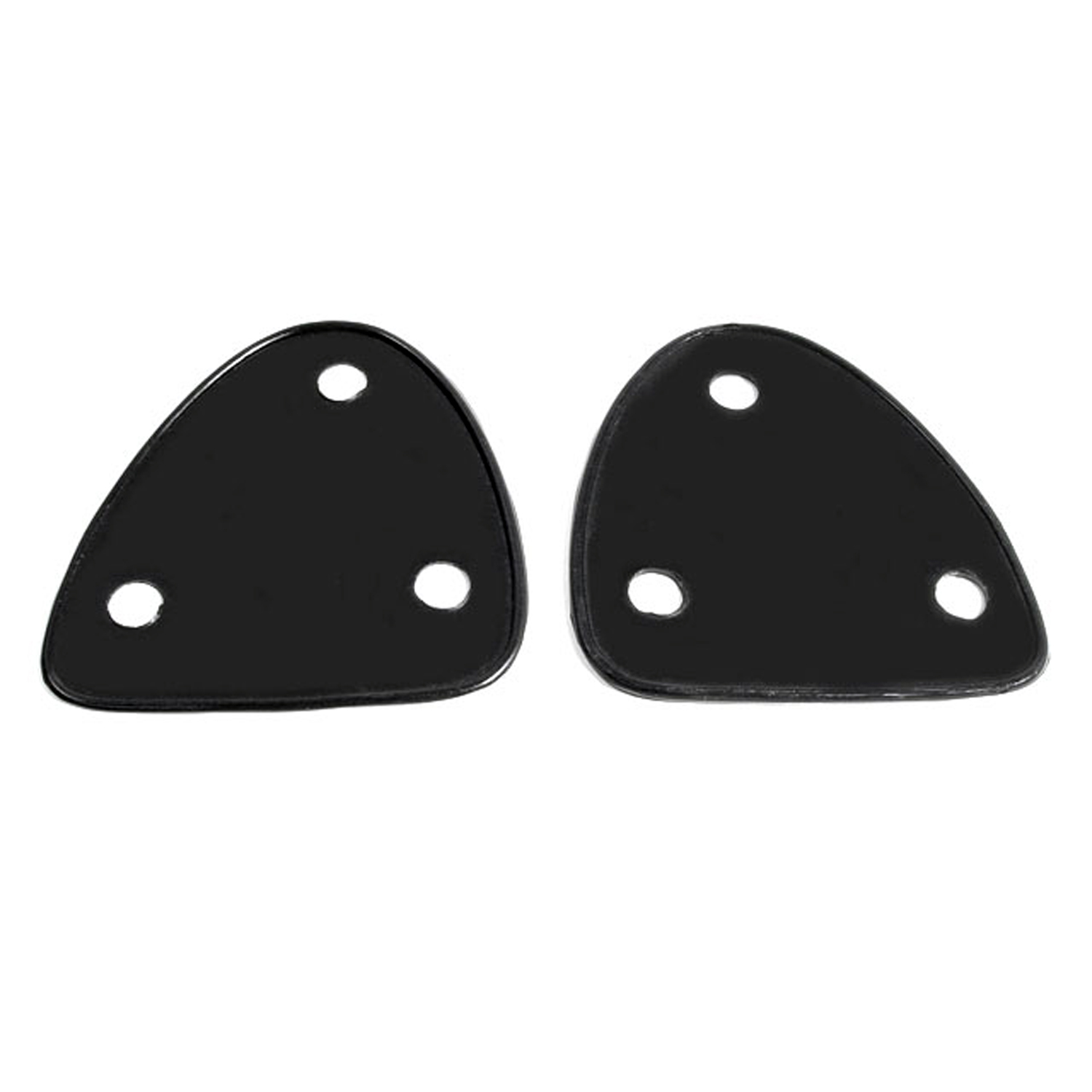 1931 Studebaker Dictator Model 61 Headlight Pads. 4-1/2" wide X 4-5/8" long. Pair R&L-MP 973Headlight Pads. 4-1/2" wide X 4-5/8" long. Pair R&L
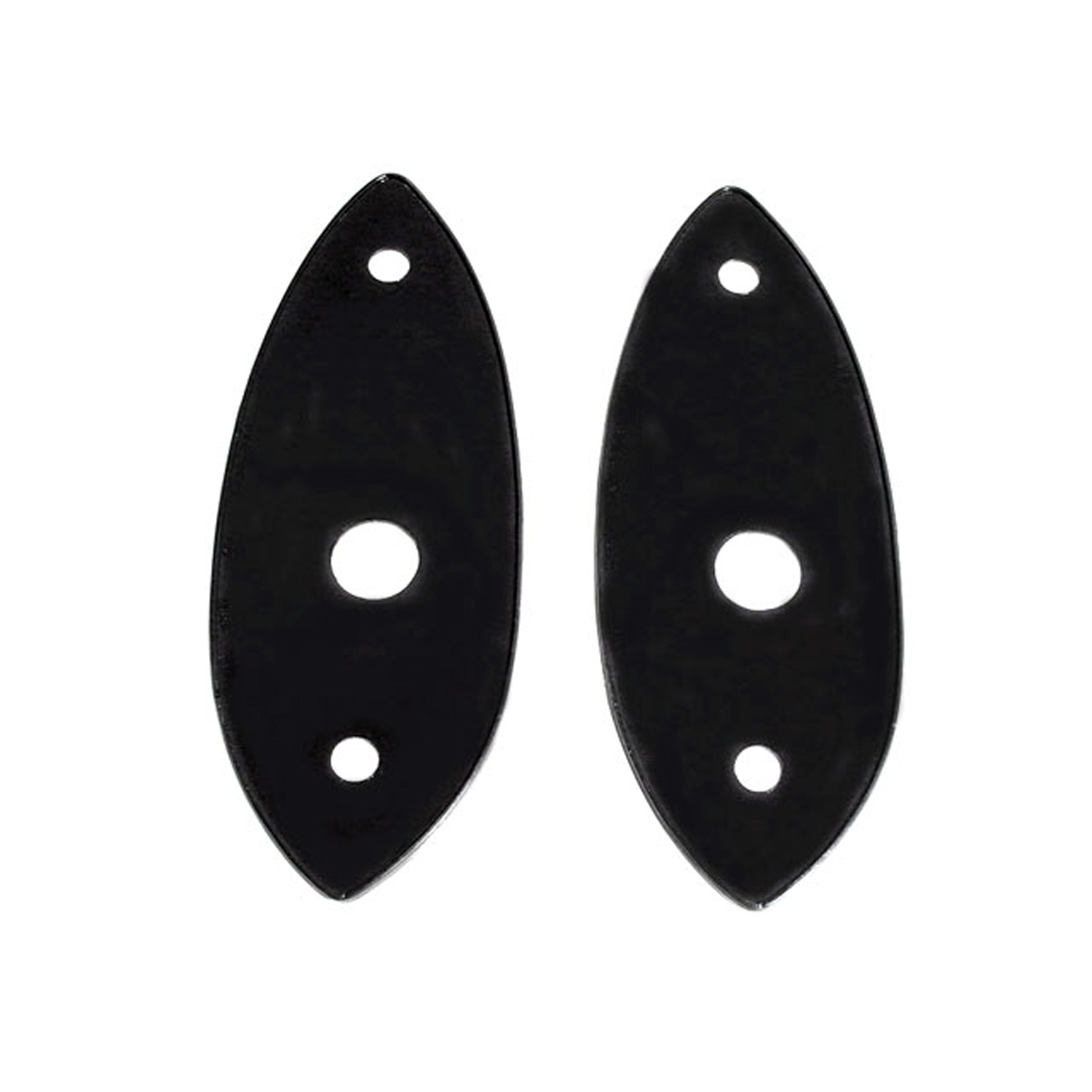 1931 Studebaker Dictator Model 61 Park Light Pads. 3-1/4" wide X 8-1/2" long. Pair-MP 980Park Light Pads. 3-1/4" wide X 8-1/2" long. Pair
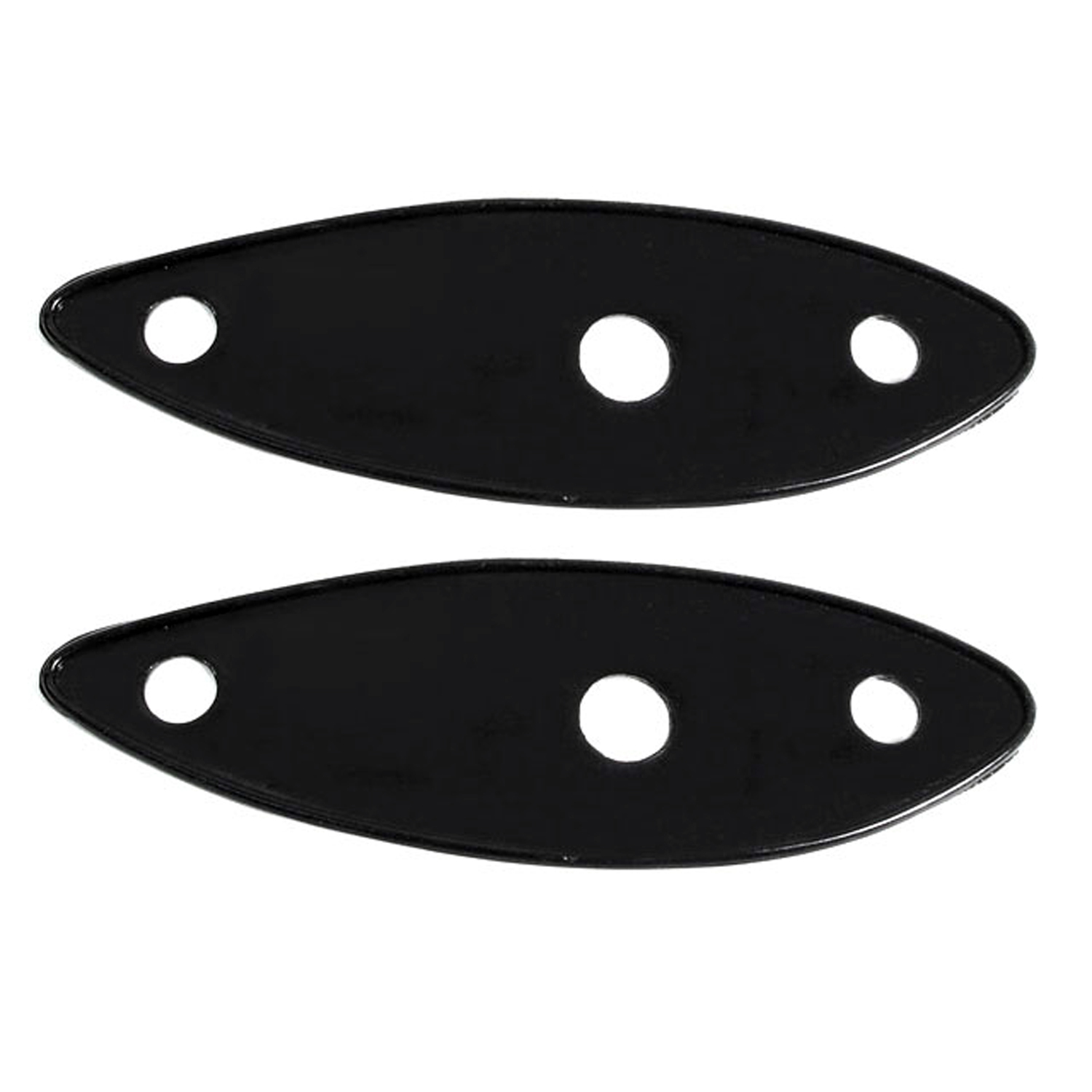 1931 Studebaker Dictator Model 61 Park Light Pads. 2-3/4" wide X 8-3/8" long. Pair-MP 990Park Light Pads. 2-3/4" wide X 8-3/8" long. Pair
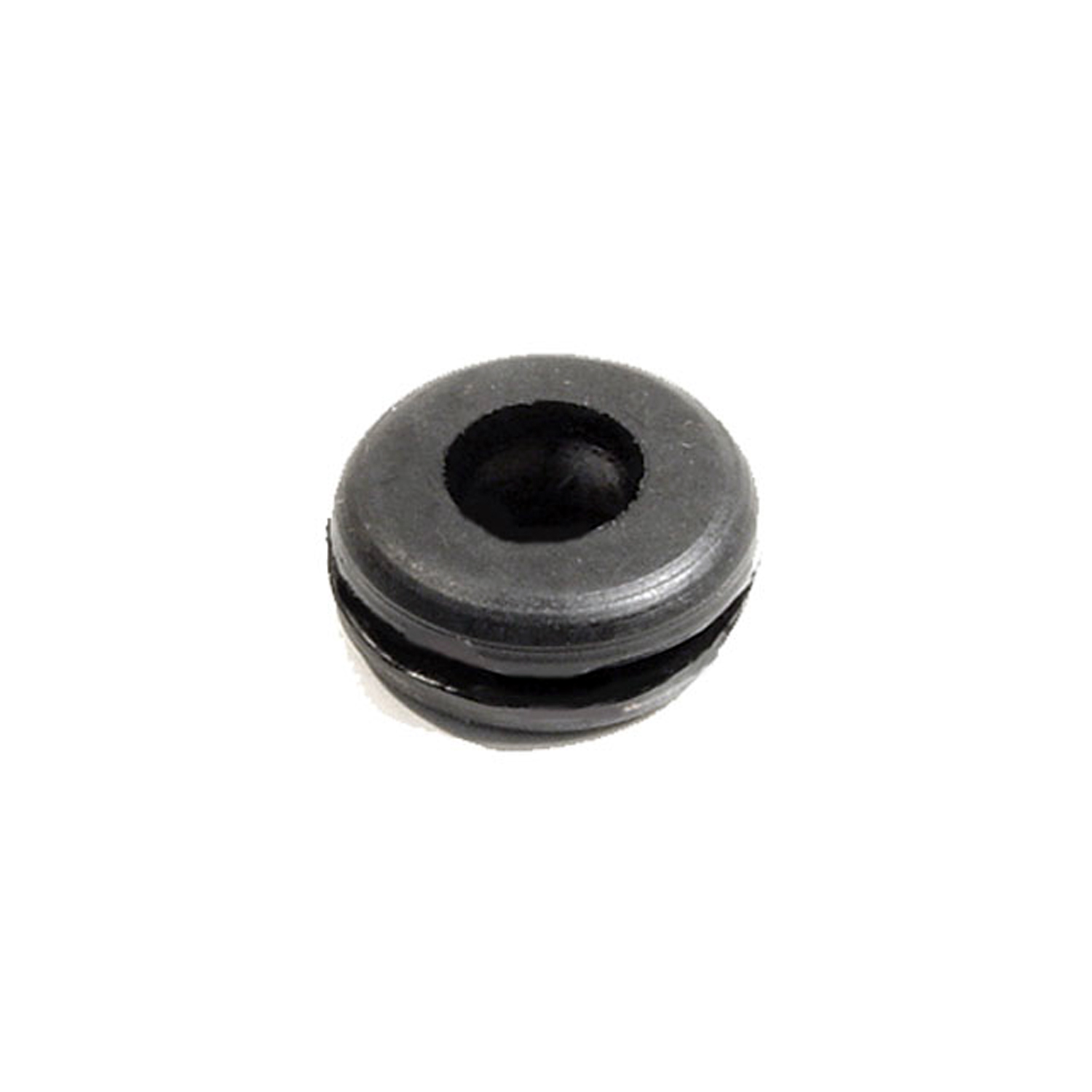 1931 Studebaker Dictator Model 61 Headlight & Tail-Light Wire Grommet. 3/8" I.D., 7/8" O.D-SM 13-AHeadlight & Tail-Light Wire Grommet. 3/8" I.D., 7/8" O.D. Each
Why Choose Metro?
For over 100 years, Metro Moulded Parts has been the pinnacle of quality in classic car restoration parts. Our commitment to precision and authenticity in every component ensures a perfect fit and an OEM-level appearance.
- Expert Craftsmanship & Quality: Each part is a testament to our dedication to reliability and perfection, crafted from original designs and thoroughly tested.
- Advanced Technology: We use cutting-edge techniques to create flawless, long-lasting parts that surpass others in performance.
- SuperSoft Sponge – The Ultimate Door Seal: Not only are our door seals 30% softer than competitors', but they're also guaranteed to never leak. They effectively reduce wind and road noise, enhancing your classic car's comfort and driving experience.
- Proudly American: Our parts are a product of American craftsmanship, made in the USA with a spirit of excellence and heritage.
- Unrivaled Warranty: We back our products with a 30-year industry-leading warranty, a testament to our confidence in their quality.
Join us in preserving the legacy of classic cars with parts that are crafted for perfection, not just made.