

Image of 1932 Studebaker Dictator Model 62, Note: These illustrations use artistic license and may differ from actual historical models.
Performance Metrics
Fundamental Metrics
Emotional Appeal
MMP Rating
| Engine Specifications | |
|---|---|
| Engine: | Straight-8 |
| Displacement: | 221 cubic inches |
| Horsepower: | Estimated 70-85 hp |
| Torque: | Not available |
| Compression Ratio: | Not available |
| Ignition System: | Distributor and coil |
| Cooling System: | Water-cooled |
| Performance Specifications | |
| 0-60 Time: | Not available |
| 1/4 Mile Time: | Not available |
| Top Speed: | 70-75 mph |
| Transmission and Drive | |
| Drive Type: | Rear-wheel drive |
| Transmission Type: | 3-speed manual |
| Fuel and Efficiency | |
| Fuel System Type: | Carburetor |
| MPG: | Not available |
| Dimensions and Brakes | |
| Brakes: | Mechanical drum brakes |
| Wheelbase: | 114 inches |
| Weight: | 2,800 lbs |
Note: Specifications for classic cars are given to the best of our ability, considering the limited and variant data available.
1932 Studebaker Dictator Model 62: A Prewar Classic With a Memorable Name
The 1932 Studebaker Dictator Model 62 paired a smooth six-cylinder engine with handsome, carefully tailored styling at a moment when American automakers were fighting to survive the Great Depression. Built by the Studebaker Corporation of South Bend, Indiana, it belonged to the company’s mid-priced Dictator line. The Model 62 is generally identified as the six-cylinder series, with the familiar four-door sedan among its best-known forms.
Studebaker had started as a wagon manufacturer in 1852 and moved into automobiles at the beginning of the twentieth century. By 1932, it had decades of vehicle-building experience, but even a well-established name was vulnerable to the collapsing economy. The Dictator offered buyers a substantial, well-equipped car without the price of a luxury model.
Its name is now the detail most people remember. Studebaker had introduced the Dictator name in the 1920s to suggest that the car “dictated” the standard in its class. As the word took on darker associations during the rise of European dictators, the company eventually retired it, replacing the Dictator with the Commander for the 1937 model year. That makes the Model 62 a striking snapshot of both Studebaker’s marketing history and the changing politics of the era.
Streamlined Styling and a Well-Finished Cabin
The Dictator’s design is unmistakably early 1930s: upright, substantial and ornamented, but already moving toward smoother, more integrated forms. A tall, bright radiator grille anchors the front end, flanked by large headlamps. The long hood leads into flowing front fenders, while running boards connect the front and rear bodywork. From the side, the rounded roof and separate fenders give the sedan a dignified profile without making it look as imposing as Studebaker’s more expensive cars.
Inside, the Model 62 was designed for practical comfort rather than bare-bones transportation. A broad bench seat, substantial door panels and a prominent instrument panel gave the cabin a finished, grown-up feel. Depending on body and trim, upholstery could use durable cloth or other period-appropriate materials, with polished metal or woodgrain-style details adding visual warmth. As with any 1932 car, the exact trim depended on the body style and equipment ordered.
Factory paint choices varied by body and trim combination. Period colors commonly included traditional dark shades such as black, blue, green and maroon, sometimes paired with contrasting details. Deep, conservative colors suit the car’s formal lines, though today’s survivors also appear in brighter restorations. Buyers considering a restoration should check period literature or the car’s surviving records before assuming that its current color is factory-correct.
The Dictator range included closed body styles such as sedans and coupes, with the exact selection depending on the catalog and market. The four-door sedan is the most instantly recognizable and practical version, while coupe forms have a sportier profile and can attract extra interest from collectors. Model 62 references identify the six-cylinder Dictator series; the precise body configuration should be confirmed from the individual car’s identification details and period documentation.
Six-Cylinder Engineering for the Early 1930s
Under the hood, the Model 62 used a 205.3-cubic-inch L-head inline-six, rated at approximately 70 horsepower. It sent power through a conventional three-speed manual transmission. The engine’s side-valve layout was not exotic, but it was a well-established design suited to steady road use and straightforward servicing.
Four-wheel hydraulic drum brakes were an important part of the car’s equipment. Hydraulic braking was no longer unique by 1932, but it gave drivers more consistent braking force than older mechanical systems when properly maintained. The Dictator also reflected the period’s gradual shift toward coordinated, factory-designed body styling. Studebaker worked with prominent design talent during this era, including industrial designer Raymond Loewy, helping build a reputation for considered appearance across its range.
The Model 62 did not introduce a single technology that transformed the industry. Its appeal was the combination: a properly equipped car, a six-cylinder engine, hydraulic brakes and polished styling at a more accessible level than a luxury automobile. That formula helped make mid-priced cars increasingly attractive to families who wanted more comfort and presence than a basic economy car could offer.
Road Performance and Driving Feel
With about 70 horsepower, the Dictator was built for composed touring, not quick acceleration. A reasonable modern estimate puts its top speed in the neighborhood of 70 to 75 mph, while 0-to-60 mph likely took roughly 25 to 30 seconds, depending on condition, gearing, body style and load. These are estimates rather than modern standardized test figures, and a well-preserved original may perform differently from a tired or heavily restored example.
On the road, the six should deliver a steady, low-pitched mechanical note rather than a sporty exhaust bark. The manual gearbox asks the driver to work deliberately, particularly when accelerating or climbing a hill. Tall period tires and a traditional suspension give the car a soft, rolling ride over ordinary road imperfections, but bumps can produce more body movement than a modern driver is used to.
On a winding road, the Dictator rewards smooth inputs. Its narrow tires, period steering and substantial body encourage a measured pace, and drivers should expect noticeable lean in corners. Crosswinds and uneven pavement can make the car feel less settled than a contemporary vehicle. The experience is best understood as relaxed vintage motoring: listen to the engine, plan braking early and let the car take its time.
Ownership, Maintenance and Reliability
In 1932, the Dictator could serve as a family car, a business vehicle or a comfortable long-distance tourer. Today, most examples are used as show cars, parade vehicles and weekend drivers rather than daily transportation. A sound Model 62 can still cover local roads, but regular highway use requires careful attention to its brakes, tires, steering and cooling system.
The six-cylinder engine is mechanically approachable for an owner with traditional repair skills. Basic service work is familiar to many vintage-car specialists, and the relatively straightforward engine layout is less intimidating than later, more complex powertrains. The bigger challenge is often sourcing correct parts, trim and body components. Some pieces may require specialist suppliers, careful rebuilding or fabrication, so a complete car is usually a better starting point than an incomplete bargain.
Reliability depends heavily on condition. A 1932 car may have decades of repairs behind it, and old wiring, deteriorated hoses, worn brake components and aged tires deserve attention even if the vehicle appears polished. Before driving one, inspect the hydraulic brakes thoroughly and confirm that the cooling system and fuel lines are safe. Originality is appealing, but roadworthiness comes first.
Dictator Name, Rarity and Other Facts
The most memorable bit of Dictator trivia is the name’s unexpected afterlife. It was originally intended as a boast about the car’s leadership in its class, not a political statement. But language changed around it, and Studebaker eventually chose Commander as a more comfortable name for the model line.
The Model 62 is not known for a headline speed record or a famous endurance feat. Its story is more closely tied to Studebaker’s effort to keep selling well-made cars during the Depression. The company entered receivership in 1933 before reorganizing, adding context to the 1932 Dictator: it belongs to a period when even established manufacturers were under severe financial pressure.
There is no widely documented celebrity ownership or single famous historical event that defines the Model 62. Its appeal is more grounded: it represents a period Studebaker sedan with distinctive styling, traditional mechanicals and a name that became increasingly out of step with the times. A common criticism is that the Dictator is less familiar to collectors than comparable Fords, Chevrolets or senior Studebaker models. That lower profile can also make it an appealing alternative for buyers who want a less predictable prewar classic.
Collector Value and Market Outlook
Exact production figures for individual 1932 Dictator body styles can be difficult to establish from commonly available records. As a best estimate, perhaps 15,000 to 20,000 Model 62 cars were produced across the series, with the number surviving today much smaller. That estimate should be treated as a guide, not a verified factory total. The Model 62 is uncommon, but it is not generally regarded as a one-of-a-kind or ultra-rare model.
For a broad U.S. market estimate, a project car might bring about $5,000 to $12,000, while a sound driver-quality sedan could fall around $15,000 to $30,000. A highly restored, correctly presented example may reach roughly $30,000 to $45,000 or more. Body style, originality, restoration quality, documentation and regional demand can move the price substantially. Exceptional or especially desirable configurations may sit outside these ranges.
Values for prewar sedans like the Dictator tend to be selective rather than uniformly strong. Well-restored cars with good provenance can attract serious buyers, but the broader market is smaller than it is for more famous nameplates. In inflation-adjusted terms, many ordinary examples have been fairly flat or soft over time. Buyers should choose one for its character and condition, not assume that every restoration will produce a financial gain.
Why the 1932 Studebaker Dictator Still Matters
The 1932 Studebaker Dictator Model 62 brings together a capable six-cylinder engine, hydraulic brakes, comfortable proportions and the workmanlike elegance of an American sedan from the Depression era. It was not a record-breaker, but it offered a compelling balance of price, equipment and presence at a difficult moment for the industry.
Today, the Model 62 is a reminder that classic-car history is not made only by the fastest or most famous machines. Sometimes it is found in a thoughtfully built family car, wearing a name that outlived its original meaning and carrying the story of a company determined to keep moving forward.
1932 Studebaker Dictator Model 62 Catalog of Parts
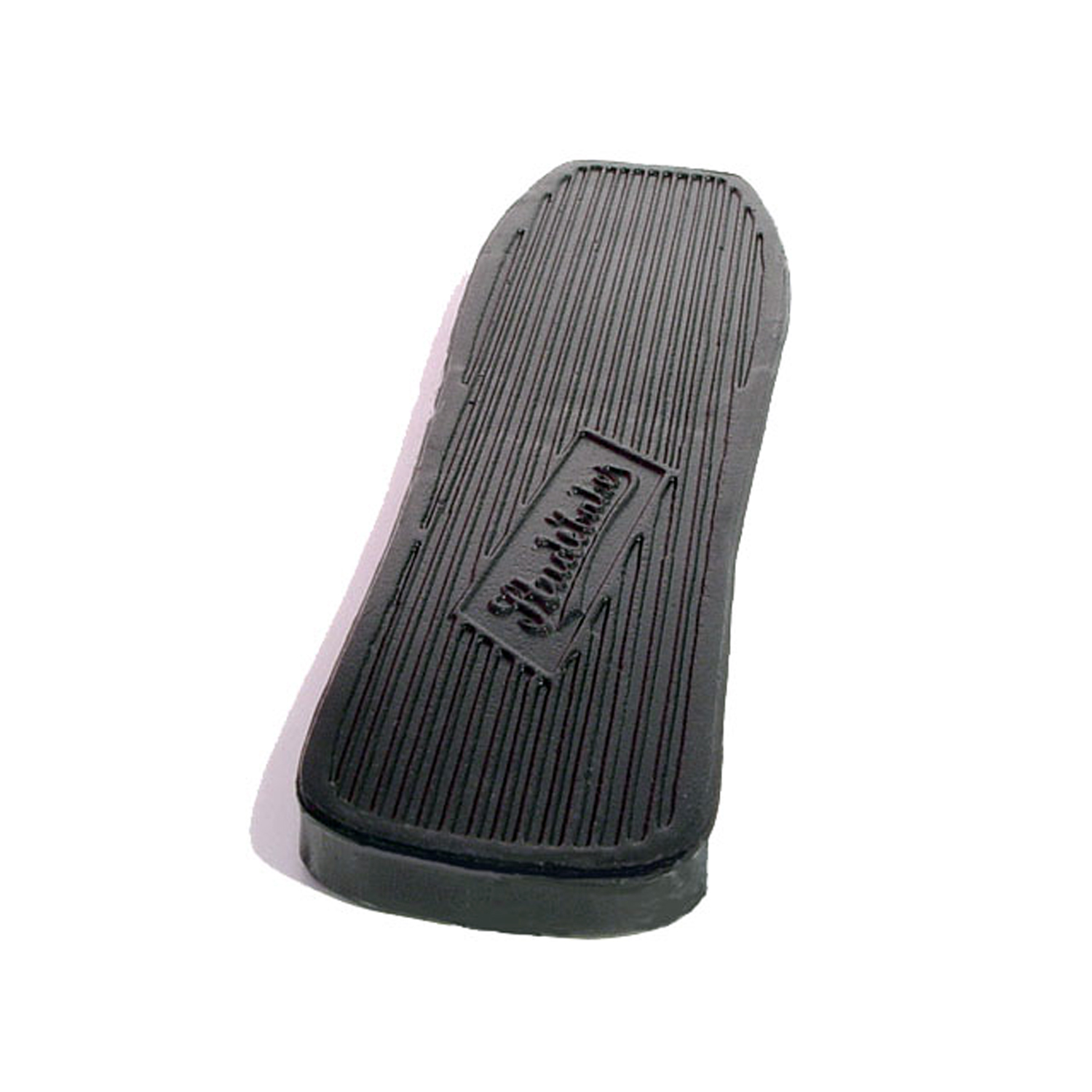 1932 Studebaker Dictator Model 62 Accelerator Pedal Pad, 2-3/8" X 9", Each-AP 22Accelerator Pedal Pad, 2-3/8" X 9", Each
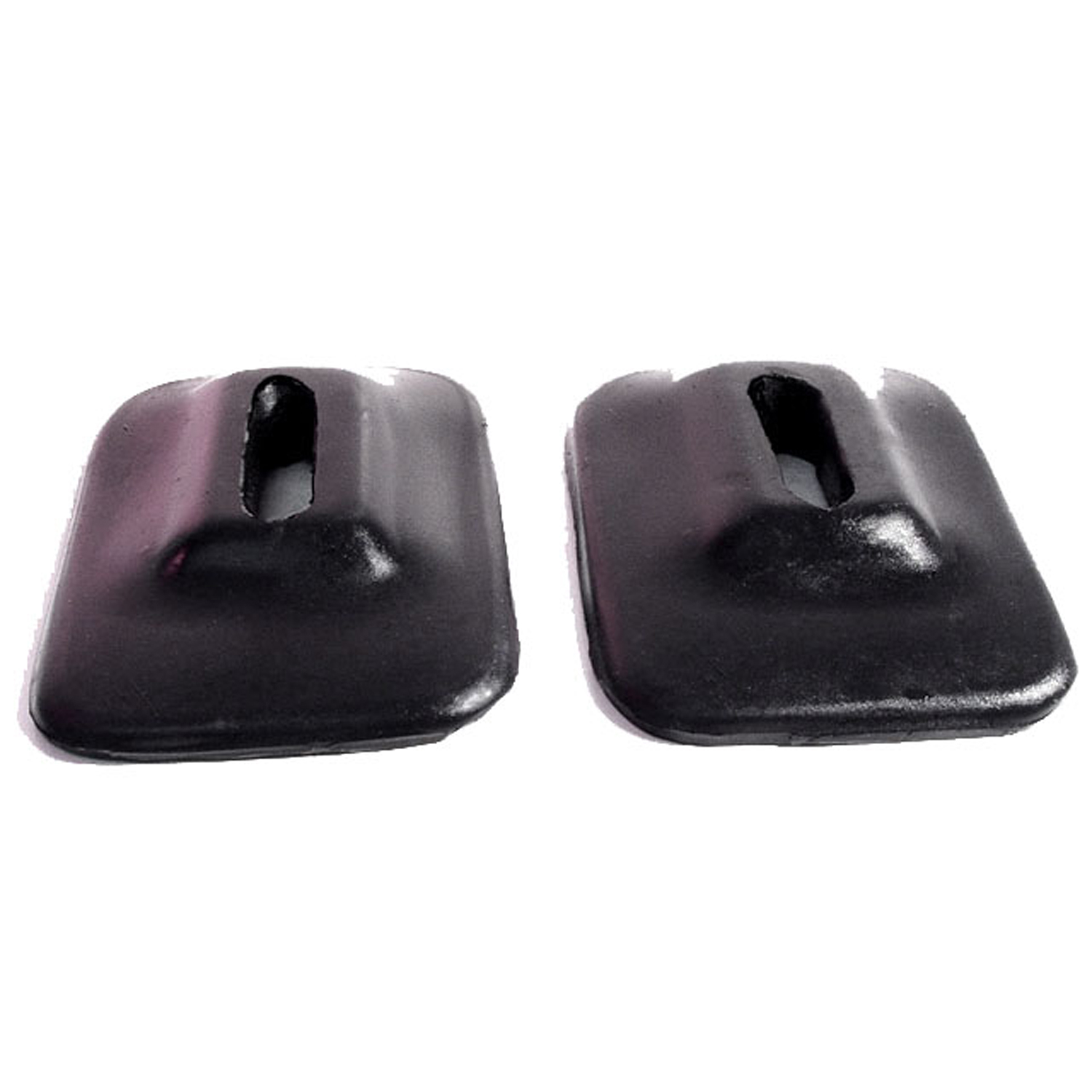 1932 Studebaker Dictator Model 62 Front and Rear Bumper Arm Grommets-BG 45Front and Rear Bumper Arm Grommets. 2-3/4" wide X 4-1/8" long, with 1-5/8" long inner slot. Pair
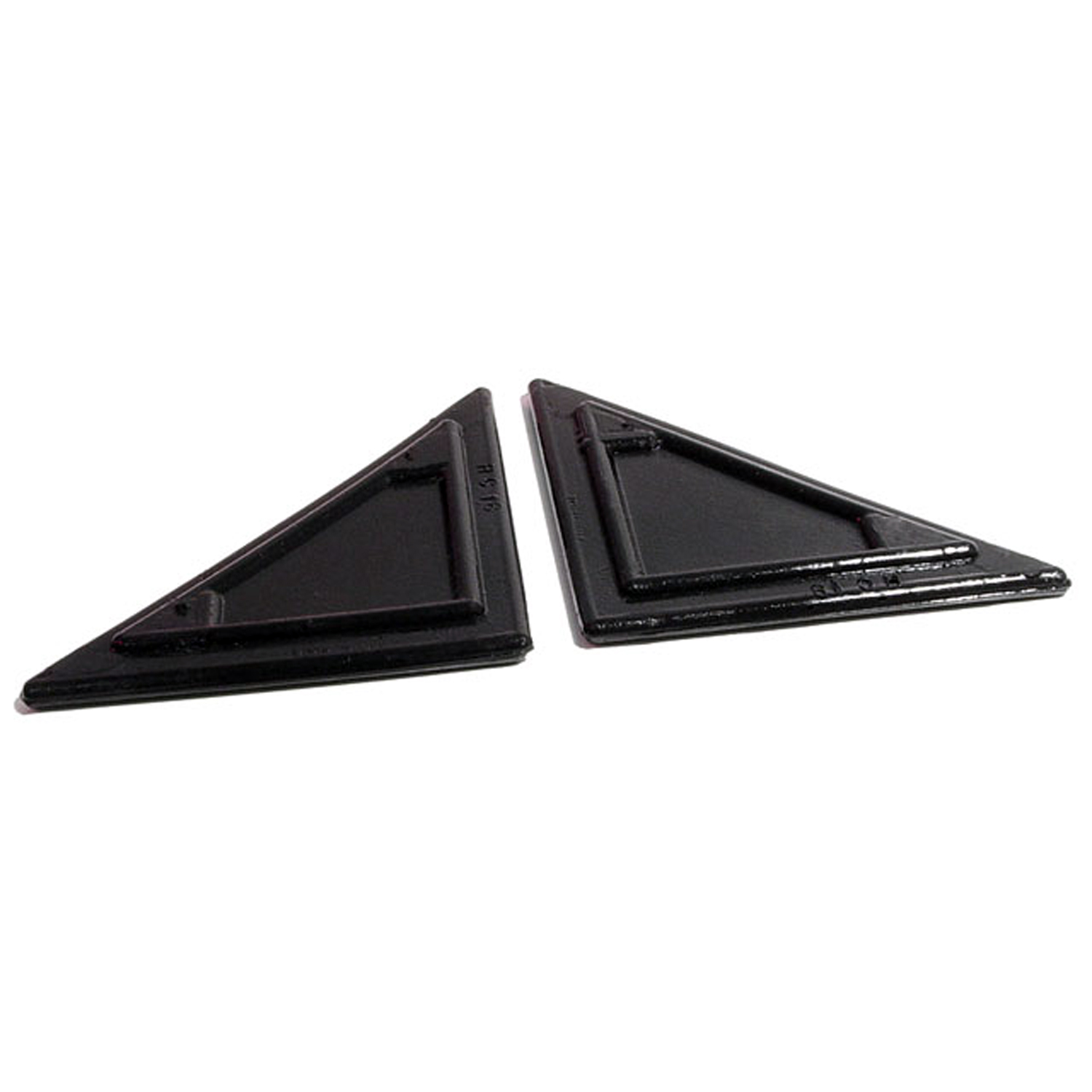 1932 Studebaker Dictator Model 62 Hood Corners. Original design. 2-3/4" wide. Pair-HC 18Hood Corners. Original design. 2-3/4" wide. Pair
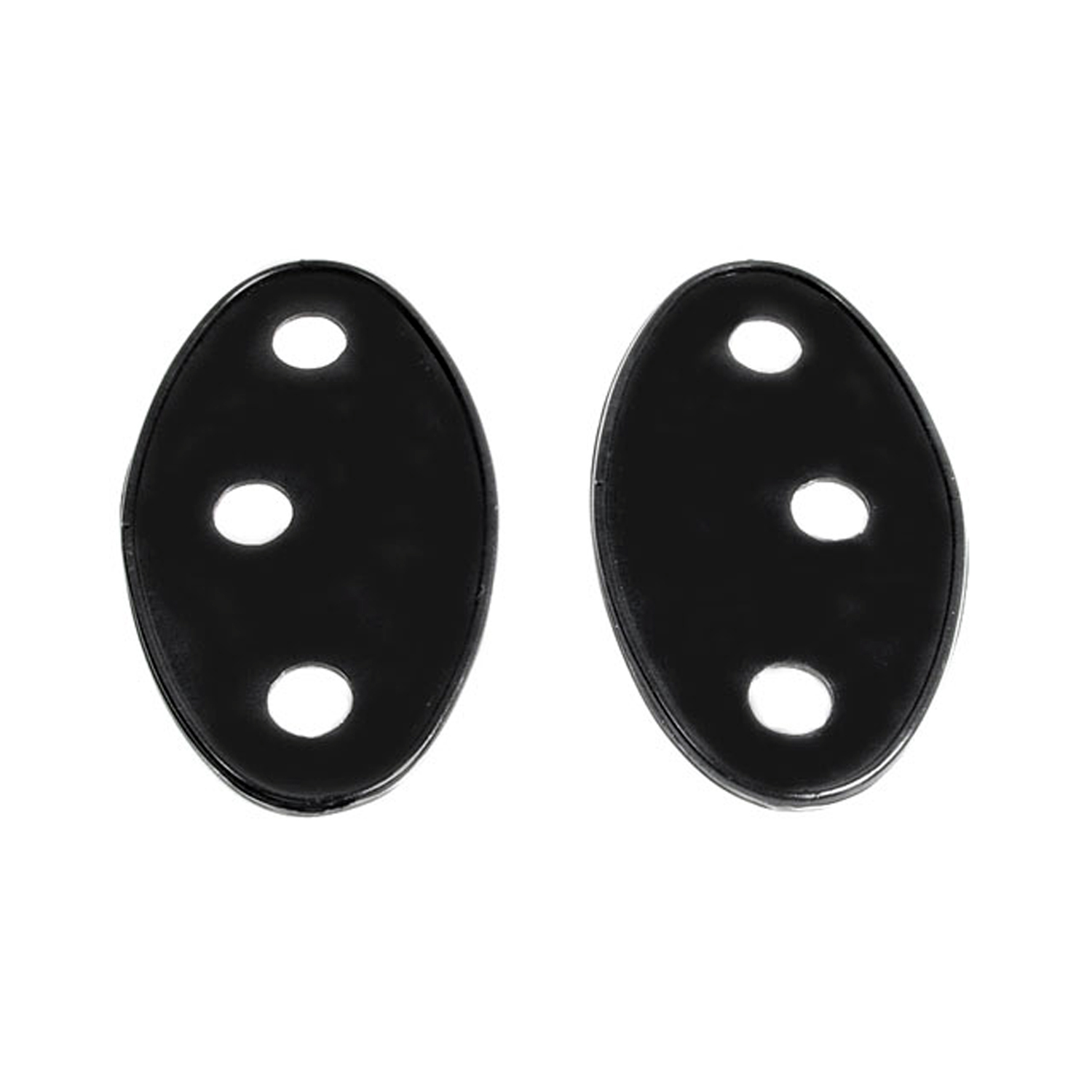 1932 Studebaker Dictator Model 62 Headlight Bracket Pads. 2-3/4" wide X 5" long. Pair-MP 960Headlight Bracket Pads. 2-3/4" wide X 5" long. Pair
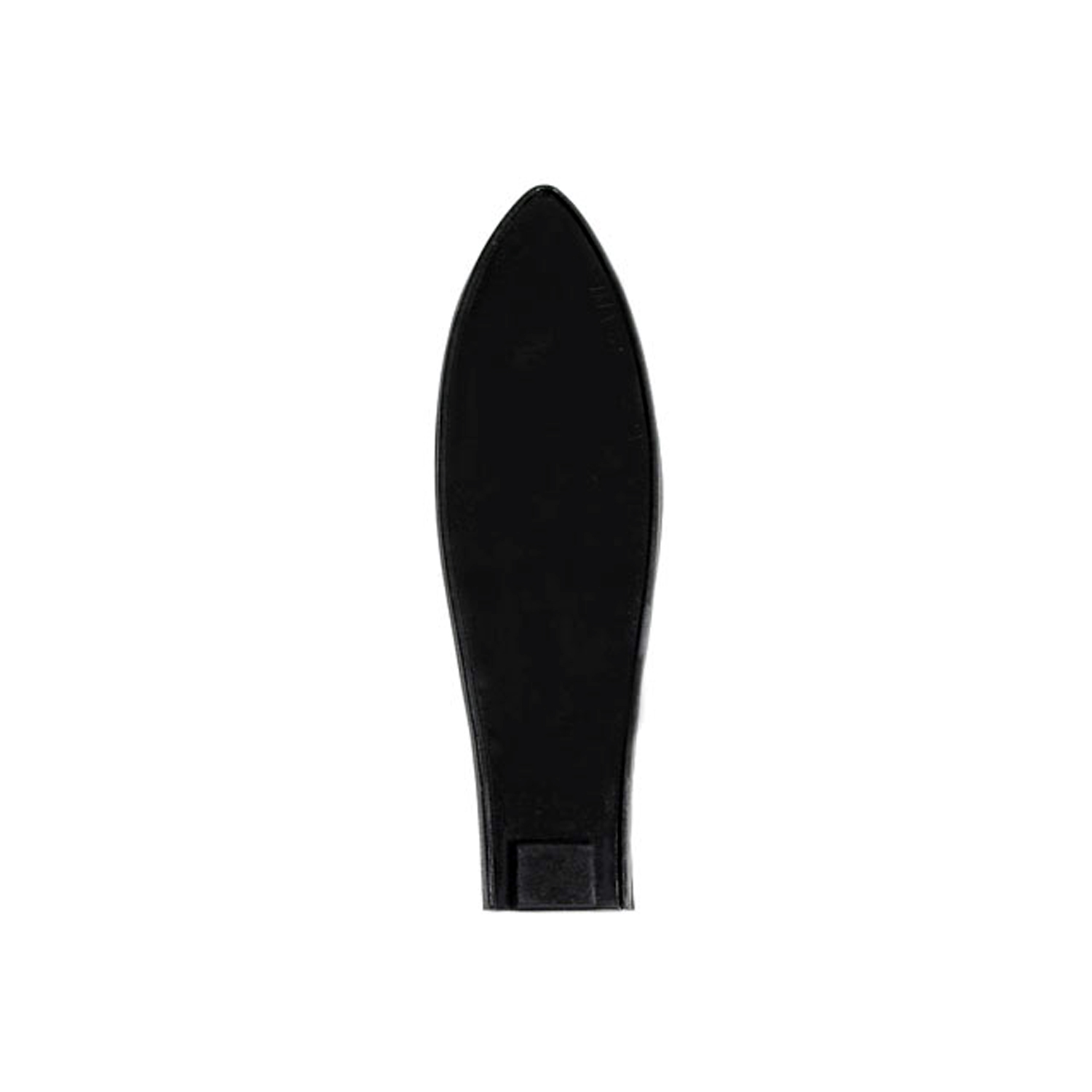 1932 Studebaker Dictator Model 62 Side Mount Clamp Pad. 2-5/8" wide X 9-1/4" long. Each-MP 962Side Mount Clamp Pad. 2-5/8" wide X 9-1/4" long. Each
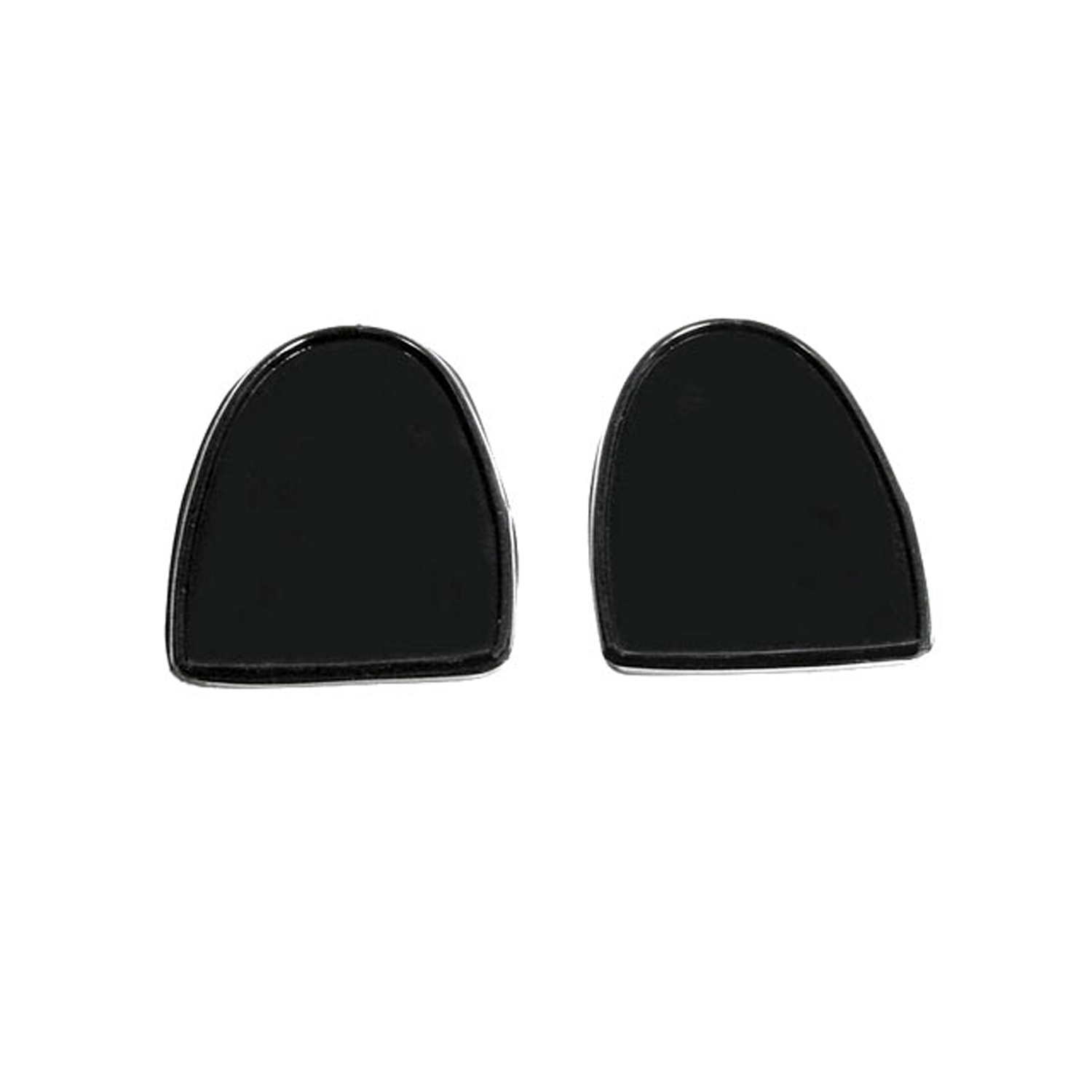 1932 Studebaker Dictator Model 62 Tail-light Pads. 2-1/2" wide X 3-1/4" long. Pair-MP 970Tail-light Pads. 2-1/2" wide X 3-1/4" long. Pair
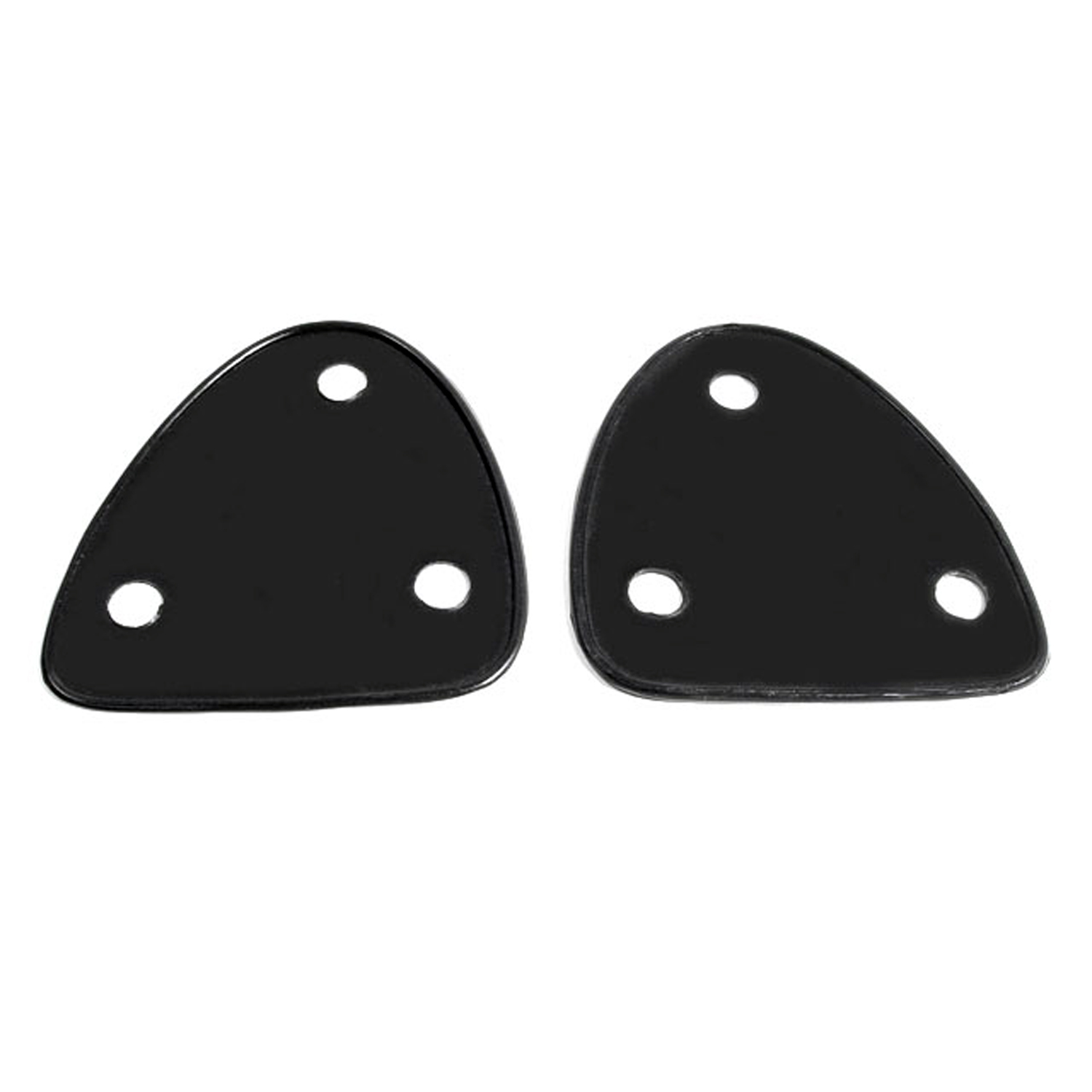 1932 Studebaker Dictator Model 62 Headlight Pads. 4-1/2" wide X 4-5/8" long. Pair R&L-MP 973Headlight Pads. 4-1/2" wide X 4-5/8" long. Pair R&L
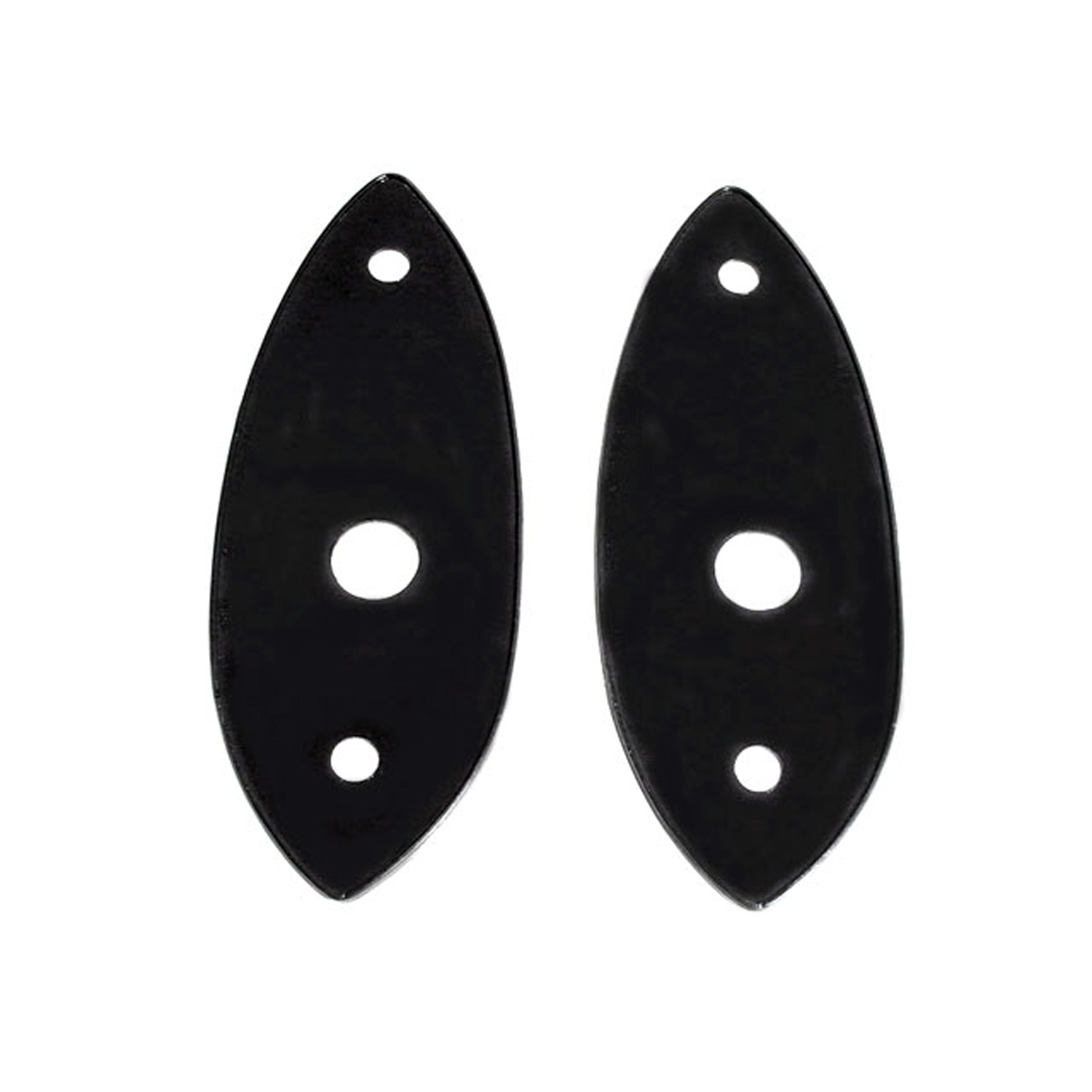 1932 Studebaker Dictator Model 62 Park Light Pads. 3-1/4" wide X 8-1/2" long. Pair-MP 980Park Light Pads. 3-1/4" wide X 8-1/2" long. Pair
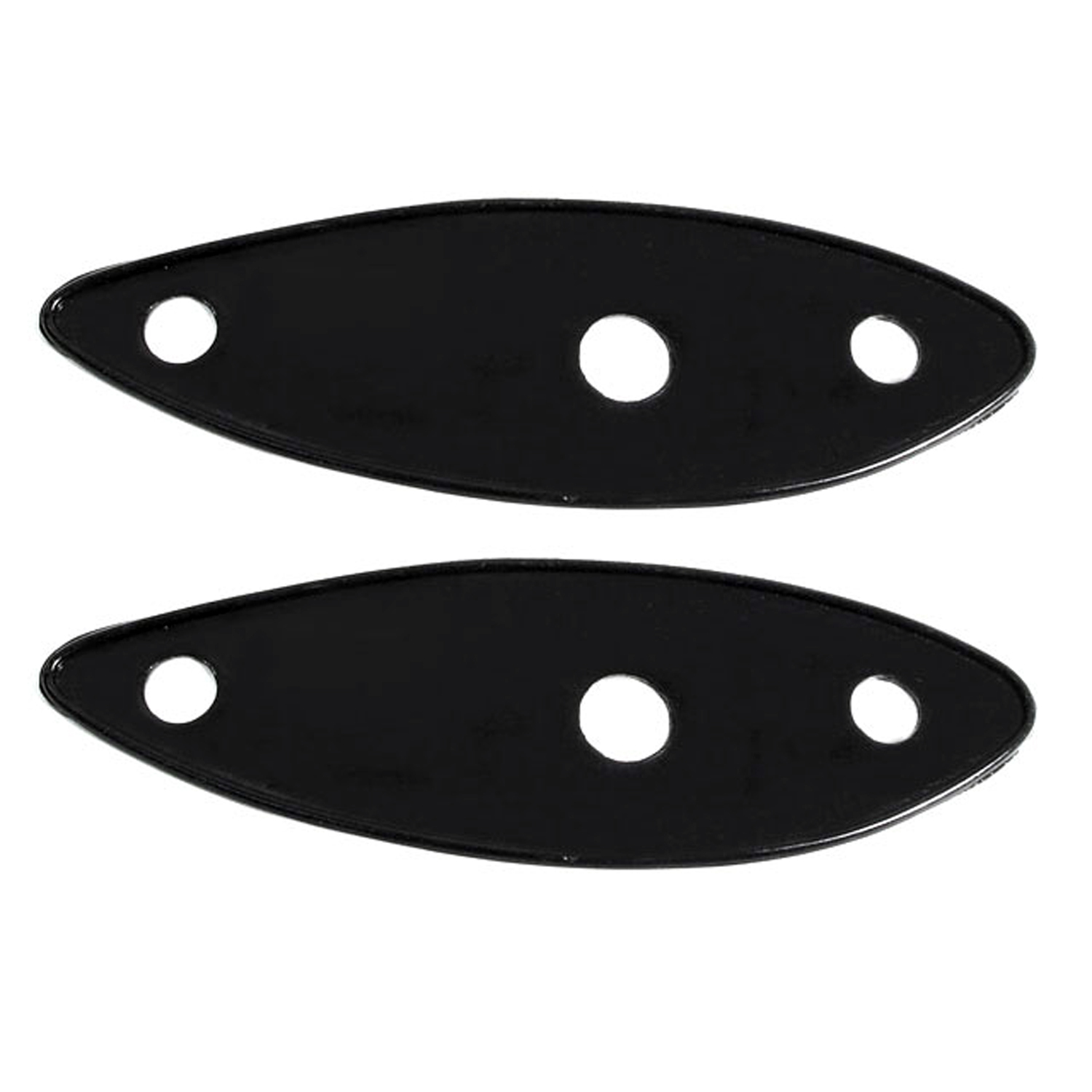 1932 Studebaker Dictator Model 62 Park Light Pads. 2-3/4" wide X 8-3/8" long. Pair-MP 990Park Light Pads. 2-3/4" wide X 8-3/8" long. Pair
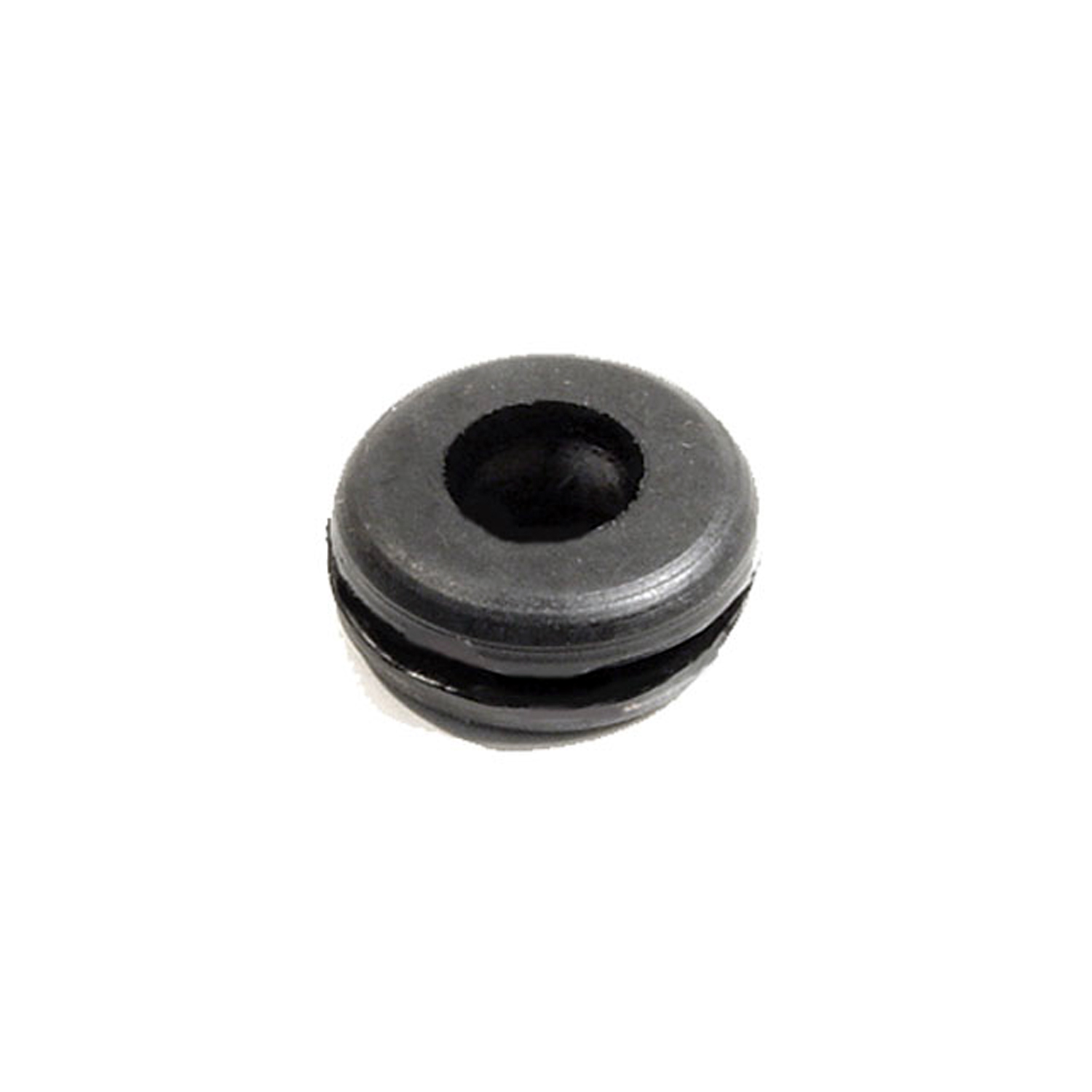 1932 Studebaker Dictator Model 62 Headlight & Tail-Light Wire Grommet. 3/8" I.D., 7/8" O.D-SM 13-AHeadlight & Tail-Light Wire Grommet. 3/8" I.D., 7/8" O.D. Each
Why Choose Metro?
For over 100 years, Metro Moulded Parts has been the pinnacle of quality in classic car restoration parts. Our commitment to precision and authenticity in every component ensures a perfect fit and an OEM-level appearance.
- Expert Craftsmanship & Quality: Each part is a testament to our dedication to reliability and perfection, crafted from original designs and thoroughly tested.
- Advanced Technology: We use cutting-edge techniques to create flawless, long-lasting parts that surpass others in performance.
- SuperSoft Sponge – The Ultimate Door Seal: Not only are our door seals 30% softer than competitors', but they're also guaranteed to never leak. They effectively reduce wind and road noise, enhancing your classic car's comfort and driving experience.
- Proudly American: Our parts are a product of American craftsmanship, made in the USA with a spirit of excellence and heritage.
- Unrivaled Warranty: We back our products with a 30-year industry-leading warranty, a testament to our confidence in their quality.
Join us in preserving the legacy of classic cars with parts that are crafted for perfection, not just made.