

Image of 1932 Studebaker President Model 91, Note: These illustrations use artistic license and may differ from actual historical models.
Performance Metrics
Fundamental Metrics
Emotional Appeal
MMP Rating
| Engine Specifications | |
|---|---|
| Engine: | Straight-8 |
| Displacement: | 337 cubic inches |
| Horsepower: | Estimated 122-126 HP |
| Torque: | Information not available |
| Compression Ratio: | Information not available |
| Ignition System: | Battery and coil |
| Cooling System: | Water-cooled |
| Performance Specifications | |
| 0-60 Time: | Information not available |
| 1/4 Mile Time: | Information not available |
| Top Speed: | 80-85 mph |
| Transmission and Drive | |
| Drive Type: | Rear-wheel drive |
| Transmission Type: | 3-speed manual |
| Fuel and Efficiency | |
| Fuel System Type: | Carburetor |
| MPG: | Information not available |
| Dimensions and Brakes | |
| Brakes: | Mechanical drum brakes |
| Wheelbase: | 135 inches |
| Weight: | Estimated 3,800-4,000 lbs |
Note: Specifications for classic cars are given to the best of our ability, considering the limited and variant data available.
1932 Studebaker President Model 91: A Flagship Built for the Open Road
The 1932 Studebaker President Model 91 was a luxury car with a remarkable mix of refinement and stamina: a long, low body, a powerful straight-eight engine, and the kind of road presence usually associated with America’s most prestigious marques. Built by the Studebaker Corporation of South Bend, Indiana, the President sat at the top of the company’s lineup, aimed at buyers who wanted substantial size and performance without choosing a Cadillac or Packard.
Its arrival came at a difficult moment. The Great Depression was squeezing demand for expensive cars, and Studebaker entered receivership in 1933. Yet the company continued to build ambitious machines, and the Model 91 became one of the clearest expressions of its prewar engineering confidence. One especially memorable claim followed the President Eight onto the Indianapolis Motor Speedway: a stock example was credited with covering 30,000 miles in a 30-day endurance run at an average of roughly 65 mph. The feat made a compelling point about the car’s ability to sustain high speeds, not merely reach them.
Streamlined Style and Fine-Cabin Finish
The President’s proportions did much of the talking. Its long hood, upright chrome grille, sweeping front fenders, and flowing rear bodywork gave it a purposeful, formal stance. Bright trim added emphasis without overwhelming the design, while wire wheels and, on some cars, side-mounted spare tires reinforced its grand-touring character. The tall radiator and carefully shaped hood announced the straight-eight beneath.
Inside, the Model 91 was furnished as a premium automobile. Buyers could expect broad, well-padded seating, carefully finished door panels, attractive wood or wood-grain trim, and a substantial dashboard with clearly arranged instruments. Upholstery materials and details varied by body style and specification, but cloth and leather finishes helped distinguish the President from less expensive models. Today, original upholstery, intact woodwork, and complete gauges are major points of interest for restorers and collectors.
Factory paint choices depended on body style and trim package. Period palettes favored dignified colors such as dark blue, green, maroon, and black, with contrasting trim or wheel colors available on some combinations. Exact color names and combinations can vary between reference sources, so a car’s original paint code or surviving factory documentation is the best guide when authenticity matters.
The Model 91 range included several closed and open configurations, with sedans, coupes, and convertible-style bodies among the choices. Five-passenger sedans were practical and suitably imposing, while longer, higher-capacity sedans served chauffeur-driven or family use. Coupe and open-body versions gave the President a sportier profile. The sedan is the most familiar surviving form, while open cars tend to attract particular attention for their rarity and visual drama.
Engineering Ahead of Its Time
At the heart of the President Model 91 was a 337.8-cubic-inch inline eight, generally rated at about 125 horsepower. That was substantial output for the period, especially when paired with the car’s smooth, deliberate delivery. A three-speed manual transmission sent power to the rear wheels. Period equipment and specifications could vary, but the President’s mechanical package was designed for relaxed high-speed touring rather than quick, frequent gear changes.
Studebaker’s accomplishment was not simply fitting a large engine into a luxury chassis. The company combined a strong powerplant, substantial construction, and a body with a more streamlined appearance than many earlier luxury cars. In an era when many manufacturers were still refining the transition from upright, carriage-like forms, the President presented a more integrated shape. Its long hood and flowing fenders helped establish the visual language of the classic American luxury car.
The President also stood apart through its value proposition. It offered the size, finish, and performance of a high-end automobile while coming from an independent manufacturer competing against much larger firms. Its endurance record added a durability message at a time when buyers had good reason to scrutinize every expensive purchase. The car did not transform the industry on its own, but it demonstrated how an independent automaker could combine engineering ambition with distinctive styling.
Straight-Eight Performance and Road Manners
Period road tests did not use a universal acceleration procedure like today’s instrumented tests, so modern 0-to-60 figures should be treated as estimates. A sound, correctly tuned Model 91 might take roughly 18 to 22 seconds to reach 60 mph, depending on body weight, gearing, condition, and altitude. A plausible top speed is around 85 mph, with some examples capable of more under favorable conditions. Those figures are estimates, not guaranteed factory test results.
On the road, the President’s straight-eight is known for its smooth, even pull. Rather than delivering a sharp modern surge, it gathers speed with a steady mechanical rush and a subdued exhaust note. The long wheelbase helps the car settle over broad undulations, while its weight and period suspension give it a stately ride. Broken pavement and sharp bumps are still felt through the chassis, but the car’s scale helps it feel composed on a good road.
On winding roads, the Model 91 asks its driver to plan ahead. It is a large, heavy automobile with steering and brakes that require more effort and anticipation than a modern car. The high center of gravity and narrow tires also make brisk cornering a poor match for its design. In crosswinds, the car’s broad body can be nudged off line, so a firm, attentive grip is part of the experience. Driven smoothly, however, it feels less like a machine to hustle and more like a confident long-distance tourer.
Living With a 1932 President
Today, most Model 91s are enjoyed as show cars, touring cars, and pieces of automotive history rather than daily transportation. A well-sorted example can participate in vintage-car tours and local events, but its size, fuel consumption, period braking, and limited access to some replacement parts make routine modern commuting impractical.
Maintenance is manageable for an owner familiar with prewar cars, but it is not the same as servicing a common postwar classic. The engine and chassis use traditional mechanical systems that can be repaired by experienced vintage-car shops, and many routine jobs are straightforward for a capable home mechanic. The challenge is often finding correct parts, body hardware, trim, and model-specific components. Before buying, inspect the engine, cooling system, transmission, brakes, wood or structural body elements where applicable, and the condition of any prior restoration work.
Reliability depends heavily on preservation and upkeep. A maintained President can be a dependable touring car at period speeds, but neglected cooling, ignition, fuel, or lubrication systems can quickly turn a drive into a repair session. Modern traffic is another concern: the car’s braking distances and handling do not match those of contemporary vehicles, so route choice and defensive driving matter.
Endurance Records and Curious Details
The 30-day, 30,000-mile Indianapolis endurance run is the Model 91’s best-known performance story. Averaging about 65 mph over that distance was a striking demonstration of sustained speed for a stock automobile of its time. It was an endurance achievement rather than a conventional top-speed record, and it helped Studebaker present the President as both luxurious and durable.
The car also reflects a fascinating chapter in Studebaker history. The company had built vehicles since the nineteenth century, first as a maker of horse-drawn wagons and later as an automobile manufacturer. The President name signaled the top of the range, while Studebaker’s 1930s model lineup included other memorable names such as Commander and Dictator. The company’s financial troubles soon after the Model 91’s introduction make the car a snapshot of a bold manufacturer trying to compete through engineering and style during the Depression.
There are no widely established celebrity-ownership stories that define the Model 91’s reputation. Its appeal rests more securely on its design, engineering, and endurance history. Common criticisms are practical ones: it is large, thirsty by modern standards, slow to stop compared with a current car, and more demanding to maintain than a mass-produced postwar classic. Those limitations are part of its period character, but they should be understood before buying.
Collector Value and Rarity
Exact production totals for the Model 91 are not consistently reported in commonly available references. As a working estimate, roughly 3,000 to 5,000 Model 91 cars across its body styles is a reasonable ballpark, but it should not be treated as a confirmed factory count. Surviving examples are far fewer, and condition, originality, and body style make a major difference in availability.
In the current U.S. collector market, a project car may fall around $10,000 to $25,000, while a sound driver or older restoration could land near $25,000 to $50,000. A high-quality, correctly restored sedan may bring approximately $45,000 to $75,000. Rare open-body versions or exceptional, documented cars can exceed that range, potentially reaching $80,000 to $120,000 or more. These are broad estimates, not appraisals; provenance, completeness, restoration quality, and current auction demand can shift the price considerably.
Values have generally been steadier than those of the most famous prewar marques, with the best cars holding stronger interest than average examples. The President’s rarity and engineering story support collector appeal, but restoration costs can outpace resale value, especially for a car needing extensive body, trim, or mechanical work. Buyers should prioritize a complete, well-documented example over a low purchase price.
Why the Model 91 Still Matters
The 1932 Studebaker President Model 91 brought together a smooth 337.8-cubic-inch straight-eight, substantial luxury-car proportions, distinctive styling, and a notable endurance record. It was built when Studebaker was taking real risks to remain competitive, and it captures the ambition of an independent automaker working through one of the hardest periods in American business history.
For collectors, the President is more than a handsome prewar sedan. It is a reminder that speed, comfort, and durability were already being pursued with impressive sophistication nearly a century ago. Hear its straight-eight settle into a steady rhythm, and the Model 91’s character becomes clear: this was a flagship built not just to look important, but to keep going.
1932 Studebaker President Model 91 Catalog of Parts
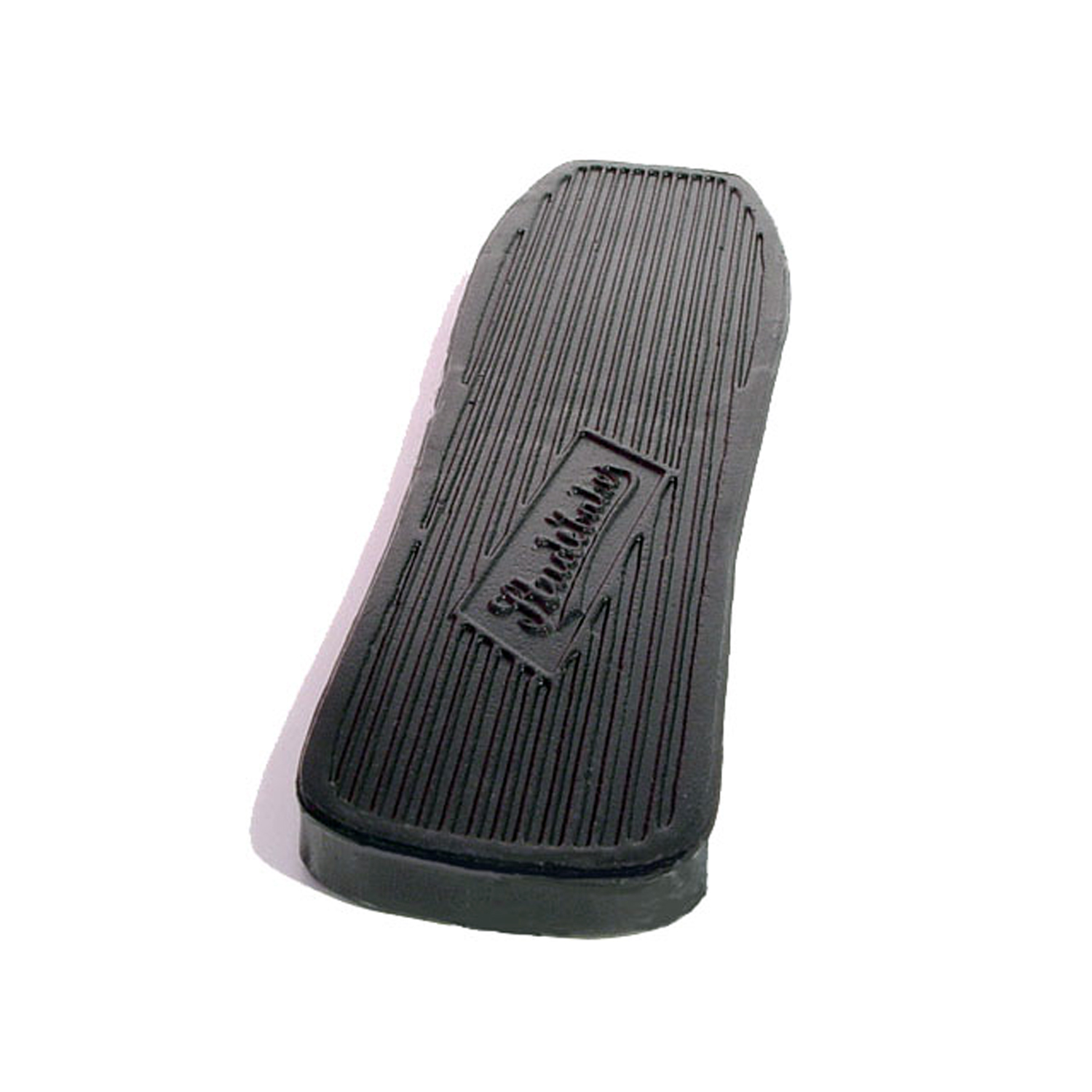 1932 Studebaker President Model 91 Accelerator Pedal Pad, 2-3/8" X 9", Each-AP 22Accelerator Pedal Pad, 2-3/8" X 9", Each
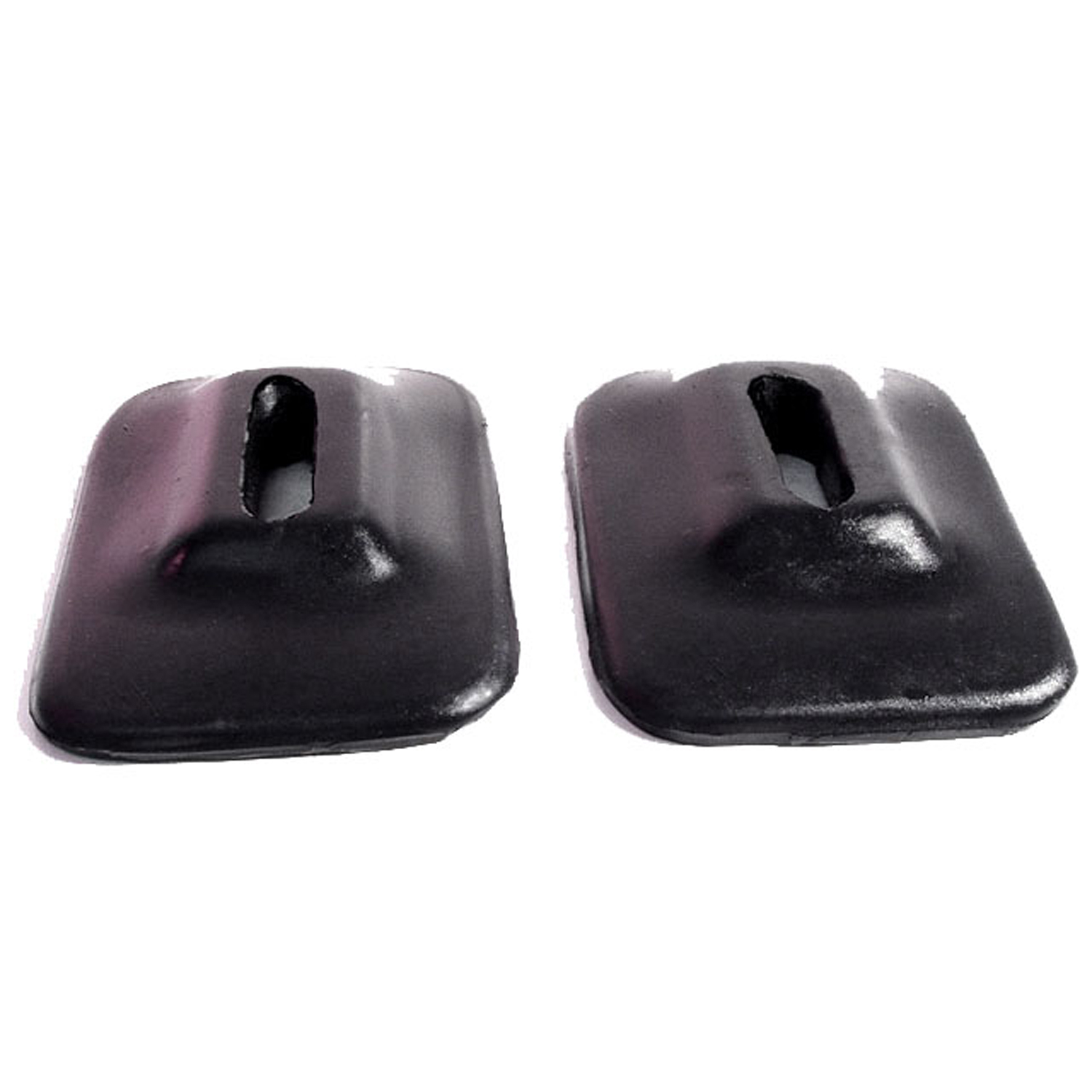 1932 Studebaker President Model 91 Front and Rear Bumper Arm Grommets-BG 45Front and Rear Bumper Arm Grommets. 2-3/4" wide X 4-1/8" long, with 1-5/8" long inner slot. Pair
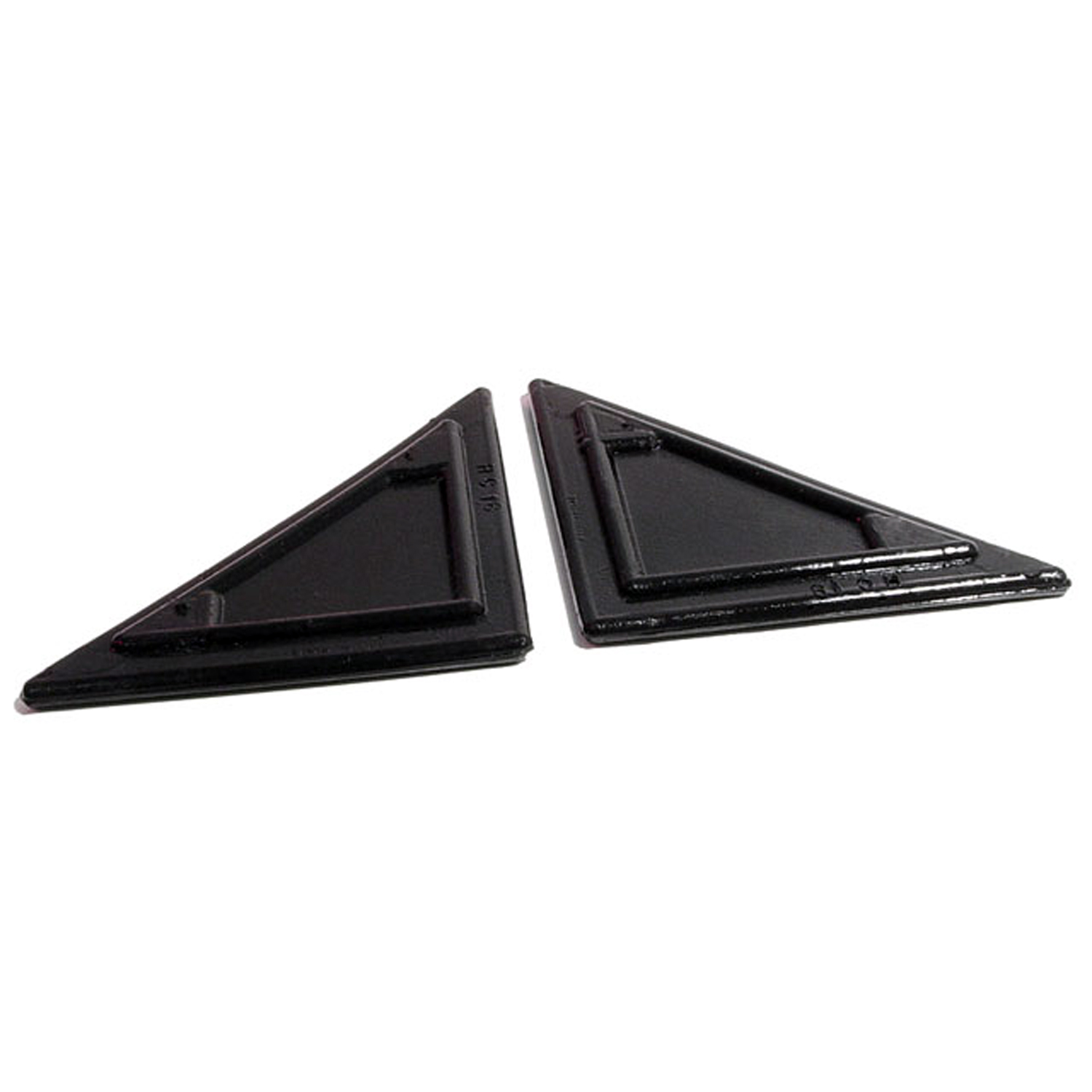 1932 Studebaker President Model 91 Hood Corners. Original design. 2-3/4" wide. Pair-HC 18Hood Corners. Original design. 2-3/4" wide. Pair
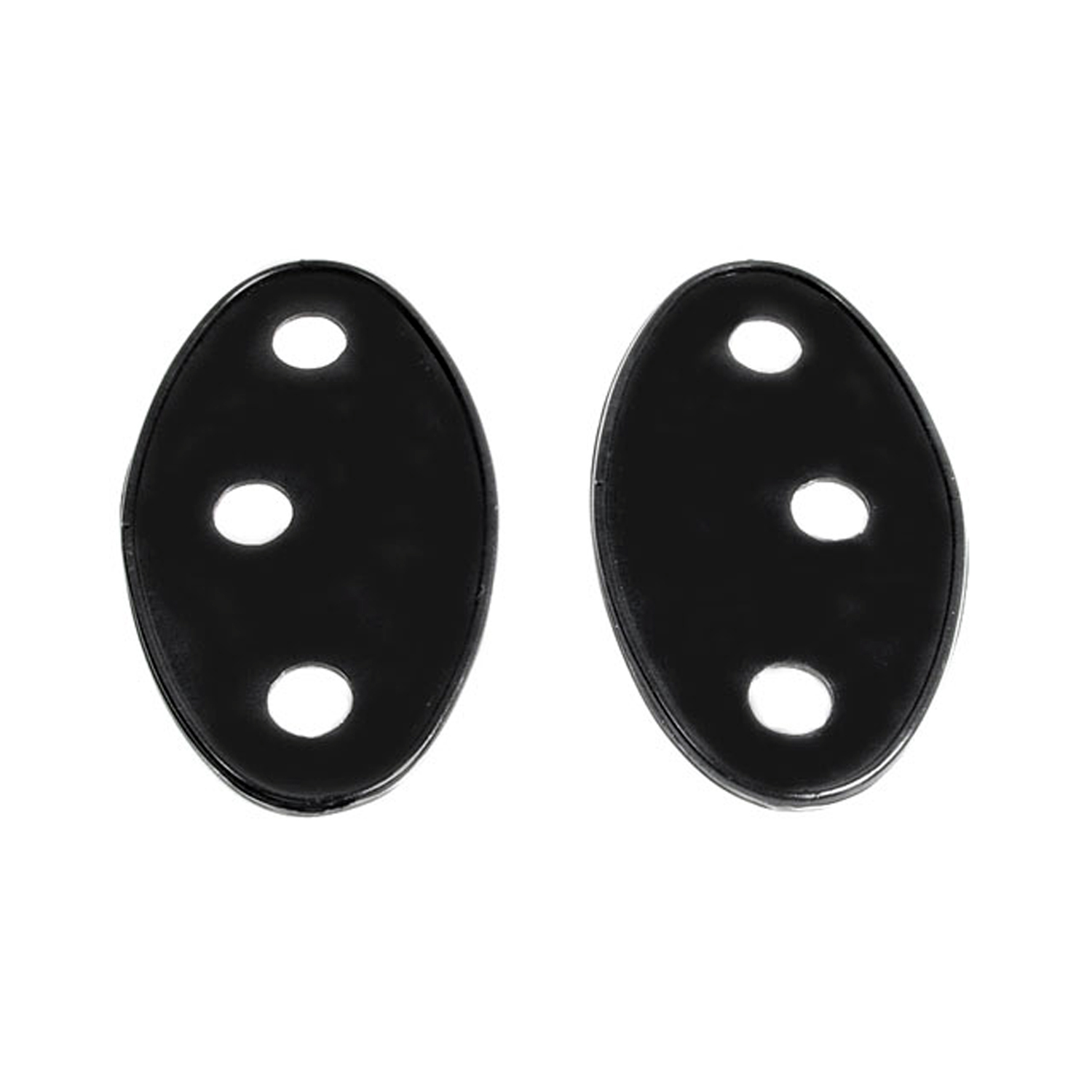 1932 Studebaker President Model 91 Headlight Bracket Pads. 2-3/4" wide X 5" long. Pair-MP 960Headlight Bracket Pads. 2-3/4" wide X 5" long. Pair
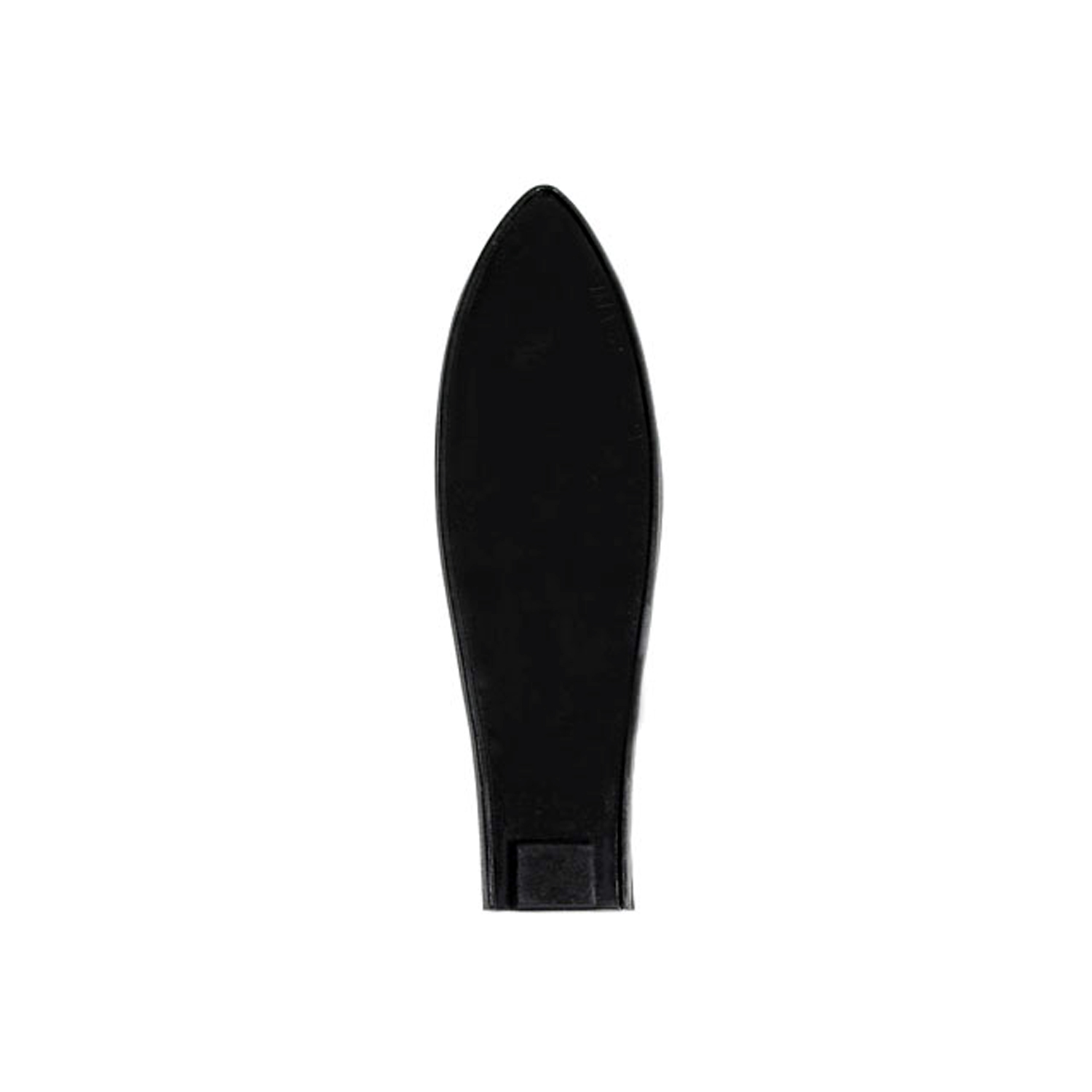 1932 Studebaker President Model 91 Side Mount Clamp Pad. 2-5/8" wide X 9-1/4" long. Each-MP 962Side Mount Clamp Pad. 2-5/8" wide X 9-1/4" long. Each
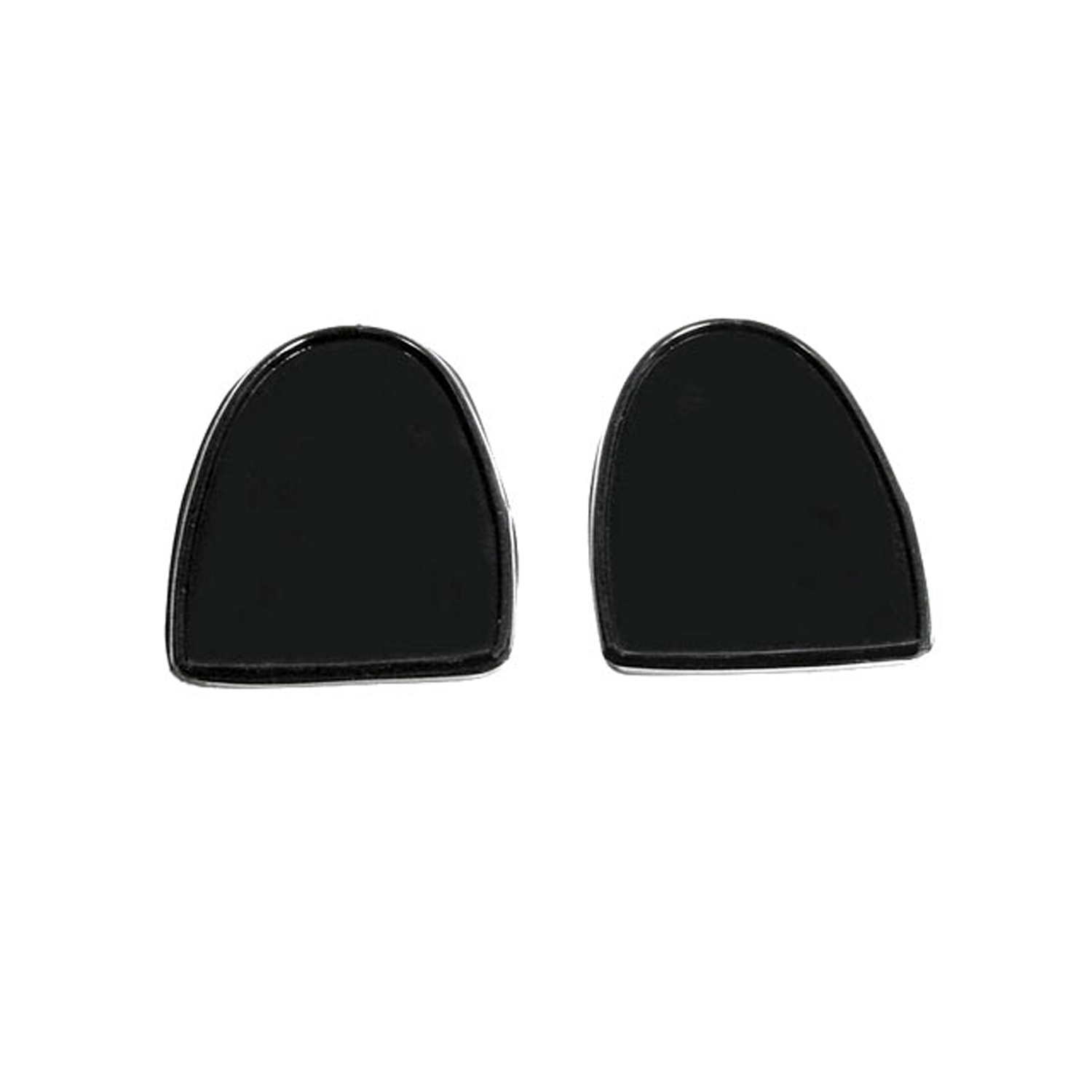 1932 Studebaker President Model 91 Tail-light Pads. 2-1/2" wide X 3-1/4" long. Pair-MP 970Tail-light Pads. 2-1/2" wide X 3-1/4" long. Pair
 1932 Studebaker President Model 91 Headlight Pads. 4-5/8" wide X 8-3/4" long. Pair R&L-MP 971-DHeadlight Pads. 4-5/8" wide X 8-3/4" long. Pair R&L
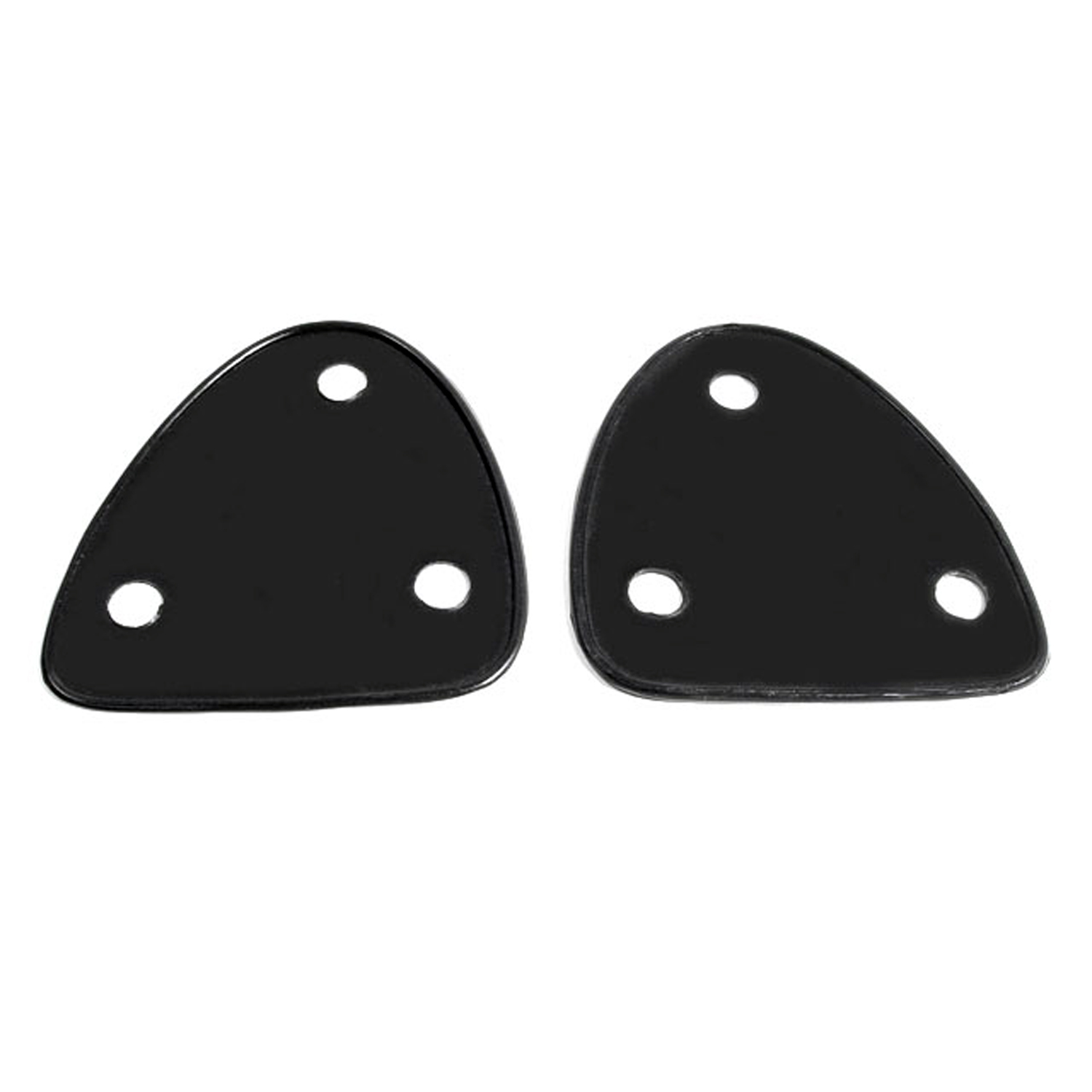 1932 Studebaker President Model 91 Headlight Pads. 4-1/2" wide X 4-5/8" long. Pair R&L-MP 973Headlight Pads. 4-1/2" wide X 4-5/8" long. Pair R&L
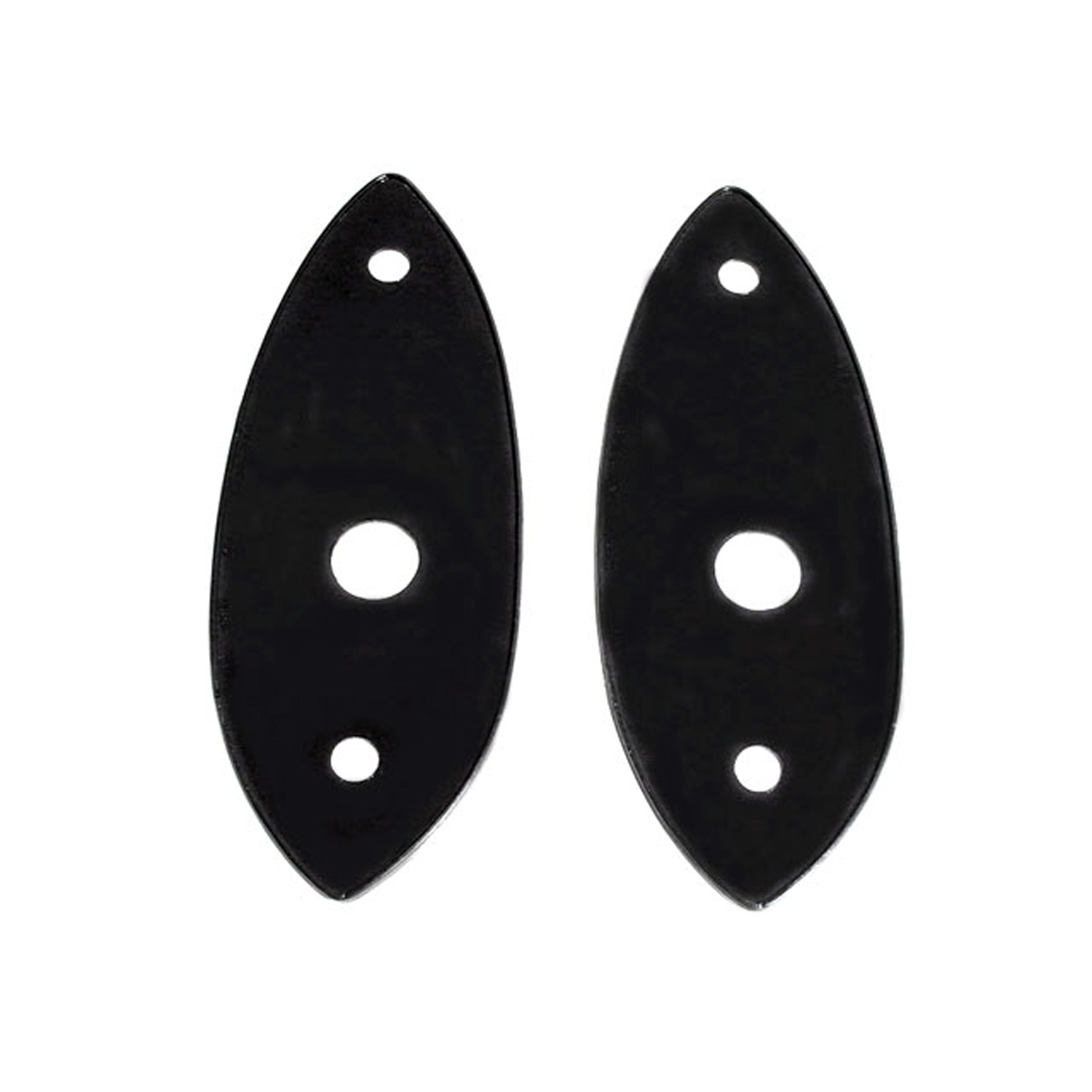 1932 Studebaker President Model 91 Park Light Pads. 3-1/4" wide X 8-1/2" long. Pair-MP 980Park Light Pads. 3-1/4" wide X 8-1/2" long. Pair
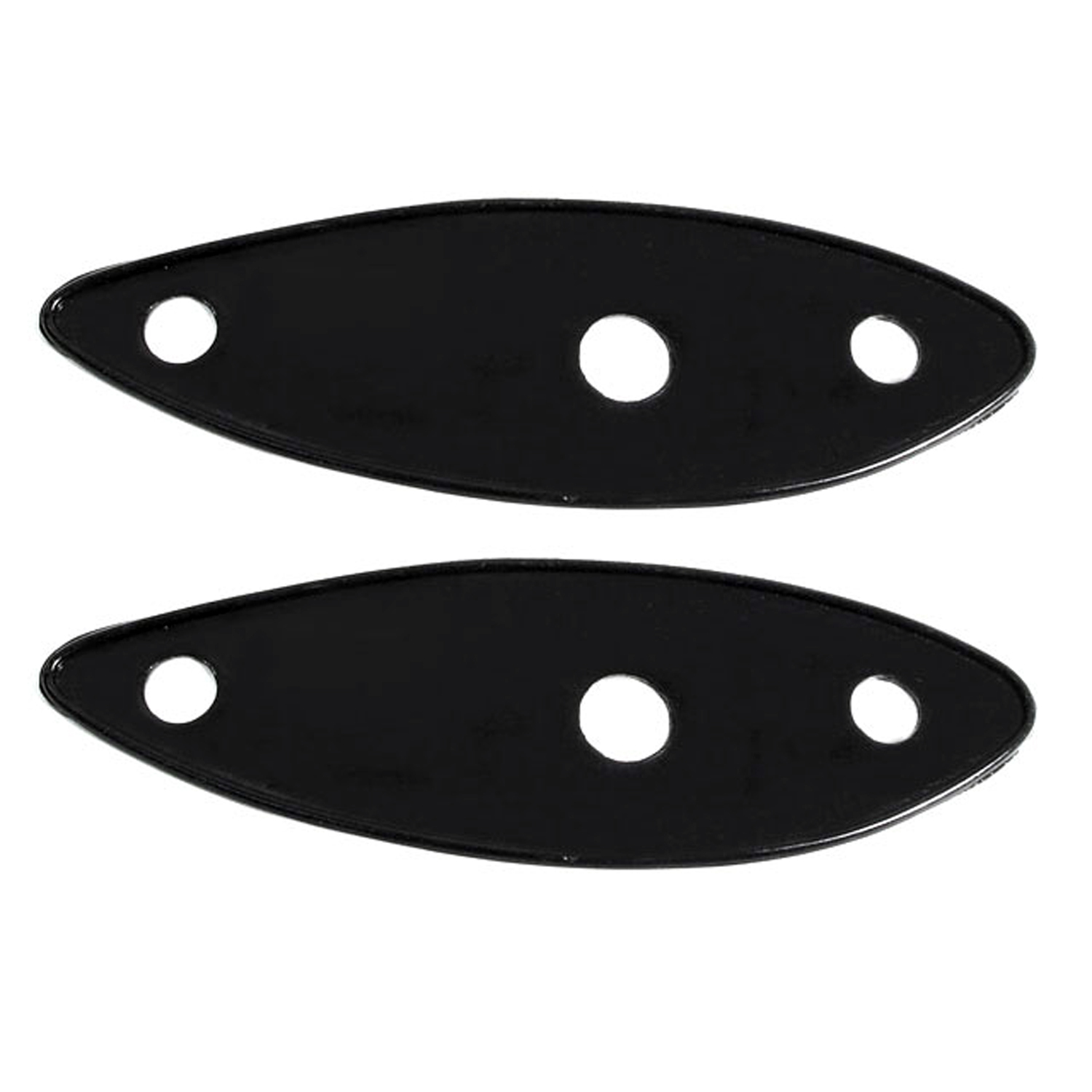 1932 Studebaker President Model 91 Park Light Pads. 2-3/4" wide X 8-3/8" long. Pair-MP 990Park Light Pads. 2-3/4" wide X 8-3/8" long. Pair
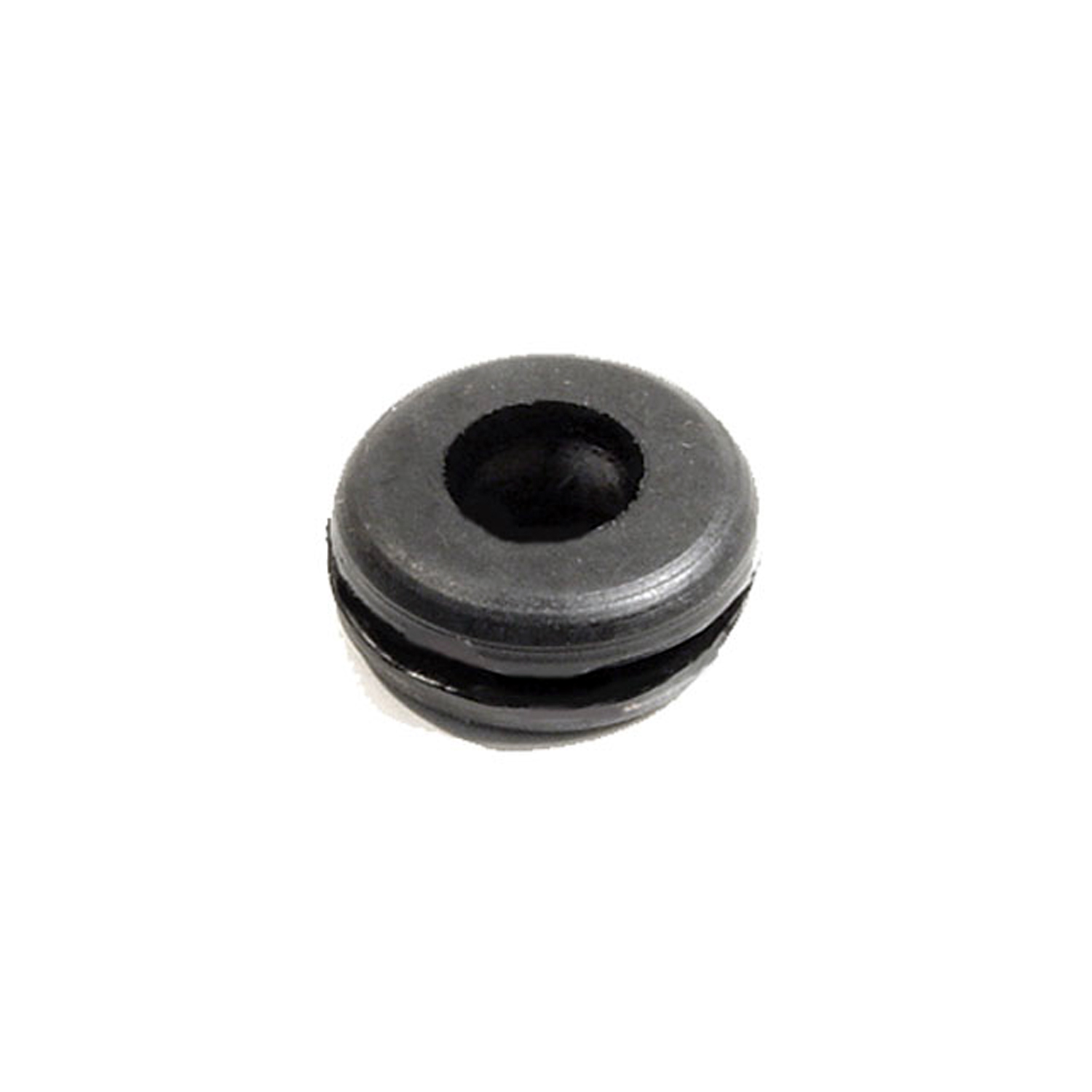 1932 Studebaker President Model 91 Headlight & Tail-Light Wire Grommet. 3/8" I.D., 7/8" O.D-SM 13-AHeadlight & Tail-Light Wire Grommet. 3/8" I.D., 7/8" O.D. Each
Why Choose Metro?
For over 100 years, Metro Moulded Parts has been the pinnacle of quality in classic car restoration parts. Our commitment to precision and authenticity in every component ensures a perfect fit and an OEM-level appearance.
- Expert Craftsmanship & Quality: Each part is a testament to our dedication to reliability and perfection, crafted from original designs and thoroughly tested.
- Advanced Technology: We use cutting-edge techniques to create flawless, long-lasting parts that surpass others in performance.
- SuperSoft Sponge – The Ultimate Door Seal: Not only are our door seals 30% softer than competitors', but they're also guaranteed to never leak. They effectively reduce wind and road noise, enhancing your classic car's comfort and driving experience.
- Proudly American: Our parts are a product of American craftsmanship, made in the USA with a spirit of excellence and heritage.
- Unrivaled Warranty: We back our products with a 30-year industry-leading warranty, a testament to our confidence in their quality.
Join us in preserving the legacy of classic cars with parts that are crafted for perfection, not just made.