

Image of 1932 Studebaker Rockne Model 75, Note: These illustrations use artistic license and may differ from actual historical models.
Performance Metrics
Fundamental Metrics
Emotional Appeal
MMP Rating
| Engine Specifications | |
|---|---|
| Engine: | Single engine option |
| Displacement: | 189 cubic inches |
| Horsepower: | Estimated 70-75 HP |
| Torque: | Not available |
| Compression Ratio: | 5.4:1 |
| Ignition System: | Battery and coil |
| Cooling System: | Water-cooled |
| Performance Specifications | |
| 0-60 Time: | Not available |
| 1/4 Mile Time: | Not available |
| Top Speed: | 70-75 mph |
| Transmission and Drive | |
| Drive Type: | Rear-wheel drive |
| Transmission Type: | 3-speed manual |
| Fuel and Efficiency | |
| Fuel System Type: | Carburetor |
| MPG: | Not available |
| Dimensions and Brakes | |
| Brakes: | Mechanical drum brakes |
| Wheelbase: | 114 inches |
| Weight: | 2,700 lbs |
Note: Specifications for classic cars are given to the best of our ability, considering the limited and variant data available.
1932 Studebaker Rockne Model 75: A Six-Cylinder with a Famous Name
The 1932 Studebaker Rockne Model 75 was built to bring a roomy, capable six-cylinder car to buyers who wanted more than a basic economy model. Its name came from Notre Dame football coach Knute Rockne, but the car’s story is also one of Studebaker’s response to the Great Depression: offer modern styling, practical engineering, and a strong list of features at a competitive price.
Studebaker, the long-established South Bend, Indiana, manufacturer, developed the Rockne as a lower-priced companion to its larger cars. The Rockne name was chosen before Knute Rockne died in an airplane crash on March 31, 1931. His fame gave the new line instant recognition, though the car was an automotive project rather than a sports car. The Model 75 was the more powerful member of the 1932 range, positioned above the Model 65.
One compelling detail is that the car’s namesake never lived to see the Rockne become an established model. Studebaker pressed ahead after his death, and the name became a brief but memorable chapter in the company’s history. The Rockne line was discontinued in 1933 as Studebaker faced severe financial pressure during the Depression.
Streamlined Style, Practical Cabin
The Rockne’s appearance was contemporary for the early 1930s without being flamboyant. Its upright radiator grille, long hood, rounded fenders, and sweeping running boards gave it the familiar silhouette of a classic American sedan. Carefully shaped hood panels and a gently curved body helped it look more modern than many boxier cars of the late 1920s. Period advertising emphasized its smart styling and generous room, rather than racing credentials.
Inside, the Model 75 offered a straightforward, comfortable cabin. Buyers could expect a broad bench seat, substantial upholstery, a wood-grain-finished instrument panel, and clearly arranged controls. Materials and trim depended on body style and specification, but the Rockne was designed as a practical family car, not a bare-bones runabout. Its roomy interior and traditional appointments were part of its appeal to buyers moving up from smaller or older vehicles.
Mechanical features were conventional but useful for the period. The Model 75 used a front-mounted inline-six with a side-valve, or L-head, layout, paired with a manual transmission. Brakes were mechanical rather than hydraulic, a reminder that even well-equipped early-1930s cars required the driver to anticipate stops and maintain the braking system carefully. The Rockne’s engineering favored dependable, familiar operation over experimental technology.
Factory paint choices varied by body style and production details. Period cars were commonly offered in dark, dignified shades such as black, blue, green, or maroon, often with contrasting trim or wheels. Exact combinations should be checked against surviving factory records and the car’s body tag. Today, deep blue and maroon restorations suit the Rockne particularly well, while black remains a traditional choice for a formal-looking sedan.
Rockne body offerings included sedan and coupe types, with two-door and four-door configurations represented across the line. The four-door sedan is among the most recognizable versions because it shows the car’s intended role as a practical, full-size family automobile. Coupes, with their shorter passenger compartments, have a sportier profile and are especially appealing to collectors who prefer a less common body style. Availability varied by model and production period, so a particular Model 75 should be verified by its original documentation.
What the Model 75 Added
The Model 75’s main distinction was its larger, more powerful six-cylinder engine. Commonly listed specifications give it a 221-cubic-inch inline-six producing about 82 horsepower. Exact figures can differ among reference sources, so engine identification and original specification material are useful when evaluating an individual car. Compared with the less powerful Rockne 65, the 75 offered stronger performance for a heavier body and more relaxed touring.
The Rockne’s significance lies less in introducing a revolutionary technology than in how Studebaker packaged its cars. It applied the company’s manufacturing experience and styling resources to a value-oriented line that still looked substantial and modern. The Model 75 gave buyers a larger engine and a comfortable cabin at a time when cost-consciousness was central to car shopping.
It also demonstrates an important reality of Depression-era automaking: a respected name and a promising product could not overcome every economic headwind. The Rockne helped Studebaker compete in a crowded market, but the company’s financial difficulties and the shrinking market for new cars limited the line’s future. Its short production life is part of what makes the model an intriguing footnote in American automotive history.
Road Manners and Period Performance
A sound Model 75 is generally estimated to reach roughly 70 to 75 mph, depending on gearing, condition, tires, and body style. A 0-to-60-mph time was not a standard factory headline figure for cars of this era. As a modern estimate, expect a leisurely sprint that may take around 25 to 30 seconds, or longer in a tired or heavily loaded example. These are period-car estimates, not guaranteed test results.
The car’s six-cylinder engine delivers its power in a steady, unhurried manner. It is best enjoyed while building speed smoothly, rather than being pushed like a modern performance car. The engine’s low-frequency mechanical hum, combined with wind and tire noise, makes for a distinctly prewar driving soundtrack. The manual gearbox asks for deliberate shifts, while the driver must plan ahead for braking and traffic.
On ordinary roads, the Rockne’s weight and traditional suspension give it a composed, substantial feel. It can absorb many bumps better than its narrow tires and vintage suspension might suggest, though broken pavement still sends more motion into the cabin than a modern car would. On winding roads, expect a measured pace, noticeable body lean, and steering that requires more effort and attention than power-assisted modern systems. Strong crosswinds can also affect a tall, upright sedan.
For safe enjoyment, a Rockne should be driven with extra following distance and its mechanical brakes kept in excellent adjustment. The experience is less about fast cornering and more about the sounds, smells, and steady progress of an early-1930s automobile.
Living with a Rockne Today
Most surviving Model 75s are collector cars, museum pieces, or occasional-use touring vehicles rather than daily drivers. They suit local shows, vintage-car gatherings, and short scenic drives. A well-sorted example can be enjoyable on suitable roads, but modern traffic speeds, limited braking performance, and the scarcity of some parts make regular commuting impractical.
The basic mechanical layout is understandable to an experienced vintage-car owner. Routine work includes ignition and carburetor maintenance, lubrication, cooling-system care, clutch adjustment, and attention to the mechanical brakes. The challenge is less complicated technology than finding correct parts and knowledgeable specialists. Engine components may be shared with or related to other Studebaker applications, but compatibility should never be assumed without checking part numbers and specifications.
Before buying, inspect the frame, floor, body mounts, and lower body panels for corrosion or old repairs. Check that the engine has good oil pressure and cooling, and confirm that the brakes stop the car evenly. A complete car with sound, original components is often a better starting point than a cheap project missing trim, gauges, or body-specific pieces.
Rockne Trivia and Common Criticisms
The Rockne was named for one of the most celebrated sports figures of its time, yet it was designed as sensible transportation rather than a high-performance machine. That contrast is part of its charm: the badge carries a bold name, while the car itself is a comfortable, conservative touring automobile.
Rockne production ran only from 1931 to 1933, and the line did not establish a major speed or endurance record. Its historical interest comes from its association with Knute Rockne, its brief place in Studebaker’s lineup, and its timing during the industry’s hardest years. The short production run also means surviving cars are far less familiar than mainstream Ford or Chevrolet models of the same era.
Common criticisms are typical of cars from the period. The Model 75 is slow by modern standards, its mechanical brakes require more care and anticipation, and replacement parts can take time to locate. It is also not especially useful in modern traffic. Those limitations are real, but they are part of the ownership experience rather than defects that can be judged by present-day expectations.
Collector Values and Availability
There is no precise, universally accepted production total for the Rockne Model 75. A reasonable working estimate is that roughly 20,000 to 30,000 Rocknes of all types were built across the line’s short life, with the Model 75 representing a portion of that total. Exact figures vary among historical accounts, and surviving production records are not always easy to reconcile. The 75 is uncommon today, especially in complete, well-documented condition, but it is not a one-off rarity.
As a broad 2026 market estimate, a project car may sell for about $5,000 to $12,000, depending on completeness and structural condition. A usable driver or older restoration might fall around $12,000 to $25,000. A high-quality restoration, particularly a desirable body style with strong provenance, could bring approximately $25,000 to $45,000 or more. These are guide ranges, not appraisals; condition, originality, location, and buyer interest can move the price substantially.
The Rockne market is relatively thin, so prices can vary more than those of better-known classics. Well-restored cars may hold or gradually gain value as interest in unusual prewar vehicles grows, but restoration costs can easily exceed the car’s resale value. Buyers should prioritize completeness, authenticity, and condition over the expectation of a quick financial return.
A Short-Lived Studebaker with Lasting Character
The 1932 Studebaker Rockne Model 75 combined a roomy cabin, period-correct style, and a capable six-cylinder engine in a package aimed at practical buyers. It was not a record-setter or a radical engineering breakthrough. Its appeal comes from its distinctive name, its brief place in Studebaker history, and the way it captures the look and feel of American motoring during the Depression.
For collectors, the Rockne is a chance to own something less predictable than the era’s best-known classics. Its story is short, its presence is unmistakably prewar, and every well-preserved Model 75 keeps a small but memorable piece of Studebaker history on the road.
1932 Studebaker Rockne Model 75 Catalog of Parts
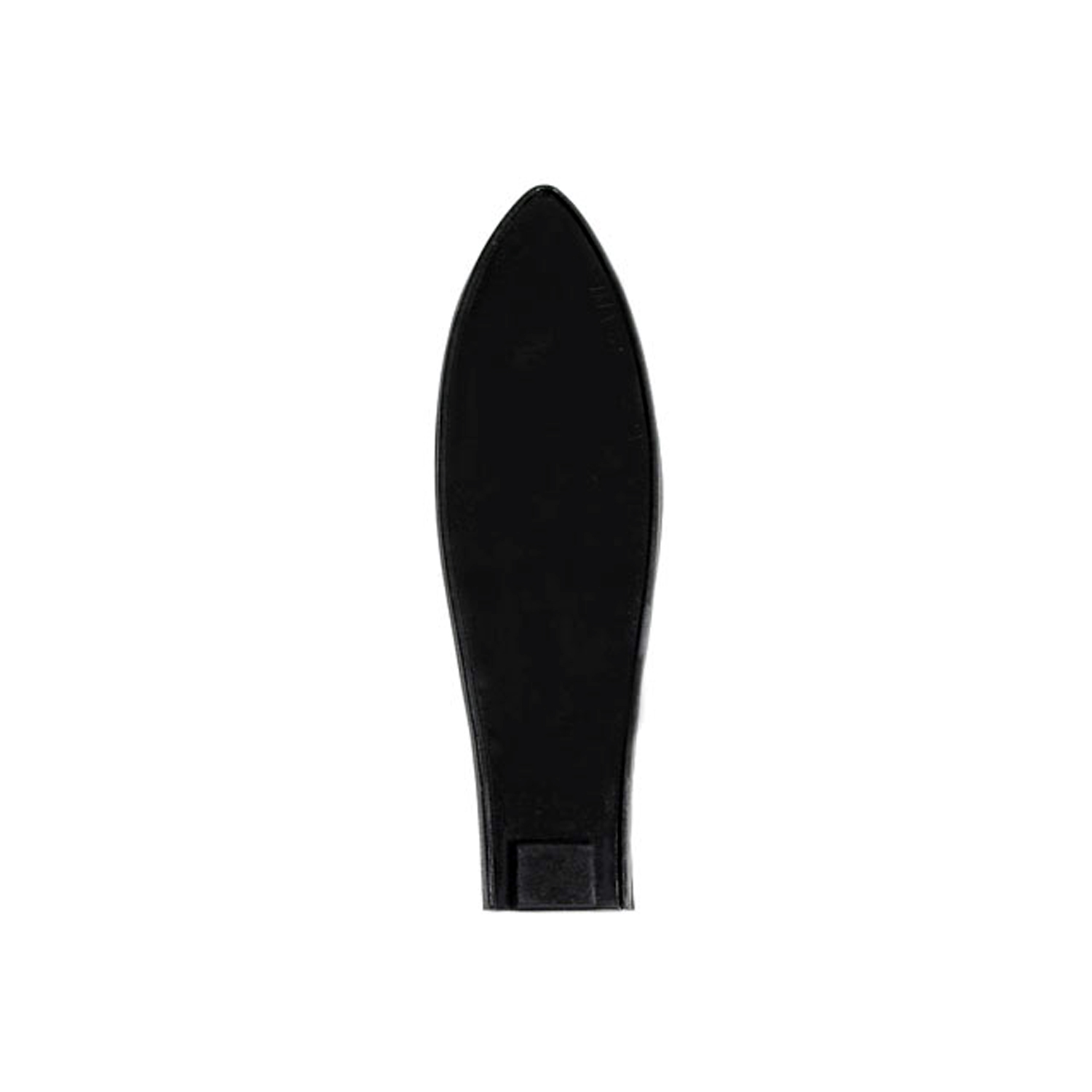 1932 Studebaker Rockne Model 75 Side Mount Clamp Pad. 2-5/8" wide X 9-1/4" long. Each-MP 962Side Mount Clamp Pad. 2-5/8" wide X 9-1/4" long. Each
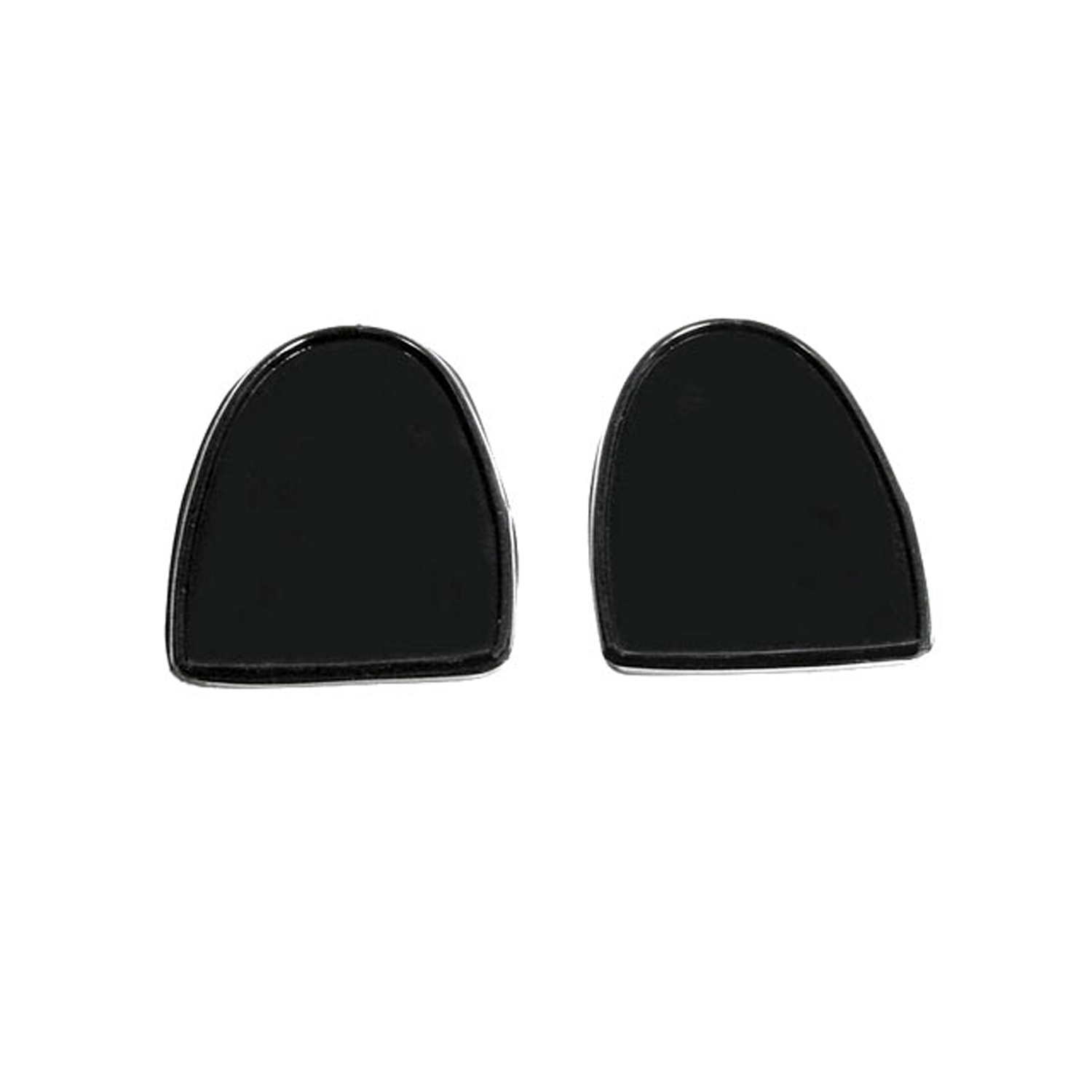 1932 Studebaker Rockne Model 75 Tail-light Pads. 2-1/2" wide X 3-1/4" long. Pair-MP 970Tail-light Pads. 2-1/2" wide X 3-1/4" long. Pair
 1932 Studebaker Rockne Model 75 Headlight Pads. 2-3/4" wide X 3-1/2" long. Pair-MP 970-BHeadlight Pads. 2-3/4" wide X 3-1/2" long. Pair
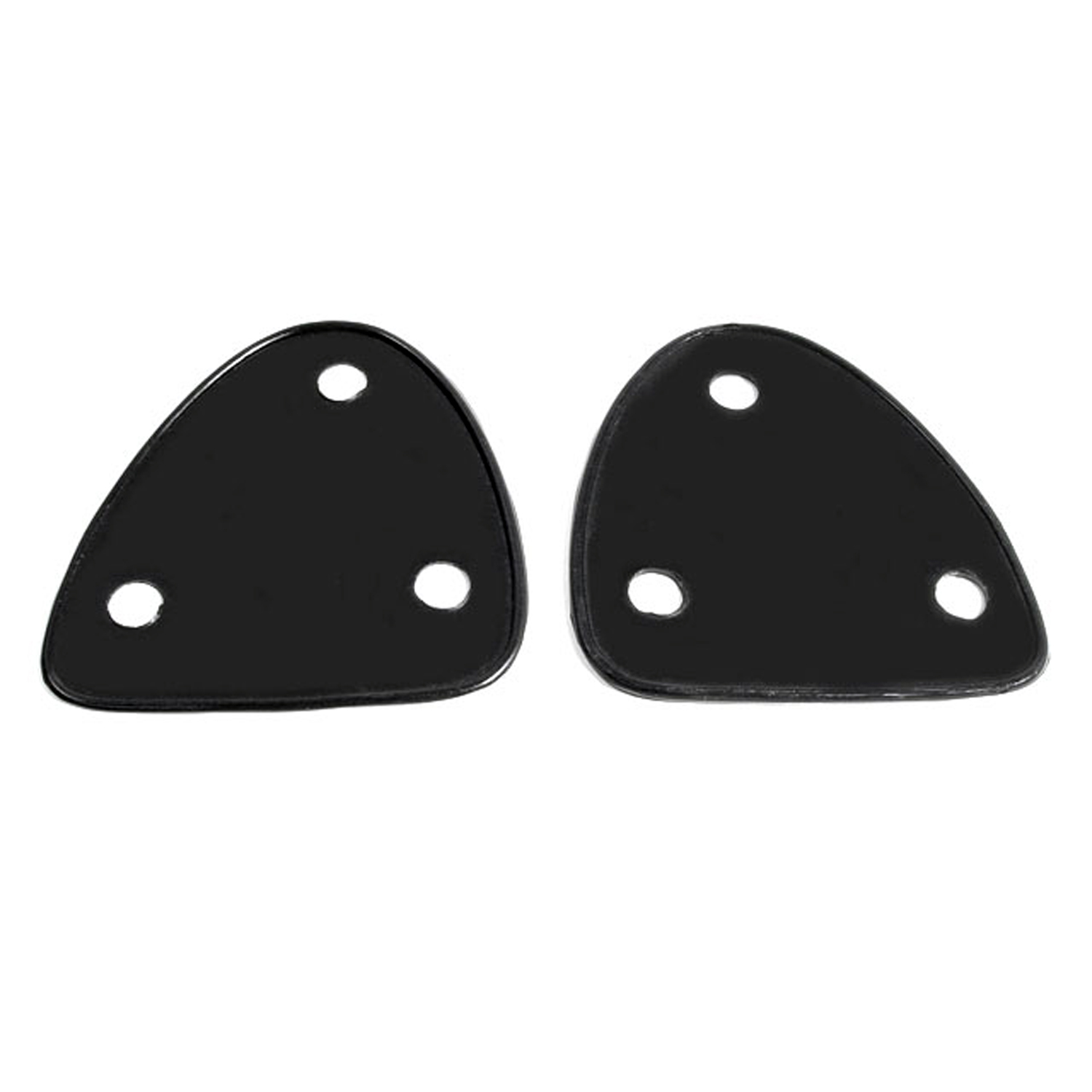 1932 Studebaker Rockne Model 75 Headlight Pads. 4-1/2" wide X 4-5/8" long. Pair R&L-MP 973Headlight Pads. 4-1/2" wide X 4-5/8" long. Pair R&L
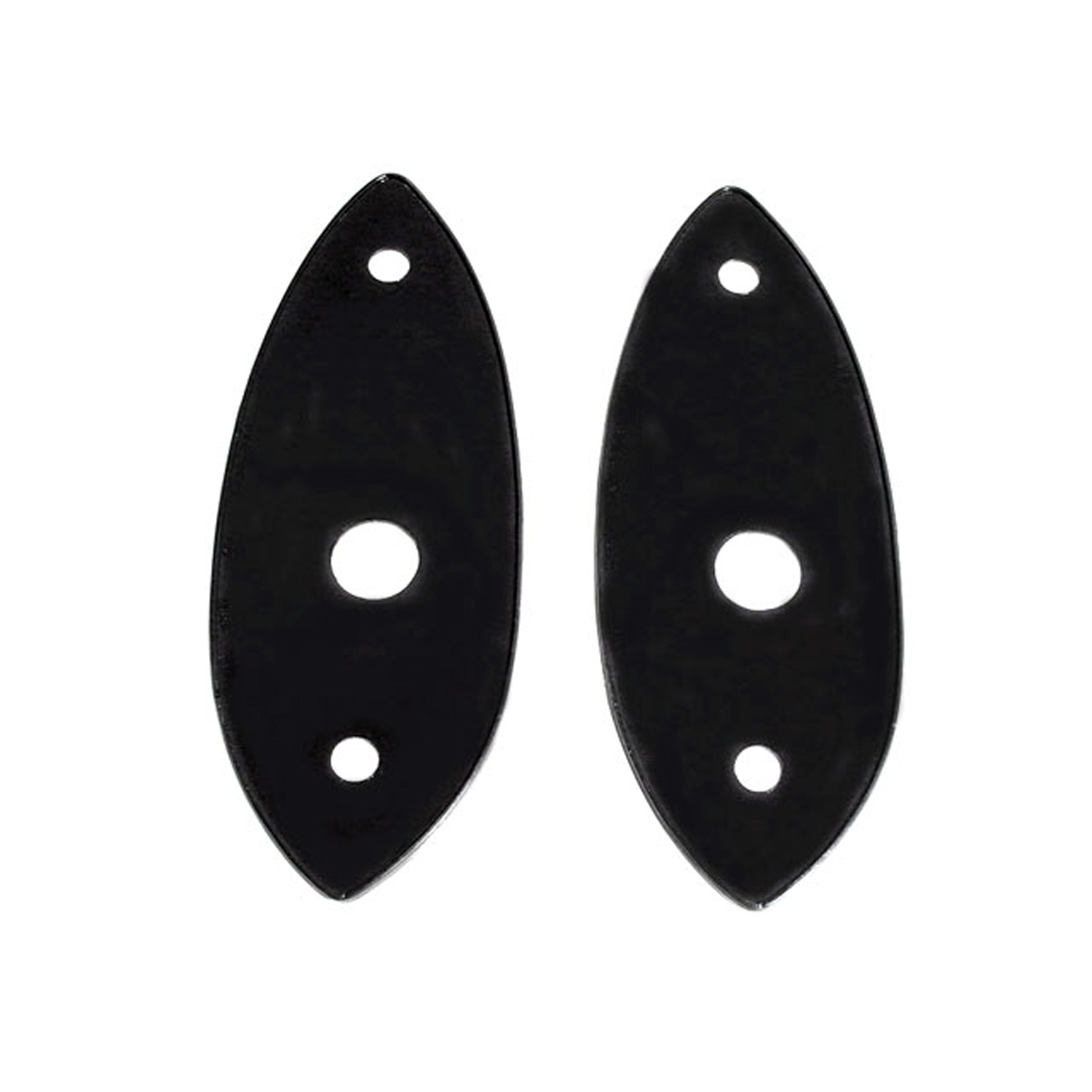 1932 Studebaker Rockne Model 75 Park Light Pads. 3-1/4" wide X 8-1/2" long. Pair-MP 980Park Light Pads. 3-1/4" wide X 8-1/2" long. Pair
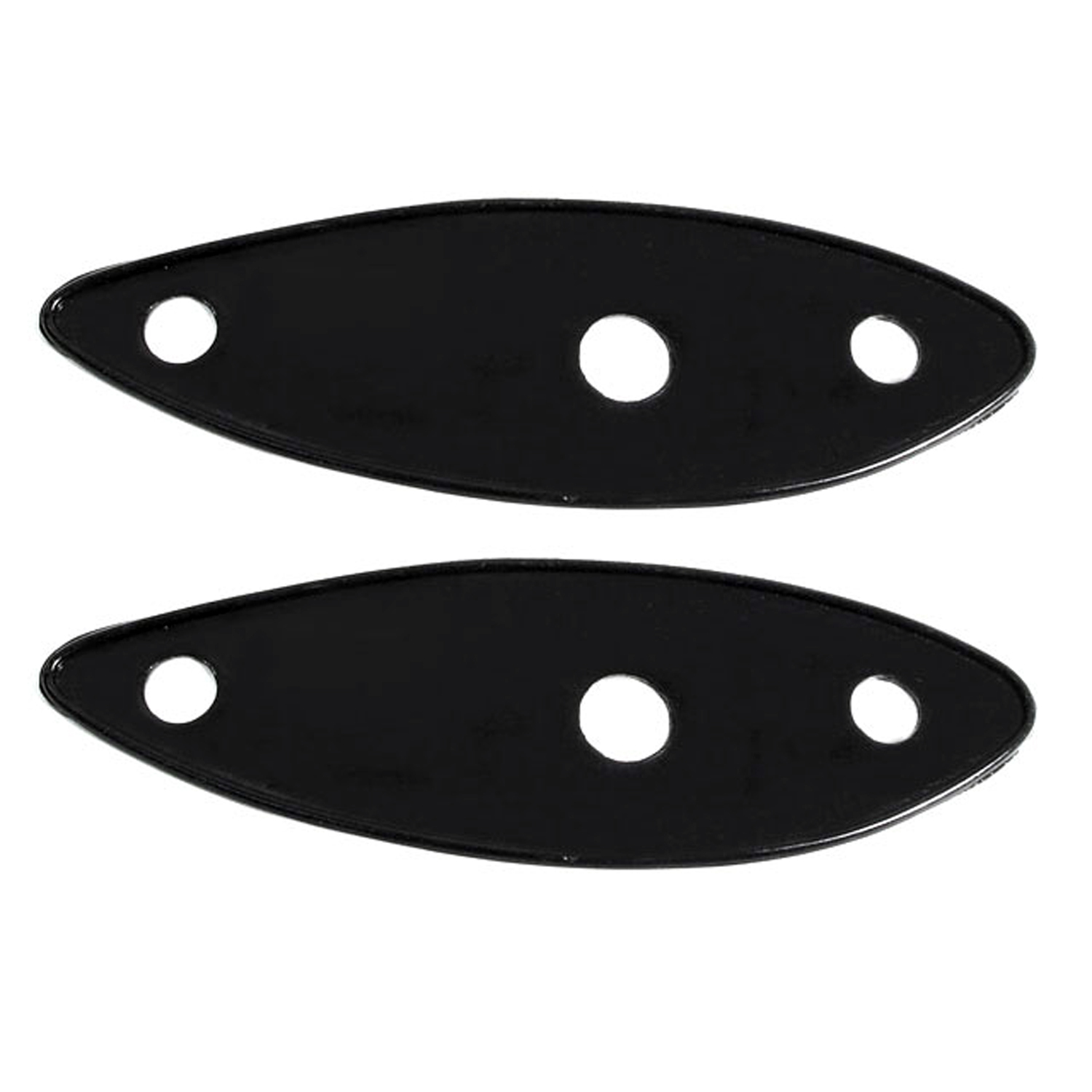 1932 Studebaker Rockne Model 75 Park Light Pads. 2-3/4" wide X 8-3/8" long. Pair-MP 990Park Light Pads. 2-3/4" wide X 8-3/8" long. Pair
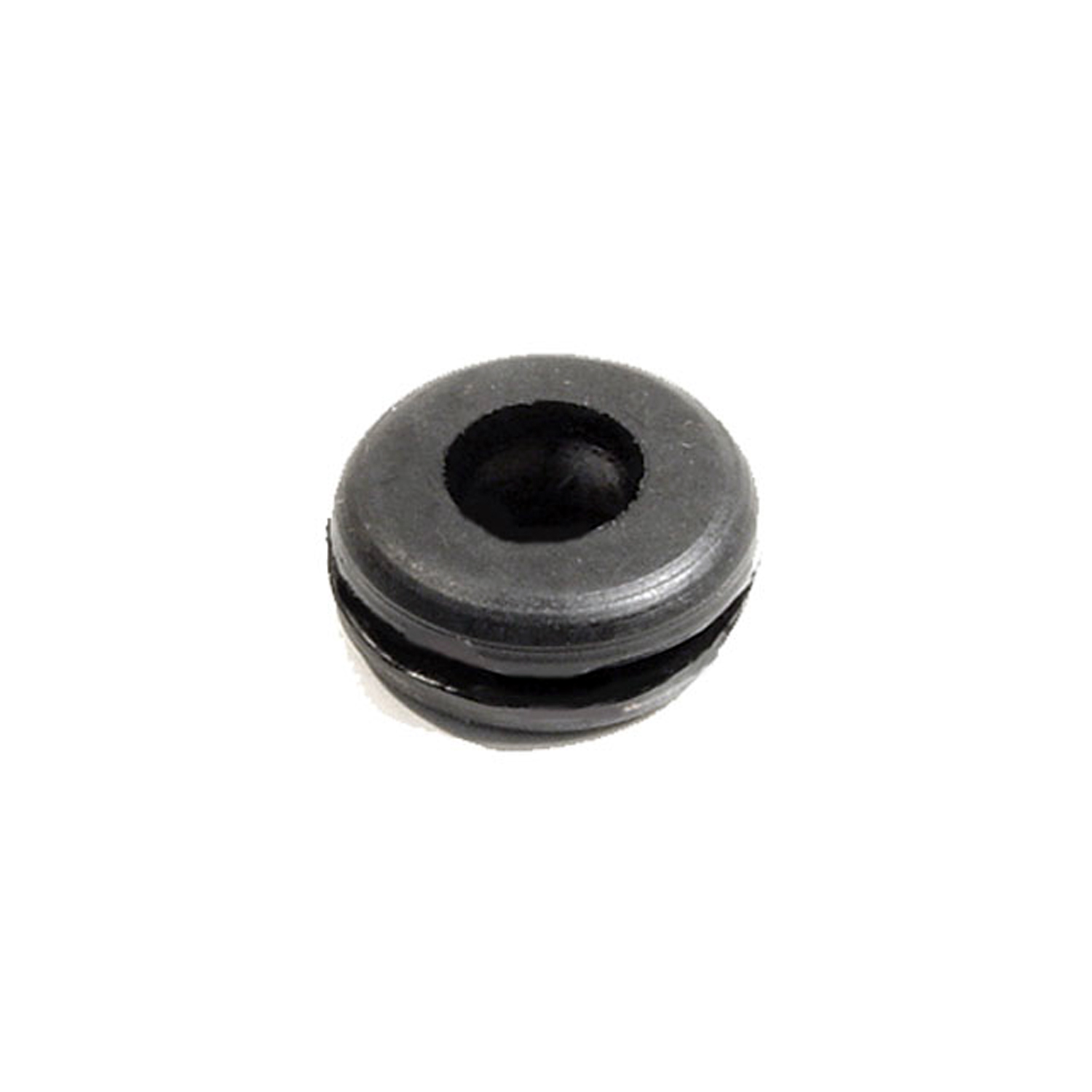 1932 Studebaker Rockne Model 75 Headlight & Tail-Light Wire Grommet. 3/8" I.D., 7/8" O.D-SM 13-AHeadlight & Tail-Light Wire Grommet. 3/8" I.D., 7/8" O.D. Each
Why Choose Metro?
For over 100 years, Metro Moulded Parts has been the pinnacle of quality in classic car restoration parts. Our commitment to precision and authenticity in every component ensures a perfect fit and an OEM-level appearance.
- Expert Craftsmanship & Quality: Each part is a testament to our dedication to reliability and perfection, crafted from original designs and thoroughly tested.
- Advanced Technology: We use cutting-edge techniques to create flawless, long-lasting parts that surpass others in performance.
- SuperSoft Sponge – The Ultimate Door Seal: Not only are our door seals 30% softer than competitors', but they're also guaranteed to never leak. They effectively reduce wind and road noise, enhancing your classic car's comfort and driving experience.
- Proudly American: Our parts are a product of American craftsmanship, made in the USA with a spirit of excellence and heritage.
- Unrivaled Warranty: We back our products with a 30-year industry-leading warranty, a testament to our confidence in their quality.
Join us in preserving the legacy of classic cars with parts that are crafted for perfection, not just made.