

Image of 1934 Studebaker President, Note: These illustrations use artistic license and may differ from actual historical models.
Performance Metrics
Fundamental Metrics
Emotional Appeal
MMP Rating
| Engine Specifications | |
|---|---|
| Engine Options: | Straight-8 |
| Displacement Range: | 337 cubic inches |
| Horsepower Range: | Estimated 110-115 hp |
| Torque: | Not available |
| Compression Ratio: | Not available |
| Ignition System: | Distributor and coil |
| Cooling System: | Water-cooled |
| Performance Specifications | |
| 0-60 Time: | Not available |
| 1/4 Mile Time: | Not available |
| Top Speed: | Estimated 80-85 mph |
| Transmission and Drive | |
| Drive Type: | Rear-wheel drive |
| Transmission Type: | 3-speed manual |
| Fuel and Efficiency | |
| Fuel System Type: | Carburetor |
| MPG: | Not available |
| Dimensions and Brakes | |
| Brakes: | Mechanical drum brakes |
| Wheelbase: | 136 inches |
| Weight: | Estimated 3,500-3,800 lbs |
Note: Specifications for classic cars are given to the best of our ability, considering the limited and variant data available.
1934 Studebaker President: A Grand Eight in a Hard Year
The 1934 Studebaker President was built to make a statement: even in the depths of the Great Depression, an American luxury car could be elegant, powerful, and unmistakably modern. Produced by the Studebaker Corporation of South Bend, Indiana, the President sat at the top of the company’s range, combining a long, graceful profile with a smooth straight-eight engine and a notably well-appointed cabin.
The timing made its presence all the more striking. Studebaker had entered receivership in 1933 and was working to rebuild its business, while buyers across the country were cutting back on expensive purchases. The President represented the company’s continued ambition and engineering ability. One especially memorable version was the streamlined Land Cruiser, whose rounded rear bodywork and integrated luggage compartment gave it a more advanced look than the upright sedans still common on American roads.
Streamlined Styling and Fine Materials
The 1934 President wore the period’s classic proportions: a tall, bright-finished radiator grille, sweeping front fenders, running boards, and a long hood that announced the presence of an eight-cylinder engine. The body was substantial without looking clumsy. Curved fenders softened its outline, while details such as wire wheels, bright trim, and carefully shaped lamps added a sense of occasion.
The Land Cruiser was the range’s most distinctive shape. Its rear section flowed into a built-in luggage compartment rather than ending in the boxy, separate trunk typical of many cars of the era. The result was a more unified, aerodynamic appearance. It was not a wind-tunnel-age aerodynamic car by modern standards, but its smooth contours looked forward rather than backward.
Inside, the President offered the generous space and finish expected of a high-priced automobile. Depending on body style and specification, upholstery could include broadcloth, mohair, or leather. A woodgrain-finished instrument panel, substantial door trim, and a wide bench seat gave the cabin a warm, formal character. The large steering wheel and upright seating position were typical of the period, but the President’s roomy interior made long trips more comfortable than those in smaller cars.
Factory paint and trim choices varied by body style and production order. Buyers could choose from period colors that included dark, dignified shades such as black, maroon, blue, and green, though exact combinations depended on the model. Black and deep, rich colors remain especially familiar on restored examples, but a well-preserved car in an unusual factory color can be a welcome find.
President Body Styles and Options
The 1934 President range included several closed and open body styles, with availability varying across the model line. Sedans suited buyers who wanted a formal, practical luxury car, while coupes and other sportier styles offered a more personal look. The Land Cruiser is often the most recognizable and sought-after version today because of its distinctive rear treatment and streamlined profile.
Equipment and trim could vary, so collectors should verify a car’s body designation and original specification through factory records, period literature, or marque experts. As with many prewar cars, surviving examples may also have been modified over decades of use. A restoration that looks correct is not necessarily an exact match for the car’s original configuration.
Engineering in a Turning Point for Studebaker
At the top of the 1934 lineup, the President used a large-displacement straight-eight engine of about 337 cubic inches. Output is commonly cited at roughly 125 horsepower, an impressive figure for the period. The engine’s long, evenly spaced firing sequence helped deliver the smoothness and relaxed pulling power expected from a premium car.
The President also benefited from a well-developed chassis and hydraulic brakes, a valuable safety and control feature for a heavy automobile. Its engineering was not about a single revolutionary gadget. Instead, Studebaker’s achievement was bringing a strong eight-cylinder powertrain, considered road manners, and fresh styling together in a car that still felt recognizably American and practical.
That blend mattered in a competitive market. Cadillac, Packard, Buick, and other established makers also offered prestigious cars, but Studebaker gave buyers a distinctive alternative with its own styling identity. The Land Cruiser in particular showed how a production car could adopt more integrated, flowing bodywork without losing the passenger space and luggage capacity customers expected.
Power, Speed, and the Driving Feel
Period performance figures are not as consistent as modern test data, and results depend on body style, gearing, condition, and equipment. A sound 1934 President is generally estimated to reach roughly 80 to 85 mph, with some accounts suggesting a little more under favorable conditions. A 0-to-60 mph time in the neighborhood of 20 to 25 seconds is a reasonable modern estimate, rather than a precise factory-tested figure.
Behind the wheel, the straight-eight is best appreciated for its smooth, low-revving character, not quick acceleration. The engine produces a deep, even mechanical note that grows more purposeful as the throttle opens. The three-speed manual transmission requires deliberate shifts by modern standards, and the car’s size encourages a measured driving style.
On ordinary roads, the President’s long wheelbase and substantial chassis help it settle over broad bumps and uneven pavement. Short, sharp road defects are more noticeable, as they are in most cars of this age, and the body can lean through tighter corners. Steering is heavier at low speeds, while narrow tires and period suspension call for extra care on winding roads. In crosswinds, a tall, full-size body needs a steady hand. The overall experience is less about carving through corners and more about covering miles with dignity and presence.
Ownership, Maintenance, and Reliability
Today, most 1934 Presidents are enjoyed as show cars, touring cars, or occasional-use classics rather than daily transportation. Their size and historic character make them natural choices for vintage rallies and local concours events. A well-sorted example can be driven on suitable roads, but it is not designed for modern traffic speeds, braking distances, or safety expectations.
Routine work is straightforward for an experienced classic-car mechanic, but the car is not maintenance-free. Owners should pay close attention to cooling-system condition, ignition components, carburetion, lubrication, brakes, steering joints, and tire age. Parts availability is more limited than for a common postwar American car. Mechanical pieces can often be sourced or rebuilt through specialist suppliers and clubs, while trim, glass, upholstery patterns, and correct body-specific parts may take patience.
Reliability depends heavily on restoration quality and regular use. A car that has been carefully maintained and driven periodically is often a better prospect than one that has sat for years after a cosmetic restoration. Before buying, inspect the frame, floors, body mounts, and lower body sections for corrosion, and confirm that the brakes and cooling system work properly. A pre-purchase inspection by someone familiar with prewar Studebakers is money well spent.
Notable Facts and Common Criticisms
The President name had an unusually long life in Studebaker history. It was used on the company’s premium cars from the late 1920s into the early 1940s, then returned for a new generation of Studebakers in the 1950s. The 1934 car therefore belongs to an important chapter in a nameplate that came to represent the top of the brand.
The Land Cruiser’s integrated luggage area is one of the features that most often catches people’s attention. It gave the car a cleaner rear profile and helped distinguish it from more conventionally shaped luxury sedans. The car is also a reminder of Studebaker’s effort to maintain a premium image during a period when the company faced serious financial pressure.
There is no single, widely accepted production figure for every 1934 President body style in common collector references. A reasonable working estimate for the President line is a few thousand cars, perhaps around 3,000 to 5,000, but that should be treated as an estimate rather than a confirmed total. Individual body styles, especially unusual or open versions, are considerably scarcer than the overall figure suggests.
Common criticisms are familiar to owners of many prewar automobiles: modest acceleration by modern standards, heavy low-speed steering, limited parts availability, and braking that demands more planning than a contemporary car. The President’s size can also make it challenging to maneuver in tight spaces. These are part of its historical character, but they matter when deciding whether the car suits your intended use.
Collector Value and Market Outlook
Values vary widely according to body style, originality, restoration quality, and documentation. As a broad current-market guide, a project or incomplete example might sell for roughly $10,000 to $20,000. A sound, presentable sedan could fall around $25,000 to $45,000, while a high-quality restoration or especially desirable Land Cruiser may bring about $50,000 to $90,000 or more. Exceptional cars can exceed those ranges, while condition problems can push a car below them.
The 1934 President is a specialist collector car, so it is less frequently advertised than more familiar prewar models. Buyers may need to wait for the right example, and rare body styles can be difficult to value because comparable sales are limited. Over time, the market has generally favored well-restored, correctly documented cars, while average examples have tended to move more gradually. Appreciation is possible, but restoration costs can easily exceed a car’s eventual sale price. Buy one because you value the design and experience, not simply as a short-term investment.
Why the 1934 Studebaker President Still Matters
The 1934 Studebaker President combined a smooth straight-eight, generous passenger space, quality materials, and styling that was beginning to look ahead to a more streamlined era. Its Land Cruiser body remains the standout, but every President reflects Studebaker’s determination to build a premium automobile during a period of extraordinary economic difficulty.
More than a handsome survivor from the 1930s, the President is evidence of a company trying to innovate and compete when the odds were stacked against it. Follow its long hood down a quiet road, hear the eight settle into its steady rhythm, and the car’s appeal becomes clear: it is a rolling piece of American design history with a character all its own.
1934 Studebaker President Catalog of Parts
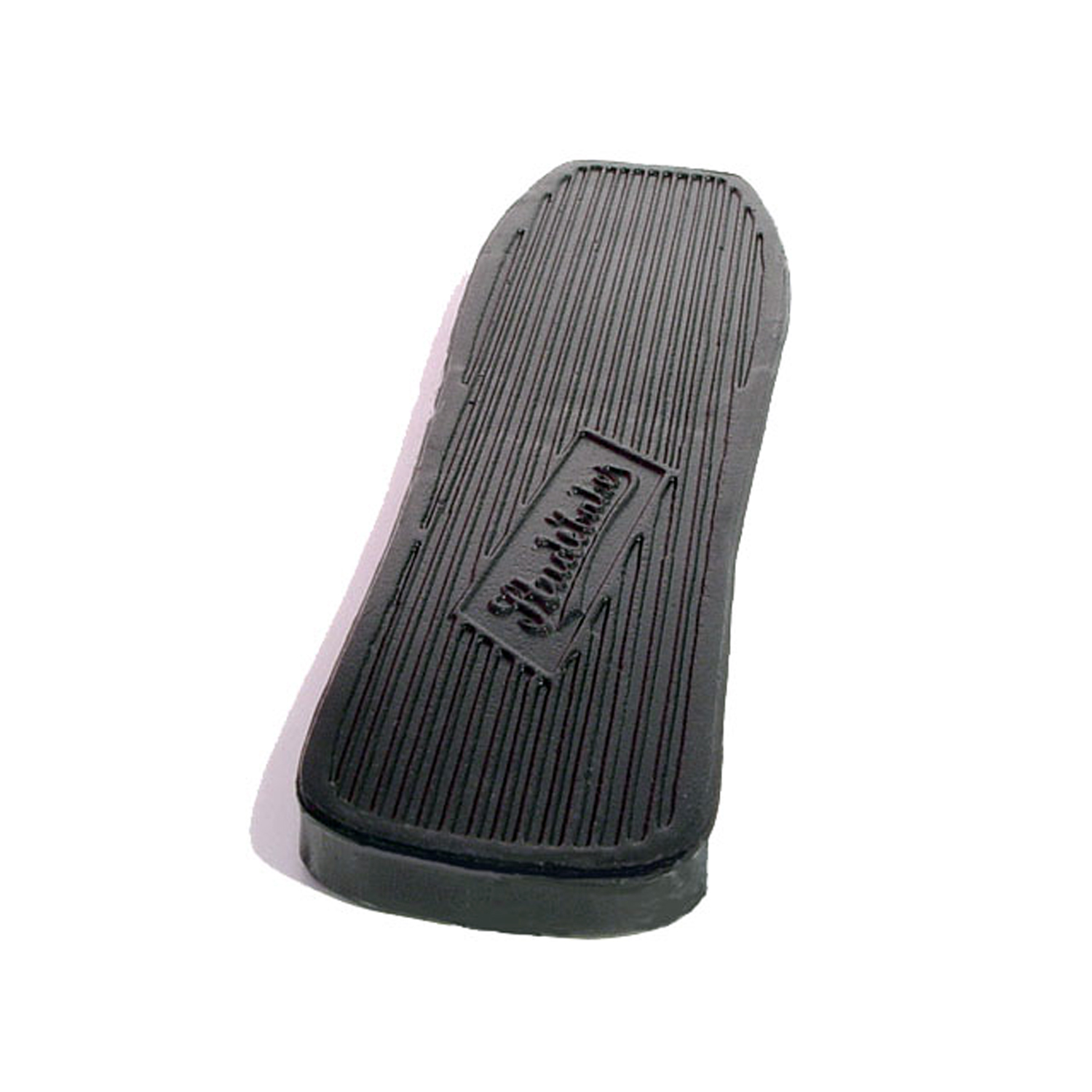 1934 Studebaker President Accelerator Pedal Pad, 2-3/8" X 9", Each-AP 22Accelerator Pedal Pad, 2-3/8" X 9", Each
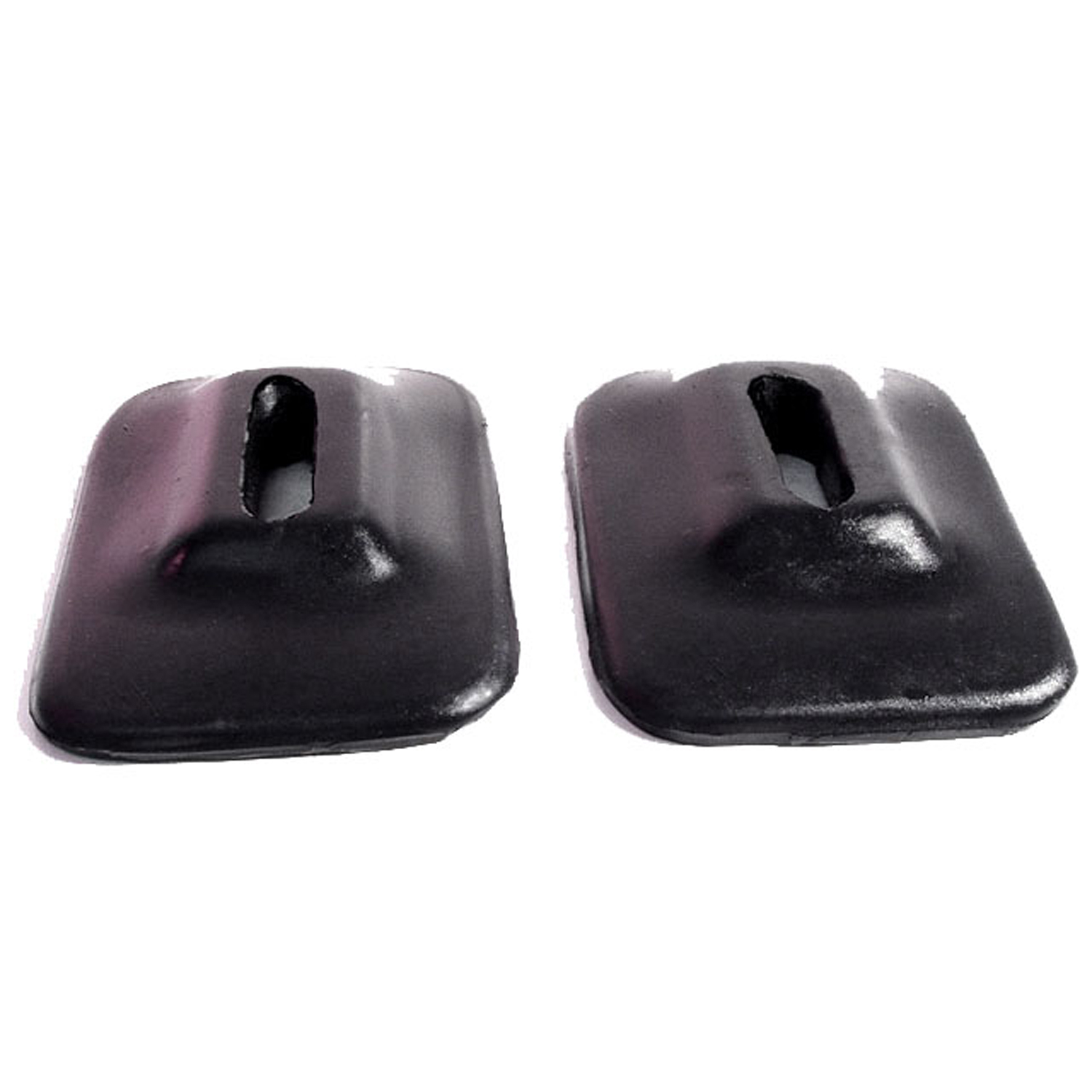 1934 Studebaker President Front and Rear Bumper Arm Grommets-BG 45Front and Rear Bumper Arm Grommets. 2-3/4" wide X 4-1/8" long, with 1-5/8" long inner slot. Pair
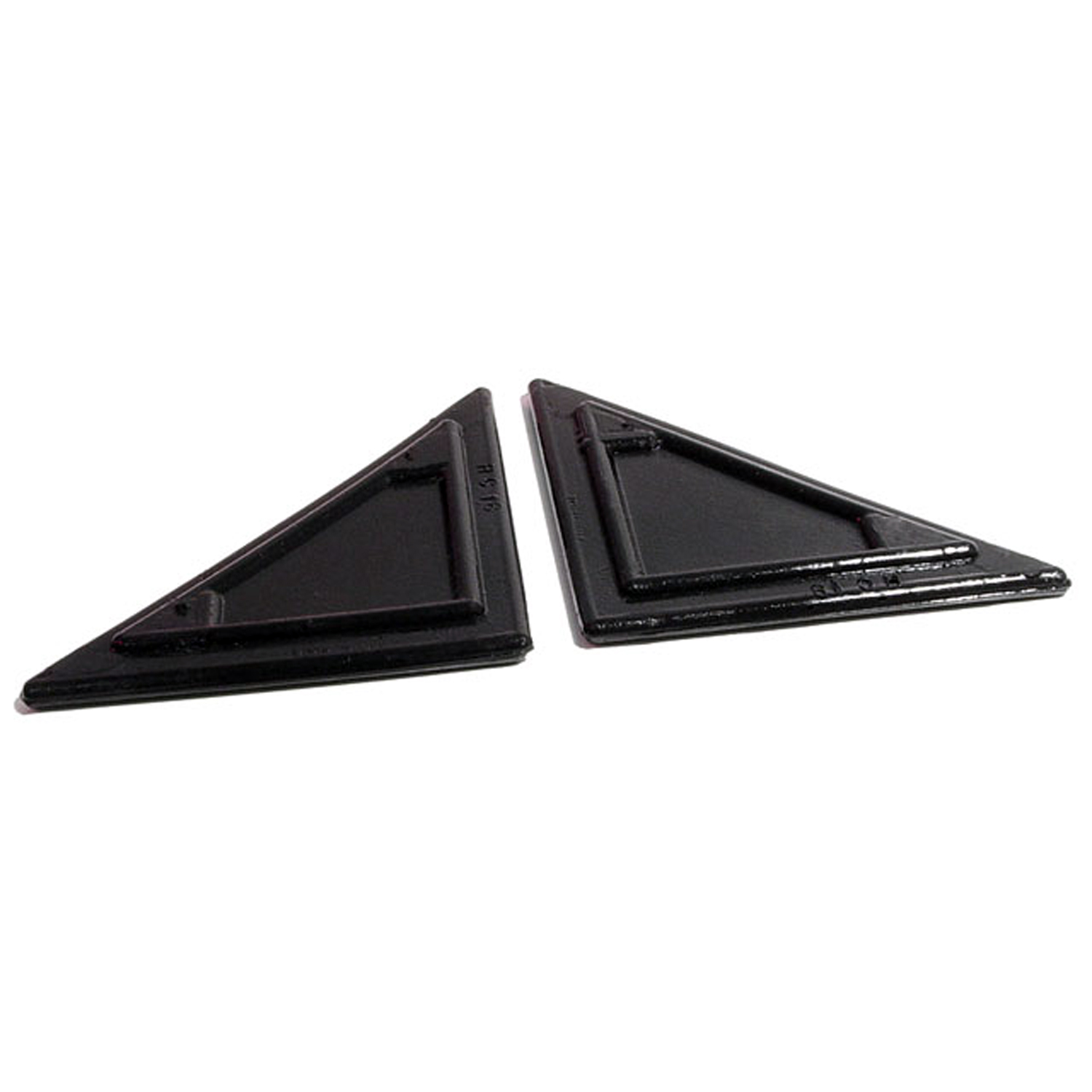 1934 Studebaker President Hood Corners. Original design. 2-3/4" wide. Pair-HC 18Hood Corners. Original design. 2-3/4" wide. Pair
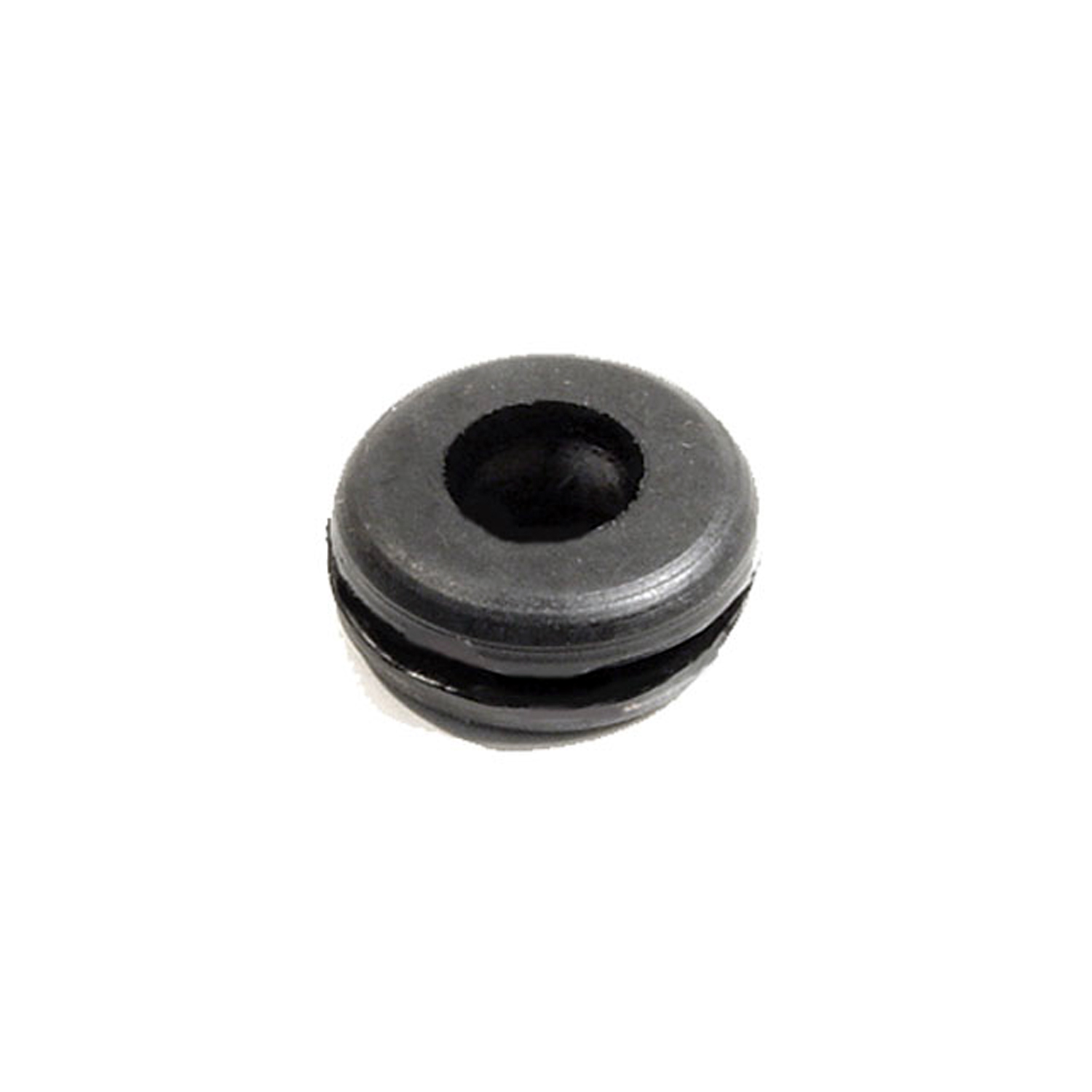 1934 Studebaker President Headlight & Tail-Light Wire Grommet. 3/8" I.D., 7/8" O.D-SM 13-AHeadlight & Tail-Light Wire Grommet. 3/8" I.D., 7/8" O.D. Each
Why Choose Metro?
For over 100 years, Metro Moulded Parts has been the pinnacle of quality in classic car restoration parts. Our commitment to precision and authenticity in every component ensures a perfect fit and an OEM-level appearance.
- Expert Craftsmanship & Quality: Each part is a testament to our dedication to reliability and perfection, crafted from original designs and thoroughly tested.
- Advanced Technology: We use cutting-edge techniques to create flawless, long-lasting parts that surpass others in performance.
- SuperSoft Sponge – The Ultimate Door Seal: Not only are our door seals 30% softer than competitors', but they're also guaranteed to never leak. They effectively reduce wind and road noise, enhancing your classic car's comfort and driving experience.
- Proudly American: Our parts are a product of American craftsmanship, made in the USA with a spirit of excellence and heritage.
- Unrivaled Warranty: We back our products with a 30-year industry-leading warranty, a testament to our confidence in their quality.
Join us in preserving the legacy of classic cars with parts that are crafted for perfection, not just made.