

Image of 1937 Studebaker Dictator, Note: These illustrations use artistic license and may differ from actual historical models.
Performance Metrics
Fundamental Metrics
Emotional Appeal
MMP Rating
| Engine Specifications | |
|---|---|
| Engine: | Studebaker 6-cylinder engine |
| Displacement: | 3.6L |
| Horsepower: | Estimated 90-100 HP |
| Torque: | 150-160 lb-ft |
| Compression Ratio: | Estimated 6.5:1 |
| Ignition System: | Distributor and coil |
| Cooling System: | Liquid-cooled |
| Performance Specifications | |
| 0-60 Time: | Information not available |
| 1/4 Mile Time: | Information not available |
| Top Speed: | 75-80 mph |
| Transmission and Drive | |
| Drive Type: | Rear-wheel drive |
| Transmission Type: | 3-speed manual |
| Fuel and Efficiency | |
| Fuel System Type: | Carburetor |
| MPG: | Estimated 15-20 mpg |
| Dimensions and Brakes | |
| Brakes: | Drum brakes |
| Wheelbase: | 116 inches |
| Weight: | Estimated 3000-3200 lbs |
Note: Specifications for classic cars are given to the best of our ability, considering the limited and variant data available.
1937 Studebaker Dictator: The Last Year of a Bold Name
The 1937 Studebaker Dictator combined smooth, modern styling with a capable six-cylinder engine, and it carried one of the most unusual model names in American automotive history. Built by the Studebaker Corporation of South Bend, Indiana, the Dictator was the company’s mid-priced car, positioned between the more affordable offerings of the day and its larger, more luxurious models.
Studebaker had used the Dictator name since the late 1920s, intending it to suggest a car that set the pace for its class. By 1937, however, the name had become awkward in a world increasingly shaped by the rise of authoritarian leaders in Europe. Studebaker retired it after the 1937 model year, replacing it with the Commander name. The often-repeated story that Adolf Hitler directly prompted the change is plausible, but the timing alone does not prove that was the company’s reason.
That makes the 1937 Dictator a short-lived final chapter in a distinctive model line. It is not the rarest classic car on the road, but it offers a memorable blend of prewar design, practical engineering, and a name that practically guarantees a conversation at a car show.
Streamlined Styling and Comfortable Cabin
The 1937 Dictator had the confident, upright presence typical of a late-1930s American car, softened by increasingly streamlined details. Its tall grille sat proudly at the front, while rounded fenders flowed around the wheels and integrated-looking headlamps gave the nose a more finished appearance than the separate lamps of earlier cars. Bright metal trim, sculpted hood sides, and a gently curved roofline added visual polish without making the car look overly ornate.
Body styles varied by configuration and market, with sedan and coupe forms among the Dictator offerings. The four-door sedan is a familiar and practical version, while coupe models have a sportier profile and are especially appealing to collectors who want a more distinctive silhouette. Availability of particular body styles and trim combinations can vary, so original sales literature and vehicle records are useful when assessing a specific car.
Inside, the Dictator was designed for comfortable everyday travel rather than bare-bones transportation. Period upholstery commonly used durable woven cloth, with trim and material choices depending on body style and equipment. A broad bench seat, a large steering wheel, clear instrument gauges, and generous glass made the cabin feel open by the standards of its time. Wood-grain-style or painted trim details and polished hardware gave the dashboard a more finished appearance. Original materials are now uncommon, and many surviving cars have been reupholstered, so a carefully preserved interior can be a major plus.
Studebaker offered paint and trim choices that varied with the model and production details. Dark, formal shades such as black, blue, and maroon suit the car’s upright lines, while lighter colors can make its fenders and body contours stand out. Period colors should be checked against factory paint references before restoration, since modern repaints and informal color names can be misleading.
Engineering Ahead of Its Time
The Dictator’s most important engineering feature was its Studebaker “Planar” independent front suspension. Rather than letting the front wheels move as a single solid unit, the system allowed each wheel to respond more independently to uneven pavement. That helped improve ride comfort and road contact, an advantage on the rough, inconsistent roads many drivers still encountered in the 1930s.
Hydraulic brakes were another valuable feature for a car intended for ordinary family and business use. They offered more consistent braking effort than earlier mechanical systems, although stopping distances by modern standards were long. Studebaker also offered its Hill-Holder device on some models and configurations. The system helped keep a car from rolling backward on an incline while the driver moved from the brake to the accelerator, a clever aid for stop-and-go hill starts.
These features did not make the Dictator a technological revolution on its own. Instead, they show how Studebaker worked to bring useful engineering and comfort into a mid-priced car. Its combination of independent front suspension, hydraulic brakes, and appealing styling helped the Dictator compete in a crowded market where buyers expected more than basic transportation.
Six-Cylinder Performance and Road Manners
The 1937 Dictator was powered by a side-valve, or L-head, inline six-cylinder engine of about 217.8 cubic inches. Period specifications commonly list output at roughly 90 horsepower, delivered through a three-speed manual transmission to the rear wheels. Exact figures can vary with the body, equipment, and source, and a car’s condition today matters far more than its original rating.
Expect relaxed rather than rapid performance. A sound, properly tuned Dictator may reach an estimated top speed in the neighborhood of 75 to 80 mph, though sustained high-speed driving is not its natural habitat. A period-style 0-to-60 mph run is likely to take roughly 20 to 25 seconds. These are practical estimates, not guaranteed factory test figures, and gearing, engine health, tires, and road conditions can change the results considerably.
Behind the wheel, the six should deliver a steady, low-pitched mechanical note rather than a sporty snarl. The three-speed gearbox asks for deliberate shifts, and the unassisted steering and brakes require more effort than a modern driver may expect. The independent front suspension helps the car absorb uneven pavement with a composed, period-appropriate ride. On winding roads, its size, steering response, and vintage tires encourage a measured pace. Crosswinds can be noticeable in an upright sedan, and narrow tires offer much less grip than contemporary rubber.
The best experience comes from driving the Dictator as it was intended: smoothly, with room to brake and time to enjoy the view. It feels substantial and engaging, with the driver directly involved in every shift and maneuver.
Living With a 1937 Dictator
Today, most Dictators are hobby cars used for weekend drives, local shows, touring events, and preservation. A well-maintained example can still cover moderate distances, but it is not generally a sensible daily driver in modern traffic. It lacks contemporary crash protection, climate control, lighting, and braking performance, and its pace can feel slow on high-speed roads.
Routine service is straightforward for an owner familiar with older cars. The engine is mechanically conventional, and many repairs can be handled with standard workshop tools and period repair information. The main challenge is often finding the correct parts, trim, glass, or body components rather than understanding the mechanical work. Specialist suppliers, Studebaker clubs, and marque forums can be valuable sources of advice and parts leads.
Reliability depends heavily on maintenance and restoration quality. Cooling-system condition, ignition components, fuel delivery, brake hydraulics, wiring, and lubrication all deserve close inspection before regular use. A car that has sat for years should not simply be started and driven; its brakes, tires, fuel system, and fluids need careful attention first.
Dictator Trivia and Common Criticisms
The most memorable fact is the name itself. Studebaker’s use of “Dictator” began well before the Second World War and was meant to convey leadership in its class, not political allegiance. The model’s final year was 1937, after which Studebaker shifted to names such as Commander.
The Dictator was a volume model rather than a specialized record-breaker. It was not known for setting a headline top-speed or endurance record, and there is no single celebrated Dictator edition that dominates its story. Its more lasting interest comes from its place in Studebaker’s lineup and the unusual end of its model name.
Common criticisms are familiar to anyone who owns a prewar car: modest acceleration, heavy controls, limited modern safety features, and parts that may take time to locate. Some enthusiasts also find the styling less flamboyant than that of more luxurious or exotic contemporaries. In return, the Dictator offers straightforward mechanical character and a distinctive story without the prices attached to many better-known luxury marques.
Collector Values, Rarity, and Market Outlook
Precise production figures for individual body styles are not consistently reported in readily available references. As a broad estimate, total 1937 Dictator production may have been in the range of roughly 35,000 to 45,000 cars. That is an informed approximation, not a confirmed factory total. Many decades of use, neglect, and scrapping have reduced the number surviving in good condition, and certain body styles or original trim combinations are much harder to find than the basic sedan.
For a general U.S. market estimate, a project car may fall around $8,000 to $15,000, depending on completeness and rust. A usable driver might bring roughly $20,000 to $35,000, while a well-restored example could reach about $35,000 to $55,000. Exceptional cars, especially those with high-quality restorations, strong documentation, and desirable body styles, may exceed that range. These are broad estimates: condition, provenance, location, and the quality of the work can shift a sale substantially.
The Dictator market is relatively specialized. Values tend to be steadier than those of heavily promoted collector cars, with the best-preserved examples attracting the most interest. The model may appreciate gradually as clean prewar cars become harder to find, but it is not a guaranteed investment. Restoration costs can also exceed the eventual selling price, so buyers are usually best served by choosing the most complete, mechanically sound car they can afford.
Why the 1937 Studebaker Dictator Still Matters
The 1937 Studebaker Dictator is a practical prewar classic with a memorable identity. Its six-cylinder engine, independent front suspension, hydraulic brakes, and streamlined body show a manufacturer balancing comfort and useful engineering in a competitive market. Its name adds an unusual historical footnote, while its final model year gives it a special place in Studebaker’s story.
For collectors, the Dictator offers something more rewarding than a famous badge alone: an engaging driving experience, approachable mechanicals, and a design that captures the moment American cars were becoming smoother and more modern. It may not shout for attention, but once you know its story, this last-year Dictator is hard to forget.
1937 Studebaker Dictator Catalog of Parts
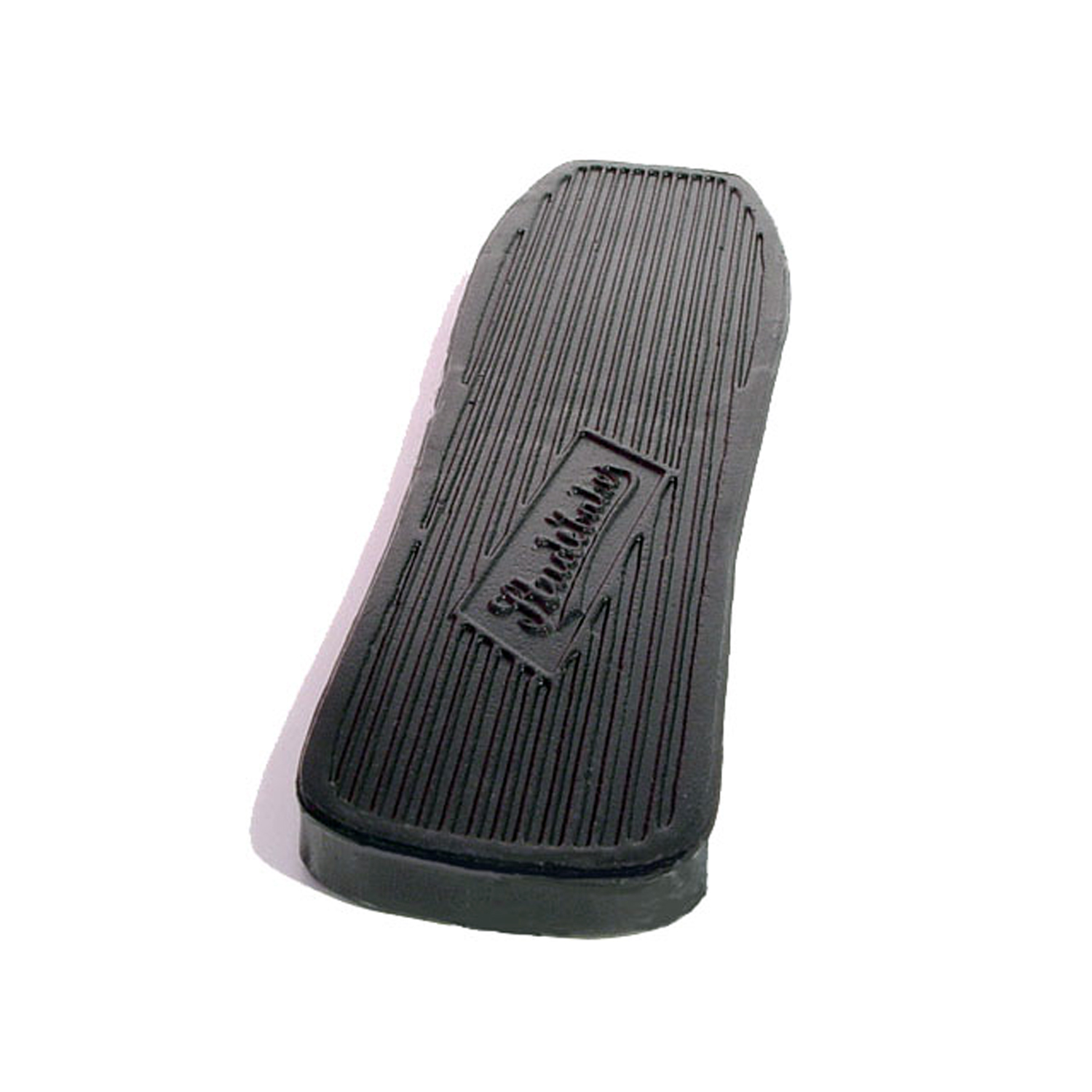 1937 Studebaker Dictator Accelerator Pedal Pad, 2-3/8" X 9", Each-AP 22Accelerator Pedal Pad, 2-3/8" X 9", Each
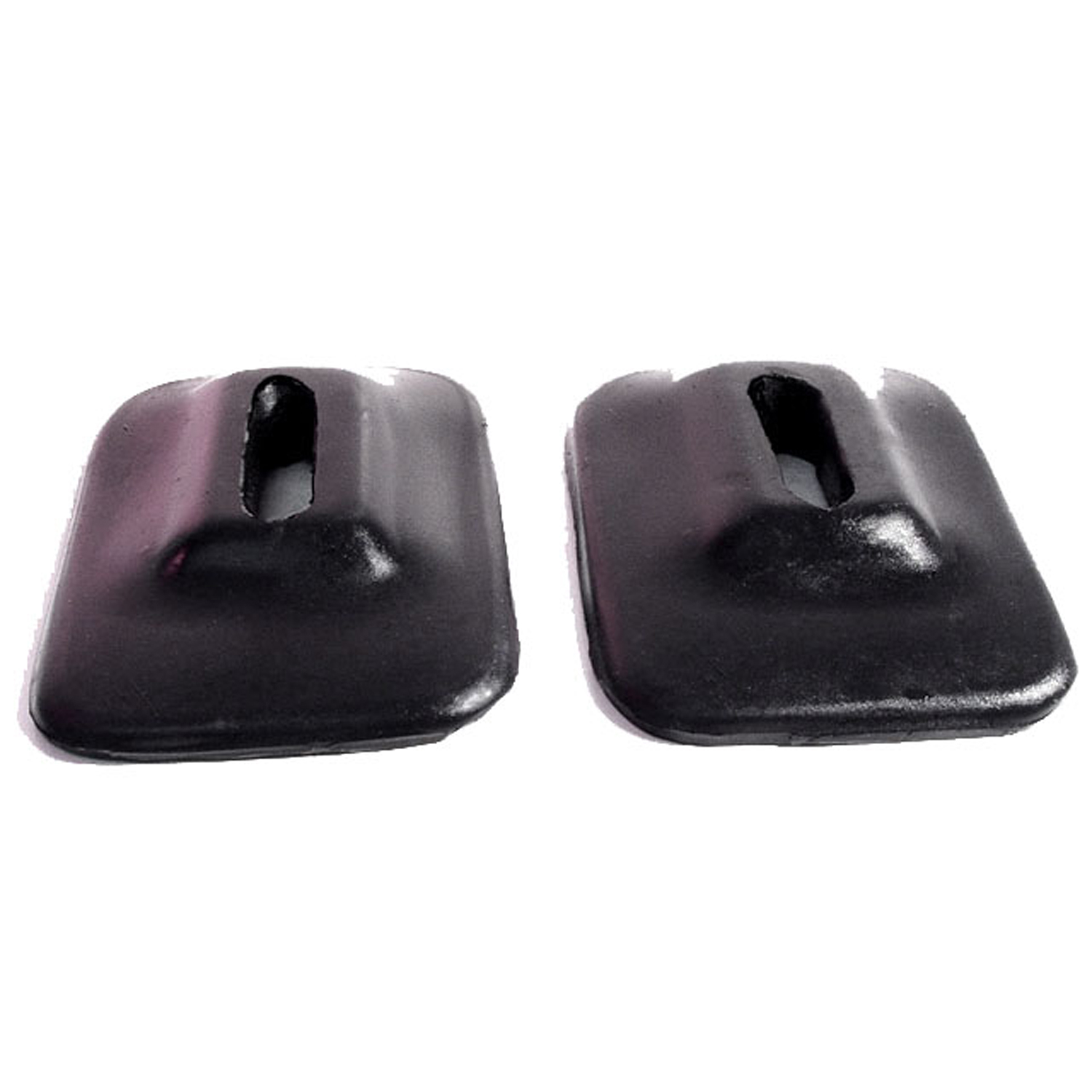 1937 Studebaker Dictator Front and Rear Bumper Arm Grommets-BG 45Front and Rear Bumper Arm Grommets. 2-3/4" wide X 4-1/8" long, with 1-5/8" long inner slot. Pair
 1937 Studebaker Dictator Gas Filler Grommet. 1-3/4" I.D., 4" oblong length. Each-GF 6Gas Filler Grommet. 1-3/4" I.D., 4" oblong length. Each
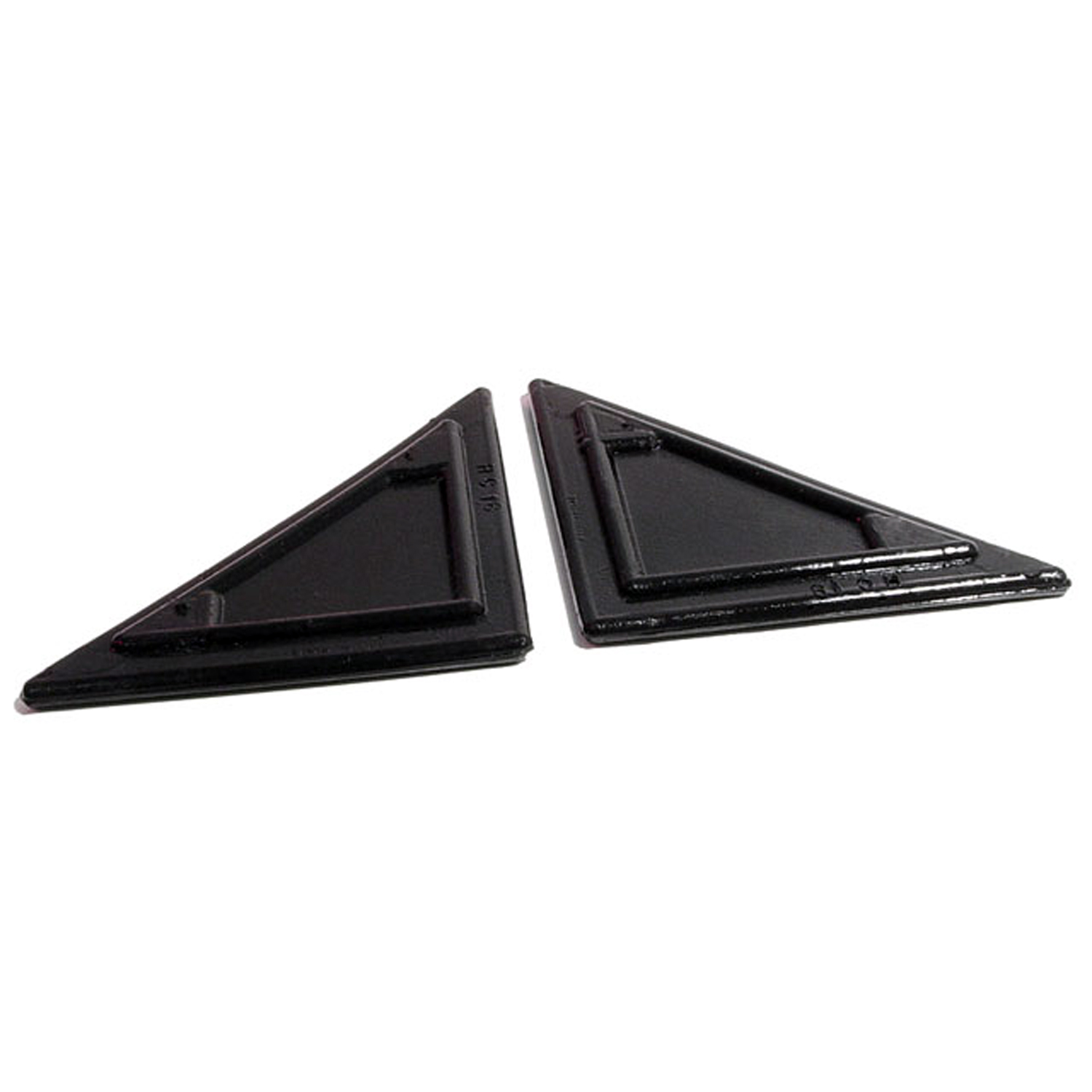 1937 Studebaker Dictator Hood Corners. Original design. 2-3/4" wide. Pair-HC 18Hood Corners. Original design. 2-3/4" wide. Pair
 1937 Studebaker Dictator Headlight Pads. 3-3/4" wide X 8-1/2" long. Pair-MP 968Headlight Pads. 3-3/4" wide X 8-1/2" long. Pair
 1937 Studebaker Dictator Tail-light Pads. 2-5/8" wide X 8-1/16" long. Pair-MP 971Tail-light Pads. 2-5/8" wide X 8-1/16" long. Pair
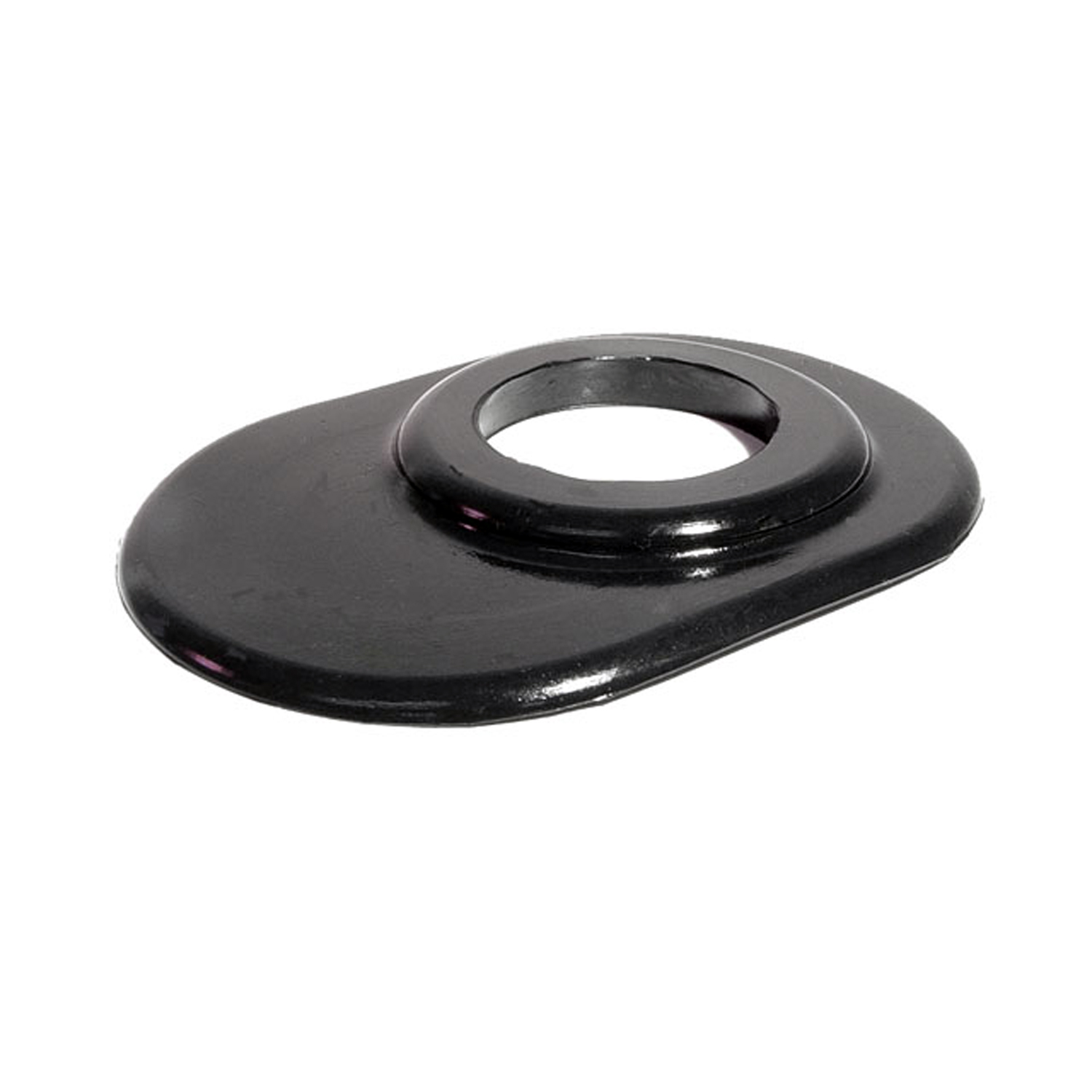 1937 Studebaker Dictator Steering Column Grommet. For 4-speed models. Each-SC 24Steering Column Grommet. For 4-speed models. Each
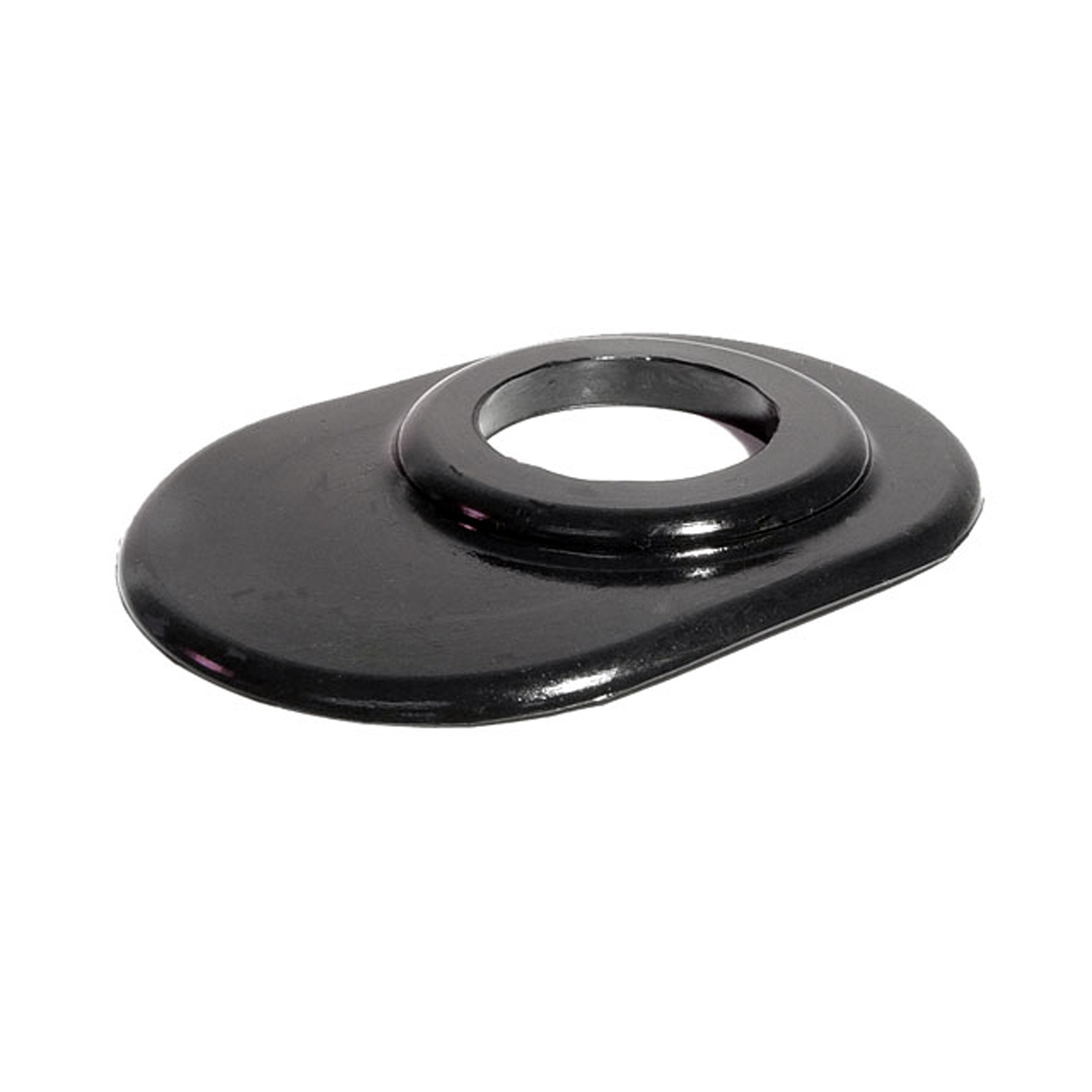 1937 Studebaker Dictator Steering Column Grommet. For 3-speed models. Each-SC 24-ASteering Column Grommet. For 3-speed models. Each
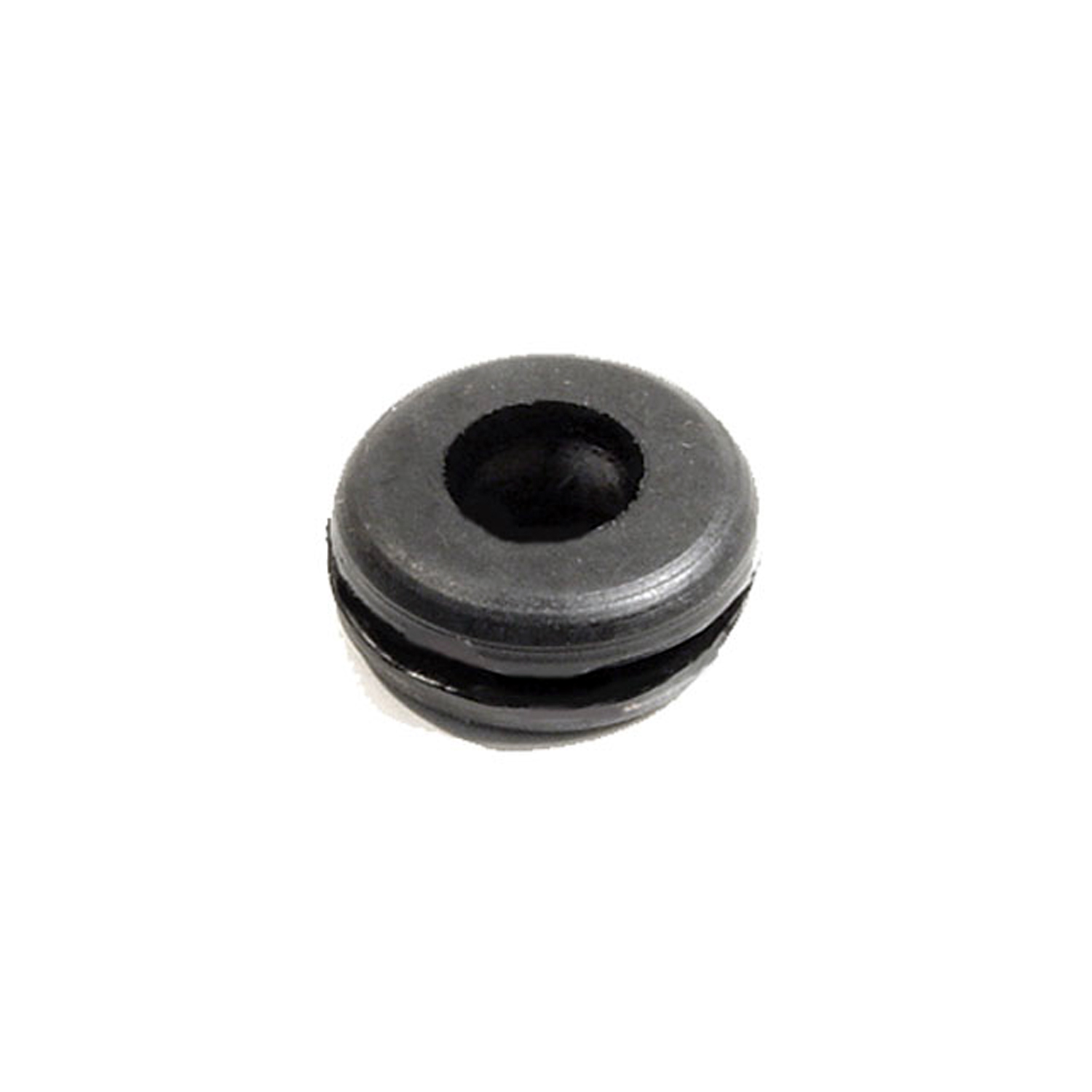 1937 Studebaker Dictator Headlight & Tail-Light Wire Grommet. 3/8" I.D., 7/8" O.D-SM 13-AHeadlight & Tail-Light Wire Grommet. 3/8" I.D., 7/8" O.D. Each
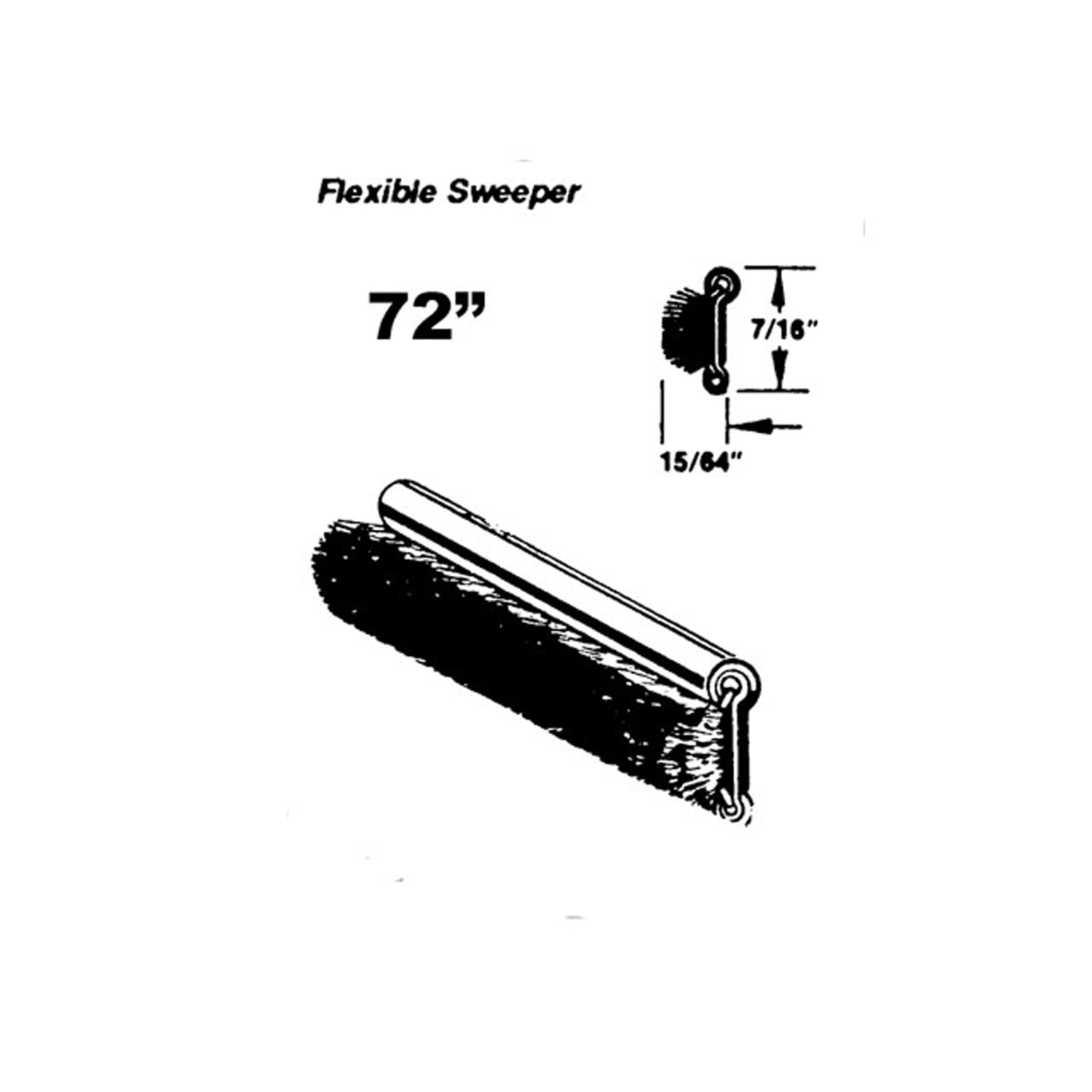 1937 Studebaker Dictator Flexible sweeper. Made with stainless steel bead-WC 8-72Flexible sweeper. Made with stainless steel bead. Used on inner and outer beltlines. Also forms easily for use with sliding quarter windows. 72 in. long. Each. NOTE: $20 special shipping charge applies for domestic orders. Call or email for overseas shipping costs. Part can be sectioned into two equal lengths to reduce overseas shipping costs.
 1937 Studebaker Dictator Rear Vent Window Seals, for Sedans-WR 2300-RRear Vent Window Seals, for Sedans. Slight modification required for some models. Overall length is 44". Some models use longer seal, for these use extension piece WREX 2300-R. Pair R&L
Why Choose Metro?
For over 100 years, Metro Moulded Parts has been the pinnacle of quality in classic car restoration parts. Our commitment to precision and authenticity in every component ensures a perfect fit and an OEM-level appearance.
- Expert Craftsmanship & Quality: Each part is a testament to our dedication to reliability and perfection, crafted from original designs and thoroughly tested.
- Advanced Technology: We use cutting-edge techniques to create flawless, long-lasting parts that surpass others in performance.
- SuperSoft Sponge – The Ultimate Door Seal: Not only are our door seals 30% softer than competitors', but they're also guaranteed to never leak. They effectively reduce wind and road noise, enhancing your classic car's comfort and driving experience.
- Proudly American: Our parts are a product of American craftsmanship, made in the USA with a spirit of excellence and heritage.
- Unrivaled Warranty: We back our products with a 30-year industry-leading warranty, a testament to our confidence in their quality.
Join us in preserving the legacy of classic cars with parts that are crafted for perfection, not just made.