

Image of 1938 Studebaker K5, Note: These illustrations use artistic license and may differ from actual historical models.
Performance Metrics
Fundamental Metrics
Emotional Appeal
MMP Rating
| Engine Specifications | |
|---|---|
| Engine Options: | Inline 6 |
| Displacement Range: | 3.6L |
| Horsepower Range: | Estimated 90-100 HP |
| Torque: | Estimated 150-160 lb-ft |
| Compression Ratio: | 6.5:1 |
| Ignition System: | Distributor and coil |
| Cooling System: | Liquid-cooled |
| Performance Specifications | |
| 0-60 Time: | Not available due to the age of the vehicle |
| 1/4 Mile Time: | Not available due to the age of the vehicle |
| Top Speed: | 75 mph |
| Transmission and Drive | |
| Drive Type: | Rear-wheel drive |
| Transmission Type: | 3-speed manual |
| Fuel and Efficiency | |
| Fuel System Type: | Carburetor |
| MPG: | Estimated 15-20 mpg |
| Dimensions and Brakes | |
| Brakes: | Drum brakes |
| Wheelbase: | 112 inches |
| Weight: | Estimated 3000 lbs |
Note: Specifications for classic cars are given to the best of our ability, considering the limited and variant data available.
1938 Studebaker K5: A Rare Prewar Pickup with Real Character
The 1938 Studebaker K5 brings prewar truck design down to earth: a handsome, upright pickup built for work, with the careful detailing and engineering that made Studebaker more than just another name in the automotive business. It came from the South Bend, Indiana, manufacturer, a company with roots in wagon-making and a long record of building cars and commercial vehicles. The K5 is not as familiar to collectors as a Ford pickup or a later Studebaker M-series, which is part of its appeal.
One important detail for prospective owners is that surviving records and modern listings do not always agree on the K5’s exact specifications. Engine and equipment details can vary by configuration, and model-specific production totals are difficult to pin down. The guide below treats performance figures and production estimates as informed approximations rather than definitive factory records.
Prewar Context: Studebaker’s Work Truck
In 1938, American truck makers were building vehicles for farms, local businesses, delivery work, and tradespeople. The truck was increasingly expected to do more than haul a heavy load: it needed to be dependable, manageable on ordinary roads, and comfortable enough for a full day behind the wheel. Studebaker’s K5 served that practical market during a period when the country was still recovering from the Great Depression.
Studebaker had a distinctive position in the industry. It was an established independent automaker, not one of Detroit’s Big Three, and it used its experience in passenger cars and commercial vehicles to compete with larger manufacturers. The K5 is a modest but appealing example of that effort. It is not famous for a single revolutionary feature or record-setting achievement. Its story is instead about the everyday trucks that kept local businesses and communities moving.
Exterior Design: Upright, Sturdy, and unmistakably 1930s
The K5 has the classic proportions of a late-1930s conventional-cab truck. Its cab sits behind a long, separate hood, with prominent front fenders framing the wheels and a tall grille giving the nose a purposeful, almost formal look. Rounded corners and flowing fender lines soften the otherwise upright shape, while the exposed running boards and separate headlamps emphasize its prewar construction.
Compared with a modern pickup, the K5 looks narrow and compact. That impression comes from its tall cab, slim body, and relatively small wheels, not from a lack of presence. In period, the styling signaled utility and solidity. Today, the same details give the truck a distinctive silhouette that stands apart from the more familiar pickups of the era.
Paint choices depended on the original specification and commercial use. Period trucks were often finished in practical solid colors, with business names or lettering added by the owner. Dark greens, blues, reds, and black are common colors seen on restored examples, but a current truck’s paint should not automatically be taken as proof of its factory finish. Original paint traces, build documentation, and period photographs are better guides to authenticity.
Cab, Bed, and Equipment
The K5’s cabin is functional rather than luxurious. Expect a broad steering wheel, straightforward instruments, simple switches, and a bench seat, with metal surfaces and durable upholstery suited to a working vehicle. Materials and trim could differ with equipment and body configuration. A restored example may have a fresh seat cover or carefully refinished dash, so it is worth separating period-correct details from later improvements.
Studebaker trucks could be supplied in different commercial configurations, including pickup-style bodies and chassis intended for other work bodies. Depending on the truck’s original specification, buyers could encounter stake, delivery, or other commercial setups. The pickup form is the most immediately recognizable and often the most sought after by hobbyists, but a body conversion or replacement bed is not unusual on a truck that spent decades earning its keep.
Equipment was appropriately basic by modern standards. The K5 did not have power steering, disc brakes, electronic engine controls, or modern crash protection. Its value lies in straightforward mechanical systems and period character, not in convenience features.
Engineering and Historical Significance
The K5 was a conventional truck, and that was a strength. Its body-on-frame construction, separate fenders, and mechanical controls were familiar to buyers and repair shops. Studebaker’s contribution was not a radical redesign of the pickup. Rather, the K5 represented the company’s attempt to offer a practical, well-finished alternative in a competitive market.
That context matters when comparing it with contemporaries. The K5 was built during a period of rapid change in American vehicle styling, but trucks remained primarily tools. Manufacturers had to balance appearance with payload, durability, and cost. The K5’s upright cab and distinctively shaped front end gave it personality without abandoning the straightforward layout that owners understood.
Its lasting influence is best understood as part of Studebaker’s broader commercial-vehicle history. The K5 is a reminder that independent manufacturers helped shape the American truck market, even when their products did not achieve the sales volume or long-term name recognition of Ford and Chevrolet pickups.
Engine, Speed, and Road Manners
Specification details can vary among K5 references and surviving trucks, so buyers should verify the engine in the individual vehicle rather than relying on a badge or online description. Period Studebaker truck engines were inline sixes, and a K5 should be approached as a low-speed working vehicle, not a performance machine. Check the engine number, casting details, and registration records when confirming originality.
Factory acceleration figures are not readily established for the K5. As a practical estimate for a stock, properly running example, 0 to 60 mph may take roughly 25 to 35 seconds, and some trucks may not reach 60 mph comfortably at all. A reasonable period-style cruising range is about 40 to 50 mph. Depending on gearing, engine condition, tires, and bodywork, a light truck may approach the mid-50s, but that does not make sustained highway speed advisable.
Behind the wheel, the K5 feels deliberate. The engine’s low, steady six-cylinder note is more workhorse than soundtrack, and the manual transmission asks the driver to make measured shifts. Steering is unassisted and may feel heavy at parking speeds. On rough roads, the truck’s solid, utilitarian suspension can bounce and jostle, especially when unloaded. On winding roads, its narrow tires, period brakes, and tall body call for patience and sensible cornering speeds.
The experience is rewarding precisely because it is interactive. The driver listens to the engine, feels the road through the steering wheel, and plans braking well ahead. A K5 can be enjoyable on back roads and local trips, but it should be driven with the limitations of a nearly 90-year-old truck in mind.
Ownership, Repairs, and Everyday Use
Most K5s today are collector vehicles, weekend cruisers, parade trucks, or display pieces rather than daily transportation. A sound example can handle local errands and short scenic drives, but modern traffic, highway speeds, and long commutes are demanding environments for a prewar truck without contemporary safety equipment.
Mechanical repairs are often approachable for an owner with basic skills. Older systems are generally less electronically complex than modern vehicles, and routine work such as servicing ignition components, adjusting brakes, and maintaining the cooling system is familiar to vintage-car mechanics. That does not mean every repair is simple. Parts specific to the K5, correct trim, body panels, and some engine components may take time to find or require specialist help.
Before buying, inspect the frame, cab corners, floors, bed, and fenders for corrosion or previous repairs. Check for engine overheating, oil pressure problems, worn steering components, brake pull, and transmission noise. A complete truck with a sound chassis is usually a better starting point than an inexpensive project missing hard-to-find pieces.
Little-Known K5 Facts
The K5’s relative obscurity is one of its most appealing traits. It is a conversation starter at shows where better-known Ford and Chevrolet trucks tend to dominate, and it offers a chance to represent an independent American manufacturer from an important period in automotive history.
There is no widely recognized K5 speed, endurance, or sales record, and no single celebrity ownership story defines the model. Its historical significance is quieter: trucks like this handled the everyday hauling, farm, and delivery work that rarely made headlines but kept local economies operating.
A common criticism is that the K5 is less convenient to own than a more popular classic pickup. Parts availability, documentation, and specialist knowledge can be limited compared with mass-produced rivals. It also lacks the power, braking, and comfort expected of a modern vehicle. For collectors who value rarity and character over convenience, those drawbacks are part of the bargain.
Collector Value and Rarity
Exact K5 production totals are not easy to establish from commonly available model-specific records. As a broad estimate rather than a verified factory figure, perhaps 1,000 to 3,000 examples were built in the relevant K5 production period. That estimate should be treated cautiously: surviving trucks are rarer than the number originally produced, and some may have been modified or misidentified over the years.
U.S. asking prices and sale values depend heavily on condition, completeness, originality, and body style. A rough project might fall around $5,000 to $15,000. A usable driver or partially restored truck could be in the $15,000 to $30,000 range, while a high-quality, well-documented restoration may reach roughly $30,000 to $50,000 or more. These are broad market estimates, not guaranteed sale prices, and unusual commercial bodies or exceptional provenance can shift values.
Values for rare prewar pickups have generally benefited from collector interest in distinctive, usable vehicles, but the K5’s smaller audience can make prices uneven. The best examples may appreciate over time, particularly when they retain original components and sound documentation. Projects can be harder to sell because restoration costs may exceed the value of the finished truck.
Why the 1938 Studebaker K5 Still Matters
The 1938 Studebaker K5 is a practical piece of prewar American history: a handsome, straightforward truck from an independent manufacturer that knew how to build vehicles for real work. Its upright styling, simple cabin, and mechanical character make it rewarding to see and drive, while its relative rarity gives it a distinct place in the classic-truck community.
It is not the fastest, most comfortable, or easiest vintage pickup to restore. Its appeal is more lasting than that. The K5 connects its owner to an era when a truck was a tool first and a personal statement second, and every careful drive brings that honest, hands-on character back to life.
1938 Studebaker K5 Catalog of Parts
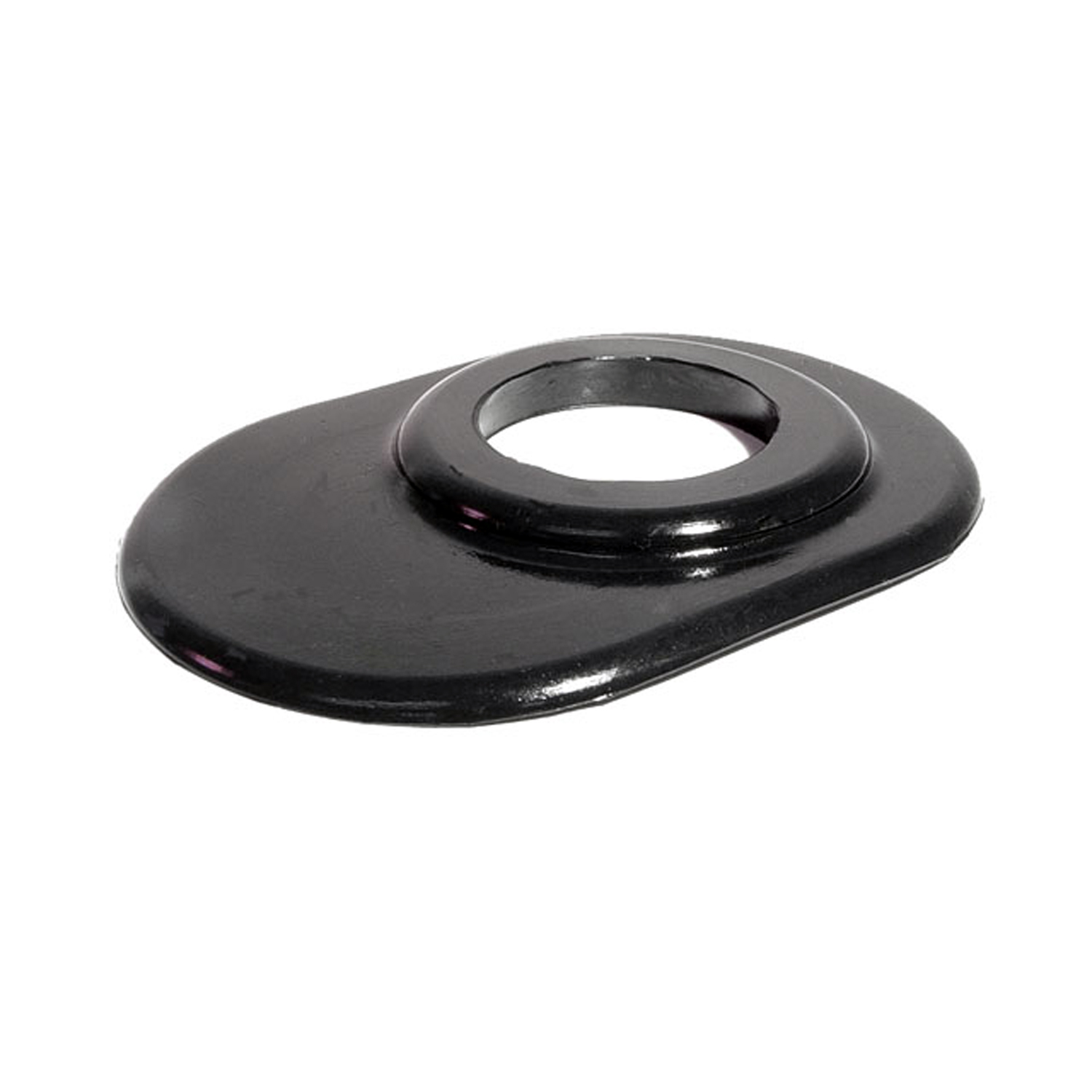 1938 Studebaker K5 Steering Column Grommet. For 4-speed models. Each-SC 24Steering Column Grommet. For 4-speed models. Each
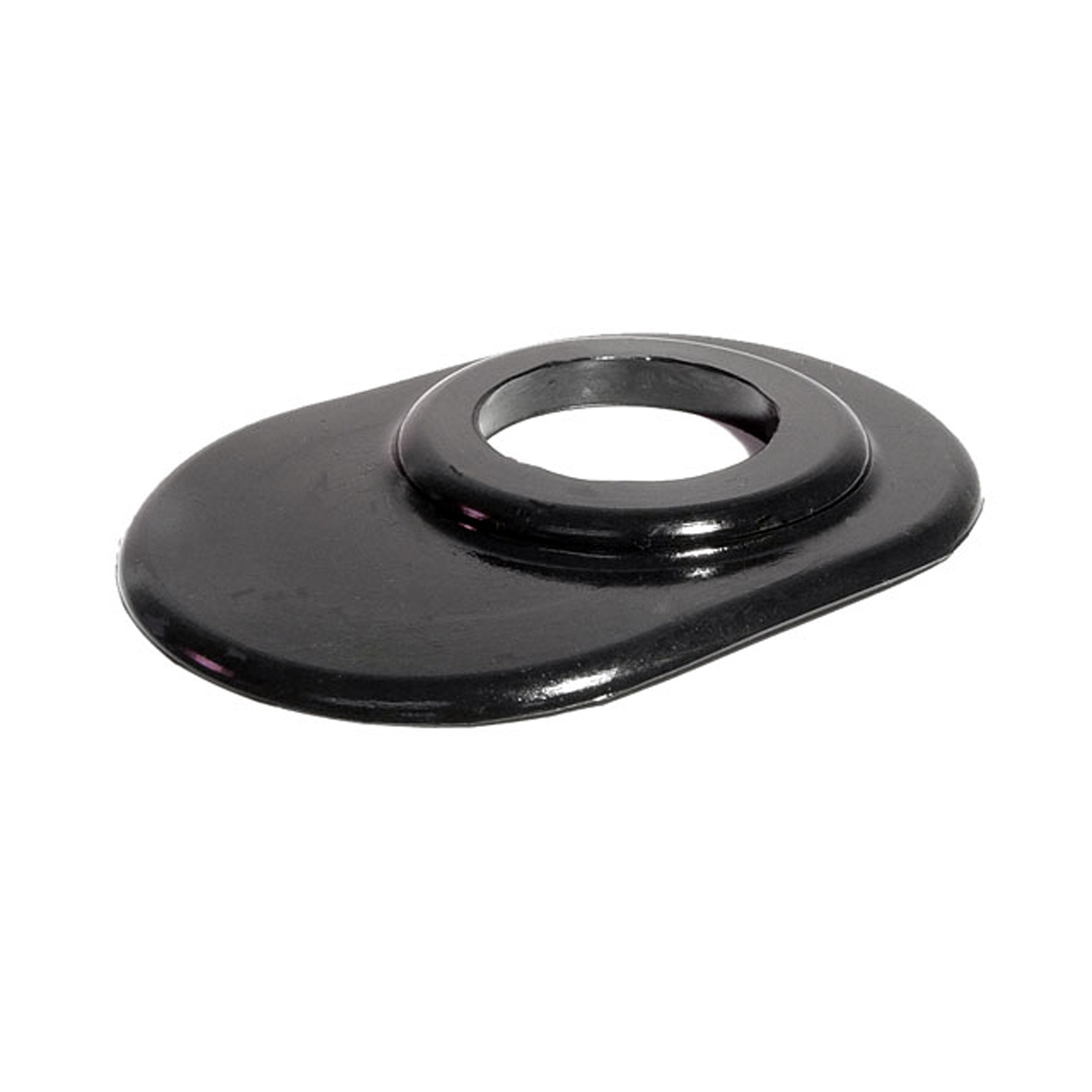 1938 Studebaker K5 Steering Column Grommet. For 3-speed models. Each-SC 24-ASteering Column Grommet. For 3-speed models. Each
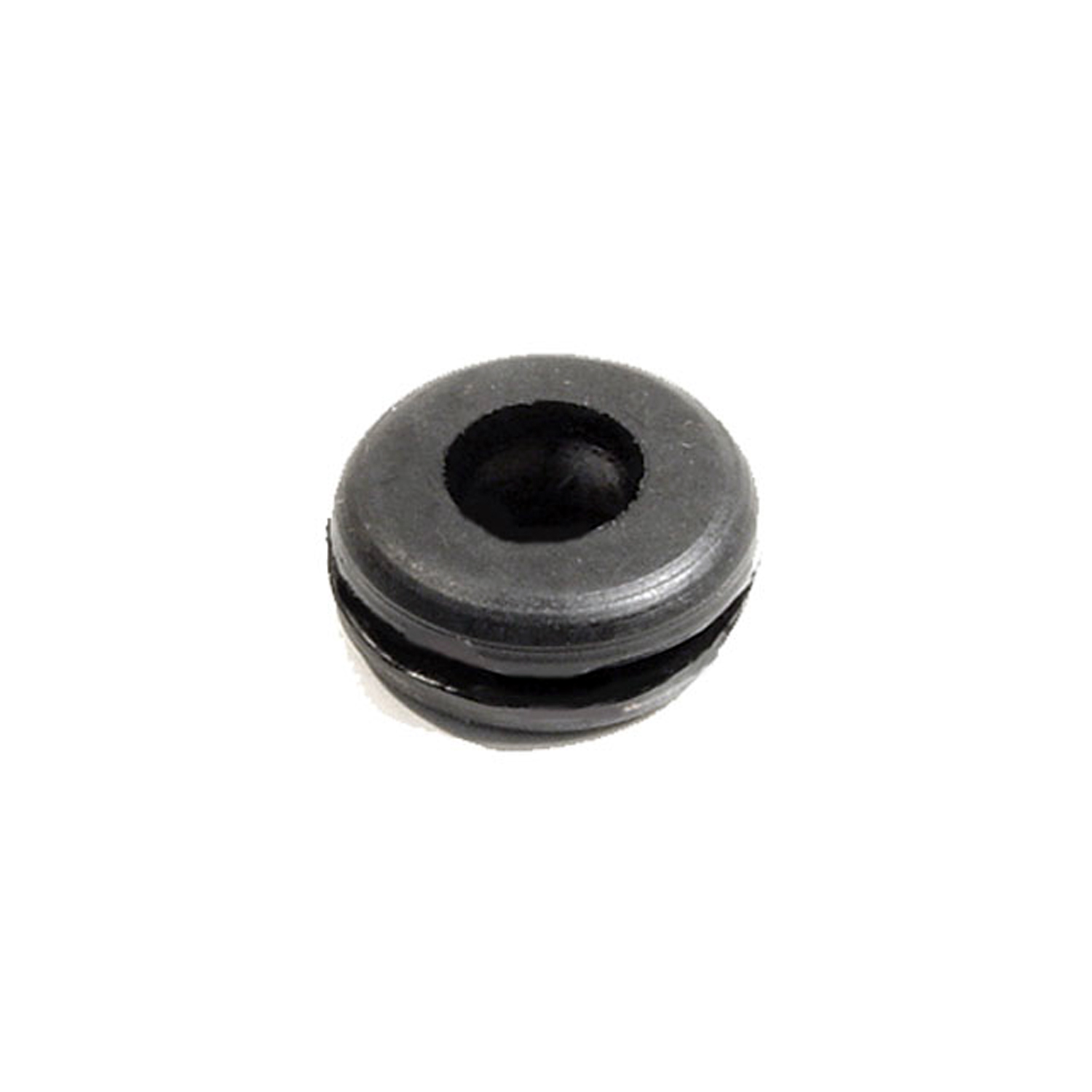 1938 Studebaker K5 Headlight & Tail-Light Wire Grommet. 3/8" I.D., 7/8" O.D-SM 13-AHeadlight & Tail-Light Wire Grommet. 3/8" I.D., 7/8" O.D. Each
Why Choose Metro?
For over 100 years, Metro Moulded Parts has been the pinnacle of quality in classic car restoration parts. Our commitment to precision and authenticity in every component ensures a perfect fit and an OEM-level appearance.
- Expert Craftsmanship & Quality: Each part is a testament to our dedication to reliability and perfection, crafted from original designs and thoroughly tested.
- Advanced Technology: We use cutting-edge techniques to create flawless, long-lasting parts that surpass others in performance.
- SuperSoft Sponge – The Ultimate Door Seal: Not only are our door seals 30% softer than competitors', but they're also guaranteed to never leak. They effectively reduce wind and road noise, enhancing your classic car's comfort and driving experience.
- Proudly American: Our parts are a product of American craftsmanship, made in the USA with a spirit of excellence and heritage.
- Unrivaled Warranty: We back our products with a 30-year industry-leading warranty, a testament to our confidence in their quality.
Join us in preserving the legacy of classic cars with parts that are crafted for perfection, not just made.