

Image of 1938 Studebaker State President, Note: These illustrations use artistic license and may differ from actual historical models.
Performance Metrics
Fundamental Metrics
Emotional Appeal
MMP Rating
| Engine Specifications | |
|---|---|
| Engine: | Straight-8 |
| Displacement: | 250 cu in (4.1 L) |
| Horsepower: | Estimated 110 hp |
| Torque: | Not available |
| Compression Ratio: | Not available |
| Ignition System: | Battery and coil |
| Cooling System: | Water-cooled |
| Performance Specifications | |
| 0-60 Time: | Not available |
| 1/4 Mile Time: | Not available |
| Top Speed: | Estimated 85 mph |
| Transmission and Drive | |
| Drive Type: | Rear-wheel drive |
| Transmission Type: | 3-speed manual |
| Fuel and Efficiency | |
| Fuel System Type: | Carburetor |
| MPG: | Not available |
| Dimensions and Brakes | |
| Brakes: | Hydraulic brakes |
| Wheelbase: | 123 inches |
| Weight: | Estimated 3,400 lbs |
Note: Specifications for classic cars are given to the best of our ability, considering the limited and variant data available.
1938 Studebaker President State: A Luxury Eight with Independent Spirit
The 1938 Studebaker President State brought straight-eight power and upscale presence to buyers who wanted a full-size American car without paying for the most expensive luxury marques. Built by Studebaker Corporation in South Bend, Indiana, it belonged to the President line, a name the company had used for its senior cars since 1926. For 1938, the State trim made President ownership more attainable while retaining the refinement and distinctive styling that helped Studebaker stand apart from the Big Three.
That independence mattered. Studebaker was one of the largest American automakers operating outside General Motors, Ford, and Chrysler, and it had to win customers with engineering, styling, and value rather than sheer production scale. The President State is a particularly appealing example of that strategy: a substantial eight-cylinder automobile with a fresh, streamlined look and features that were advanced for its day.
One intriguing piece of Studebaker history is the company’s Hill Holder. Introduced earlier in the decade and available on Studebakers of this era, the device helped keep a car from rolling backward on a slope while the driver moved from the brake to the accelerator. It was a practical answer to a common challenge with a manual-transmission car, especially in hilly towns.
Streamlined Studebaker Styling
The President State’s shape reflects the late-1930s shift away from upright, separate-looking bodywork toward smoother, more integrated forms. Its long hood, rounded front fenders, flowing rear quarters, and sloping lines give it a planted, forward-moving stance. The headlamps sit in the fenders rather than standing apart from the body, while the grille and bright trim provide a more formal face. It is elegant without being anonymous, a useful distinction in a period when many cars were beginning to look more streamlined.
Inside, the President State offered the generous space expected of a full-size sedan. Depending on body style and equipment, the cabin could feature broad bench seating, patterned cloth upholstery, a carefully finished dashboard, and bright metal accents. Materials and trim were generally more substantial than in Studebaker’s lower-priced models, though exact fabrics and details varied by body style and original equipment. A surviving car’s condition, upholstery, and completeness now make a major difference to its appeal.
Studebaker offered the President State in several body configurations during the period, including sedan and coupe forms. The four-door sedan is among the most recognizable and practical today, while coupe versions have a sportier profile and can be less frequently encountered. Exact offerings could vary by series and market, so a car’s body plate and period catalog are the best guides to its original specification.
Factory paint choices varied, and the palette could include conservative shades such as black, dark blue, green, gray, and maroon. Owners often favored darker colors, which suited the car’s formal character and highlighted its chrome. Two-tone treatments and color combinations could make the sweeping body lines especially noticeable, although availability depended on the model and the buyer’s selections.
Eight-Cylinder Engineering and Useful Innovations
Power came from a 250.4-cubic-inch L-head inline-eight, rated at about 110 horsepower. The engine’s long, smooth layout was prized for refinement: instead of the sharper pulse of many six-cylinder cars, the straight-eight delivered its power with an even, measured character. A three-speed manual transmission was typical, and the Hill Holder could make starts on inclines less stressful.
The President State also benefited from Studebaker’s attention to chassis engineering. Studebaker had developed its Planar independent front suspension for earlier models, and cars of this era are associated with the company’s efforts to improve front-wheel control and ride comfort. The system was an unusual point of distinction in a market where many competitors still relied on a more conventional front suspension layout. Hydraulic drum brakes provided stopping power, while the car’s overall equipment reflected a growing emphasis on driving comfort as well as size and prestige.
Electrical systems of the period were generally six-volt, and the car’s other controls remain straightforward by modern standards. There is no automatic transmission, power steering, or modern driver assistance to soften the experience. The appeal is in the mechanical connection: the driver manages the clutch, selects the gears, and listens to the engine as it gathers speed.
How the President State Drives
Period road conditions, gearing, body style, and the health of an individual car all affect performance. As a general estimate, a properly tuned President State could reach roughly 80 to 85 mph, with 0-to-60-mph acceleration in the neighborhood of 20 to 23 seconds. Those figures are best understood as period-car estimates rather than guaranteed specifications for every surviving example. Its purpose was comfortable, confident travel, not quick acceleration or modern highway passing.
On a smooth road, the long wheelbase and substantial body give the President State a calm, composed feel. The straight-eight is typically quiet at a steady pace, producing a smooth mechanical hum rather than a hard-edged roar. Over broken pavement, the suspension and tall tires take the sting out of many bumps, though a nearly 90-year-old car will ride only as well as its springs, shocks, bushings, and tires allow.
On winding roads, the car rewards a measured approach. Its size and period steering geometry mean it does not change direction with modern precision, and the driver should anticipate corners rather than rush into them. In crosswinds, the broad body and era-appropriate tires can demand attention. A well-maintained example feels reassuring and substantial, but it is still a vintage car with vintage braking distances and handling limits.
Why It Matters in Studebaker History
The President State illustrates how an independent manufacturer could compete through a combination of engineering and design. It offered a large straight-eight and a premium-car presence in a period when many buyers were still comparing price, comfort, and status. Studebaker’s willingness to explore features such as independent front suspension and the Hill Holder helped distinguish its cars from more conventional rivals.
Its styling also reflects the influence of Studebaker’s relationship with industrial designer Raymond Loewy and his design organization. Loewy’s work helped give Studebaker a recognizable visual identity, favoring cleaner, more modern forms. The 1938 President State is not a direct blueprint for later cars, but it belongs to a broader design transition in which American automobiles became smoother, more integrated, and less upright.
There is an important qualification: the President State was not a mass-market bestseller on the scale of a Ford or Chevrolet. Its significance comes less from sheer sales volume than from what it represents: an ambitious, independent automaker using thoughtful styling and engineering to make a strong case for its own version of American luxury.
Living with a 1938 President State
Today, most President States are best suited to touring, local club events, museum displays, and car shows rather than everyday commuting. They can cover distance comfortably when properly sorted, but modern traffic moves faster, and the car lacks contemporary safety equipment. A careful owner will leave extra following distance, avoid abrupt maneuvers, and choose routes that suit a large prewar automobile.
Routine service is manageable for an experienced hobbyist. The engine and mechanical systems use familiar prewar technology, and many repairs can be performed with ordinary shop tools and a good service manual. The challenge is often not complexity but parts and condition. Engine components and general service items may be obtainable through specialist suppliers or the Studebaker community, while correct trim, body panels, glass, and model-specific pieces can take time to locate.
Reliability depends heavily on restoration quality and regular use. Fuel systems, cooling systems, wiring, brakes, and tires deserve close inspection before touring. The original six-volt electrical system can work well when clean and correctly maintained, but corroded connections and tired wiring can cause familiar old-car problems. For an average owner willing to learn basic maintenance, the car is approachable; for someone expecting modern turn-key reliability, it will require a different mindset.
Rare Details, Records, and Common Criticisms
The President name itself has a long history at Studebaker, but the State designation identifies a particular, more accessible position within the 1938 President range. A well-documented example with original components, correct trim, and a known ownership history is more compelling to collectors than a car that has been heavily modified or assembled from mixed parts.
There is no widely celebrated 1938 President State land-speed or endurance record that defines the model. Its notable story is instead tied to Studebaker’s broader record of engineering experimentation and to the company’s survival as an independent automaker. The Hill Holder is an especially memorable feature because it addressed a real everyday problem with a clever mechanical solution.
Common criticisms are familiar for large prewar cars: modest acceleration, heavy controls compared with modern vehicles, limited parts availability for certain details, and a need for regular maintenance. Some owners also find that the car’s size makes tight parking and narrow roads less convenient. Those drawbacks are balanced by its distinctive styling, smooth eight-cylinder character, and the sense of occasion that comes with driving a substantial 1930s automobile.
Collector Values and Availability
Production figures specifically for the 1938 President State are not consistently presented in readily available model references, so a precise total should be treated cautiously. A reasonable working estimate is several thousand examples, perhaps in the range of 5,000 to 10,000 across the State series and its body styles. That is an estimate, not a confirmed factory total. Surviving, usable cars are far fewer, and particular body styles or unusually original examples can be difficult to find.
As a broad 2026 market estimate, a project car may sell for roughly $5,000 to $12,000, depending on completeness and rust. A sound, running driver might fall around $15,000 to $30,000, while a high-quality restoration or exceptionally well-preserved example could reach approximately $35,000 to $50,000 or more. These are general ranges rather than appraisals; body style, originality, restoration documentation, and regional demand can shift the price substantially.
Values for prewar classics tend to be selective rather than uniformly rising. Strong, authentic cars continue to attract enthusiasts, but restoration costs can exceed the finished car’s market value, and buyers increasingly scrutinize the quality of the work. The President State’s styling and engineering give it real appeal, although its smaller collector audience means the best examples are likely to fare better than incomplete projects.
A Distinctive Prewar Studebaker
The 1938 Studebaker President State combines a smooth 110-horsepower straight-eight, advanced-for-its-time chassis thinking, and streamlined styling from a company determined to remain different. It is comfortable and dignified rather than fast, and its best qualities emerge on a relaxed drive where the engine’s refinement and the body’s sweeping lines can be appreciated.
For collectors, it offers more than a handsome prewar silhouette. It captures the ambition of an independent automaker at a pivotal moment in American automotive design. The President State may not be the loudest name from the era, but it is a memorable reminder that Studebaker knew how to make a car with both character and conviction.
1938 Studebaker State President Catalog of Parts
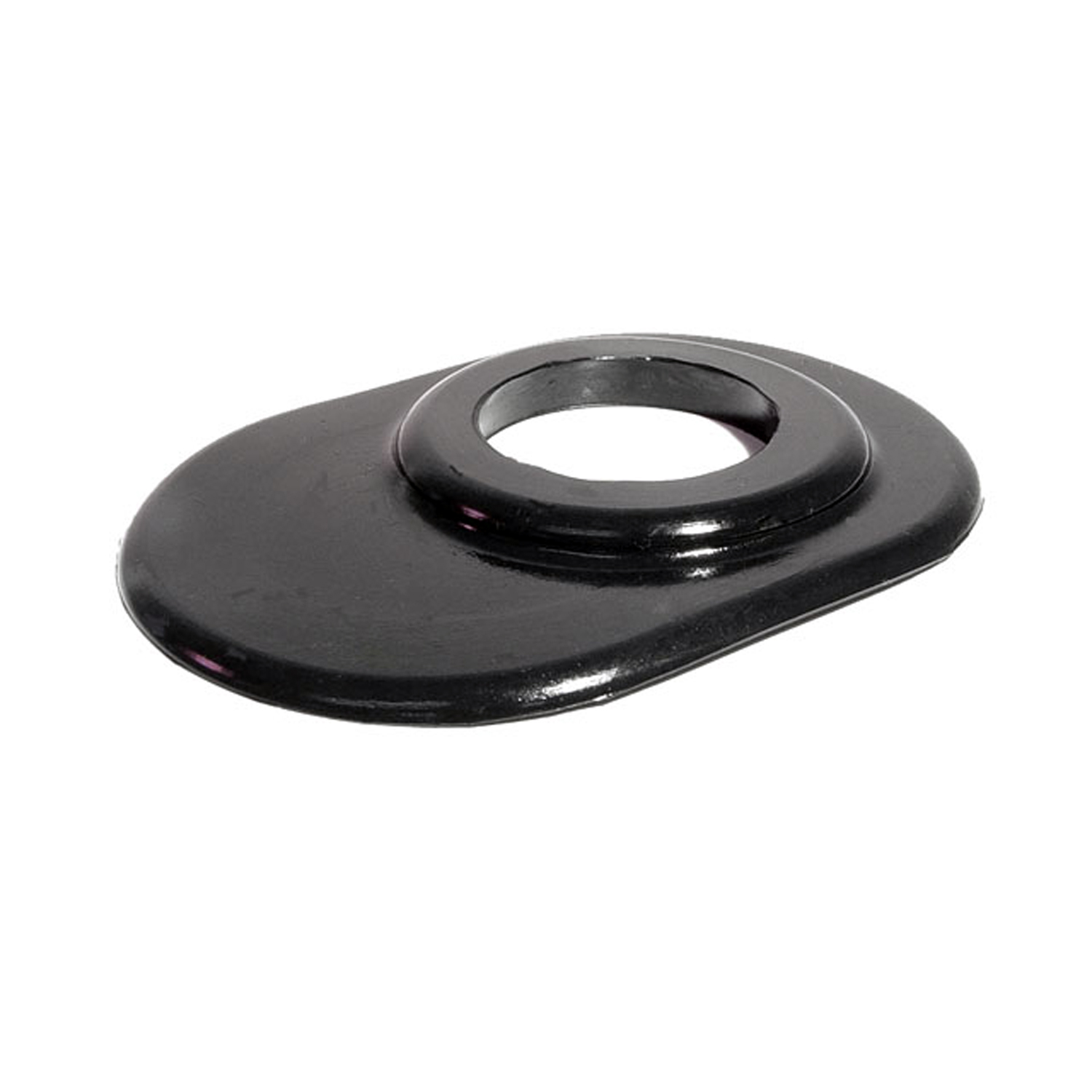 1938 Studebaker State President Steering Column Grommet. For 4-speed models. Each-SC 24Steering Column Grommet. For 4-speed models. Each
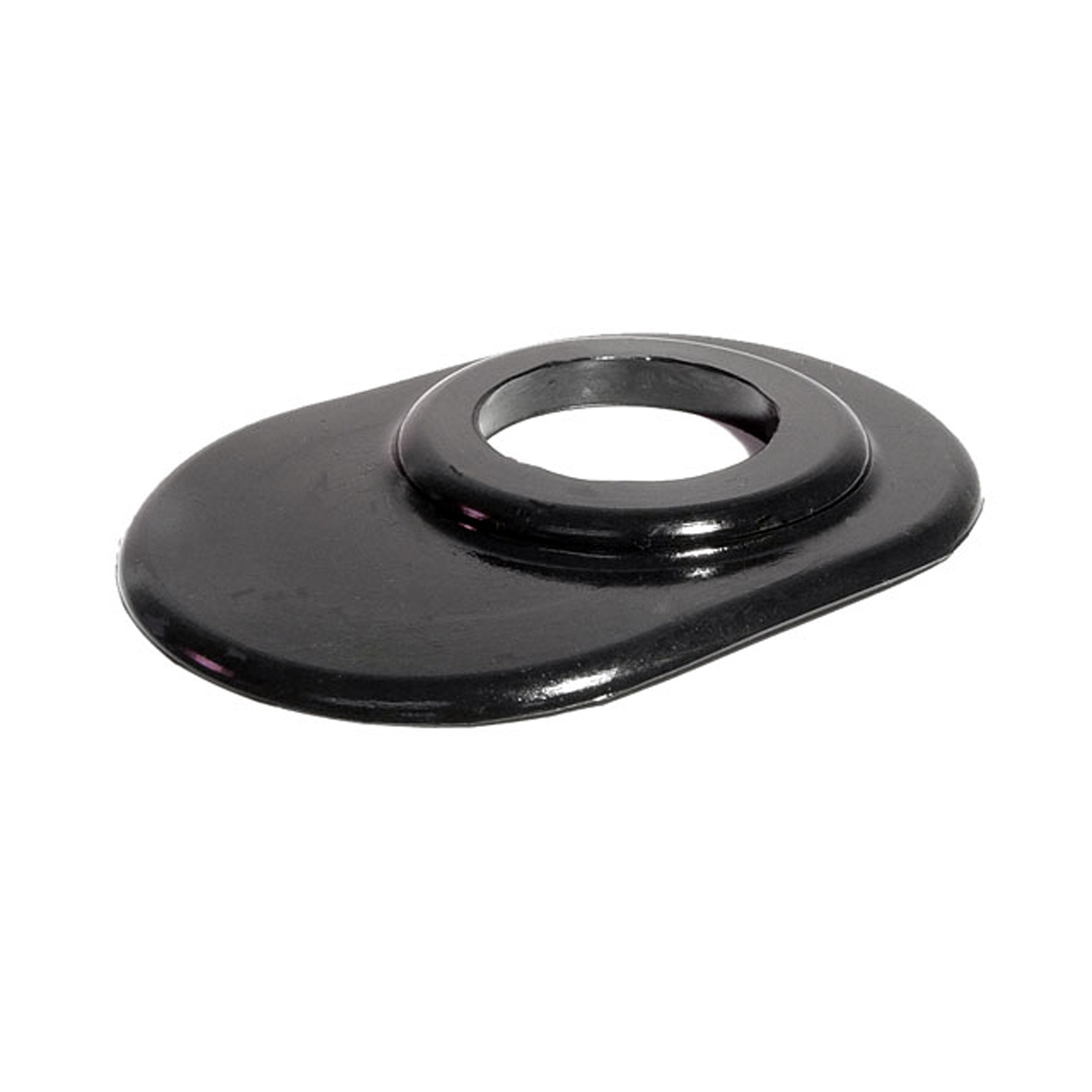 1938 Studebaker State President Steering Column Grommet. For 3-speed models. Each-SC 24-ASteering Column Grommet. For 3-speed models. Each
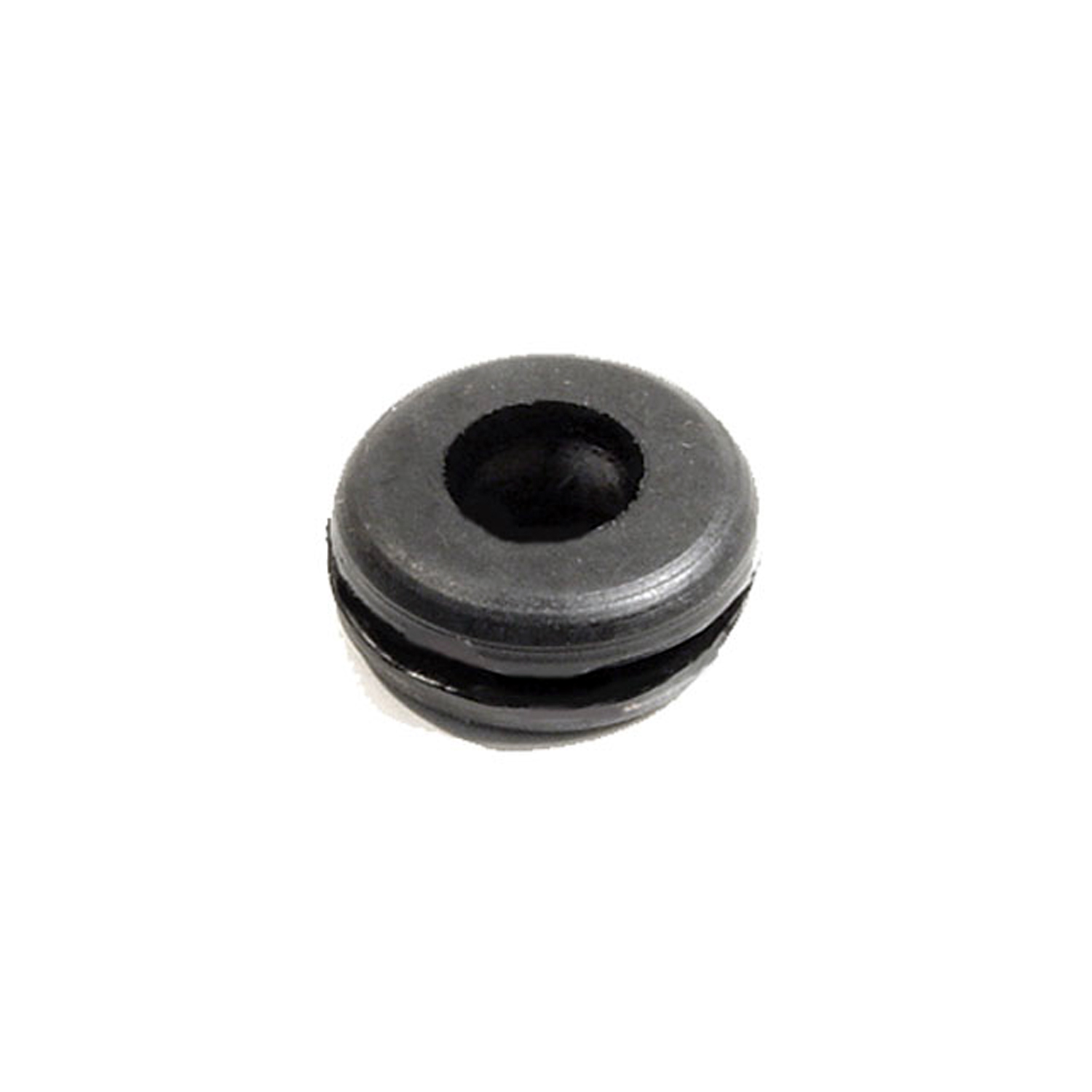 1938 Studebaker State President Headlight & Tail-Light Wire Grommet. 3/8" I.D., 7/8" O.D-SM 13-AHeadlight & Tail-Light Wire Grommet. 3/8" I.D., 7/8" O.D. Each
Why Choose Metro?
For over 100 years, Metro Moulded Parts has been the pinnacle of quality in classic car restoration parts. Our commitment to precision and authenticity in every component ensures a perfect fit and an OEM-level appearance.
- Expert Craftsmanship & Quality: Each part is a testament to our dedication to reliability and perfection, crafted from original designs and thoroughly tested.
- Advanced Technology: We use cutting-edge techniques to create flawless, long-lasting parts that surpass others in performance.
- SuperSoft Sponge – The Ultimate Door Seal: Not only are our door seals 30% softer than competitors', but they're also guaranteed to never leak. They effectively reduce wind and road noise, enhancing your classic car's comfort and driving experience.
- Proudly American: Our parts are a product of American craftsmanship, made in the USA with a spirit of excellence and heritage.
- Unrivaled Warranty: We back our products with a 30-year industry-leading warranty, a testament to our confidence in their quality.
Join us in preserving the legacy of classic cars with parts that are crafted for perfection, not just made.