

Image of 1940 Studebaker Champion, Note: These illustrations use artistic license and may differ from actual historical models.
Performance Metrics
Fundamental Metrics
Emotional Appeal
MMP Rating
| Engine Specifications | |
|---|---|
| Engine: | Inline 6 |
| Displacement: | 170 cubic inches |
| Horsepower: | Estimated 80-85 hp |
| Torque: | 130-135 lb-ft |
| Compression Ratio: | Estimated 6.5:1 |
| Ignition System: | Distributor and coil |
| Cooling System: | Liquid-cooled |
| Performance Specifications | |
| 0-60 Time: | Information not available |
| 1/4 Mile Time: | Information not available |
| Top Speed: | 75 mph |
| Transmission and Drive | |
| Drive Type: | Rear-wheel drive |
| Transmission Type: | 3-speed manual |
| Fuel and Efficiency | |
| Fuel System Type: | Carburetor |
| MPG: | Estimated 15-20 mpg |
| Dimensions and Brakes | |
| Brakes: | Drum brakes |
| Wheelbase: | 110 inches |
| Weight: | 2,600 lbs |
Note: Specifications for classic cars are given to the best of our ability, considering the limited and variant data available.
1940 Studebaker Champion: A Small Car with Big Ambitions
The 1940 Studebaker Champion proved that an affordable car did not have to look or feel like a stripped-down afterthought. Built by the Studebaker Corporation in South Bend, Indiana, it paired distinctive styling with practical engineering and helped the company compete during a difficult period for American automakers.
The Champion had arrived for the 1939 model year as Studebaker’s new entry-level car. Its purpose was straightforward: give buyers a modern, economical alternative to larger and more expensive cars. The strategy worked. The Champion became a major part of Studebaker’s business, and its success helped keep the independent automaker competitive as the country moved toward the upheaval of World War II.
One detail that helps explain the Champion’s appeal is its engineering focus. Rather than simply shrinking a full-size car, Studebaker gave the Champion its own compact chassis and efficient six-cylinder engine. That combination made it a genuinely useful everyday car, not merely a cheaper-looking version of a larger model.
Loewy-Inspired Styling and a Welcoming Cabin
The Champion’s styling was clean and carefully proportioned. Its rounded front fenders flowed into the body, while the upright grille and bright trim gave the nose a confident, unmistakably prewar character. Integrated headlamps, a gently curved roofline, and smooth body sides helped the car look more streamlined than many of its boxier competitors. The 1940 model carried the Champion’s fresh, modern design forward with carefully revised trim and front-end details.
Inside, the Champion offered a simple, comfortable cabin rather than luxury-car opulence. Depending on body style and trim, buyers could find cloth or broadcloth upholstery, durable door panels, and a straightforward dashboard with clear, readable instruments. Materials were appropriate to an affordable car of the period, with metal trim and practical finishes doing much of the visual work. A well-kept example still feels welcoming, especially with its original upholstery and trim intact.
Factory paint choices varied by body style and equipment, but buyers could choose from period shades that included dark and medium blues, greens, maroons, grays, tans, and black. Two-tone treatments and contrasting trim could add extra visual interest on some versions. Dark colors such as maroon and blue suit the Champion particularly well, bringing out the shape of its fenders and brightwork.
Champion body styles included coupe and sedan configurations, with offerings such as a business coupe, club coupe, and two- and four-door sedans. Convertible versions were also offered in the Champion range, though they are less frequently encountered today. The four-door sedan was a sensible family choice, while the club coupe has the low, graceful profile many collectors find especially appealing. Exact availability and trim could vary, so buyers researching a particular car should check its serial number and original documentation.
Useful Innovation for the 1940s
Under the hood sat a 164.3-cubic-inch L-head inline-six, rated at about 80 horsepower. It was paired with a three-speed manual transmission, and an optional overdrive helped lower engine speed during highway cruising. The engine was not designed to deliver sports-car acceleration. Its strengths were smooth, dependable operation and economical use of fuel.
The Champion also benefited from independent front suspension, an advanced feature for an affordable car of its time. Studebaker’s setup used a transverse leaf spring at the front, helping the car ride and steer more comfortably over uneven roads than a conventional solid front axle. Hydraulic brakes provided more consistent stopping than older mechanical systems.
Studebaker’s Hill-Holder system was another notable piece of period engineering. Available on Studebakers of the era, it helped keep the car from rolling backward on a hill while the driver moved from the brake pedal to the accelerator. It was a small convenience, but one that made a manual-transmission car easier to manage in everyday traffic.
Why the Champion Mattered
The Champion’s importance went beyond its sales price. It showed how an independent manufacturer could compete with the larger Detroit companies by concentrating on efficiency, packaging, and distinctive design. Its compact dimensions and economical six-cylinder engine suited buyers who wanted a practical car without moving up to a heavier, thirstier model.
That formula helped the Champion become a cornerstone of Studebaker’s prewar business. The model also gave the company a platform for developing ideas that would continue to matter after the war: efficient use of interior space, purposeful styling, and features that improved everyday driving. Its design came from Studebaker’s styling organization, associated with the work of industrial designer Raymond Loewy and his team. The result was recognizable without relying on excessive ornament.
Compared with many contemporaries, the Champion felt deliberately compact and modern. It was not the most powerful car in its class, but it offered an appealing mix of comfort, economy, and personality. That balance is a large part of why the model remains significant to Studebaker enthusiasts.
Performance and Road Manners
With roughly 80 horsepower, a 1940 Champion was a relaxed rather than rapid performer. Period specifications and modern estimates suggest a top speed in the neighborhood of 75 to 80 mph, depending on body style, gearing, mechanical condition, and tires. A 0-to-60-mph run likely took around 20 to 25 seconds. These figures should be treated as estimates, since surviving cars vary widely and original test conditions were not standardized by today’s methods.
On the road, the Champion rewards a measured driving style. Its six-cylinder engine produces a steady, purposeful note, and the three-speed gearbox asks the driver to work through the gears when accelerating or climbing a hill. The optional overdrive makes longer drives more relaxed. Steering is not modern-light, but it is manageable, and the independent front suspension helps the car feel composed over ordinary bumps and patched pavement.
On a winding road, the Champion is best enjoyed at a sensible pace. Its period tires, drum brakes, and body movement are reminders that it was designed for 1940s roads, not modern performance driving. Still, its relatively compact size makes it less cumbersome than many large cars of the era. The ride has a soft, old-fashioned character, with the chassis absorbing rough surfaces while the driver stays connected to the mechanical rhythm of the engine and gearbox.
Living with a 1940 Champion
Today, most Champions are used as show cars, weekend cruisers, and participants in local historic-car events. A carefully maintained example can also handle occasional longer drives, but it is not an ideal modern daily driver unless it has been thoroughly inspected and brought up to safe operating condition. Traffic speeds, visibility, braking distances, and the availability of modern safety equipment all deserve consideration.
Routine maintenance is familiar to anyone who has worked on a prewar American car. The engine is mechanically straightforward, and many service tasks can be handled by an experienced home mechanic with period tools and a good manual. The main challenge is often sourcing correct trim, interior pieces, glass, and model-specific parts rather than understanding the basic mechanical systems. Before buying, inspect the body and frame carefully for rust, check the brakes and steering, and confirm that the engine and transmission are healthy.
Champion Facts and Common Criticisms
The Champion’s most compelling claim to fame is its role as the car that gave Studebaker a strong foothold in the low-priced market just before the war years transformed American manufacturing. It is not primarily remembered for a famous speed record or celebrity association. Its achievement was more practical: it helped make a smaller, economical Studebaker a serious choice for ordinary buyers.
Collectors sometimes criticize the Champion for modest power, relatively simple trim, and less prestige than larger Studebaker models. Those points are fair, but they also reflect the car’s mission. The Champion was built to provide useful transportation at an accessible price, not to compete with luxury sedans or performance cars. Its simplicity is also part of what makes it approachable today.
Collector Values and Availability
A reasonable estimate is that Studebaker produced roughly 90,000 to 100,000 Champions for the 1940 model year, though totals depend on how production figures are grouped by body and series. The original production run was substantial, but surviving cars are much less common. Sedans and coupes appear in the collector market from time to time; complete, sound examples with desirable body styles and original details are harder to find.
As a broad 2026 market estimate, a project car may sell for about $5,000 to $12,000. A usable driver could fall in the $12,000 to $25,000 range, while a well-restored example may bring roughly $25,000 to $45,000. Exceptional cars, especially rare or particularly desirable body styles with high-quality restoration and strong documentation, can exceed that range. Condition, originality, rust, and restoration quality matter far more than a simple model-year label.
Values have generally been steady to modestly stronger for well-presented prewar cars, but the Champion is not a guaranteed investment. In inflation-adjusted terms, many examples have been closer to stable than spectacularly appreciating. Its appeal is strongest among Studebaker fans and collectors who value unusual American marques, so patience and careful presentation can make a real difference at resale.
A Distinctive Prewar Studebaker
The 1940 Studebaker Champion combined smart proportions, practical engineering, and an economical six-cylinder drivetrain at a moment when the company needed a successful affordable car. It was comfortable and modern for its class, yet straightforward enough to remain maintainable today. For collectors, the Champion offers something beyond chrome and nostalgia: a tangible example of how thoughtful design helped an independent automaker stand its ground.
1940 Studebaker Champion Catalog of Parts
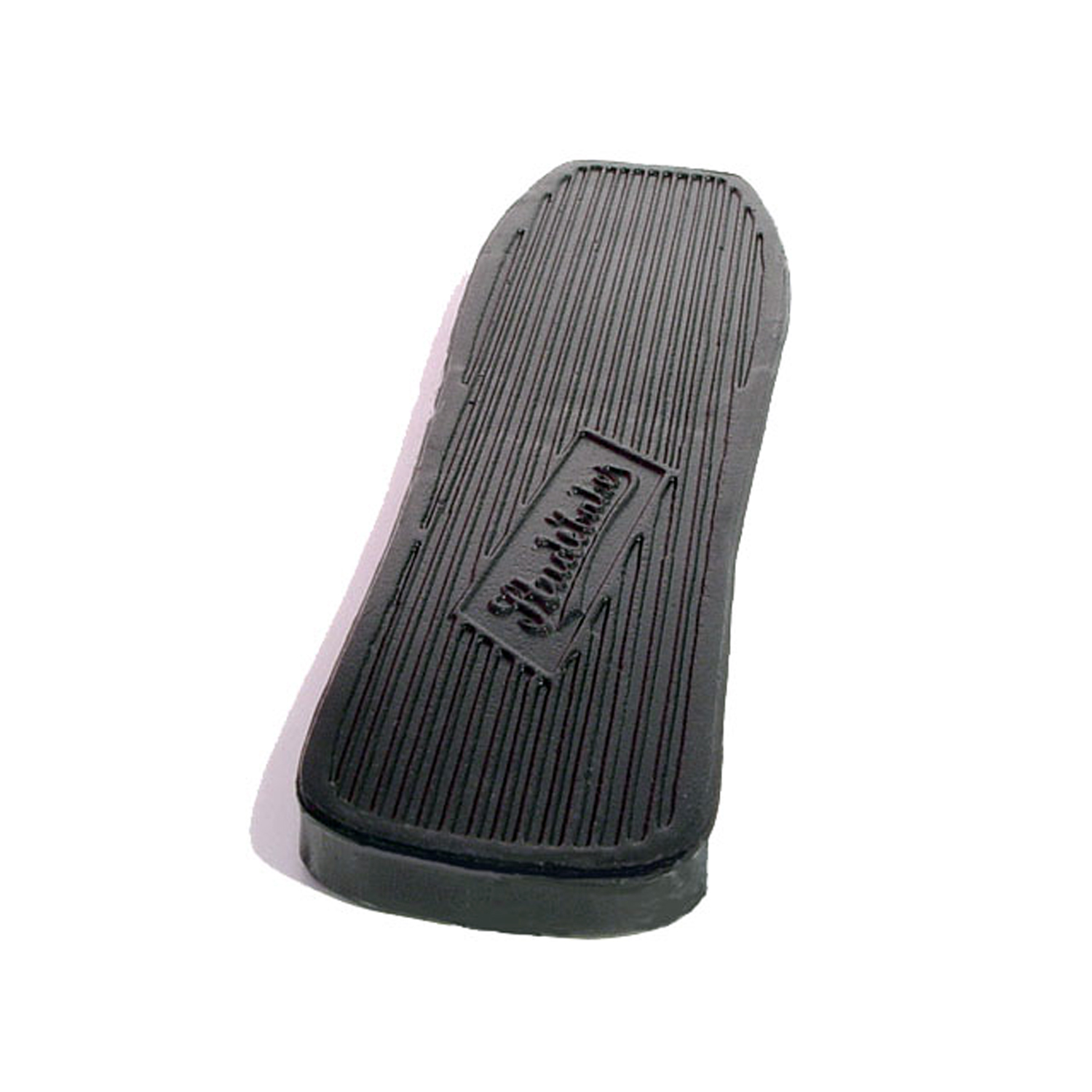 1940 Studebaker Champion Accelerator Pedal Pad, 2-3/8" X 9", Each-AP 22Accelerator Pedal Pad, 2-3/8" X 9", Each
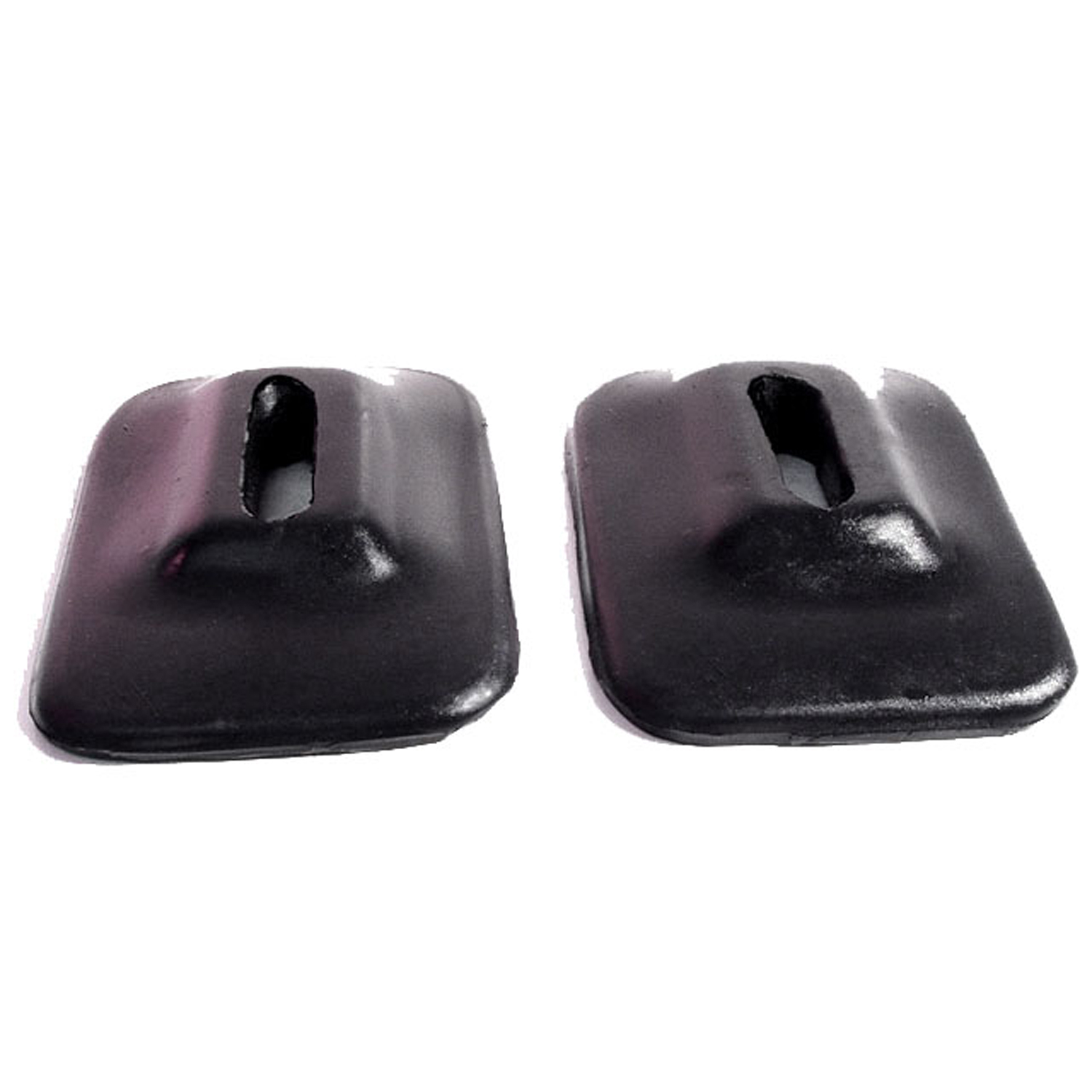 1940 Studebaker Champion Front and Rear Bumper Arm Grommets-BG 45Front and Rear Bumper Arm Grommets. 2-3/4" wide X 4-1/8" long, with 1-5/8" long inner slot. Pair
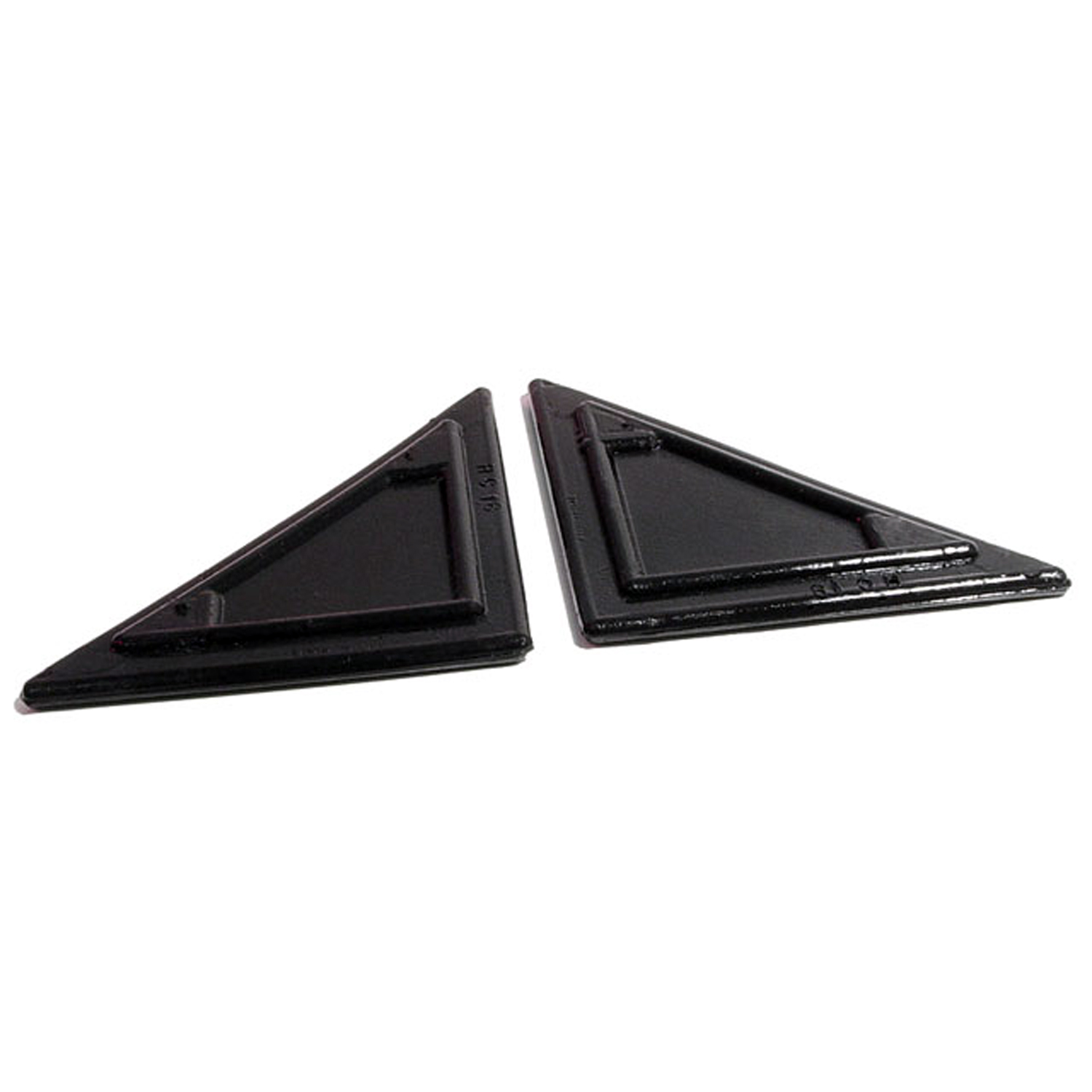 1940 Studebaker Champion Hood Corners. Original design. 2-3/4" wide. Pair-HC 18Hood Corners. Original design. 2-3/4" wide. Pair
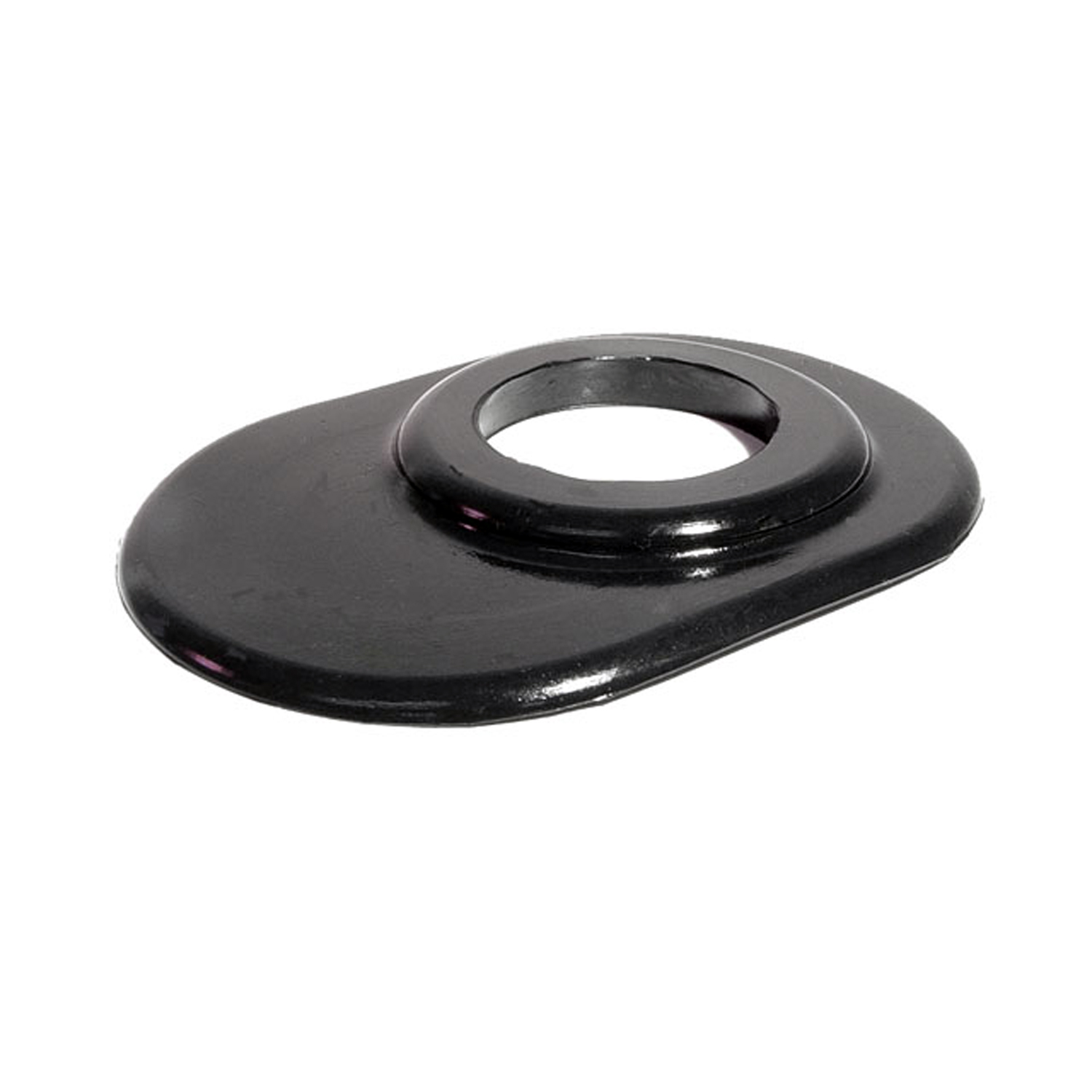 1940 Studebaker Champion Steering Column Grommet. For 4-speed models. Each-SC 24Steering Column Grommet. For 4-speed models. Each
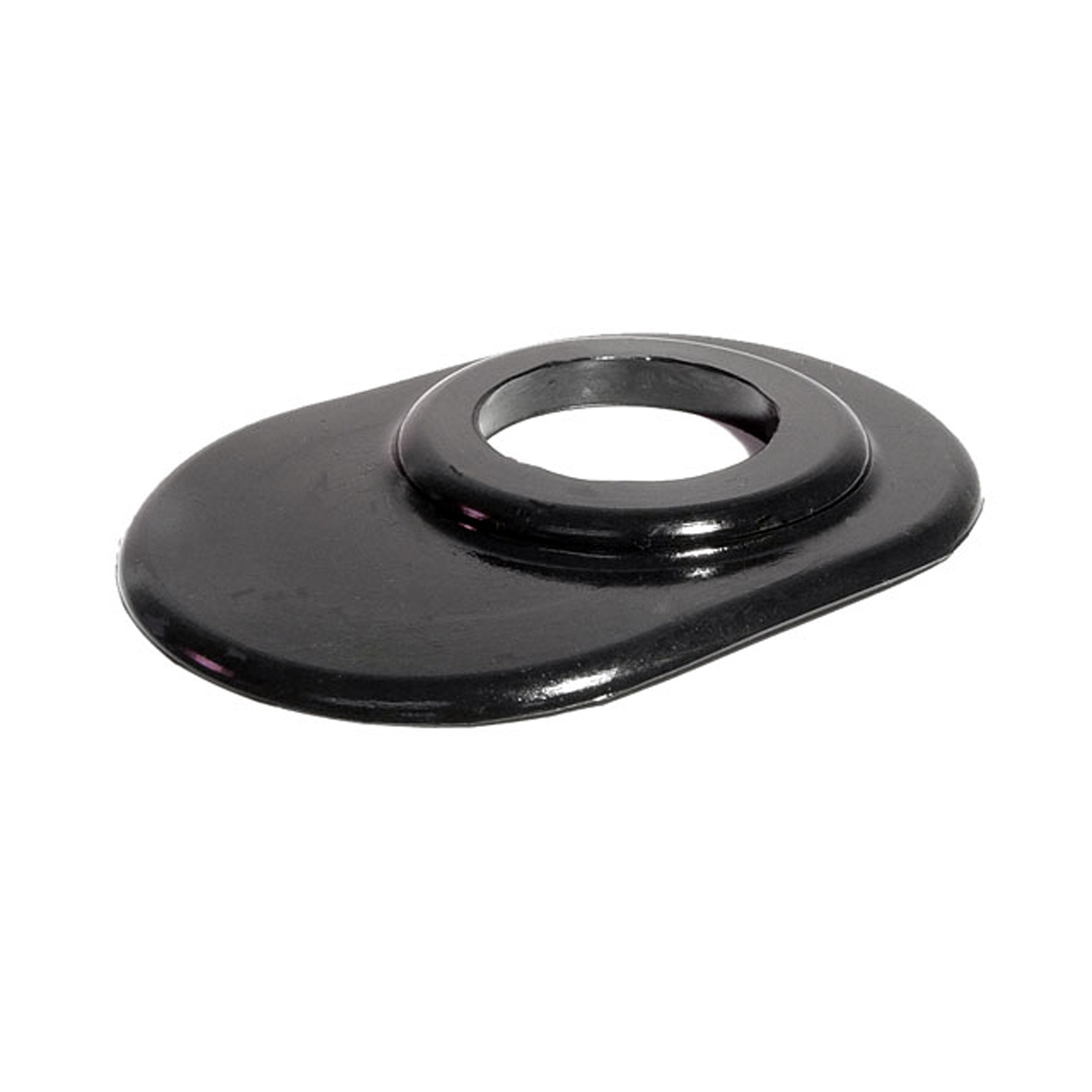 1940 Studebaker Champion Steering Column Grommet. For 3-speed models. Each-SC 24-ASteering Column Grommet. For 3-speed models. Each
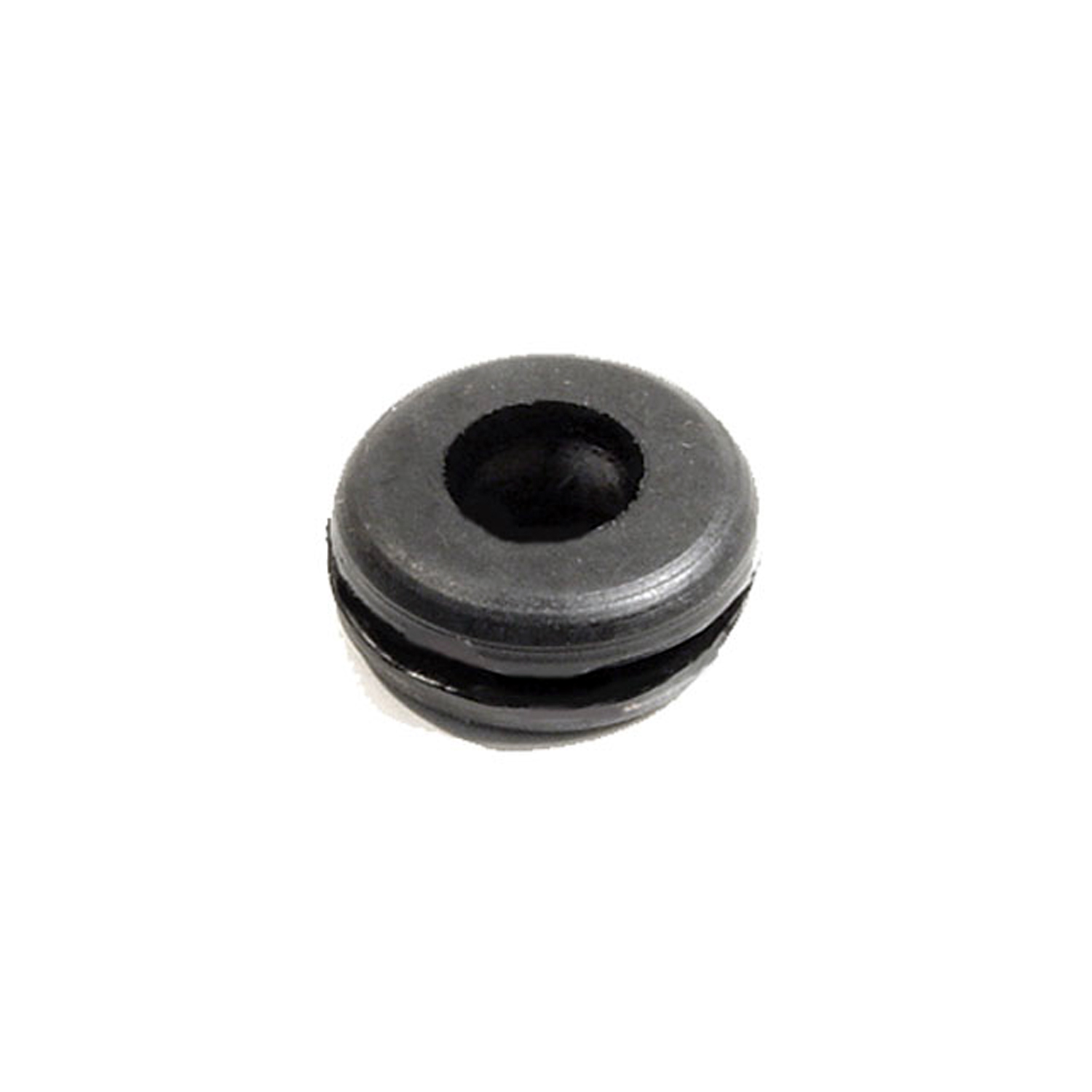 1940 Studebaker Champion Headlight & Tail-Light Wire Grommet. 3/8" I.D., 7/8" O.D-SM 13-AHeadlight & Tail-Light Wire Grommet. 3/8" I.D., 7/8" O.D. Each
 1940 Studebaker Champion Flexible glass-run channel-WC 11-72Flexible glass-run channel. Mohair lined, cloth covered with stainless steel bead. Used on side windows. 72 in. long. Each. NOTE: $20 special shipping charge applies for domestic orders. Call or email for overseas shipping costs. Part can be sectioned in two equal lengths to reduce overseas shipping costs.
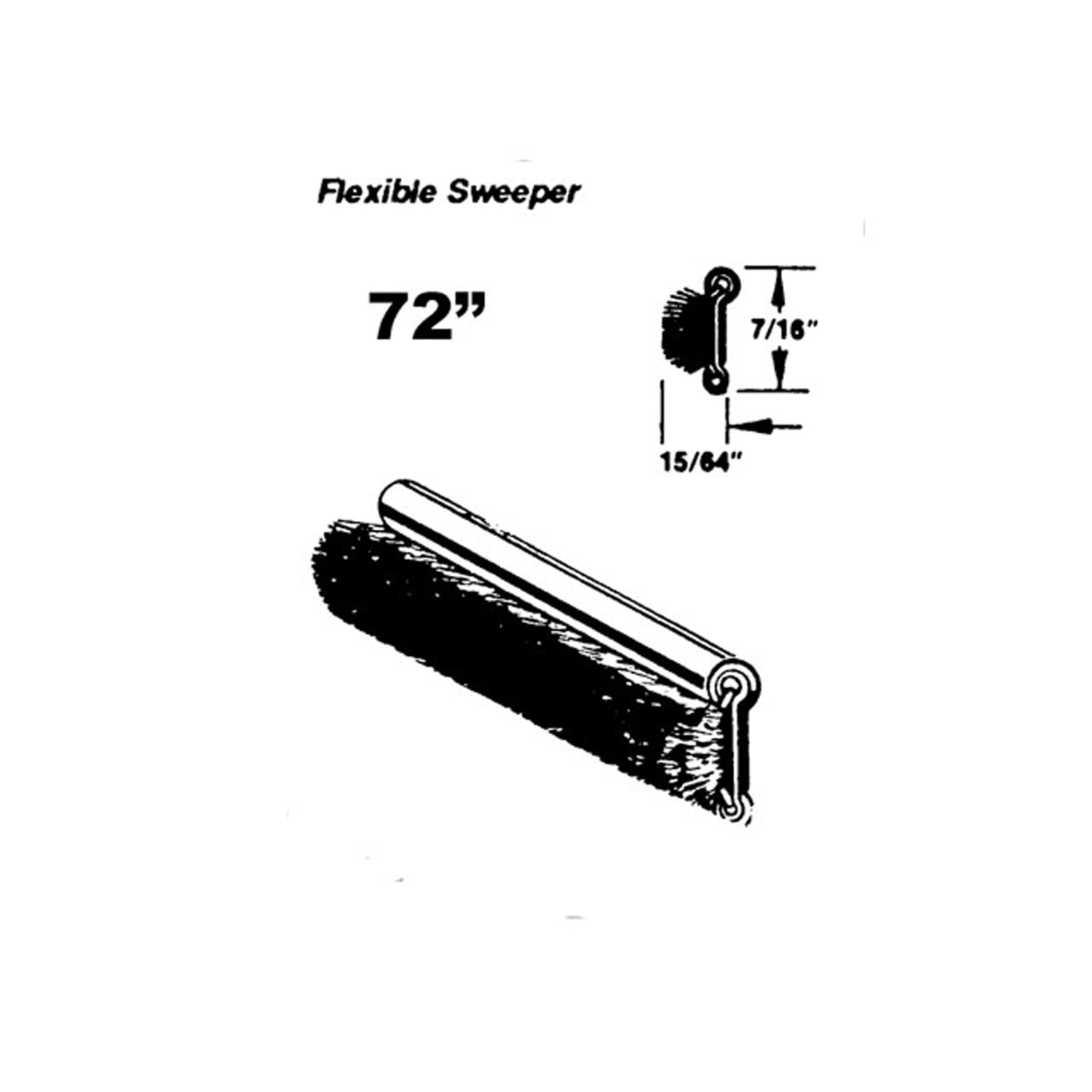 1940 Studebaker Champion Flexible sweeper. Made with stainless steel bead-WC 8-72Flexible sweeper. Made with stainless steel bead. Used on inner and outer beltlines. Also forms easily for use with sliding quarter windows. 72 in. long. Each. NOTE: $20 special shipping charge applies for domestic orders. Call or email for overseas shipping costs. Part can be sectioned into two equal lengths to reduce overseas shipping costs.
Why Choose Metro?
For over 100 years, Metro Moulded Parts has been the pinnacle of quality in classic car restoration parts. Our commitment to precision and authenticity in every component ensures a perfect fit and an OEM-level appearance.
- Expert Craftsmanship & Quality: Each part is a testament to our dedication to reliability and perfection, crafted from original designs and thoroughly tested.
- Advanced Technology: We use cutting-edge techniques to create flawless, long-lasting parts that surpass others in performance.
- SuperSoft Sponge – The Ultimate Door Seal: Not only are our door seals 30% softer than competitors', but they're also guaranteed to never leak. They effectively reduce wind and road noise, enhancing your classic car's comfort and driving experience.
- Proudly American: Our parts are a product of American craftsmanship, made in the USA with a spirit of excellence and heritage.
- Unrivaled Warranty: We back our products with a 30-year industry-leading warranty, a testament to our confidence in their quality.
Join us in preserving the legacy of classic cars with parts that are crafted for perfection, not just made.