

Image of 1940 Studebaker State President, Note: These illustrations use artistic license and may differ from actual historical models.
Performance Metrics
Fundamental Metrics
Emotional Appeal
MMP Rating
| Engine Specifications | |
|---|---|
| Engine Options: | Straight-8 |
| Displacement Range: | 250 cu in (4.1 L) |
| Horsepower Range: | 110 hp |
| Torque: | Not available |
| Compression Ratio: | Not available |
| Ignition System: | Battery and coil |
| Cooling System: | Water-cooled |
| Performance Specifications | |
| 0-60 Time: | Not available |
| 1/4 Mile Time: | Not available |
| Top Speed: | 85 mph |
| Transmission and Drive | |
| Drive Type: | Rear-wheel drive |
| Transmission Type: | 3-speed manual |
| Fuel and Efficiency | |
| Fuel System Type: | Carburetor |
| MPG: | Not available |
| Dimensions and Brakes | |
| Brakes: | Drum brakes |
| Wheelbase: | 119 in (3,023 mm) |
| Weight: | 3,200 lbs |
Note: Specifications for classic cars are given to the best of our ability, considering the limited and variant data available.
The 1940 Studebaker State President was a big, confident American sedan with a distinctive face and a genuinely useful bit of engineering hidden in its transmission: a system that helped keep the car from rolling backward on a hill.
1940 Studebaker State President: An Overview
Studebaker began as a South Bend, Indiana, wagon maker in 1852 and entered the automobile business at the start of the 20th century. By 1940, it had become one of America’s important independent automakers, competing against much larger companies with a broad range of cars. The State President sat near the top of the lineup, offering the comfort and presence of a full-size car without being the most elaborate model in the range.
Its straight-eight engine, long hood, and roomy cabin suited the tastes of buyers who wanted a substantial car for family travel or business. The timing gave it added historical interest: the 1940 model belonged to the last full years of civilian car production before the United States entered World War II. Studebaker would soon shift much of its effort toward wartime production.
One memorable detail was Studebaker’s Hill Holder. Available on the 1940 range, this ingenious device helped prevent a manual-transmission car from rolling backward when starting on a slope. It was a practical innovation rather than a showy one, and a good example of Studebaker’s willingness to solve everyday driving problems.
Streamlined Styling and Cabin Comfort
The State President has the poised, rounded proportions associated with late-1930s American design. Its long hood flows into a tall, curved cabin, while rounded fenders give the body a smooth, almost flowing profile. At the front, the broad grille and carefully integrated headlamps create a more unified look than the separate, upright lamps of many earlier cars. Bright trim adds definition without overwhelming the bodywork.
Inside, the emphasis was on comfort and finish. Depending on body style and trim, buyers could find well-fitted cloth upholstery, patterned door panels, a broad bench seat, and polished metal accents. The materials were appropriate to a premium American car of the period, though exact upholstery and trim varied with the particular car and its original equipment. Restored examples may also differ from factory specification after decades of repairs or customization.
Available paint choices varied by model and production details. Period buyers could choose from subdued shades such as dark blue, green, maroon, gray, or black, along with lighter colors depending on the body and trim combination. Dark, formal colors suit the car’s substantial character, while a lighter or two-tone finish can make its rounded fenders and long profile stand out at a show.
State President body offerings included sedan and coupe-style choices, with availability depending on the specific series and configuration. The four-door sedan is the most familiar expression of the car: practical, spacious, and well matched to its role as a comfortable long-distance automobile. Coupe versions have a sportier silhouette and are less commonly encountered today.
Studebaker Innovation in Context
The State President was not a radical break from every car around it, but it combined established luxury-car ingredients with a distinctly Studebaker approach. The company had a reputation for thoughtful engineering and styling, and its cars were often perceived as a little different from the more conventional offerings of the Big Three. The President’s streamlined body, refined straight-eight power, and available convenience features made it a credible alternative to larger competitors.
The Hill Holder is its most memorable technological feature. On a steep incline, it helped keep the car stationary while the driver moved from the brake to the accelerator and engaged the clutch. It did not make the car automatic, but it made a common challenge easier for drivers of a manual-transmission vehicle. The State President also benefited from period features such as hydraulic brakes and independent front suspension, helping it feel more composed than cars built around older mechanical layouts.
Its lasting importance is less about a single design feature transforming the industry and more about what it represents: an independent automaker competing through a blend of engineering, comfort, and individuality. Studebaker would continue to make distinctive cars after the war, but the 1940 President captures the company at the close of the prewar era.
Straight-Eight Performance and Road Manners
The 1940 State President used a 250.6-cubic-inch inline-eight, generally rated at about 110 horsepower, paired with a three-speed manual transmission. Overdrive was available on some configurations. Exact specifications can vary with the car’s series, equipment, and later mechanical changes, so buyers assessing a particular example should verify its engine and drivetrain directly.
There is no single dependable modern test figure for every State President, but a sound, correctly tuned example is commonly estimated to reach 0 to 60 mph in roughly 20 seconds, with a top speed in the neighborhood of 85 to 90 mph. Those figures are best treated as period-car estimates, not promises. A 1940 car’s condition, gearing, tire choice, and engine health have a major effect on performance.
On the road, the straight-eight delivers power smoothly rather than urgently. The engine’s low, even note and the steady rhythm of its cylinders are part of the appeal. The car feels substantial, with a comfortable ride over ordinary bumps and a relaxed nature on open roads. Its size and age are more apparent on tight, winding roads, where it asks the driver to plan ahead and make deliberate steering inputs. Crosswinds, narrow modern lanes, and uneven pavement are reminders that this is a large prewar automobile, not a contemporary sedan.
Driving one is a hands-on experience. The driver manages a manual gearbox, listens to the engine, and gives the car time to settle into a turn or a stop. The reward is a relaxed, mechanical character that modern cars rarely reproduce.
Living With a 1940 President
Today, the State President is best suited to weekend touring, club events, local shows, and occasional fair-weather drives. Some owners use their cars regularly, but it is not an ideal modern daily driver. Traffic speed, limited safety equipment by current standards, and the need for attentive maintenance all favor planned outings over year-round commuting.
Maintenance is manageable for an owner comfortable with older vehicles, but it requires patience and the right references. Routine work includes checking ignition and fuel systems, keeping the cooling system in good order, inspecting brakes and tires, and monitoring lubrication points. Many repairs are straightforward by classic-car standards, but parts availability can be less predictable than for a popular Ford or Chevrolet of the same year. A specialist club, parts supplier, or experienced Studebaker mechanic can be especially helpful.
Reliability depends heavily on the individual car. A carefully maintained example can tour reliably, while one that has sat for years may need extensive recommissioning. Before a long drive, inspect the brakes, hoses, tires, fuel lines, and charging system. Originality is appealing, but safe, sound mechanical condition should come first.
Notable Details and Common Criticisms
The Hill Holder is the State President’s standout bit of trivia, but it is also a reminder that useful automotive innovation does not always arrive in a dramatic package. The car’s straight-eight engine is another conversation starter, offering the smooth running associated with eight-cylinder power at a time when many family cars used six-cylinder engines.
The 1940 State President is not especially known for a single speed record, endurance record, or celebrity-owner story. Its significance is more closely tied to Studebaker’s history as an independent manufacturer and to the final prewar period of American carbuilding. It should not be confused with the better-known Studebaker speed-record efforts associated with other cars and periods.
Common criticisms are practical ones: the car is large, parts can take time to source, and its performance is modest by modern standards. Some drivers also find the steering and braking require more effort than they are used to. For enthusiasts, those traits are part of the period experience, but they are worth understanding before buying.
Collector Values and Availability
Exact production totals for individual 1940 State President body styles are not consistently reported in commonly available references. As a working estimate, rather than a confirmed factory figure, roughly 8,000 to 12,000 State President cars may have been built across the range. The number surviving in usable condition is much smaller, and specific body styles, original equipment, and documentation can make a substantial difference to desirability.
As a broad 2026 market guide, a project car may fall around $5,000 to $12,000, while a usable driver could bring about $12,000 to $25,000. A well-restored sedan might sell in the range of $25,000 to $40,000, with exceptional condition, rarity, and provenance potentially pushing a car higher. These are estimates, not guaranteed sale prices. Local demand, originality, mechanical condition, and the quality of restoration all matter.
Values for prewar cars tend to be selective rather than uniformly rising. The State President’s rarity and distinctive engineering appeal to Studebaker fans, but the buyer pool is smaller than for more widely recognized Ford and Chevrolet models. A sound, well-documented car is generally a safer collector purchase than an expensive restoration with uncertain history. Recent prices should be checked against comparable completed sales, not just asking prices.
Why the 1940 State President Still Matters
The 1940 Studebaker State President brings together a smooth straight-eight, graceful prewar styling, a comfortable cabin, and practical engineering such as the Hill Holder. It was a serious full-size automobile from a company that had to earn attention through thoughtful design and technical ideas rather than sheer corporate size.
For collectors, it offers something more distinctive than another familiar prewar sedan. For drivers, it delivers a calm, engaging experience from an era when the car’s sounds, controls, and road feel were part of the journey. The State President is a reminder that Studebaker’s story was not just about building cars, but about building them with character.
1940 Studebaker State President Catalog of Parts
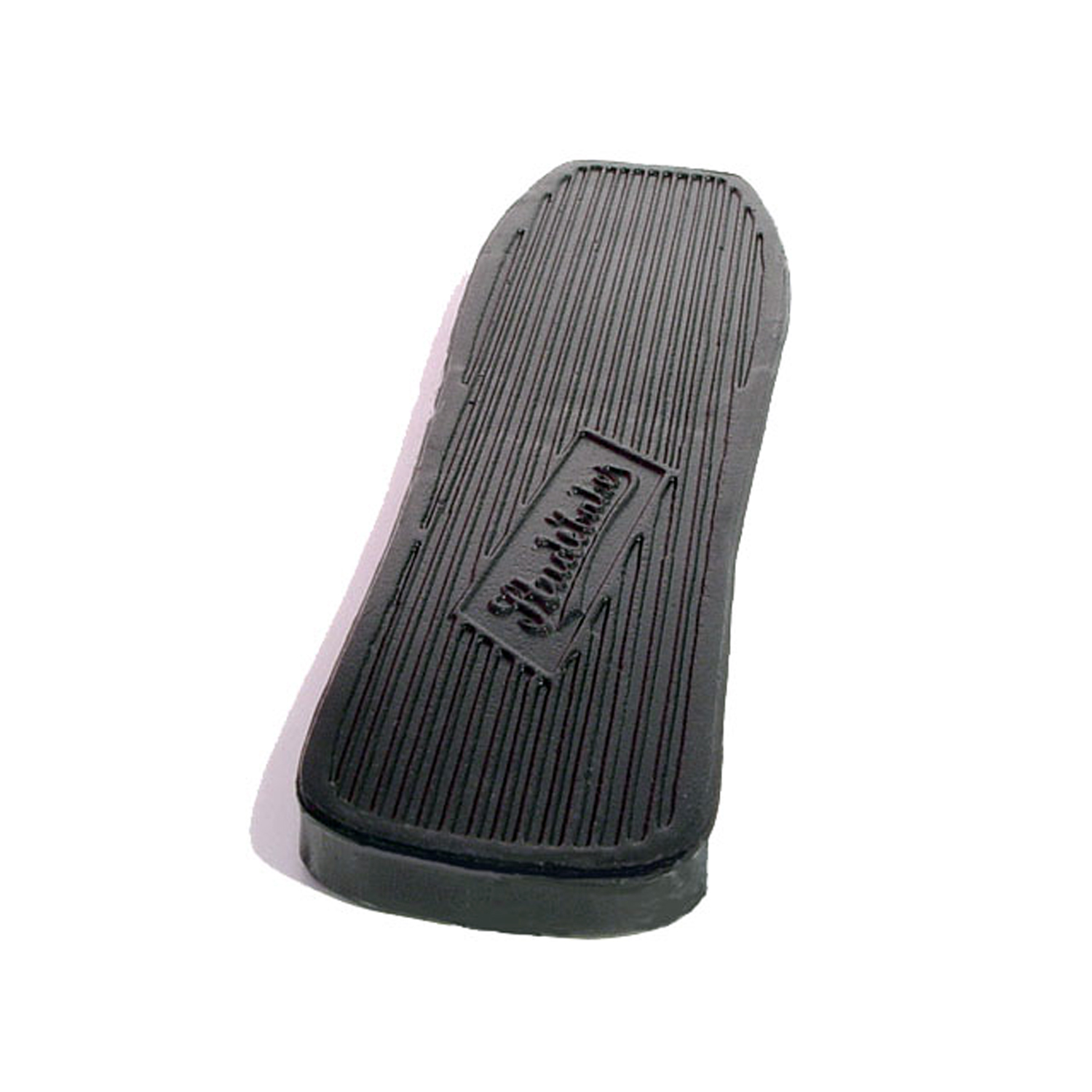 1940 Studebaker State President Accelerator Pedal Pad, 2-3/8" X 9", Each-AP 22Accelerator Pedal Pad, 2-3/8" X 9", Each
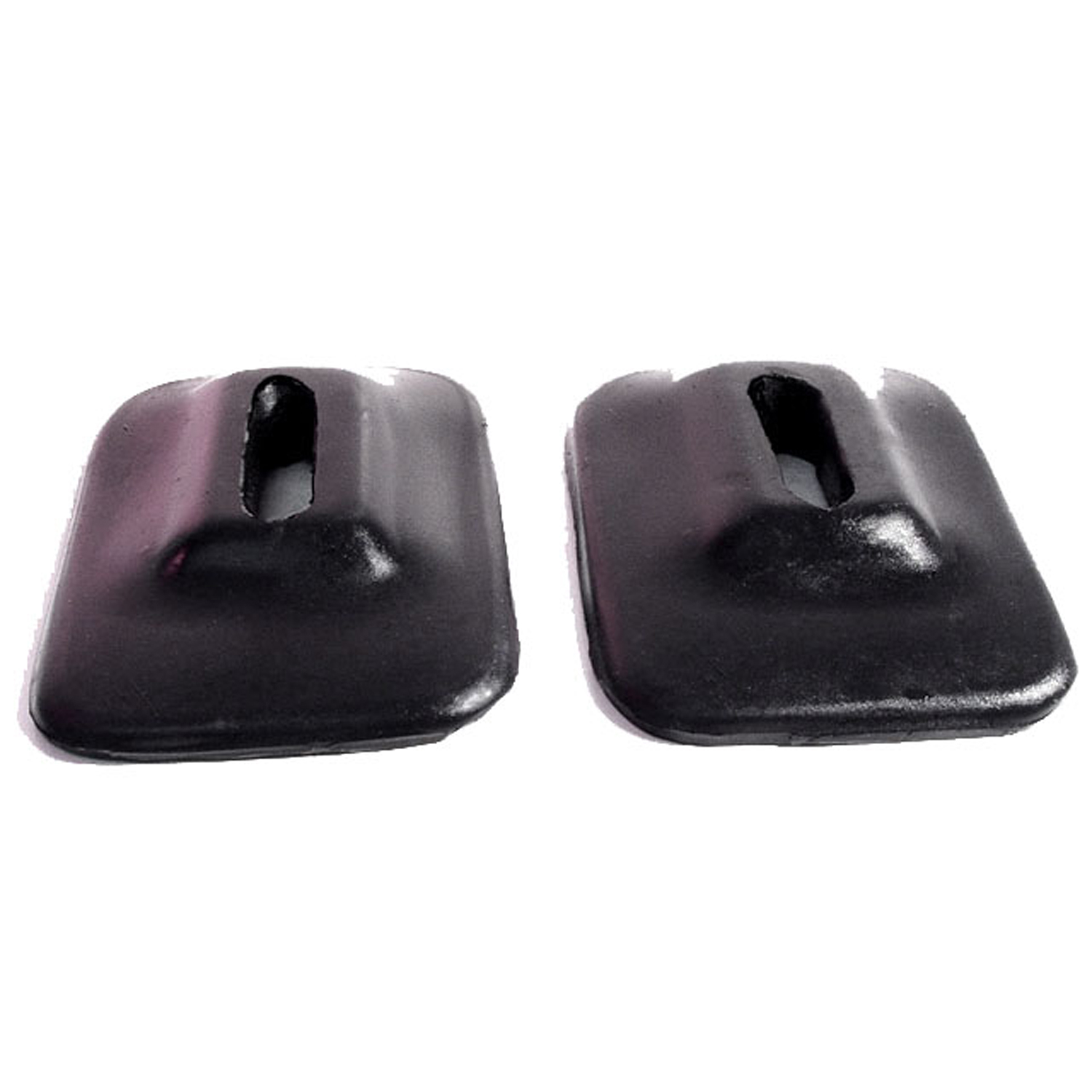 1940 Studebaker State President Front and Rear Bumper Arm Grommets-BG 45Front and Rear Bumper Arm Grommets. 2-3/4" wide X 4-1/8" long, with 1-5/8" long inner slot. Pair
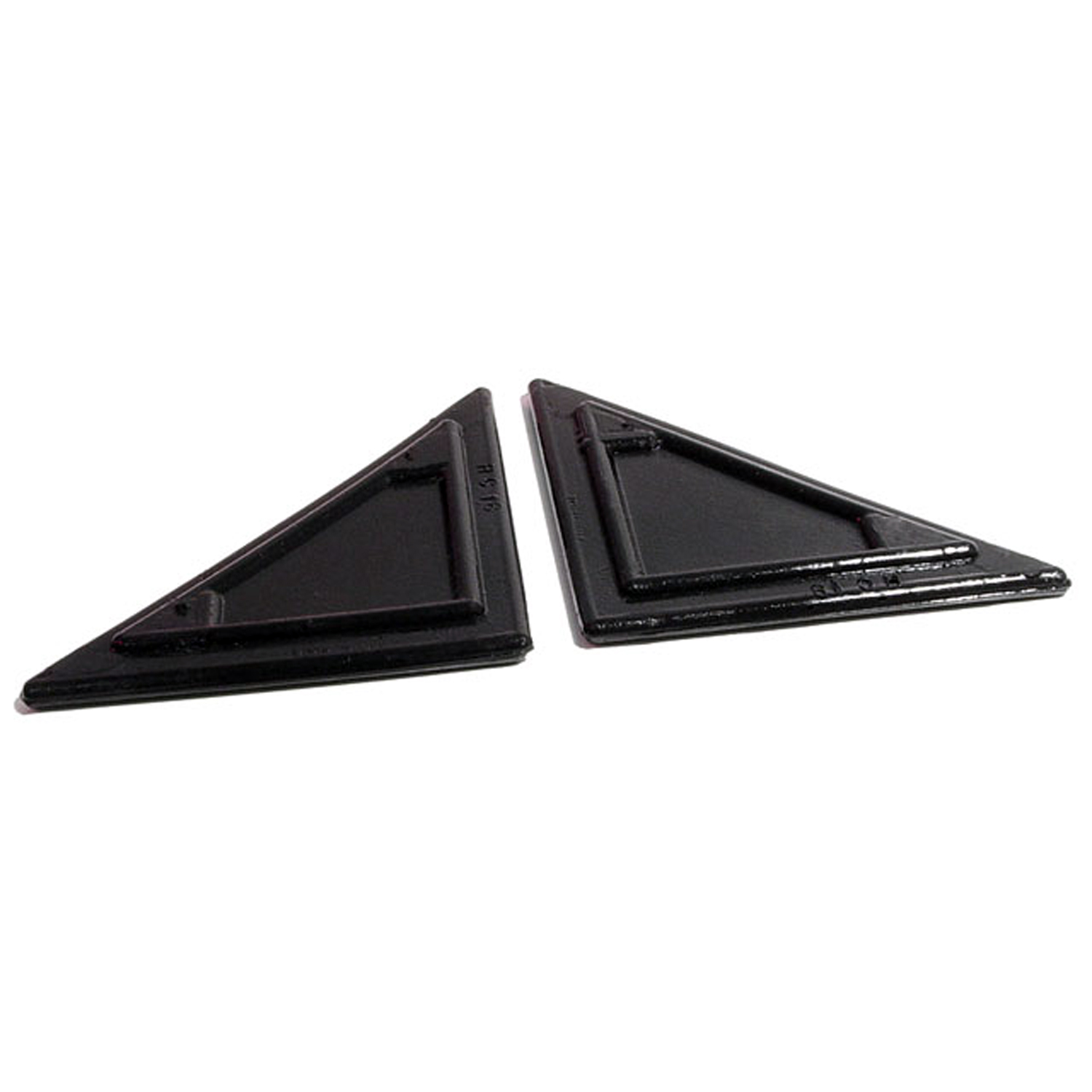 1940 Studebaker State President Hood Corners. Original design. 2-3/4" wide. Pair-HC 18Hood Corners. Original design. 2-3/4" wide. Pair
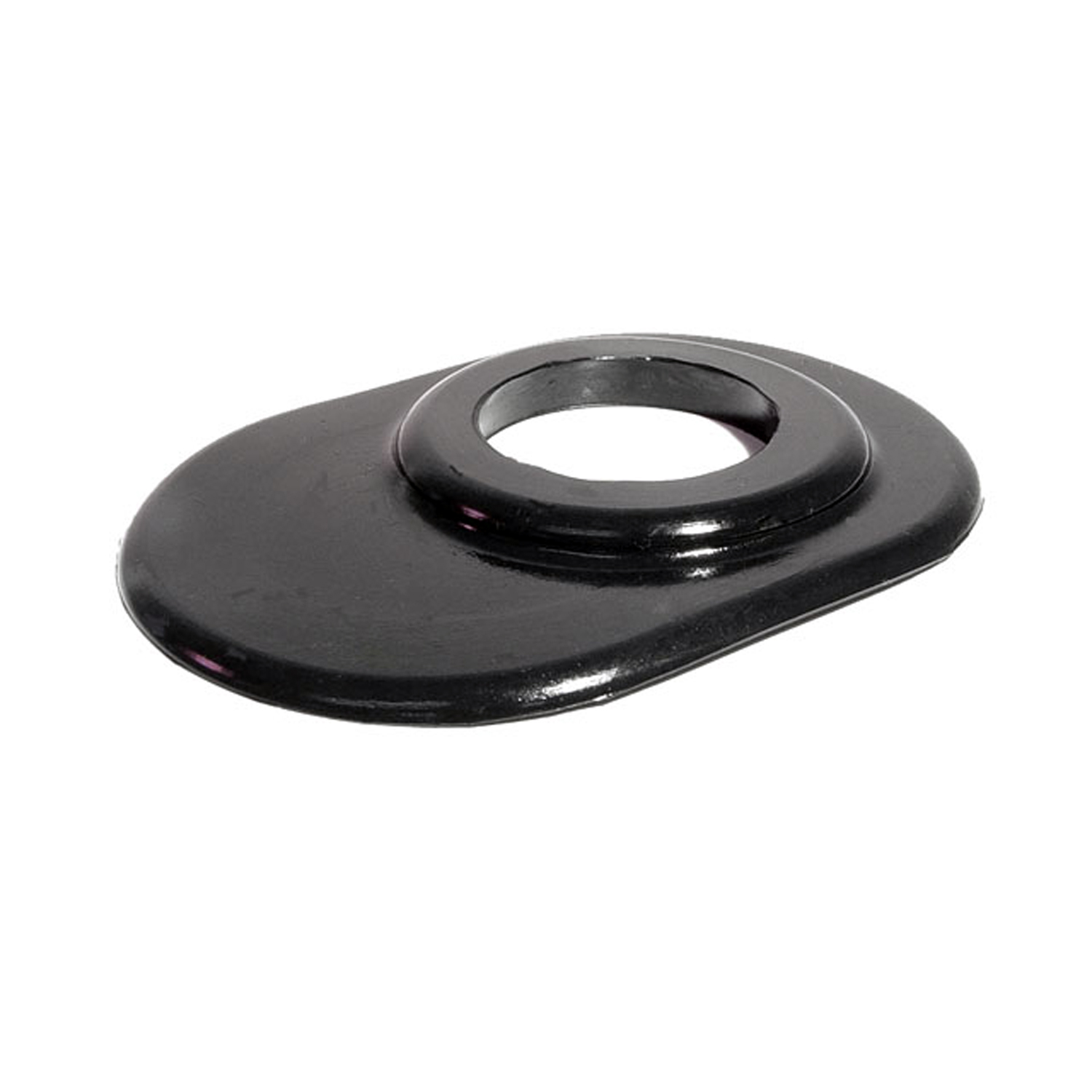 1940 Studebaker State President Steering Column Grommet. For 4-speed models. Each-SC 24Steering Column Grommet. For 4-speed models. Each
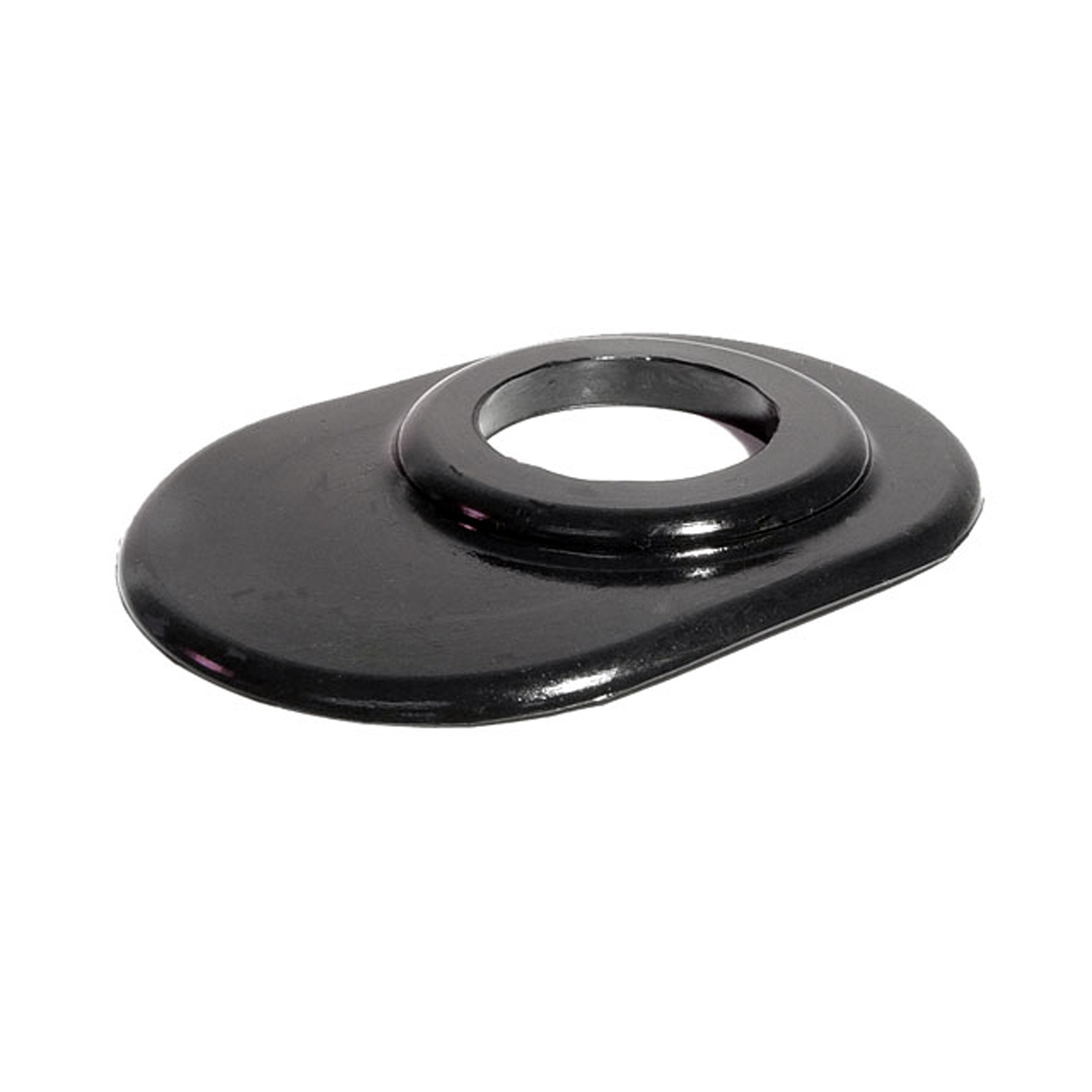 1940 Studebaker State President Steering Column Grommet. For 3-speed models. Each-SC 24-ASteering Column Grommet. For 3-speed models. Each
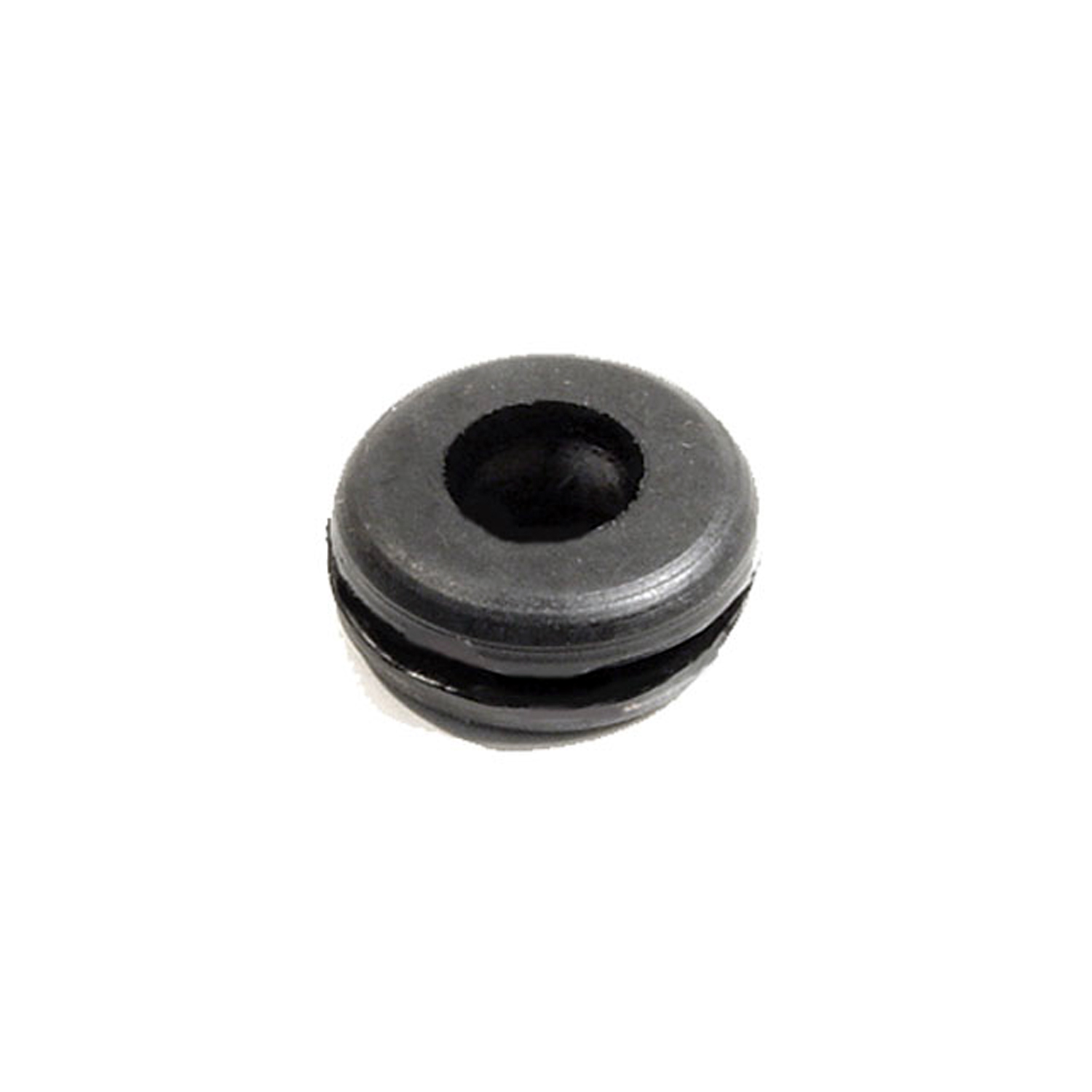 1940 Studebaker State President Headlight & Tail-Light Wire Grommet. 3/8" I.D., 7/8" O.D-SM 13-AHeadlight & Tail-Light Wire Grommet. 3/8" I.D., 7/8" O.D. Each
 1940 Studebaker State President Flexible glass-run channel-WC 11-72Flexible glass-run channel. Mohair lined, cloth covered with stainless steel bead. Used on side windows. 72 in. long. Each. NOTE: $20 special shipping charge applies for domestic orders. Call or email for overseas shipping costs. Part can be sectioned in two equal lengths to reduce overseas shipping costs.
 1940 Studebaker State President Flexible sweeper. Made with stainless steel bead-WC 8-72Flexible sweeper. Made with stainless steel bead. Used on inner and outer beltlines. Also forms easily for use with sliding quarter windows. 72 in. long. Each. NOTE: $20 special shipping charge applies for domestic orders. Call or email for overseas shipping costs. Part can be sectioned into two equal lengths to reduce overseas shipping costs.
Why Choose Metro?
For over 100 years, Metro Moulded Parts has been the pinnacle of quality in classic car restoration parts. Our commitment to precision and authenticity in every component ensures a perfect fit and an OEM-level appearance.
- Expert Craftsmanship & Quality: Each part is a testament to our dedication to reliability and perfection, crafted from original designs and thoroughly tested.
- Advanced Technology: We use cutting-edge techniques to create flawless, long-lasting parts that surpass others in performance.
- SuperSoft Sponge – The Ultimate Door Seal: Not only are our door seals 30% softer than competitors', but they're also guaranteed to never leak. They effectively reduce wind and road noise, enhancing your classic car's comfort and driving experience.
- Proudly American: Our parts are a product of American craftsmanship, made in the USA with a spirit of excellence and heritage.
- Unrivaled Warranty: We back our products with a 30-year industry-leading warranty, a testament to our confidence in their quality.
Join us in preserving the legacy of classic cars with parts that are crafted for perfection, not just made.