

Image of 1941 Studebaker Champion, Note: These illustrations use artistic license and may differ from actual historical models.
Performance Metrics
Fundamental Metrics
Emotional Appeal
MMP Rating
| Engine Specifications | |
|---|---|
| Engine: | Inline 6 |
| Displacement: | 170 cubic inches |
| Horsepower: | Estimated 80-85 hp |
| Torque: | 130-135 lb-ft |
| Compression Ratio: | Estimated 6.5:1 |
| Ignition System: | Distributor and coil |
| Cooling System: | Liquid-cooled |
| Performance Specifications | |
| 0-60 Time: | Information not available |
| 1/4 Mile Time: | Information not available |
| Top Speed: | 75 mph |
| Transmission and Drive | |
| Drive Type: | Rear-wheel drive |
| Transmission Type: | 3-speed manual |
| Fuel and Efficiency | |
| Fuel System Type: | Carburetor |
| MPG: | Estimated 15-20 mpg |
| Dimensions and Brakes | |
| Brakes: | Drum brakes |
| Wheelbase: | 112 inches |
| Weight: | Estimated 2,600 lbs |
Note: Specifications for classic cars are given to the best of our ability, considering the limited and variant data available.
1941 Studebaker Champion: A Clever Prewar Classic
The 1941 Studebaker Champion made economy look stylish, pairing streamlined prewar design with practical engineering at a time when American cars were growing larger and heavier. Built by the Studebaker Corporation in South Bend, Indiana, the Champion was the company’s affordable, six-cylinder model, but it was far from a bare-bones economy car.
Introduced in 1939, the Champion helped Studebaker compete with the lower-priced offerings from Ford, Chevrolet, and Plymouth. Its success mattered: the model brought new buyers into Studebaker showrooms and helped the independent automaker stay competitive during a difficult period for smaller manufacturers. The 1941 version is especially appealing today as a polished example of the final years of prewar American motoring, just before wartime production changed the industry.
A compelling detail is the Champion’s reputation for thrift. Its compact six-cylinder engine delivered useful performance while using less fuel than many larger American cars. Studebaker sold economy as a genuine advantage, not a compromise, and the Champion’s combination of sensible running costs and smart styling helped make the name a mainstay of the company’s lineup.
Streamlined Style and a Well-Equipped Cabin
The 1941 Champion wears a clean, rounded shape that captures the move away from the upright, separate-fender look of earlier cars. Its broad front end, curved hood, integrated headlights, and smoothly blended fenders give it a cohesive, aerodynamic appearance. Bright trim and a carefully shaped grille add visual polish without overwhelming the body. It is streamlined in the restrained prewar sense, rather than the dramatic, jet-age style Studebaker would explore after the war.
Inside, the Champion offered a comfortable cabin finished in period upholstery, typically durable cloth in closed models, with richer trim and materials available depending on body style and equipment. The dashboard is straightforward and driver-focused, with clear gauges, a large steering wheel, and practical controls. It feels more thoughtfully arranged than the phrase “low-priced car” might suggest. Original upholstery and trim vary with model and restoration history, so buyers should inspect condition rather than assume a particular material is correct for every example.
For its time, the Champion’s technology was practical rather than experimental. Hydraulic brakes provided dependable stopping, while sealed-beam headlamps were part of the new U.S. lighting standard adopted for 1940-model cars. Buyers could also equip a Champion with Studebaker’s optional overdrive, which lowered engine speed during sustained cruising. The optional Hill Holder was another distinctive feature: it helped keep the car from rolling backward when starting on an incline, a welcome aid with a manual transmission.
Studebaker offered the Champion in several body styles, including two-door and four-door sedans, coupes, and a convertible. A station wagon was also part of the broader Champion story, though availability and production varied by year and model configuration. The two-door coupe has a particularly appealing profile, while the four-door sedan makes the most sense for owners who want the classic look with easier passenger access. Convertibles and wagons are the more unusual and sought-after choices.
Paint colors varied by series and production availability. Period Champion colors included understated shades such as black, gray, blue, green, and maroon. Dark colors suit the car’s formal lines, while lighter or brighter shades show off its curved bodywork. As with any restoration, a color’s authenticity should be checked against factory records or reliable paint references for the specific body and trim combination.
Why the Champion Mattered
The Champion’s significance lies in how effectively it joined economy, comfort, and style. Studebaker had to compete with manufacturers that could spread development and production costs across enormous sales volumes. The Champion gave the company a strong entry-level car without making it look like an afterthought. Its success helped establish a durable model line and demonstrated that an affordable car could still have a distinctive identity.
Its styling also reflects the influence of Studebaker’s design work with Raymond Loewy’s organization. The Champion’s smooth surfaces and integrated forms helped move American car design toward more unified bodies. It was not the only streamlined car of its era, but it was a persuasive example of how aerodynamic inspiration could be applied to a practical family car.
The 1941 model is also a useful snapshot of the industry on the brink of change. Civilian car production was curtailed as the United States entered World War II, and automakers turned their factories toward military needs. The Champion therefore belongs to the final prewar chapter of Studebaker’s history, before the company returned to civilian production with a very different postwar market ahead of it.
Six-Cylinder Performance and Road Manners
Power comes from a 164.3-cubic-inch L-head inline-six, rated at about 80 horsepower, paired with a three-speed manual transmission. Overdrive was available as an option. The Champion’s engine is built for smooth, steady progress rather than quick acceleration, and its modest displacement was a key part of the car’s economy-minded appeal.
Period performance figures vary with body style, gearing, condition, and testing method. As a practical guide, a healthy 1941 Champion may reach roughly 80 to 85 mph, with a 0-to-60-mph time in the neighborhood of 20 to 25 seconds. Those are estimates, not modern test results. The car feels happiest at a relaxed cruising pace, especially when equipped with overdrive.
On the road, expect a traditional body-on-frame classic with a soft ride and noticeable body movement over rough surfaces. It handles ordinary bumps comfortably, but it does not have the precision or cornering grip of a modern car. On winding roads, measured steering inputs and sensible speeds suit it best. Crosswinds can also make a tall, lightly powered sedan feel less planted than a contemporary vehicle.
The driving experience is part of the appeal. The flathead six produces a gentle, mechanical hum rather than a sharp exhaust note. The steering is deliberate, the manual gearbox asks for unhurried shifts, and the broad bench seat encourages an easygoing pace. A well-maintained example feels composed and sociable, more like a rolling piece of everyday history than a machine built to chase lap times.
Living with a 1941 Champion
Today, most Champions are enjoyed as show cars, weekend tourers, and local cruise-night favorites. A sound sedan can also be used for occasional errands, but regular modern traffic brings challenges: the car lacks contemporary crash protection, has slower acceleration, and may need careful attention to cooling and braking systems. It is best driven with a defensive mindset and plenty of space.
Basic mechanical work is approachable for an owner with classic-car experience. The engine is relatively simple, and many routine jobs do not require specialized electronic equipment. However, age brings its own complications. Parts availability varies, and original trim, glass, brightwork, and body panels can take patience to source. Before buying, inspect the frame, floor pans, lower body seams, and areas around the windows for corrosion. Check that the brakes, fuel system, cooling system, and electrical wiring have been properly serviced.
Reliability depends heavily on maintenance and restoration quality. A Champion that has been stored for decades should not be assumed roadworthy simply because its engine starts. A careful recommissioning, including fresh fluids, fuel-system inspection, brake work, and tire replacement, is essential before regular driving.
Champion Trivia and Common Myths
The Champion helped make Studebaker’s name synonymous with economical six-cylinder motoring. Its compact engine was a selling point at a time when many rivals emphasized larger displacement and greater bulk. The available Hill Holder is another memorable detail, especially for drivers who regularly faced steep streets.
There is no single widely recognized speed or endurance record that defines the 1941 Champion. Its achievement was more practical: it gave Studebaker a strong, volume-selling model in a fiercely competitive market. Production estimates vary according to how sources classify model years and body styles, but a reasonable estimate is roughly 150,000 to 170,000 Champions for the 1941 model year. That makes ordinary sedans findable, while surviving convertibles and wagons are considerably less common.
One common criticism is that the Champion can feel slow beside larger American cars of the period. That is fair, especially when carrying passengers or climbing hills. Buyers should also avoid confusing the 1941 car with Studebaker’s famous postwar styling. The dramatic Starlight coupe design arrived later, so a 1941 Champion’s appeal is its own: smooth, restrained, and distinctly prewar.
Collector Values and Availability
As a broad U.S. market guide for 2026, an incomplete or project-grade Champion may sell for roughly $3,000 to $8,000. A usable driver or older restoration commonly falls in the $8,000 to $20,000 range, while a very good, well-presented sedan may bring about $20,000 to $30,000. These figures are estimates and can shift substantially with condition, originality, documentation, and location.
Rare body styles command more attention. A desirable convertible or station wagon in strong condition can reach approximately $35,000 to $70,000 or more, with exceptional restorations potentially exceeding that range. The market is selective: originality, correct trim, and high-quality restoration tend to matter more than simply having a shiny paint job.
Values have generally been steady to gradually appreciating for the best examples, but the Champion is not a guaranteed investment. Standard sedans remain relatively affordable compared with better-known prewar classics, and their prices can be limited by modest performance and a smaller collector audience. Rare configurations have the strongest potential to attract buyers, although restoration costs can quickly exceed the value of an ordinary car.
A Prewar Studebaker with Lasting Character
The 1941 Studebaker Champion combines streamlined styling, a practical six-cylinder engine, and thoughtful features such as optional overdrive and Hill Holder. It helped Studebaker compete in the affordable-car market, and it preserves a distinctive moment just before wartime production brought civilian motoring to a halt.
For collectors, the Champion offers a more approachable way into prewar American car ownership, especially in sedan form. For enthusiasts, it is a reminder that smart engineering and elegant design do not always need a big engine or a high price tag. The 1941 Champion earns its place in automotive history by making sensible motoring feel special.
1941 Studebaker Champion Catalog of Parts
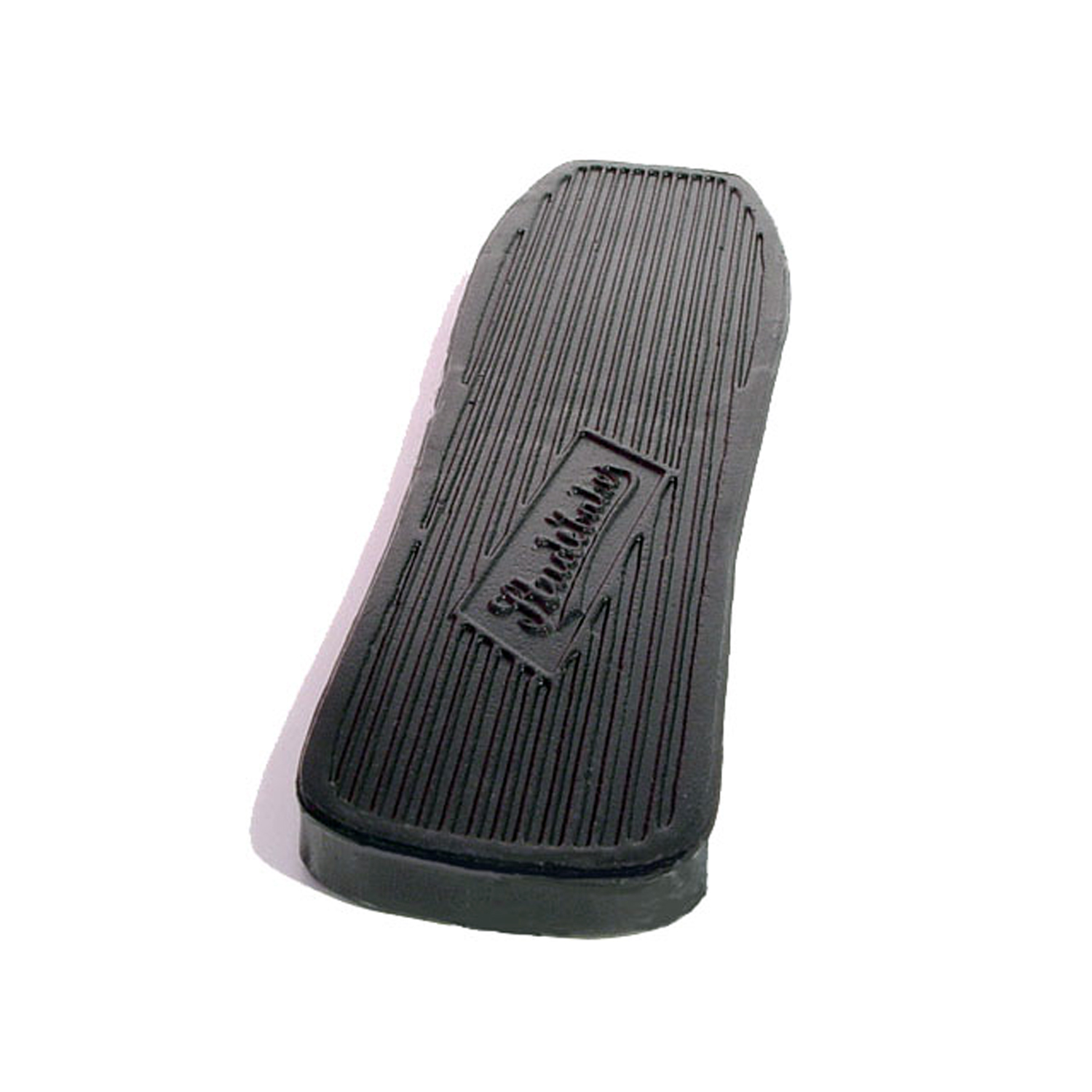 1941 Studebaker Champion Accelerator Pedal Pad, 2-3/8" X 9", Each-AP 22Accelerator Pedal Pad, 2-3/8" X 9", Each
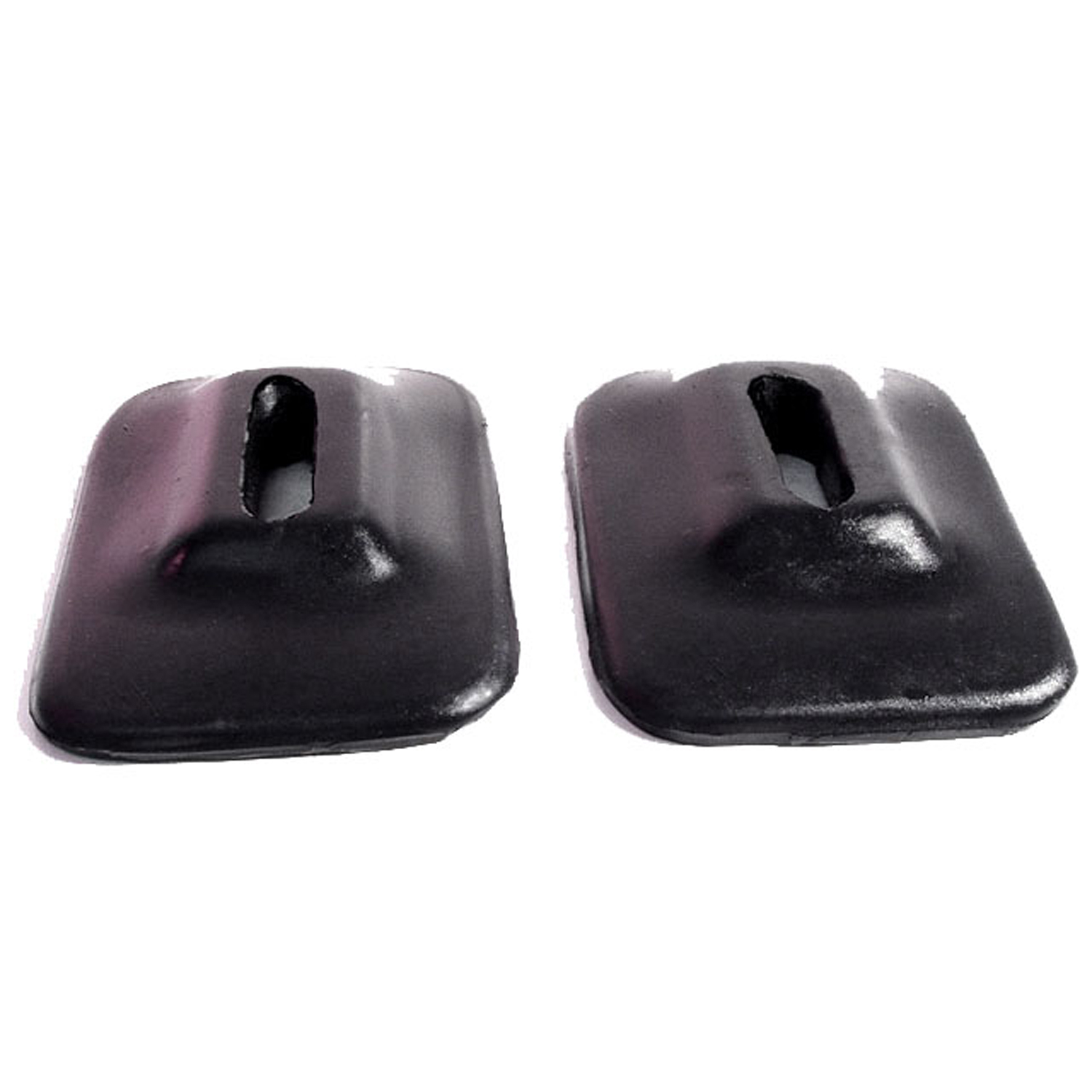 1941 Studebaker Champion Front and Rear Bumper Arm Grommets-BG 45Front and Rear Bumper Arm Grommets. 2-3/4" wide X 4-1/8" long, with 1-5/8" long inner slot. Pair
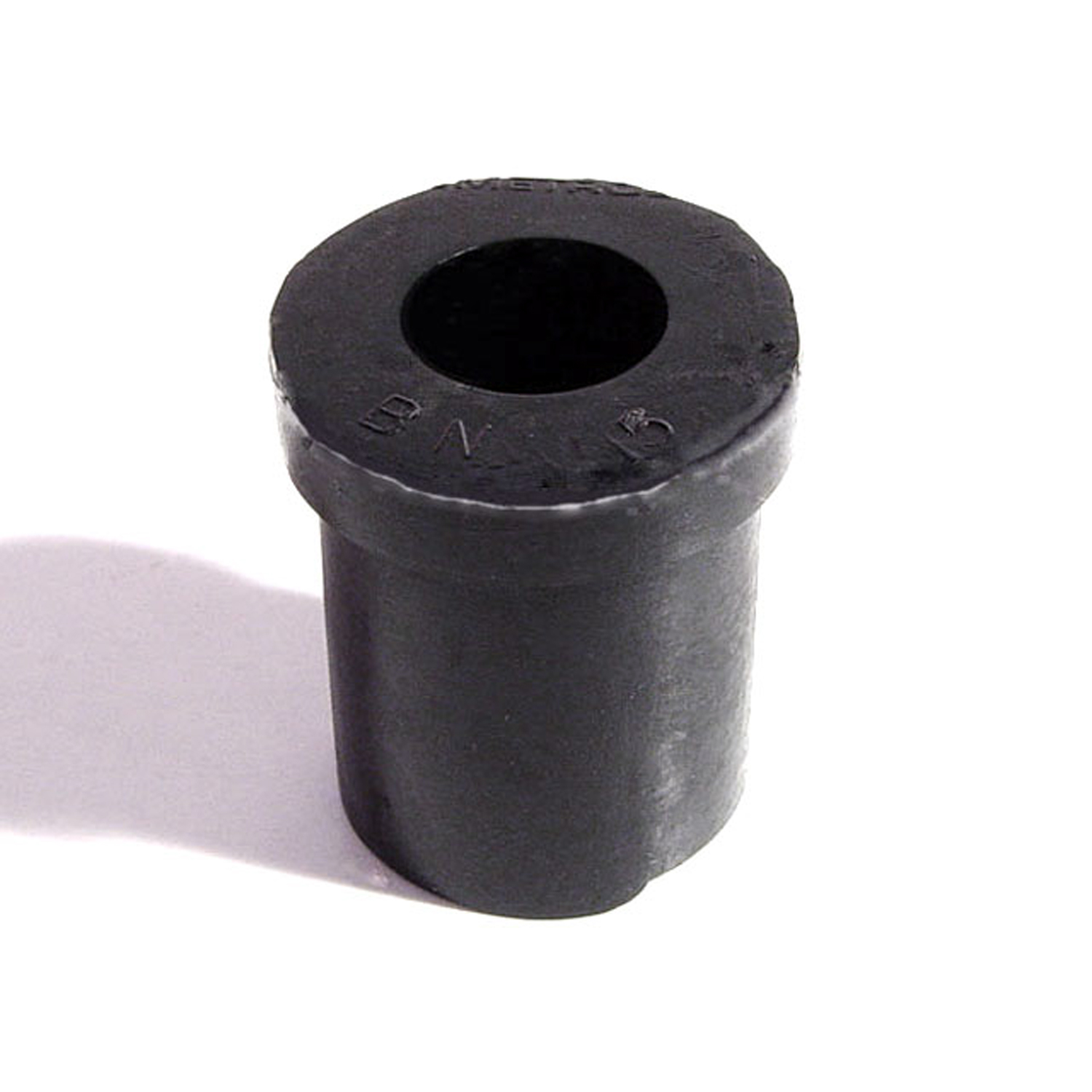 1941 Studebaker Champion Spring and Shackle Bushing. 7/8" bottom O.D-BN 15Spring and Shackle Bushing. 7/8" bottom O.D. X 1-1/8" high, with 1/2" I.D. Each
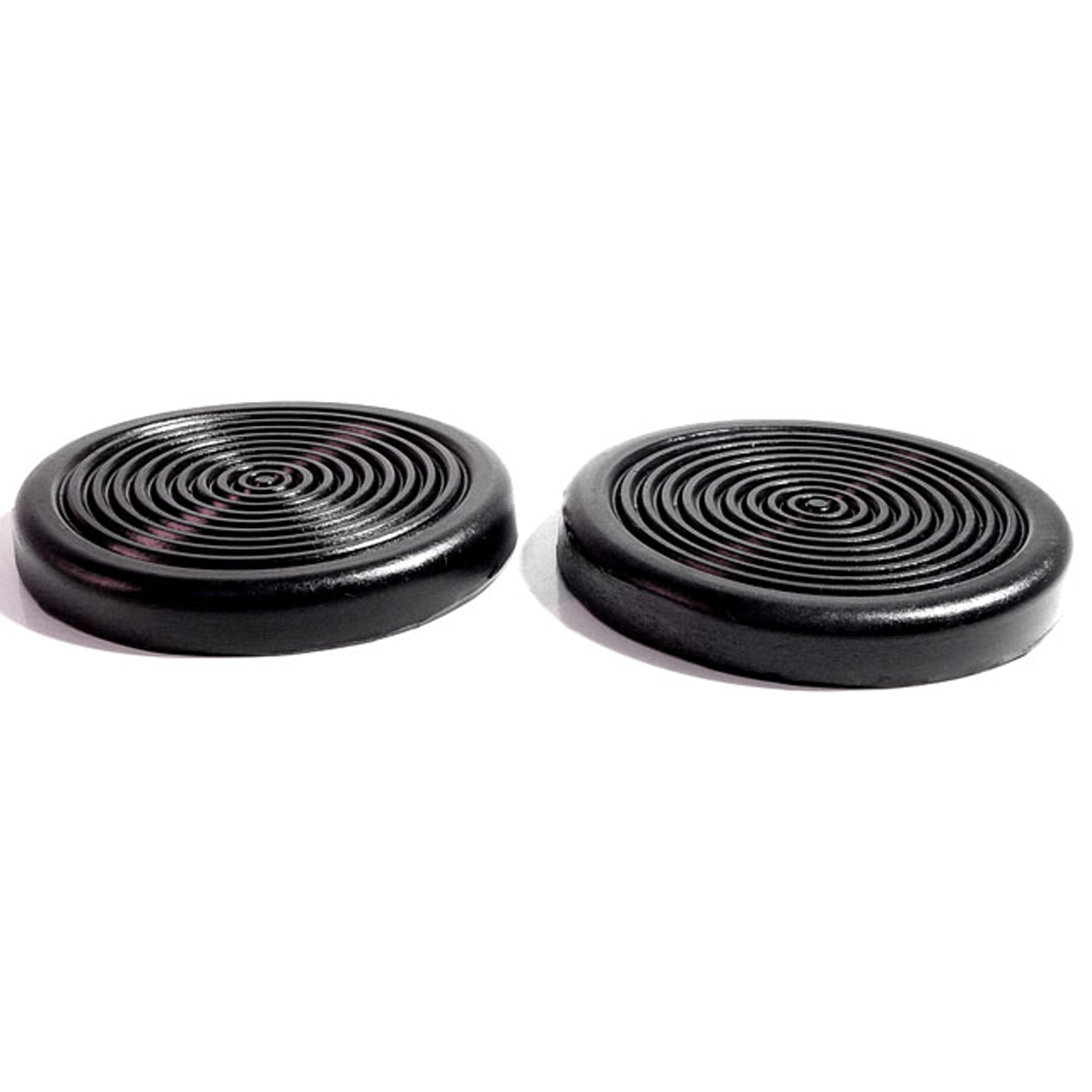 1941 Studebaker Champion Clutch and Brake Pedal Pads. 3" Diameter. Pair-CB 81Clutch and Brake Pedal Pads. 3" Diameter. Pair
 1941 Studebaker Champion Gravel Shields. Molded flat without metal backing plates-FS 21Gravel Shields. Molded flat without metal backing plates. Apply with contact cement. 14" long X 7-3/4" wide at top and 6" wide at bottom. Pair
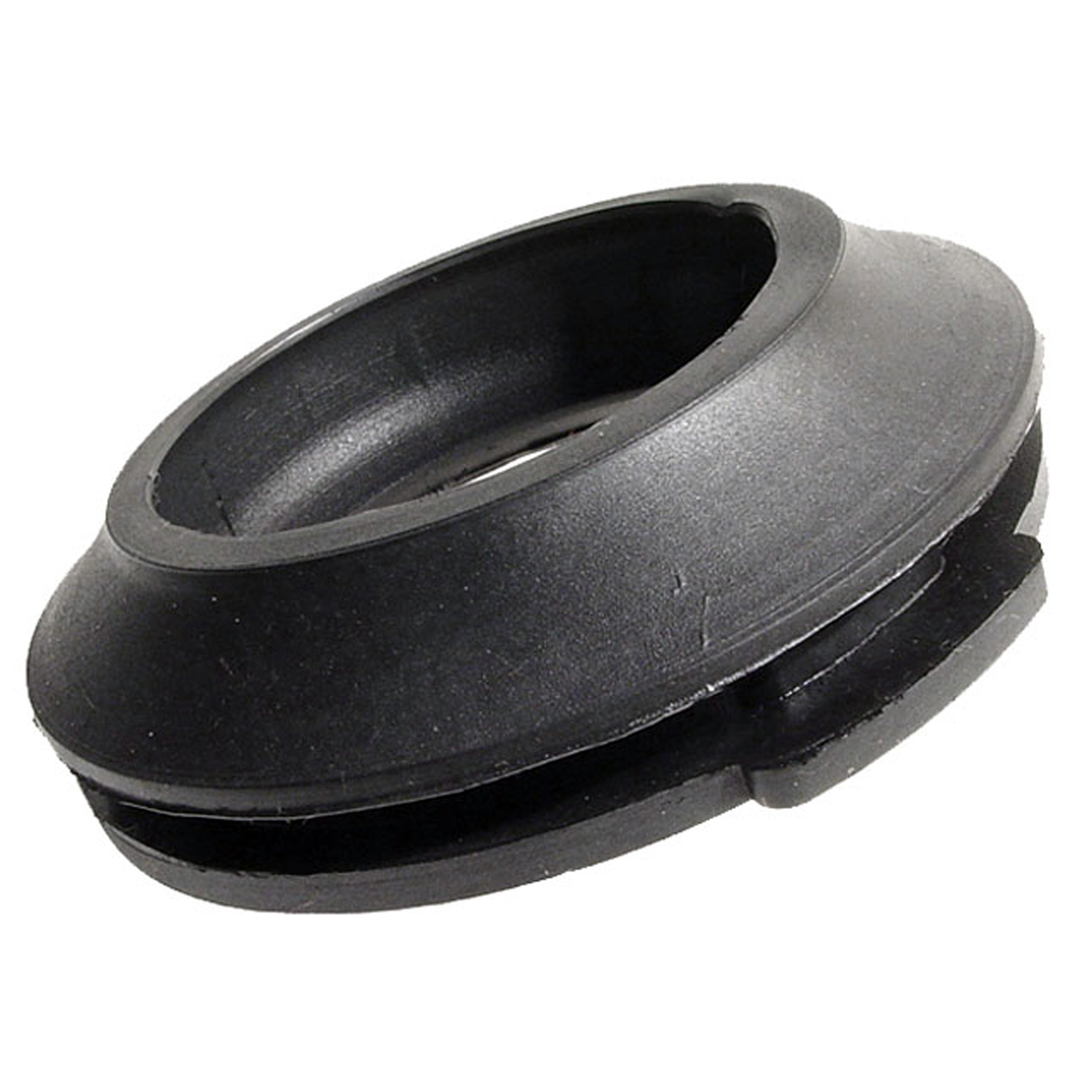 1941 Studebaker Champion Gas Filler Grommet. Perfect reproduction. Top 2-1/16" I.D-GF 45Gas Filler Grommet. Perfect reproduction. Top 2-1/16" I.D., 3-7/16" O.D. Each
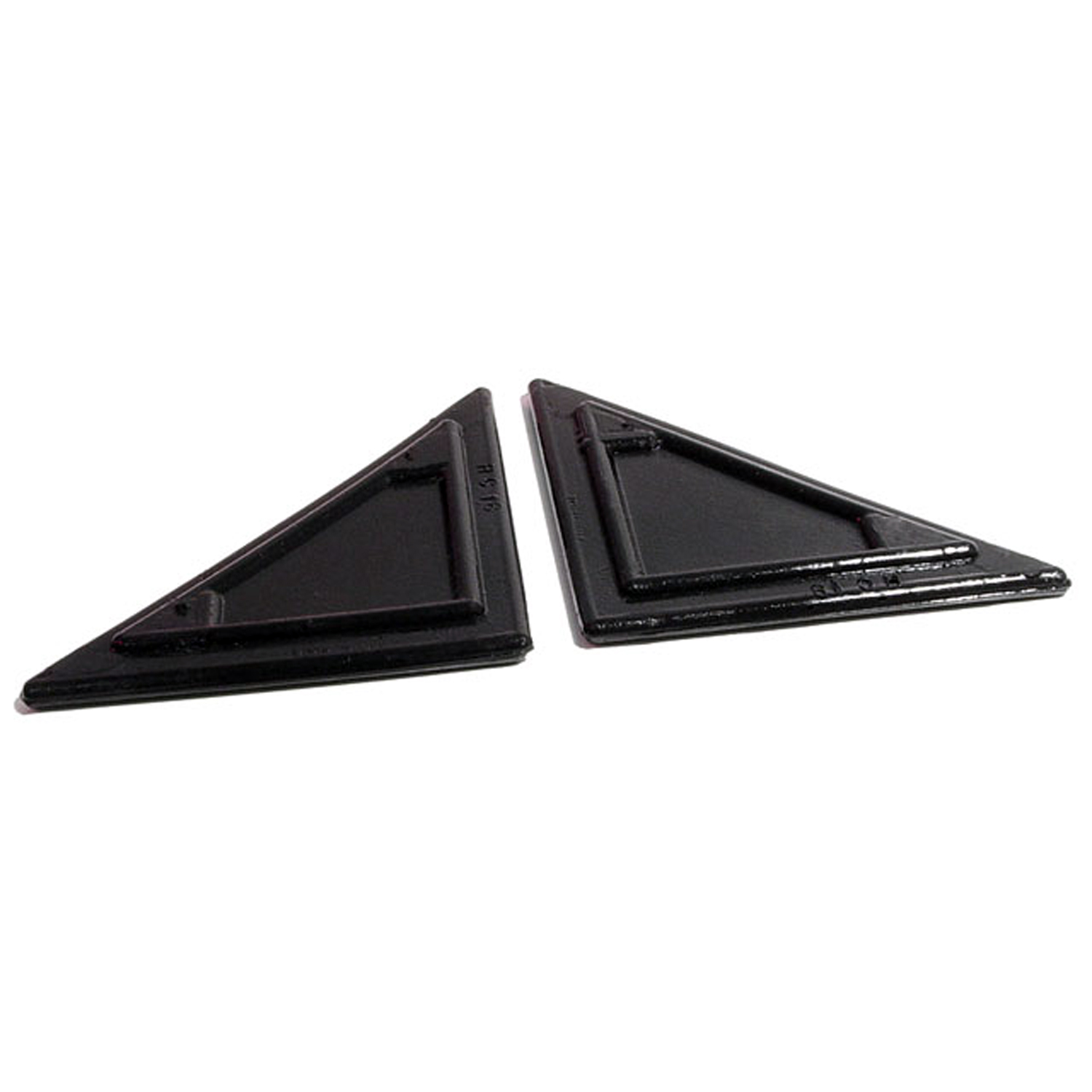 1941 Studebaker Champion Hood Corners. Original design. 2-3/4" wide. Pair-HC 18Hood Corners. Original design. 2-3/4" wide. Pair
 1941 Studebaker Champion Tail-light Pads. 2-3/8" wide X 9-1/4" long. Pair-MP 966Tail-light Pads. 2-3/8" wide X 9-1/4" long. Pair
 1941 Studebaker Champion Trunk Lock Pad. 2-5/8" wide X 8-1/4" long. Each-MP 976Trunk Lock Pad. 2-5/8" wide X 8-1/4" long. Each
 1941 Studebaker Champion Fender Light Pads. 2-1/4" wide X 23-3/4" long. Pair-MP 978Fender Light Pads. 2-1/4" wide X 23-3/4" long. Pair
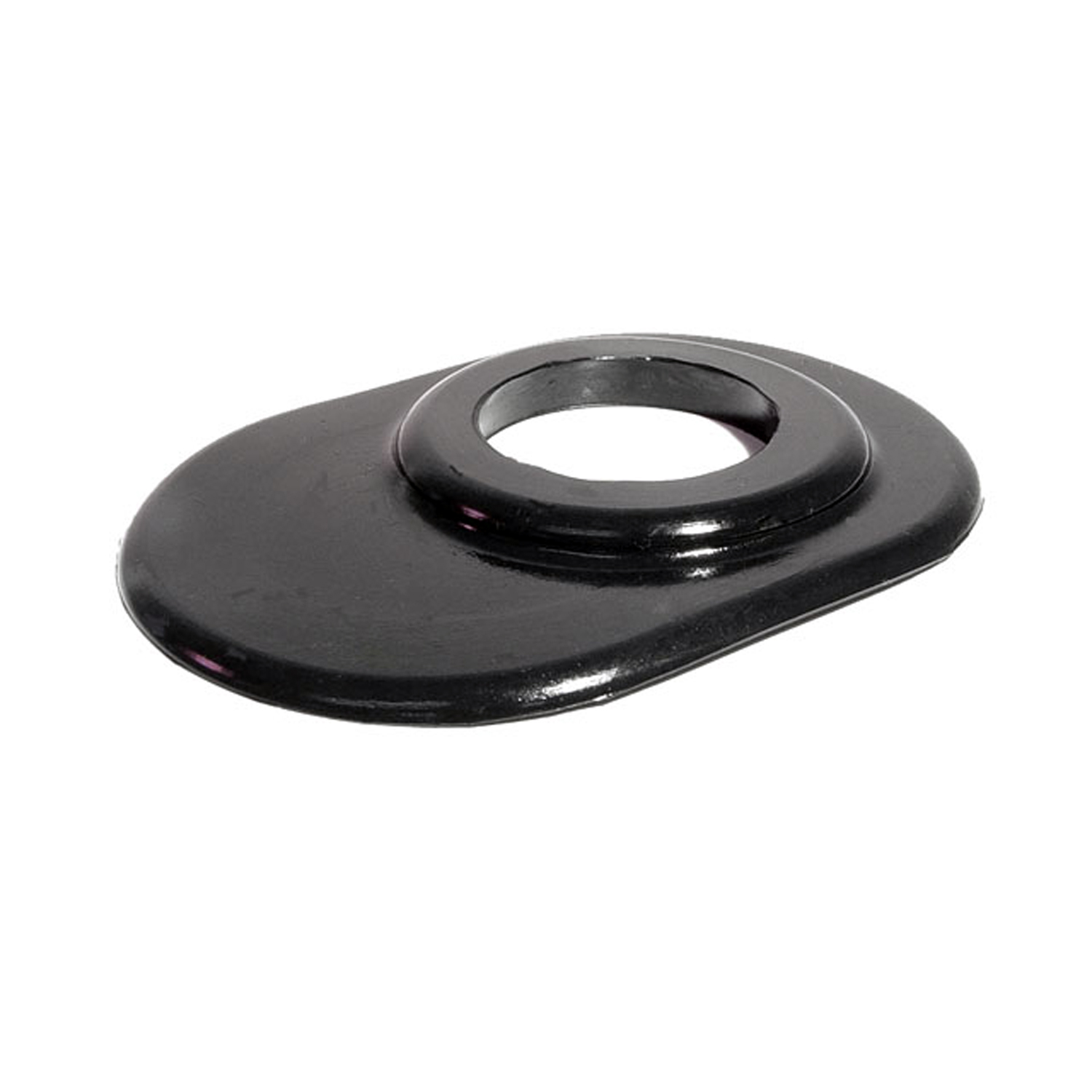 1941 Studebaker Champion Steering Column Grommet. For 4-speed models. Each-SC 24Steering Column Grommet. For 4-speed models. Each
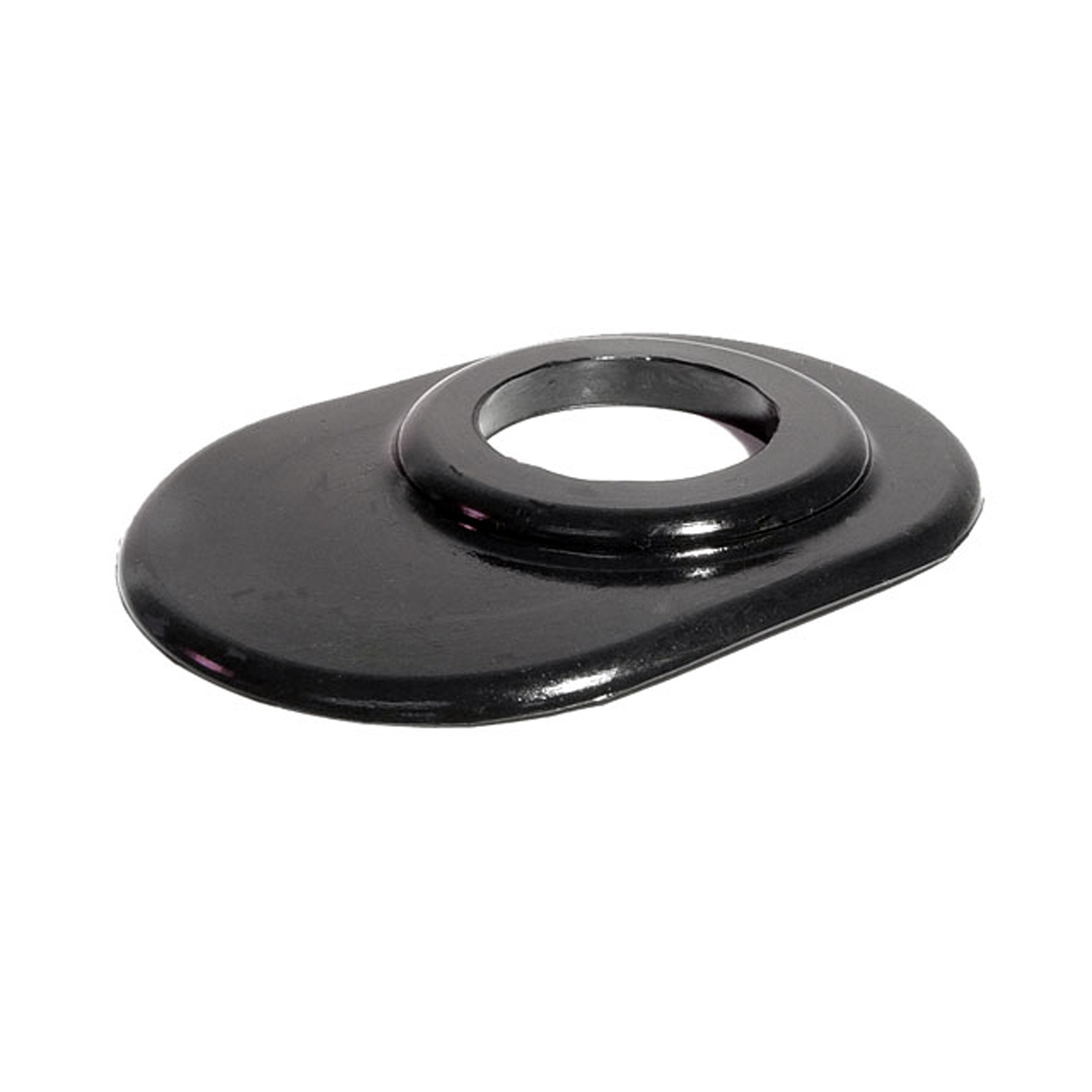 1941 Studebaker Champion Steering Column Grommet. For 3-speed models. Each-SC 24-ASteering Column Grommet. For 3-speed models. Each
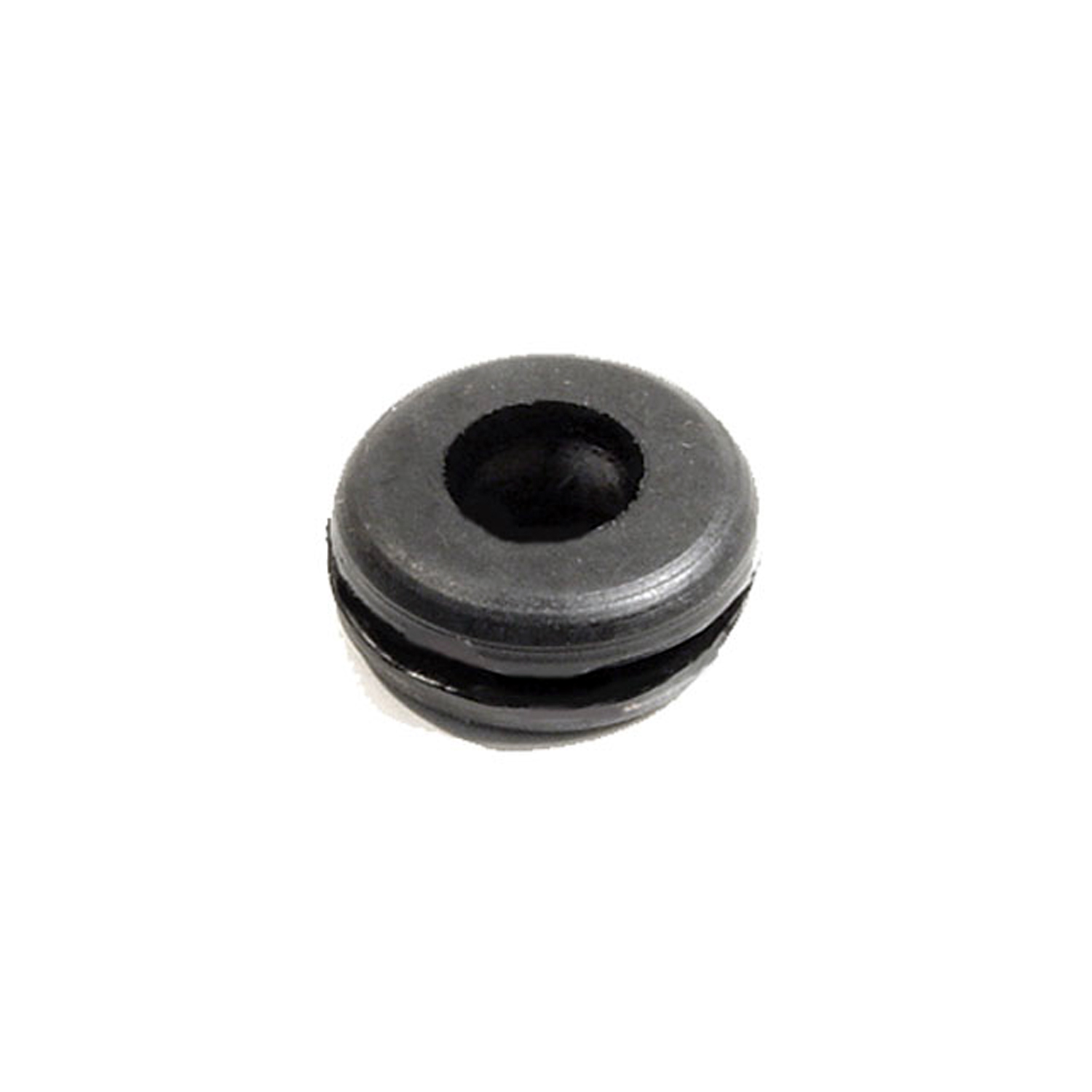 1941 Studebaker Champion Headlight & Tail-Light Wire Grommet. 3/8" I.D., 7/8" O.D-SM 13-AHeadlight & Tail-Light Wire Grommet. 3/8" I.D., 7/8" O.D. Each
 1941 Studebaker Champion Flexible glass-run channel-WC 11-72Flexible glass-run channel. Mohair lined, cloth covered with stainless steel bead. Used on side windows. 72 in. long. Each. NOTE: $20 special shipping charge applies for domestic orders. Call or email for overseas shipping costs. Part can be sectioned in two equal lengths to reduce overseas shipping costs.
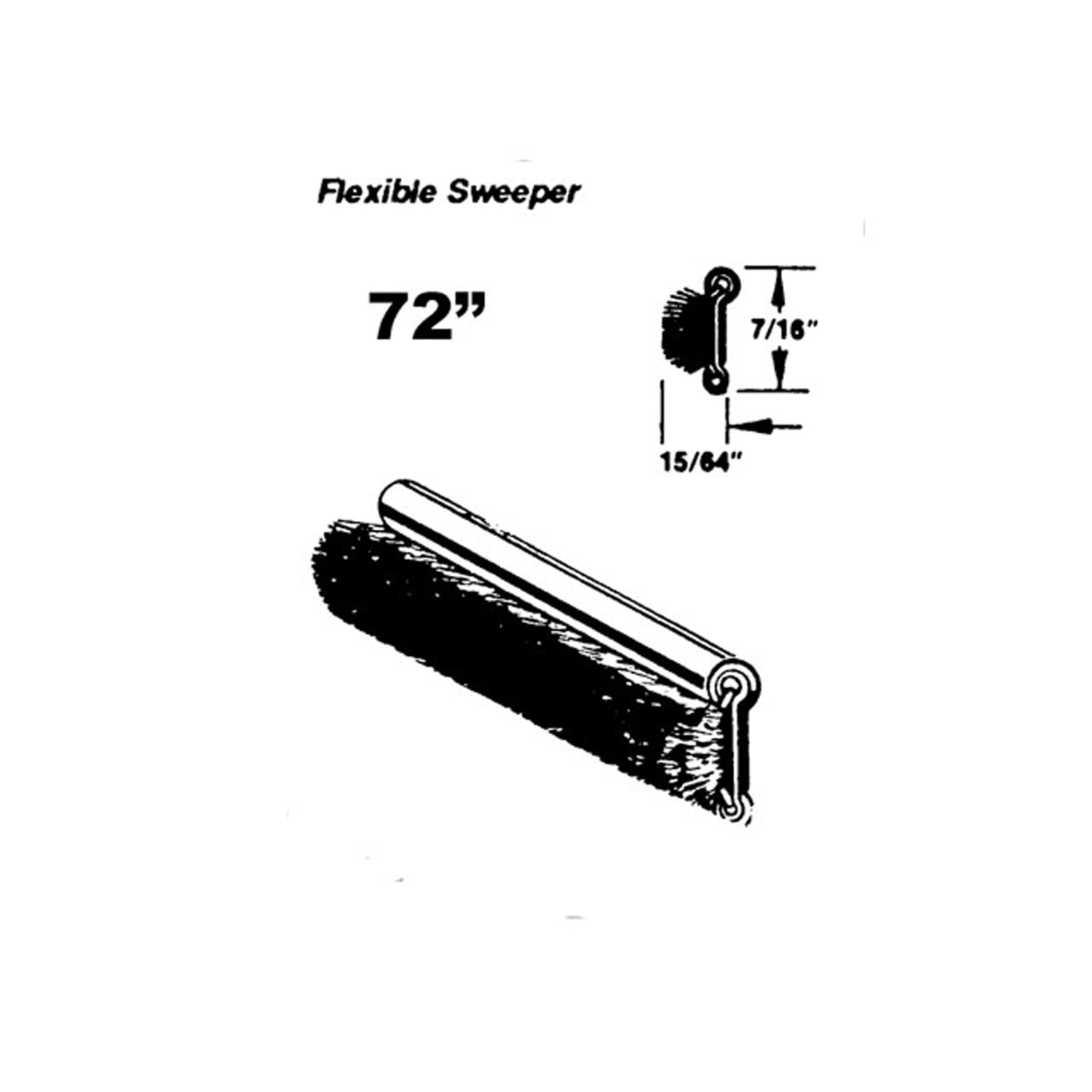 1941 Studebaker Champion Flexible sweeper. Made with stainless steel bead-WC 8-72Flexible sweeper. Made with stainless steel bead. Used on inner and outer beltlines. Also forms easily for use with sliding quarter windows. 72 in. long. Each. NOTE: $20 special shipping charge applies for domestic orders. Call or email for overseas shipping costs. Part can be sectioned into two equal lengths to reduce overseas shipping costs.
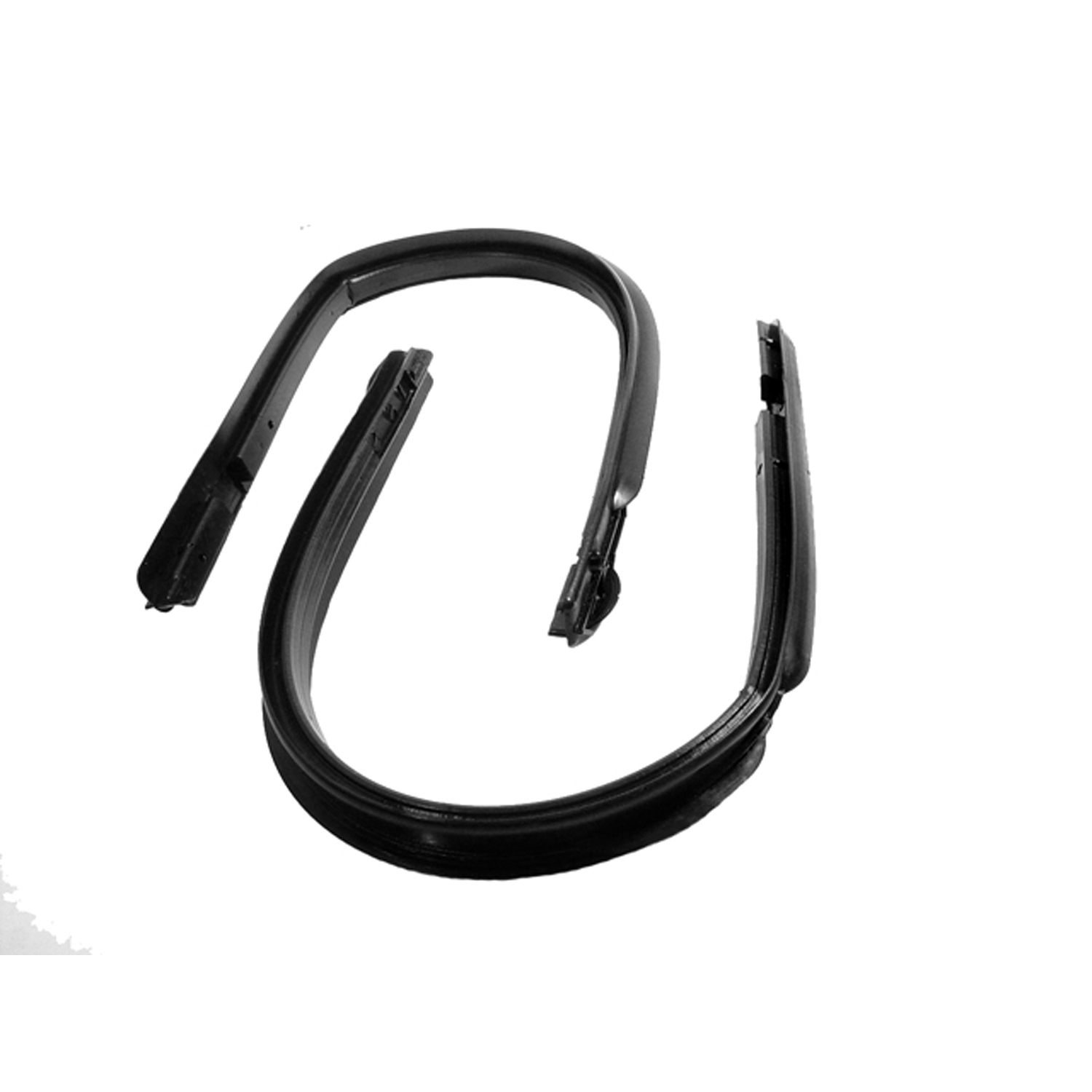 1941 Studebaker Champion Front Vent Window Seals. 28-7/8" long each. Pair R&L-WR 9401Front Vent Window Seals. 28-7/8" long each. Pair R&L
Why Choose Metro?
For over 100 years, Metro Moulded Parts has been the pinnacle of quality in classic car restoration parts. Our commitment to precision and authenticity in every component ensures a perfect fit and an OEM-level appearance.
- Expert Craftsmanship & Quality: Each part is a testament to our dedication to reliability and perfection, crafted from original designs and thoroughly tested.
- Advanced Technology: We use cutting-edge techniques to create flawless, long-lasting parts that surpass others in performance.
- SuperSoft Sponge – The Ultimate Door Seal: Not only are our door seals 30% softer than competitors', but they're also guaranteed to never leak. They effectively reduce wind and road noise, enhancing your classic car's comfort and driving experience.
- Proudly American: Our parts are a product of American craftsmanship, made in the USA with a spirit of excellence and heritage.
- Unrivaled Warranty: We back our products with a 30-year industry-leading warranty, a testament to our confidence in their quality.
Join us in preserving the legacy of classic cars with parts that are crafted for perfection, not just made.