

Image of 1941 Studebaker Commander, Note: These illustrations use artistic license and may differ from actual historical models.
Performance Metrics
Fundamental Metrics
Emotional Appeal
MMP Rating
| Engine Specifications | |
|---|---|
| Engine: | Inline 6 |
| Displacement: | 226 cubic inches |
| Horsepower: | Estimated 94 hp |
| Torque: | 170 lb-ft |
| Compression Ratio: | Estimated 6.5:1 |
| Ignition System: | Distributor and coil |
| Cooling System: | Liquid-cooled |
| Performance Specifications | |
| 0-60 Time: | Information not available |
| 1/4 Mile Time: | Information not available |
| Top Speed: | 80 mph |
| Transmission and Drive | |
| Drive Type: | Rear-wheel drive |
| Transmission Type: | 3-speed manual |
| Fuel and Efficiency | |
| Fuel System Type: | Carburetor |
| MPG: | Information not available |
| Dimensions and Brakes | |
| Brakes: | Drum brakes |
| Wheelbase: | 119 inches |
| Weight: | 3,200 lbs |
Note: Specifications for classic cars are given to the best of our ability, considering the limited and variant data available.
1941 Studebaker Commander: A Streamlined American Classic
With its low, flowing fenders and broad, confident grille, the 1941 Studebaker Commander looked ready to move even while parked. Built by the Studebaker Corporation of South Bend, Indiana, it was a mid-priced American car that combined distinctive styling with practical six-cylinder power.
The Commander sat between Studebaker’s economy-minded Champion and its more upscale President. Its 1941 model arrived in the final full year before the United States entered World War II. As civilian production gave way to wartime manufacturing, cars like the Commander became a snapshot of American motoring just before the industry’s priorities changed dramatically.
One detail that makes the 1941 model especially interesting is its timing. Studebaker was already applying streamlined, modern design to family cars before the postwar era made that look familiar. The Commander was not a radical concept car, but it brought a clear sense of motion and modernity to an everyday automobile.
Skyway Styling and Cabin Details
The Commander’s exterior belonged to Studebaker’s “Skyway” design era. Its front end was low and broad, with a horizontal grille framed by rounded front fenders. The headlights sat neatly within the fender lines, while the hood flowed back toward a curved windshield and a gently sloping roof. At the rear, the fenders continued the car’s smooth, integrated look rather than appearing as separate add-ons.
Chrome brightwork added sparkle without overwhelming the body. The overall effect was less upright and boxy than many cars of the period, giving the Commander a streamlined profile that still looks unmistakably prewar. Depending on body style and equipment, exterior details and trim could vary.
Inside, the Commander offered a conventional but comfortable cabin for its era. Upholstery was generally woven cloth, with patterned fabrics and trim that varied by model and specification. Painted metal surfaces, chrome accents, a broad dashboard, and a large steering wheel were typical features. The materials were durable rather than luxurious, fitting the Commander’s position as a well-equipped mainstream car.
Factory color choices changed across the model range and could vary by body and trim. Period palettes included dark and medium shades such as black, blue, green, gray, and maroon, along with lighter finishes. Dark colors remain popular with collectors because they suit the car’s long fenders and bright trim, but original paint codes are the best guide when authenticity matters.
Commander Body Styles and Equipment
The 1941 Commander range included several practical body configurations, commonly including two-door and four-door sedans, business and club coupes, and a convertible coupe. Exact availability depended on the specific series and catalog listing. The four-door sedan was a natural family choice, while the coupes offered a sportier profile. The convertible is especially eye-catching today, though it is less commonly encountered than closed-body versions.
Studebaker offered useful period equipment such as a radio, heater, and clock, depending on the car’s original specification. Buyers could also choose a manual transmission with optional overdrive, a worthwhile extra for drivers who covered longer distances. As with many cars of the period, surviving examples may have been modified or had equipment added later, so documentation helps establish what a particular car left the factory with.
Engineering That Made It Stand Out
Power came from a 226.2-cubic-inch L-head inline-six, rated at about 94 horsepower. It was paired with a three-speed manual transmission, typically operated by a column-mounted shifter. Optional overdrive reduced engine speed at cruising pace, helping make highway travel more relaxed and economical for the time.
The Commander also benefited from independent front suspension, a useful feature for improving comfort and control on uneven roads. Hydraulic brakes were another important part of the period’s move toward more modern driving equipment. These features did not make the car a sports machine, but they helped it feel more composed than a basic, rigidly suspended automobile.
What set the Commander apart was the way it balanced engineering and presentation. It offered a relatively modern chassis, useful touring options, and distinctive styling without stepping into the price territory of a luxury car. Its design reflected Studebaker’s willingness to take a different path from the more conservative shapes offered by many competitors.
Road Manners, Speed, and Driving Feel
Performance figures for a car this old vary with body style, gearing, mechanical condition, and the accuracy of period testing. A sound 1941 Commander is generally estimated to reach roughly 75 to 80 mph, with a 0-to-60-mph time in the neighborhood of 20 to 25 seconds. Those numbers make clear that the Commander was built for steady travel, not quick acceleration.
The six-cylinder engine delivers its power in an unhurried way. At low speeds, the driver hears a steady mechanical rumble, with the engine becoming more vocal as revs climb. The three-speed gearbox and large steering wheel ask for deliberate inputs, and the brakes require more planning than those in a modern car. Optional overdrive can make cruising more comfortable, but it does not change the Commander’s fundamentally relaxed character.
On a smooth road, the ride is soft and well suited to long trips. Independent front suspension helps absorb bumps, while the car’s size and period tires give it a distinctly old-fashioned feel. On winding roads, expect slower cornering and some body lean. In crosswinds, the broad body and vintage tires call for a firm but gentle hand on the wheel. A well-maintained Commander can be pleasant and stable at sensible speeds, but it is best driven with room to stop and time to enjoy the scenery.
Living With a 1941 Commander
Today, most Commanders are used as show cars, weekend cruisers, or participants in local tours and historic motoring events. A carefully maintained example can be driven on ordinary roads, but it is not an ideal modern daily driver. Traffic speeds, limited safety equipment, and the need for regular mechanical attention all reward a patient owner.
Routine service is straightforward for someone comfortable with older cars. The engine uses familiar, largely mechanical systems, and many repairs can be handled with basic workshop skills. However, parts availability varies. Common service items may be obtainable through specialist suppliers, while model-specific trim, body panels, glass, and interior pieces can take more time and money to locate. Before buying, inspect the cooling system, brakes, tires, steering, electrical wiring, and signs of rust or previous structural repair.
Reliability depends heavily on maintenance and restoration quality. Age-related issues such as tired wiring, worn suspension components, leaking seals, and corrosion are more likely to determine a car’s dependability than the design of the engine itself. A pre-purchase inspection by a mechanic familiar with prewar Studebakers is money well spent.
Wartime Context and Interesting Facts
The 1941 Commander belongs to the last chapter of prewar American car production. After the United States entered World War II, automakers shifted much of their capacity to military work. Studebaker became an important wartime manufacturer, producing military trucks and other equipment, so the company’s civilian cars from this period are closely tied to a major change in American industry.
The Commander is not widely known for a top-speed record or a headline-grabbing endurance achievement. Its appeal is more grounded: it represents Studebaker’s independent design identity and the company’s ability to build a distinctive, technically respectable car outside the biggest Detroit corporations.
Common criticisms are equally practical. The Commander is not fast by modern standards, and its age can make parts hunting and restoration expensive. Its prewar safety equipment is limited, and some buyers find the ride and controls unfamiliar. Collectors, on the other hand, value precisely that character, along with the car’s elegant proportions and less-common presence at classic-car events.
Collector Values and Production Rarity
Production figures can vary among reference sources and by the way body styles are grouped. A reasonable broad estimate is that roughly 40,000 to 60,000 Commanders were built for the 1941 model year. That makes the model far less common on today’s roads than mass-produced Fords or Chevrolets of the period, though it is not necessarily rare in the strictest collector-car sense. Four-door sedans and coupes are generally easier to find than a well-preserved convertible.
As a broad U.S. market estimate, a project car or one needing substantial work might sell for about $5,000 to $12,000. A usable driver or presentable older restoration may fall around $12,000 to $25,000. High-quality, correctly restored examples can reach roughly $25,000 to $40,000 or more, with especially desirable body styles and exceptional condition potentially commanding higher prices. These are general ranges, not a formal appraisal; originality, rust, completeness, and restoration quality make a major difference.
Values for prewar cars tend to move gradually rather than surge. The Commander’s distinctive styling and relative rarity support steady interest, but its market is smaller than that for more famous mass-market classics. Exceptional examples may appreciate over time, while ordinary cars can remain sensitive to restoration costs and changes in collector demand. A solid, complete car is often a wiser purchase than a cheap project with missing trim and extensive corrosion.
Why the 1941 Studebaker Commander Still Matters
The 1941 Studebaker Commander brought together streamlined design, useful independent front suspension, a dependable six-cylinder layout, and practical touring options at a time when American motoring was on the edge of a historic transformation. It was not the fastest or most luxurious car of its day, but it offered a confident alternative to the familiar choices from larger manufacturers.
More than eight decades later, the Commander stands out for its graceful proportions and its place at the close of the prewar automotive era. It is a classic worth appreciating at an easy pace: a stylish, individual Studebaker that reminds us how much character an everyday car can carry.
1941 Studebaker Commander Catalog of Parts
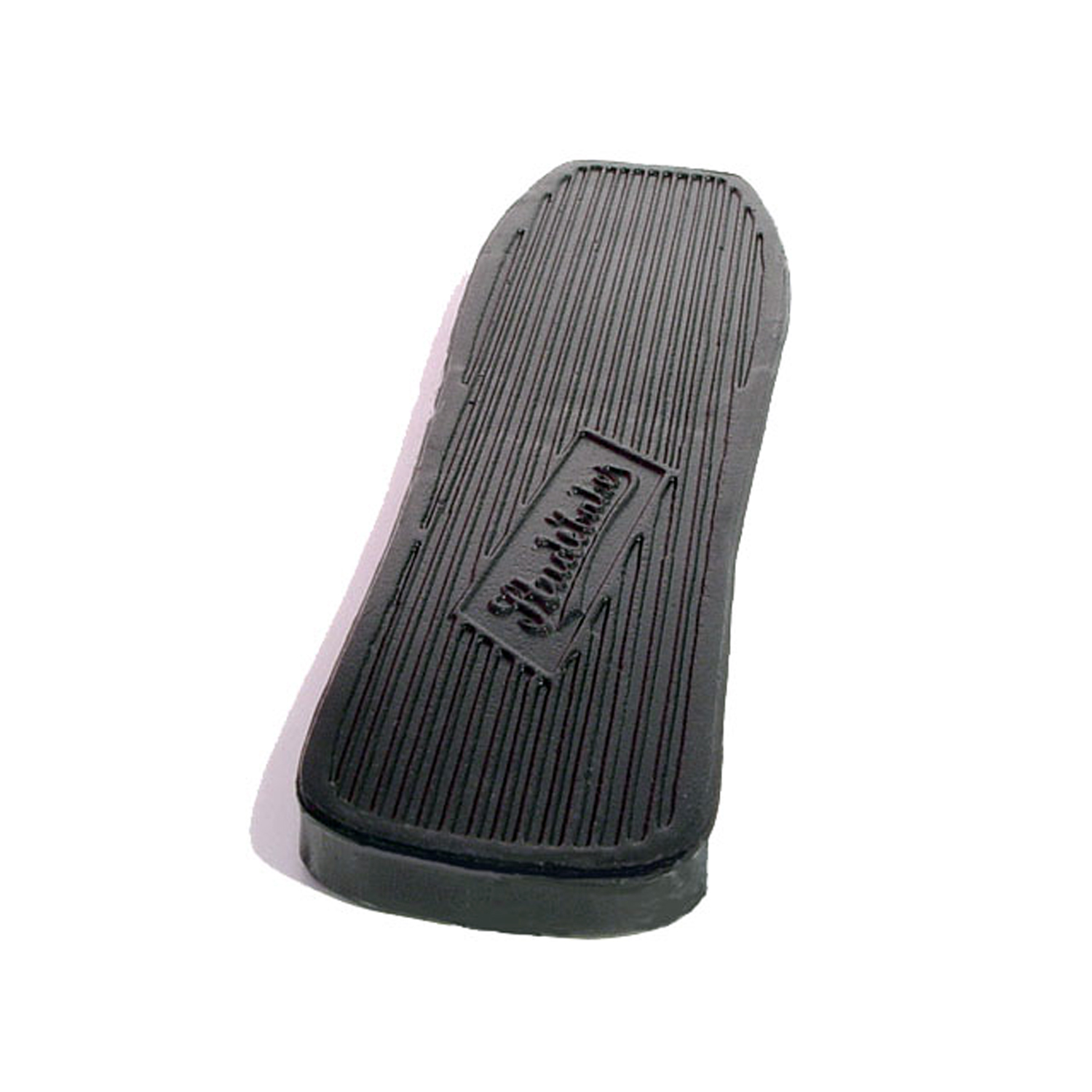 1941 Studebaker Commander Accelerator Pedal Pad, 2-3/8" X 9", Each-AP 22Accelerator Pedal Pad, 2-3/8" X 9", Each
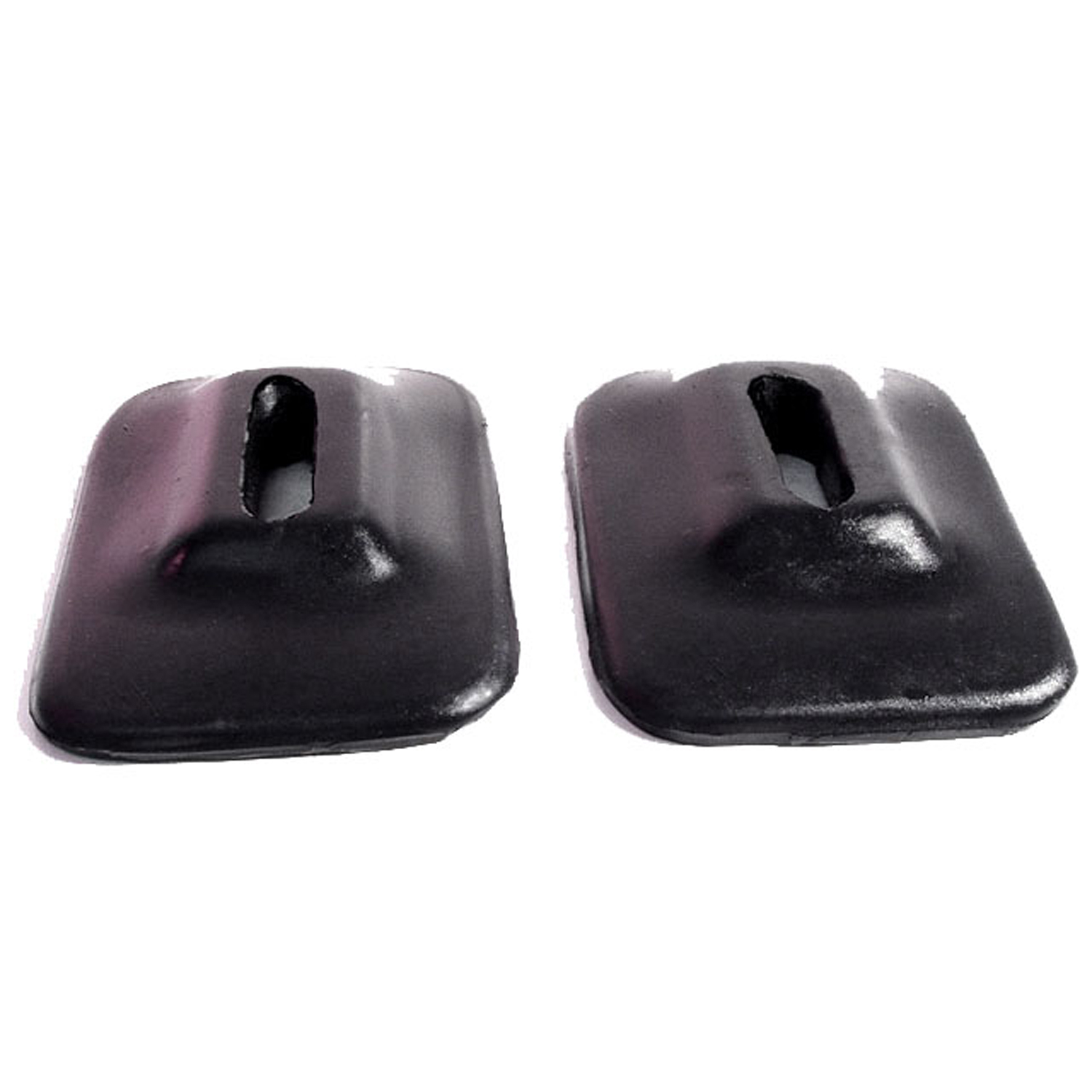 1941 Studebaker Commander Front and Rear Bumper Arm Grommets-BG 45Front and Rear Bumper Arm Grommets. 2-3/4" wide X 4-1/8" long, with 1-5/8" long inner slot. Pair
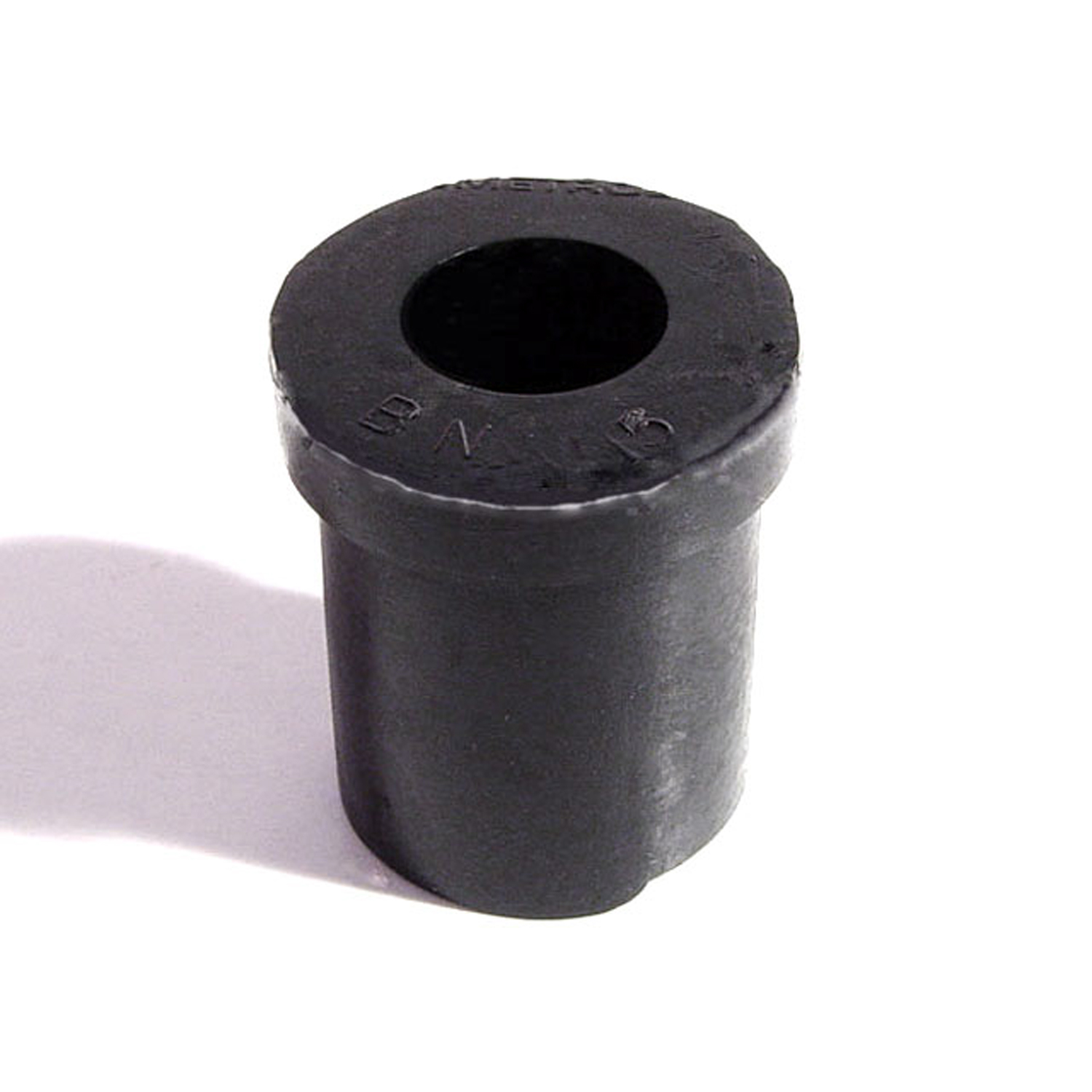 1941 Studebaker Commander Spring and Shackle Bushing. 7/8" bottom O.D-BN 15Spring and Shackle Bushing. 7/8" bottom O.D. X 1-1/8" high, with 1/2" I.D. Each
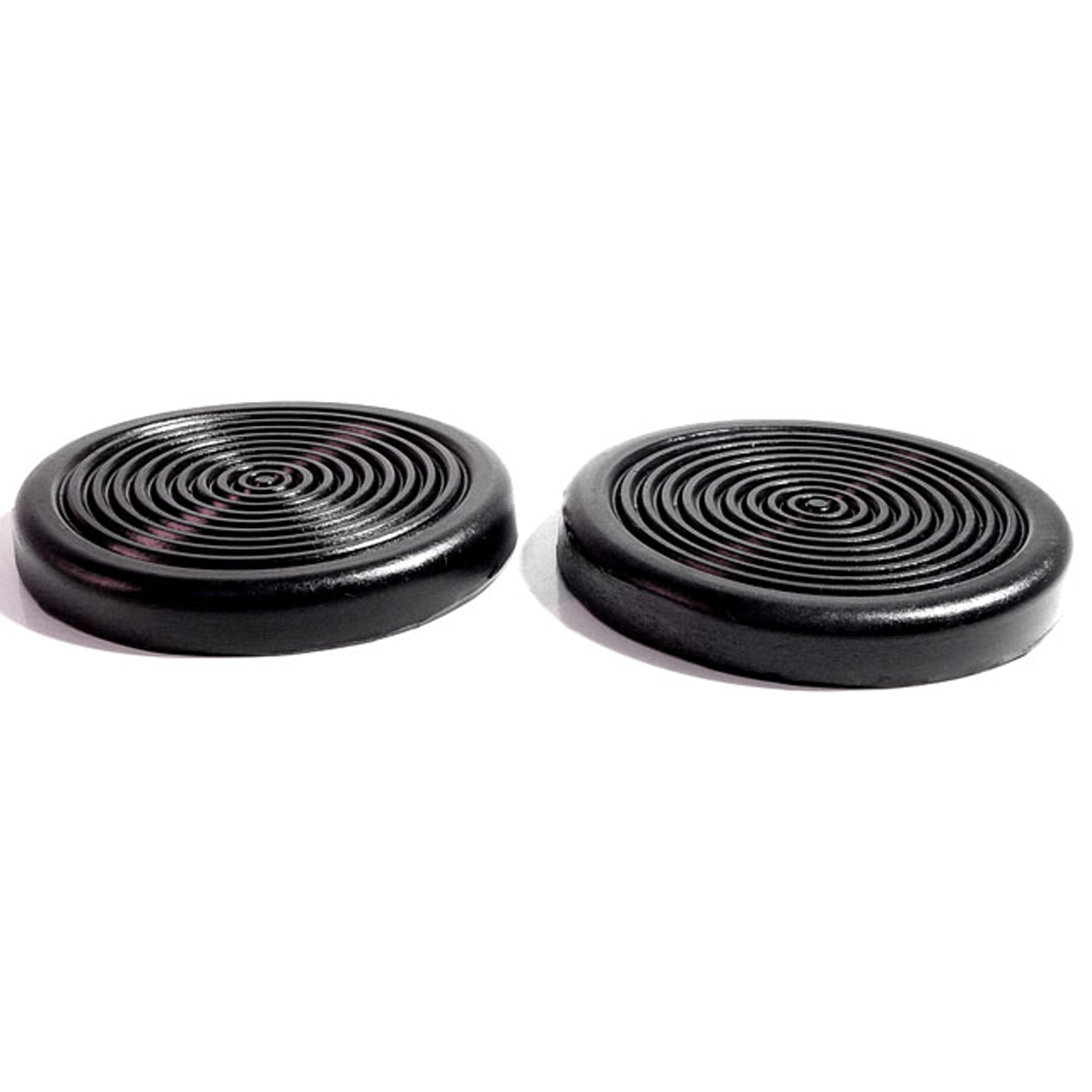 1941 Studebaker Commander Clutch and Brake Pedal Pads. 3" Diameter. Pair-CB 81Clutch and Brake Pedal Pads. 3" Diameter. Pair
 1941 Studebaker Commander Gravel Shields. Molded flat without metal backing plates-FS 41Gravel Shields. Molded flat without metal backing plates. Apply with contact cement. 14-1/2" long X 9" wide at top and 6-3/8" wide at bottom. Pair
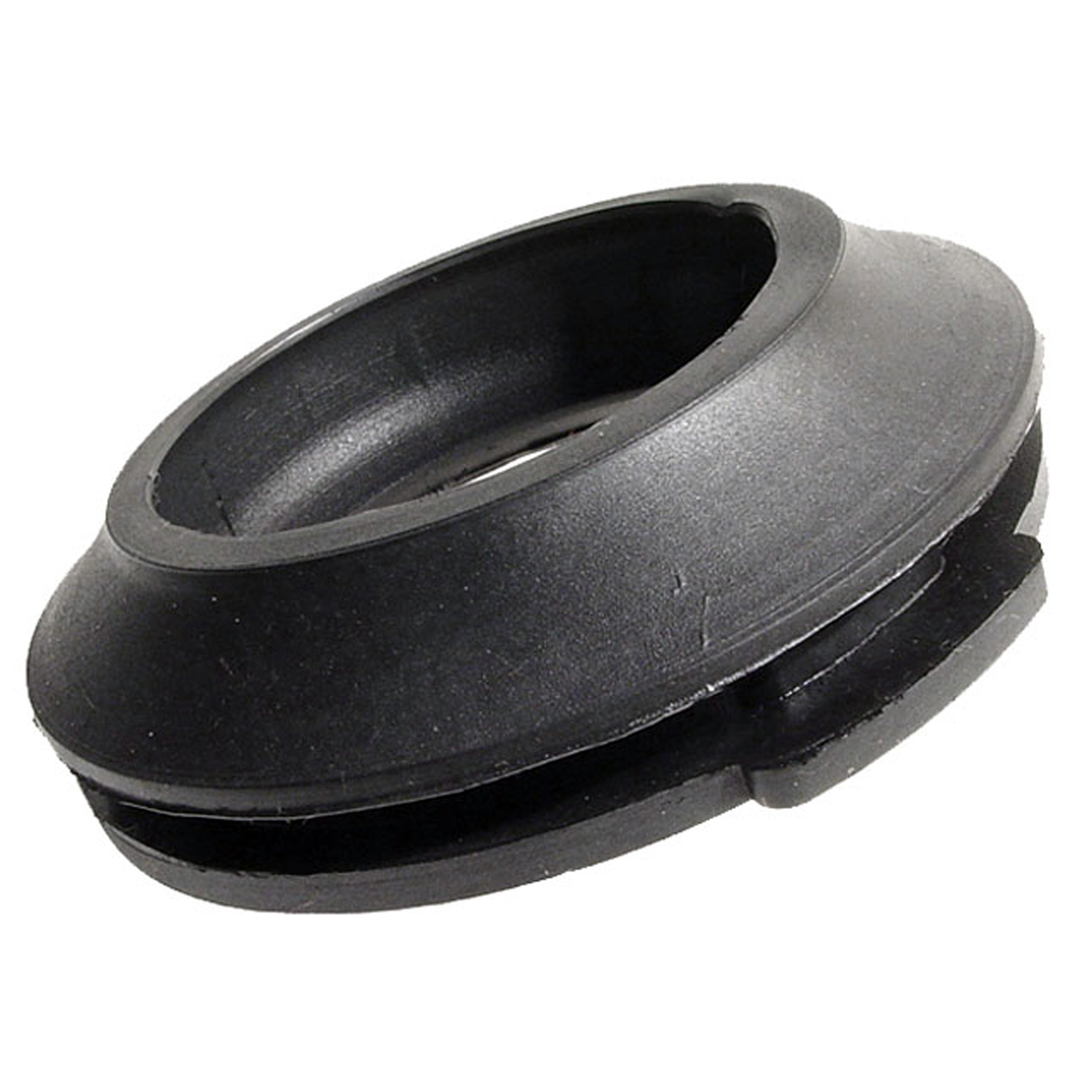 1941 Studebaker Commander Gas Filler Grommet. Perfect reproduction. Top 2-1/16" I.D-GF 45Gas Filler Grommet. Perfect reproduction. Top 2-1/16" I.D., 3-7/16" O.D. Each
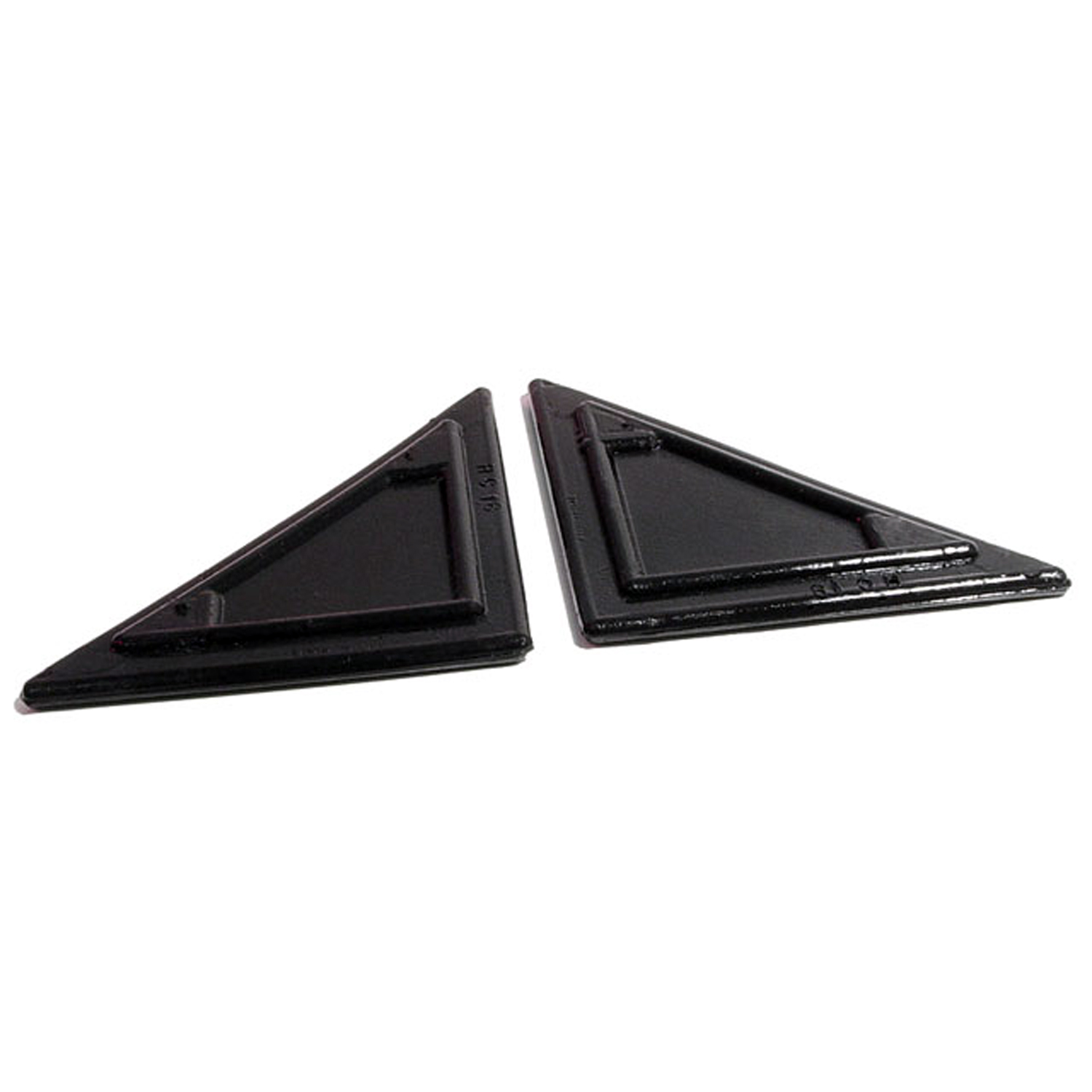 1941 Studebaker Commander Hood Corners. Original design. 2-3/4" wide. Pair-HC 18Hood Corners. Original design. 2-3/4" wide. Pair
 1941 Studebaker Commander Tail-light Pads. 2-3/8" wide X 9-1/4" long. Pair-MP 966Tail-light Pads. 2-3/8" wide X 9-1/4" long. Pair
 1941 Studebaker Commander Trunk Lock Pad. 2-5/8" wide X 8-1/4" long. Each-MP 976Trunk Lock Pad. 2-5/8" wide X 8-1/4" long. Each
 1941 Studebaker Commander Fender Light Pads. 2-1/4" wide X 23-3/4" long. Pair-MP 978Fender Light Pads. 2-1/4" wide X 23-3/4" long. Pair
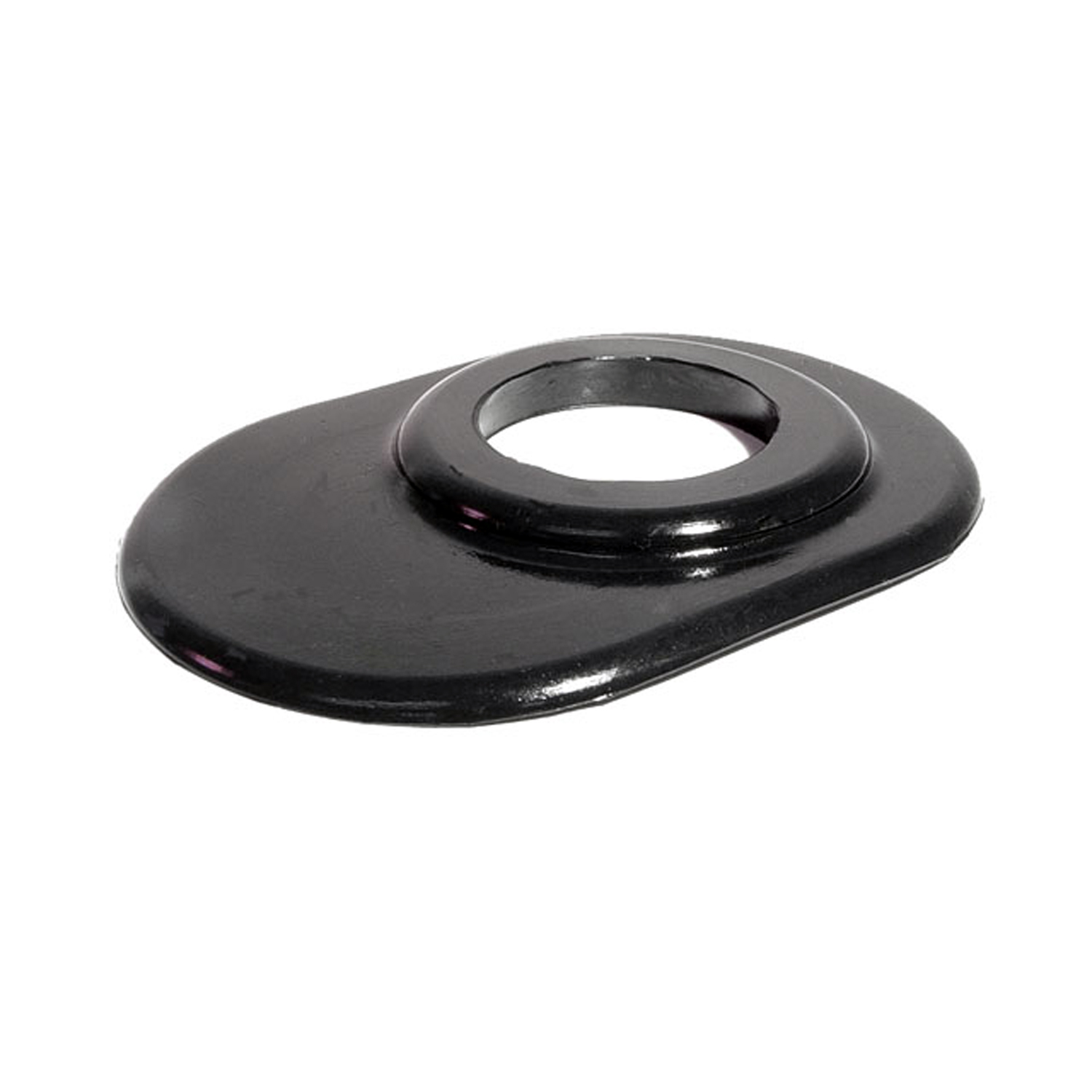 1941 Studebaker Commander Steering Column Grommet. For 4-speed models. Each-SC 24Steering Column Grommet. For 4-speed models. Each
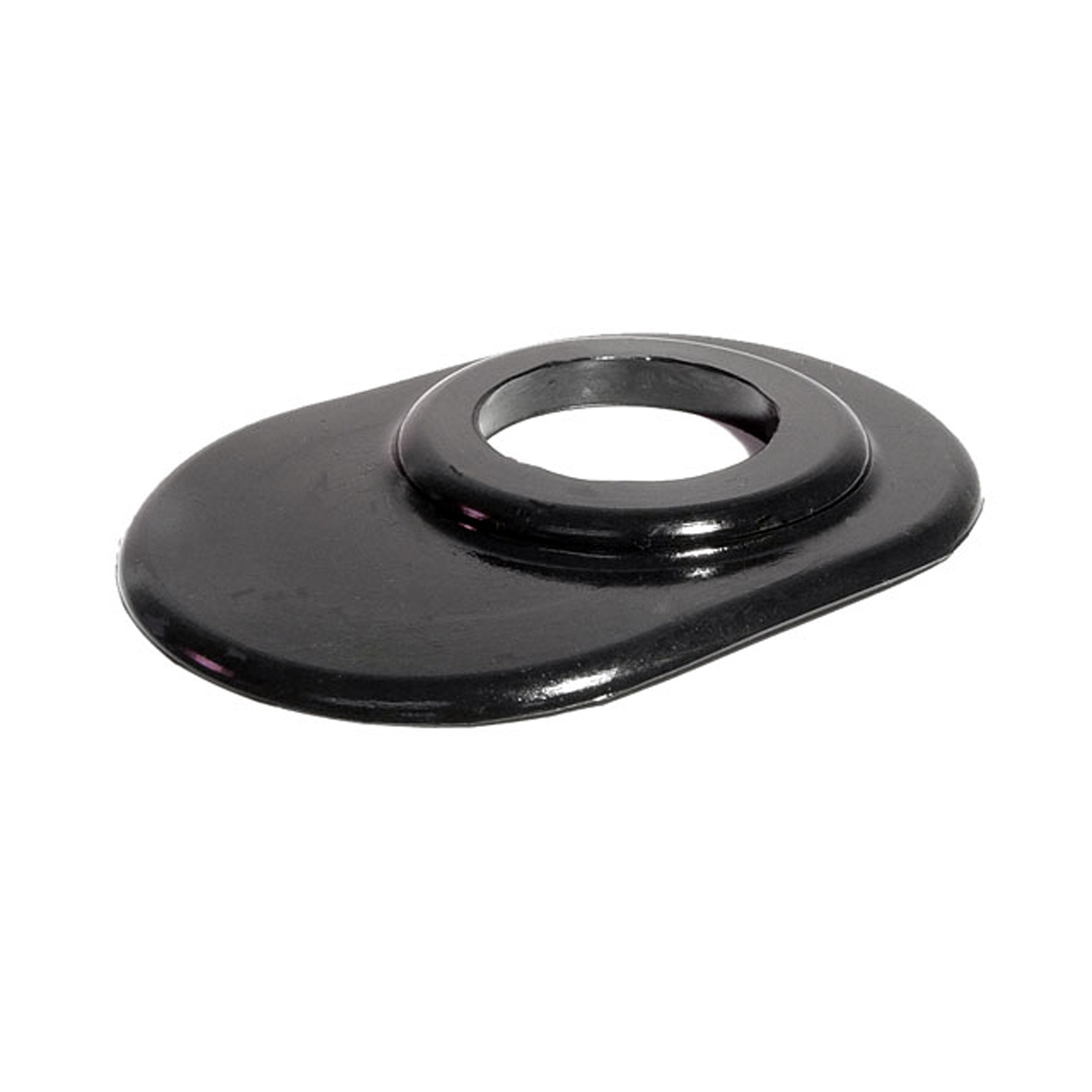 1941 Studebaker Commander Steering Column Grommet. For 3-speed models. Each-SC 24-ASteering Column Grommet. For 3-speed models. Each
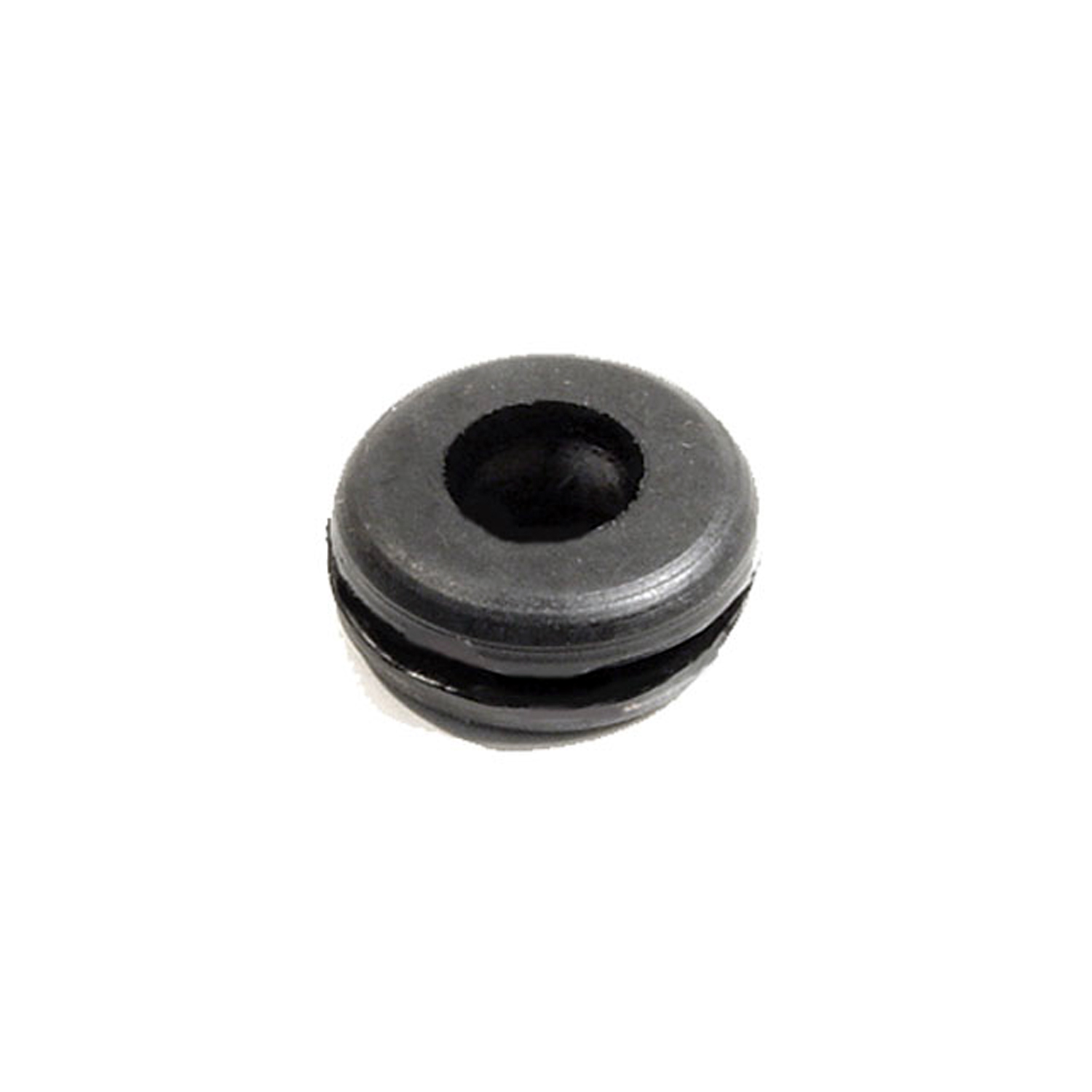 1941 Studebaker Commander Headlight & Tail-Light Wire Grommet. 3/8" I.D., 7/8" O.D-SM 13-AHeadlight & Tail-Light Wire Grommet. 3/8" I.D., 7/8" O.D. Each
 1941 Studebaker Commander Flexible glass-run channel-WC 11-72Flexible glass-run channel. Mohair lined, cloth covered with stainless steel bead. Used on side windows. 72 in. long. Each. NOTE: $20 special shipping charge applies for domestic orders. Call or email for overseas shipping costs. Part can be sectioned in two equal lengths to reduce overseas shipping costs.
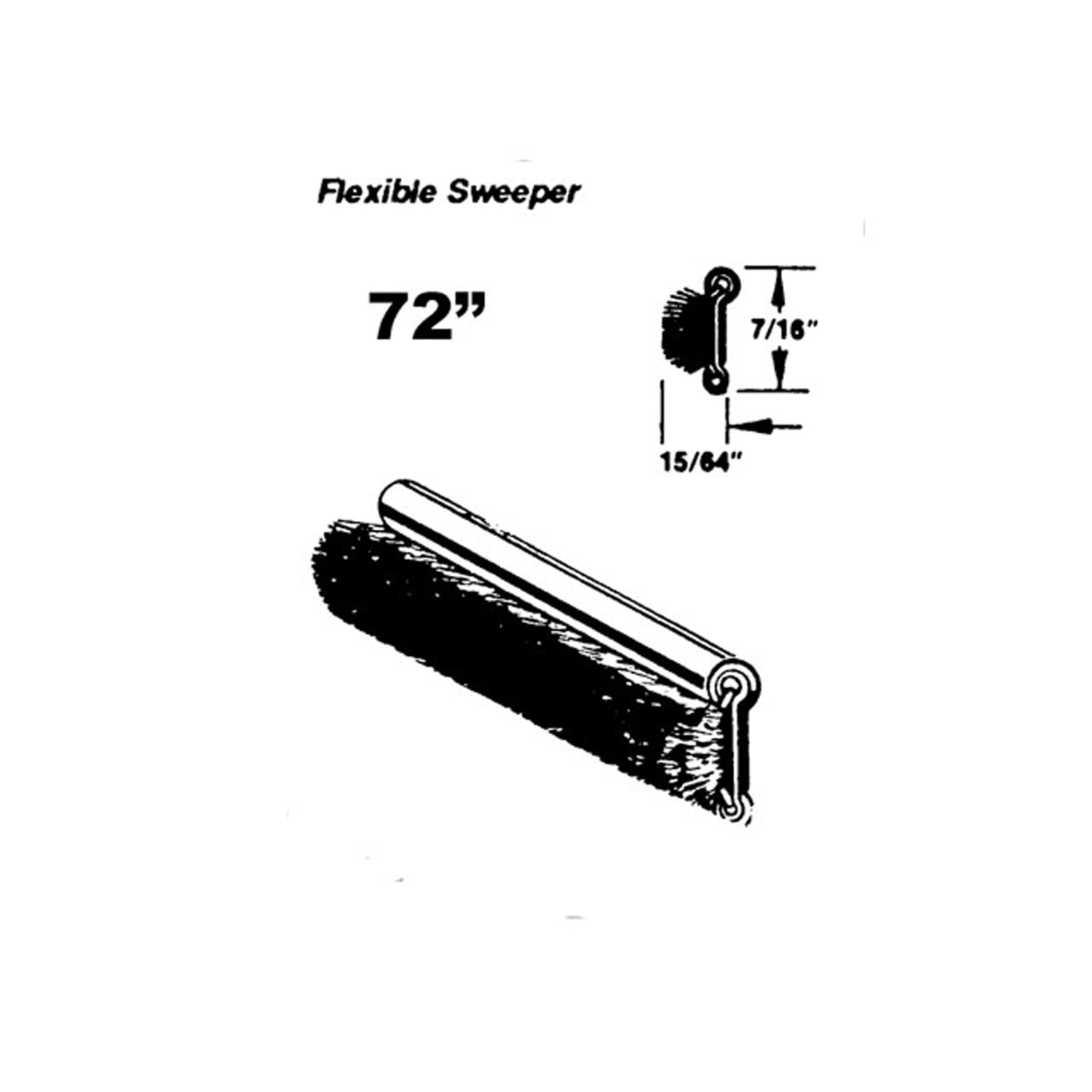 1941 Studebaker Commander Flexible sweeper. Made with stainless steel bead-WC 8-72Flexible sweeper. Made with stainless steel bead. Used on inner and outer beltlines. Also forms easily for use with sliding quarter windows. 72 in. long. Each. NOTE: $20 special shipping charge applies for domestic orders. Call or email for overseas shipping costs. Part can be sectioned into two equal lengths to reduce overseas shipping costs.
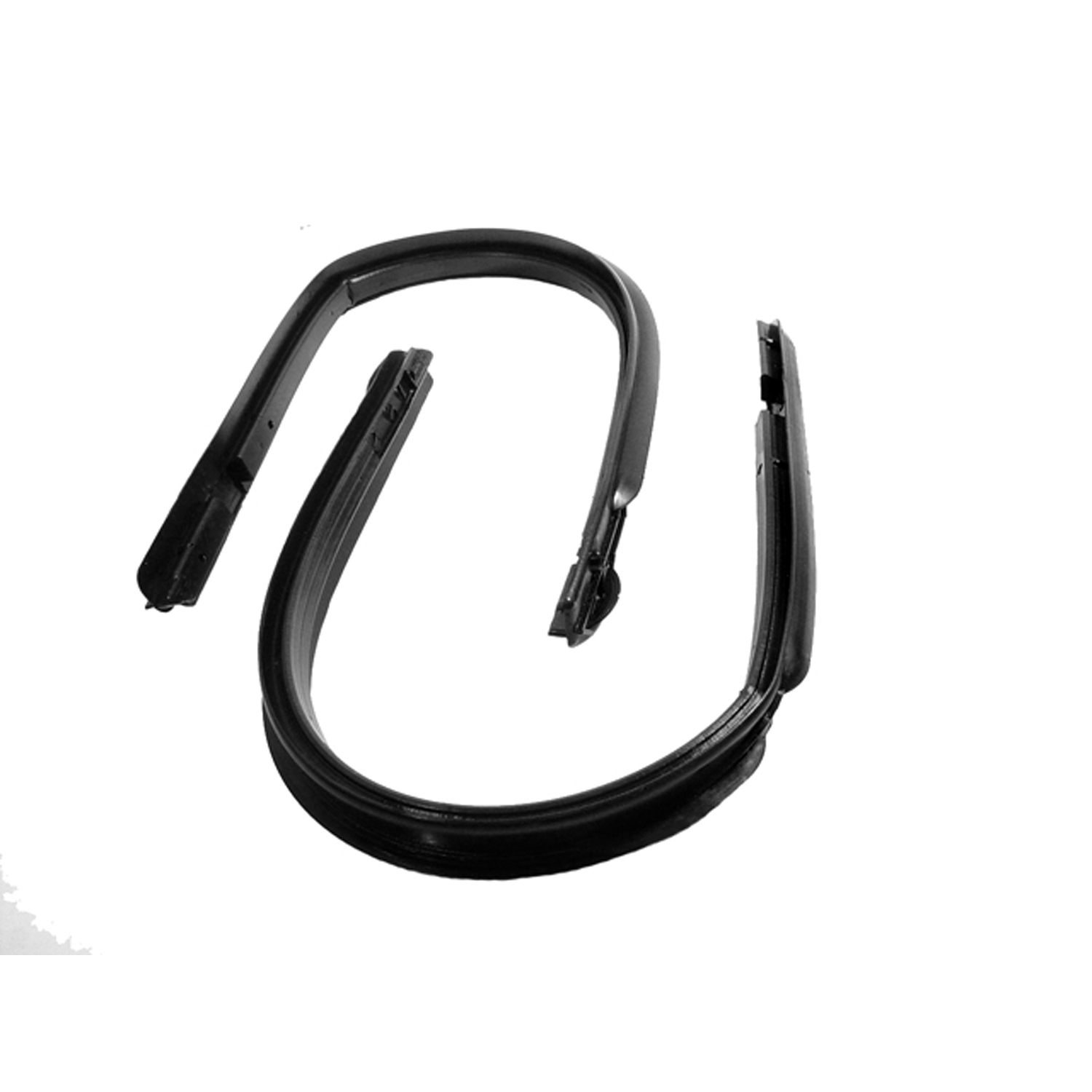 1941 Studebaker Commander Front Vent Window Seals. 28-7/8" long each. Pair R&L-WR 9401Front Vent Window Seals. 28-7/8" long each. Pair R&L
Why Choose Metro?
For over 100 years, Metro Moulded Parts has been the pinnacle of quality in classic car restoration parts. Our commitment to precision and authenticity in every component ensures a perfect fit and an OEM-level appearance.
- Expert Craftsmanship & Quality: Each part is a testament to our dedication to reliability and perfection, crafted from original designs and thoroughly tested.
- Advanced Technology: We use cutting-edge techniques to create flawless, long-lasting parts that surpass others in performance.
- SuperSoft Sponge – The Ultimate Door Seal: Not only are our door seals 30% softer than competitors', but they're also guaranteed to never leak. They effectively reduce wind and road noise, enhancing your classic car's comfort and driving experience.
- Proudly American: Our parts are a product of American craftsmanship, made in the USA with a spirit of excellence and heritage.
- Unrivaled Warranty: We back our products with a 30-year industry-leading warranty, a testament to our confidence in their quality.
Join us in preserving the legacy of classic cars with parts that are crafted for perfection, not just made.