

Image of 1941 Studebaker M16, Note: These illustrations use artistic license and may differ from actual historical models.
Performance Metrics
Fundamental Metrics
Emotional Appeal
MMP Rating
| Engine Specifications | |
|---|---|
| Engine: | Inline 6 |
| Displacement: | 226 cubic inches |
| Horsepower: | Estimated 94 hp |
| Torque: | 170 lb-ft |
| Compression Ratio: | Estimated 6.5:1 |
| Ignition System: | Distributor and coil |
| Cooling System: | Liquid-cooled |
| Performance Specifications | |
| 0-60 Time: | Not available due to the vehicle's age and intended use as a commercial truck |
| 1/4 Mile Time: | Not available due to the vehicle's age and intended use as a commercial truck |
| Top Speed: | 50-55 mph |
| Transmission and Drive | |
| Drive Type: | Rear-wheel drive |
| Transmission Type: | 4-speed manual |
| Fuel and Efficiency | |
| Fuel System Type: | Carburetor |
| MPG: | Estimated 10-15 mpg (due to the vehicle's age and engine technology) |
| Dimensions and Brakes | |
| Brakes: | Hydraulic drum brakes |
| Wheelbase: | 128 inches |
| Weight: | 3,400 lbs |
Note: Specifications for classic cars are given to the best of our ability, considering the limited and variant data available.
1941 Studebaker M16: A Heavy-Duty Truck on the Brink of War
The 1941 Studebaker M16 was built for work, not for the boulevard, yet its rounded fenders and purposeful stance give it the presence of a truck that knows exactly what it is there to do. Made by the Studebaker Corporation of South Bend, Indiana, the M16 belonged to Studebaker’s new M-series, a family of conventional-cab trucks introduced in 1941. It sat in the heavy-duty part of the range, with a nominal 1½-ton capacity and the sturdier running gear needed for commercial jobs.
Its timing is part of its story. The M16 arrived just before the United States entered World War II, when civilian vehicle production was soon reshaped by wartime demands. The model is a useful snapshot of American trucking on the edge of that change: a practical civilian workhorse from a company that would become an important wartime supplier. One detail worth clearing up is that the M16 was a Studebaker commercial truck, not the military Studebaker US6, though both belong to the broader history of Studebaker’s truck engineering.
1941 M16 Styling and Cab
The M16 has the classic proportions of a prewar conventional truck. Its long, rounded hood leads to an upright grille, with separate, bulbous front fenders framing the headlights. A substantial bumper and tall cab give the front end a sturdy, almost architectural look. The design is more streamlined than many earlier square-nosed commercial trucks, but it remains unapologetically practical, with ample room around the engine and straightforward access for service.
Inside, the cab is businesslike rather than luxurious. The broad bench seat, painted metal surfaces, large steering wheel and clearly arranged controls were chosen for durability and ease of use. Depending on the truck’s original specification and later restoration, upholstery could be plain cloth or a tougher coated material. The fit and finish were appropriate to a working vehicle: sturdy and serviceable, not richly trimmed like a passenger car. A surviving truck’s interior may also reflect decades of replacement parts and repairs rather than its exact factory appearance.
Color choices were tied to commercial orders and fleet needs, so there was no single famous M16 color that defines the model. Buyers and businesses commonly favored practical finishes such as black, dark green, gray, red or blue, while some trucks were repainted in company colors. The M16 was fundamentally a chassis and cab platform rather than one fixed body style. Buyers could specify a flatbed, stake body, dump body or other commercial fit-out, with the exact choices depending on the dealer, body builder and intended job. A stake or flatbed truck is among the most recognizable forms today because it shows off the M16’s work-truck proportions.
Engineering for the Job
At the heart of the M16 was a 226-cubic-inch (3.7-liter) Studebaker Commander straight-six, commonly listed at about 94 horsepower in period specifications. That output was modest by modern standards, but the engine’s priority was steady pulling power rather than high-revving speed. The M16 paired it with a heavy-duty manual transmission and a rear-drive chassis designed to carry a substantial load. Exact equipment could vary by configuration, so surviving trucks should be checked against their serial numbers and original build information where available.
Its chassis followed established commercial-truck practice: a ladder frame, solid axles, leaf springs and drum brakes. Those components were not cutting-edge novelties, but they were familiar, robust solutions that could be maintained by a working garage. The M16’s appeal is less about a single breakthrough feature than about how Studebaker combined a usable cab, a strong six-cylinder engine and a chassis adaptable to many kinds of work.
Place in Studebaker Truck History
The M16 helped broaden Studebaker’s truck range beyond light-duty delivery and farm vehicles. Its 1½-ton rating put it in the class used for local hauling, construction support, municipal work and business deliveries. That versatility mattered in a period when many operators wanted one truck that could be fitted to a particular trade rather than a specialized vehicle for every task.
The M-series also carried a look that remained recognizable after the war. Studebaker continued the line into the postwar years, updating it as the market and styling changed. The M16 did not transform truck design in the way that a landmark cab-over or diesel model might, but it represents an important stage in the development of medium-duty American trucks: increasingly comfortable and refined, while still built around simple, repairable mechanicals.
Performance and Road Manners
Period factory figures for a fully loaded M16’s acceleration and top speed are not consistently documented, and performance varied considerably with axle ratio, body, tire size and cargo. As a practical estimate, an unloaded example might manage roughly 45 to 55 mph on a suitable road. A 0-to-60-mph time is not a meaningful factory benchmark for this truck. With around 94 horsepower and low commercial gearing, a fully laden M16 would be slow to reach highway speed and might not reach 60 mph at all under ordinary conditions.
Behind the wheel, the M16 feels like a working truck from another era. The straight-six produces a steady, mechanical growl, while the manual gearbox and large steering wheel ask for deliberate input. Leaf springs and a heavy chassis can feel firm when the truck is empty, especially over sharp bumps. Add a load and the ride settles, but the truck still needs room to stop and turn. On winding roads, its size, solid axles and truck tires reward measured speeds rather than quick direction changes. The driving experience is best described as engaging and purposeful, not quick or effortless.
Living with an M16
In its own time, the M16 was a tool for farmers, contractors, merchants, utilities and local government departments. Today, most examples are used as show vehicles, parade trucks, occasional hobby haulers or rolling advertising for a business. A well-restored truck can draw attention at a meet without needing elaborate customization; its original commercial character is a large part of its appeal.
Routine mechanical work is generally approachable for an experienced classic-truck owner. The engine and chassis use conventional components, and many repairs do not require modern diagnostic equipment. The bigger challenge is often sourcing model-specific parts, especially trim, cab pieces and components tied to a particular body or chassis configuration. Before buying, inspect the frame for corrosion or old repairs, check the cab and fenders carefully, and confirm the condition of the brakes, steering, cooling system and driveline. A truck that has been stored outdoors or worked hard may need substantial attention even if it starts and runs.
Facts, Myths and Common Complaints
The M16’s model number points to its place in Studebaker’s truck lineup, with the M16 associated with the 1½-ton class. Its many possible body configurations are another notable feature: two trucks wearing M16 badges can look quite different because one might have been a stake truck and another a dump or platform model. That variety is part of what makes the model interesting to collectors, but it can also make it harder to identify the precise original specification of a modified example.
There is no widely recognized M16 speed record or celebrity ownership story that defines the model. Its historical interest is quieter: it was part of the American commercial fleet at the opening of a decade shaped by war and rapid industrial change. Common criticisms are familiar to anyone who drives a prewar medium-duty truck: limited speed, heavy steering by modern standards, modest braking performance and a firm ride when unladen. Those traits are not hidden flaws so much as reminders that the M16 was designed for work at the pace and standards of its era.
1941 Studebaker M16 Values and Rarity
The M16 is uncommon today, particularly in original, complete condition. Exact production totals for the 1941 model and for the M16 designation are not readily available in commonly published records. A reasonable collector estimate is that M16 production across the early M-series years was in the low thousands, perhaps around 2,000 to 5,000 trucks, but that should be treated as an informed estimate rather than a verified factory total. The number of surviving examples is smaller still, and unusual original bodies can be especially difficult to find.
As a broad U.S. market guide for 2026, a project truck may fall around $5,000 to $15,000, depending on completeness, rust and whether its major components are present. A running, usable example could bring roughly $15,000 to $30,000, while a carefully restored truck with a desirable or well-executed body may reach approximately $30,000 to $50,000 or more. These are general ranges, not appraisals: condition, originality, documentation and the quality of the body restoration can change the price substantially.
Values for prewar commercial trucks tend to be more selective than those for popular classic pickups. A strong restoration may attract serious interest, but projects can remain expensive to complete because of parts scarcity and specialist labor. The M16’s rarity supports its appeal, though market demand depends heavily on the truck’s condition and presentation. A straight, complete example is usually a safer collector prospect than a highly altered truck with uncertain history.
Why the M16 Still Matters
The 1941 Studebaker M16 combines a distinctive prewar shape with practical engineering and a direct link to a pivotal period in American manufacturing. Its 226-cubic-inch six, adaptable commercial chassis and no-nonsense cab made it a credible working vehicle, while its limited survival gives it a special place among vintage medium-duty trucks.
It is not a truck built to win a drag race or make a long highway journey feel effortless. Its appeal is more tangible: the sound of a hardworking straight-six, the heft of its controls and the sturdy silhouette of a machine designed to earn its keep. For collectors who value character as much as speed, the M16 remains a memorable piece of Studebaker and American trucking history.
1941 Studebaker M16 Catalog of Parts
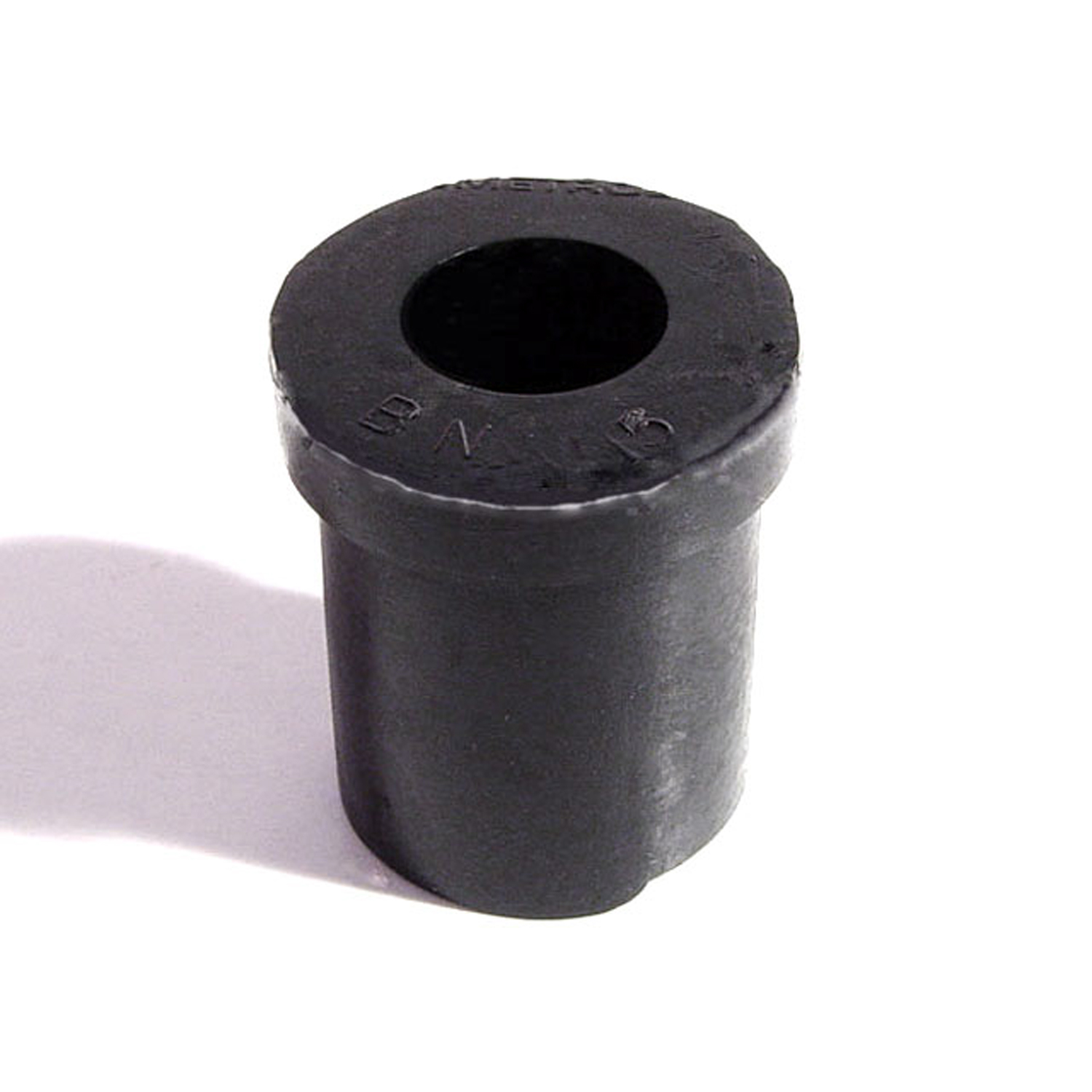 1941 Studebaker M16 Spring and Shackle Bushing. 7/8" bottom O.D-BN 15Spring and Shackle Bushing. 7/8" bottom O.D. X 1-1/8" high, with 1/2" I.D. Each
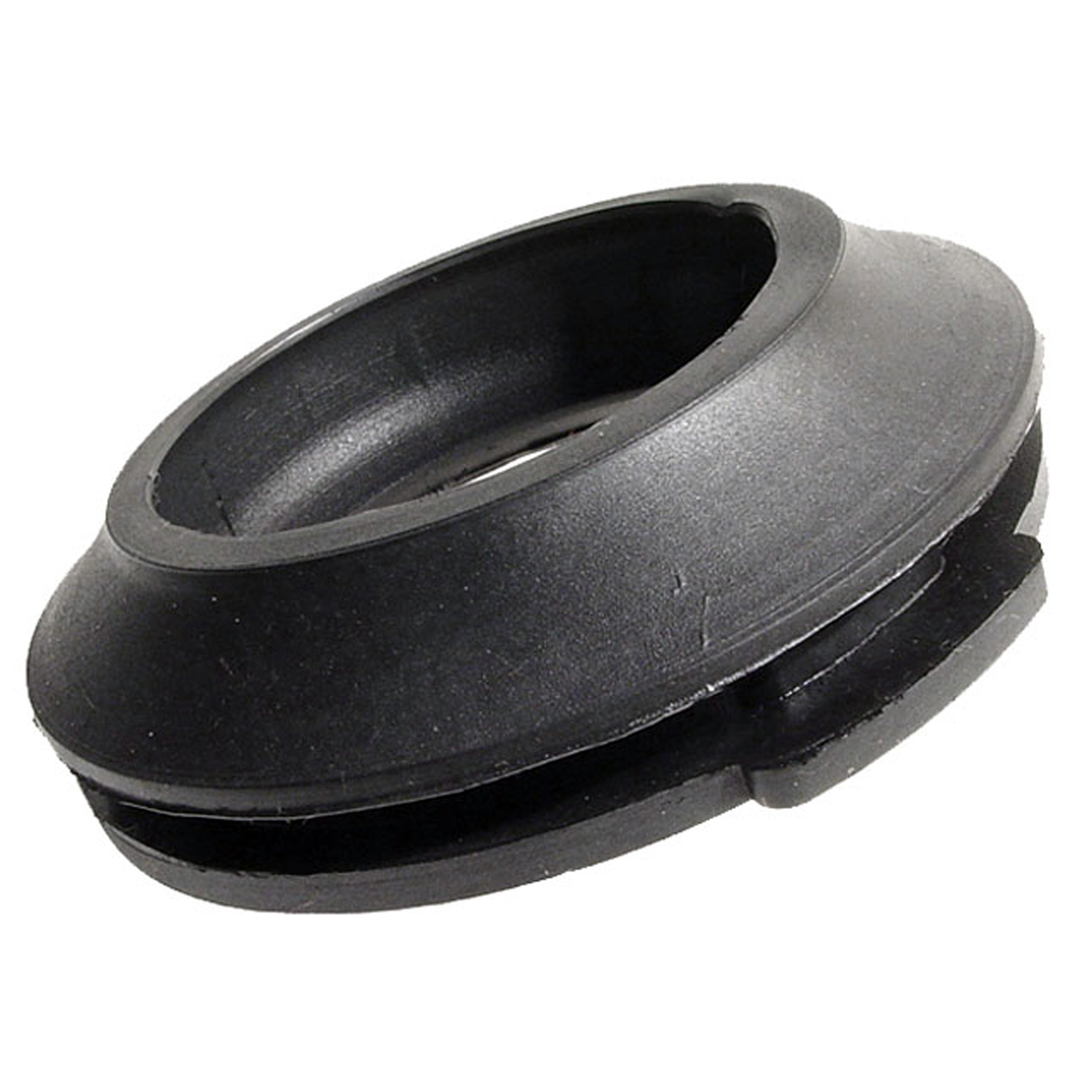 1941 Studebaker M16 Gas Filler Grommet. Perfect reproduction. Top 2-1/16" I.D-GF 45Gas Filler Grommet. Perfect reproduction. Top 2-1/16" I.D., 3-7/16" O.D. Each
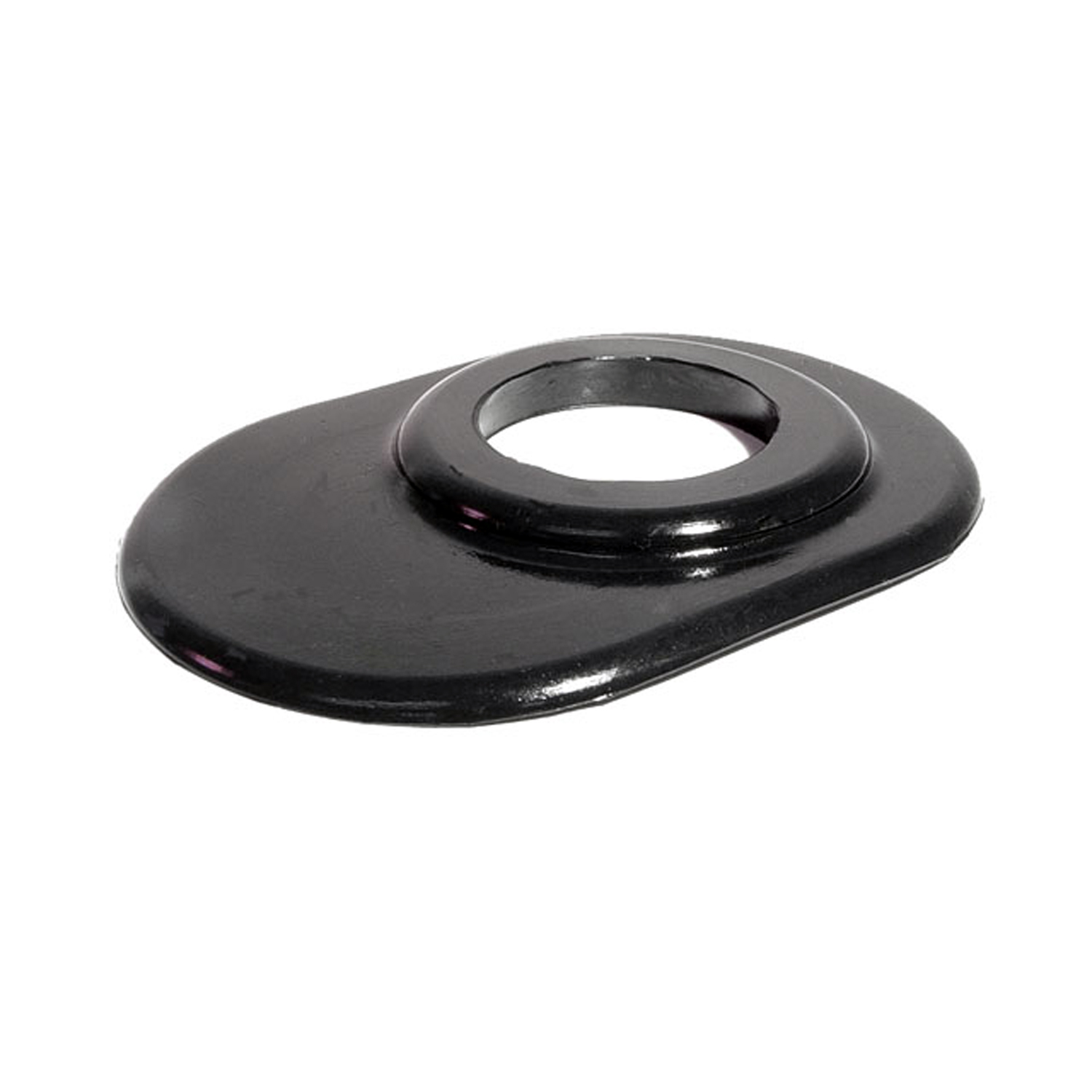 1941 Studebaker M16 Steering Column Grommet. For 4-speed models. Each-SC 24Steering Column Grommet. For 4-speed models. Each
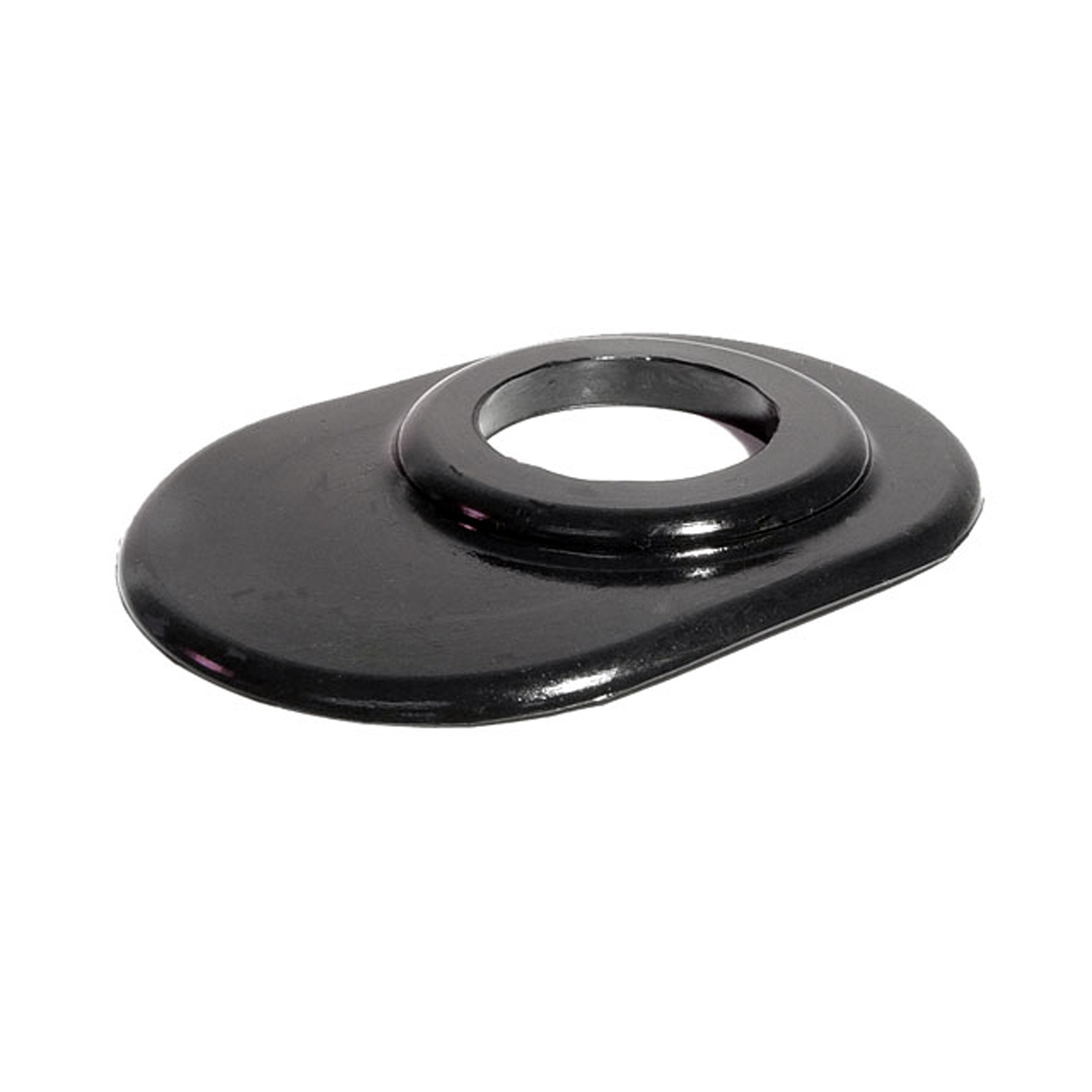 1941 Studebaker M16 Steering Column Grommet. For 3-speed models. Each-SC 24-ASteering Column Grommet. For 3-speed models. Each
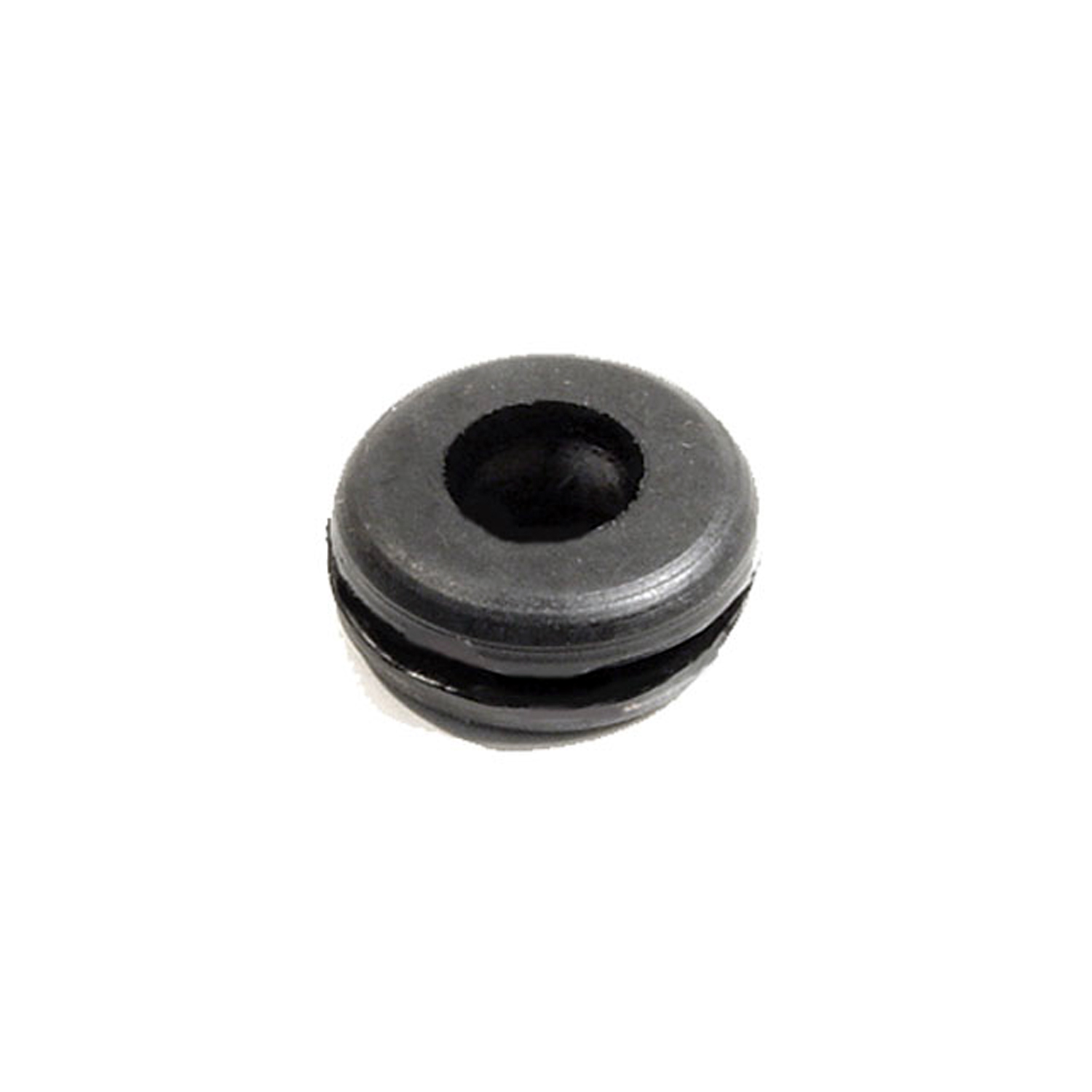 1941 Studebaker M16 Headlight & Tail-Light Wire Grommet. 3/8" I.D., 7/8" O.D-SM 13-AHeadlight & Tail-Light Wire Grommet. 3/8" I.D., 7/8" O.D. Each
Why Choose Metro?
For over 100 years, Metro Moulded Parts has been the pinnacle of quality in classic car restoration parts. Our commitment to precision and authenticity in every component ensures a perfect fit and an OEM-level appearance.
- Expert Craftsmanship & Quality: Each part is a testament to our dedication to reliability and perfection, crafted from original designs and thoroughly tested.
- Advanced Technology: We use cutting-edge techniques to create flawless, long-lasting parts that surpass others in performance.
- SuperSoft Sponge – The Ultimate Door Seal: Not only are our door seals 30% softer than competitors', but they're also guaranteed to never leak. They effectively reduce wind and road noise, enhancing your classic car's comfort and driving experience.
- Proudly American: Our parts are a product of American craftsmanship, made in the USA with a spirit of excellence and heritage.
- Unrivaled Warranty: We back our products with a 30-year industry-leading warranty, a testament to our confidence in their quality.
Join us in preserving the legacy of classic cars with parts that are crafted for perfection, not just made.