

Image of 1941 Studebaker M17, Note: These illustrations use artistic license and may differ from actual historical models.
Performance Metrics
Fundamental Metrics
Emotional Appeal
MMP Rating
| Engine Specifications | |
|---|---|
| Engine Options: | Inline 6-cylinder engine |
| Displacement Range: | 226 cubic inches |
| Horsepower Range: | Estimated 94 horsepower |
| Torque: | Not available |
| Compression Ratio: | Not available |
| Ignition System: | Distributor and coil |
| Cooling System: | Liquid-cooled |
| Performance Specifications | |
| 0-60 Time: | Not available |
| 1/4 Mile Time: | Not available |
| Top Speed: | Estimated 70 mph |
| Transmission and Drive | |
| Drive Type: | Rear-wheel drive |
| Transmission Type: | 4-speed manual |
| Fuel and Efficiency | |
| Fuel System Type: | Carburetor |
| MPG: | Not available |
| Dimensions and Brakes | |
| Brakes: | Hydraulic drum brakes |
| Wheelbase: | 128 inches |
| Weight: | Estimated 3,400 lbs |
Note: Specifications for classic cars are given to the best of our ability, considering the limited and variant data available.
1941 Studebaker M17: A Wartime Workhorse with a Story to Tell
The 1941 Studebaker M17 was built for the hard, unglamorous work that keeps an army moving: hauling supplies, equipment, and people over roads that were often little more than ruts. It came from Studebaker, the long-established South Bend, Indiana, manufacturer whose experience making cars and commercial vehicles made it a significant wartime supplier.
The M17 belongs to a less familiar corner of Studebaker history than the company’s better-known US6 trucks, which were supplied in large numbers to Allied forces. That makes the M17 an intriguing find today. Exact specifications and production figures can be difficult to establish, and surviving examples may have been rebuilt or modified during service. The individual truck’s data plate and records are therefore more reliable than a model name alone.
Military Truck Design and Cabin Details
The M17’s appearance is all function. Its upright front end, broad fenders, exposed running boards, and high-clearance stance give it the purposeful look of a truck designed to work away from paved roads. A squared-off cab sits above a substantial ladder frame, while the open rear chassis could be fitted with a cargo body or equipment suited to its assigned job. Compared with a passenger car of the same era, it looks less styled than engineered, which is precisely the appeal.
Inside, the cab is a practical workspace rather than a comfort feature. Expect a simple metal dashboard, large, legible instruments, basic controls, and durable seat coverings that could withstand rough use. Materials were chosen for serviceability and longevity, not luxury. The high seating position gives the driver a commanding view, while the large steering wheel and straightforward layout make the truck feel like a piece of working equipment.
Mechanical details depend on the truck’s exact specification and subsequent service history. M17 descriptions commonly associate the type with a six-cylinder gasoline engine, a manual transmission, and four-wheel drive. A 226-cubic-inch inline-six is often cited, but restored trucks can have replacement engines or other changes, so it is wise to confirm the engine number and drivetrain on a specific example. Four-wheel drive and low gearing were the meaningful technologies here: they helped the truck make progress on soft ground and steep, uneven routes when a road-going commercial truck might bog down.
For military service, olive drab is the signature finish and the most recognizable choice today. Restored examples may also wear unit markings, stenciling, or other period-style details. The M17 was a chassis intended for practical work, so the rear body could vary by role. Cargo and stake-style bodies are natural fits, while specialist bodies could be adapted to the chassis. The most iconic presentation is the olive-drab truck with an open cargo bed, but the precise factory or service configuration should be checked against the vehicle’s documentation.
Why the M17 Matters
The M17’s significance lies less in introducing a headline-grabbing automotive invention than in demonstrating how manufacturers adapted their production skills to wartime needs. Studebaker brought experience in engines, chassis, and large-scale vehicle construction to a period when reliable transport was essential. Trucks like the M17 helped move supplies and equipment across difficult terrain, supporting the logistics behind military operations.
Its four-wheel-drive layout, high ground clearance, and work-focused construction set it apart from ordinary civilian trucks. The design prioritized traction, durability, and repairability over speed or refinement. That formula became a familiar standard for military and off-road vehicles: a robust frame, simple mechanical systems, and components that could be serviced in demanding conditions. The M17 is not as widely celebrated as the Studebaker US6, but it represents the same broader lesson of wartime truck design: dependable transport could be as important as the equipment it carried.
Speed, Power, and Road Manners
The M17 was built to carry a load, not to win a drag race. Published figures are not consistent across surviving trucks, and condition, gearing, tires, engine swaps, and payload all affect performance. As a broad estimate for a truck in sound running order, a maximum road speed in the neighborhood of 40 to 50 mph is more realistic than modern highway speeds. A 0-to-60-mph time is not especially meaningful because many examples may struggle to reach 60 mph at all; if a particular truck can get there, acceleration would be slow, likely taking well over 30 seconds when lightly loaded.
On rough ground, the M17’s high-clearance chassis and four-wheel drive are its strengths. Its solid, work-oriented suspension and heavy tires can deal with bumps that would trouble a passenger car, but the ride is firm and busy, especially when the truck is empty. On winding roads, expect deliberate steering, a wide turning circle, and modest cornering ability. The truck rewards a measured pace rather than sharp inputs.
From the driver’s seat, the experience is wonderfully mechanical. The engine’s steady six-cylinder rumble, manual gear changes, tire noise, and the movement of the chassis are all part of the conversation between driver and machine. Steering and braking require more effort and anticipation than in a modern vehicle. It feels substantial and purposeful, but it also asks the driver to plan ahead, particularly in traffic or on a steep descent.
Owning and Maintaining an M17
Most M17s today are collector vehicles, parade trucks, or occasional-use hobby machines rather than daily transportation. Some are kept in working condition for historic vehicle events, while others are displayed as military memorabilia. Their size, low cruising speed, and appetite for space make them better suited to local drives and shows than regular commuting.
Basic mechanical work can be approachable for an owner comfortable with older trucks. The systems are generally more straightforward than those in a modern vehicle, and many repairs involve familiar tasks such as servicing the ignition, fuel system, brakes, and manual drivetrain. The challenge is often finding correct parts and confirming what is original. Decades of rebuilding can leave a truck with a mix of components, and scarce or model-specific parts may require specialist knowledge or patient searching.
Before buying, inspect the frame for corrosion or poor repairs, check the condition of the transfer case and axles, and look closely at the brakes and steering. Confirm that the engine and transmission match the seller’s description, and budget for transport: a heavy, slow truck may need a trailer or a careful route home. A vehicle that starts and moves is not necessarily roadworthy, especially if it has spent years stored outdoors.
M17 Trivia and Common Misconceptions
One of the M17’s most interesting traits is also a source of confusion: it is often discussed alongside other Studebaker military trucks, especially the much more famous US6. The names are easy to mix up, but they do not automatically mean the same model or production story. Buyers should verify the identification plate, chassis details, and historical paperwork rather than relying on a generic listing title.
There is no widely recognized speed or endurance record associated with the M17. Its achievement was practical rather than glamorous: doing useful work in difficult conditions. Nor is there a well-established roster of celebrity-owned examples. Its historical appeal comes from its connection to wartime transport and Studebaker’s manufacturing contribution, not from a famous owner or a racing career.
Common criticisms are easy to understand from a modern perspective. The truck is slow, loud, thirsty by contemporary standards, and tiring to drive over long distances. Parts availability can also be uneven. Those drawbacks are part of the trade-off for a machine designed around rugged utility, and they are best appreciated before treating an M17 as a convenient vintage daily driver.
1941 Studebaker M17 Values and Rarity
There is no dependable, widely published production total for the M17 that can be applied confidently to every surviving configuration. As a cautious estimate, its production was likely in the low thousands rather than comparable to the enormous totals associated with some wartime truck families. Surviving examples are uncommon on the general classic-truck market, and correct, documented trucks are harder to find than vehicles that have been substantially rebuilt or altered.
Values vary considerably with completeness, originality, mechanical condition, and the quality of restoration. As a broad current-market estimate, a project or non-running example might sell for roughly $5,000 to $15,000. A running, usable truck could fall around $15,000 to $30,000, while a high-quality restoration with credible documentation may reach approximately $30,000 to $45,000 or more. These are guide ranges, not a formal appraisal, and unusual configurations or exceptional provenance can change the picture.
Interest in military vehicles and distinctive prewar trucks supports long-term collector appeal, but the M17 is a niche market. Prices are likely to be strongest for well-documented, complete examples and more variable for rough projects. Rather than assuming rapid appreciation, buyers should focus on condition, authenticity, and the cost of parts and restoration.
A Studebaker Built for the Hard Miles
The 1941 Studebaker M17 is a rugged, practical truck whose appeal comes from its working character and place in wartime manufacturing history. Its simple cab, purposeful chassis, four-wheel-drive capability, and slow-but-steady road manners tell a story very different from that of a polished classic car. For collectors who value useful engineering and uncommon military vehicles, the M17 is a memorable reminder that history often travelled on four wheels and a sturdy frame.
1941 Studebaker M17 Catalog of Parts
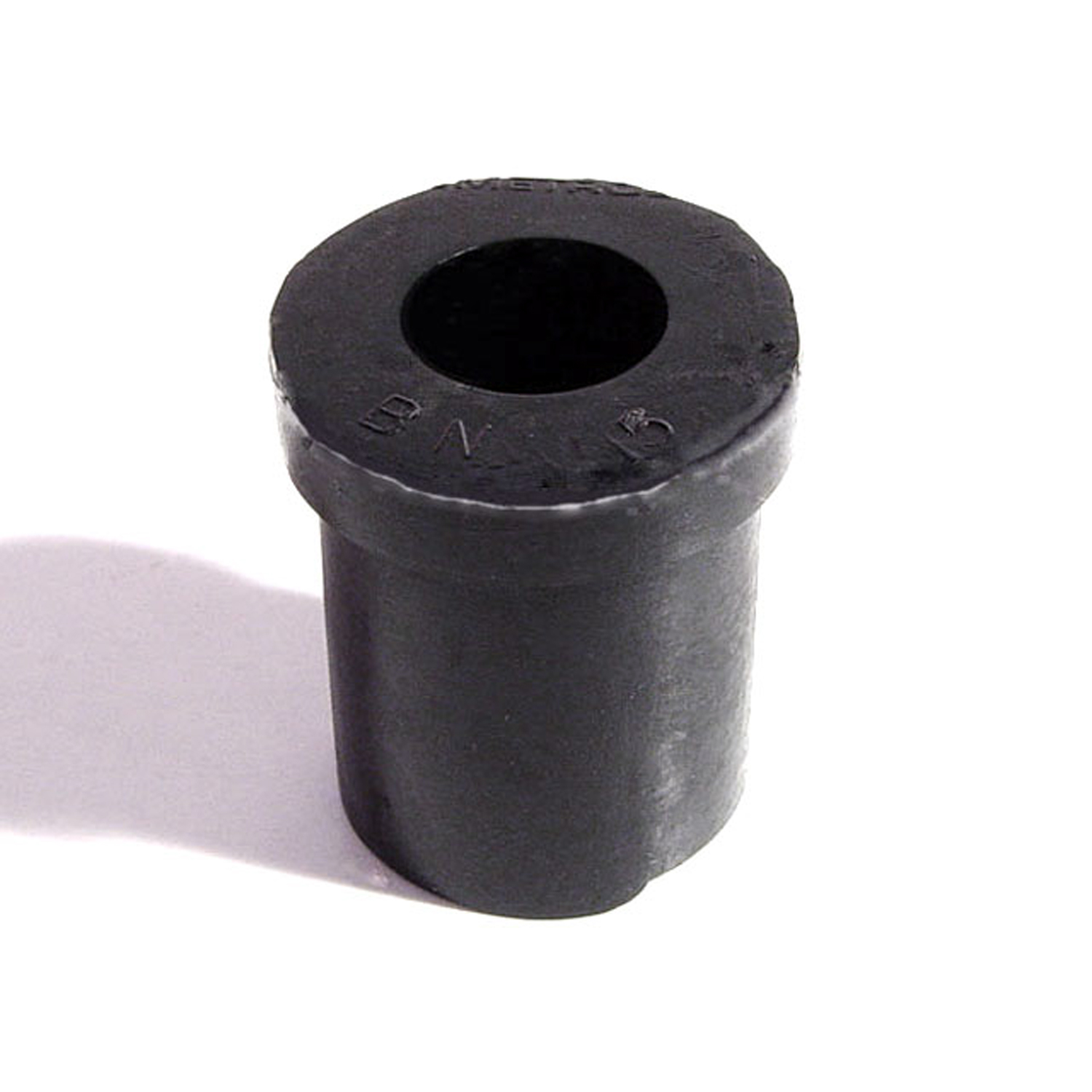 1941 Studebaker M17 Spring and Shackle Bushing. 7/8" bottom O.D-BN 15Spring and Shackle Bushing. 7/8" bottom O.D. X 1-1/8" high, with 1/2" I.D. Each
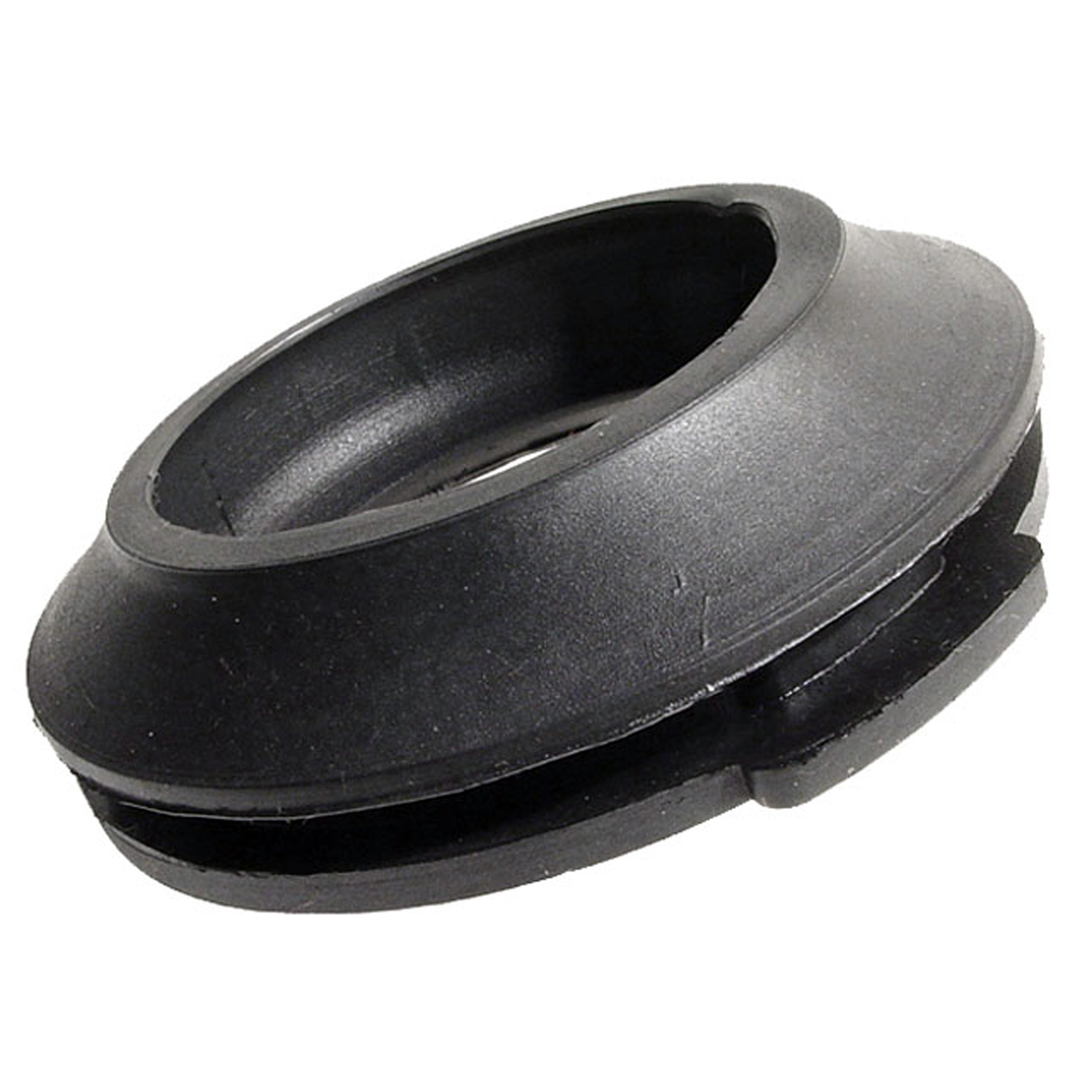 1941 Studebaker M17 Gas Filler Grommet. Perfect reproduction. Top 2-1/16" I.D-GF 45Gas Filler Grommet. Perfect reproduction. Top 2-1/16" I.D., 3-7/16" O.D. Each
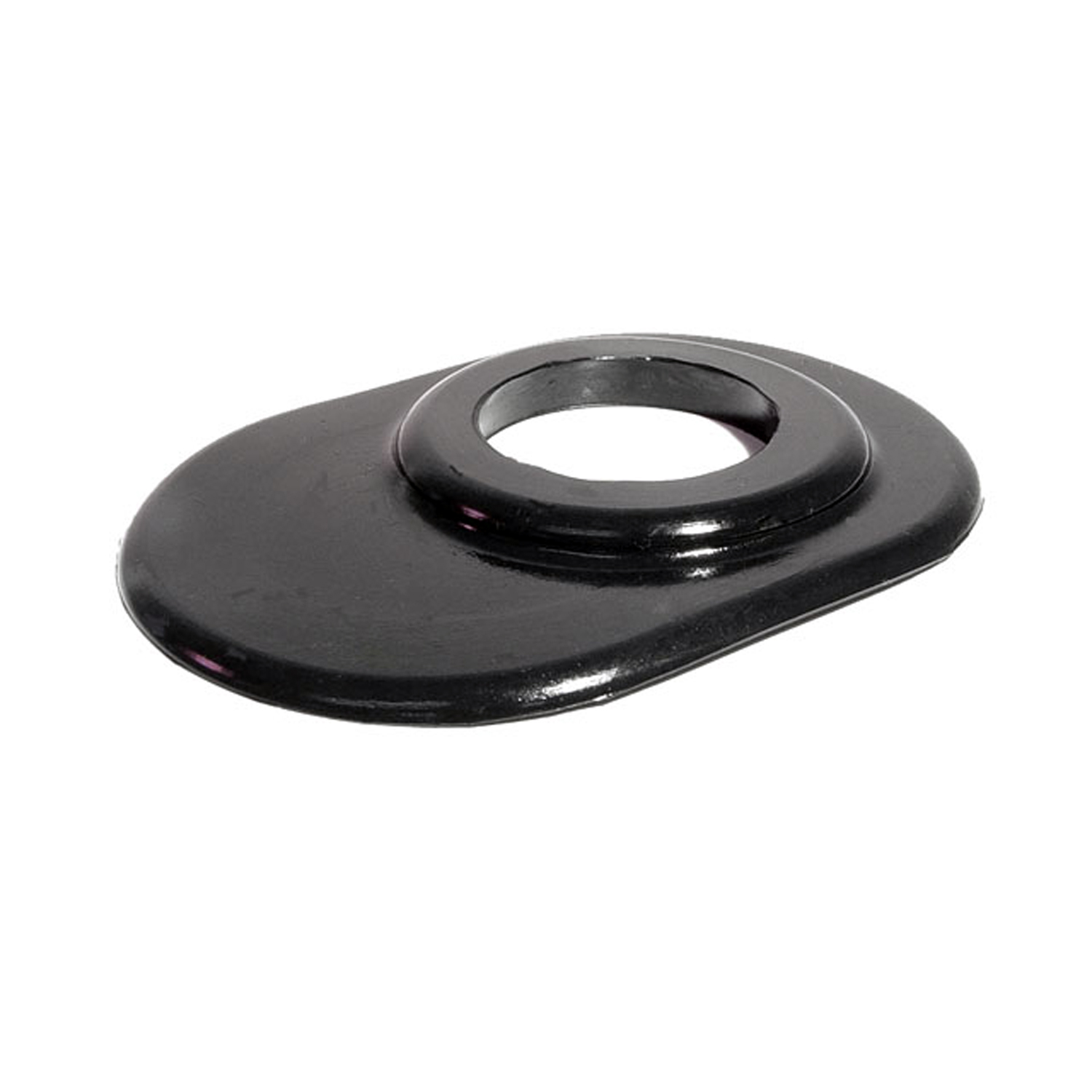 1941 Studebaker M17 Steering Column Grommet. For 4-speed models. Each-SC 24Steering Column Grommet. For 4-speed models. Each
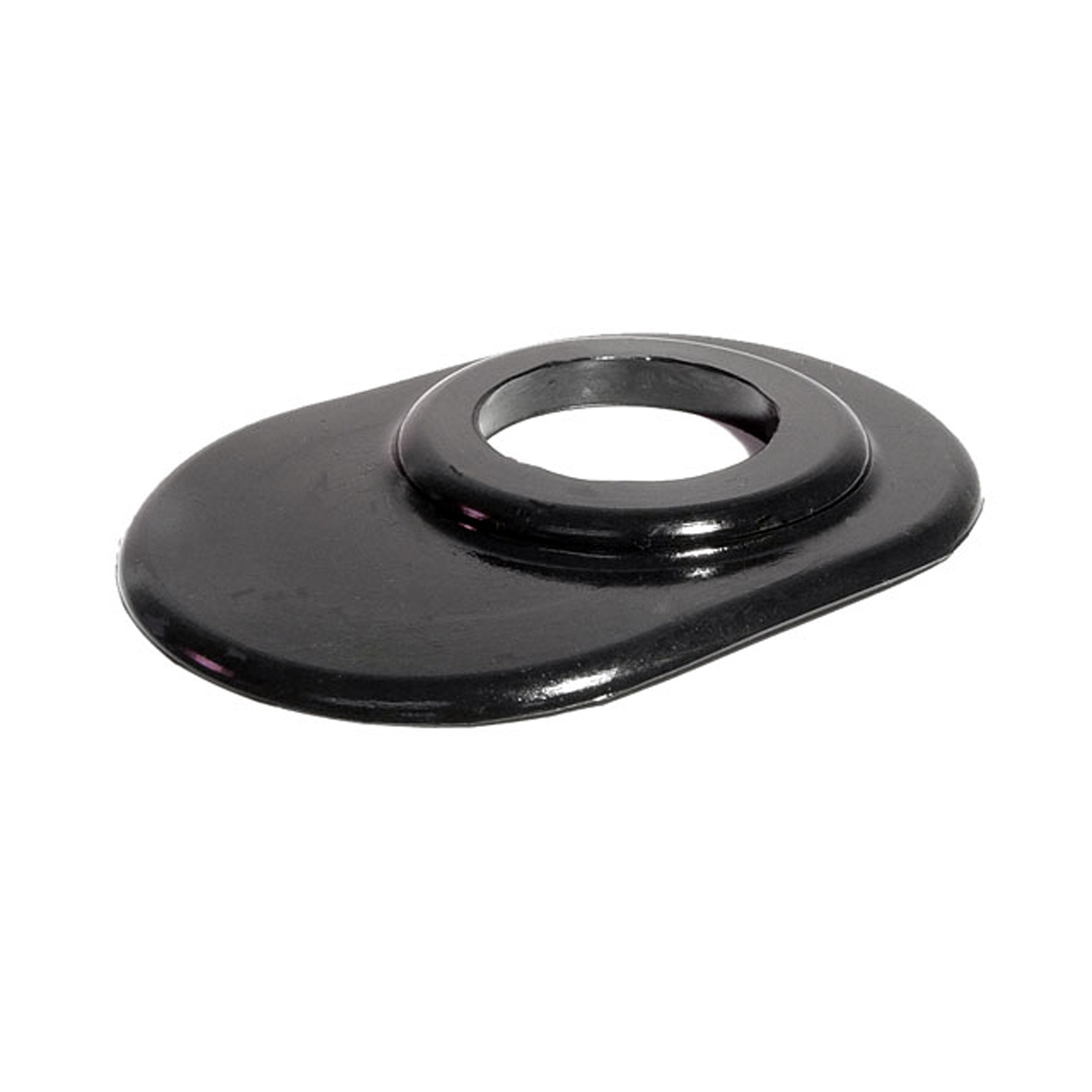 1941 Studebaker M17 Steering Column Grommet. For 3-speed models. Each-SC 24-ASteering Column Grommet. For 3-speed models. Each
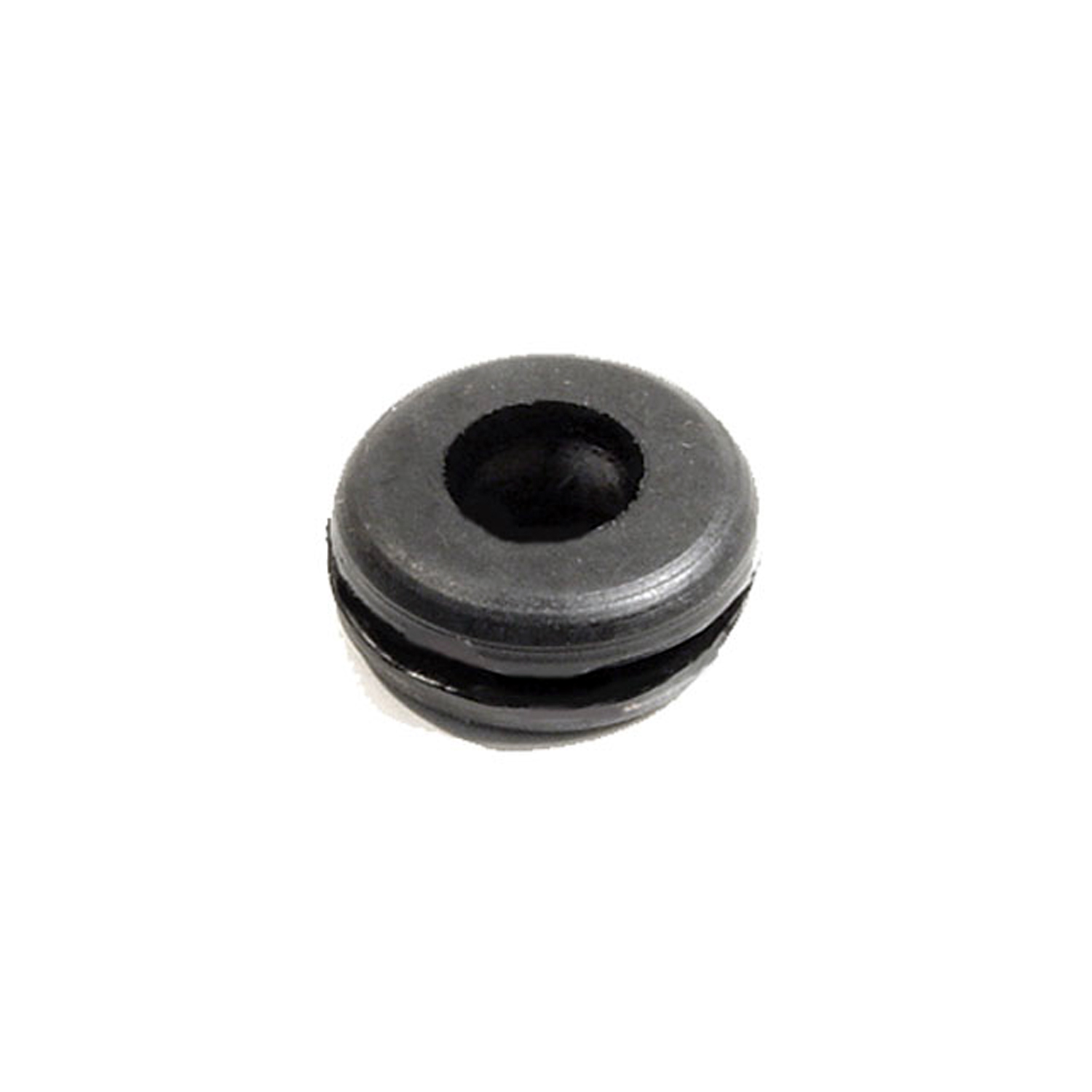 1941 Studebaker M17 Headlight & Tail-Light Wire Grommet. 3/8" I.D., 7/8" O.D-SM 13-AHeadlight & Tail-Light Wire Grommet. 3/8" I.D., 7/8" O.D. Each
Why Choose Metro?
For over 100 years, Metro Moulded Parts has been the pinnacle of quality in classic car restoration parts. Our commitment to precision and authenticity in every component ensures a perfect fit and an OEM-level appearance.
- Expert Craftsmanship & Quality: Each part is a testament to our dedication to reliability and perfection, crafted from original designs and thoroughly tested.
- Advanced Technology: We use cutting-edge techniques to create flawless, long-lasting parts that surpass others in performance.
- SuperSoft Sponge – The Ultimate Door Seal: Not only are our door seals 30% softer than competitors', but they're also guaranteed to never leak. They effectively reduce wind and road noise, enhancing your classic car's comfort and driving experience.
- Proudly American: Our parts are a product of American craftsmanship, made in the USA with a spirit of excellence and heritage.
- Unrivaled Warranty: We back our products with a 30-year industry-leading warranty, a testament to our confidence in their quality.
Join us in preserving the legacy of classic cars with parts that are crafted for perfection, not just made.