

Image of 1941 Studebaker President, Note: These illustrations use artistic license and may differ from actual historical models.
Performance Metrics
Fundamental Metrics
Emotional Appeal
MMP Rating
| Engine Specifications | |
|---|---|
| Engine Options: | Straight-8 |
| Displacement Range: | 250 cu in (4.1 L) |
| Horsepower Range: | Estimated 110-120 hp |
| Torque: | Not available |
| Compression Ratio: | Not available |
| Ignition System: | Points and condenser |
| Cooling System: | Liquid-cooled |
| Performance Specifications | |
| 0-60 Time: | Not available |
| 1/4 Mile Time: | Not available |
| Top Speed: | Estimated 85-90 mph |
| Transmission and Drive | |
| Drive Type: | Rear-wheel drive |
| Transmission Type: | 3-speed manual |
| Fuel and Efficiency | |
| Fuel System Type: | Carburetor |
| MPG: | Not available |
| Dimensions and Brakes | |
| Brakes: | Drum brakes |
| Wheelbase: | 119 in (3,023 mm) |
| Weight: | Estimated 3,200-3,400 lbs |
Note: Specifications for classic cars are given to the best of our ability, considering the limited and variant data available.
1941 Studebaker President: The Prewar Flagship
The 1941 Studebaker President paired a smooth straight-eight engine with striking, modern styling just as the American auto industry was about to change course for the Second World War. Built by the Studebaker Corporation of South Bend, Indiana, it sat at the top of the company’s passenger-car range, offering more power, room and luxury than the Champion and Commander.
The President name had a long history at Studebaker, dating back to the company’s earlier luxury cars. By 1941, the name represented a refined but comparatively distinctive alternative to top models from the Big Three. Its timing gives it added historical interest: civilian automobile production was curtailed in 1942 as manufacturers shifted to wartime work. The 1941 President is therefore one of the final expressions of Studebaker’s prewar design and engineering.
One particularly useful Studebaker innovation was the Hill Holder. Available on some models and remembered as a Studebaker hallmark, the device helped keep a car from rolling backward on a slope while the driver moved from the brake to the clutch and accelerator. It addressed a familiar challenge of driving a manual-transmission car in hilly terrain.
Streamlined Styling and Cabin Comfort
The President wore the clean, integrated look that Studebaker had been developing with the influence of designer Raymond Loewy’s organization. Its long hood, rounded fenders and smooth body sides gave it a more streamlined appearance than many upright prewar cars. The front end was bold without relying on a tall, ornate grille, while the fenders flowed into the body rather than appearing like separate pieces attached to it. It was unmistakably a 1940s car, but it already suggested the movement toward more unified, aerodynamic styling.
Inside, the President aimed for quiet comfort rather than bare-bones utility. Depending on body style and trim, buyers could find broadcloth or other patterned upholstery, neatly finished door panels, a full instrument panel and generous seating. Higher-grade interiors used richer materials, and leather could be offered on some configurations. Compared with a modern car, the cabin was simple, but the quality of the trim and the spacious feel helped distinguish the flagship from less expensive cars.
Paint and upholstery combinations varied with the model and production options. Period palettes included sober dark shades as well as more colorful greens, blues and maroons. Black and other deep, formal colors suited the President’s luxury image, while lighter or brighter colors showed off its rounded bodywork. Original paint charts are the best guide for a restoration, since availability depended on the exact series and trim.
President body styles included sedans and coupes, with open and more luxurious configurations offered within the broader Studebaker range. The four-door sedan was the practical choice for families and business use. Coupe versions gave the car a sportier profile, while the convertible coupe is especially eye-catching today. The Land Cruiser name was associated with Studebaker’s upscale, roomier sedans, making those cars appealing to buyers who wanted flagship comfort and space.
Engineering That Set It Apart
At a time when many American cars emphasized size and familiar styling, Studebaker worked to make its products look contemporary and feel well engineered. The 1941 President’s integrated fenders and balanced proportions helped set it apart from more upright competitors. Its design was part of a broader Studebaker effort to create cars that looked modern without sacrificing the room and comfort buyers expected.
The Hill Holder was a practical example of that engineering mindset. It did not make the car faster, but it made a manual-transmission car easier to manage on a steep street. Studebaker also offered features such as overdrive on some models, which could reduce engine speed during highway cruising. These options helped the President feel like a thoughtfully equipped touring car rather than simply a large sedan with a powerful engine.
The 1941 model’s significance also comes from its place at the end of an era. Studebaker would contribute heavily to wartime production, including military vehicles, and return to civilian cars after the war with a new generation of designs. The President’s prewar styling and traditional chassis character make it a useful snapshot of American motoring just before that transition.
Straight-Eight Performance and Road Manners
The President was powered by a 250.4-cubic-inch inline eight-cylinder engine producing about 117 horsepower, paired with a manual transmission. Exact performance depended on body style, gearing, condition and equipment. As a period-appropriate estimate, a healthy car could reach roughly 85 to 90 mph, with a 0-to-60-mph time in the neighborhood of 17 to 20 seconds. Those figures are estimates rather than directly comparable modern test results, and a car that is nearly a century old may perform very differently from its original specifications.
The straight-eight’s appeal was its smooth, even delivery. Rather than delivering a sharp burst of power, it pulled steadily and suited relaxed touring. The engine’s subdued mechanical hum, the gear changes and the sound of tires on older pavement are all part of the experience. There is no modern automatic transmission or electronic assistance to smooth out the driver’s inputs, so the car rewards deliberate use of the clutch, throttle and steering wheel.
On ordinary roads, the President’s long, substantial chassis gives it a composed ride. It can absorb bumps more gracefully than a small car of the period, though worn shocks, tired springs and old tires can quickly undermine that comfort. On winding roads, its size and age are more apparent: steering requires more effort than in a modern vehicle, and drivers need to plan corners rather than dart through them. A well-maintained example feels steady and substantial, but it is best enjoyed at a measured pace.
Owning and Maintaining a 1941 President
Today, most Presidents are used for weekend drives, touring, local shows and historical displays rather than daily commuting. Their generous seating and period presence make them natural parade cars, while the convertible and Land Cruiser-style models tend to attract particular attention at shows.
Mechanical repairs are often approachable for an owner familiar with older American cars. The engine and driveline use conventional, largely mechanical systems, and many routine jobs can be handled with ordinary workshop tools and a factory service manual. The harder tasks are often finding the right parts, correcting decades of previous repairs and addressing age-related problems such as electrical faults, brake wear, cooling issues and deteriorated rubber components. Body and trim pieces can be more difficult to source than basic mechanical service items.
Reliability depends far more on the quality of restoration and maintenance than on the model’s reputation alone. Before buying, check the engine’s oil pressure and cooling system, inspect the brakes and steering, and look closely for rust in the floors, lower body panels and structural areas. A car that has been stored for years should not be assumed roadworthy simply because it starts and moves.
1941 Studebaker President Facts
The Hill Holder is one of the most memorable Studebaker features associated with the period. It was designed to make hill starts easier by helping prevent rollback while the driver engaged the clutch. It remains a conversation starter because it solved a real everyday problem without relying on electronics.
The President was not chiefly known for setting a land-speed or endurance record. Its claim to interest lies instead in its engineering, styling and historical timing. It represents Studebaker’s final prewar passenger-car era before wartime production reshaped the company and the industry.
Common criticisms are typical of large cars from the period: fuel economy is modest by modern standards, the brakes and steering require more attention than contemporary systems, and parts for trim or body restoration may take time to locate. Its size can also make it less convenient in tight modern traffic and parking lots. Those limitations are part of the ownership bargain, not hidden surprises.
Collector Value and Availability
Production figures for individual President body styles can be difficult to pin down, and totals vary by series and source. A reasonable broad estimate is that roughly 10,000 to 15,000 1941 Presidents were built, with some body styles considerably less common than others. Surviving, correctly restored examples are much scarcer than the original production number suggests.
As a general U.S. market estimate, a project car or rough driver might sell for about $8,000 to $18,000. A sound, presentable sedan could fall around $20,000 to $40,000, while a high-quality restoration may bring roughly $40,000 to $65,000 or more. Rare or especially desirable open models can command higher prices, sometimes approaching or exceeding $70,000 when condition, originality and documentation are exceptional. These are broad estimates, not guaranteed appraisals; local demand and the specific car matter greatly.
Values have tended to be steadier than those of the most famous prewar luxury marques. Well-restored cars remain attractive to Studebaker enthusiasts, but the buyer pool is more specialized than for a Ford or Chevrolet. The best examples can hold their appeal, while project cars and modified cars may be harder to sell. Originality, rust-free bodywork, sound mechanicals and a documented restoration usually matter more than a long list of accessories.
Why the 1941 President Still Matters
The 1941 Studebaker President combined a smooth straight-eight, thoughtful features such as the Hill Holder and a streamlined design that stood apart from many contemporary cars. Its sedan, coupe and open-body variations offered different takes on flagship motoring, while its prewar timing gives it a special place in Studebaker history.
It may not have the name recognition of some rival luxury cars, but that is part of its charm. The President is a distinctive, substantial classic from the last chapter before wartime production transformed American motoring, and every well-preserved example keeps that chapter on the road.
1941 Studebaker President Catalog of Parts
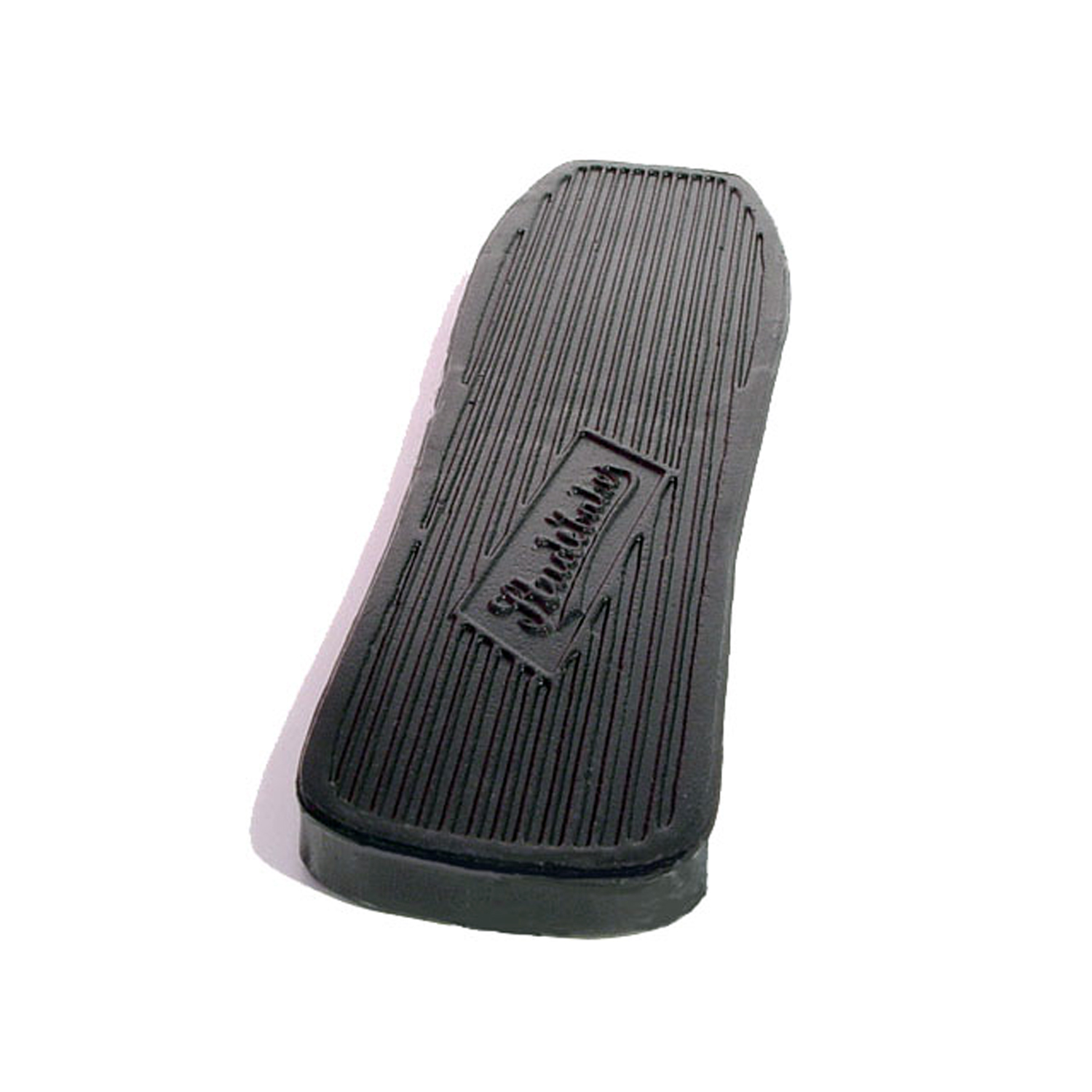 1941 Studebaker President Accelerator Pedal Pad, 2-3/8" X 9", Each-AP 22Accelerator Pedal Pad, 2-3/8" X 9", Each
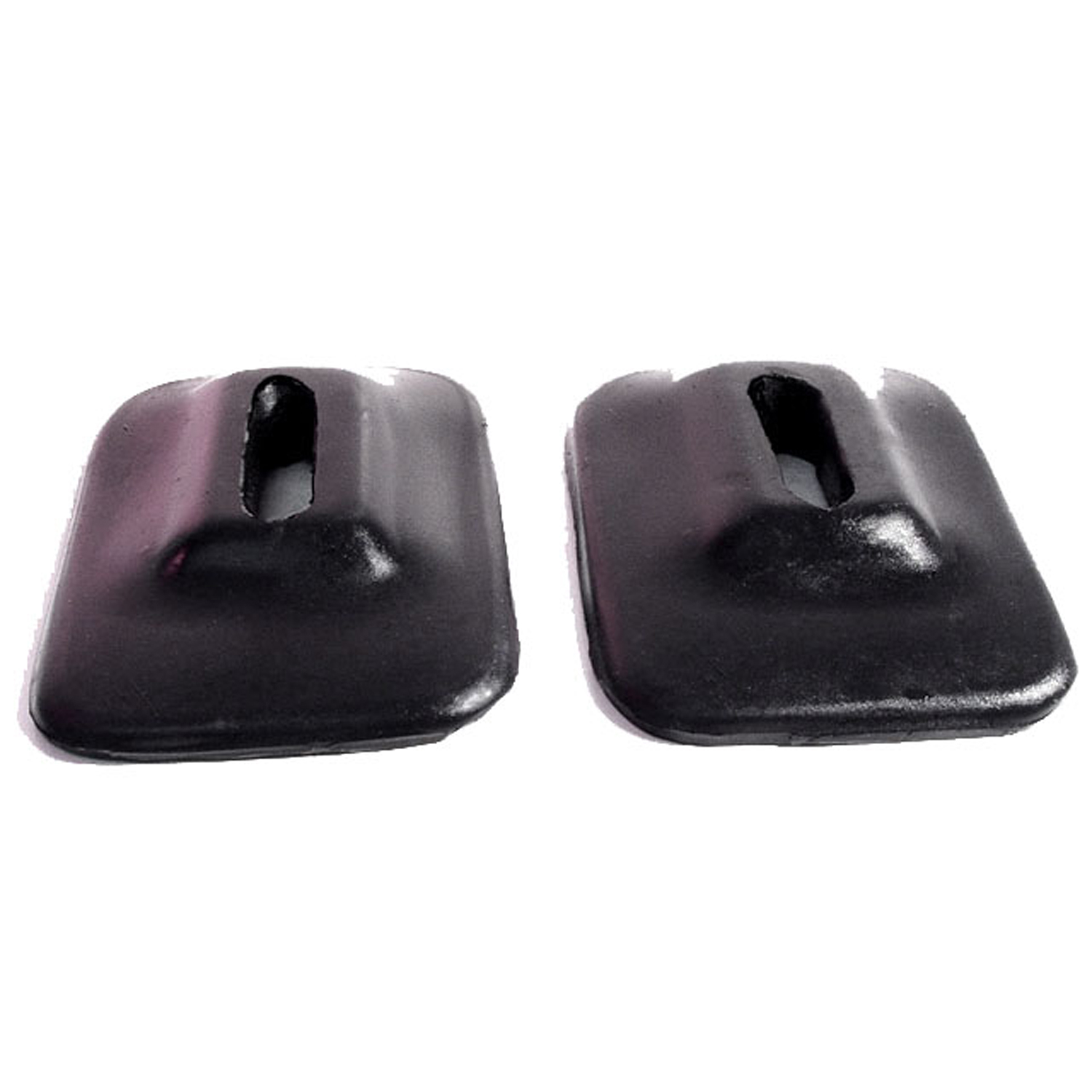 1941 Studebaker President Front and Rear Bumper Arm Grommets-BG 45Front and Rear Bumper Arm Grommets. 2-3/4" wide X 4-1/8" long, with 1-5/8" long inner slot. Pair
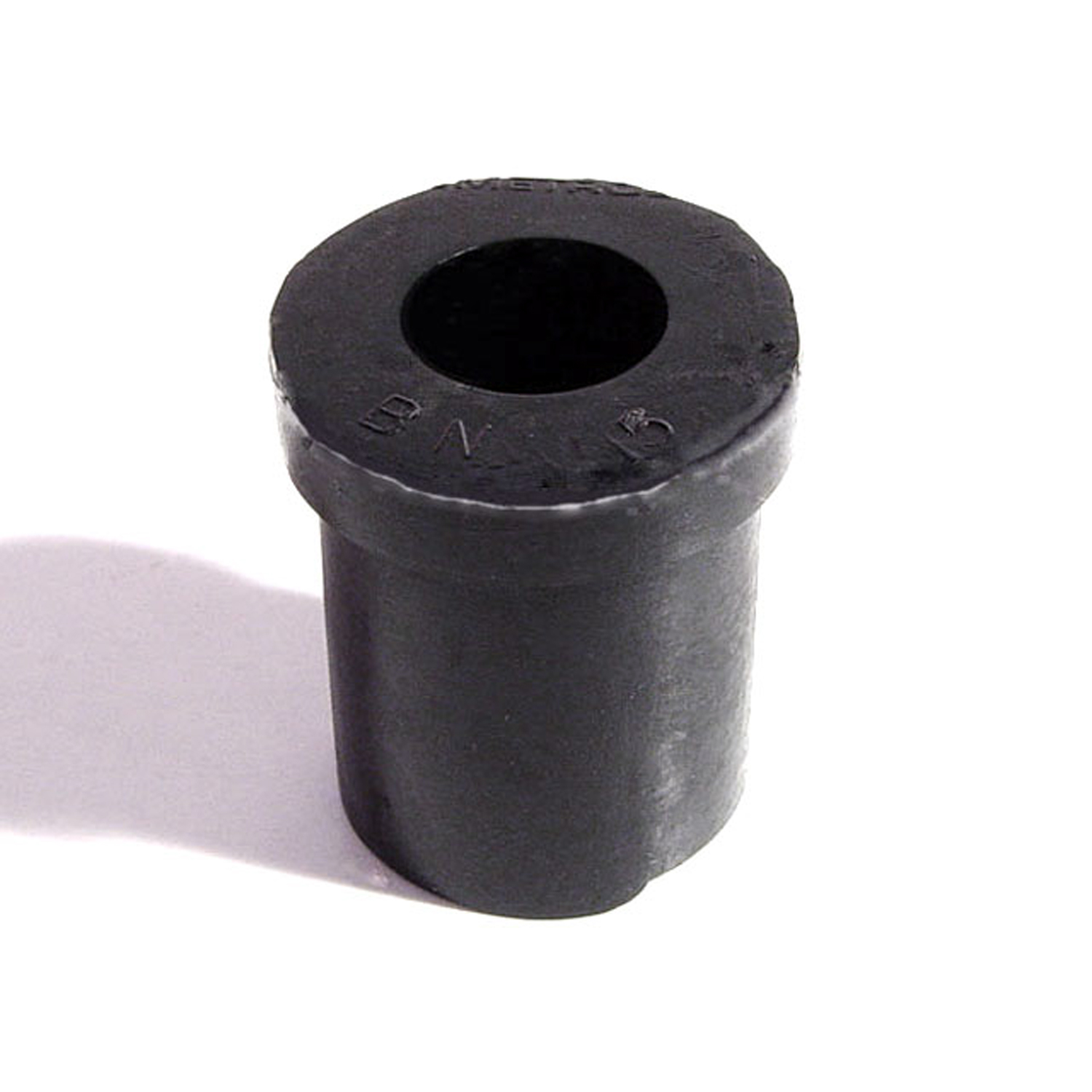 1941 Studebaker President Spring and Shackle Bushing. 7/8" bottom O.D-BN 15Spring and Shackle Bushing. 7/8" bottom O.D. X 1-1/8" high, with 1/2" I.D. Each
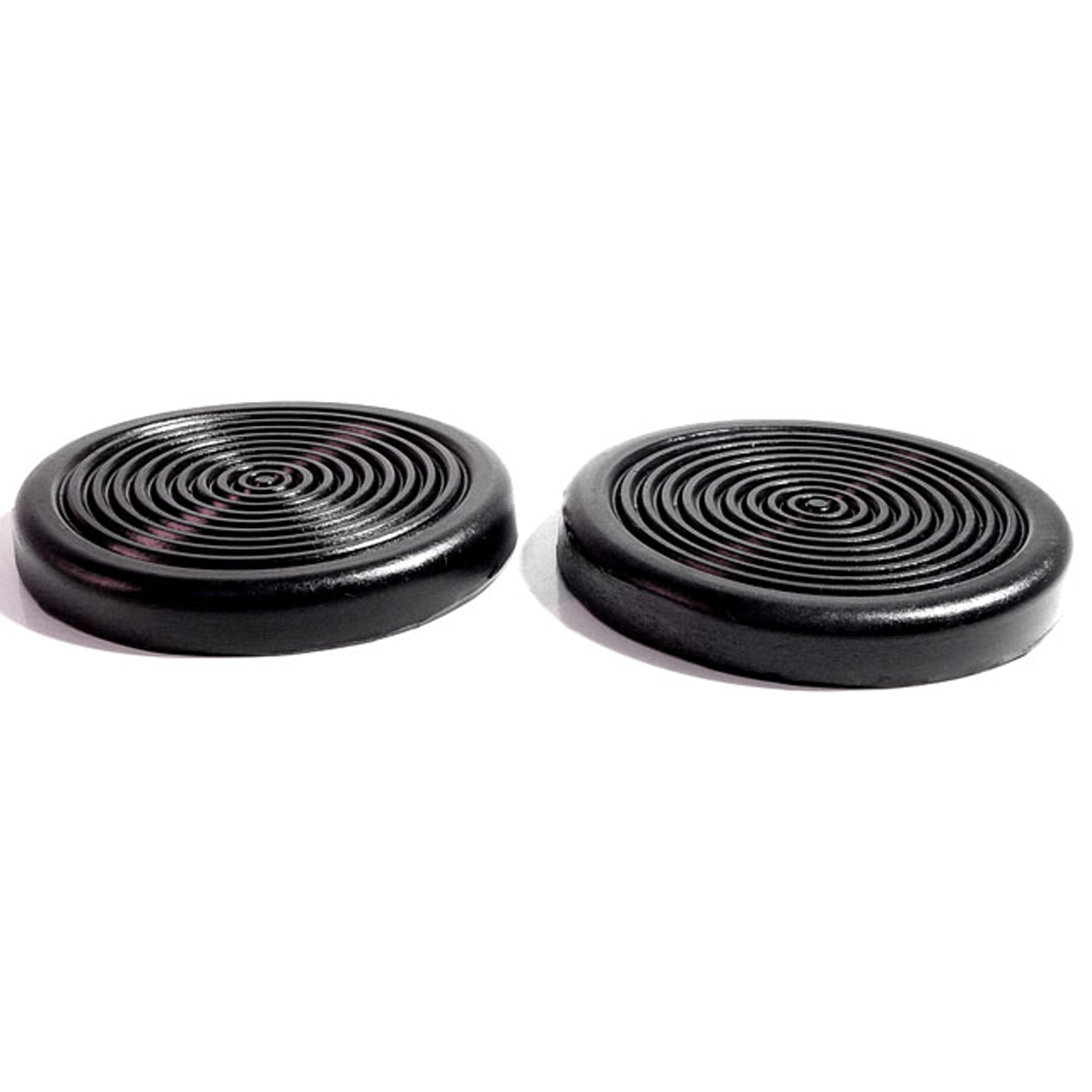 1941 Studebaker President Clutch and Brake Pedal Pads. 3" Diameter. Pair-CB 81Clutch and Brake Pedal Pads. 3" Diameter. Pair
 1941 Studebaker President Gravel Shields. Molded flat without metal backing plates-FS 45Gravel Shields. Molded flat without metal backing plates. Apply with contact cement. 14-1/2" long X 8-3/4" wide at top and 6-1/4" wide at bottom. Pair
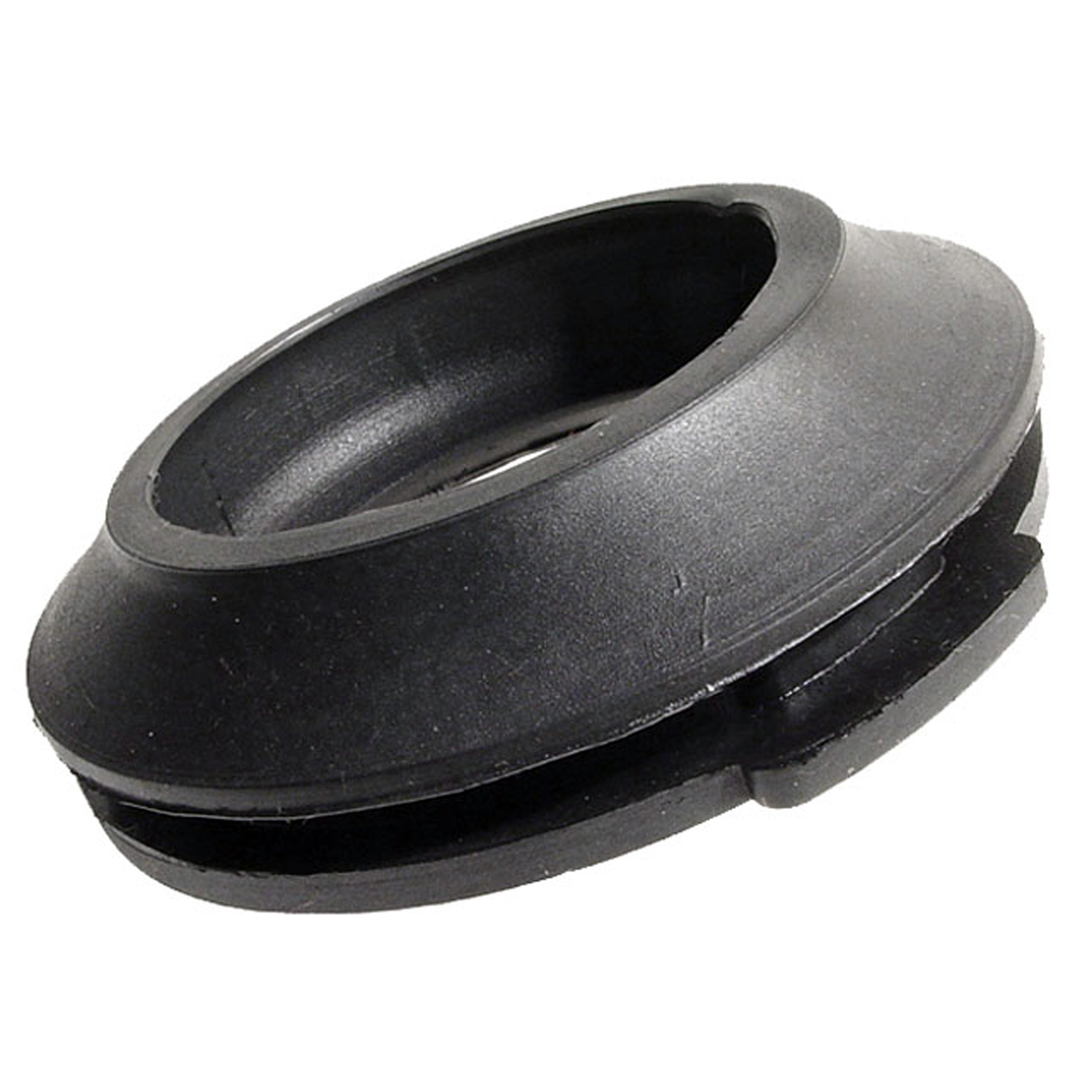 1941 Studebaker President Gas Filler Grommet. Perfect reproduction. Top 2-1/16" I.D-GF 45Gas Filler Grommet. Perfect reproduction. Top 2-1/16" I.D., 3-7/16" O.D. Each
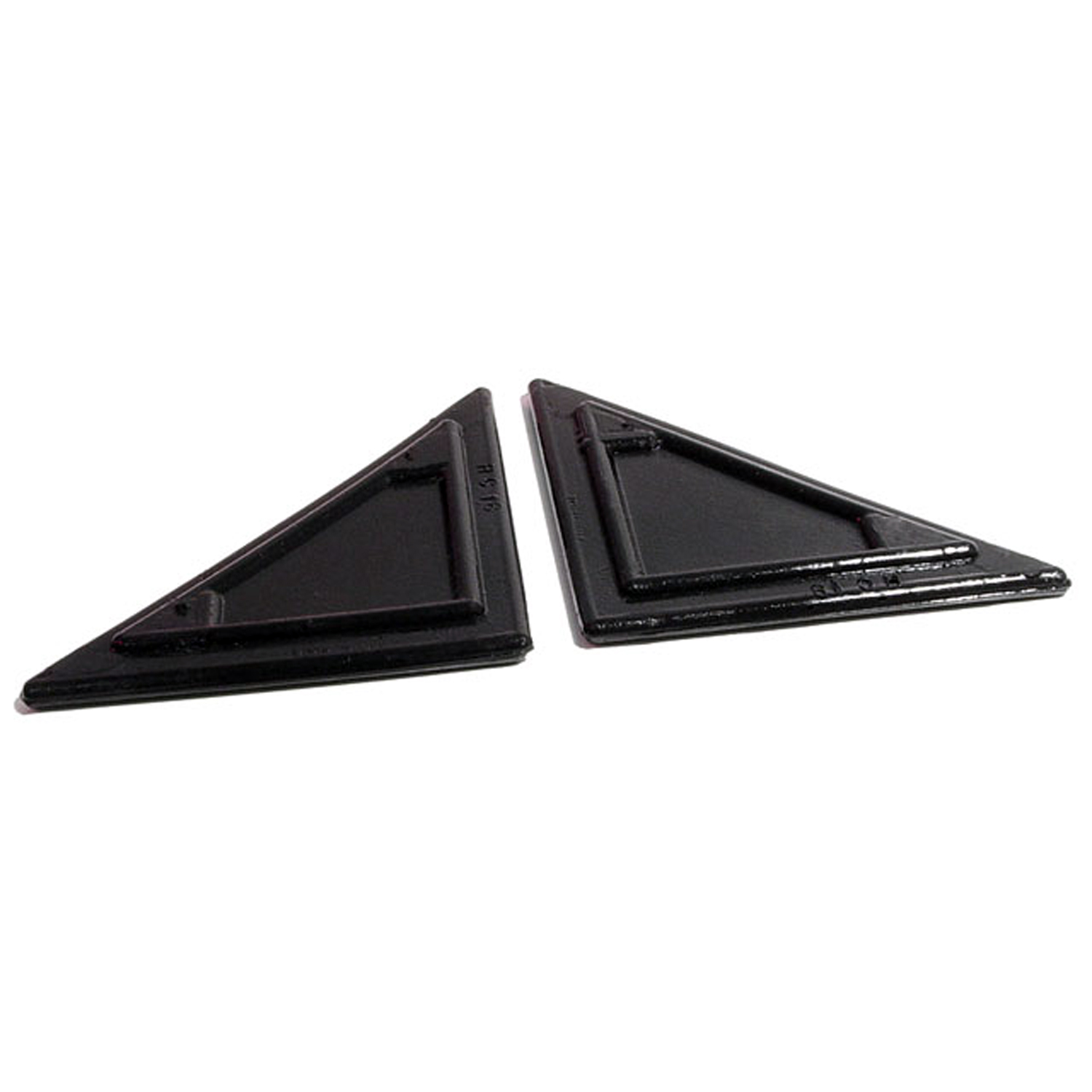 1941 Studebaker President Hood Corners. Original design. 2-3/4" wide. Pair-HC 18Hood Corners. Original design. 2-3/4" wide. Pair
 1941 Studebaker President Tail-light Pads. 2-3/8" wide X 9-1/4" long. Pair-MP 966Tail-light Pads. 2-3/8" wide X 9-1/4" long. Pair
 1941 Studebaker President Trunk Lock Pad. 2-5/8" wide X 8-1/4" long. Each-MP 976Trunk Lock Pad. 2-5/8" wide X 8-1/4" long. Each
 1941 Studebaker President Fender Light Pads. 2-1/4" wide X 23-3/4" long. Pair-MP 978Fender Light Pads. 2-1/4" wide X 23-3/4" long. Pair
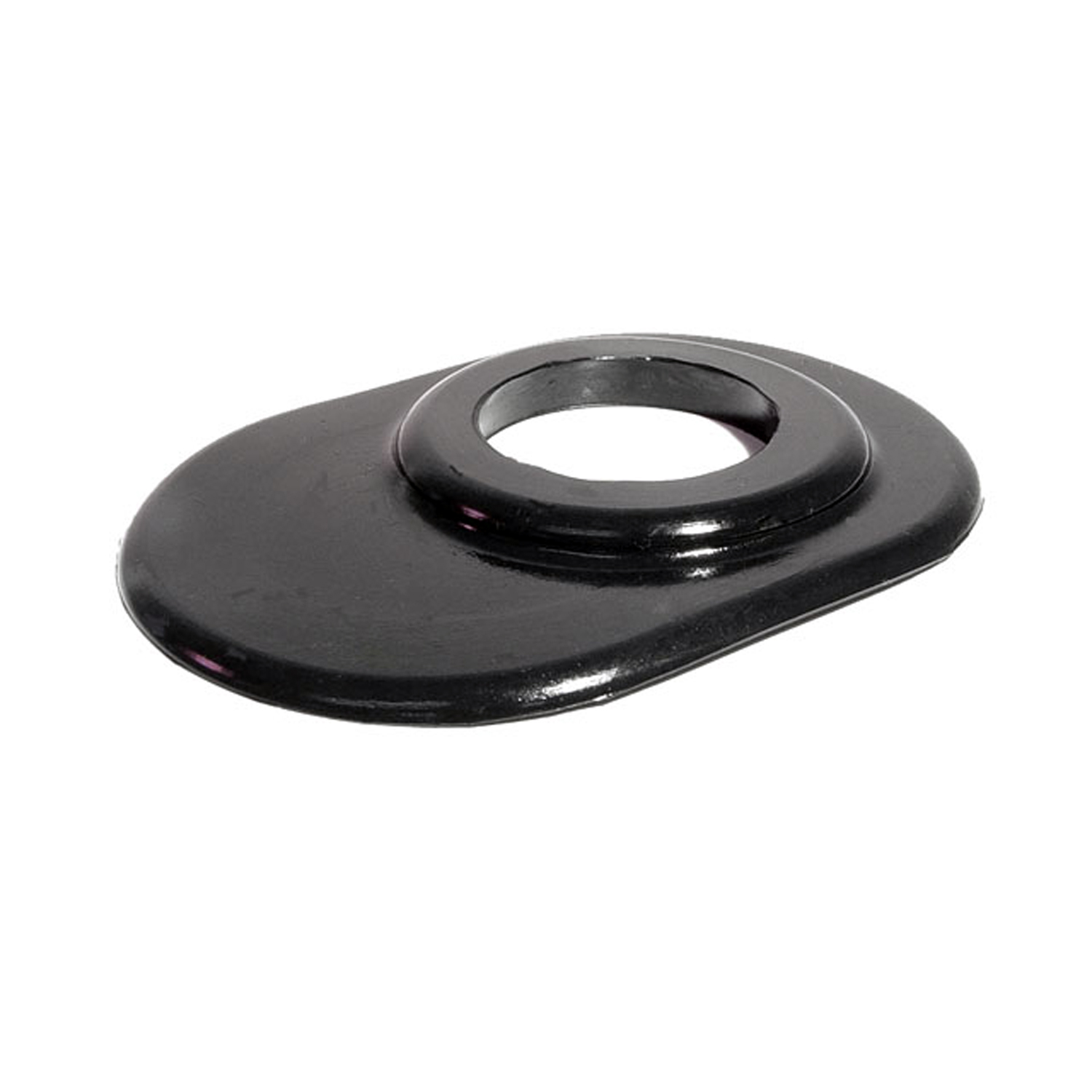 1941 Studebaker President Steering Column Grommet. For 4-speed models. Each-SC 24Steering Column Grommet. For 4-speed models. Each
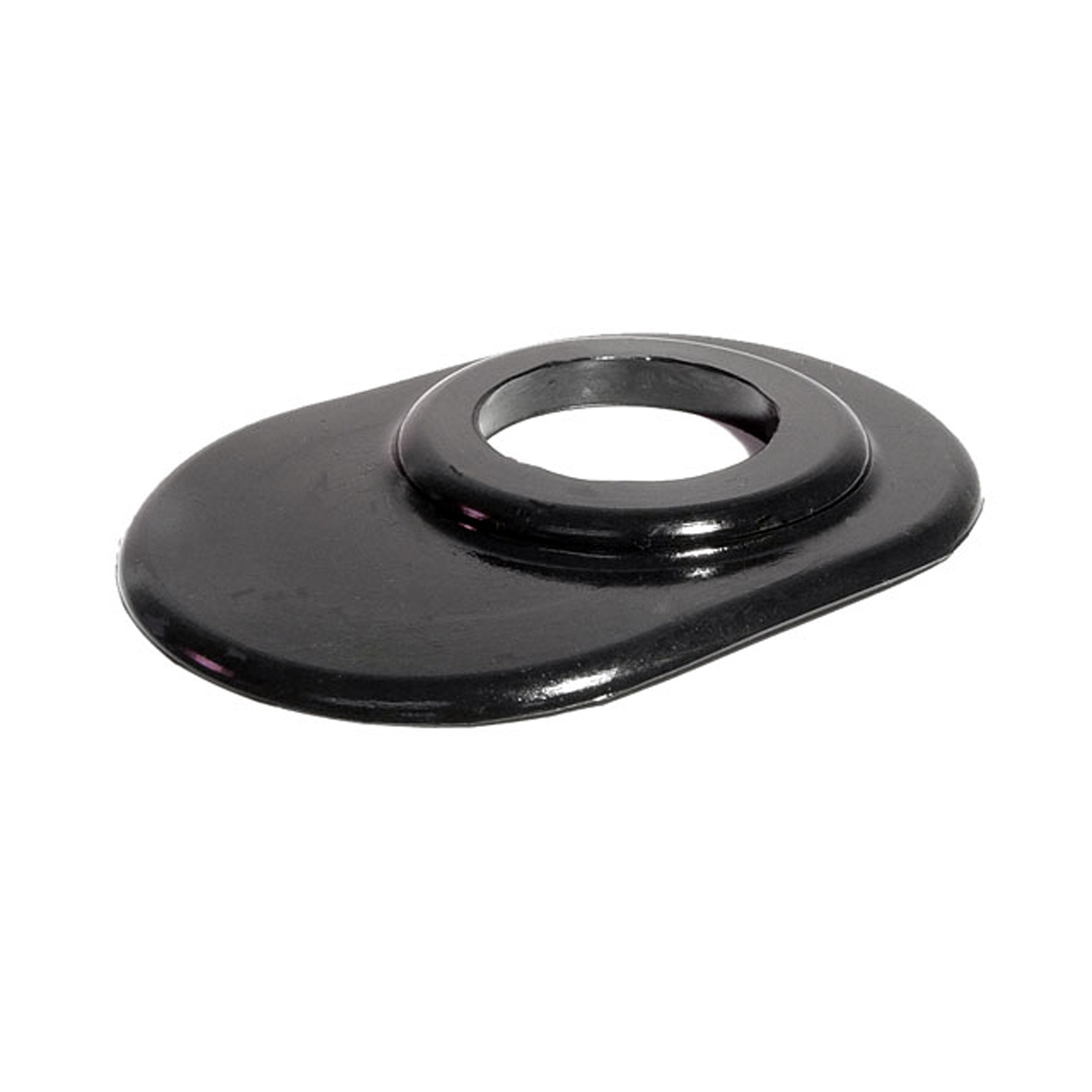 1941 Studebaker President Steering Column Grommet. For 3-speed models. Each-SC 24-ASteering Column Grommet. For 3-speed models. Each
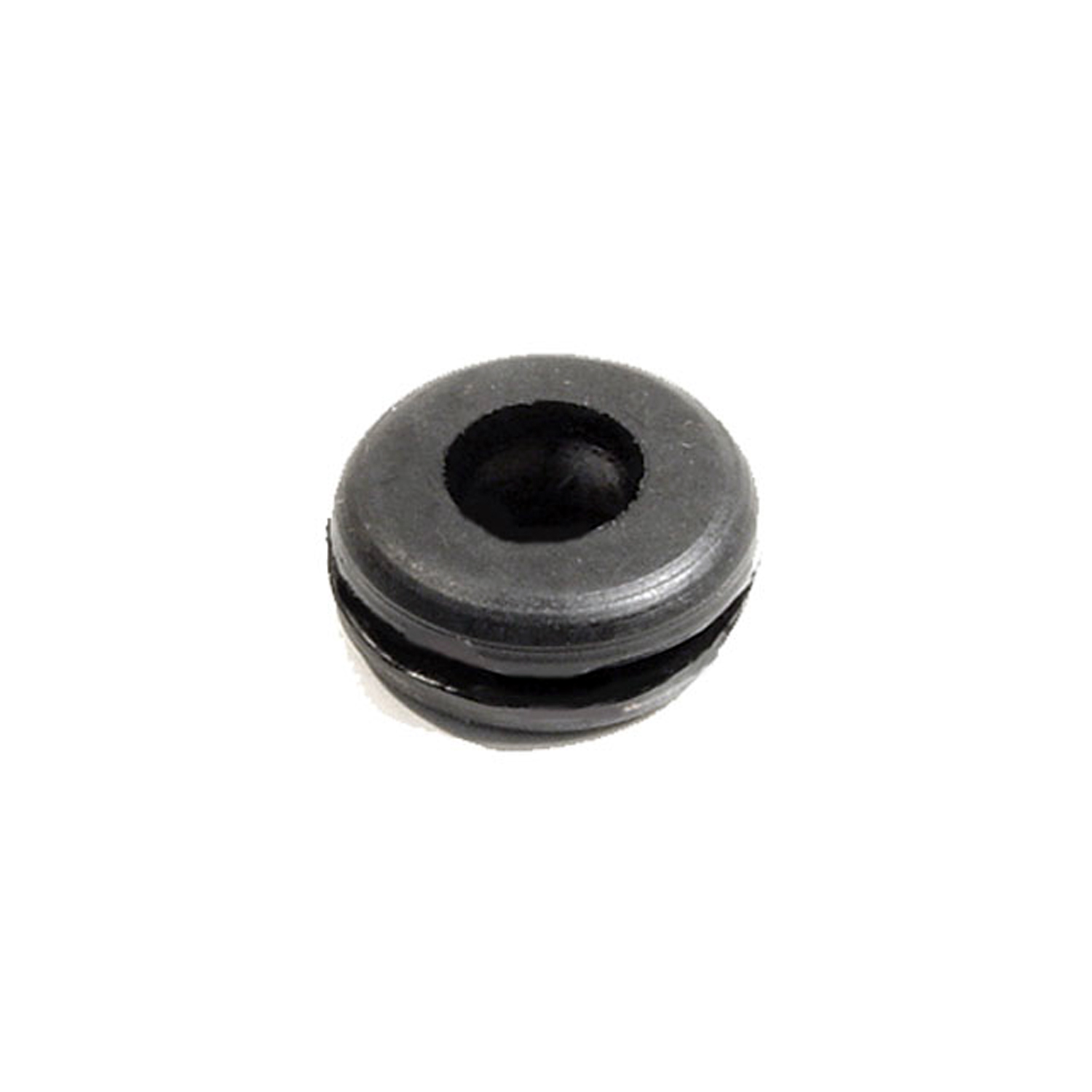 1941 Studebaker President Headlight & Tail-Light Wire Grommet. 3/8" I.D., 7/8" O.D-SM 13-AHeadlight & Tail-Light Wire Grommet. 3/8" I.D., 7/8" O.D. Each
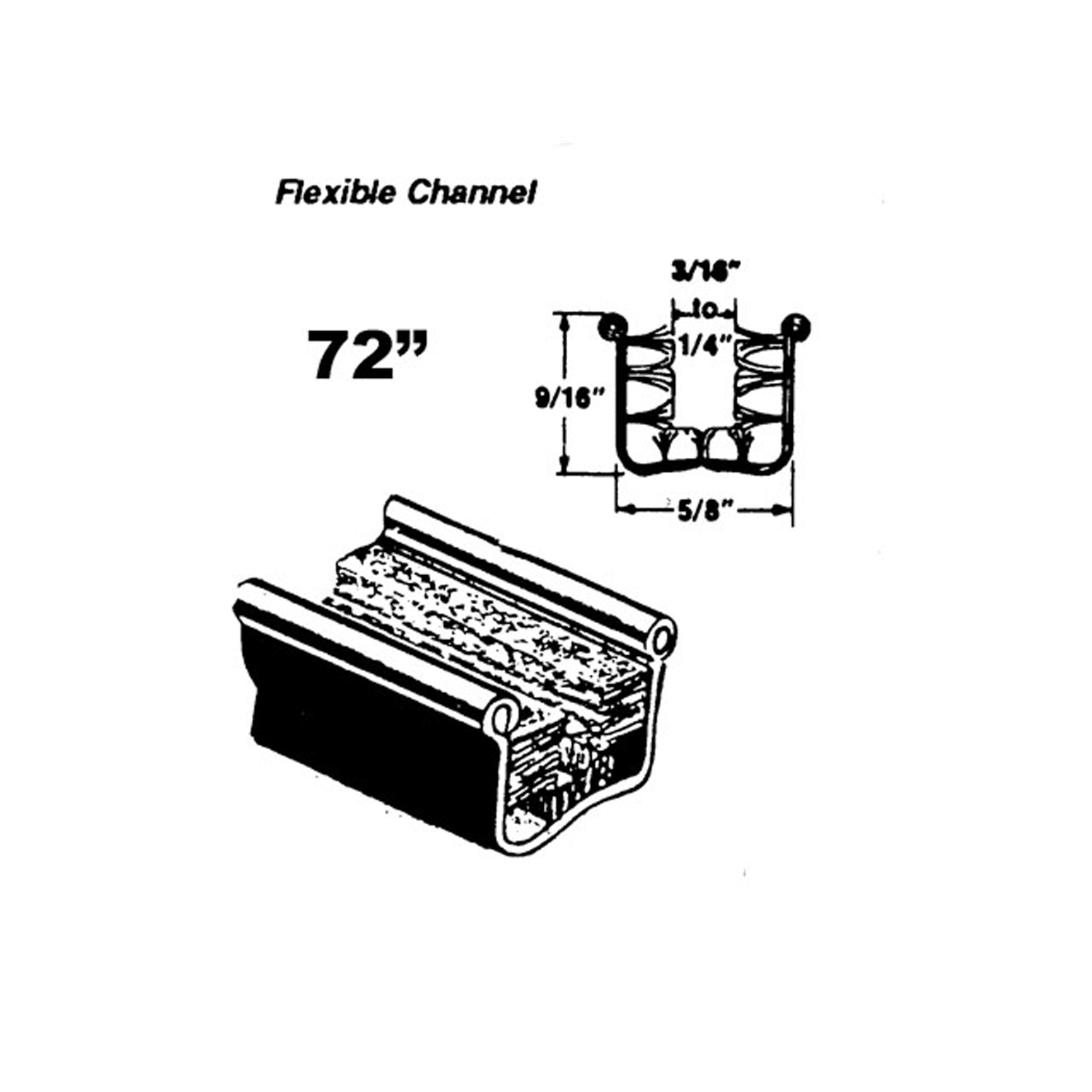 1941 Studebaker President Flexible glass-run channel-WC 11-72Flexible glass-run channel. Mohair lined, cloth covered with stainless steel bead. Used on side windows. 72 in. long. Each. NOTE: $20 special shipping charge applies for domestic orders. Call or email for overseas shipping costs. Part can be sectioned in two equal lengths to reduce overseas shipping costs.
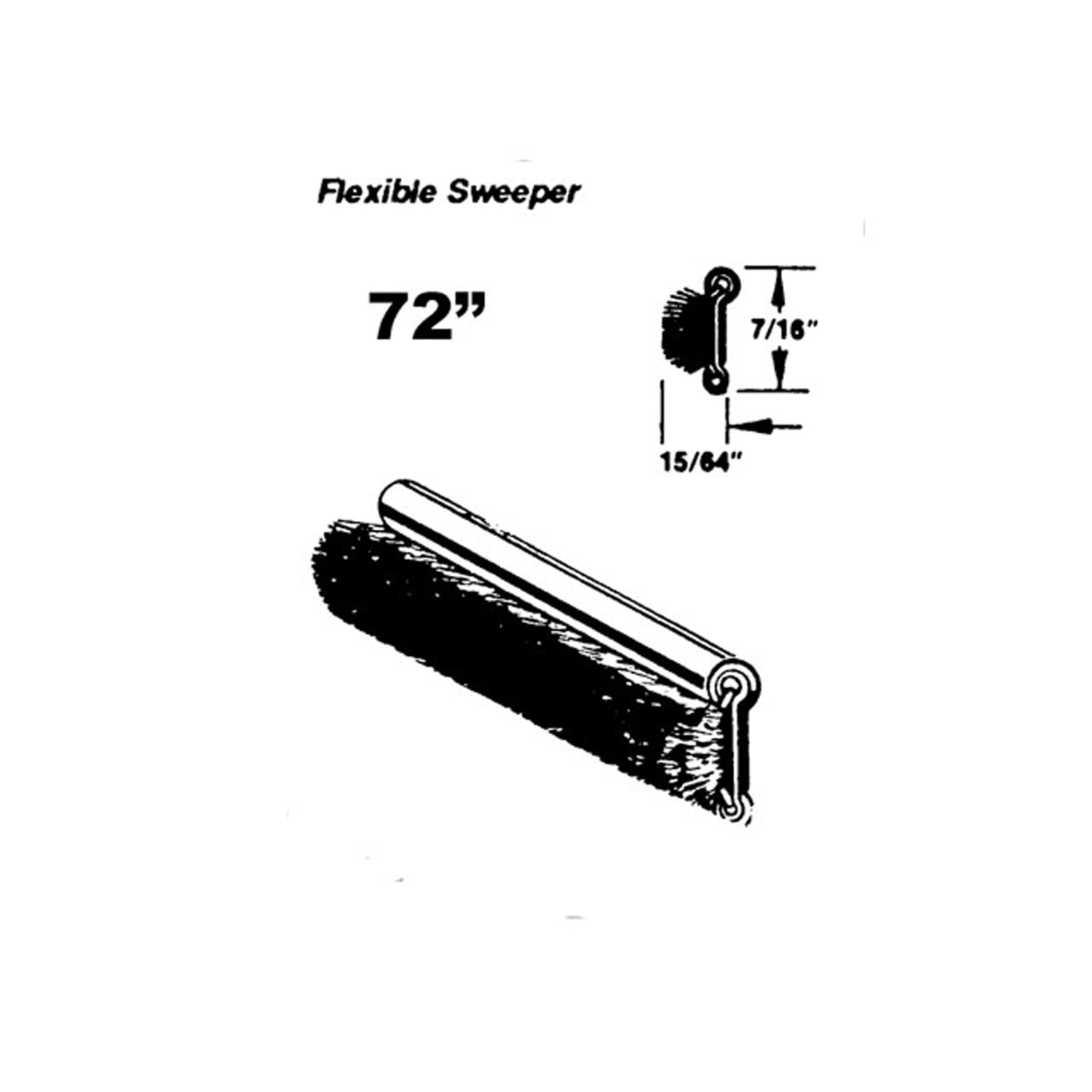 1941 Studebaker President Flexible sweeper. Made with stainless steel bead-WC 8-72Flexible sweeper. Made with stainless steel bead. Used on inner and outer beltlines. Also forms easily for use with sliding quarter windows. 72 in. long. Each. NOTE: $20 special shipping charge applies for domestic orders. Call or email for overseas shipping costs. Part can be sectioned into two equal lengths to reduce overseas shipping costs.
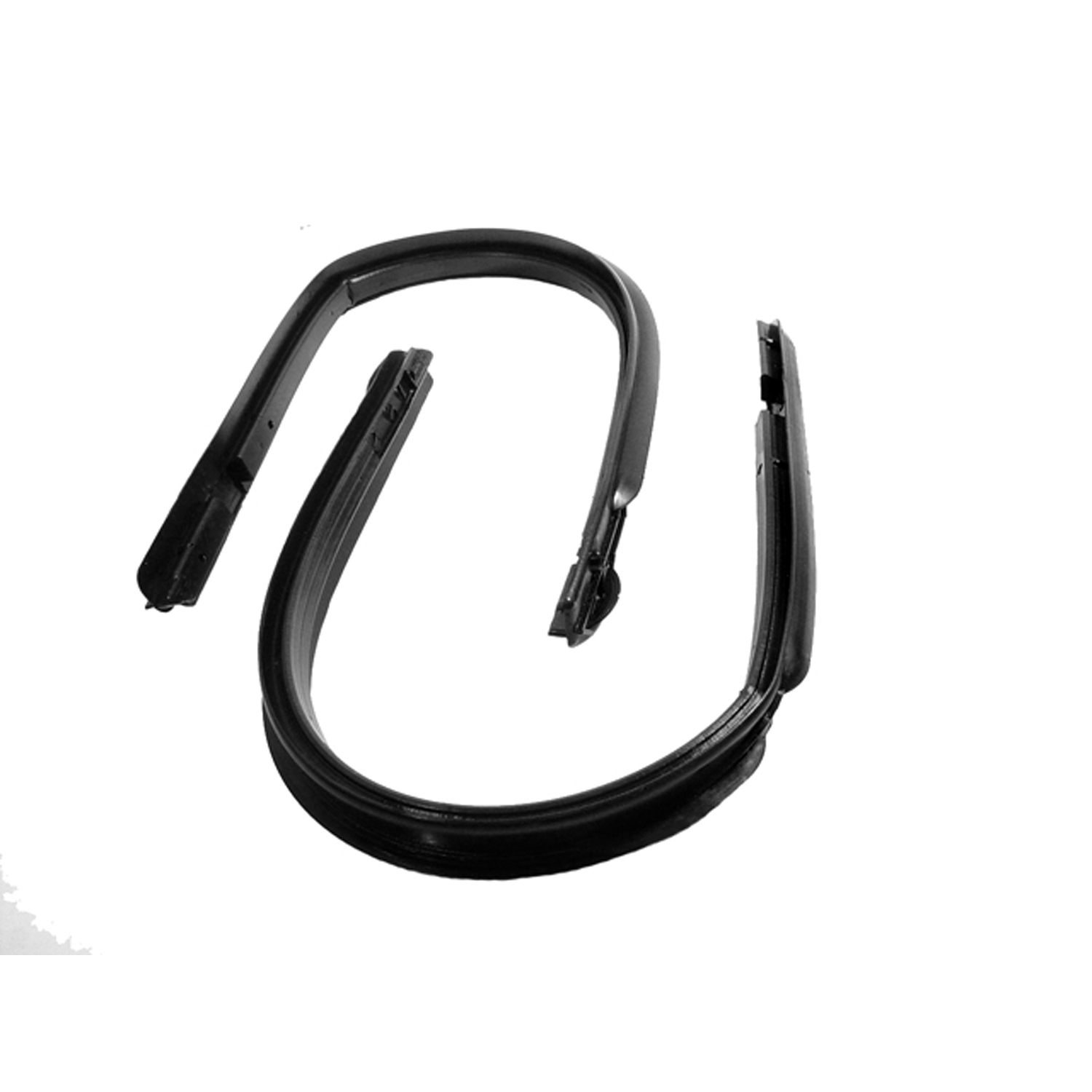 1941 Studebaker President Front Vent Window Seals. 28-7/8" long each. Pair R&L-WR 9401Front Vent Window Seals. 28-7/8" long each. Pair R&L
Why Choose Metro?
For over 100 years, Metro Moulded Parts has been the pinnacle of quality in classic car restoration parts. Our commitment to precision and authenticity in every component ensures a perfect fit and an OEM-level appearance.
- Expert Craftsmanship & Quality: Each part is a testament to our dedication to reliability and perfection, crafted from original designs and thoroughly tested.
- Advanced Technology: We use cutting-edge techniques to create flawless, long-lasting parts that surpass others in performance.
- SuperSoft Sponge – The Ultimate Door Seal: Not only are our door seals 30% softer than competitors', but they're also guaranteed to never leak. They effectively reduce wind and road noise, enhancing your classic car's comfort and driving experience.
- Proudly American: Our parts are a product of American craftsmanship, made in the USA with a spirit of excellence and heritage.
- Unrivaled Warranty: We back our products with a 30-year industry-leading warranty, a testament to our confidence in their quality.
Join us in preserving the legacy of classic cars with parts that are crafted for perfection, not just made.