

Image of 1942 Studebaker M16, Note: These illustrations use artistic license and may differ from actual historical models.
Performance Metrics
Fundamental Metrics
Emotional Appeal
MMP Rating
| Engine Specifications | |
|---|---|
| Engine: | Inline 6-cylinder engine |
| Displacement: | 226 cubic inches |
| Horsepower: | Estimated 94 horsepower |
| Torque: | 170 lb-ft |
| Compression Ratio: | Estimated 6.5:1 |
| Ignition System: | Distributor and coil |
| Cooling System: | Liquid-cooled |
| Performance Specifications | |
| 0-60 Time: | Not available due to the vehicle's age and type |
| 1/4 Mile Time: | Not available due to the vehicle's age and type |
| Top Speed: | 50-55 mph |
| Transmission and Drive | |
| Drive Type: | Rear-wheel drive |
| Transmission Type: | 4-speed manual |
| Fuel and Efficiency | |
| Fuel System Type: | Carburetor |
| MPG: | Not available due to the vehicle's age and type |
| Dimensions and Brakes | |
| Brakes: | Hydraulic drum brakes |
| Wheelbase: | 128 inches |
| Weight: | 3,400 lbs |
Note: Specifications for classic cars are given to the best of our ability, considering the limited and variant data available.
1942 Studebaker M16: A Wartime 4x4 With a Working-Class Spirit
The 1942 Studebaker M16 was built for tough work, not polished boulevard cruising. A one-ton, four-wheel-drive truck from the South Bend, Indiana, manufacturer, it belongs to the generation of practical American trucks shaped by wartime demands. Its upright stance, simple mechanicals, and purposeful design make it a compelling survivor from an era when a truck was expected to earn its keep.
Studebaker was already an established vehicle maker when the United States entered World War II. As civilian production gave way to military priorities, manufacturers adapted familiar engineering and production skills to meet the need for rugged transport. The M16 is often discussed alongside Studebaker’s wartime trucks, but it should not be confused with the larger Studebaker US6, the 2½-ton truck supplied in enormous numbers to Allied forces. The M16 was a smaller, one-ton 4x4 with a different role.
One point of interest for collectors is that surviving M16s can differ in appearance and equipment. Trucks may have been rebuilt, fitted with replacement bodies, or repainted during and after service, so an example that looks entirely original deserves careful documentation.
Studebaker M16 Design and Cab Details
The M16 has the straightforward silhouette of a working truck: a tall, square cab, a broad hood, exposed front fenders, and a high-riding chassis. Its upright grille and simple lighting give the front end a distinctly practical look. Large wheels, substantial tires, and visible ground clearance signal that this machine was designed to travel beyond smooth pavement.
Inside, the emphasis was on durability and easy operation rather than comfort. Expect a metal dashboard, plain gauges, a large steering wheel, and hard-wearing finishes. Depending on the truck’s history and restoration, the seat may have been trimmed in simple upholstery or canvas-like material. The cab is functional and relatively spartan by modern standards, with limited sound insulation and few conveniences.
For its time, the M16’s key technology was its four-wheel-drive system. The added traction, combined with a low-range gear for slow, controlled progress, helped it handle muddy tracks, snow, and uneven ground better than a conventional two-wheel-drive truck. Its mechanical simplicity was also a feature: fewer electronic systems meant fewer specialized tools were needed for basic repairs.
Military-service examples were commonly finished in olive drab, though field repainting and later civilian use introduced other colors. Restored trucks may now appear in military greens, subdued earth tones, or civilian finishes. The classic olive-drab presentation is probably the most recognizable and popular with enthusiasts.
The M16 was fundamentally a chassis-and-cab work vehicle rather than a passenger truck offered in a wide range of consumer body styles. Cargo beds, stake sides, and utility bodies could be fitted according to the job. Today, the open cargo-bed configuration is the look most often associated with restored examples, although individual trucks may have received specialized bodies during their service lives.
Why the M16 Matters in Truck History
The M16 represents an important step in the development of the practical four-wheel-drive truck. Before 4x4 pickups became familiar personal vehicles, four-wheel drive was chiefly a tool for work, military transport, and travel over difficult terrain. Trucks like the M16 helped demonstrate the value of traction and low-range gearing in a useful, relatively compact package.
Its significance is best understood as part of a broader industrial story. During World War II, American automakers shifted their factories and expertise toward vehicles and equipment needed for the war effort. Studebaker’s name is especially well known among military-vehicle fans because of the US6, but the M16 offers a look at the smaller end of the company’s truck work. It was less famous than its larger sibling, yet it reflects the same priorities of serviceability, rugged construction, and straightforward operation.
The M16 did not introduce a technology that transformed the whole industry, nor did it become a mass-market icon. Its lasting appeal comes from what it represents: the evolution of the useful 4x4, built when off-road capability was a serious working requirement rather than a lifestyle feature.
Engine, Speed, and Driving Feel
Typical M16 specifications are associated with a 226-cubic-inch (about 3.7-liter) inline-six engine, producing roughly 90 to 94 horsepower, paired with a manual transmission and a two-speed transfer case. Specifications can vary by production details, replacement components, and later rebuilds, so buyers should verify the equipment on the individual truck rather than relying on a model name alone.
Exact acceleration figures are not generally available, and a modern-style 0-to-60-mph test is not a particularly useful measure for this truck. With its low gearing, heavy construction, and modest power, acceleration would be slow. A reasonable expectation is that a sound, correctly geared example may reach around 45 to 50 mph on suitable roads, but gearing, tire size, engine condition, load, and road conditions all affect its maximum speed. Many owners will prefer to cruise below that range.
Behind the wheel, the M16 feels like a piece of working machinery. The engine produces a steady, unrefined six-cylinder rumble, while the manual gearbox and transfer case ask the driver to think ahead. Steering is heavier and less precise than in a modern truck, and braking distances are longer. On rough tracks, the truck’s tall tires and sturdy suspension take the edge off bumps, but the ride remains firm and busy, especially when unladen.
On winding roads, the M16 rewards smooth inputs rather than speed. Its high stance and work-truck chassis call for caution in corners, and crosswinds can be noticeable. The four-wheel-drive system is most useful on loose, slippery, or uneven surfaces; it is not a substitute for careful driving or modern traction and stability controls.
Owning and Maintaining a Studebaker M16
Today, an M16 is more likely to serve as a show vehicle, parade truck, historical display, or occasional weekend driver than as daily transportation. It can still be used for light hauling or off-road outings, but its age, fuel consumption, limited cruising speed, and lack of modern safety equipment make regular highway commuting less appealing.
Basic mechanical work is approachable for an experienced home mechanic. The engine and chassis are largely conventional, and many routine service tasks do not require electronic diagnostic equipment. That does not mean every repair is easy: parts availability can be uneven, and specialized 4x4 components, correct body panels, and authentic military fittings may take time to find. Before buying, inspect the frame, cab floors, suspension, drivetrain, and signs of poorly executed repairs.
Reliability depends heavily on condition and upkeep. A well-maintained M16 can be a dependable vintage truck for limited use, but old seals, electrical wiring, cooling systems, and fuel components deserve close attention. A pre-purchase inspection by a mechanic familiar with vintage trucks is a wise investment, particularly if the vehicle is advertised as restored or road-ready.
Studebaker M16 Facts and Common Misconceptions
The M16’s name can be mistaken for the Studebaker US6, but they are different trucks. The US6 was a much larger 2½-ton military vehicle, widely associated with Allied supply work and, in some cases, rocket-launcher installations. That famous history should not automatically be attributed to the smaller M16.
Nor should every M16 be assumed to have left the factory in its current configuration. Wartime vehicles were often repaired and altered, while trucks that continued working after the war might have received civilian beds, replacement engines, or fresh paint. For collectors, serial numbers, period photographs, restoration records, and close inspection of components can help establish a truck’s history.
There is no widely recognized production-speed record or celebrity connection that defines the M16’s story. Its appeal is more grounded: it is a relatively uncommon example of a compact American 4x4 from the wartime period. A common criticism is that it is slow, noisy, and uncomfortable by modern standards. Those limitations are real, but they are also part of its character and intended purpose.
1942 Studebaker M16 Collector Value and Rarity
Exact M16 production totals are difficult to state confidently, and model-specific figures are not consistently documented in commonly available references. As a rough, clearly speculative estimate, production may have been in the low thousands, perhaps around 3,000 to 6,000 trucks. That should not be treated as a verified factory total. Surviving examples are less common than familiar wartime trucks such as the Jeep or Studebaker US6, and condition varies widely.
As a broad North American guide, a project truck might sell for roughly $8,000 to $18,000, depending on completeness and rust. A running, usable example could fall around $20,000 to $40,000, while a well-restored, documented truck may bring approximately $40,000 to $65,000 or more. These are estimates, not guaranteed sale prices. Location, originality, restoration quality, paperwork, and the presence of scarce correct parts can shift the value substantially.
Prices for vintage military and utility vehicles tend to reward complete, authentic restorations, but the M16 is a niche collectible rather than a blue-chip classic with an assured upward trajectory. Interest in historic 4x4s supports its appeal, while restoration costs and a relatively small buyer pool can limit appreciation. Over time, a properly preserved example may hold or gradually gain value, but condition and provenance matter more than speculation.
The M16’s Enduring Appeal
The 1942 Studebaker M16 is a capable, no-nonsense 4x4 from a pivotal period in American truck history. Its simple cab, six-cylinder power, manual drivetrain, and practical off-road hardware tell a story of vehicles built to work in difficult conditions. It may be slower and rougher than its modern descendants, but that is precisely why it feels so connected to its era.
For collectors, the M16 offers a less familiar route into wartime and early four-wheel-drive history. Find a sound, well-documented example, and you are not just buying an old truck. You are preserving a rugged piece of Studebaker engineering that helped lay the groundwork for the 4x4s enthusiasts take into the backcountry today.
1942 Studebaker M16 Catalog of Parts
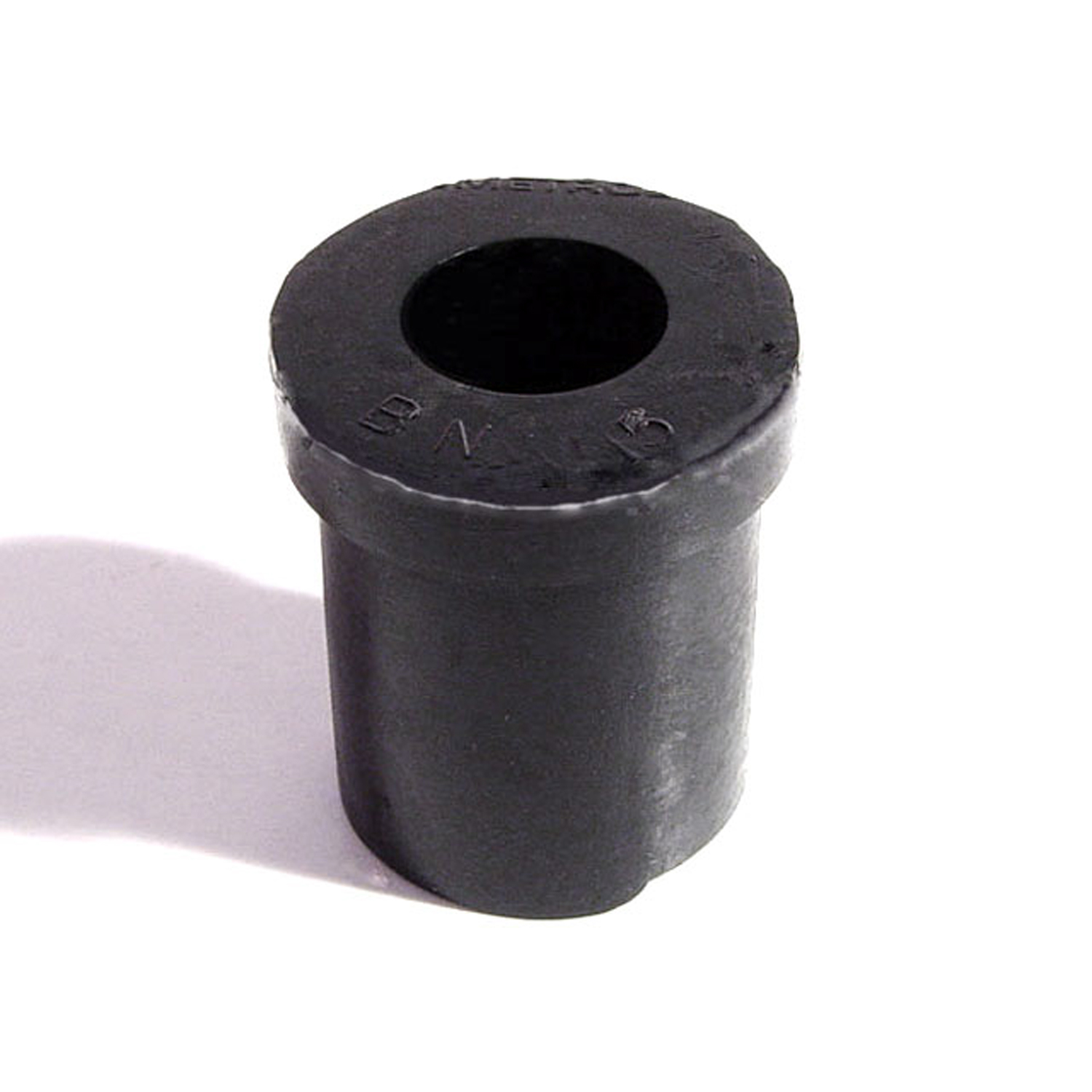 1942 Studebaker M16 Spring and Shackle Bushing. 7/8" bottom O.D-BN 15Spring and Shackle Bushing. 7/8" bottom O.D. X 1-1/8" high, with 1/2" I.D. Each
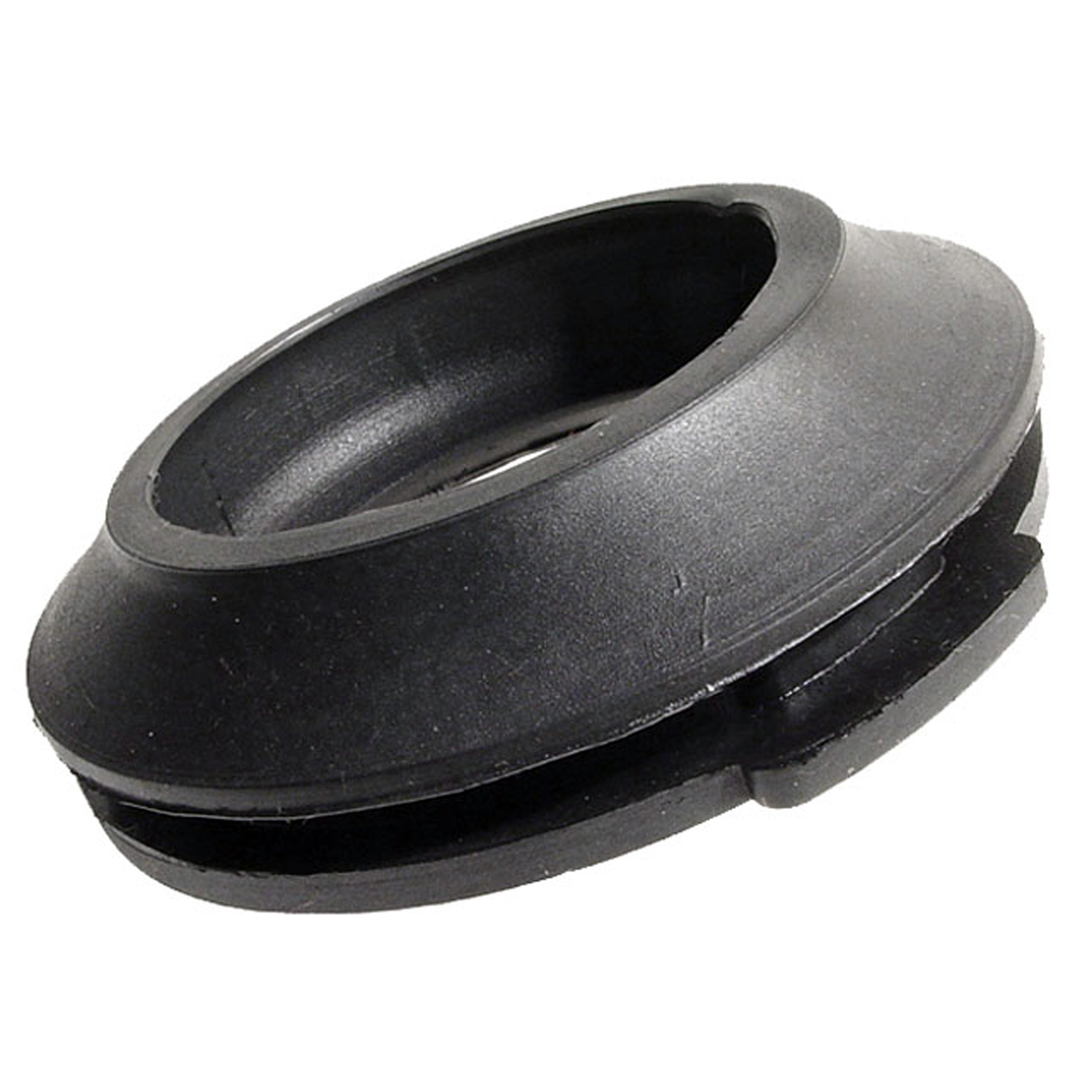 1942 Studebaker M16 Gas Filler Grommet. Perfect reproduction. Top 2-1/16" I.D-GF 45Gas Filler Grommet. Perfect reproduction. Top 2-1/16" I.D., 3-7/16" O.D. Each
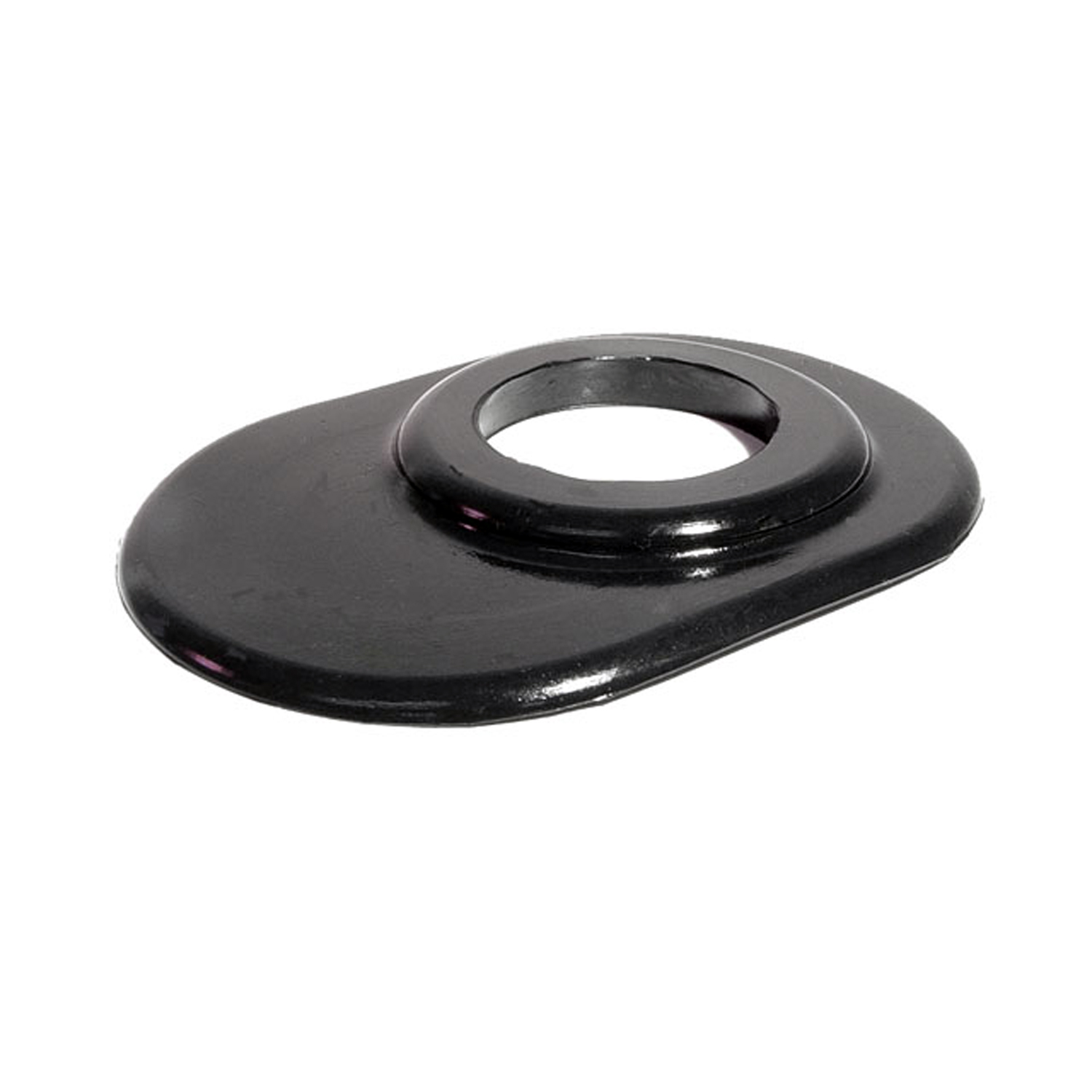 1942 Studebaker M16 Steering Column Grommet. For 4-speed models. Each-SC 24Steering Column Grommet. For 4-speed models. Each
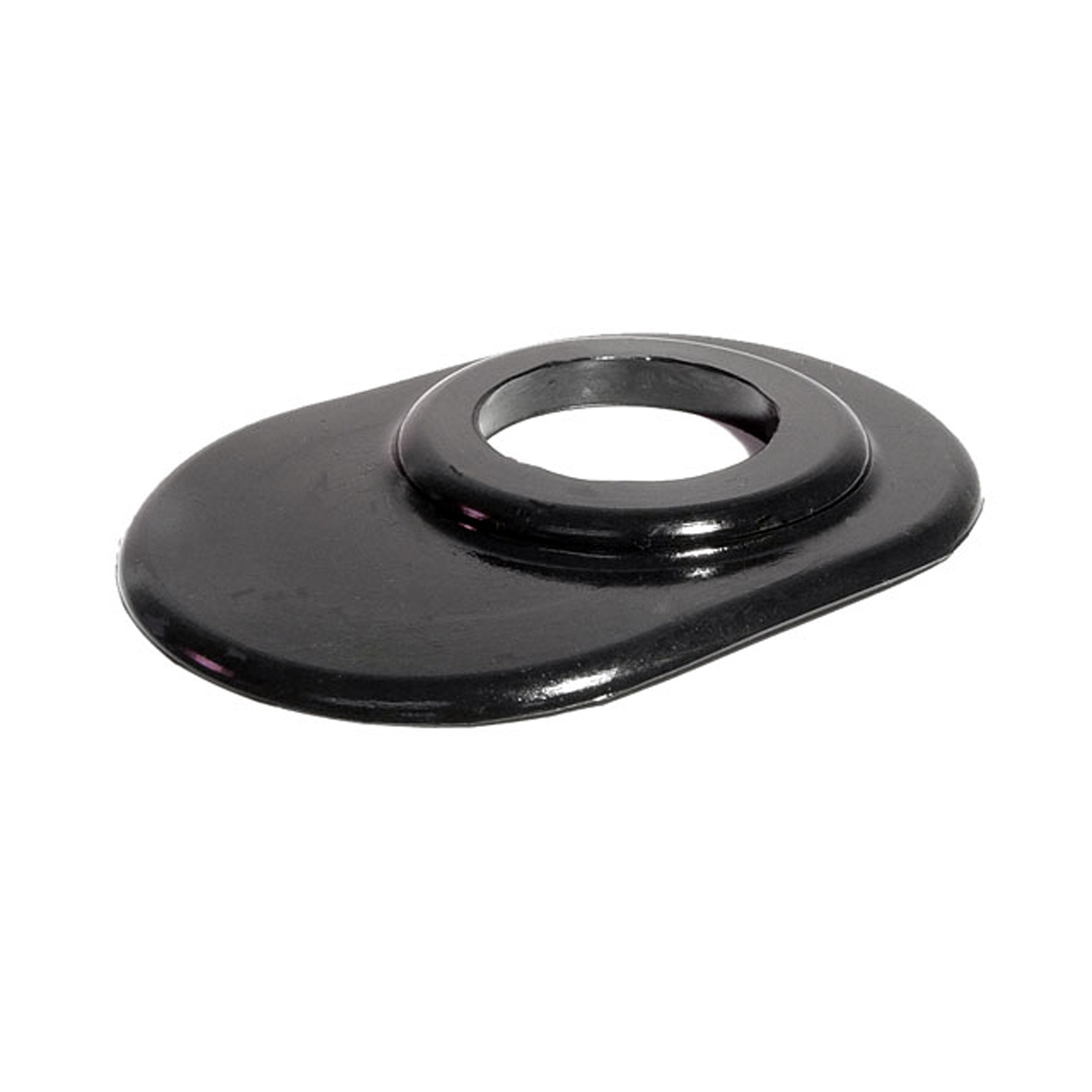 1942 Studebaker M16 Steering Column Grommet. For 3-speed models. Each-SC 24-ASteering Column Grommet. For 3-speed models. Each
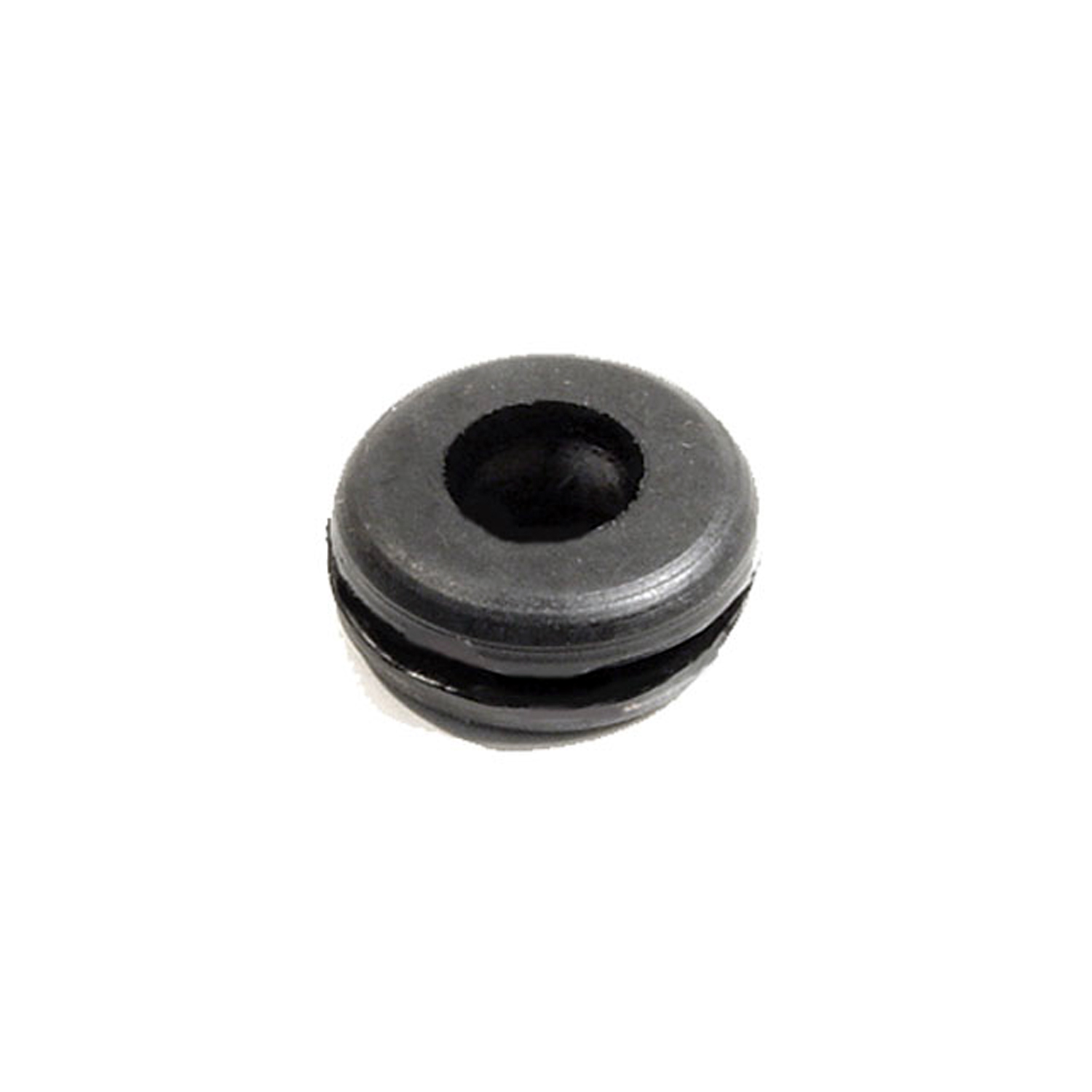 1942 Studebaker M16 Headlight & Tail-Light Wire Grommet. 3/8" I.D., 7/8" O.D-SM 13-AHeadlight & Tail-Light Wire Grommet. 3/8" I.D., 7/8" O.D. Each
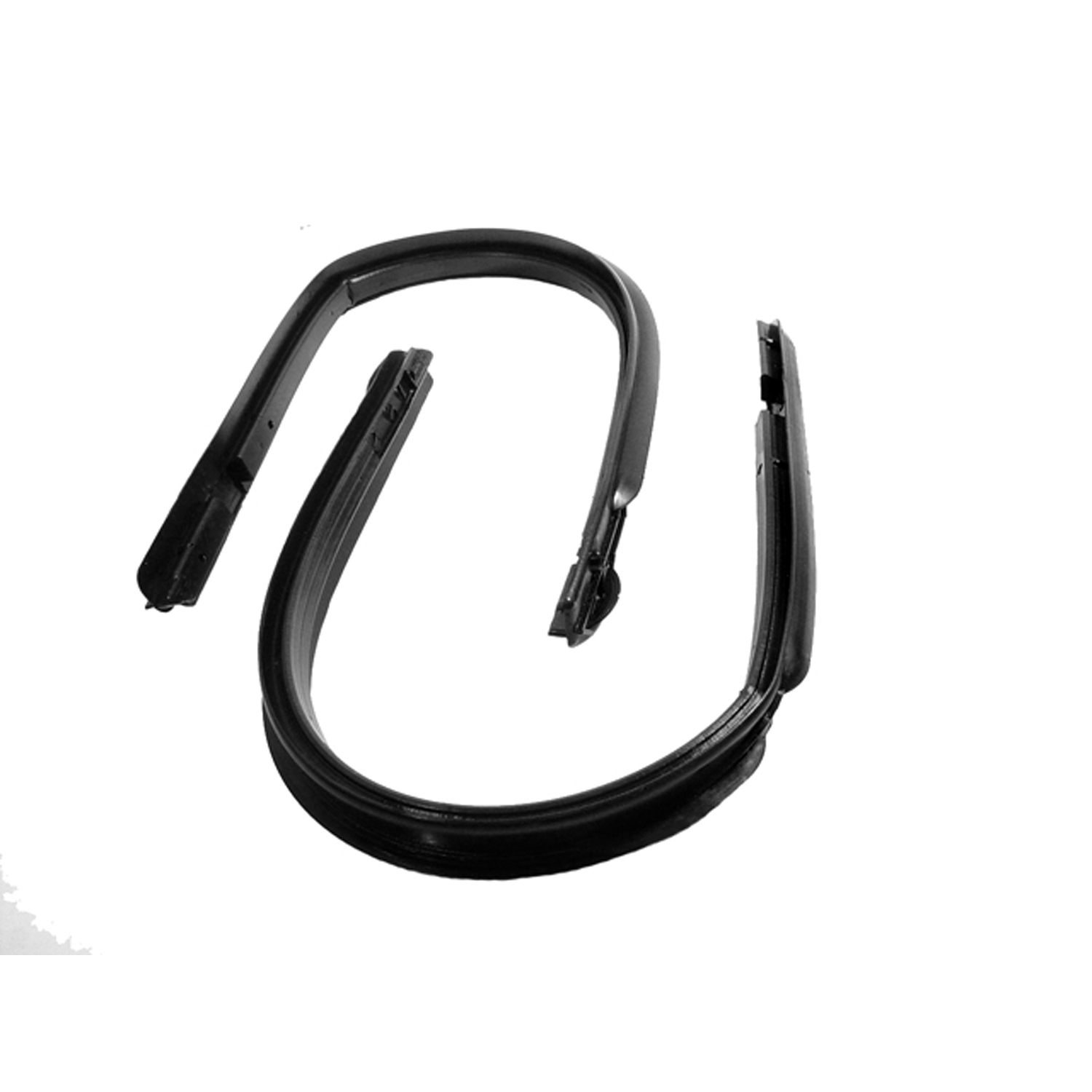 1942 Studebaker M16 Front Vent Window Seals. 28-7/8" long each. Pair R&L-WR 9401Front Vent Window Seals. 28-7/8" long each. Pair R&L
Why Choose Metro?
For over 100 years, Metro Moulded Parts has been the pinnacle of quality in classic car restoration parts. Our commitment to precision and authenticity in every component ensures a perfect fit and an OEM-level appearance.
- Expert Craftsmanship & Quality: Each part is a testament to our dedication to reliability and perfection, crafted from original designs and thoroughly tested.
- Advanced Technology: We use cutting-edge techniques to create flawless, long-lasting parts that surpass others in performance.
- SuperSoft Sponge – The Ultimate Door Seal: Not only are our door seals 30% softer than competitors', but they're also guaranteed to never leak. They effectively reduce wind and road noise, enhancing your classic car's comfort and driving experience.
- Proudly American: Our parts are a product of American craftsmanship, made in the USA with a spirit of excellence and heritage.
- Unrivaled Warranty: We back our products with a 30-year industry-leading warranty, a testament to our confidence in their quality.
Join us in preserving the legacy of classic cars with parts that are crafted for perfection, not just made.