

Image of 1942 Studebaker M17, Note: These illustrations use artistic license and may differ from actual historical models.
Performance Metrics
Fundamental Metrics
Emotional Appeal
MMP Rating
| Engine Specifications | |
|---|---|
| Engine: | Hercules JXD 6-cylinder |
| Displacement: | 4.6L |
| Horsepower: | 86 hp |
| Torque: | Not available |
| Compression Ratio: | Not available |
| Ignition System: | Standard for the period (likely a distributor and points system) |
| Cooling System: | Liquid-cooled |
| Performance Specifications | |
| 0-60 Time: | Not available |
| 1/4 Mile Time: | Not available |
| Top Speed: | 45 mph |
| Transmission and Drive | |
| Drive Type: | 4x2 (rear-wheel drive) |
| Transmission Type: | 4-speed manual |
| Fuel and Efficiency | |
| Fuel System Type: | Carburetor |
| MPG: | Not available |
| Dimensions and Brakes | |
| Brakes: | Hydraulic with vacuum assist |
| Wheelbase: | 157 inches |
| Weight: | 7,800 lbs |
Note: Specifications for classic cars are given to the best of our ability, considering the limited and variant data available.
1942 Studebaker M17: A Wartime Workhorse With a Global Legacy
The 1942 Studebaker M17 was built for a job where comfort came second to traction, durability, and getting the load through. A member of Studebaker’s celebrated US6 military-truck family, it reflects the scale and urgency of American wartime manufacturing. Studebaker produced these rugged 2½-ton trucks for Allied service, and many traveled far beyond the roads for which ordinary commercial trucks were designed.
One fascinating part of the US6 story is its connection to the Soviet Union. Thousands of Studebaker-built trucks went to the USSR through Lend-Lease, where their dependable four-wheel-drive and six-wheel-drive platforms became invaluable on rough roads. Some US6 trucks were adapted to carry the famous Katyusha rocket-launching equipment, making the truck family part of one of the war’s most recognizable mobile weapons systems.
A note on nomenclature: military designations and surviving-vehicle descriptions are not always consistent. The M17 is commonly associated with Studebaker’s wartime 2½-ton truck family, but specifications and equipment could vary by configuration. The details below describe the typical US6-based truck rather than claiming that every M17 left the factory in precisely the same form.
Purposeful Styling and a No-Nonsense Cab
The M17’s appearance is unmistakably functional. Its tall, flat-sided hood, upright grille, separate rounded fenders, and high ground clearance give it the square-shouldered look of a truck designed to work far from a service station. Large wheels and a substantial chassis fill out the profile, while the exposed, utilitarian details make clear that easy inspection and repair mattered more than sleek styling.
Inside, the cab is equally straightforward. The driver faced a large steering wheel, clear mechanical gauges, and simple controls designed to be understood by military personnel with varying levels of experience. Materials were durable rather than luxurious: painted metal, hard-wearing upholstery, and robust fittings suited to mud, dust, cold, and frequent use. Sound insulation and creature comforts were limited by modern standards, but the cab was built to be serviceable and practical.
Paint was primarily dictated by military contracts and destination. Olive drab is the best-known American wartime finish, while trucks supplied to Allied forces could be repainted or marked according to local requirements. Restored examples may also appear in later military colors or civilian finishes, but a historically minded restoration often favors period-correct olive drab with appropriate unit markings.
The most recognizable configuration is the open cargo truck, with a wooden or metal-sided bed, folding troop seats, and a canvas-covered frame. Depending on the truck’s build and assigned role, equipment could include a front-mounted winch, specialized bodies, or other military fittings. The US6 family also included multiple wheelbase and drivetrain arrangements, so not every vehicle encountered today has the same body or equipment.
Wartime Engineering and Historical Importance
Studebaker’s achievement was not a single flashy invention. It was the ability to build a practical, standardized truck in enormous numbers during a period when every vehicle, engine, and skilled worker mattered. The US6 family combined a sturdy ladder-frame chassis with a six-cylinder gasoline engine, a multi-speed transmission, and a transfer case that sent power to the driven axles on 6x6 versions.
That combination gave the truck a useful balance of payload, mobility, and repairability. Its design could be adapted for cargo hauling, troop transport, towing, and specialist duties. The US6 became especially important to Allied logistics, and Soviet operators valued its ability to keep moving over poor roads and in demanding weather. Its reputation there was strong enough that “Studebaker” became a familiar name among Soviet wartime truck drivers.
The M17 and its US6 relatives were not luxury machines or high-speed transports. Their lasting influence lies in the way they demonstrated the importance of reliable, adaptable logistics vehicles. A truck that could haul supplies, tow equipment, or carry a specialized body helped keep entire military operations moving. That practical legacy is less glamorous than a fighter aircraft’s, but it was every bit as essential.
Engine, Speed, and Road Manners
A typical Studebaker US6 used the Hercules JXD inline six-cylinder gasoline engine, displacing about 320 cubic inches, or 5.2 liters. Commonly quoted output is approximately 86 horsepower, paired with a five-speed manual gearbox and a two-speed transfer case. Exact equipment could differ by model and production details, so individual trucks should be checked against their data plates and surviving records.
Top speed is generally quoted at around 45 miles per hour, though load, gearing, tire condition, road surface, and mechanical health all affect what a particular truck can comfortably achieve. A meaningful factory 0-to-60-mph figure is not normally given, and the truck was not designed to reach 60 mph. Acceleration is slow by modern standards, especially with a full load. It is more useful to think in terms of steady progress than quick launches or passing power.
On pavement, the M17 feels tall, heavy, and deliberate. The steering is substantial, the clutch and gear changes require a firm hand, and the driver needs to plan ahead for braking and traffic. On rough ground, its clearance and driven axles provide capabilities a typical two-wheel-drive civilian truck of the era could not match. Still, six-wheel drive is not magic: tires, weight distribution, ground conditions, and the driver’s judgment all matter.
The ride can be bouncy when the truck is lightly loaded, as its suspension was intended to carry cargo. On uneven roads, the solid axles and large tires communicate plenty of movement through the chassis. Windy roads call for measured steering inputs because of the truck’s height and weight. From the driver’s seat, the experience is tactile: the engine’s steady mechanical rumble, the shifter working through its gates, and the sensation of commanding a vehicle built to carry serious weight.
Living With a Studebaker M17
Today, an M17 is usually a collector vehicle, parade truck, museum exhibit, military-history display, or occasional event driver rather than a daily commuter. Some owners take their trucks to historic vehicle gatherings and reenactments; others preserve them as working examples of wartime engineering. Its size, fuel consumption, limited speed, and lack of modern safety equipment make regular road use a commitment.
Maintenance is straightforward in principle but can be physically demanding. The mechanical systems are largely understandable to an experienced truck or vintage-vehicle mechanic, and many components follow conventional service practices. The challenge is often finding the right parts, confirming which components belong to a particular configuration, and addressing decades of storage, improvised repairs, or hard use.
Before buying, pay close attention to frame condition, drivetrain wear, brakes, steering, cooling, and the availability of correct body parts. Rust in the cab, bed, and structural areas can turn a seemingly simple restoration into a major project. A well-maintained truck can be dependable for carefully planned trips, but an old military vehicle should be thoroughly inspected and serviced before being driven on public roads.
Studebaker M17 Facts and Common Misconceptions
The US6 family’s best-known international role was supplying Allied forces, particularly the Soviet Union. Lend-Lease deliveries helped move soldiers, fuel, food, ammunition, and equipment across immense distances. Some Studebaker trucks were converted to carry Katyusha rocket launchers, but that association should not be taken to mean every M17 was a rocket truck. Most were ordinary logistics vehicles doing the essential work of hauling and towing.
Production totals are usually published for the broader Studebaker US6 family, not for every individual military designation or body configuration. The family is widely reported to have reached roughly 219,000 trucks across its production run, including vehicles built by Studebaker and, later, REO. That figure should not be treated as the production count for M17 trucks alone. A dependable, separately verified M17-only total is difficult to establish.
A common criticism is that the truck is slow, noisy, thirsty, and tiring to drive over long distances. Those points are fair when judged as a modern road vehicle, but they miss the design brief. The M17 was engineered to haul a substantial load and keep working in conditions that could defeat lighter civilian trucks. Its greatest virtue was utility, not speed or comfort.
Collector Value and Availability
Studebaker US6-family trucks are known to collectors, but condition and configuration make a large difference in value. As a broad 2026 estimate, a project truck may fall around $5,000 to $15,000, while a running, presentable example could bring approximately $15,000 to $35,000. A high-quality restoration, unusual configuration, or exceptionally well-documented vehicle may reach roughly $35,000 to $60,000 or more. These are general market estimates, not guaranteed sale prices.
Surviving trucks are available through specialist military-vehicle dealers, auctions, collector networks, and online listings, though finding a particular M17 configuration can take patience. The wider US6 family was produced in substantial numbers, but many trucks were used hard, dismantled, or lost over time. Originality, completeness, correct equipment, documented history, and sound mechanical condition tend to matter more than a seller’s claimed model label alone.
Values have generally been supported by interest in World War II vehicles and military history. Exceptional restorations can command strong prices, while incomplete projects remain limited by the cost of parts and labor. The market is relatively specialized, so values may not rise as quickly or consistently as those of famous sports cars. Well-presented, historically accurate examples are likely to remain the most desirable.
Why the M17 Still Matters
The 1942 Studebaker M17 represents the unglamorous side of wartime innovation: the trucks, drivers, mechanics, and supply routes that kept larger operations functioning. Its sturdy construction, adaptable design, and international service made it more than a cargo hauler. It became part of the Allied logistics story, with a legacy that reached from American factories to the roads of Europe and the Soviet Union.
It may not be fast, quiet, or comfortable, but that was never the point. The M17’s appeal lies in its honest engineering and its record of getting essential work done. Climb into its simple cab, hear the Hercules six settle into its steady rhythm, and the significance becomes clear: this is a truck built not just to move cargo, but to help move history.
1942 Studebaker M17 Catalog of Parts
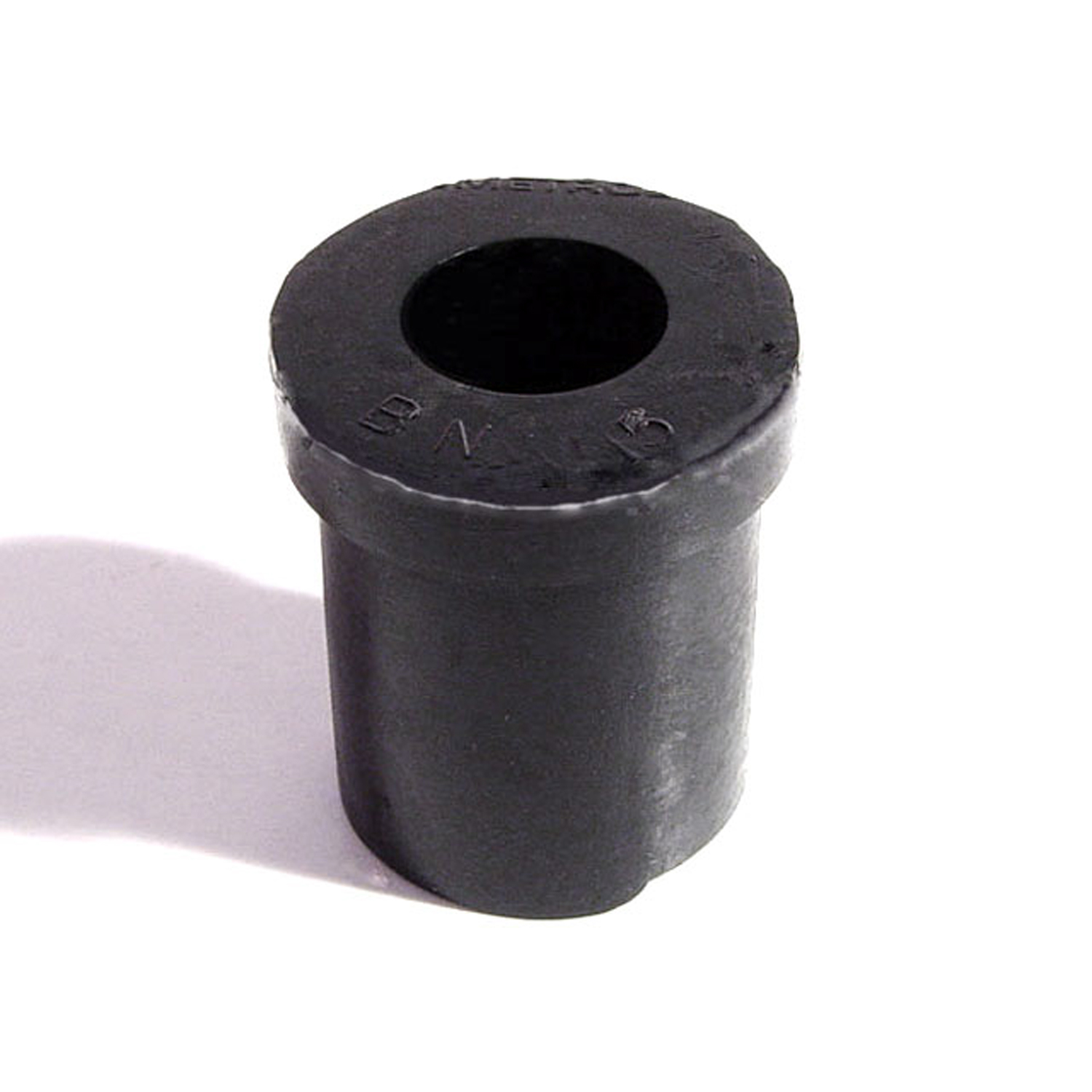 1942 Studebaker M17 Spring and Shackle Bushing. 7/8" bottom O.D-BN 15Spring and Shackle Bushing. 7/8" bottom O.D. X 1-1/8" high, with 1/2" I.D. Each
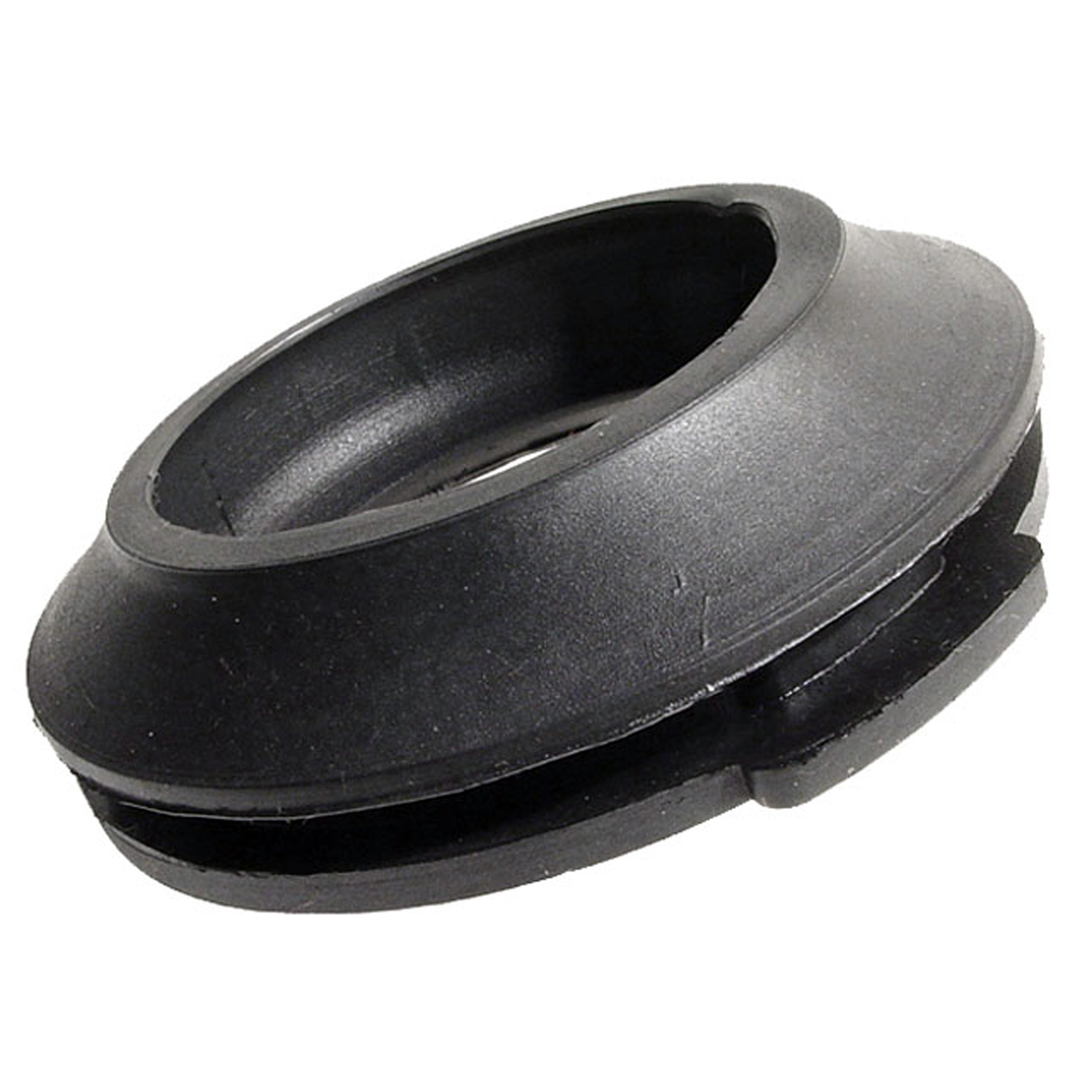 1942 Studebaker M17 Gas Filler Grommet. Perfect reproduction. Top 2-1/16" I.D-GF 45Gas Filler Grommet. Perfect reproduction. Top 2-1/16" I.D., 3-7/16" O.D. Each
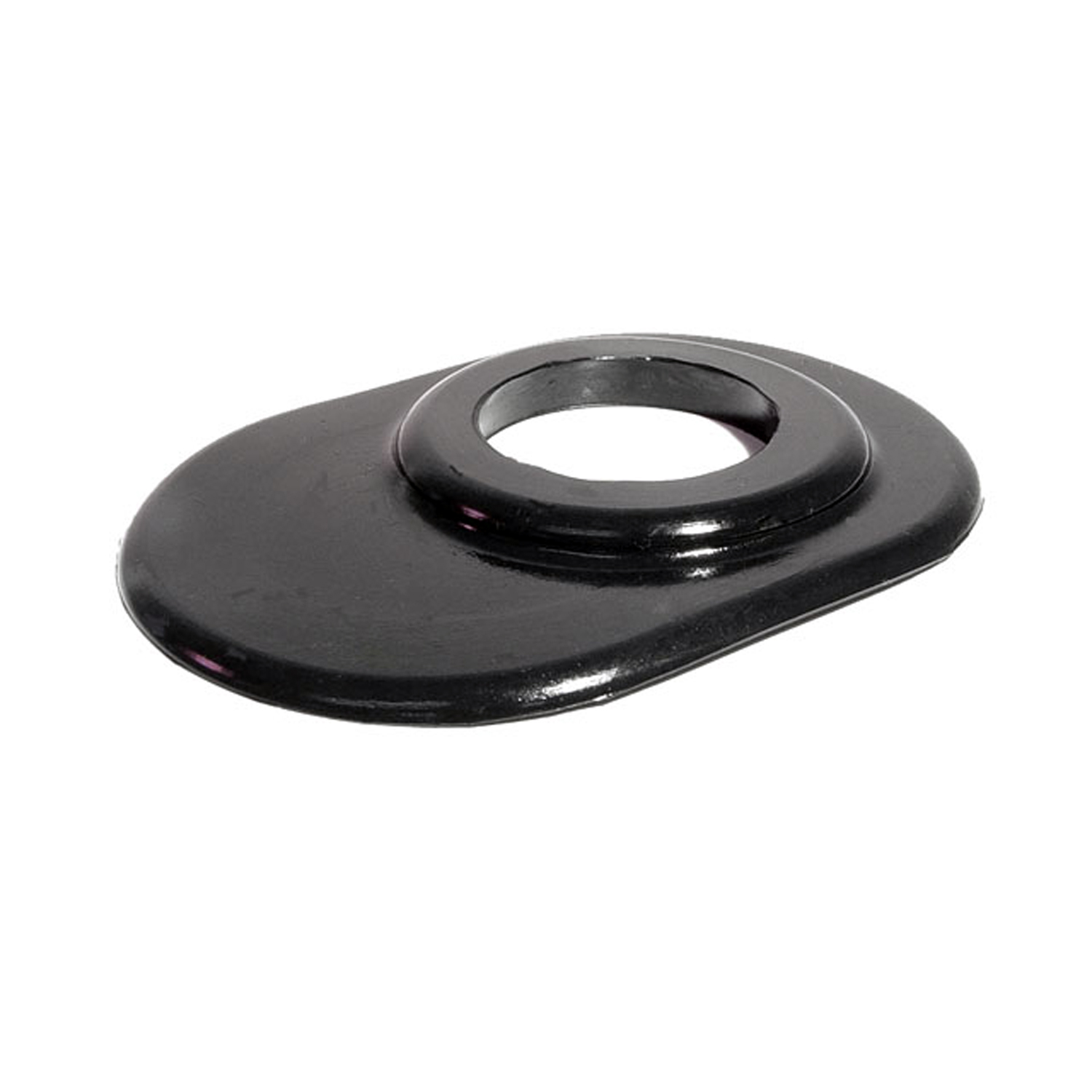 1942 Studebaker M17 Steering Column Grommet. For 4-speed models. Each-SC 24Steering Column Grommet. For 4-speed models. Each
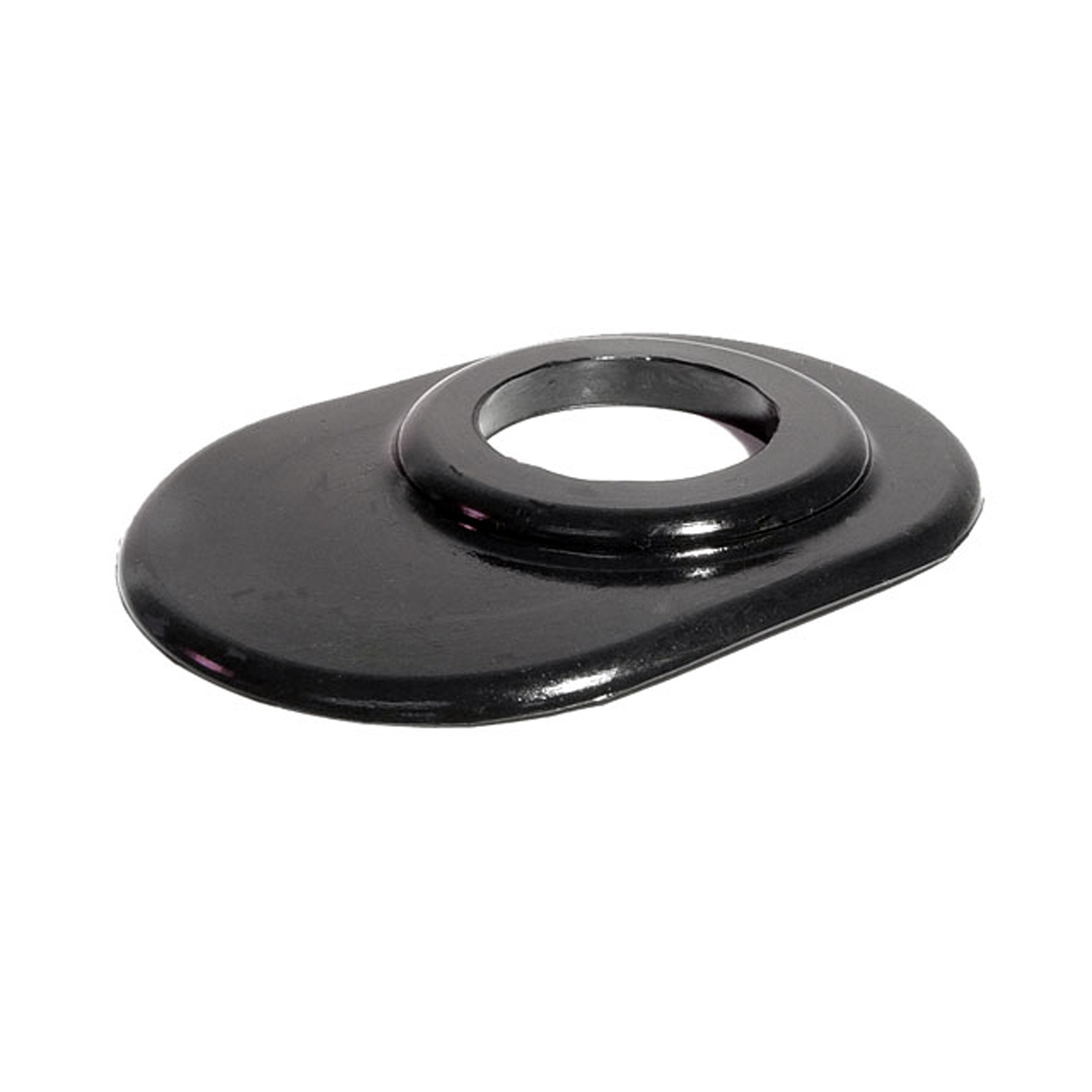 1942 Studebaker M17 Steering Column Grommet. For 3-speed models. Each-SC 24-ASteering Column Grommet. For 3-speed models. Each
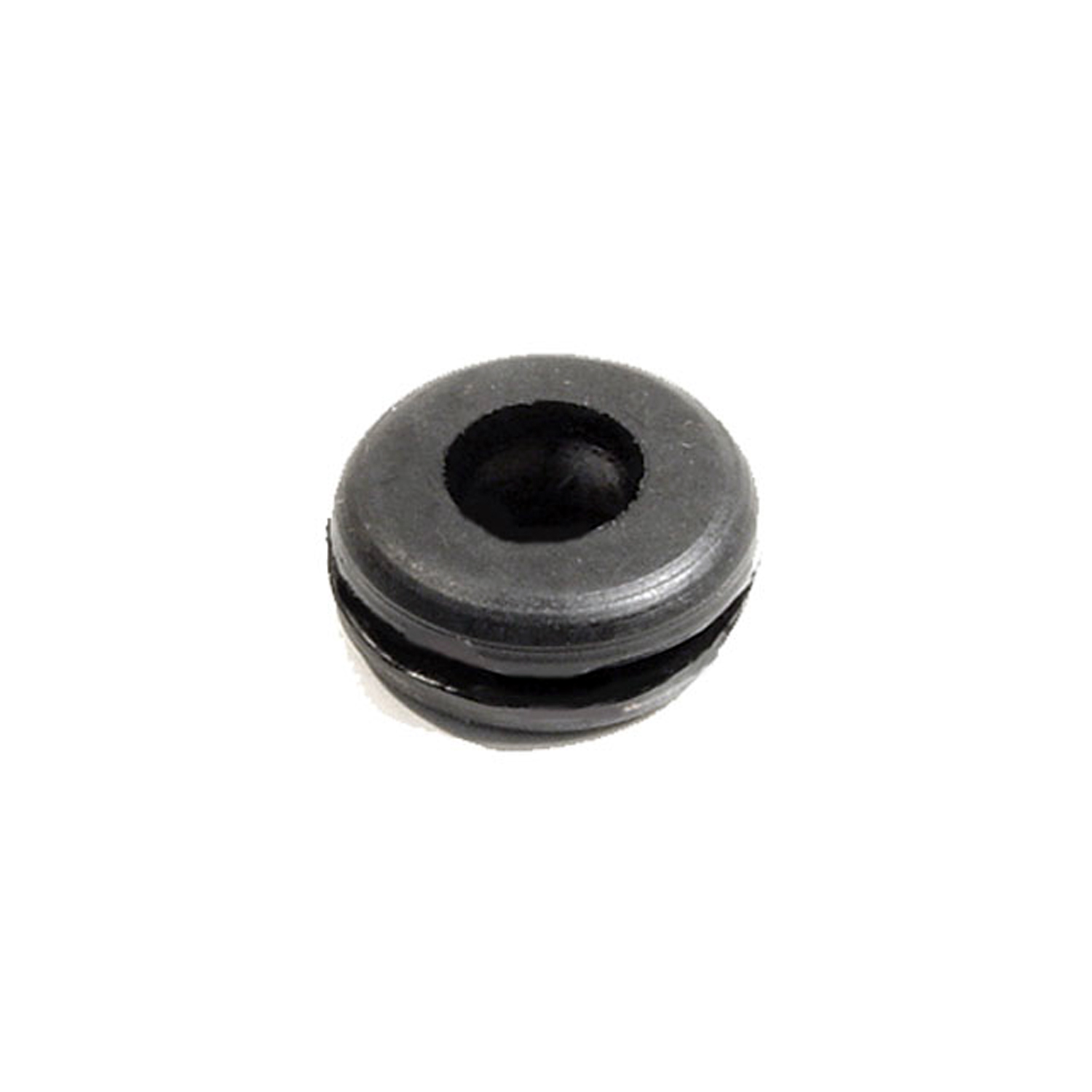 1942 Studebaker M17 Headlight & Tail-Light Wire Grommet. 3/8" I.D., 7/8" O.D-SM 13-AHeadlight & Tail-Light Wire Grommet. 3/8" I.D., 7/8" O.D. Each
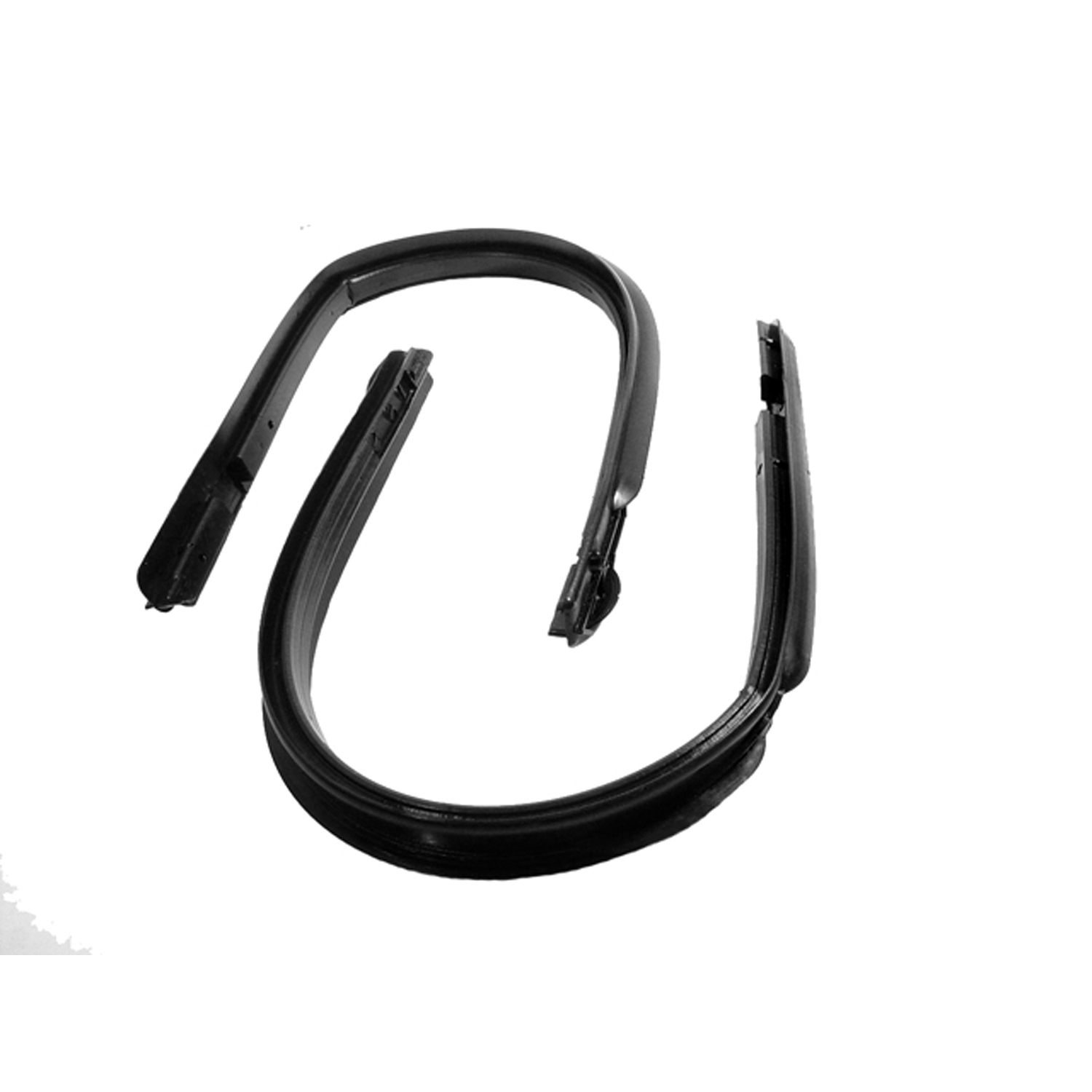 1942 Studebaker M17 Front Vent Window Seals. 28-7/8" long each. Pair R&L-WR 9401Front Vent Window Seals. 28-7/8" long each. Pair R&L
Why Choose Metro?
For over 100 years, Metro Moulded Parts has been the pinnacle of quality in classic car restoration parts. Our commitment to precision and authenticity in every component ensures a perfect fit and an OEM-level appearance.
- Expert Craftsmanship & Quality: Each part is a testament to our dedication to reliability and perfection, crafted from original designs and thoroughly tested.
- Advanced Technology: We use cutting-edge techniques to create flawless, long-lasting parts that surpass others in performance.
- SuperSoft Sponge – The Ultimate Door Seal: Not only are our door seals 30% softer than competitors', but they're also guaranteed to never leak. They effectively reduce wind and road noise, enhancing your classic car's comfort and driving experience.
- Proudly American: Our parts are a product of American craftsmanship, made in the USA with a spirit of excellence and heritage.
- Unrivaled Warranty: We back our products with a 30-year industry-leading warranty, a testament to our confidence in their quality.
Join us in preserving the legacy of classic cars with parts that are crafted for perfection, not just made.