

Image of 1942 Studebaker M5, Note: These illustrations use artistic license and may differ from actual historical models.
Performance Metrics
Fundamental Metrics
Emotional Appeal
MMP Rating
| Engine Specifications | |
|---|---|
| Engine Options: | Inline 6 |
| Displacement Range: | 170 cubic inches |
| Horsepower Range: | Estimated 80-85 hp |
| Torque: | Not available |
| Compression Ratio: | Not available |
| Ignition System: | Distributor and coil |
| Cooling System: | Liquid-cooled |
| Performance Specifications | |
| 0-60 Time: | Not available |
| 1/4 Mile Time: | Not available |
| Top Speed: | 70 mph |
| Transmission and Drive | |
| Drive Type: | Rear-wheel drive |
| Transmission Type: | 3-speed manual |
| Fuel and Efficiency | |
| Fuel System Type: | Carburetor |
| MPG: | Not available |
| Dimensions and Brakes | |
| Brakes: | Drum brakes |
| Wheelbase: | 112 inches |
| Weight: | 3,200 lbs |
Note: Specifications for classic cars are given to the best of our ability, considering the limited and variant data available.
1942 Studebaker M5: A Compact Wartime Workhorse
The 1942 Studebaker M5 was built for a world at war, but its appeal today is wonderfully simple: it is a compact, purposeful 4x4 with the stance and character of a military truck from the ground up. Studebaker Corporation of South Bend, Indiana, made the half-ton M5 for U.S. military service during World War II. It was a smaller, lighter utility truck than the better-known Studebaker US6, designed to carry people, supplies, and equipment where ordinary road vehicles could not.
One detail that makes the M5 especially interesting is its powerplant. Rather than using a large, dedicated truck engine, it relied on a six-cylinder engine related to the one used in Studebaker passenger cars. That gave the M5 a distinctive place in the company’s wartime lineup: a compact military 4x4 with familiar Studebaker engineering at its heart.
Military Design, Studebaker Style
The M5 has the unmistakable shape of a 1940s utility truck. Its upright cab, broad hood, separate front fenders, and simple grille give it a sturdy, almost friendly appearance, though every line serves a practical purpose. The high stance and four-wheel-drive hardware hint at its real assignment: crossing rough ground rather than making a polished impression on city streets.
Inside, the M5 is strictly functional. The cab is narrow and upright, with painted metal surfaces, straightforward gauges, a large steering wheel, and basic seating. Materials were selected for durability and ease of production, not comfort or luxury. Expect a firm seat, exposed metal, and a direct connection to the truck’s mechanical workings. The driver gets the essentials and little else.
Its technology was practical for the period. The M5 combined a four-wheel-drive chassis with a manual transmission and a two-speed transfer case, allowing the driver to select a lower range for difficult terrain. The truck’s compact size and relatively light payload made it useful for jobs that did not require the much larger capacity of a heavy cargo truck.
Military M5s were typically finished in olive drab, the familiar low-visibility color of U.S. Army vehicles. Exact shades and markings could vary with production dates, service branch, and later repainting. The M5 was principally built as a cargo truck with an open rear bed and removable or fold-down sides. Chassis-and-cab examples could also receive specialized bodies or equipment, but the basic cargo configuration is the most recognizable form. It was not a broad civilian model range with a long menu of trim and paint choices.
A Small Truck in a Large War
The M5’s significance lies less in introducing a revolutionary new feature than in showing how American manufacturers adapted quickly to wartime needs. The United States needed enormous numbers of vehicles, with different sizes and capabilities for different duties. The M5 filled the lighter end of that military-utility role, complementing larger trucks rather than replacing them.
Its four-wheel drive, compact dimensions, and straightforward construction made it suitable for supply runs, personnel transport, and general-purpose work on poor roads. Compared with a civilian pickup, the M5 was built around military requirements. Compared with a heavy 4x4 cargo truck, it was more manageable in tight spaces and lighter-duty assignments.
The M5 is sometimes confused with Studebaker’s US6, the company’s much larger and more famous wartime truck. They served different purposes. The US6 was a heavy-duty cargo vehicle produced in substantial numbers for Allied use, while the M5 was a half-ton utility truck. The M5’s smaller scale and less prominent place in wartime history help explain why it is less familiar to casual enthusiasts today.
Engine, Speed, and Road Manners
A typical M5 is powered by a 169.6-cubic-inch (2.8-liter) inline six, generally rated at about 80 horsepower. Power goes through a manual transmission and transfer case to all four wheels. Exact equipment and specifications can differ between surviving trucks, particularly if an example has been rebuilt or fitted with replacement parts, so buyers should verify the engine and drivetrain on the individual vehicle.
Performance is modest by modern standards. A reasonable estimate for a sound, correctly geared M5 is a top speed in the neighborhood of 50 to 55 mph. A 0-to-60-mph time is rarely a meaningful figure for a half-ton military truck of this age. If it can reach 60 mph at all, it will take a long, patient run, and many owners will prefer to cruise below that speed. With roughly 80 horsepower, a low-speed drivetrain, and military tires, quick acceleration was never the mission.
On a rough track, the M5’s four-wheel drive and rugged construction are its strengths. The suspension is designed for utility rather than comfort, so potholes and washboard surfaces can send a noticeable jolt through the cab. On paved roads, the truck feels slow and mechanical. Its steering requires more effort than a modern vehicle, and its relatively high, upright body can be affected by crosswinds. Drivers should leave plenty of room for braking and avoid expecting modern handling or stopping distances.
The driving experience is part of the attraction. The six-cylinder engine makes a steady, old-fashioned mechanical sound, while the gearbox and transfer case demand deliberate inputs. The driver sits high, looks out over the long hood, and feels the road through the steering wheel and chassis. It is engaging in the way a working machine can be, but it is not a relaxed highway cruiser.
Owning and Maintaining an M5
Today, the M5 is best suited to historic-vehicle events, military-vehicle displays, parades, collection use, and occasional local drives. Some owners use restored examples on short trips or at vintage gatherings, but modern traffic can make a slow, exposed wartime truck tiring to operate. It is not a sensible choice for regular commuting or high-speed road travel.
Basic mechanical work is approachable for an experienced home mechanic. The engine, manual drivetrain, and straightforward electrical system are relatively simple compared with those of a modern truck. The trade-off is that age, corrosion, and decades of repairs can turn a seemingly easy job into a parts hunt. Before buying, inspect the frame, body mounts, cab corners, floor, bed, steering, brakes, and four-wheel-drive components. Confirm that the transfer case works properly and that the truck has not been assembled from mismatched parts.
Parts availability is more limited than for common civilian Studebakers or highly popular military vehicles. Consumables and some mechanical components may be obtainable through specialist suppliers, but correct body panels, trim, and M5-specific items can take patience to locate. A complete, running truck is often a better starting point than an inexpensive project missing important pieces.
Wartime Details and Common Complaints
The M5’s strongest claim to fame is its role as one of the smaller 4x4 utility vehicles built to support wartime operations. It does not have the same popular recognition as the Studebaker US6, but that relative obscurity is part of its appeal to collectors who want a less commonly seen military truck.
There is no widely accepted, definitive production total for every M5 configuration in circulation among enthusiasts. A reasonable working estimate is that production numbered in the low thousands, perhaps around 3,000 to 5,000 trucks, though individual sources and surviving records may differ. That makes it uncommon compared with mass-produced wartime trucks, but not necessarily impossible to find through military-vehicle clubs, specialist dealers, and online marketplaces.
There is no widely known M5 speed or endurance record that defines the model. Its historical importance is more practical: trucks like it helped move people and supplies through the difficult conditions of wartime service. Common criticisms are equally straightforward. The cab is cramped, the ride is firm, highway speed is limited, and the truck can be noisy and demanding to drive. Those are not surprises so much as reminders that it was engineered for a very different era.
Collector Values and Availability
As a broad 2026 estimate, a project M5 may sell for roughly $8,000 to $18,000, depending on completeness, rust, and mechanical condition. A running, usable example might fall around $18,000 to $30,000. A high-quality restoration with correct details and a sound drivetrain could bring approximately $30,000 to $45,000 or more. These are guide ranges, not fixed prices: provenance, originality, location, and the quality of restoration can make a substantial difference.
M5s are occasionally available, but the market is small and suitable trucks may take time to locate. Values have generally benefited from steady interest in military vehicles and prewar or wartime machinery, although condition and authenticity matter more than short-term market swings. A well-documented, complete example is likely to hold its appeal better than a poorly executed restoration. Buyers should also budget for transport, specialist parts, and the cost of bringing an older military vehicle up to safe operating condition.
Why the Studebaker M5 Still Matters
The 1942 Studebaker M5 is not fast, plush, or especially forgiving on modern roads. Its appeal comes from its honest engineering: a compact four-wheel-drive truck, a simple six-cylinder engine, and a design shaped by the urgent demands of World War II. It represents the practical side of wartime automotive history, when manufacturers built vehicles to work hard and keep moving.
For collectors, the M5 offers a less familiar alternative to the great wartime trucks everyone recognizes. For drivers, it provides a vivid, hands-on connection to an earlier mechanical age. It may be a small truck beside the famous Studebaker US6, but the M5 has a character and history all its own.
1942 Studebaker M5 Catalog of Parts
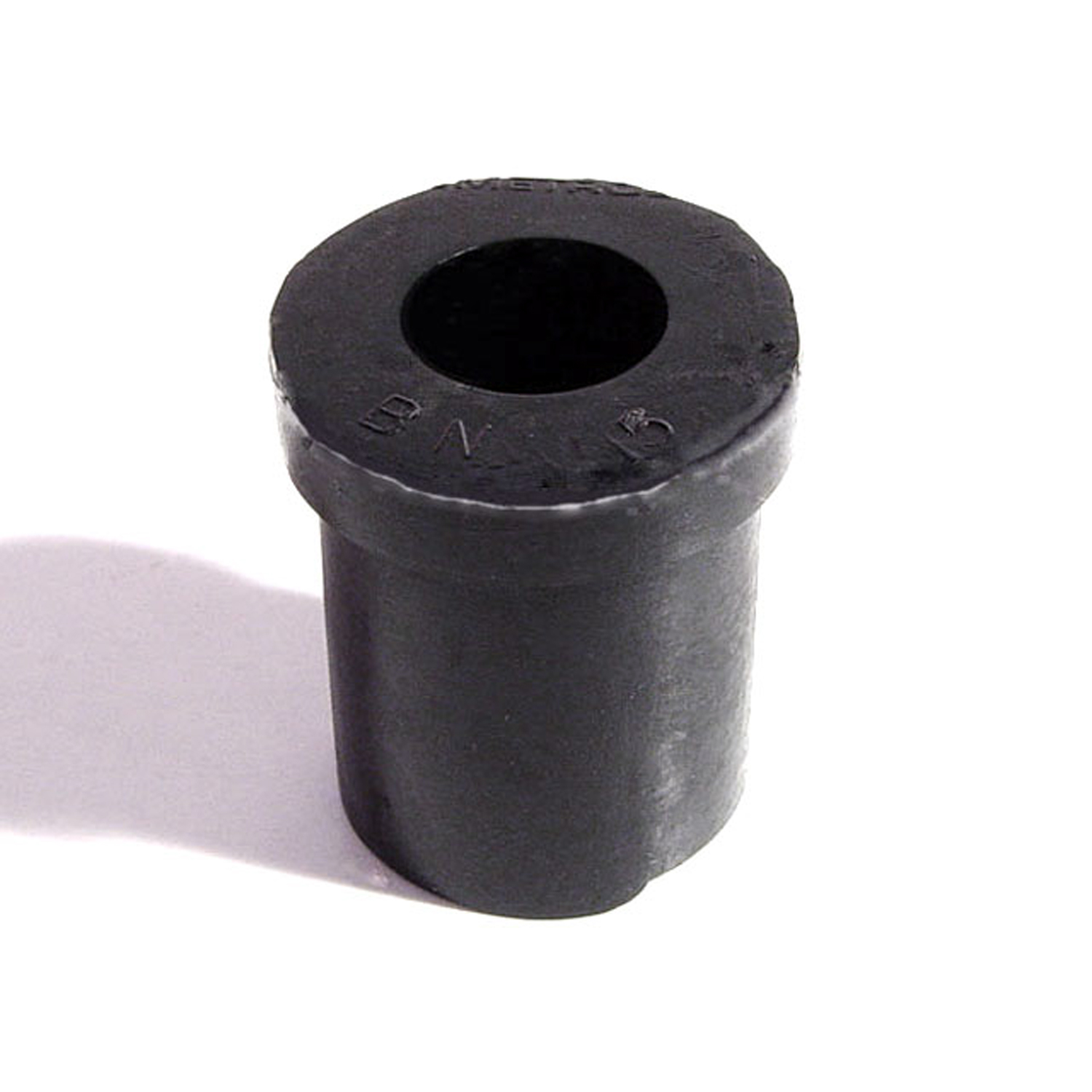 1942 Studebaker M5 Spring and Shackle Bushing. 7/8" bottom O.D-BN 15Spring and Shackle Bushing. 7/8" bottom O.D. X 1-1/8" high, with 1/2" I.D. Each
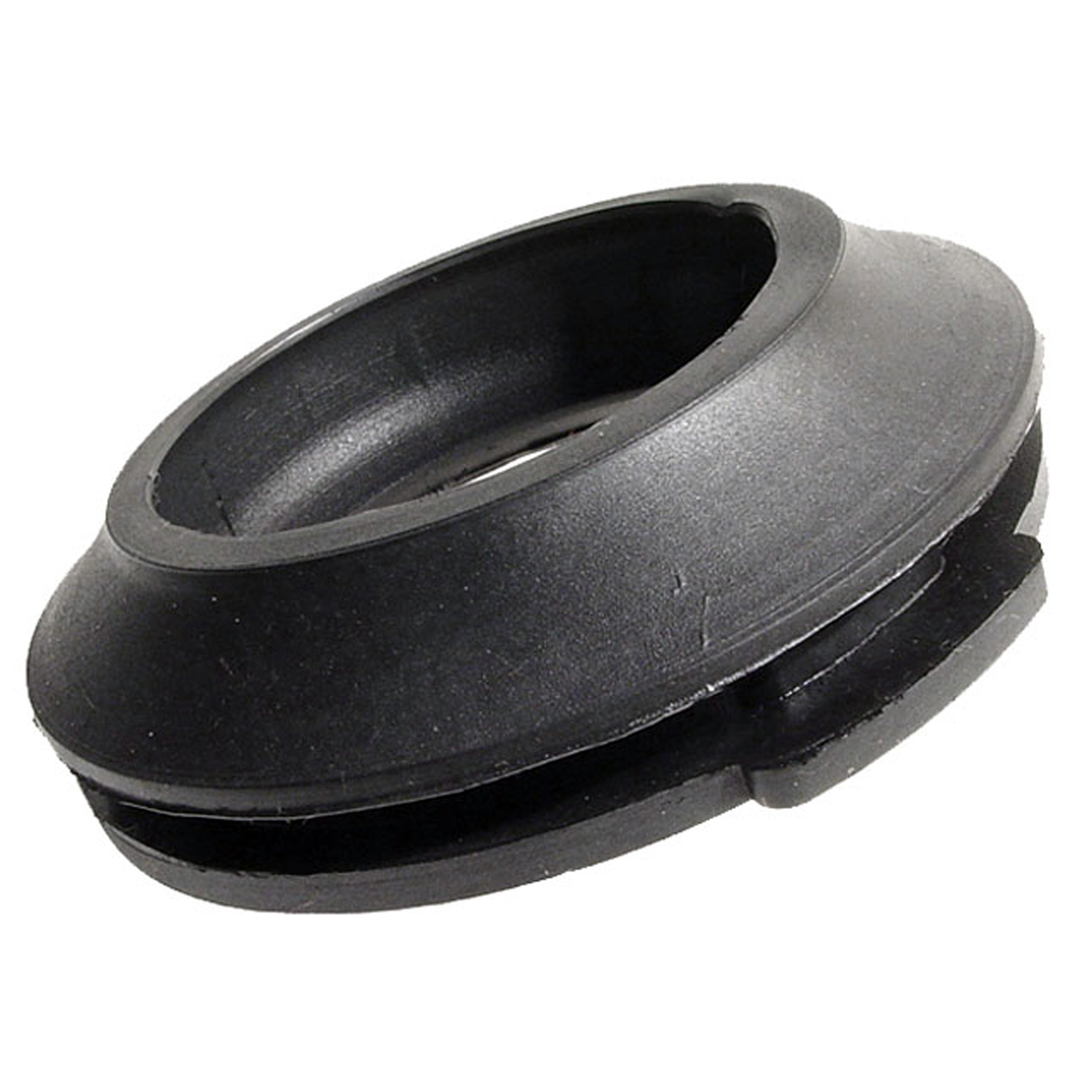 1942 Studebaker M5 Gas Filler Grommet. Perfect reproduction. Top 2-1/16" I.D-GF 45Gas Filler Grommet. Perfect reproduction. Top 2-1/16" I.D., 3-7/16" O.D. Each
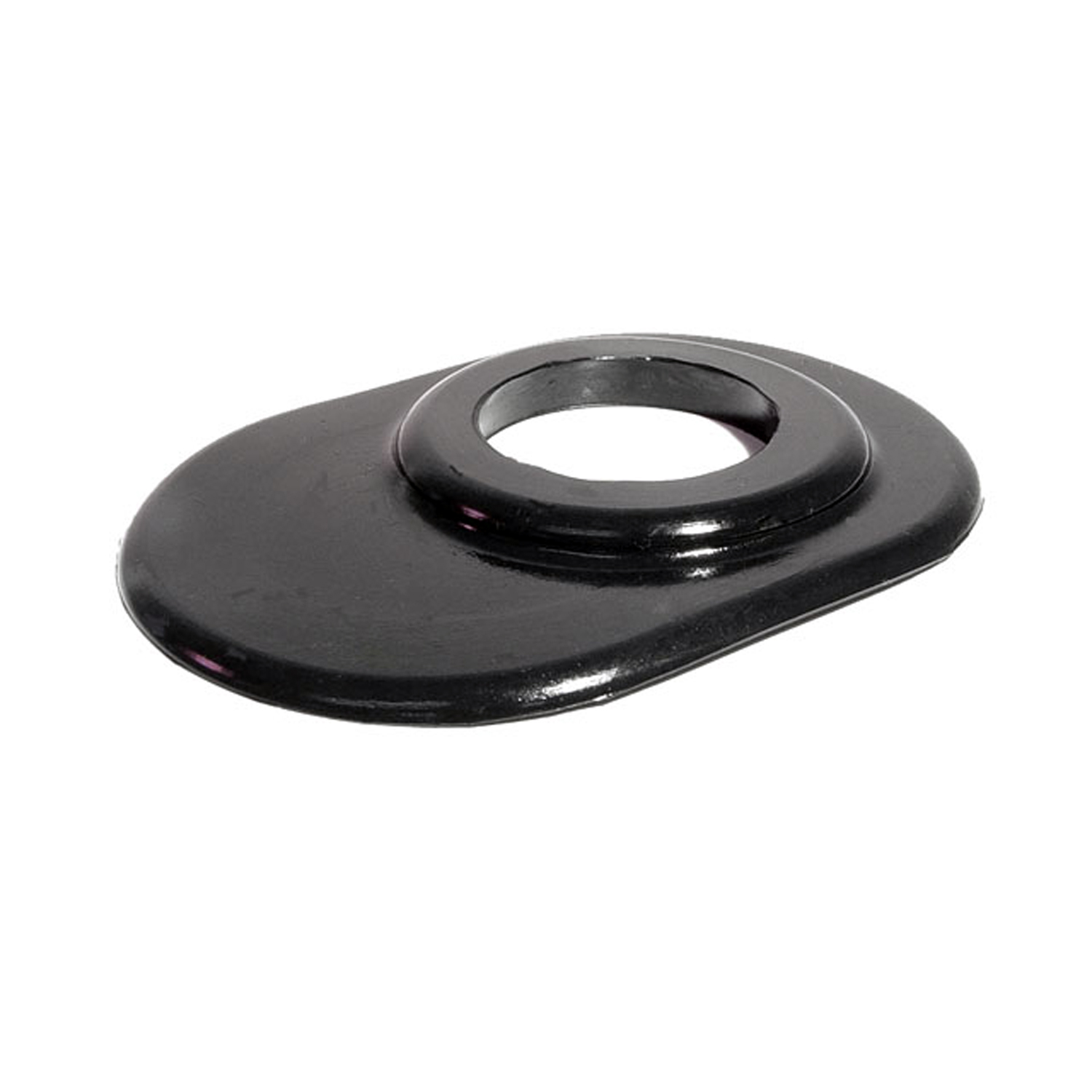 1942 Studebaker M5 Steering Column Grommet. For 4-speed models. Each-SC 24Steering Column Grommet. For 4-speed models. Each
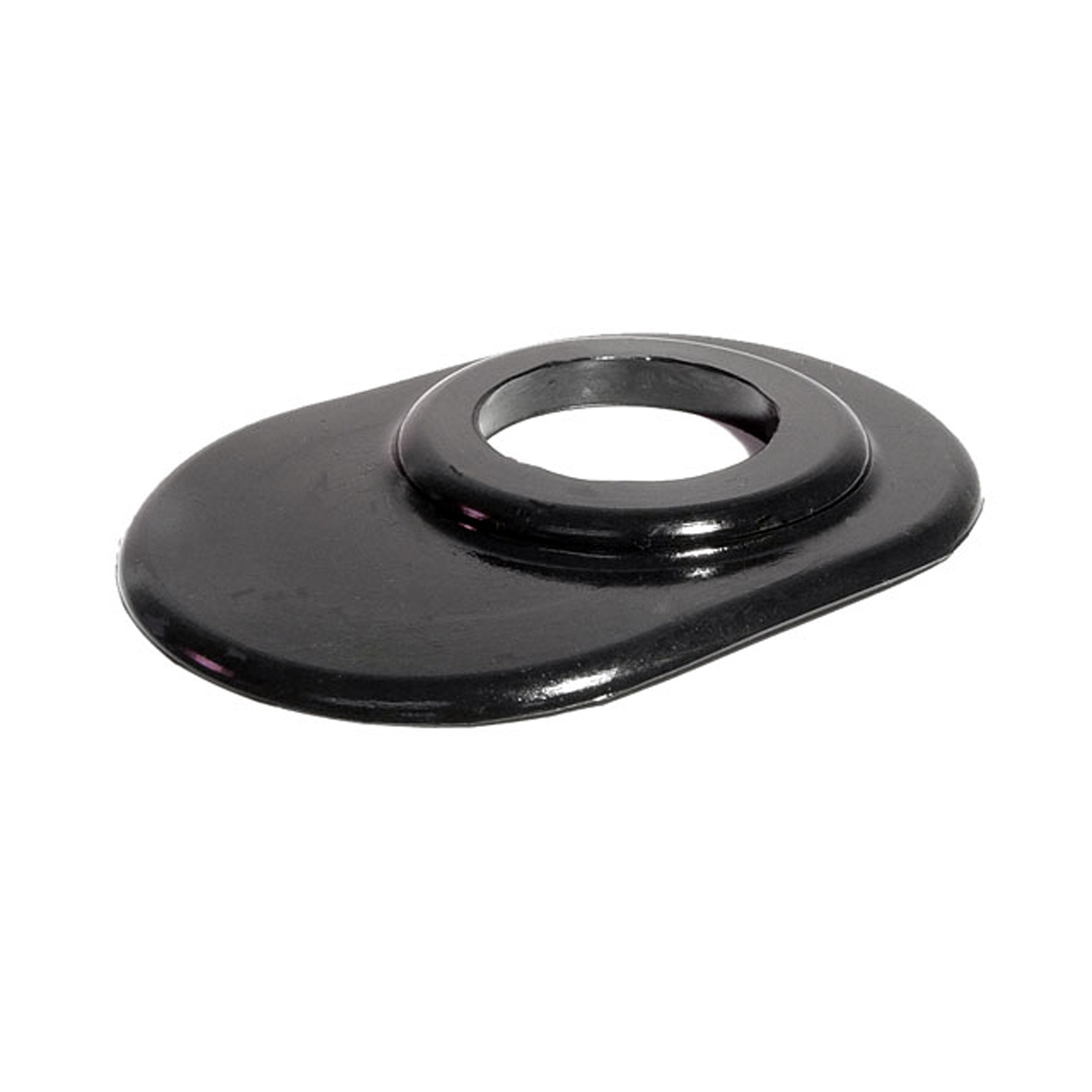 1942 Studebaker M5 Steering Column Grommet. For 3-speed models. Each-SC 24-ASteering Column Grommet. For 3-speed models. Each
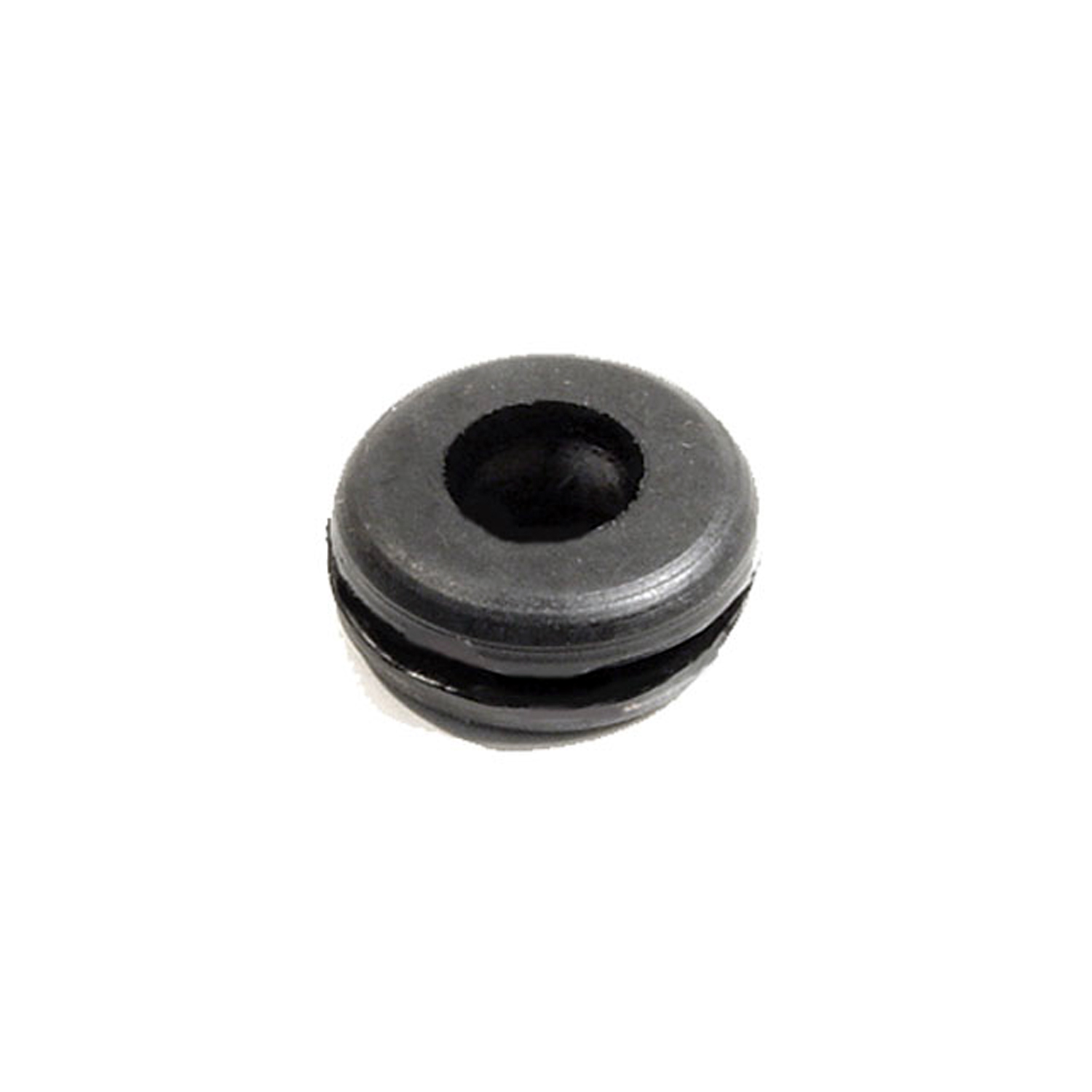 1942 Studebaker M5 Headlight & Tail-Light Wire Grommet. 3/8" I.D., 7/8" O.D-SM 13-AHeadlight & Tail-Light Wire Grommet. 3/8" I.D., 7/8" O.D. Each
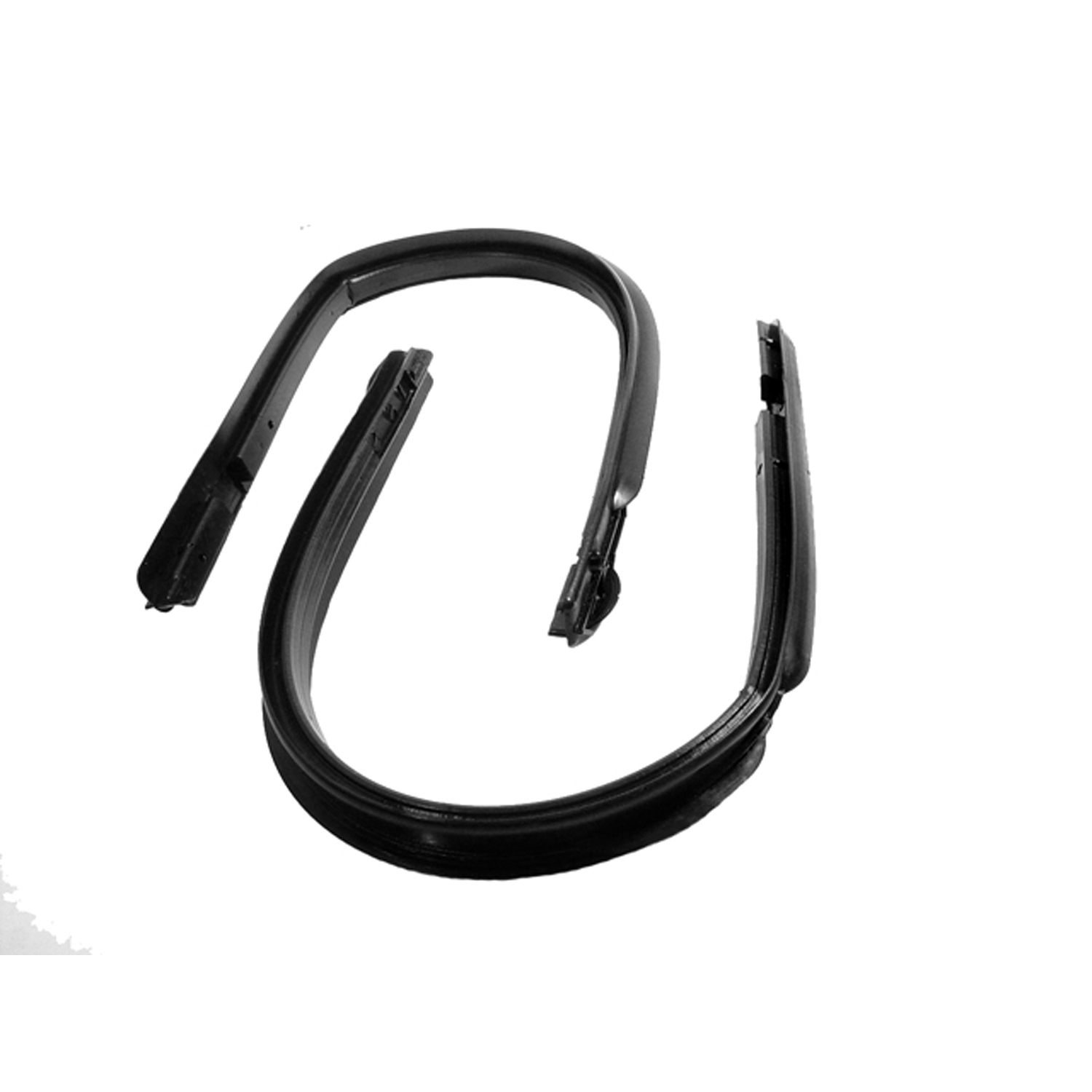 1942 Studebaker M5 Front Vent Window Seals. 28-7/8" long each. Pair R&L-WR 9401Front Vent Window Seals. 28-7/8" long each. Pair R&L
Why Choose Metro?
For over 100 years, Metro Moulded Parts has been the pinnacle of quality in classic car restoration parts. Our commitment to precision and authenticity in every component ensures a perfect fit and an OEM-level appearance.
- Expert Craftsmanship & Quality: Each part is a testament to our dedication to reliability and perfection, crafted from original designs and thoroughly tested.
- Advanced Technology: We use cutting-edge techniques to create flawless, long-lasting parts that surpass others in performance.
- SuperSoft Sponge – The Ultimate Door Seal: Not only are our door seals 30% softer than competitors', but they're also guaranteed to never leak. They effectively reduce wind and road noise, enhancing your classic car's comfort and driving experience.
- Proudly American: Our parts are a product of American craftsmanship, made in the USA with a spirit of excellence and heritage.
- Unrivaled Warranty: We back our products with a 30-year industry-leading warranty, a testament to our confidence in their quality.
Join us in preserving the legacy of classic cars with parts that are crafted for perfection, not just made.