

Image of 1942 Studebaker President, Note: These illustrations use artistic license and may differ from actual historical models.
Performance Metrics
Fundamental Metrics
Emotional Appeal
MMP Rating
| Engine Specifications | |
|---|---|
| Engine Options: | Straight-6 |
| Displacement Range: | 226 cu in (3.7 L) |
| Horsepower Range: | Estimated 94 hp |
| Torque: | Not available |
| Compression Ratio: | Not available |
| Ignition System: | Distributor and coil |
| Cooling System: | Liquid-cooled |
| Performance Specifications | |
| 0-60 Time: | Not available |
| 1/4 Mile Time: | Not available |
| Top Speed: | Estimated 75 mph |
| Transmission and Drive | |
| Drive Type: | Rear-wheel drive |
| Transmission Type: | 3-speed manual |
| Fuel and Efficiency | |
| Fuel System Type: | Carburetor |
| MPG: | Not available |
| Dimensions and Brakes | |
| Brakes: | Drum brakes |
| Wheelbase: | 119 in (3,023 mm) |
| Weight: | Estimated 3,200 lbs |
Note: Specifications for classic cars are given to the best of our ability, considering the limited and variant data available.
1942 Studebaker President: A Luxury Car Interrupted by War
The 1942 Studebaker President arrived as a refined American luxury car just as the country’s automobile industry was about to change course dramatically. Built by the Studebaker Corporation in South Bend, Indiana, the President sat near the top of the company’s passenger-car range, offering a smooth straight-eight engine, generous room and thoughtful engineering. Its 1942 model year was cut short when the United States halted most civilian car production during World War II, making this an uncommon and unusually time-bound chapter in Studebaker history.
Studebaker was one of America’s oldest vehicle manufacturers, having progressed from building wagons to automobiles. By the early 1940s, it had earned a reputation for well-engineered cars with distinctive styling. The President name carried particular weight: it represented the marque’s premium offerings and would later return to Studebaker’s lineup in the postwar era. The most striking twist in the 1942 story is that these cars were among the last new American luxury models before factories turned their attention to wartime production.
Streamlined Styling and President Comfort
The 1942 President had a composed, substantial look without the excessive ornamentation found on some luxury cars of the period. Its long hood, flowing fenders and gently rounded body sides gave it a streamlined profile. At the front, a broad grille and integrated headlamps created a clean, modern face, while bright trim and substantial bumpers supplied the expected touch of prestige. Details varied by body style and equipment, but the overall design balanced formality with Studebaker’s characteristic sense of motion.
Inside, the President was designed for comfortable, quiet travel. Buyers could expect a broad bench seat, ample legroom and quality upholstery, with materials and trim varying by body style and specification. Cloth upholstery was common, while richer trim could be found on more upscale examples. The instrument panel kept its gauges and controls within easy reach, and the cabin’s generous glass area helped make the car feel open despite its substantial exterior dimensions.
Available paint choices depended on the body and production period. Dark, formal colors such as black, deep blue, maroon and green suited the President’s luxury image, while lighter shades were also offered. Upholstery and exterior colors could be paired in different combinations, so original paint codes and trim records are especially useful to restorers trying to establish how a particular car left the factory.
President body offerings included sedan and coupe forms, with availability varying by series and production timing. The four-door Land Cruiser sedan was especially well suited to the model’s role as a spacious, long-distance car. Coupes offered a more personal, sporty profile. Because the model year ended early, surviving 1942 Presidents may not reflect every body style or option shown in period sales material.
Engineering Ahead of Its Time
The President’s most important engineering feature was its straight-eight engine, which emphasized smoothness and relaxed power delivery. Studebaker also had a history of using independent front suspension, a design that helped its cars ride and steer differently from many competitors relying on conventional solid front axles. The 1942 President combined that approach with rear leaf springs and hydraulic brakes, bringing together ride comfort, dependable stopping power and familiar serviceable construction.
Options such as overdrive could make highway cruising more relaxed by lowering engine speed at sustained road speeds. Studebaker’s Hill Holder, available on some cars, helped prevent rollback when starting on an incline. These features were practical rather than flashy, but they reflected the company’s interest in making a large car easier and more comfortable to use.
A Brief Run with Lasting Significance
The 1942 President was not a mass-market revolution, but it represented a significant point in the development of American prewar automobiles. It combined streamlined styling with comfort-oriented engineering at a moment when automakers were refining the modern passenger car. Its independent front suspension, smooth eight-cylinder power and available overdrive helped distinguish it from more basic competitors.
Its rarity is inseparable from the wider history of the war. Civilian automobile production in the United States was curtailed in early 1942 as manufacturers shifted to military work. Studebaker, like other major automakers, contributed to the war effort. The President nameplate then disappeared for several years before returning in 1955, giving the 1942 model the distinction of being the final prewar President.
Eight-Cylinder Power on the Road
The 1942 President was powered by a 250-cubic-inch inline-eight, generally rated at about 117 horsepower. Exact specifications can vary slightly by source and configuration. A three-speed manual transmission was typical, with overdrive available on certain cars. Period performance figures are not as consistent as modern test data, but a sound, correctly tuned example is generally estimated to reach roughly 80 to 85 mph. Acceleration from 0 to 60 mph is likely in the neighborhood of 20 to 25 seconds, depending on body style, gearing, condition and load.
Those figures tell only part of the story. The straight-eight was valued for its smooth, even pull rather than sharp acceleration. On a level road, the engine settles into a steady rhythm, and overdrive-equipped cars can feel especially composed at cruising speeds. The suspension helps take the sting out of ordinary road imperfections, though the car’s age, tire choice and restoration quality make a major difference to ride and handling.
On winding roads, the President feels like a substantial 1940s automobile, not a modern sports sedan. The steering is less precise than contemporary rack-and-pinion systems, and body lean is part of the experience. Still, the independent front suspension can give the car a more settled feel over uneven pavement than a comparable car with a rigid front axle. Behind the wheel, drivers encounter a broad hood, a large steering wheel and mechanical controls that reward smooth, deliberate inputs.
Living with a 1942 President
Today, most Presidents are used as show cars, touring cars or treasured weekend drivers rather than everyday transportation. A well-maintained example can handle local trips and vintage-car events, but modern traffic, limited safety equipment and the scarcity of some parts make regular commuting less appealing. Before a long tour, owners should check the brakes, cooling system, tires, fuel lines and charging system, even if the car has been recently restored.
Basic maintenance is familiar to anyone comfortable with older American cars: regular lubrication, ignition service, carburetor tuning and attention to the cooling system. The straight-eight is mechanically approachable, and many routine jobs can be handled by an experienced home mechanic. However, uncommon trim, body panels and model-specific components may take time to find. Parts support is not as broad as it is for a Ford or Chevrolet of the same era, so keeping a President in top condition often involves patience and specialist knowledge.
Rare Details and Wartime Context
Production figures for individual 1942 President body styles are not consistently reported, and the abbreviated model year complicates the count. A reasonable working estimate is roughly 1,500 to 2,000 Presidents built, though a definitive figure should be treated cautiously. That estimate places the model well below the production of more common mass-market cars, and surviving examples are scarcer still.
The President’s wartime setting is its most important historical connection. Rather than becoming a major participant in a speed or sales record, the model is remembered as one of the last luxury Studebakers of the prewar period. Studebaker’s wider wartime manufacturing work included military vehicles and other equipment, a sharp change from building polished passenger cars for American roads.
Common criticisms are fair ones: the car is large, parts can be difficult to source, and its performance feels leisurely by modern standards. The 1942 model also lacks the broad collector following enjoyed by some better-known contemporaries. But those drawbacks are balanced by its distinctive styling, smooth engine and unusual place at the boundary between peacetime motoring and wartime production.
1942 Studebaker President Values
Collector prices depend heavily on completeness, body style, originality and restoration quality. As a broad U.S. market estimate for 2026, a project car may fall around $5,000 to $12,000. A running, presentable driver could bring approximately $12,000 to $25,000, while a high-quality restoration may reach $30,000 to $50,000 or more. Exceptional cars, especially those with documented history or rare specifications, can exceed that range. These are estimates rather than fixed valuations, and local demand can make a substantial difference.
The President is uncommon enough that buyers may wait for the right car to appear, but rarity alone does not guarantee rapid appreciation. Values have generally been supported by the model’s prewar character and limited supply, while the relatively small pool of Studebaker specialists can temper demand. Over the long term, original, well-documented examples are likely to hold interest better than incomplete projects or restorations with uncertain histories.
A Lasting Prewar Studebaker
The 1942 Studebaker President brought together a smooth inline-eight, comfortable accommodations and engineering that reflected the company’s independent spirit. Its production ended early, leaving it with a special place in Studebaker history as the final prewar President. For collectors, it offers more than rarity: it is a handsome, thoughtfully engineered reminder of the moment American motoring gave way to a different kind of national effort.
1942 Studebaker President Catalog of Parts
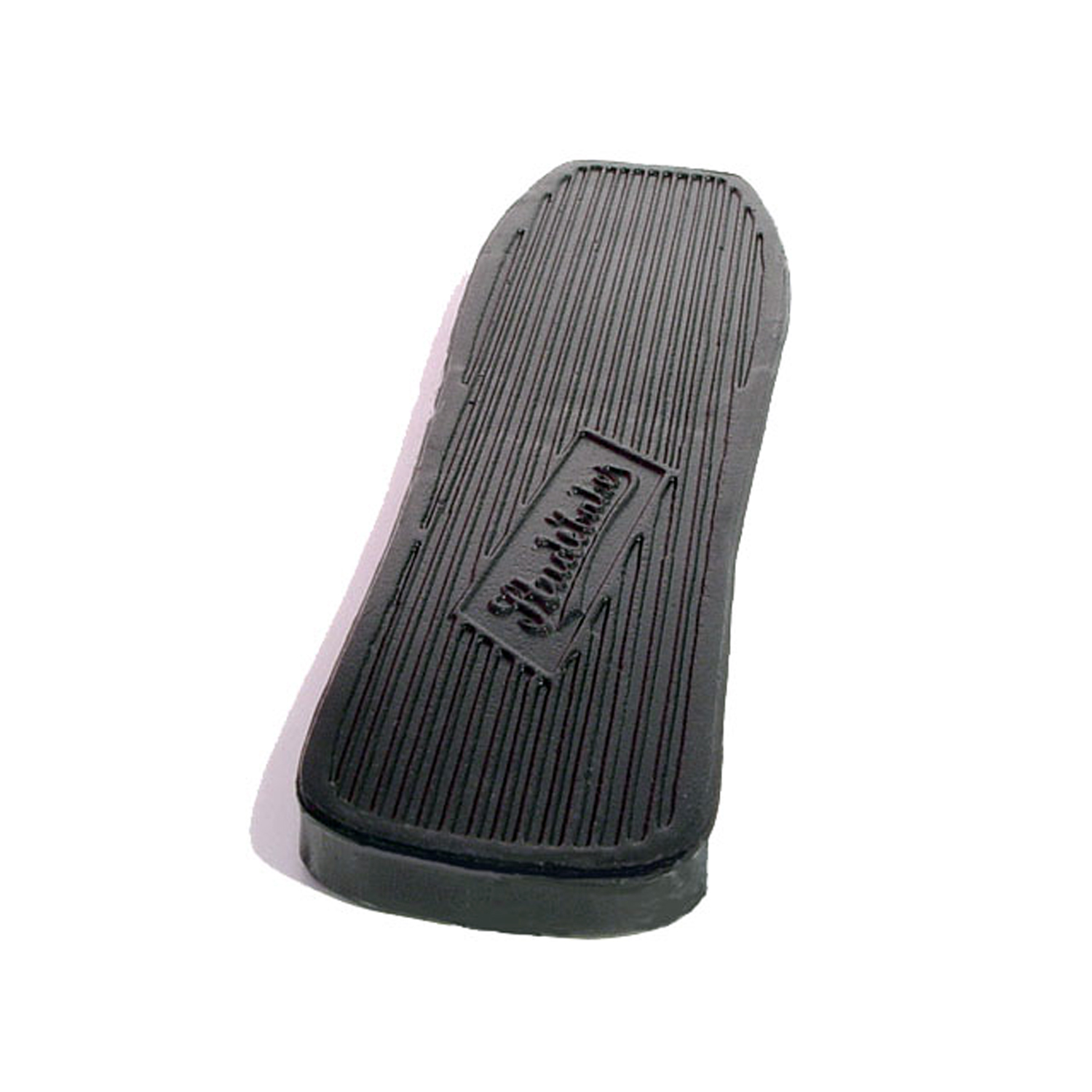 1942 Studebaker President Accelerator Pedal Pad, 2-3/8" X 9", Each-AP 22Accelerator Pedal Pad, 2-3/8" X 9", Each
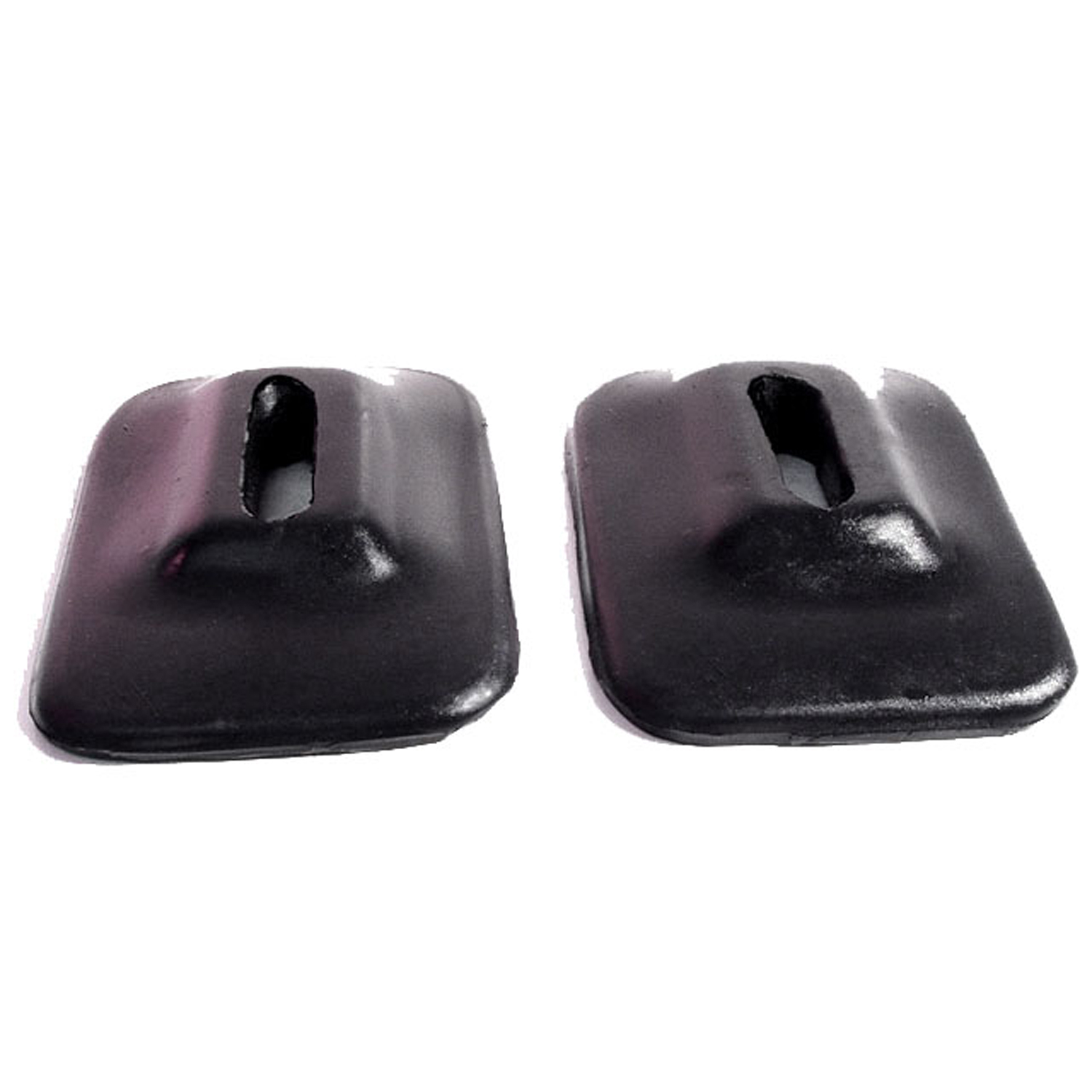 1942 Studebaker President Front and Rear Bumper Arm Grommets-BG 45Front and Rear Bumper Arm Grommets. 2-3/4" wide X 4-1/8" long, with 1-5/8" long inner slot. Pair
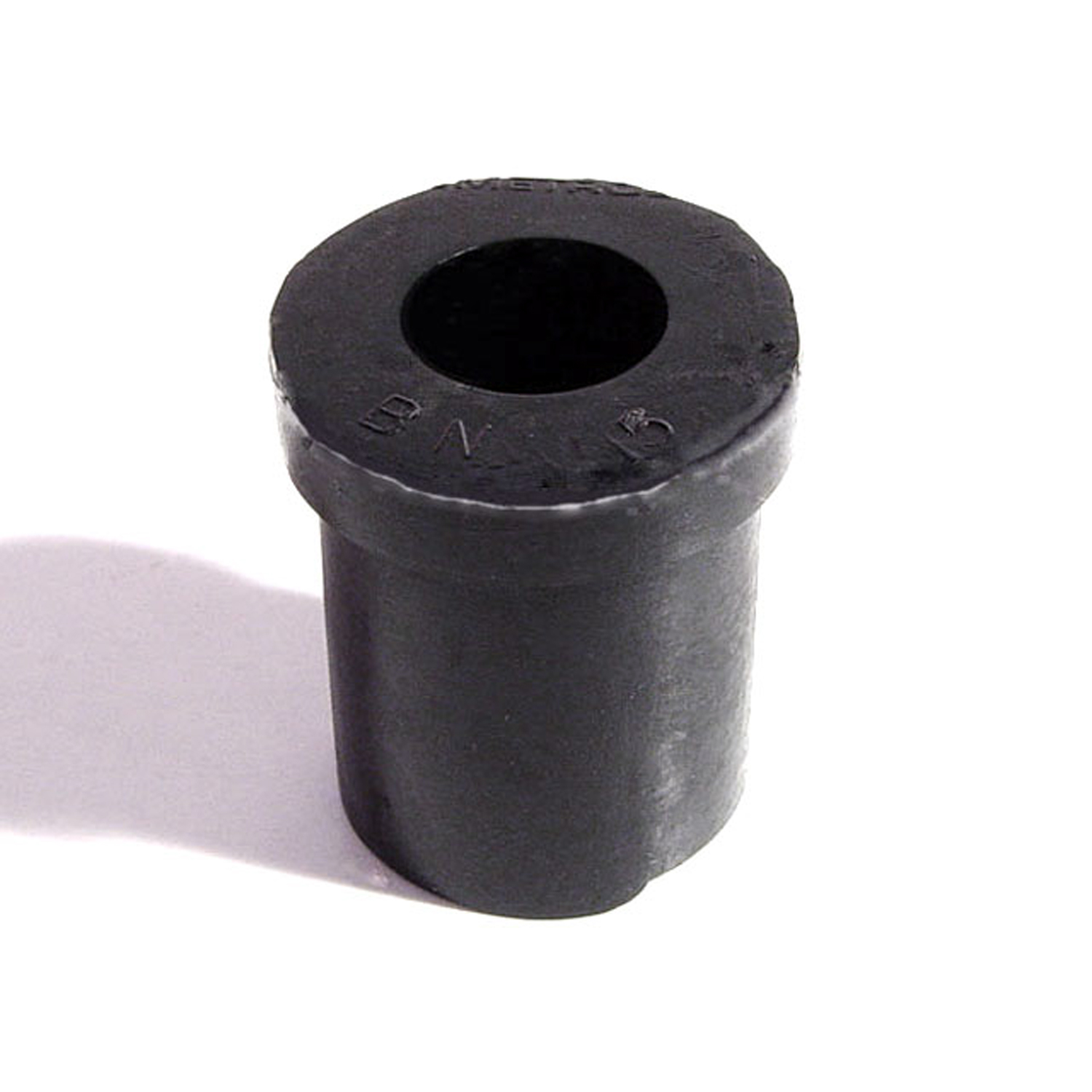 1942 Studebaker President Spring and Shackle Bushing. 7/8" bottom O.D-BN 15Spring and Shackle Bushing. 7/8" bottom O.D. X 1-1/8" high, with 1/2" I.D. Each
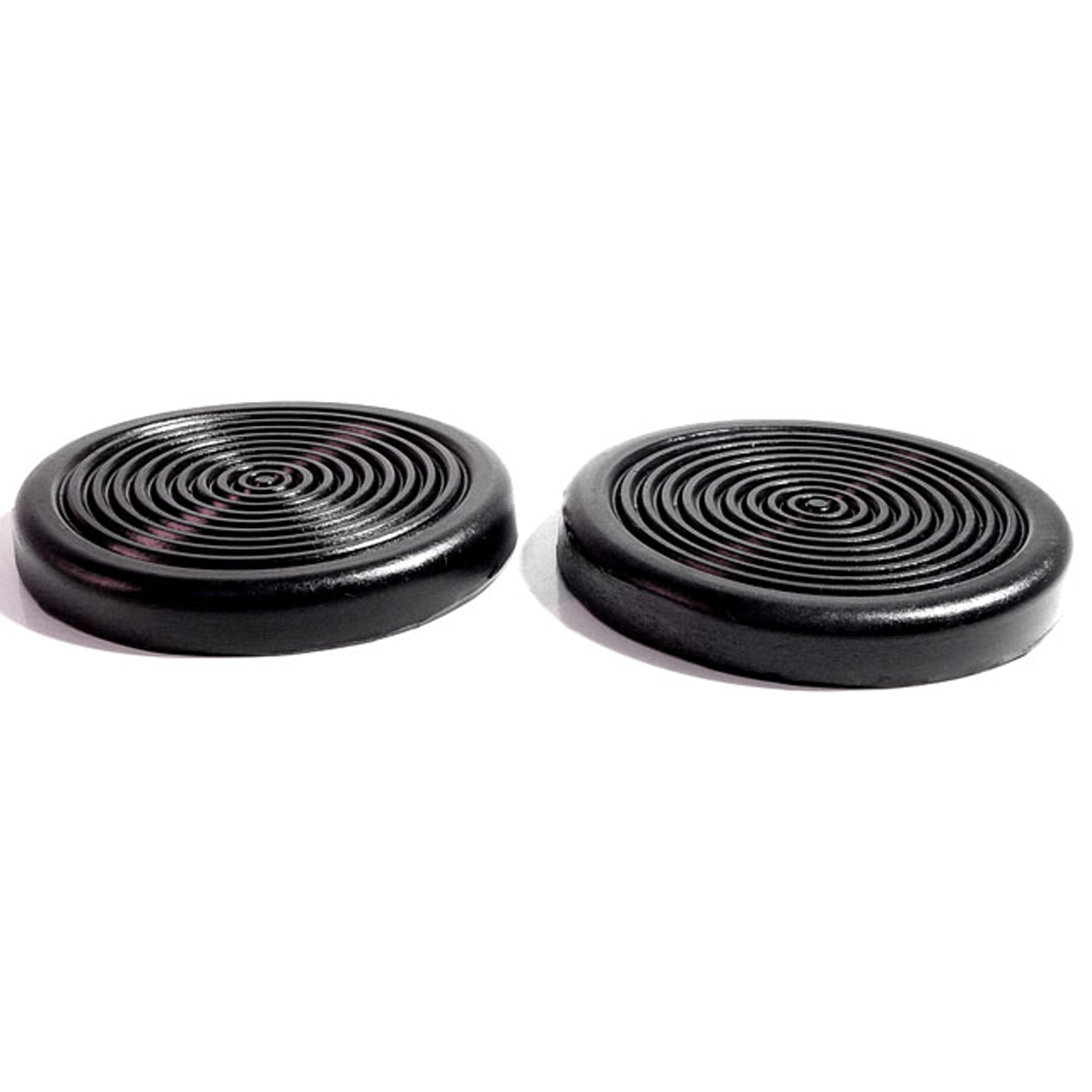 1942 Studebaker President Clutch and Brake Pedal Pads. 3" Diameter. Pair-CB 81Clutch and Brake Pedal Pads. 3" Diameter. Pair
 1942 Studebaker President Gravel Shields. Molded flat without metal backing plates-FS 45Gravel Shields. Molded flat without metal backing plates. Apply with contact cement. 14-1/2" long X 8-3/4" wide at top and 6-1/4" wide at bottom. Pair
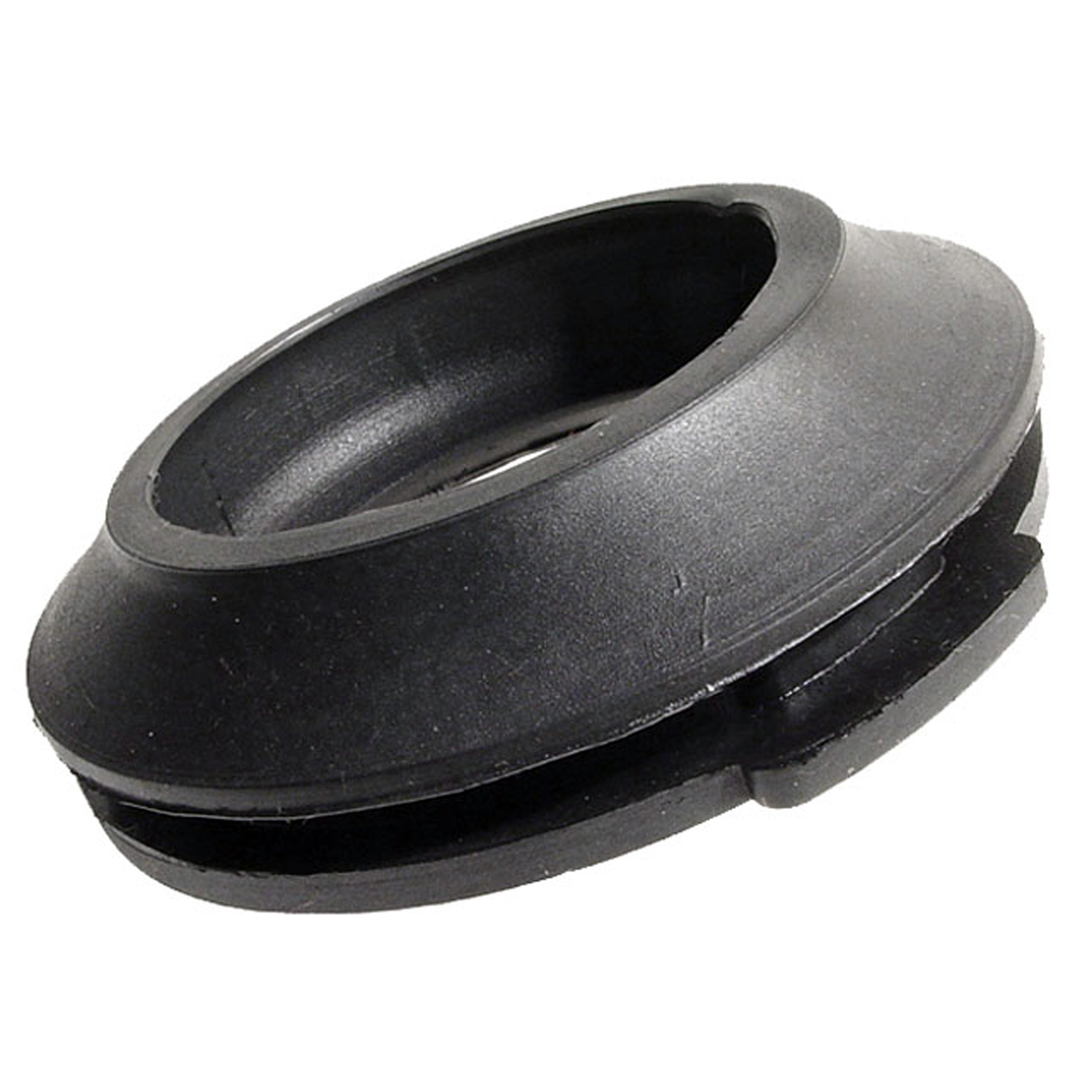 1942 Studebaker President Gas Filler Grommet. Perfect reproduction. Top 2-1/16" I.D-GF 45Gas Filler Grommet. Perfect reproduction. Top 2-1/16" I.D., 3-7/16" O.D. Each
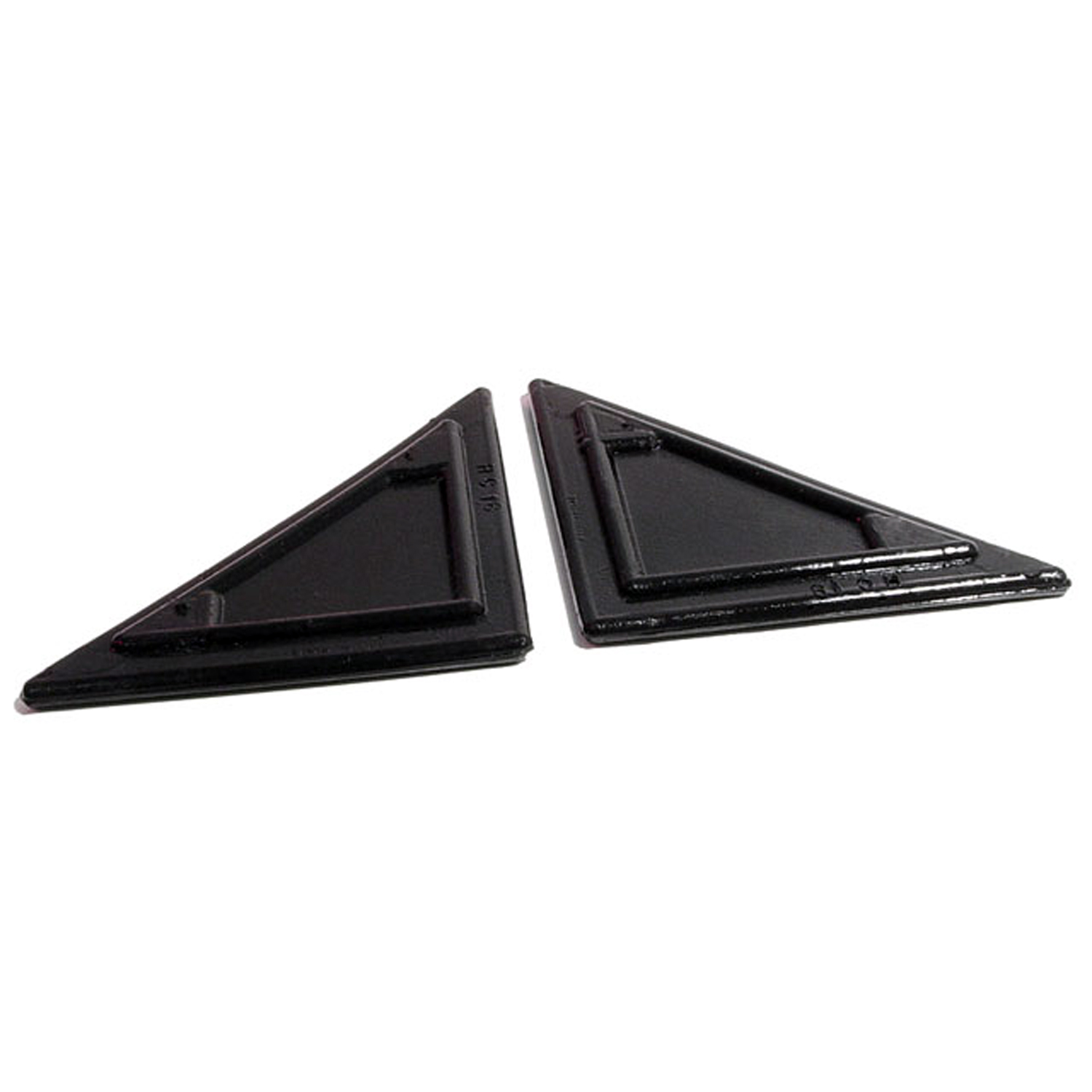 1942 Studebaker President Hood Corners. Original design. 2-3/4" wide. Pair-HC 18Hood Corners. Original design. 2-3/4" wide. Pair
 1942 Studebaker President Trunk Lock Pad. 2-5/8" wide X 8-1/4" long. Each-MP 976Trunk Lock Pad. 2-5/8" wide X 8-1/4" long. Each
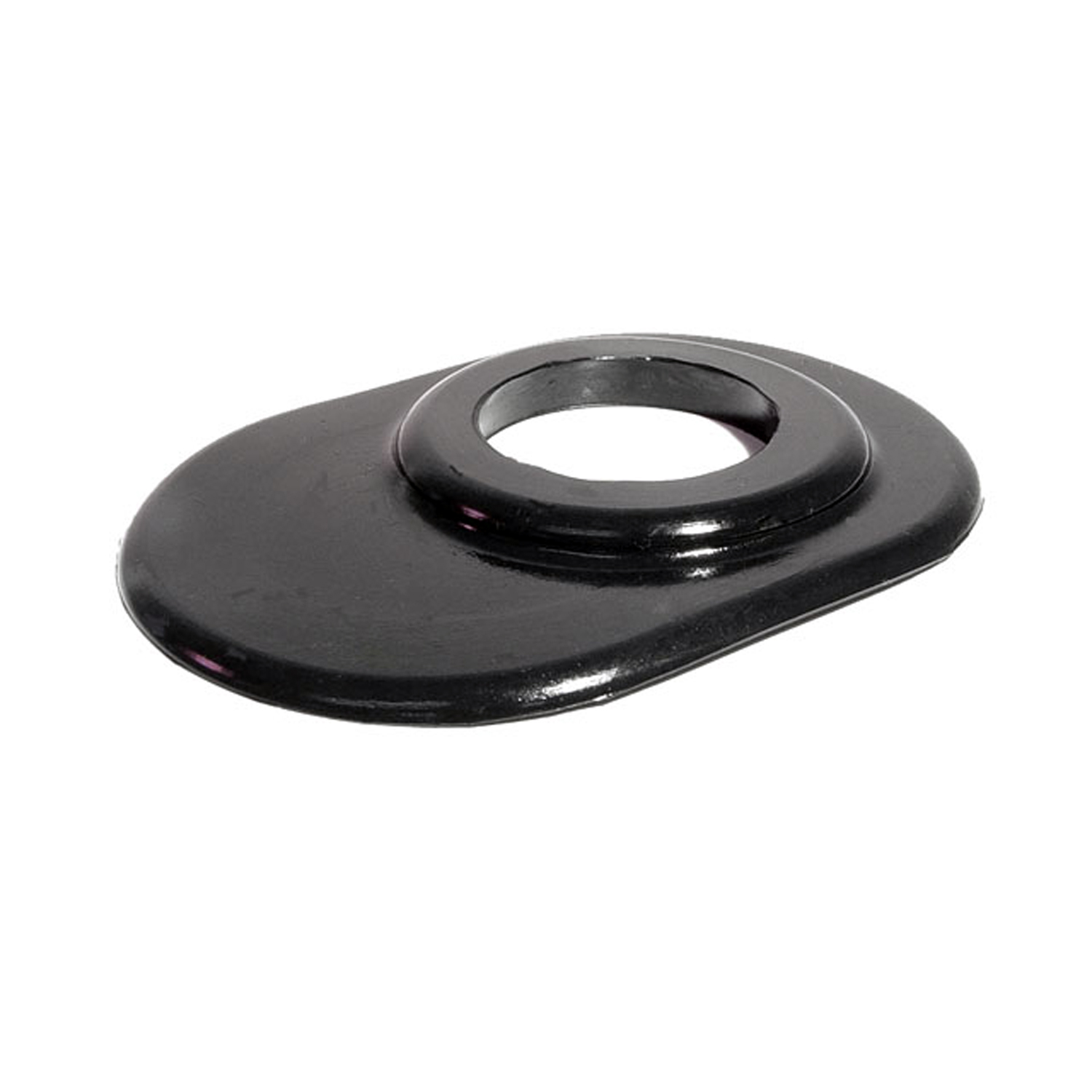 1942 Studebaker President Steering Column Grommet. For 4-speed models. Each-SC 24Steering Column Grommet. For 4-speed models. Each
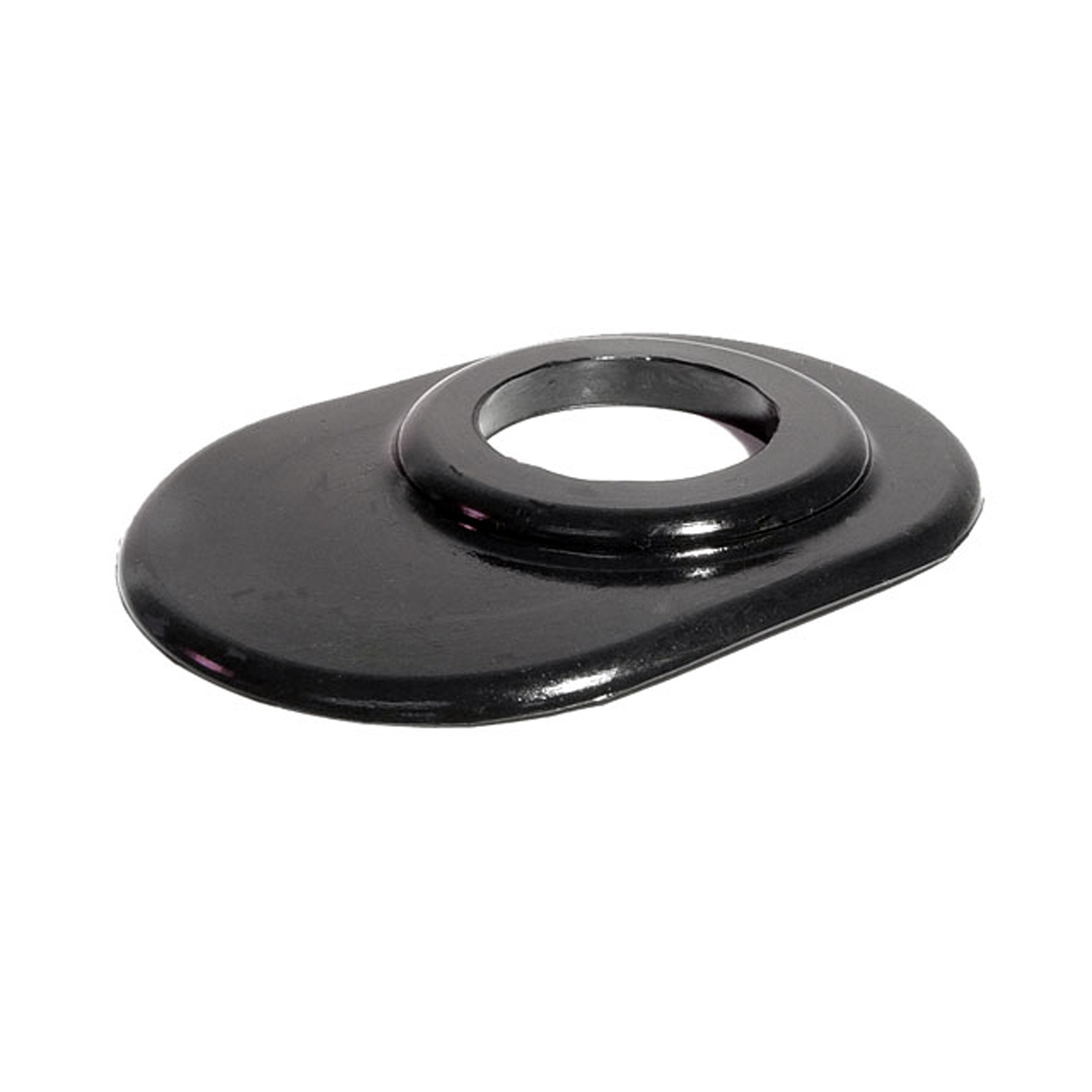 1942 Studebaker President Steering Column Grommet. For 3-speed models. Each-SC 24-ASteering Column Grommet. For 3-speed models. Each
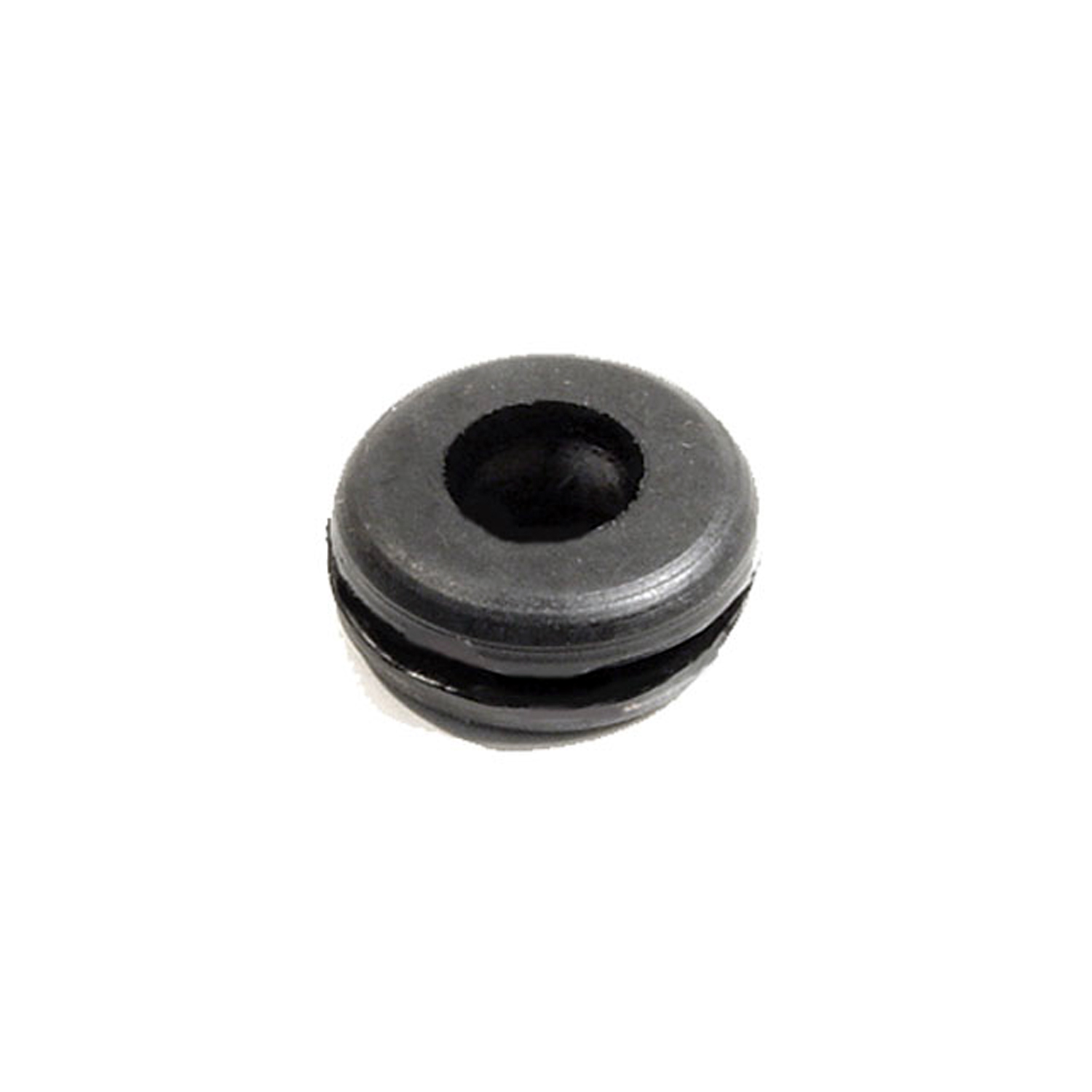 1942 Studebaker President Headlight & Tail-Light Wire Grommet. 3/8" I.D., 7/8" O.D-SM 13-AHeadlight & Tail-Light Wire Grommet. 3/8" I.D., 7/8" O.D. Each
 1942 Studebaker President Flexible glass-run channel-WC 11-72Flexible glass-run channel. Mohair lined, cloth covered with stainless steel bead. Used on side windows. 72 in. long. Each. NOTE: $20 special shipping charge applies for domestic orders. Call or email for overseas shipping costs. Part can be sectioned in two equal lengths to reduce overseas shipping costs.
 1942 Studebaker President Flexible sweeper. Made with stainless steel bead-WC 8-72Flexible sweeper. Made with stainless steel bead. Used on inner and outer beltlines. Also forms easily for use with sliding quarter windows. 72 in. long. Each. NOTE: $20 special shipping charge applies for domestic orders. Call or email for overseas shipping costs. Part can be sectioned into two equal lengths to reduce overseas shipping costs.
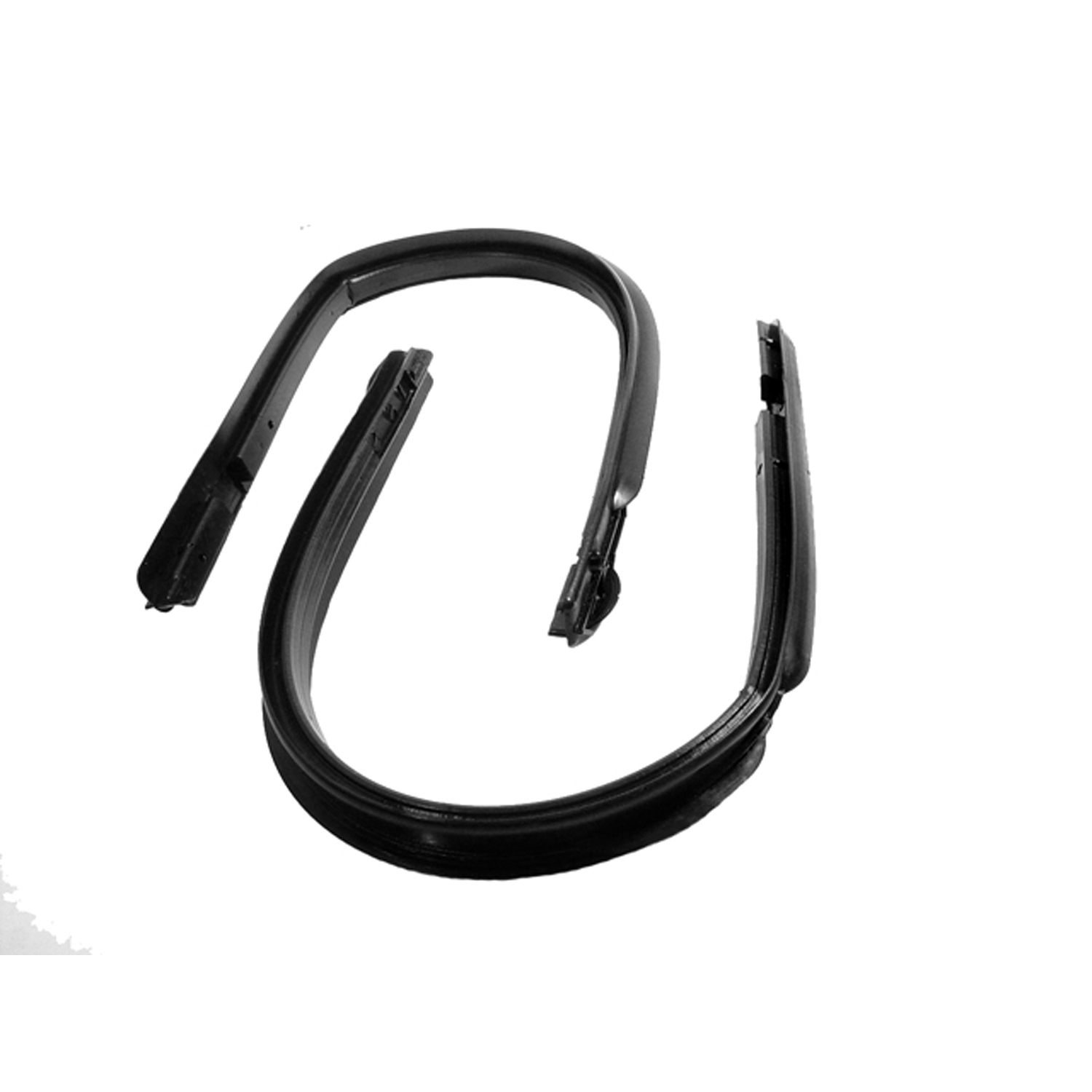 1942 Studebaker President Front Vent Window Seals. 28-7/8" long each. Pair R&L-WR 9401Front Vent Window Seals. 28-7/8" long each. Pair R&L
Why Choose Metro?
For over 100 years, Metro Moulded Parts has been the pinnacle of quality in classic car restoration parts. Our commitment to precision and authenticity in every component ensures a perfect fit and an OEM-level appearance.
- Expert Craftsmanship & Quality: Each part is a testament to our dedication to reliability and perfection, crafted from original designs and thoroughly tested.
- Advanced Technology: We use cutting-edge techniques to create flawless, long-lasting parts that surpass others in performance.
- SuperSoft Sponge – The Ultimate Door Seal: Not only are our door seals 30% softer than competitors', but they're also guaranteed to never leak. They effectively reduce wind and road noise, enhancing your classic car's comfort and driving experience.
- Proudly American: Our parts are a product of American craftsmanship, made in the USA with a spirit of excellence and heritage.
- Unrivaled Warranty: We back our products with a 30-year industry-leading warranty, a testament to our confidence in their quality.
Join us in preserving the legacy of classic cars with parts that are crafted for perfection, not just made.