
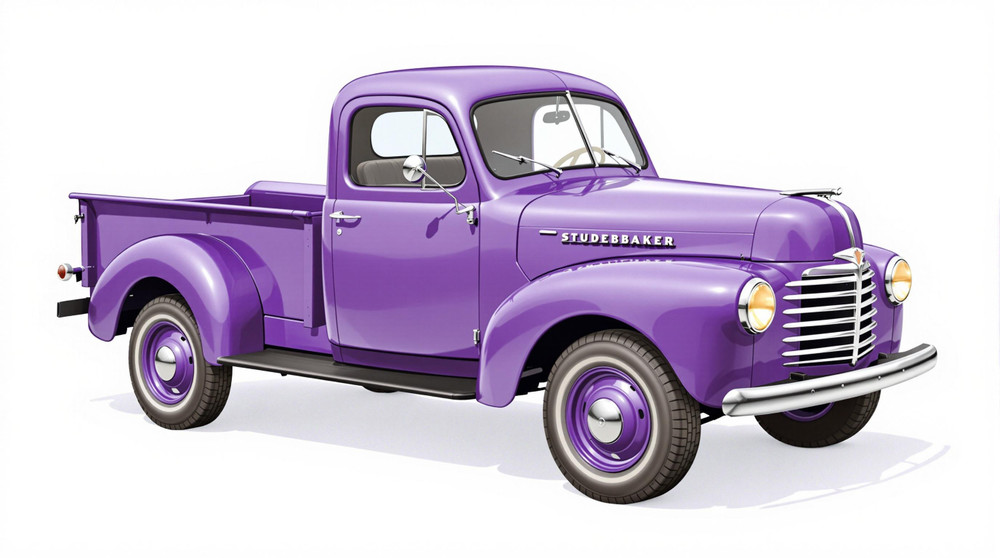
Image of 1945 Studebaker M16, Note: These illustrations use artistic license and may differ from actual historical models.
Performance Metrics
Fundamental Metrics
Emotional Appeal
MMP Rating
| Engine Specifications | |
|---|---|
| Engine: | Inline 6-cylinder |
| Displacement: | 226 cu in (3.7 L) |
| Horsepower: | 94 HP |
| Torque: | Not Available |
| Compression Ratio: | Not Available |
| Ignition System: | Not Available |
| Cooling System: | Liquid-cooled |
| Performance Specifications | |
| 0-60 Time: | Not Available |
| 1/4 Mile Time: | Not Available |
| Top Speed: | Not Available |
| Transmission and Drive | |
| Drive Type: | Rear-wheel drive |
| Transmission Type: | 4-speed manual |
| Fuel and Efficiency | |
| Fuel System Type: | Carburetor |
| MPG: | Not Available |
| Dimensions and Brakes | |
| Brakes: | Hydraulic |
| Wheelbase: | 128 in (325 cm) |
| Weight: | 3,400 lbs |
Note: Specifications for classic cars are given to the best of our ability, considering the limited and variant data available.
1945 Studebaker M16: A Postwar Workhorse
The 1945 Studebaker M16 is a heavy-duty truck from a company better known today for its distinctive passenger cars, but in the mid-1940s Studebaker was also an experienced builder of hard-working commercial and military vehicles. The M16 belonged to the company’s M-series truck family, introduced just before the United States entered World War II. It was designed for practical hauling, with straightforward engineering and a cab that gave the truck a more individual look than many utilitarian rivals.
The year 1945 sits at a turning point in the M16’s story. Civilian vehicle production had been curtailed during the war, while Studebaker devoted substantial resources to military work, including production of the US6 truck and the compact M29 Weasel tracked cargo carrier. As the war ended, the company returned to the civilian market. A surviving 1945 M16 therefore represents both sides of Studebaker’s identity: the commercial truckmaker preparing to serve peacetime businesses again, and the industrial manufacturer that had helped meet wartime needs.
One useful distinction for enthusiasts: the Studebaker M16 is a conventional truck, not the M16 half-track, an anti-aircraft vehicle built by International Harvester. The shared designation is an easy source of confusion in vintage-vehicle searches.
Design: Built for the Job
The M16’s styling is sturdy rather than flashy. Its rounded hood, upright windshield, broad fenders, and prominent front grille give it the solid, purposeful appearance typical of a 1940s work truck. The cab has softly curved lines that distinguish it from the boxier commercial trucks that followed. Details vary with configuration and equipment, but the overall design puts access, visibility, and durability ahead of ornament.
Inside, the cab is functional and relatively simple. Expect a broad steering wheel, clear, basic instrumentation, and durable painted metal surfaces. Upholstery and trim depended on the truck’s original specification and subsequent working life. This was equipment meant to be used, not a luxury interior: easy-to-clean materials and straightforward controls were more important than soft-touch finishes or extensive convenience features.
For its time, the M16’s technology was conventional and serviceable. Its inline six-cylinder engine, manual transmission, and heavy-duty chassis were familiar solutions that local mechanics could understand. Depending on the truck’s configuration, equipment could include a two-speed rear axle or other work-oriented driveline choices. Exact specifications should be checked against the individual truck’s data plate and surviving parts, since decades of repairs and component swaps are common.
There was no single signature paint color for every M16. Commercial trucks were often finished to suit a fleet, business, or owner, so surviving examples may appear in practical colors such as dark green, black, red, or other period shades. Olive drab is associated with wartime military vehicles, but it should not automatically be treated as the factory-correct color for a civilian M16. The truck was also offered in different working configurations rather than a single passenger-car-style body: buyers could order a chassis cab for a local body builder to finish, or choose such applications as a platform or stake bed, depending on the model and market.
Why the M16 Matters
The M16 did not introduce a radical new automotive technology, and that was not its mission. Its significance lies in how it reflects the postwar transition in American truck building. Manufacturers needed to move from wartime production back to civilian transport, agriculture, construction, and local delivery. A tough, adaptable platform such as the M16 could be fitted to many jobs without requiring complicated systems or specialized service facilities.
It also illustrates Studebaker’s broader engineering experience. The company’s wartime work gave it deep familiarity with heavy vehicles and production under demanding conditions. The M16 itself was not a military truck simply wearing civilian clothes, but it belonged to a manufacturer whose industrial capabilities had been tested on a much larger scale. Compared with many contemporaries, the Studebaker’s rounded cab and hood gave it a recognizable face, while its straightforward mechanical layout helped make it useful long after its original working life.
Performance and Road Manners
The M16 was built to carry and haul, not to win a traffic-light contest. Period records do not provide a dependable, standardized 0-to-60 mph figure for every 1945 configuration, and gearing, load, tire size, and engine condition make a large difference. As a rough modern estimate, an unloaded example might take around 30 to 45 seconds to reach 60 mph, if it can reach that speed at all. A working truck with a load will be slower. A realistic cruising pace is generally in the 35-to-50 mph range, with exact top speed depending heavily on axle ratio and condition.
On the road, the M16’s solid chassis and commercial suspension are best appreciated at moderate speeds. It can feel firm when empty, with bumps and broken pavement passing clearly through the frame and cab. Add a load and the ride tends to settle, though the truck remains a large, heavy vehicle rather than a modern pickup. On winding roads, the high driving position and truck-like steering call for measured inputs. It rewards planning, especially when braking or turning, and should not be hustled like a car.
The driving experience is part of the appeal. The six-cylinder engine produces a steady, low mechanical note, accompanied by transmission and road sounds that modern sound insulation would normally hide. The driver works a large steering wheel, shifts a manual gearbox, and pays attention to engine speed and road conditions. There is no mistaking the M16 for a modern vehicle: it asks for active participation, and that is exactly what many vintage-truck fans enjoy.
Living With a Studebaker M16
Most M16s were intended for commercial work, including hauling supplies, farm duties, construction, and local delivery. Today, they are more likely to appear in a collection, at a classic-truck gathering, on a farm, or in occasional parade and show use. Some owners keep them operational as weekend drivers, but regular highway commuting is less suitable given their speed, braking, steering, and safety limitations.
The mechanical layout is generally approachable for an experienced home mechanic. The engine and driveline use older, largely mechanical systems, and routine service does not require modern diagnostic equipment. The bigger challenge is often finding correct parts and determining what has been replaced over the decades. Brakes, steering components, cooling systems, wiring, tires, and fuel lines deserve careful inspection before road use. A thorough pre-purchase check is especially important because an attractive cab can hide frame repairs, worn driveline parts, or a truck assembled from several vehicles.
Reliability depends more on condition and maintenance than on the badge. A well-sorted M16 can be a dependable vintage truck for short trips and events, but old cooling systems, aging electrical components, and hard-to-source specialty parts can turn a neglected example into a long project. For a first-time owner, a running, inspected truck is usually a better buy than the cheapest incomplete one.
Details Collectors Enjoy
The M16’s most appealing trivia may be its place in a larger family of Studebaker work vehicles. The company built everything from light-duty civilian trucks to military transport and tracked cargo machines. That variety makes the Studebaker name especially interesting to people who collect both commercial and military vehicles.
There is no widely recognized speed, sales, or endurance record attached specifically to the 1945 M16. Its historical value is more grounded: it represents a practical postwar truck from a manufacturer with a major wartime production role. Common criticisms are equally practical. The M16 is slow by modern standards, its ride can be stiff when unloaded, its cab offers limited comfort, and its size makes parking and maneuvering a task. Those drawbacks are part of its period character, but they should be weighed honestly before buying one.
Rarity and Collector Value
Exact production totals for the 1945 M16 are not easy to establish from commonly available model summaries. The M16 name covered a work-truck model rather than a single limited-edition series, and surviving records may not neatly separate model-year production from adjacent years or body configurations. A reasonable best-guess estimate is that several thousand M16s were built across the broader model run, while the number produced specifically in 1945 may have been in the hundreds to low thousands. Treat that as an informed estimate, not a documented factory total.
Survivors are uncommon compared with popular passenger cars, but an M16 is not necessarily a one-of-a-kind find. Availability depends on location and condition, and incomplete trucks can be difficult to restore because specific trim and mechanical parts may take time to locate. As a broad 2026 U.S. market estimate, a rough project might sell for about $5,000 to $10,000. A running, usable example could fall around $12,000 to $25,000, while a carefully restored truck with a desirable body and strong documentation might reach roughly $25,000 to $40,000 or more. Local demand, originality, and restoration quality can shift those figures substantially.
Values for vintage work trucks have generally strengthened as collectors have taken greater interest in commercial vehicles, but the M16 remains a specialist purchase. Its market is smaller than that for iconic pickups, so condition and buyer enthusiasm matter more than simple age. A high-quality restoration can command a premium, while an expensive restoration may not return every dollar spent.
A Studebaker Made to Work
The 1945 Studebaker M16 is a substantial, characterful reminder of the moment American industry shifted from wartime production back to civilian life. Its rounded cab, practical engineering, and honest work-truck manners set it apart without relying on gimmicks. It is not fast, plush, or effortless by modern standards, but it offers something increasingly rare: a direct connection to the people, businesses, and roads it was built to serve. For the right collector, the M16 is more than an old truck. It is a piece of Studebaker history with a working heart.
1945 Studebaker M16 Catalog of Parts
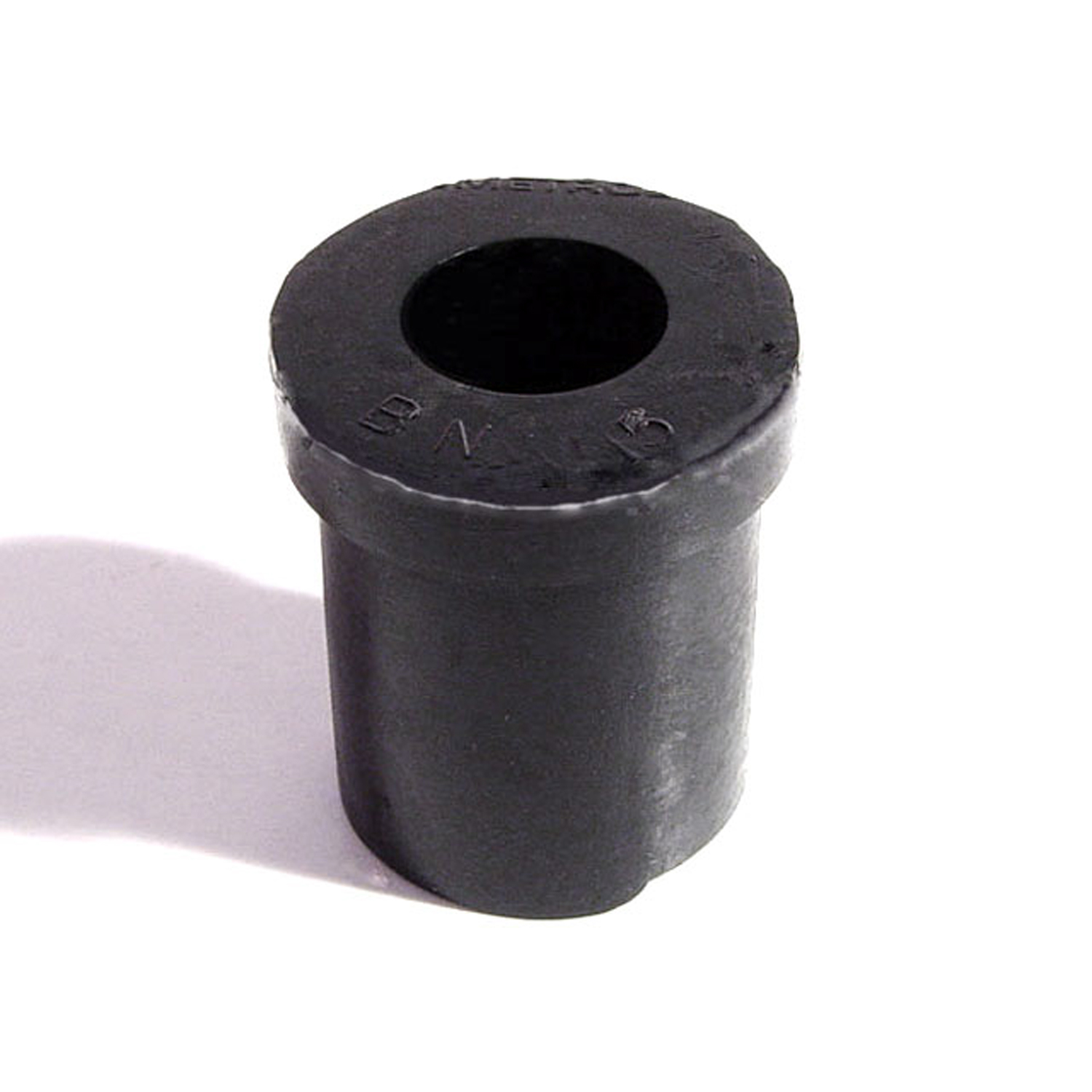 1945 Studebaker M16 Spring and Shackle Bushing. 7/8" bottom O.D-BN 15Spring and Shackle Bushing. 7/8" bottom O.D. X 1-1/8" high, with 1/2" I.D. Each
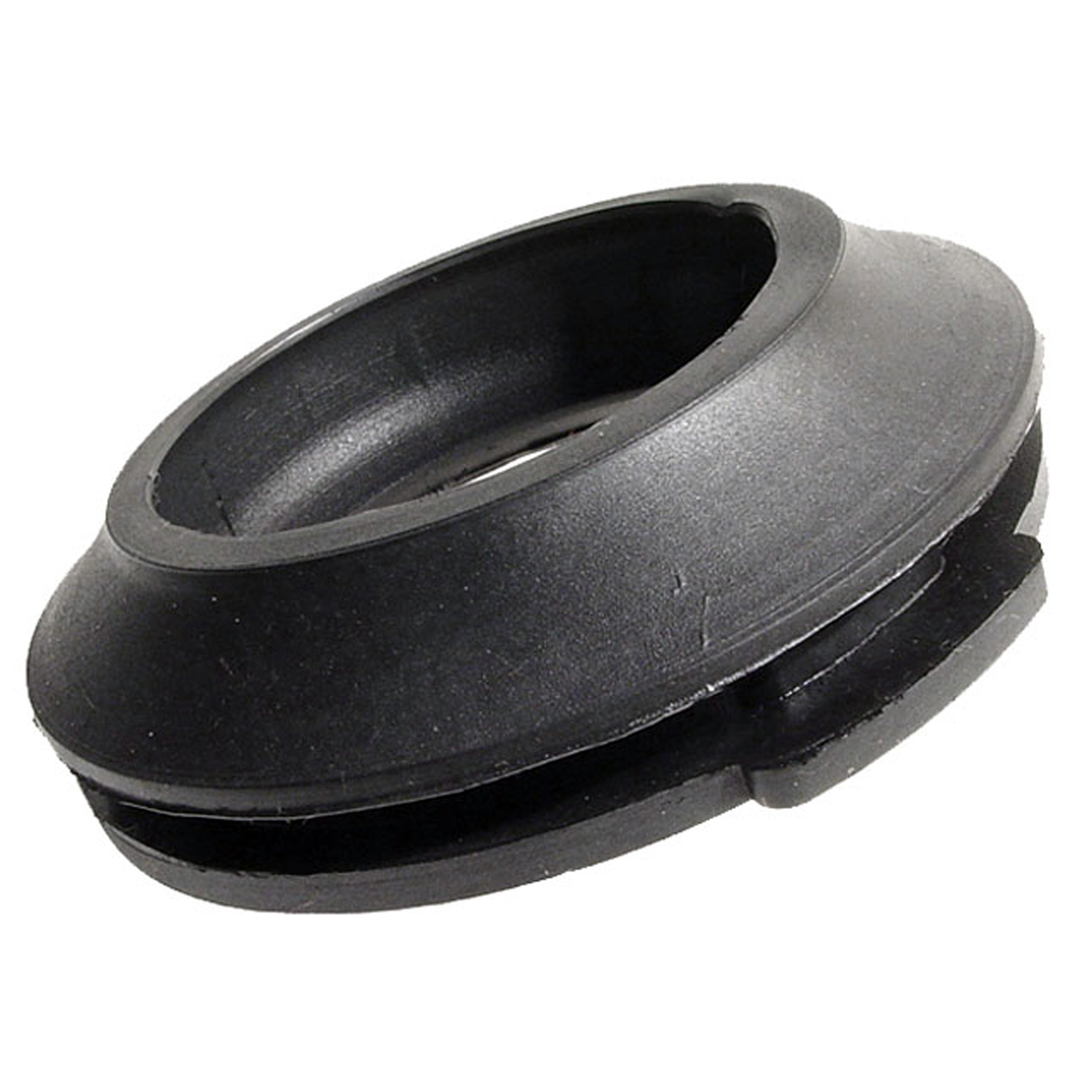 1945 Studebaker M16 Gas Filler Grommet. Perfect reproduction. Top 2-1/16" I.D-GF 45Gas Filler Grommet. Perfect reproduction. Top 2-1/16" I.D., 3-7/16" O.D. Each
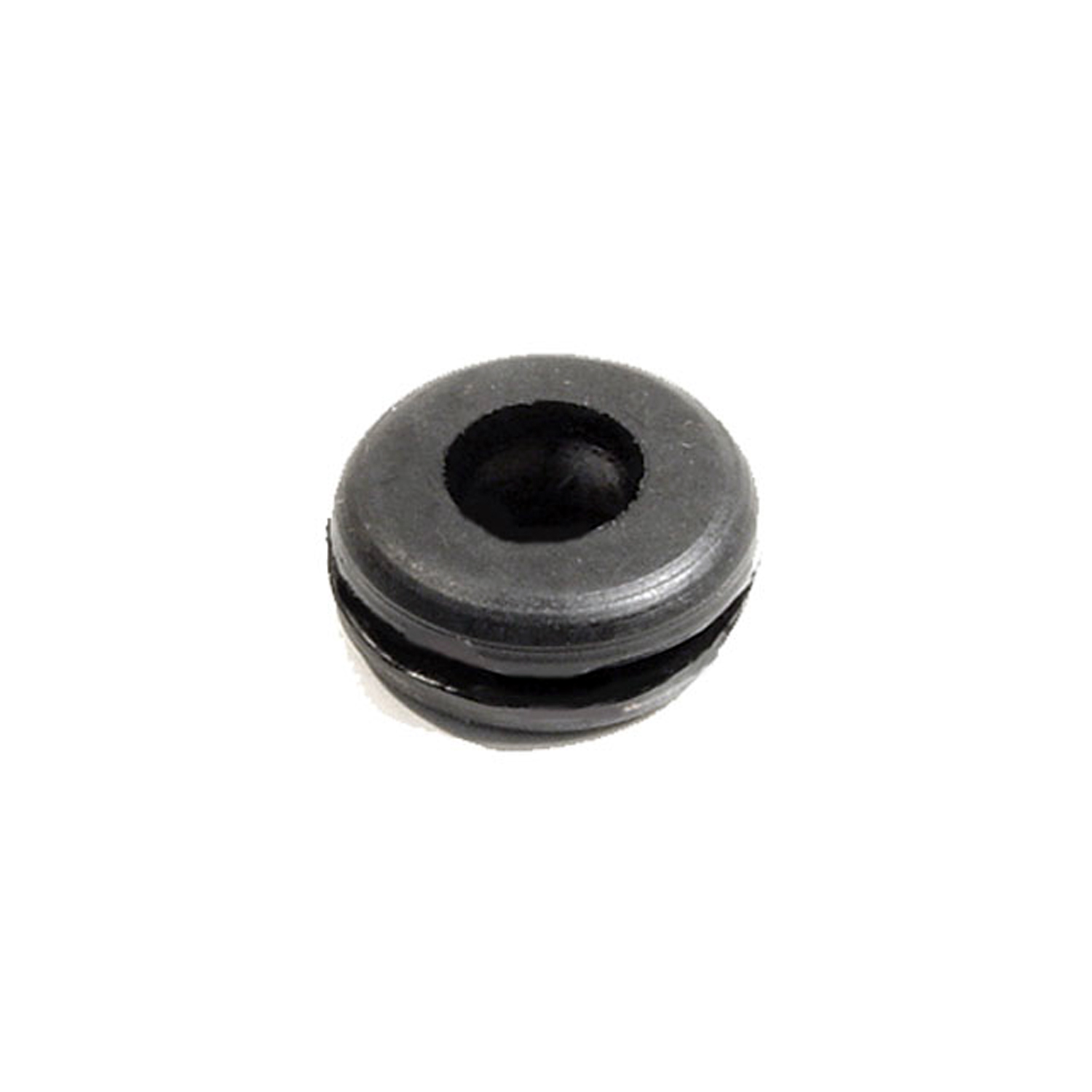 1945 Studebaker M16 Headlight & Tail-Light Wire Grommet. 3/8" I.D., 7/8" O.D-SM 13-AHeadlight & Tail-Light Wire Grommet. 3/8" I.D., 7/8" O.D. Each
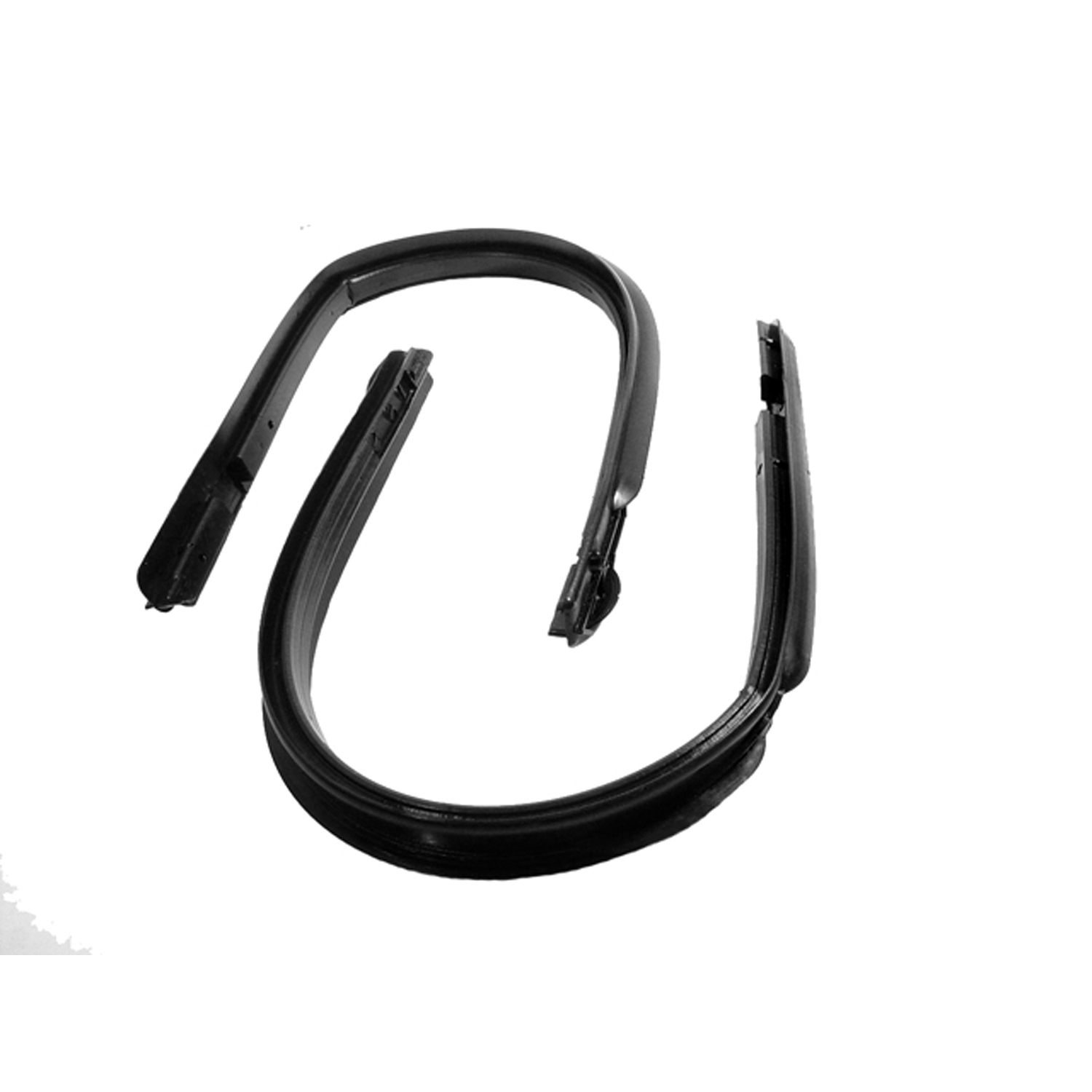 1945 Studebaker M16 Front Vent Window Seals. 28-7/8" long each. Pair R&L-WR 9401Front Vent Window Seals. 28-7/8" long each. Pair R&L
Why Choose Metro?
For over 100 years, Metro Moulded Parts has been the pinnacle of quality in classic car restoration parts. Our commitment to precision and authenticity in every component ensures a perfect fit and an OEM-level appearance.
- Expert Craftsmanship & Quality: Each part is a testament to our dedication to reliability and perfection, crafted from original designs and thoroughly tested.
- Advanced Technology: We use cutting-edge techniques to create flawless, long-lasting parts that surpass others in performance.
- SuperSoft Sponge – The Ultimate Door Seal: Not only are our door seals 30% softer than competitors', but they're also guaranteed to never leak. They effectively reduce wind and road noise, enhancing your classic car's comfort and driving experience.
- Proudly American: Our parts are a product of American craftsmanship, made in the USA with a spirit of excellence and heritage.
- Unrivaled Warranty: We back our products with a 30-year industry-leading warranty, a testament to our confidence in their quality.
Join us in preserving the legacy of classic cars with parts that are crafted for perfection, not just made.