

Image of 1946 Studebaker M15a, Note: These illustrations use artistic license and may differ from actual historical models.
Performance Metrics
Fundamental Metrics
Emotional Appeal
MMP Rating
| Engine Specifications | |
|---|---|
| Engine Options: | Inline 6 |
| Displacement Range: | 170 cubic inches |
| Horsepower Range: | Estimated 80-90 HP |
| Torque: | Not available |
| Compression Ratio: | Not available |
| Ignition System: | Distributor and coil |
| Cooling System: | Liquid-cooled |
| Performance Specifications | |
| 0-60 Time: | Not available |
| 1/4 Mile Time: | Not available |
| Top Speed: | 60-70 mph |
| Transmission and Drive | |
| Drive Type: | Rear-wheel drive |
| Transmission Type: | 4-speed manual |
| Fuel and Efficiency | |
| Fuel System Type: | Carburetor |
| MPG: | Not available |
| Dimensions and Brakes | |
| Brakes: | Drum brakes |
| Wheelbase: | 128 inches |
| Weight: | Estimated 3,000-3,500 lbs |
Note: Specifications for classic cars are given to the best of our ability, considering the limited and variant data available.
1946 Studebaker M15A: A Postwar Workhorse with Streamlined Style
The 1946 Studebaker M15A brought a touch of prewar streamlining to the hard-working world of postwar trucks. Built by the Studebaker Corporation of South Bend, Indiana, it belonged to the company’s M-series, a family of commercial vehicles that had entered production in the early 1940s. The M15A was a medium-duty truck, generally rated at about 1½ tons, designed to haul cargo and keep businesses moving rather than chase speed records.
Its timing mattered. After years of wartime production, American automakers were shifting back to civilian vehicles, while farms, contractors, delivery firms, and local governments faced strong demand for dependable trucks. The M15A offered familiar, straightforward mechanicals in a cab with more visual polish than many work trucks of the era. One intriguing detail is that a truck like this could leave the Studebaker factory as a chassis-cab and later receive a body tailored to its job, so two M15As might look quite different despite sharing the same basic platform.
Rounded Fenders and a Purpose-Built Cab
The M15A has a distinctly 1940s silhouette. Its rounded front fenders flow around the wheels, while the tall hood and upright grille give the truck a solid, purposeful face. The grille’s vertical bars and prominent headlights lend it a more composed appearance than the blunt fronts of many commercial vehicles. The cab is practical rather than luxurious, with broad windows, a simple roofline, and a high driving position that gives the driver a clear view over the hood.
Inside, the emphasis is on durability. Expect a metal dashboard, straightforward gauges, a large steering wheel, and a bench seat trimmed in hard-wearing materials such as vinyl or cloth, depending on the truck’s original specification and later restoration. It is a functional workspace, not a passenger-car interior. Equipment and trim could vary, particularly on fleet trucks, and decades of repairs or modifications mean surviving examples often differ from their original factory finish.
Studebaker kept the technology conventional and serviceable. The M15A used a six-cylinder gasoline engine, a manual transmission, and rear-wheel drive. Its cab-forward visibility and familiar controls were valuable everyday features in a time when trucks were expected to work long hours and be maintained by local mechanics. The electrical system was typically six-volt, another consideration for owners restoring one today.
Paint choices were not as tightly standardized as a modern consumer-car palette. Fleet buyers could specify colors, and commercial bodies were often repainted over the years. Today, restored examples commonly appear in dark green, blue, red, black, or utility yellow. Studebaker-inspired colors look especially at home on the truck, but there is no single color that defines every M15A.
One Chassis, Many Working Bodies
The M15A was principally a chassis for commercial work, not a single fixed body style. Depending on wheelbase, equipment, and the body builder, it could be fitted with a flatbed, stake bed, dump body, service body, or other specialized equipment. Many trucks were ordered as chassis-cabs, leaving the customer or a local body company to supply the cargo section.
The classic flatbed or stake-bed configuration is among the most recognizable today. It shows off the truck’s long, upright proportions and makes the M15A’s working purpose immediately clear. A dump or utility-body version can be more unusual, but body swaps were common over the truck’s long service life, so a particular body should not automatically be assumed to be factory-original.
Why the M15A Mattered
The M15A was not a revolutionary truck, and its importance lies less in a single breakthrough than in how it blended practical engineering with a more carefully styled cab and front end. In the early postwar market, customers needed useful capacity, straightforward maintenance, and a truck that could be adapted to many jobs. The M-series formula addressed all three.
Its rounded sheet metal also reflects the period’s gradual move away from purely box-shaped commercial design. The styling was not just decoration: shaped fenders, integrated lighting, and a cohesive cab-and-hood profile made the truck look more modern while keeping its work-ready layout. The M15A helped sustain Studebaker’s commercial-truck presence during a crucial transition from wartime production to a peacetime economy.
Compared with a half-ton pickup, the M15A was a more serious tool, with heavier-duty chassis and running gear intended for larger loads. Compared with larger commercial trucks, it remained compact enough for local delivery and regional work. That middle ground is a big part of its appeal to collectors now.
Six-Cylinder Power and Truck-Speed Performance
Most M15A examples are associated with Studebaker’s 226-cubic-inch, flathead inline-six, producing approximately 94 horsepower, though specifications can vary by equipment and year. Power went through a manual gearbox to the rear wheels. The engine was designed for steady work and usable low-speed pulling, not quick acceleration.
Factory-style acceleration figures are not commonly documented, and a modern 0-to-60-mph time is not especially meaningful for a 1½-ton commercial truck. As a broad estimate, an unloaded, mechanically sound example might need roughly 30 seconds or more to approach 60 mph, and some may not reach that speed comfortably at all. A practical cruising range is closer to 40 to 50 mph, with a possible top speed around 55 to 60 mph depending on gearing, tires, condition, and load. Those are estimates, not guaranteed specifications.
On the road, the M15A feels like a working truck: deliberate steering, a substantial turning circle, and a firm ride when empty. Add cargo and the suspension settles into its intended role. Potholes and rough pavement are communicated directly through the chassis, while winding roads call for measured inputs rather than brisk cornering. The driver sits high and works a large steering wheel, a manual shifter, and period-style controls.
The flathead six supplies a low, even mechanical rumble, with engine and road noise becoming more noticeable as speed rises. That sound, combined with the truck’s slow, purposeful responses, is part of the experience. The M15A rewards patience and smooth driving. It is best enjoyed on local roads, at a relaxed pace, rather than in modern high-speed traffic.
Living with a Studebaker M15A
In its working life, the M15A could serve as a farm truck, delivery vehicle, construction hauler, municipal truck, or service rig. Today, owners tend to use examples for local cruising, vintage-truck shows, parades, light hauling, and restoration projects. A carefully maintained truck can still do occasional work, but regular highway commuting is a poor match for its speed, braking, and comfort.
The simple mechanical layout is a real advantage. The engine and manual drivetrain are understandable to experienced home mechanics, and many routine jobs require ordinary tools rather than specialized electronics. However, age brings the usual challenges: worn brake components, tired wiring, leaks, seized fasteners, and hard-to-find trim or body parts. Heavy-duty components can also be more cumbersome to handle than those on a passenger car.
Before buying, inspect the frame, cab corners, floor, fenders, and areas around body mounts for rust or old repairs. Check the brakes thoroughly, confirm the engine’s oil pressure and cooling behavior, and look for play in the steering and driveline. A sound truck with complete parts is often a better starting point than a cheap project missing unique trim or drivetrain pieces.
Useful Trivia, with a Few Caveats
The M15A’s identity was shaped by its adaptability. A chassis-cab could be transformed into a delivery, utility, or hauling vehicle, which is why period photos and surviving examples show such a variety of bodies. That flexibility also makes it difficult to identify a “correct” configuration without documentation tied to a specific truck.
There is no widely recognized M15A speed, endurance, or sales record, and the model is not chiefly known for celebrity ownership or a headline-making event. Its historical importance is more everyday: trucks of this type supported farms, shops, public services, and local businesses during the postwar rebuilding boom. Common criticisms are equally practical. It is slow by current standards, has a firm ride, and lacks modern safety equipment such as seat belts, power steering, and contemporary crash protection unless later modifications have been made.
Collector Values and Availability
Reliable production totals for the 1946 M15A specifically are difficult to pin down in commonly available model histories. Studebaker produced trucks across several configurations, and body changes after sale further complicate the picture. A reasonable, explicitly unofficial estimate is that several thousand 1946 M15As were built, perhaps in the range of 2,000 to 5,000. That should be treated as an informed guess, not a verified factory figure.
Survivors are available, but they appear less frequently than familiar half-ton pickups, and condition varies widely. As a broad 2026 U.S. market guide, a project truck might sell for about $8,000 to $15,000. A running, usable example could fall around $18,000 to $30,000, while a well-restored truck may bring approximately $30,000 to $50,000 or more. Unusual original bodies, exceptional documentation, and high-quality workmanship can push a truck beyond those ranges; incomplete or heavily modified examples may sell for less.
Values have generally benefited from growing interest in vintage commercial vehicles, though the market is narrower than the one for popular classic pickups. The best examples are likely to hold value better than rough projects, but restoration costs can quickly exceed a truck’s eventual sale price. Buyers should choose an M15A because they enjoy its history and character, not because they expect a guaranteed investment return.
A Studebaker Built to Get the Job Done
The 1946 Studebaker M15A combines a distinctive rounded cab and fenders with the straightforward engineering of a genuine working truck. Its six-cylinder power, adaptable chassis, and service-friendly design made it useful in the postwar years, while its period styling gives it real presence at shows today. It is not fast or plush, but it offers a direct connection to the businesses and communities that depended on medium-duty trucks.
For collectors, the M15A stands out as more than an old hauler: it is a reminder that good design and hard work can share the same chassis.
1946 Studebaker M15a Catalog of Parts
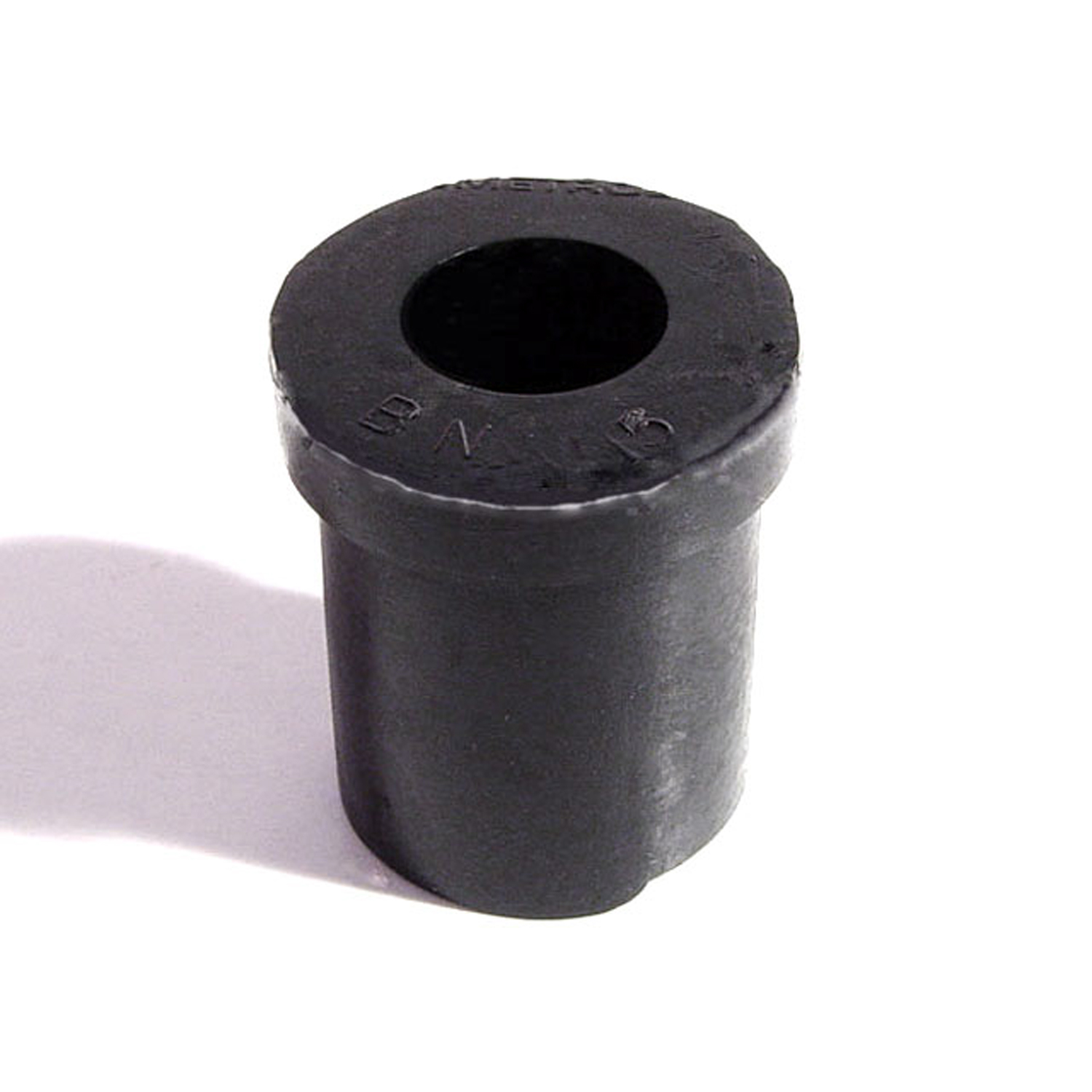 1946 Studebaker M15A Spring and Shackle Bushing. 7/8" bottom O.D-BN 15Spring and Shackle Bushing. 7/8" bottom O.D. X 1-1/8" high, with 1/2" I.D. Each
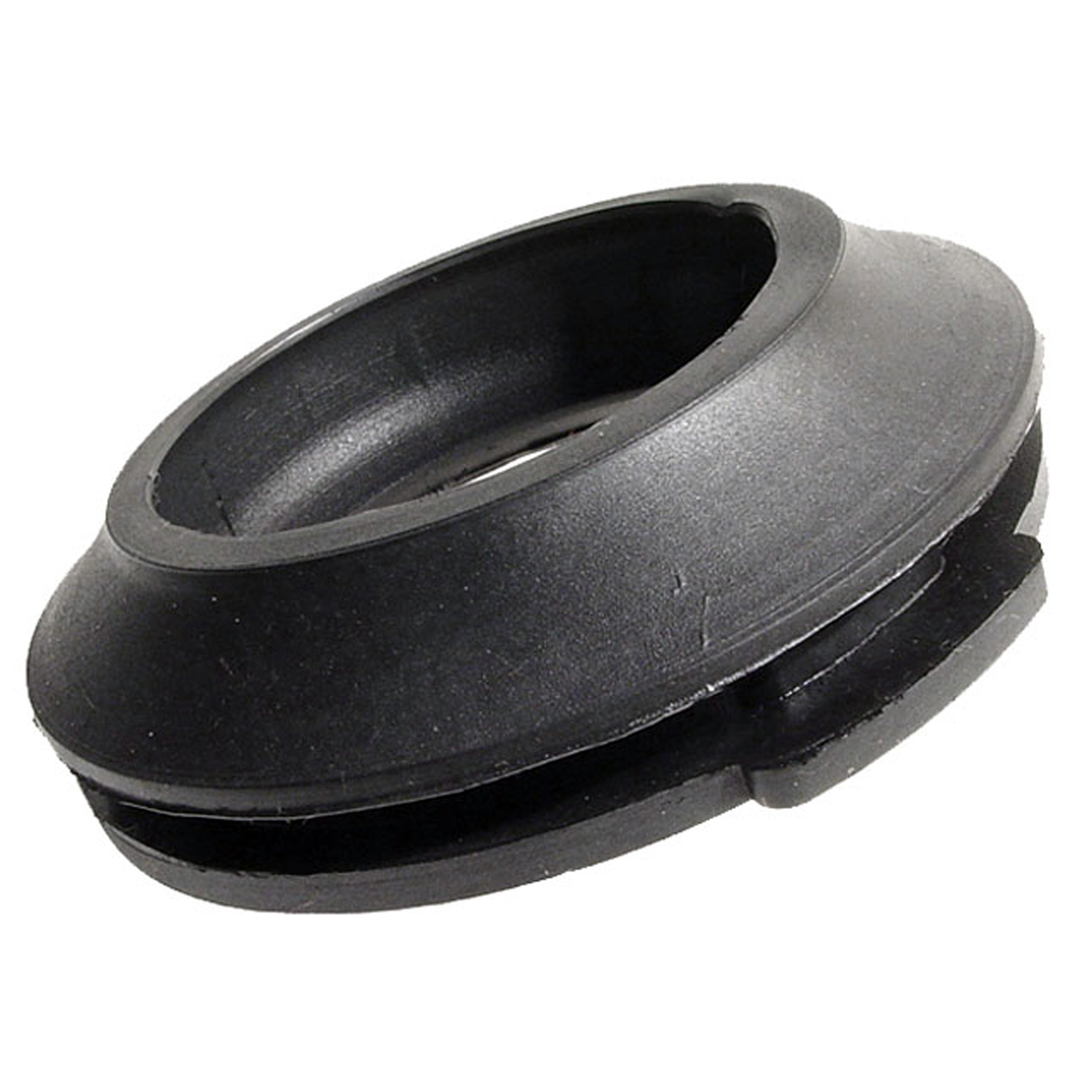 1946 Studebaker M15A Gas Filler Grommet. Perfect reproduction. Top 2-1/16" I.D-GF 45Gas Filler Grommet. Perfect reproduction. Top 2-1/16" I.D., 3-7/16" O.D. Each
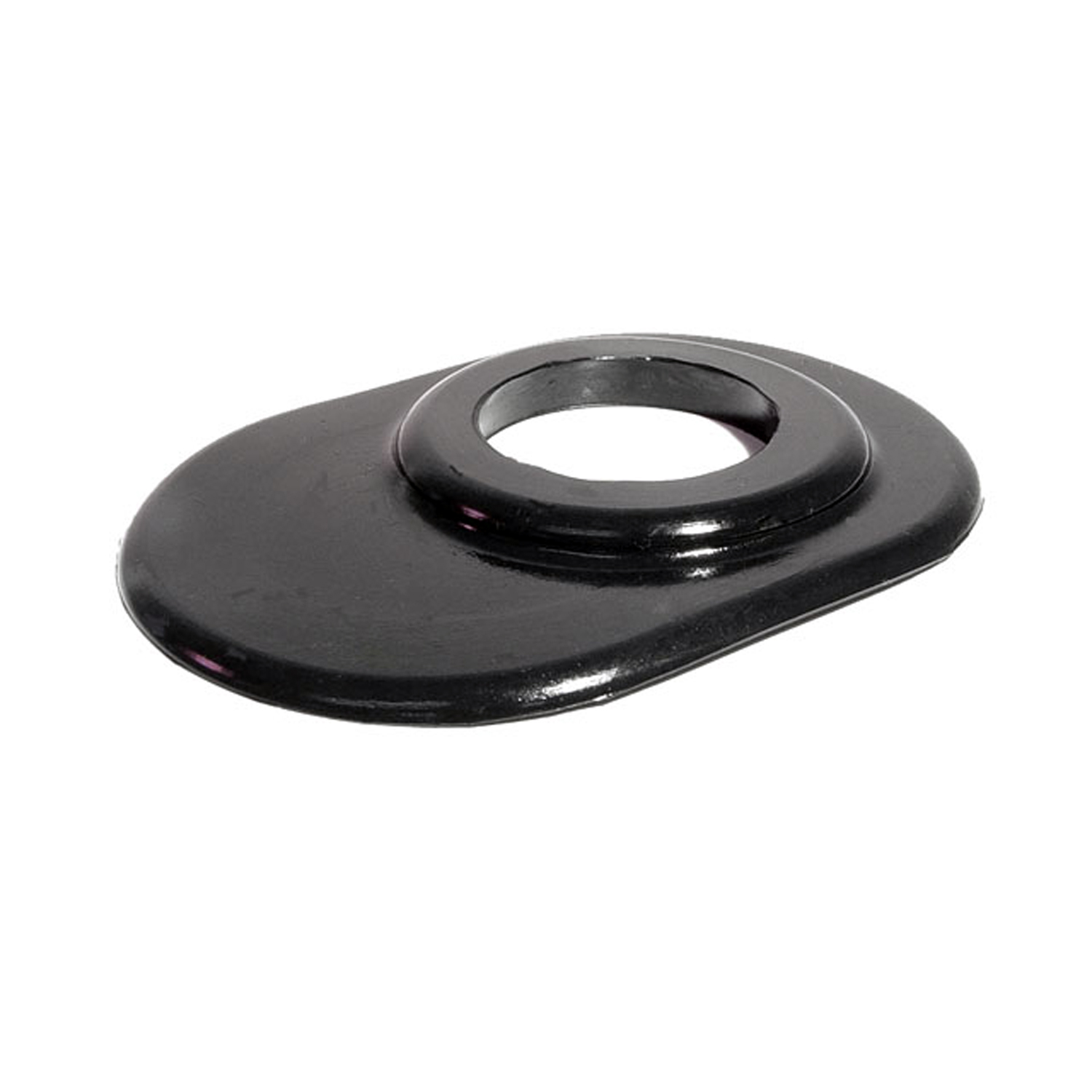 1946 Studebaker M15A Steering Column Grommet. For 4-speed models. Each-SC 24Steering Column Grommet. For 4-speed models. Each
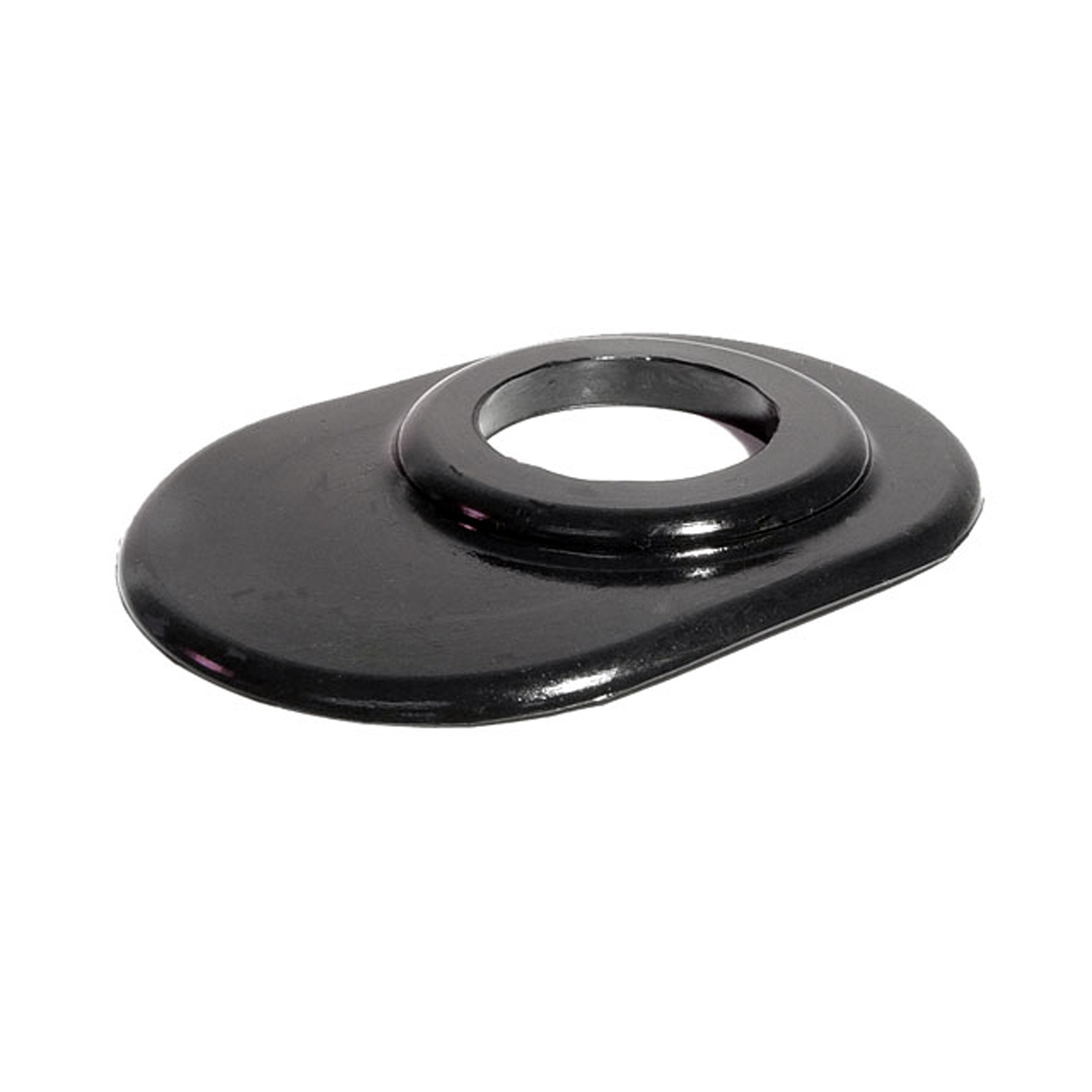 1946 Studebaker M15A Steering Column Grommet. For 3-speed models. Each-SC 24-ASteering Column Grommet. For 3-speed models. Each
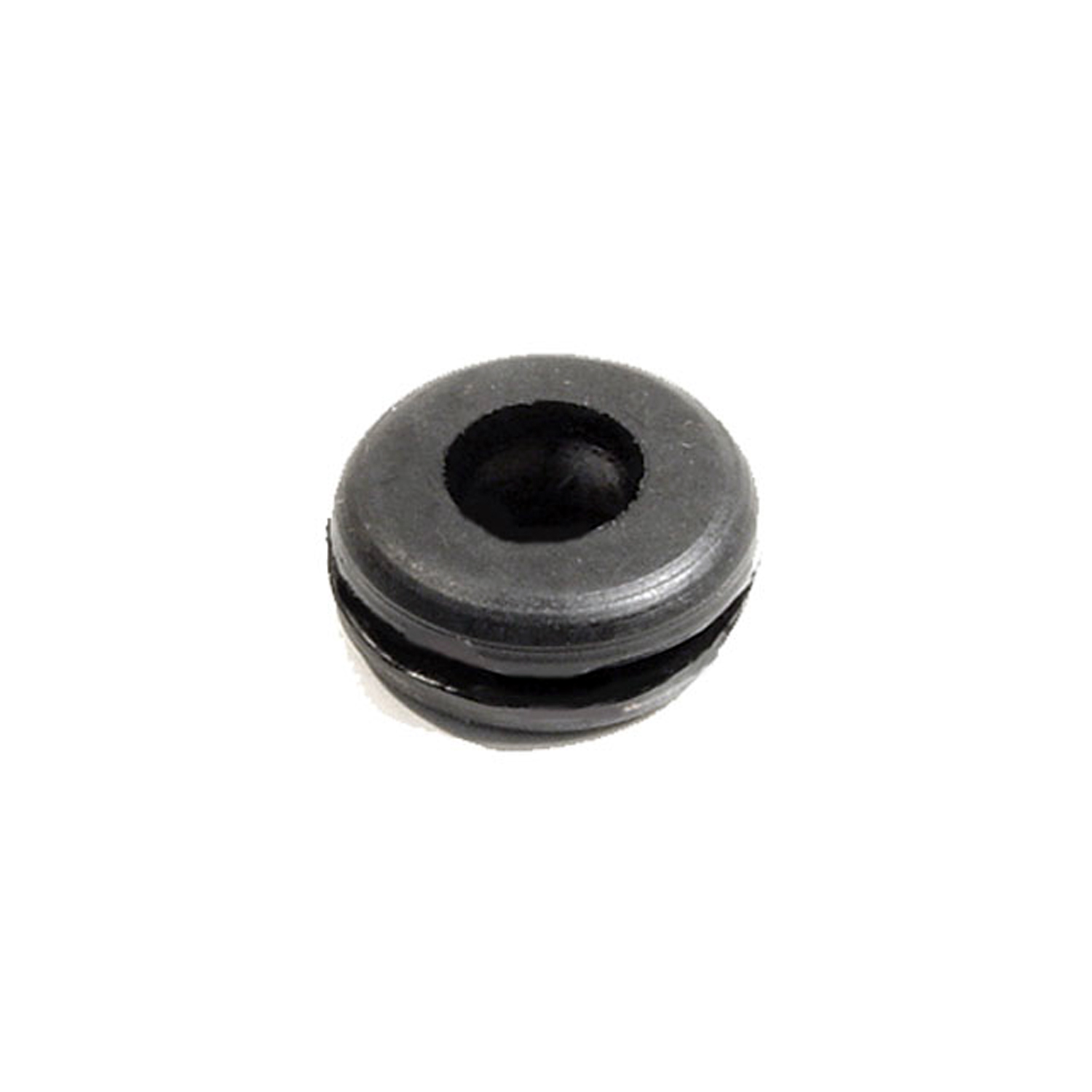 1946 Studebaker M15A Headlight & Tail-Light Wire Grommet. 3/8" I.D., 7/8" O.D-SM 13-AHeadlight & Tail-Light Wire Grommet. 3/8" I.D., 7/8" O.D. Each
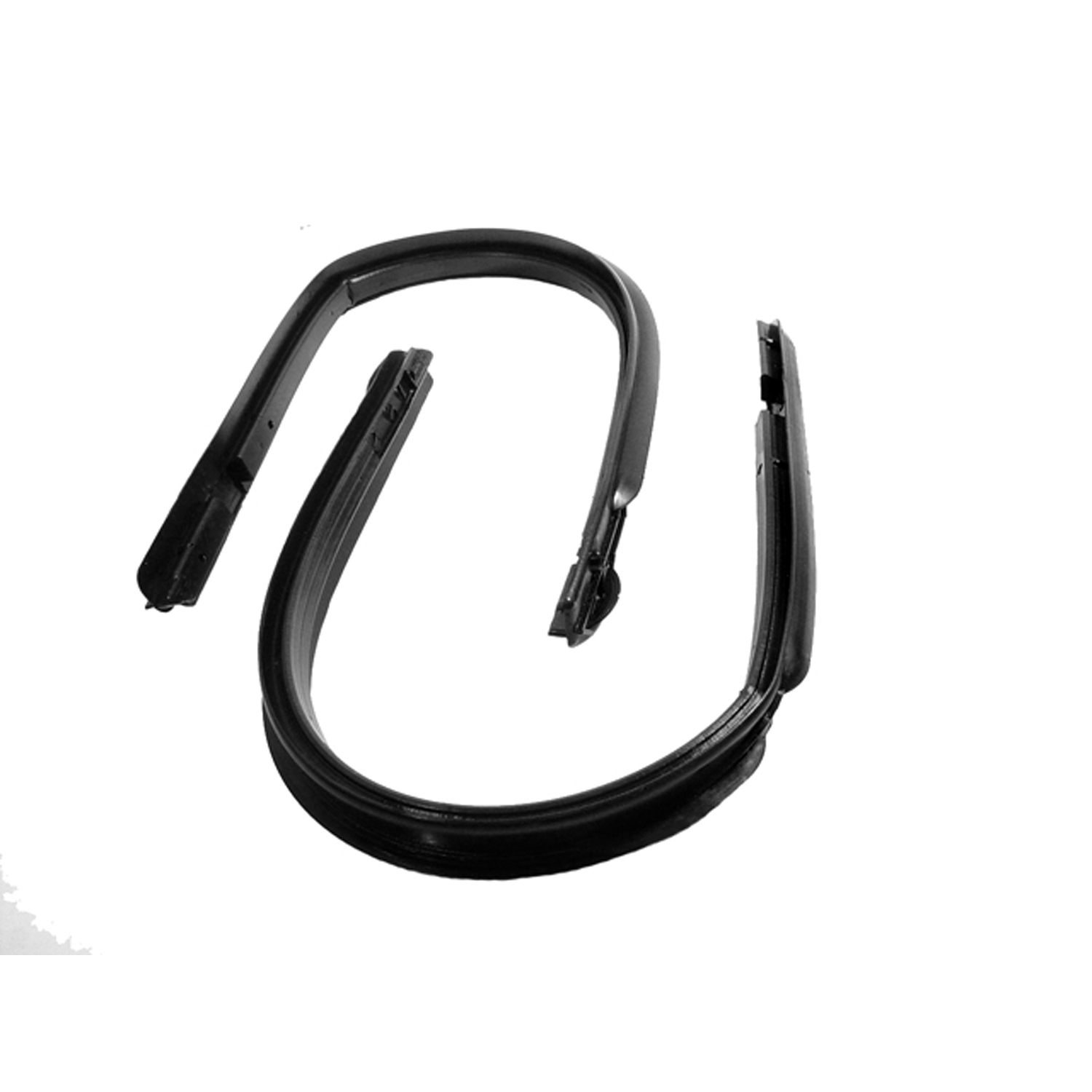 1946 Studebaker M15A Front Vent Window Seals. 28-7/8" long each. Pair R&L-WR 9401Front Vent Window Seals. 28-7/8" long each. Pair R&L
Why Choose Metro?
For over 100 years, Metro Moulded Parts has been the pinnacle of quality in classic car restoration parts. Our commitment to precision and authenticity in every component ensures a perfect fit and an OEM-level appearance.
- Expert Craftsmanship & Quality: Each part is a testament to our dedication to reliability and perfection, crafted from original designs and thoroughly tested.
- Advanced Technology: We use cutting-edge techniques to create flawless, long-lasting parts that surpass others in performance.
- SuperSoft Sponge – The Ultimate Door Seal: Not only are our door seals 30% softer than competitors', but they're also guaranteed to never leak. They effectively reduce wind and road noise, enhancing your classic car's comfort and driving experience.
- Proudly American: Our parts are a product of American craftsmanship, made in the USA with a spirit of excellence and heritage.
- Unrivaled Warranty: We back our products with a 30-year industry-leading warranty, a testament to our confidence in their quality.
Join us in preserving the legacy of classic cars with parts that are crafted for perfection, not just made.