

Image of 1946 Studebaker M16, Note: These illustrations use artistic license and may differ from actual historical models.
Performance Metrics
Fundamental Metrics
Emotional Appeal
MMP Rating
| Engine Specifications | |
|---|---|
| Engine: | Inline 6 |
| Displacement: | 226 cubic inches |
| Horsepower: | Estimated 94 hp |
| Torque: | 176 lb-ft |
| Compression Ratio: | Estimated 6.5:1 |
| Ignition System: | Distributor and coil |
| Cooling System: | Liquid-cooled |
| Performance Specifications | |
| 0-60 Time: | Not available due to the age and type of vehicle |
| 1/4 Mile Time: | Not available due to the age and type of vehicle |
| Top Speed: | 50-55 mph |
| Transmission and Drive | |
| Drive Type: | Rear-wheel drive |
| Transmission Type: | 4-speed manual |
| Fuel and Efficiency | |
| Fuel System Type: | Carburetor |
| MPG: | Estimated 10-15 mpg |
| Dimensions and Brakes | |
| Brakes: | Hydraulic drum brakes |
| Wheelbase: | 128 inches |
| Weight: | 3,800 lbs |
Note: Specifications for classic cars are given to the best of our ability, considering the limited and variant data available.
1946 Studebaker M16: A Postwar Workhorse
The 1946 Studebaker M16 was built to haul, tow, and work hard, not to pose for a concours judging sheet. It came from Studebaker Corporation of South Bend, Indiana, a company with deep roots in transportation and a reputation for distinctive styling. The M16 belonged to Studebaker’s M-Series, a family of trucks introduced just before the United States entered World War II and returned to civilian duty after wartime production.
That timing gives the M16 a special place in Studebaker history. Its basic design bridged the prewar and postwar years, giving businesses a familiar, sturdy truck during a period of rapid industrial growth. One intriguing detail is that the M-Series look was already established before the war, so a 1946 M16 carried forward a design shaped by an earlier era while serving a newly expanding postwar economy.
M16 Styling and Cab Design
The M16 has the purposeful, rounded appearance that makes a 1940s truck instantly recognizable. Its broad hood slopes toward a prominent grille, while bulbous front fenders frame the headlamps. The tall cab, upright windshield, and generous running boards give it a substantial stance. Compared with later trucks, the M16 looks almost sculptural, but its curves were also practical: the high hood and sturdy fenders suited a truck expected to spend its life around loading yards, farms, and construction sites.
Inside, the cab is straightforward and workmanlike. Drivers faced a large steering wheel, simple gauges, and a broad bench seat. Painted metal surfaces and durable trim took priority over decorative finishes; a rubber floor mat was more appropriate to the job than carpeting. Materials and upholstery could vary with equipment and replacement history, so surviving trucks do not all have identical interiors. The upright seating position and large glass area provide a commanding view, although the cab is noisy by modern standards.
Studebaker offered commercial buyers a choice of chassis and equipment, while many finished bodies came from independent body builders. M16s could be ordered or outfitted for jobs such as stake-bed hauling, platform work, dumping, and enclosed delivery service. The chassis-cab and flat or stake-bed configuration is among the most recognizable today because it shows off the truck’s heavy-duty frame and working proportions.
Paint was tied to the buyer, fleet, and body order rather than a single consumer color lineup. Black, dark green, red, blue, and other commercial shades were all plausible period choices. Today, restorers often favor deep green, red, or black, but the most authentic color for a particular truck is the one supported by its original paint evidence.
Engineering for the Job
The M16 was a nominal one-and-a-half-ton truck, positioned for heavier work than the lighter M-Series models. Its power came from Studebaker’s 226-cubic-inch, side-valve inline-six. Period specifications are commonly quoted at roughly 94 horsepower, though exact figures and equipment can vary by configuration. A manual transmission and a heavy-duty rear axle geared for load carrying completed the basic package.
By passenger-car standards, the M16’s technology was conventional. By the standards of a working truck, that was a virtue. Mechanical systems were relatively accessible, and the truck was built around components intended to be serviced rather than hidden behind complex bodywork. Hydraulic brakes and a simple instrument panel helped make it usable for everyday commercial operators, while its robust chassis could be adapted to a wide range of body types.
Why the Studebaker M16 Matters
The M16 was not a revolutionary design that transformed truck engineering. Its importance lies in how it represented Studebaker’s postwar commercial strategy: offer familiar, sturdy equipment to businesses eager to replace worn vehicles and expand their operations. Its rounded styling also gives it a distinctive identity among trucks of the period. Where some competitors leaned toward a more upright, industrial appearance, Studebaker’s M-Series combined a substantial working chassis with a smoother, more integrated front end.
The M16’s lasting influence is less about a single technical breakthrough and more about its role in the transition from wartime manufacturing to peacetime commerce. Trucks like it moved materials, supplies, and local deliveries as American construction and industry accelerated. Its design also captures an era when commercial vehicles were durable, repairable tools, often kept in service long after their first owners had moved on.
Road Manners and Performance
There is no dependable modern factory-style 0-to-60 mph figure for a 1946 M16, and a fully restored truck’s performance depends heavily on its gearing, body, tires, load, and mechanical condition. As a practical estimate, an unloaded example might manage roughly 45 to 55 mph. Reaching 60 mph is not a sensible expectation for most original trucks. Acceleration to 60, where achievable, would be slow, likely taking well over half a minute. Those estimates are best treated as real-world guidance, not official test results.
The M16’s low gearing favors pulling power over quick acceleration. Its long wheelbase and truck suspension can make it feel steady with a load, but an empty truck may ride firmly and bounce over sharp bumps. On winding roads, expect deliberate steering and a wide turning circle rather than nimble handling. There is no modern power steering or contemporary braking assistance, so the driver does the work, particularly at low speed or when maneuvering.
Behind the wheel, the inline-six produces a measured mechanical rumble rather than a high-revving soundtrack. The tall seating position offers a clear view over the hood, and shifting a manual gearbox gives the drive a hands-on, physical quality. The M16 feels most at home at moderate speeds, where its engine note, heavy controls, and solid ride remind you that it was designed to earn its keep, not chase traffic.
Living with a 1946 M16
Historically, M16s served as delivery trucks, farm vehicles, haulers, and vocational chassis for businesses that needed dependable capacity. Today, they are more often found at classic-truck shows, in private collections, or in carefully maintained working roles. A sound example can still take part in local events and light-duty use, but regular highway commuting is not its strong suit.
Basic repairs are within reach of an experienced home mechanic. The engine and chassis use largely understandable mechanical systems, and many service tasks do not require specialized electronics or diagnostic equipment. The bigger challenges are sourcing model-specific parts, finding a skilled shop for major engine or transmission work, and dealing with old-truck problems such as rusted fasteners, worn wiring, and decades of improvised repairs. Before buying, inspect the frame, cab corners, floor, fenders, and any bodywork closely. A rare or elaborate body can make restoration more expensive than the basic truck suggests.
Notable Facts and Common Criticisms
The M16’s most interesting distinction is its place in the M-Series family: it carried a prewar-developed design into the postwar boom as businesses returned to civilian production. It is also a good example of how commercial trucks were configured around a job. Two M16s can look very different if one has a stake body and another has a dump body or enclosed van body.
No widely recognized speed, endurance, or sales record is associated specifically with the 1946 M16, and there is no well-established celebrity ownership story that defines the model. Its claim to fame is more grounded: trucks like it did essential daily work, often with little attention beyond routine servicing. Common criticisms today include slow acceleration, heavy steering, a noisy cab, modest braking performance by modern standards, and limited comfort on rough roads. Those drawbacks are part of the honest ownership picture, not defects that a restoration can entirely erase.
Rarity and Collector Values
Studebaker did not publish an easily accessible, widely agreed production total for the 1946 M16 alone, so any exact figure should be treated cautiously. As a best-effort estimate, production was likely in the low thousands rather than tens of thousands. Many trucks were worked hard and scrapped, and specialized commercial bodies further reduced the number of complete, well-preserved examples. M16s are generally harder to find than lighter, more commonly collected trucks, though availability varies by region and body style.
In the current U.S. collector market, a project or incomplete truck might sell for roughly $4,000 to $10,000. A running, presentable example could fall around $10,000 to $25,000, while a high-quality restoration or especially appealing body configuration may bring approximately $25,000 to $45,000 or more. These are broad estimates, not appraisals: originality, rust, mechanical condition, title status, and the quality of the bodywork can shift the price substantially.
Values for vintage commercial trucks tend to move more slowly than those for celebrated passenger cars. The M16 has a dedicated audience, and good examples have become more attractive as sound survivors grow harder to locate. Its market appears generally steady to modestly appreciating, with the strongest demand for complete, usable trucks and restorations that retain their working character.
A Studebaker Built to Keep Moving
The 1946 Studebaker M16 combines a distinctive prewar-era design with the practical needs of America’s postwar working world. Its six-cylinder engine, adaptable chassis, and straightforward construction made it a useful business tool, while its rounded fenders and confident stance give it real presence today. It may be slow, noisy, and demanding by modern standards, but that is part of its appeal: the M16 is a survivor from an era when a truck’s reputation was earned one hard-working mile at a time.
1946 Studebaker M16 Catalog of Parts
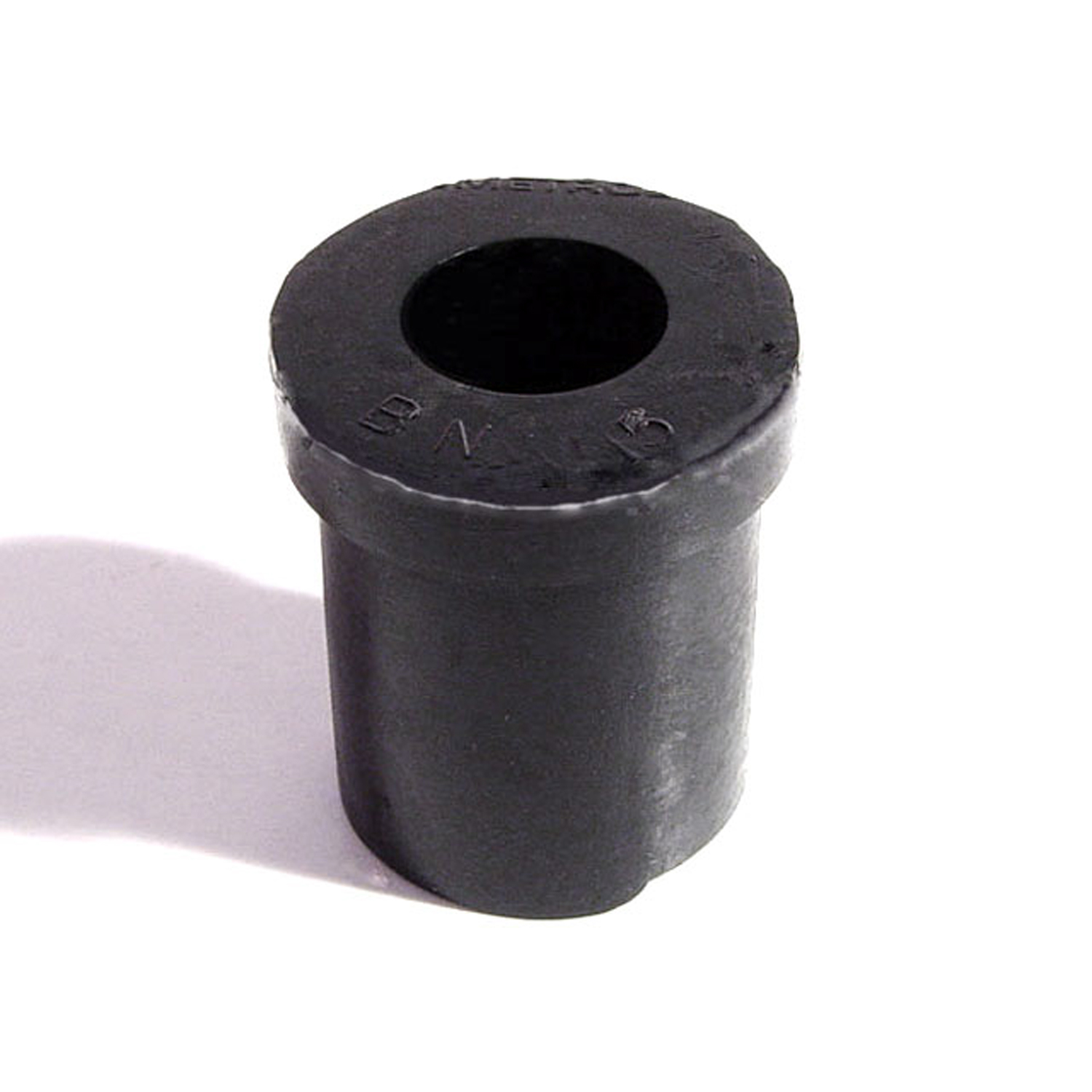 1946 Studebaker M16 Spring and Shackle Bushing. 7/8" bottom O.D-BN 15Spring and Shackle Bushing. 7/8" bottom O.D. X 1-1/8" high, with 1/2" I.D. Each
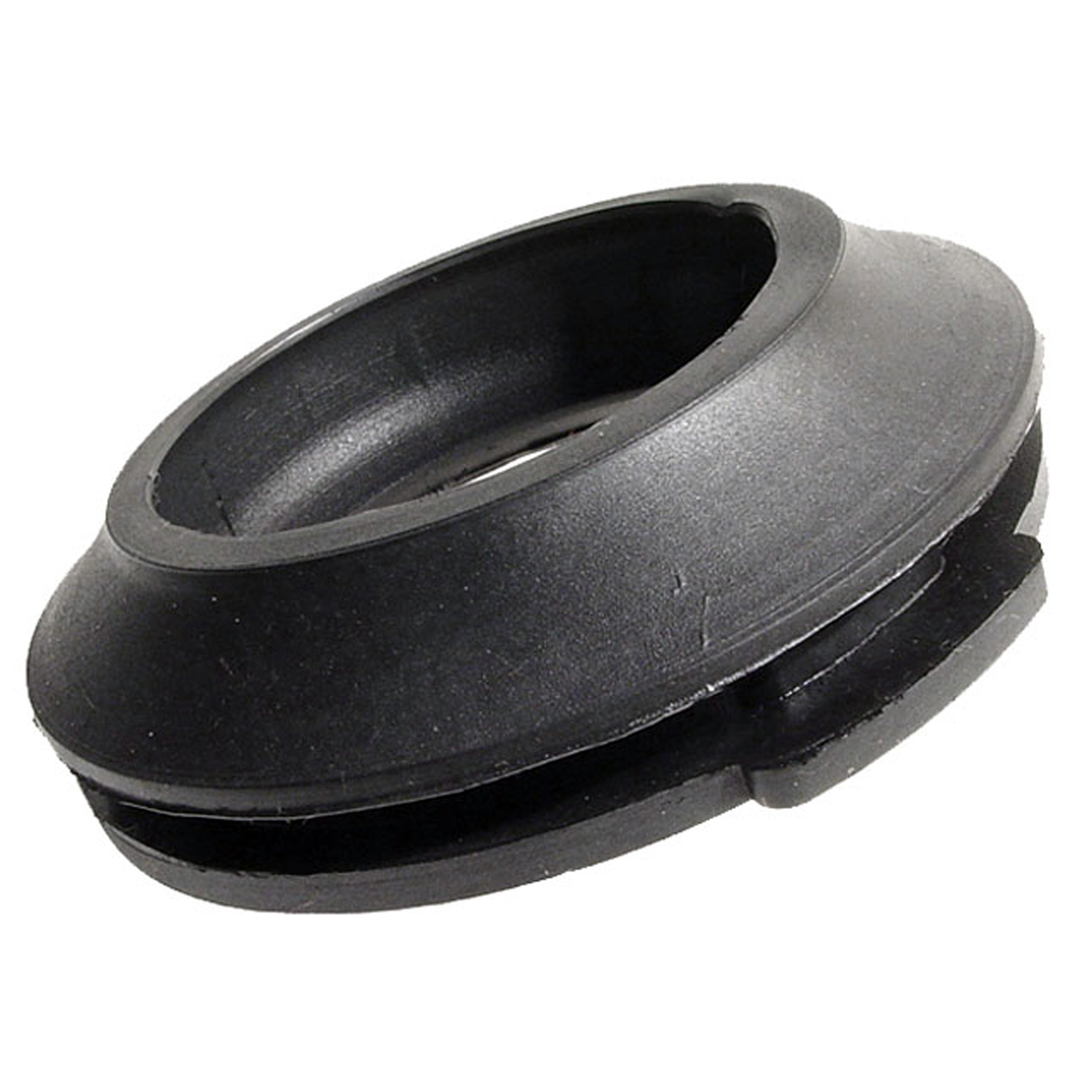 1946 Studebaker M16 Gas Filler Grommet. Perfect reproduction. Top 2-1/16" I.D-GF 45Gas Filler Grommet. Perfect reproduction. Top 2-1/16" I.D., 3-7/16" O.D. Each
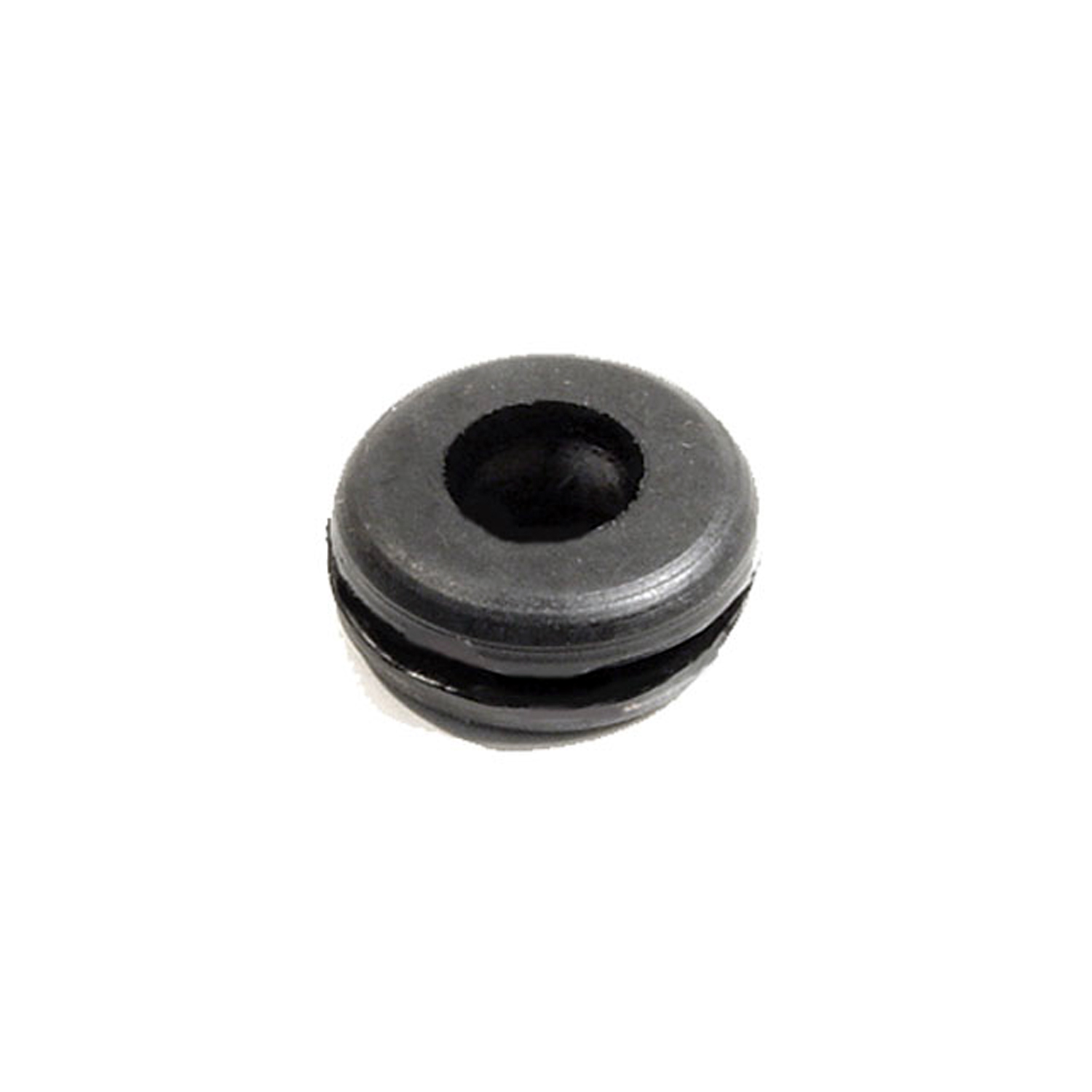 1946 Studebaker M16 Headlight & Tail-Light Wire Grommet. 3/8" I.D., 7/8" O.D-SM 13-AHeadlight & Tail-Light Wire Grommet. 3/8" I.D., 7/8" O.D. Each
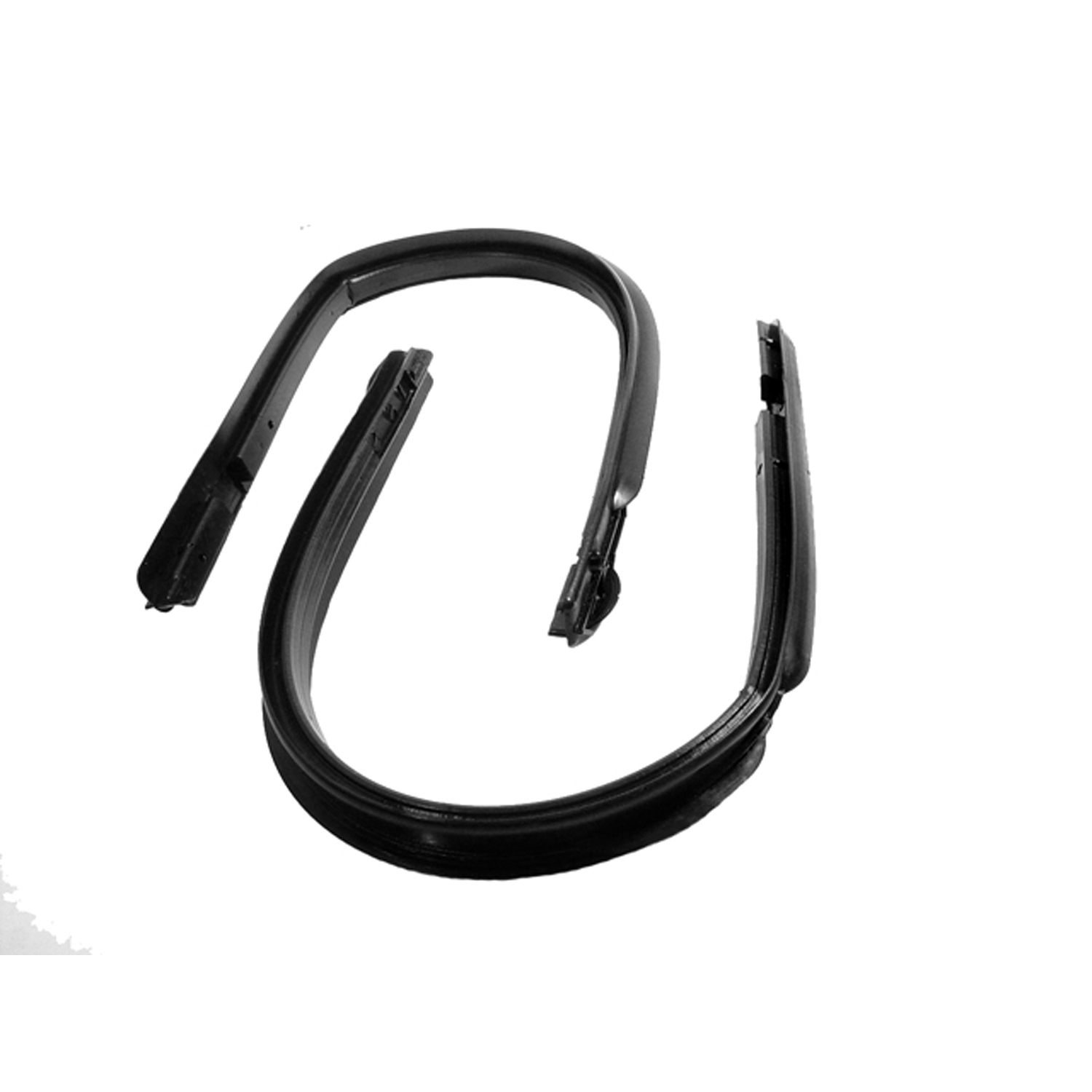 1946 Studebaker M16 Front Vent Window Seals. 28-7/8" long each. Pair R&L-WR 9401Front Vent Window Seals. 28-7/8" long each. Pair R&L
Why Choose Metro?
For over 100 years, Metro Moulded Parts has been the pinnacle of quality in classic car restoration parts. Our commitment to precision and authenticity in every component ensures a perfect fit and an OEM-level appearance.
- Expert Craftsmanship & Quality: Each part is a testament to our dedication to reliability and perfection, crafted from original designs and thoroughly tested.
- Advanced Technology: We use cutting-edge techniques to create flawless, long-lasting parts that surpass others in performance.
- SuperSoft Sponge – The Ultimate Door Seal: Not only are our door seals 30% softer than competitors', but they're also guaranteed to never leak. They effectively reduce wind and road noise, enhancing your classic car's comfort and driving experience.
- Proudly American: Our parts are a product of American craftsmanship, made in the USA with a spirit of excellence and heritage.
- Unrivaled Warranty: We back our products with a 30-year industry-leading warranty, a testament to our confidence in their quality.
Join us in preserving the legacy of classic cars with parts that are crafted for perfection, not just made.