

Image of 1946 Studebaker M17, Note: These illustrations use artistic license and may differ from actual historical models.
Performance Metrics
Fundamental Metrics
Emotional Appeal
MMP Rating
| Engine Specifications | |
|---|---|
| Engine: | Inline 6 |
| Displacement: | 226 cubic inches |
| Horsepower: | Estimated 94 hp |
| Torque: | Not available |
| Compression Ratio: | Not available |
| Ignition System: | Distributor and coil |
| Cooling System: | Liquid-cooled |
| Performance Specifications | |
| 0-60 Time: | Not available |
| 1/4 Mile Time: | Not available |
| Top Speed: | 70 mph |
| Transmission and Drive | |
| Drive Type: | Rear-wheel drive |
| Transmission Type: | 4-speed manual |
| Fuel and Efficiency | |
| Fuel System Type: | Carburetor |
| MPG: | Not available |
| Dimensions and Brakes | |
| Brakes: | Hydraulic drum brakes |
| Wheelbase: | 128 inches |
| Weight: | 3,800 lbs |
Note: Specifications for classic cars are given to the best of our ability, considering the limited and variant data available.
1946 Studebaker M17: A Postwar Workhorse
The 1946 Studebaker M17 was built for the unglamorous business of moving heavy loads, but its handsome, streamlined cab gave it more presence than most working trucks of its day. Produced by the Studebaker Corporation of South Bend, Indiana, it belonged to the company’s M-series, a family of trucks that returned to civilian work after wartime production disruptions.
The M17 was a medium-duty truck, generally classified in the 1½-ton range. Buyers typically purchased it as a cab-and-chassis, then fitted it with a body suited to the job: a stake bed, platform, dump body, box, or specialist equipment. Its model designation and equipment could vary by configuration, so surviving examples are best identified using their serial numbers and period Studebaker records.
One detail that makes the 1946 model especially interesting is its timing. It was part of the wave of trucks that helped get farms, construction crews, merchants, and local delivery businesses moving again as civilian manufacturing ramped up after World War II. Rather than being a radical new design, the M17 carried prewar engineering into a changed and hungry postwar market.
Studebaker M17 Styling and Cab
The M17’s cab has the rounded, carefully integrated look associated with early-1940s Studebaker design. Its broad hood leads into a tall, upright grille, while rounded front fenders flow around the wheels instead of looking like separate, flat panels. The headlights sit neatly within the front-fender design, giving the truck a more unified face than many square-edged commercial vehicles.
It was still very much a truck, with a sturdy frame, substantial running gear, and practical access to the engine. But the smooth fenders and flowing cab lines brought a touch of passenger-car style to a vehicle expected to spend its life earning its keep. The look is often associated with Studebaker’s design-forward approach and the influence of its celebrated styling organization.
Inside, the M17 favored durability over decoration. Drivers sat on a broad bench seat in a plain, metal cab with painted surfaces, straightforward gauges, and hard-wearing trim. Upholstery and details could vary with equipment, condition, and replacement parts over the decades. The high driving position and large windows made it easier to judge the truck’s corners than in many later, bulkier commercial cabs, although there was little in the way of modern sound insulation or comfort equipment.
Period trucks were offered in work-focused paint colors, with choices varying by model year, body supplier, and fleet order. Dark greens, blues, reds, and traditional black are among the colors associated with Studebaker commercial vehicles. Many trucks were repainted by their owners, so a surviving color should not be assumed to be factory-correct without checking the truck’s history or paint evidence.
Engine, Gearing, and Road Manners
M17 specifications can differ with production details and equipment, but the truck is commonly associated with Studebaker’s six-cylinder engine family, including a 226-cubic-inch inline-six in heavier applications. Period output figures for related configurations are around 90 to 95 horsepower. A four-speed manual transmission was typical, and heavy-duty gearing, including an auxiliary or two-speed rear axle on some setups, helped the truck manage its rated load.
Those numbers make more sense when considered as work-truck specifications rather than sports-car figures. A lightly loaded, mechanically healthy M17 might manage roughly 45 to 55 mph, depending on its axle ratio, tire size, and condition. A meaningful 0-to-60-mph time is harder to give: the truck was geared to pull, not accelerate, and many examples are slow to reach highway speed or may not comfortably reach 60 mph at all. A reasonable estimate for an unloaded truck that can reach that speed is roughly 35 to 45 seconds, but it is not a factory performance figure.
Behind the wheel, the six-cylinder delivers a steady, low-revving rumble rather than a sharp burst of power. The manual gearbox asks for deliberate shifts, and the steering and brakes feel firmly mechanical compared with modern vehicles. On a rough road, the heavy chassis and truck suspension can feel busy when the bed is empty. With a suitable load, the ride usually settles down, though bumps still make themselves known.
On winding roads, the M17 rewards patience. Its size, tall stance, and work-oriented tires call for measured cornering, especially when carrying cargo. Crosswinds can push a tall-bodied truck around, and stopping distances increase quickly with weight. It is most at home at modest speeds, where its sturdy, purposeful character is part of the pleasure.
Why the M17 Mattered
The M17 was not a landmark because it introduced a revolutionary engine or a breakthrough suspension system. Its significance is more practical: it represents Studebaker’s effort to pair dependable commercial engineering with a distinctive, carefully styled appearance. At a time when many trucks were designed with little attention to visual character, the M-series made a working vehicle look considered and recognizably Studebaker.
That approach helped establish a lasting idea in truck design: commercial usefulness and attractive styling do not have to be opposites. The M17’s rounded cab and fenders also give it a clear place in the transition from prewar truck design to the more integrated, modern-looking postwar vehicles that followed. Its legacy is less about setting a speed record than showing how a manufacturer could give a fleet truck its own identity.
Owning and Maintaining a 1946 M17
Most M17s spent their working lives in local hauling, agriculture, construction, municipal service, or delivery. Today, they are more likely to appear in collections, parades, vintage-truck gatherings, or as restored shop and farm displays. Some remain useful around a property, but their size, slow pace, and limited safety equipment make them less suitable for routine modern traffic than a light pickup.
The mechanical layout is relatively straightforward by classic-vehicle standards. An owner comfortable with carburetors, ignition points, drum brakes, and manual transmissions can handle many routine jobs. Parts availability is mixed: basic service items and some shared Studebaker components may be obtainable through specialist suppliers or the vintage-truck community, while model-specific trim, body pieces, and heavy-duty drivetrain parts can take more searching. Before buying, inspect the frame, cab corners, floor, and fenders for rust, and check the engine, transmission, brakes, and rear axle carefully.
Reliability depends heavily on maintenance and use. A well-kept six-cylinder can be a durable machine, but decades of hard work and storage can leave hidden wear. Brake condition deserves particular attention, especially if the truck will be driven on public roads. Modern traffic moves faster than the M17 was designed to travel, so a careful mechanical inspection and realistic driving plan matter more than a fresh coat of paint.
Rare Details and Common Criticisms
The M17 is notable as a model within a broader family rather than as a famous limited edition. There is no widely recognized special M17 version tied to a celebrity owner or a headline-making speed record. Its memorable stories are usually local ones: the truck that delivered farm supplies, hauled building materials, or served a small business for years.
Studebaker M-series trucks are often remembered for their distinctive styling, but owners also point out their limitations. The M17 is slow by modern standards, its cab is basic, and its ride can be stiff when empty. Some specialized parts are harder to find than components for more common American trucks. Those drawbacks are balanced by its character, straightforward mechanical design, and the satisfaction of seeing a handsome old work truck still standing.
1946 Studebaker M17 Values and Rarity
Exact M17 production totals are difficult to establish from commonly available model-by-model figures. Studebaker built its M-series in multiple configurations, and records do not always provide a simple, reliable count for each individual model. A cautious estimate is that M17 production was likely in the low thousands to perhaps around 10,000 over the relevant production period, rather than in the hundreds of thousands. That is an informed estimate, not a confirmed factory total.
As of 2026, condition and completeness make a major difference in value. A rough project or incomplete truck might sell for roughly $4,000 to $10,000. A usable, presentable example could fall around $10,000 to $20,000, while a high-quality restoration or especially appealing body configuration may bring $20,000 to $35,000 or more. These are broad U.S. market estimates; location, documentation, body type, and mechanical condition can move the price substantially.
The M17 is uncommon enough to attract vintage-truck enthusiasts, but its buyer pool is narrower than that for a classic pickup. Values have generally benefited from growing interest in early commercial vehicles, though originality and quality of restoration matter more than speculation. A solid, complete truck is often a better prospect than a shiny restoration with hard-to-source parts missing beneath the surface.
A Studebaker Built to Work
The 1946 Studebaker M17 combines a sturdy medium-duty chassis, a relaxed six-cylinder character, and styling that stands out in a field of purely utilitarian trucks. It was built for hauling rather than hurry, and its simple cab and mechanical controls reflect a time when a truck’s value was measured by the work it could do.
More than a pretty old truck, the M17 is a survivor from the moment American industry turned back toward civilian life. Its rounded fenders and purposeful stance make it memorable, but its real appeal is the story it carries: a dependable working machine from an era when the road ahead was being rebuilt one load at a time.
1946 Studebaker M17 Catalog of Parts
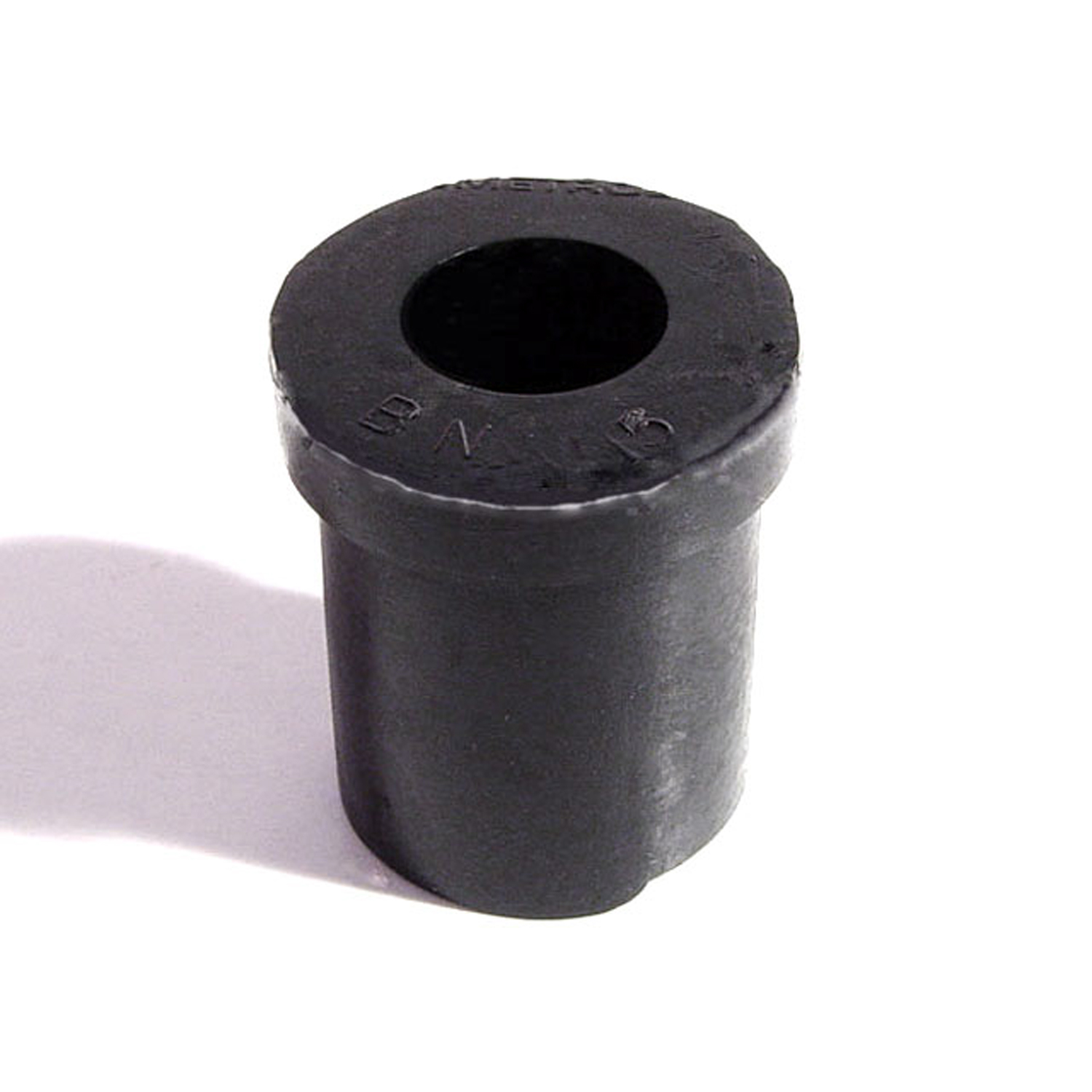 1946 Studebaker M17 Spring and Shackle Bushing. 7/8" bottom O.D-BN 15Spring and Shackle Bushing. 7/8" bottom O.D. X 1-1/8" high, with 1/2" I.D. Each
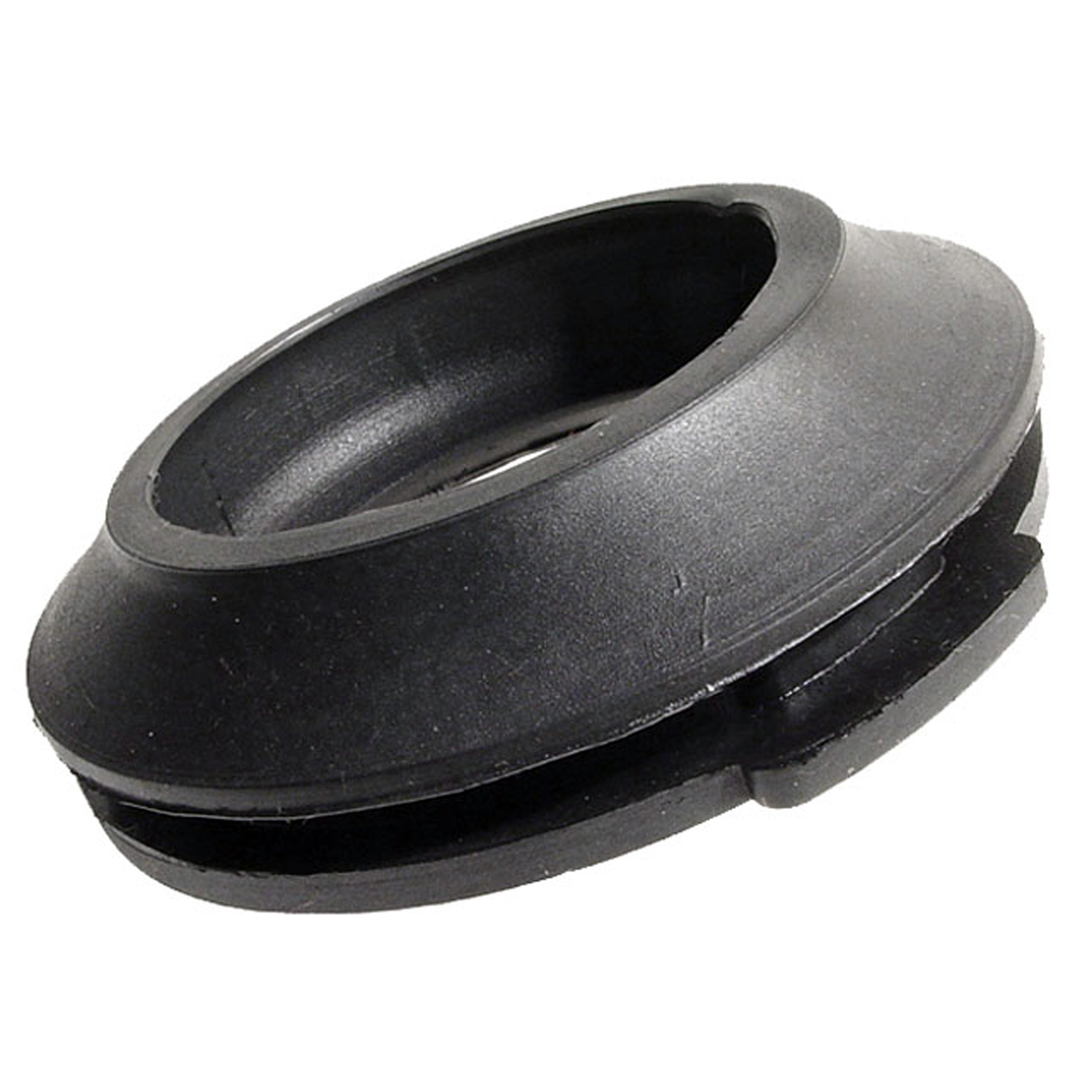 1946 Studebaker M17 Gas Filler Grommet. Perfect reproduction. Top 2-1/16" I.D-GF 45Gas Filler Grommet. Perfect reproduction. Top 2-1/16" I.D., 3-7/16" O.D. Each
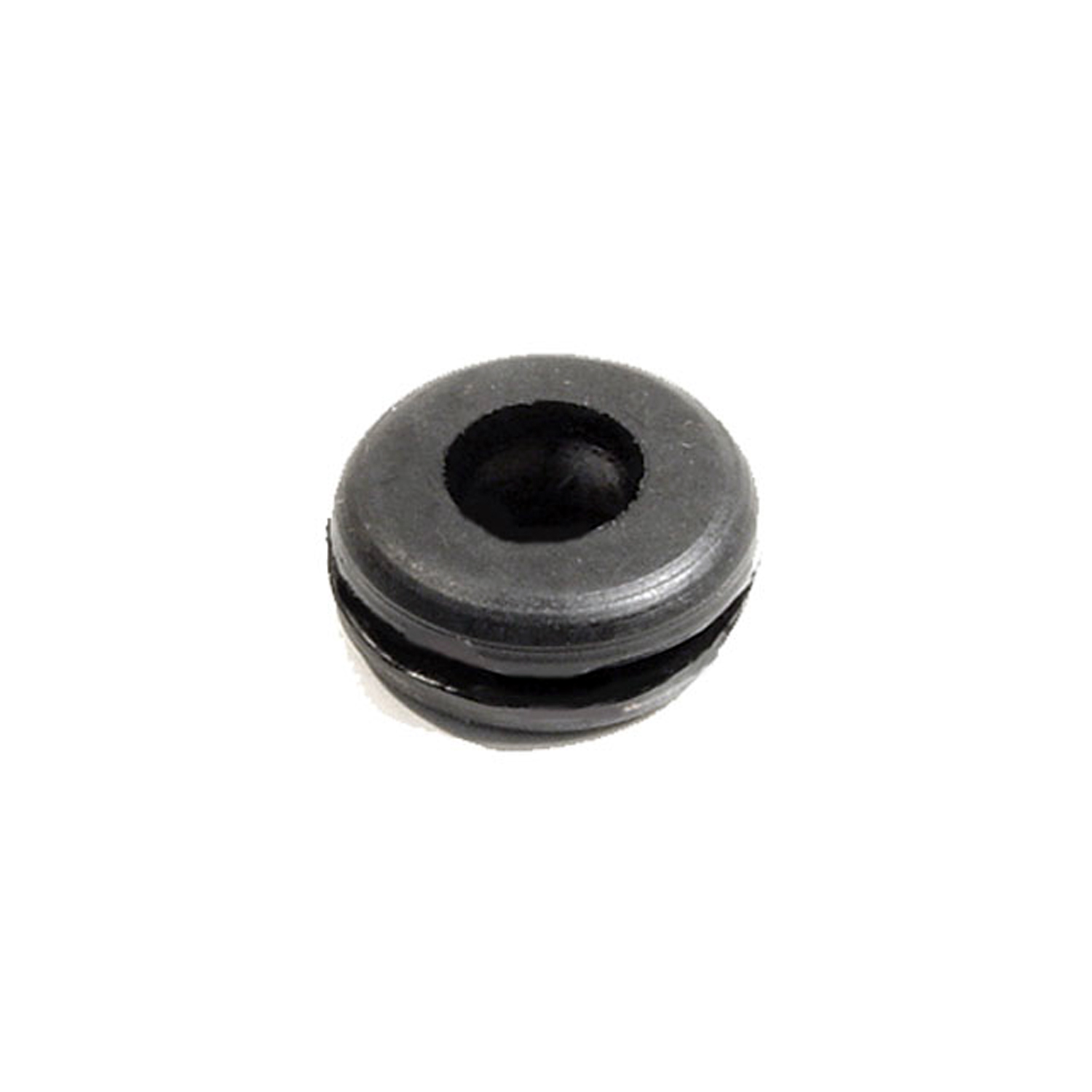 1946 Studebaker M17 Headlight & Tail-Light Wire Grommet. 3/8" I.D., 7/8" O.D-SM 13-AHeadlight & Tail-Light Wire Grommet. 3/8" I.D., 7/8" O.D. Each
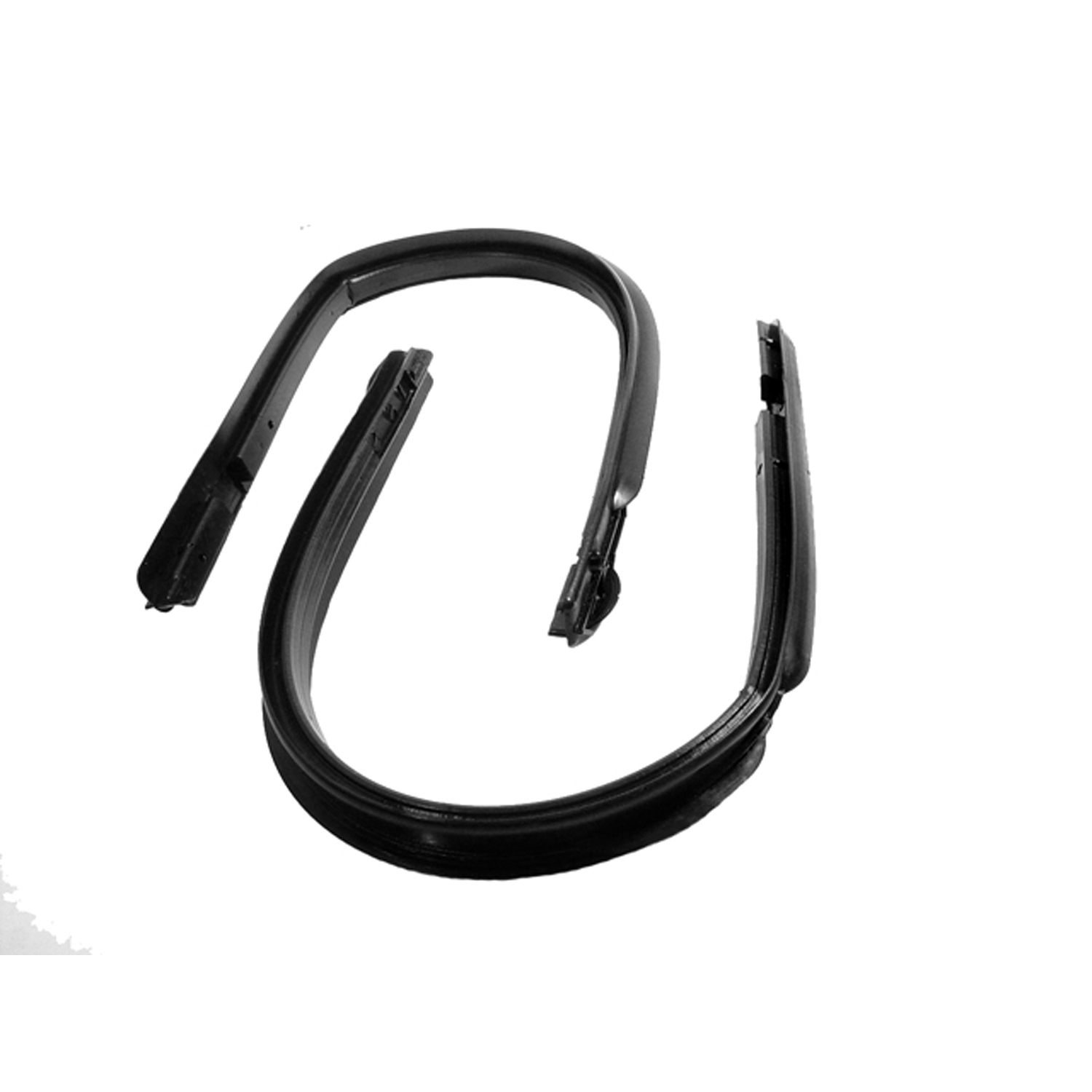 1946 Studebaker M17 Front Vent Window Seals. 28-7/8" long each. Pair R&L-WR 9401Front Vent Window Seals. 28-7/8" long each. Pair R&L
Why Choose Metro?
For over 100 years, Metro Moulded Parts has been the pinnacle of quality in classic car restoration parts. Our commitment to precision and authenticity in every component ensures a perfect fit and an OEM-level appearance.
- Expert Craftsmanship & Quality: Each part is a testament to our dedication to reliability and perfection, crafted from original designs and thoroughly tested.
- Advanced Technology: We use cutting-edge techniques to create flawless, long-lasting parts that surpass others in performance.
- SuperSoft Sponge – The Ultimate Door Seal: Not only are our door seals 30% softer than competitors', but they're also guaranteed to never leak. They effectively reduce wind and road noise, enhancing your classic car's comfort and driving experience.
- Proudly American: Our parts are a product of American craftsmanship, made in the USA with a spirit of excellence and heritage.
- Unrivaled Warranty: We back our products with a 30-year industry-leading warranty, a testament to our confidence in their quality.
Join us in preserving the legacy of classic cars with parts that are crafted for perfection, not just made.