

Image of 1946 Studebaker M5, Note: These illustrations use artistic license and may differ from actual historical models.
Performance Metrics
Fundamental Metrics
Emotional Appeal
MMP Rating
| Engine Specifications | |
|---|---|
| Engine: | Inline 6-cylinder engine |
| Displacement: | 170 cubic inches |
| Horsepower: | Estimated 80-90 hp |
| Torque: | 150 lb-ft |
| Compression Ratio: | Estimated 6.5:1 |
| Ignition System: | Distributor and coil |
| Cooling System: | Liquid-cooled |
| Performance Specifications | |
| 0-60 Time: | Information not available |
| 1/4 Mile Time: | Information not available |
| Top Speed: | 70 mph |
| Transmission and Drive | |
| Drive Type: | Rear-wheel drive |
| Transmission Type: | 3-speed manual |
| Fuel and Efficiency | |
| Fuel System Type: | Carburetor |
| MPG: | Estimated 15-20 mpg |
| Dimensions and Brakes | |
| Brakes: | Drum brakes |
| Wheelbase: | 112 inches |
| Weight: | 3,200 lbs |
Note: Specifications for classic cars are given to the best of our ability, considering the limited and variant data available.
The 1946 Studebaker M5 is a postwar pickup with prewar roots, handsome rounded styling, and the kind of straightforward mechanical character that still makes a vintage truck enjoyable to own.
1946 Studebaker M5 Overview
Built by the Studebaker Corporation of South Bend, Indiana, the M5 was the half-ton member of Studebaker’s M-series truck range. The series had debuted just before the United States entered World War II. Civilian production was curtailed during the war, and trucks like the M5 returned to the market as automakers restarted production for a country hungry for new vehicles.
The 1946 model was not a completely new postwar design. It carried forward the M-series’ practical engineering and prewar styling, updated for a civilian market where farmers, tradespeople, and small businesses needed dependable transportation. Its combination of familiar mechanicals and distinctive Studebaker looks helped it stand apart from more conservative work trucks.
One appealing detail is that the M5’s six-cylinder engine was closely related to the unit used in Studebaker’s Champion passenger cars. That connection gave the truck a more refined family resemblance than its commercial purpose might suggest, and it could also help owners find mechanical know-how and parts within the Studebaker world.
M5 Styling and Cabin
The M5 wears a rounded, distinctly 1940s shape. Its gently domed hood flows into separate front fenders, while the upright grille gives the nose a solid, formal look. Headlamps sit prominently at the front, and the broad cab has a curved roof and upright glass that provide a good view of the road. The overall effect is less boxy than many contemporary pickups, without sacrificing the sturdy proportions buyers expected from a working truck.
Inside, the M5 is all business. The cabin centers on a broad bench seat, a simple painted-metal dashboard, clear analog gauges, and practical controls. Upholstery materials and trim varied with specification and restoration history, but the original interior was designed for hard use rather than luxury. A rubber floor covering and wipe-clean surfaces made sense for drivers who might climb in wearing work boots.
Technology was modest but useful by the standards of the day. The M5 used a six-volt electrical system, hydraulic brakes, a manual transmission, and a conventional clutch. Its front suspension used coil springs and independent front-wheel suspension, a more sophisticated arrangement than the solid front axle found on many trucks of the era. At the rear, leaf springs were suited to carrying a load.
Paint choices depended on the order and the market, with subdued work-truck shades and darker colors common. Restored examples are often seen in period-inspired greens, blues, reds, black, and cream. The familiar half-ton pickup is the M5’s signature configuration, though the broader M-series range also included heavier trucks and commercial body types. Availability of particular bodies and equipment could vary, so buyers should assess an individual truck by its chassis and documentation rather than assume every M5 left the factory identically equipped.
Why the M5 Matters
The M5’s importance lies less in a single groundbreaking invention than in how it balanced useful engineering with distinctive styling. Studebaker had to serve customers who needed a truck to earn its keep, but the company also gave the vehicle a recognizable identity. The rounded sheet metal, carefully shaped cab, and passenger-car-related engine helped the M5 feel less anonymous than many workaday pickups.
Its independent front suspension is a notable technical feature. Compared with a conventional solid front axle, independent suspension can help the front wheels respond more separately to uneven pavement. That did not turn the M5 into a modern car, but it was an unusual refinement in a period when many trucks prioritized rugged simplicity above all else.
The M5 also captures an important moment in American manufacturing. In 1946, civilian demand was surging after years of wartime production. Buyers wanted vehicles for farms, businesses, and expanding suburbs, and manufacturers were returning to familiar designs while preparing for a more modern postwar era. The M5 is a useful snapshot of that transition.
Engine, Speed, and Road Manners
Most 1946 M5 pickups were powered by a 169.6-cubic-inch L-head inline-six, rated at approximately 80 horsepower, paired with a three-speed manual transmission. Exact specifications can vary with production details and later engine swaps, so a prospective buyer should verify the engine and drivetrain in the truck being considered.
Period factory figures for acceleration and top speed are not consistently available. As a practical estimate, a sound, lightly loaded M5 might reach roughly 60 to 65 mph, with 0 to 60 mph taking around 25 to 30 seconds. Those are estimates, not guaranteed test results. A tired engine, steep gearing, a heavy load, or modern traffic can make it feel considerably slower.
On the road, the M5 rewards a measured driving style. The six-cylinder engine delivers its power steadily rather than with a modern burst of torque, and the three-speed gearbox asks the driver to plan shifts well ahead of a hill or a fast merge. Steering is not effortless by modern standards, and braking distances are longer than those of contemporary vehicles.
The suspension gives the truck a distinctive ride. Its independent front end can take the edge off some bumps, while the rear leaf springs feel firm when the bed is empty and settle more comfortably with a load. On winding roads, expect a tall seating position, body lean, and a slower pace than a modern pickup. The engine’s subdued mechanical rumble, the movement of the gear lever, and the direct connection between driver and machinery are central to the M5 experience.
Living With a Studebaker M5
Today, M5s are used as weekend drivers, show vehicles, parade trucks, and light-duty haulers. Some owners keep them close to their original specification, while others install updated brakes, electrical components, or engines for easier modern use. Any modification should be considered carefully, especially if originality matters to the truck’s value.
Maintenance is generally approachable for an owner comfortable with older vehicles. The engine bay is not crowded by modern emissions equipment or electronics, and routine service involves familiar tasks such as ignition tuning, lubrication, cooling-system care, and brake adjustment. The main challenges are the age of the parts, the condition of the previous repairs, and sourcing model-specific trim or body components. Mechanical components may be easier to address than rusted cab corners, hard-to-find sheet metal, or worn interior pieces.
Reliability depends heavily on upkeep. A well-maintained M5 can be a dependable local driver, but an original truck should not be expected to behave like a modern daily vehicle. Check the frame, cab mounts, floors, bed, cooling system, wiring, brakes, and steering before buying. Rust and neglected safety systems can turn an inexpensive project into a costly restoration.
Studebaker M5 Facts and Myths
The M5 is not widely known for a celebrity-owned example, a famous speed record, or a major competition victory. Its story is more grounded: it was a practical truck made during the rapid return to civilian production after World War II. That everyday role is precisely what makes surviving examples interesting today.
A frequent criticism is that the M5 is underpowered by modern standards. That is fair, particularly when the truck is loaded or driven at highway speeds. Its relatively simple cabin and slower performance can also surprise buyers expecting a more comfortable or capable modern pickup. In its original setting, however, the M5 was built for useful work at a pace appropriate to the roads and traffic of the 1940s.
Another common source of confusion is the M-series naming. The M5 was the half-ton model, while Studebaker also offered heavier M-series trucks. Badges, bodywork, and drivetrains may have been altered over decades, so a truck’s appearance alone does not always tell the whole story.
1946 Studebaker M5 Values
Values vary with originality, rust, mechanical condition, documentation, and the quality of the restoration. As a broad current-market estimate, a project-grade M5 might sell for about $5,000 to $12,000. A usable driver in decent condition may fall around $12,000 to $25,000, while a well-restored or especially attractive example can reach roughly $25,000 to $40,000 or more. Exceptional trucks may exceed that range, but asking prices are not the same as completed sale prices.
There is no single, consistently cited production total for the 1946 M5 alone. As a best estimate, production for the model year was likely in the tens of thousands, perhaps around 20,000 to 30,000 trucks. That estimate should be treated as approximate rather than a factory-confirmed figure. The M5 is not exceptionally rare in the way a limited-production specialty vehicle is, but finding a solid, complete example is harder than the broad production numbers might suggest.
Market interest has generally favored well-presented, usable pickups, and values can strengthen for high-quality restorations or trucks with documented history. The M5 is best viewed as a steady enthusiast-market classic rather than a guaranteed investment. Condition, completeness, and the cost of restoration have more influence on value than speculation about future appreciation.
A Distinctive Postwar Pickup
The 1946 Studebaker M5 combines a useful half-ton layout, a smooth-running six-cylinder engine, independent front suspension, and rounded styling that is unmistakably of its era. It is not fast or luxurious, and it asks its driver to work with the machine rather than expect modern convenience. In return, it offers a memorable look at American truckmaking as the country moved from wartime production into a new civilian age. The M5 may have been built to work, but its character is why enthusiasts still bring it back to the road.
1946 Studebaker M5 Catalog of Parts
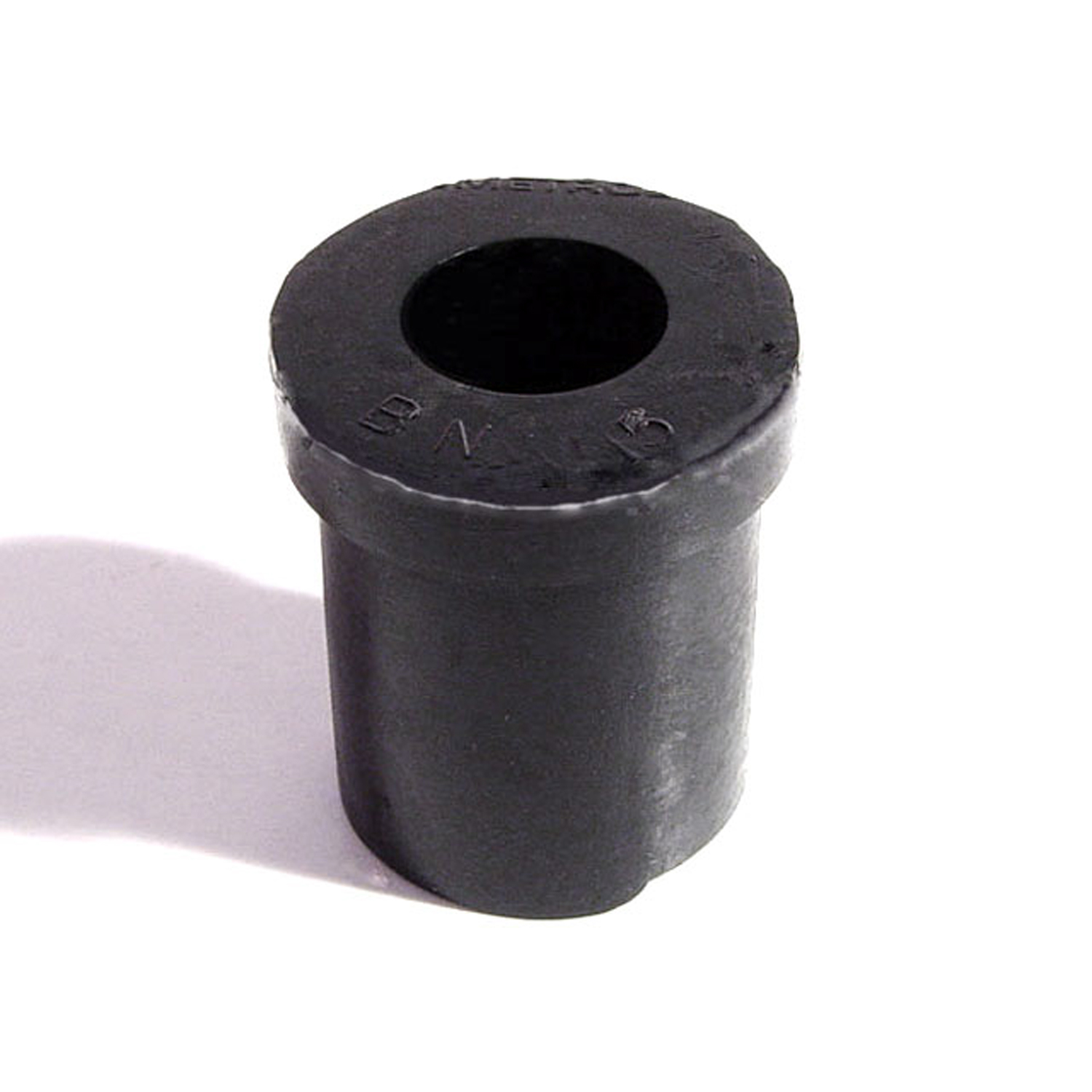 1946 Studebaker M5 Spring and Shackle Bushing. 7/8" bottom O.D-BN 15Spring and Shackle Bushing. 7/8" bottom O.D. X 1-1/8" high, with 1/2" I.D. Each
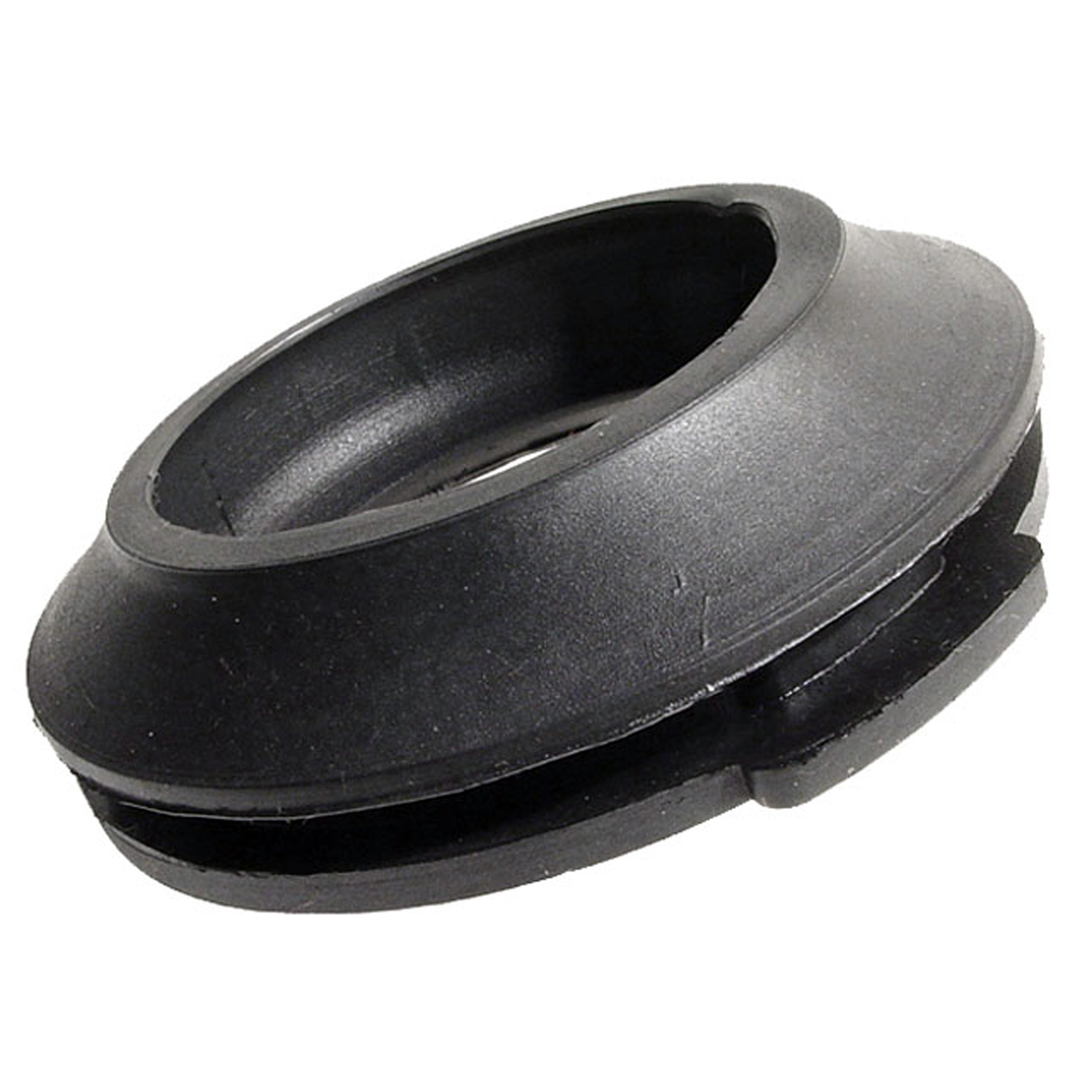 1946 Studebaker M5 Gas Filler Grommet. Perfect reproduction. Top 2-1/16" I.D-GF 45Gas Filler Grommet. Perfect reproduction. Top 2-1/16" I.D., 3-7/16" O.D. Each
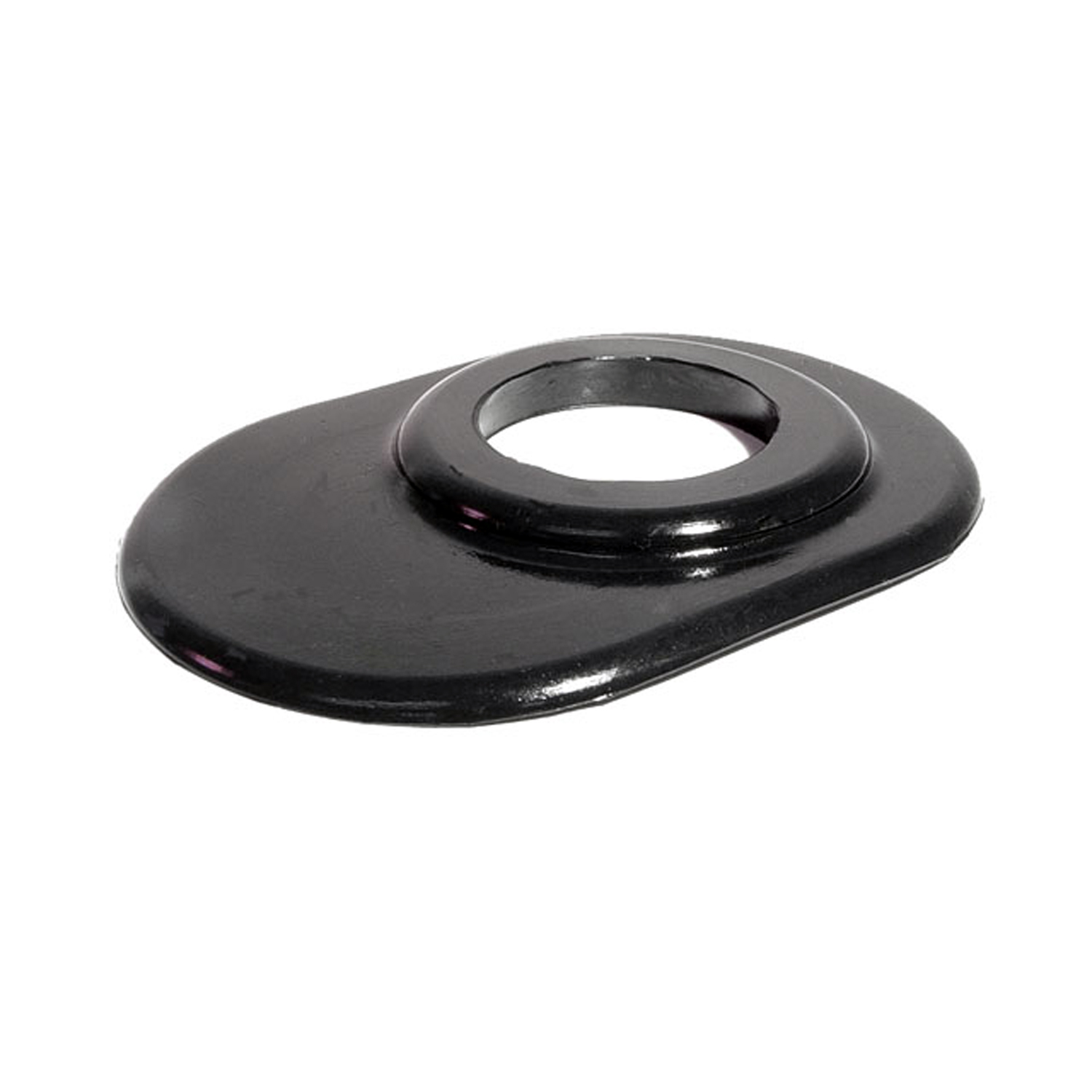 1946 Studebaker M5 Steering Column Grommet. For 4-speed models. Each-SC 24Steering Column Grommet. For 4-speed models. Each
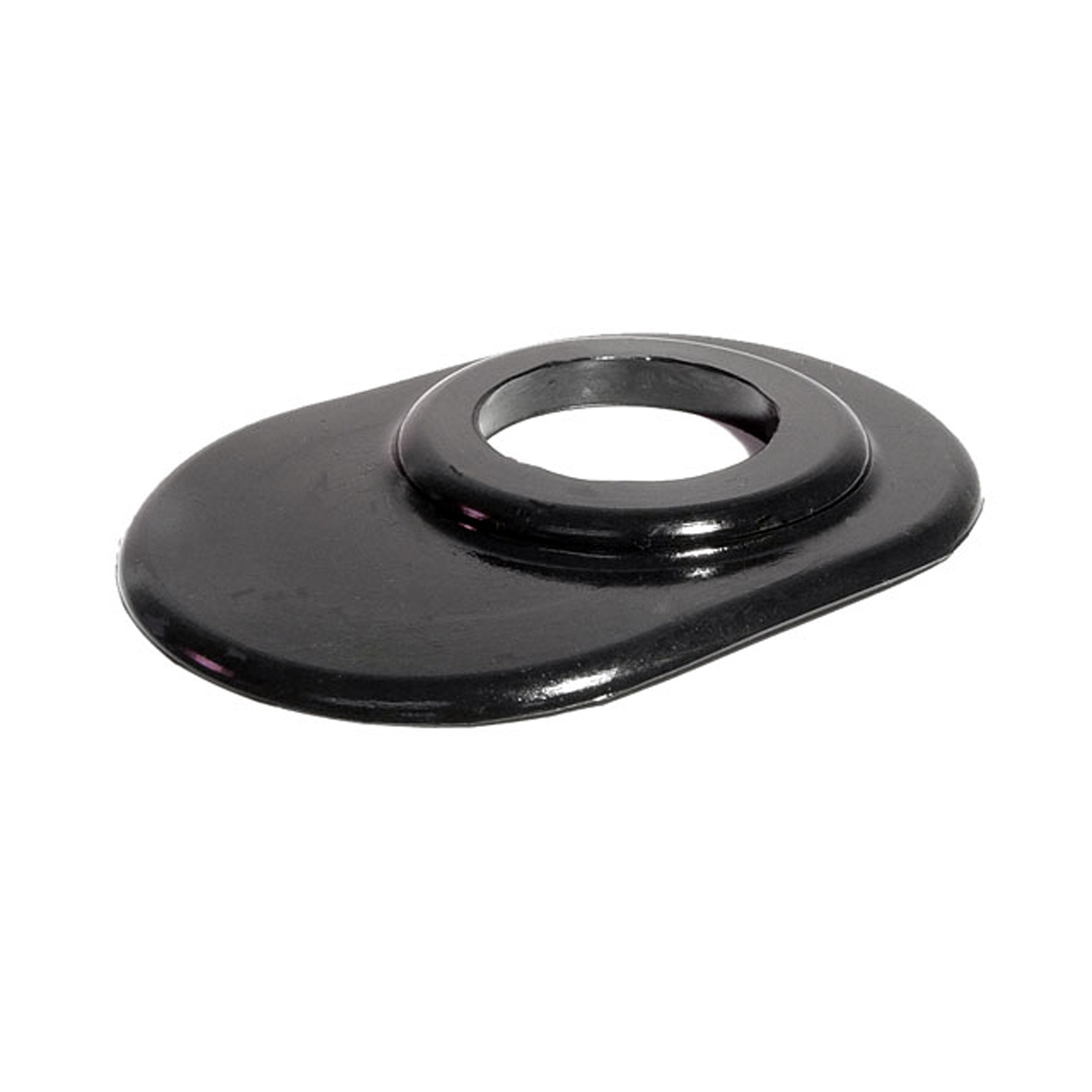 1946 Studebaker M5 Steering Column Grommet. For 3-speed models. Each-SC 24-ASteering Column Grommet. For 3-speed models. Each
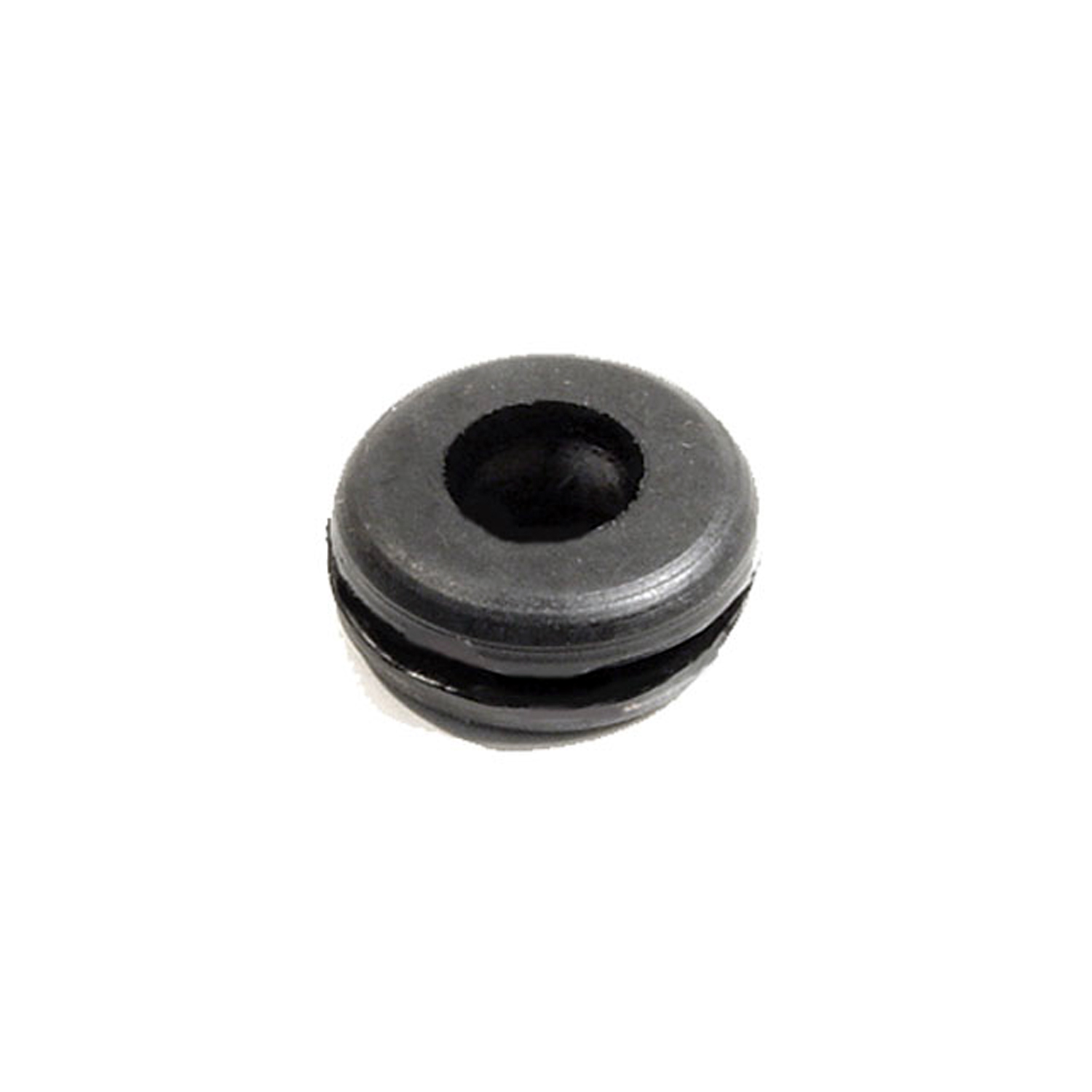 1946 Studebaker M5 Headlight & Tail-Light Wire Grommet. 3/8" I.D., 7/8" O.D-SM 13-AHeadlight & Tail-Light Wire Grommet. 3/8" I.D., 7/8" O.D. Each
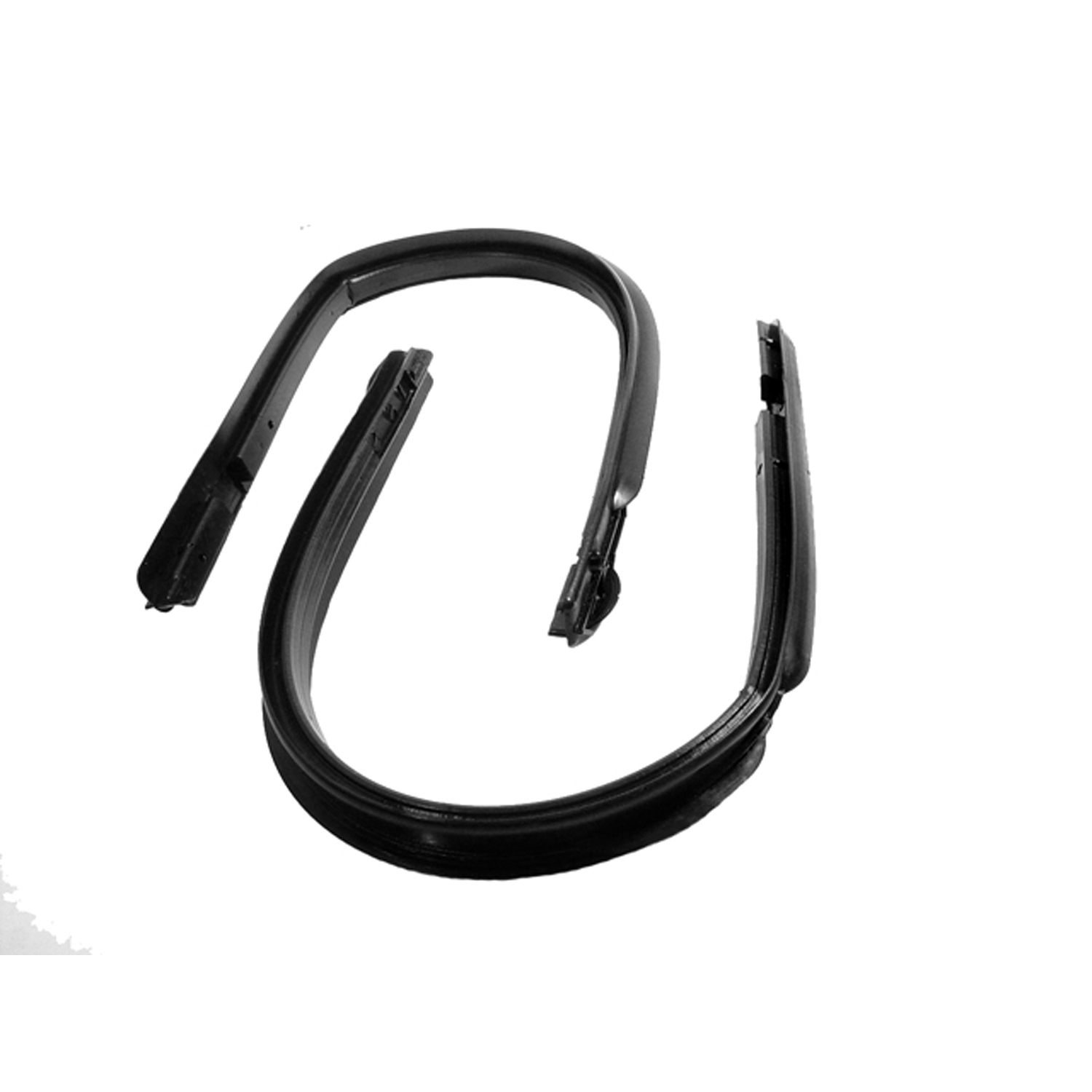 1946 Studebaker M5 Front Vent Window Seals. 28-7/8" long each. Pair R&L-WR 9401Front Vent Window Seals. 28-7/8" long each. Pair R&L
Why Choose Metro?
For over 100 years, Metro Moulded Parts has been the pinnacle of quality in classic car restoration parts. Our commitment to precision and authenticity in every component ensures a perfect fit and an OEM-level appearance.
- Expert Craftsmanship & Quality: Each part is a testament to our dedication to reliability and perfection, crafted from original designs and thoroughly tested.
- Advanced Technology: We use cutting-edge techniques to create flawless, long-lasting parts that surpass others in performance.
- SuperSoft Sponge – The Ultimate Door Seal: Not only are our door seals 30% softer than competitors', but they're also guaranteed to never leak. They effectively reduce wind and road noise, enhancing your classic car's comfort and driving experience.
- Proudly American: Our parts are a product of American craftsmanship, made in the USA with a spirit of excellence and heritage.
- Unrivaled Warranty: We back our products with a 30-year industry-leading warranty, a testament to our confidence in their quality.
Join us in preserving the legacy of classic cars with parts that are crafted for perfection, not just made.