

Image of 1946 Studebaker Taxi, Note: These illustrations use artistic license and may differ from actual historical models.
Performance Metrics
Fundamental Metrics
Emotional Appeal
MMP Rating
| Engine Specifications | |
|---|---|
| Engine: | Inline 6 |
| Displacement: | 170 cubic inches |
| Horsepower: | Estimated 80-90 HP |
| Torque: | 150 lb-ft |
| Compression Ratio: | Estimated 6.5:1 |
| Ignition System: | Distributor and coil |
| Cooling System: | Liquid-cooled |
| Performance Specifications | |
| 0-60 Time: | Estimated 20 seconds |
| 1/4 Mile Time: | Not available |
| Top Speed: | 75 mph |
| Transmission and Drive | |
| Drive Type: | Rear-wheel drive |
| Transmission Type: | 3-speed manual |
| Fuel and Efficiency | |
| Fuel System Type: | Carburetor |
| MPG: | Estimated 15-20 mpg |
| Dimensions and Brakes | |
| Brakes: | Drum brakes |
| Wheelbase: | 112 inches |
| Weight: | Estimated 3,000 lbs |
Note: Specifications for classic cars are given to the best of our ability, considering the limited and variant data available.
1946 Studebaker Taxi: A Postwar Cab with Character
A 1946 Studebaker taxi was built to earn its keep, but it did so with more style than most working cabs of its day. The name describes a taxi configured from a Studebaker passenger car, rather than a separate, clearly documented factory model. Most examples would have been based on a four-door sedan, fitted or adapted for commercial service by a fleet operator or specialist.
Studebaker Corporation, based in South Bend, Indiana, was among the American automakers preparing civilian cars again after wartime production. Its 1946 cars carried forward prewar designs, as factories and suppliers returned to peacetime work. The company’s genuinely new postwar styling arrived for 1947, making a 1946 taxi an intriguing bridge between two eras: familiar in outline, but part of the first wave of cars back on American roads after the war.
One detail worth knowing before you go looking for one: there is no dependable production total for “1946 Studebaker taxis” as a distinct model. Studebaker made the underlying cars, but taxi conversions and fleet orders are not consistently separated in surviving production records. That uncertainty is part of the car’s appeal, but it also calls for care when assessing claims about rarity or originality.
Prewar Lines, Working-Cab Purpose
The 1946 Studebaker’s design is more rounded than the dramatic “bullet-nose” Studebakers that followed. Its fenders flow into the body, the hood has a long, solid presence, and the upright grille gives the front end a dignified, almost formal expression. A taxi version would typically have been a four-door sedan, a practical shape for passengers climbing in and out throughout the day. Period equipment could include a roof-mounted taxi sign, a meter, fleet markings, and durable seat covers, though details varied by operator.
Inside, the passenger compartment was built for straightforward comfort rather than luxury. Depending on trim and specification, upholstery could be cloth or more hard-wearing commercial material. Taxi operators often prioritized surfaces that could be cleaned and repaired over expensive finishes. The broad bench seats, upright seating position, and generous side windows suited both passengers and drivers. As with many surviving working cars, original interiors are uncommon; later upholstery may not reflect the car’s factory trim.
There was no single standard taxi color. Fleet owners chose paint to suit their city, company, or local regulations. Black, dark green, maroon, and subdued two-tone schemes are all plausible period looks, while lettering and roof signs helped a cab stand out. A restored car in a fleet livery can be especially eye-catching, but unless documentation survives, it is best to describe a paint scheme as a restoration choice rather than a verified original color.
Studebaker’s 1946 passenger-car range included several body styles, depending on series and trim, but the four-door sedan was the natural taxi candidate. It offered easier passenger access and more useful rear-seat space than a coupe. Taxi-specific equipment was generally a matter of commercial preparation or conversion, not a separate body style on the regular Studebaker model chart.
Why the 1946 Taxi Matters
The 1946 Studebaker taxi is significant less as a revolutionary engineering model than as a snapshot of America’s return to civilian life. After years of wartime restrictions, cities needed transportation, manufacturers needed to restart production, and taxi fleets needed dependable cars. A Studebaker cab put a domestic carmaker’s product to work in a demanding role where durability, passenger capacity, and ease of servicing mattered every day.
It also sits just before one of Studebaker’s most memorable styling chapters. The company’s 1947 redesign, with its rounded nose and forward-looking profile, became a recognizable postwar design statement. The 1946 car retains more conventional prewar proportions, so it helps show how quickly American automotive styling changed once manufacturers could develop all-new models.
Compared with more common fleet choices, a Studebaker taxi offered a distinctive alternative to the familiar Ford, Chevrolet, and Plymouth cabs. Its lasting influence is difficult to measure in a direct design lineage, but its appeal today is clear: it represents both Studebaker’s postwar comeback and the everyday commercial cars that kept cities moving.
Six-Cylinder Power and Road Manners
Performance depends on which Studebaker series and engine a particular taxi used. A common 1946 Champion specification was a 169.6-cubic-inch L-head inline-six rated at about 80 horsepower. Larger Commander models used a bigger six-cylinder engine. Because a taxi may have been ordered, converted, or rebuilt to different specifications, the engine and chassis number are more reliable guides than the word “taxi” alone.
For a Champion-powered sedan, a reasonable period-performance estimate is a top speed around 75 to 80 mph and a 0-to-60-mph time in the neighborhood of 20 seconds, depending on gearing, condition, load, and measurement method. Those are estimates, not guaranteed figures for every surviving car. The Studebaker’s mission was steady city service, not quick acceleration or high-speed touring.
On the road, the car feels substantial and unhurried. Its body-on-frame construction and period suspension provide a softer, more compliant ride than a modern sedan, though worn springs, shocks, or bushings can make it float or clatter. On rough streets, the broad seats and long-wheelbase feel help take the edge off bumps. On winding roads, expect slower steering response and noticeable body roll compared with a modern car. A well-maintained example should feel predictable, but it rewards smooth inputs rather than hurried cornering.
The flathead six produces a mellow, mechanical hum, with a deeper note under load. The driver sits upright behind a large steering wheel and works with controls that demand more physical effort than a contemporary car’s. That hands-on feel is a big part of the experience: you hear the engine, sense the road through the chassis, and manage the car rather than simply directing it.
Living with a Studebaker Cab
Today, a 1946 taxi is most often a show car, parade vehicle, museum piece, or enthusiast’s weekend driver. It can also be used for local events or period-themed displays, provided it is roadworthy and appropriately insured. Regular modern commuting is possible only with realistic expectations about speed, braking, visibility, fuel economy, and the availability of parts.
Routine mechanical work is approachable for an experienced home mechanic. The engine bay is relatively simple by modern standards, and basic service jobs do not require electronic diagnostic equipment. Brakes, ignition, cooling, and fuel systems are conventional, but age matters: rubber hoses, wiring, seals, and brake components should be inspected even if the car appears freshly restored. Parts availability is generally better for common Studebaker mechanical components than for taxi-specific accessories or unusual body trim.
Reliability depends less on the badge than on the quality of the restoration and maintenance. A sound engine can be let down by old wiring, a neglected cooling system, or tired brakes. Before purchase, check the frame and body for rust, verify that the engine and transmission match the seller’s description, and look closely at the rear floor and passenger compartment for evidence of hard commercial use.
Taxi Trivia and Common Myths
The most important trivia is also the most useful buying advice: “1946 Studebaker taxi” does not automatically mean a factory-built taxi model. A car may be an original fleet vehicle, a passenger sedan converted in period, or a later restoration dressed as a cab. Period photographs, fleet paperwork, registration records, and surviving meter or roof-sign mounts can help establish its history.
No reliable taxi-specific speed, sales, or endurance record is associated with the model. Nor is there a widely documented celebrity-owned 1946 Studebaker taxi that defines its reputation. Its historical interest is grounded in ordinary service rather than a famous race or headline-grabbing event: the car represents the working fleet vehicles that carried people through the postwar years.
Common criticisms are typical of cars from the period. Braking distances are long by modern standards, acceleration is modest, and steering can feel heavy at low speed. Some collectors also find a standard 1946 Studebaker less visually striking than the 1947 bullet-nose cars. But a well-presented taxi has its own personality, especially when its fleet details are thoughtfully restored.
Collector Values and Rarity
Taxi-specific production figures are not available, so any estimate of how many were built has to be treated as a reasoned guess. Studebaker produced passenger cars in substantial numbers after the war, but only a small and undocumented fraction would have served as taxis. It is plausible that the number of 1946 Studebakers used as cabs reached the hundreds or perhaps a few thousand across all fleets, while the number of documented, surviving, correctly identified examples is much smaller. That is an estimate, not a factory tally.
As a broad 2026 U.S. market guide, an ordinary 1946 Studebaker sedan needing work might sell for roughly $5,000 to $12,000. A sound, usable car could fall around $12,000 to $25,000, while a high-quality restoration or especially convincing, documented taxi presentation might bring approximately $25,000 to $40,000 or more. Condition, authenticity, mechanical quality, and the strength of the car’s history matter more than taxi paint alone. These ranges are estimates, and actual sale prices vary by region and venue.
Values for early postwar Studebakers have tended to reward good condition and distinctive presentation, but the market is specialized. A well-restored example may hold or gradually gain value, while a rough project can remain difficult to sell because restoration costs quickly exceed the car’s market price. Proven fleet history can improve interest, although a tasteful conversion without documentation may appeal more as a fun display vehicle than as a rare, investment-grade automobile.
A Working Car with a Postwar Story
The 1946 Studebaker taxi combines practical four-door usefulness with the sturdy engineering and restrained styling of Studebaker’s immediate postwar cars. Its performance is modest, its commercial history is often hard to document, and its taxi-specific production numbers remain unknown. Yet those very qualities make it compelling: it is a reminder that automotive history is not only made by luxury cars and racing champions, but also by the everyday vehicles that carried people to work, home, and across a changing America.
Restore one carefully, preserve its story, and a 1946 Studebaker taxi becomes more than a vintage sedan with a roof sign. It becomes a rolling piece of postwar city life.
1946 Studebaker Taxi Catalog of Parts
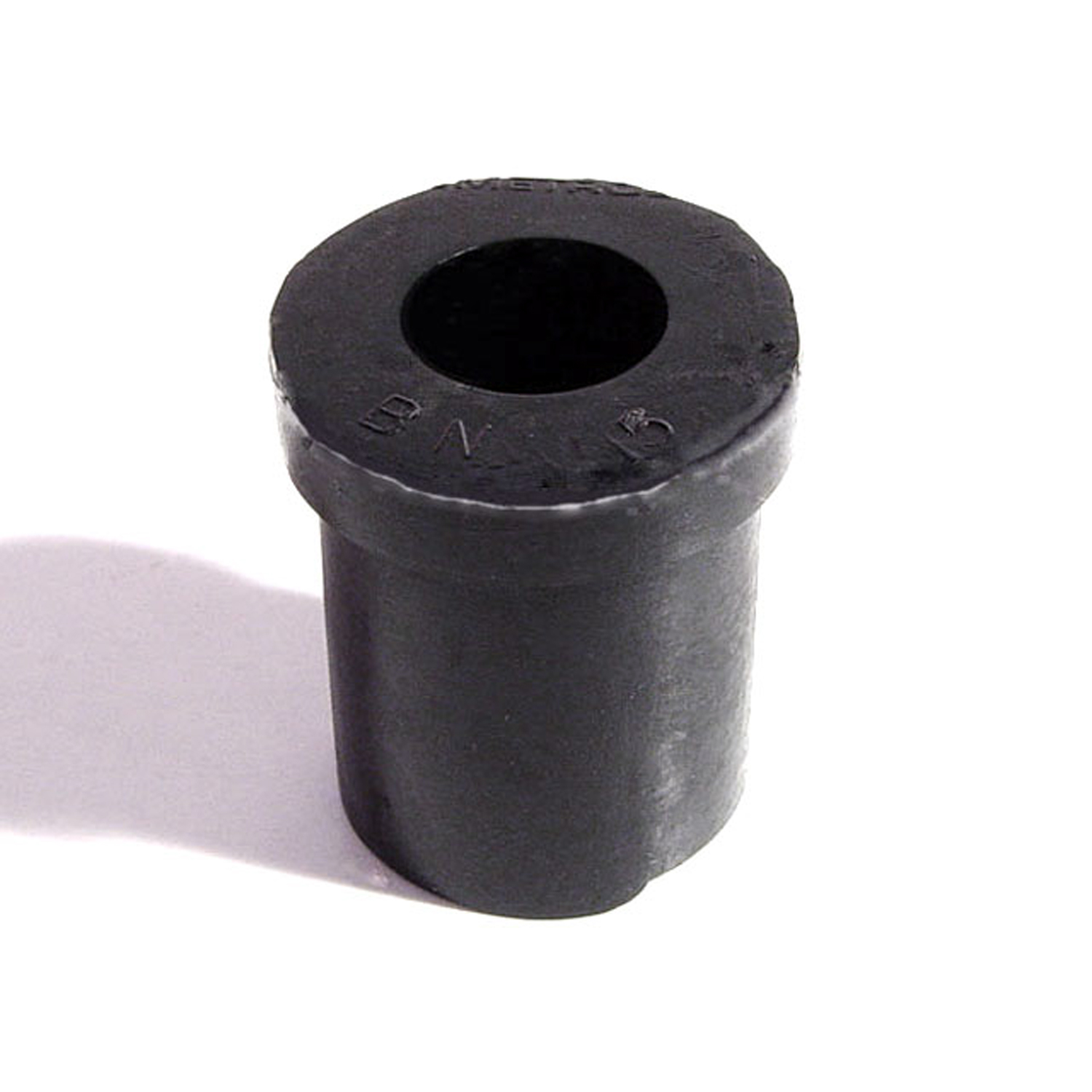 1946 Studebaker Taxi Spring and Shackle Bushing. 7/8" bottom O.D-BN 15Spring and Shackle Bushing. 7/8" bottom O.D. X 1-1/8" high, with 1/2" I.D. Each
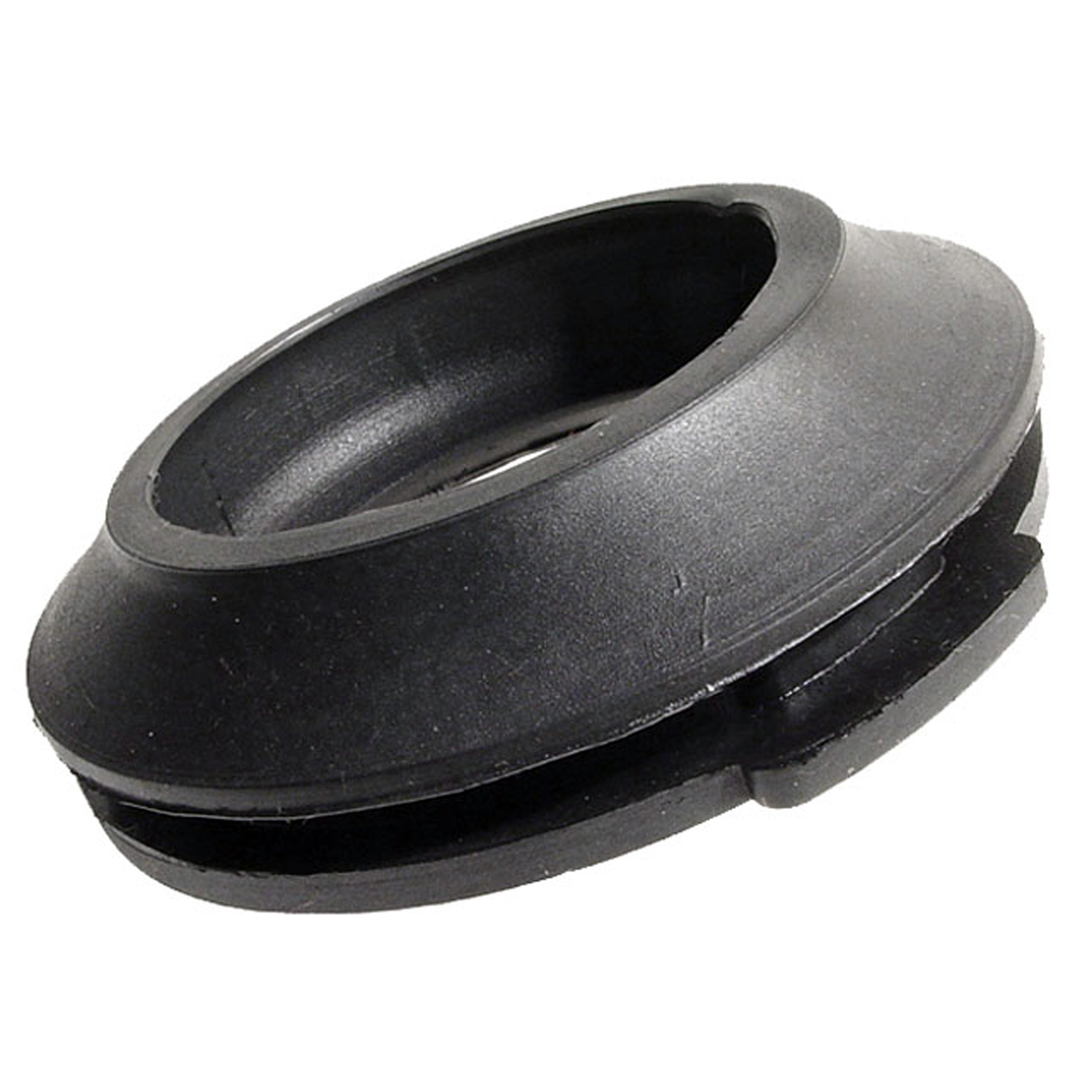 1946 Studebaker Taxi Gas Filler Grommet. Perfect reproduction. Top 2-1/16" I.D-GF 45Gas Filler Grommet. Perfect reproduction. Top 2-1/16" I.D., 3-7/16" O.D. Each
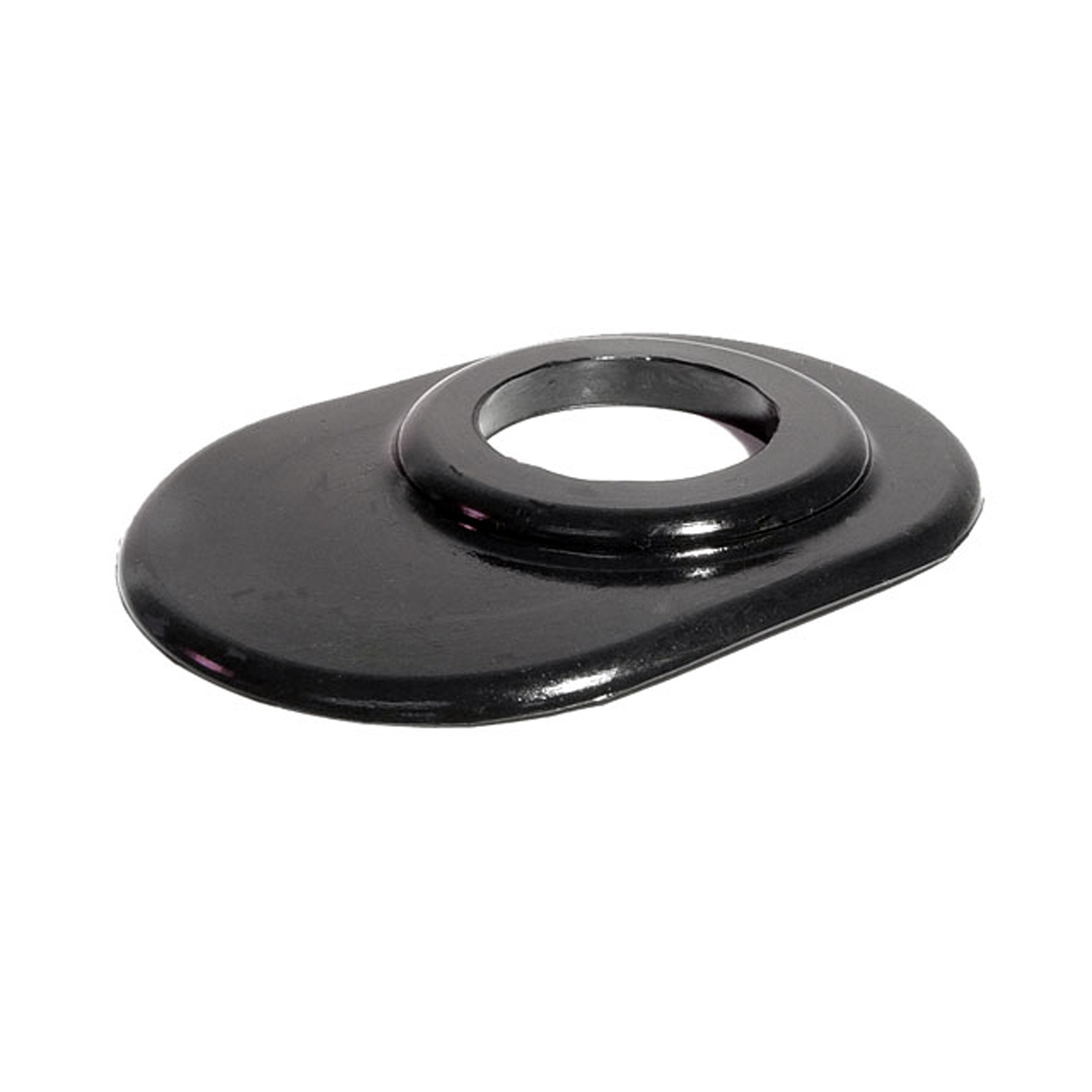 1946 Studebaker Taxi Steering Column Grommet. For 3-speed models. Each-SC 24-ASteering Column Grommet. For 3-speed models. Each
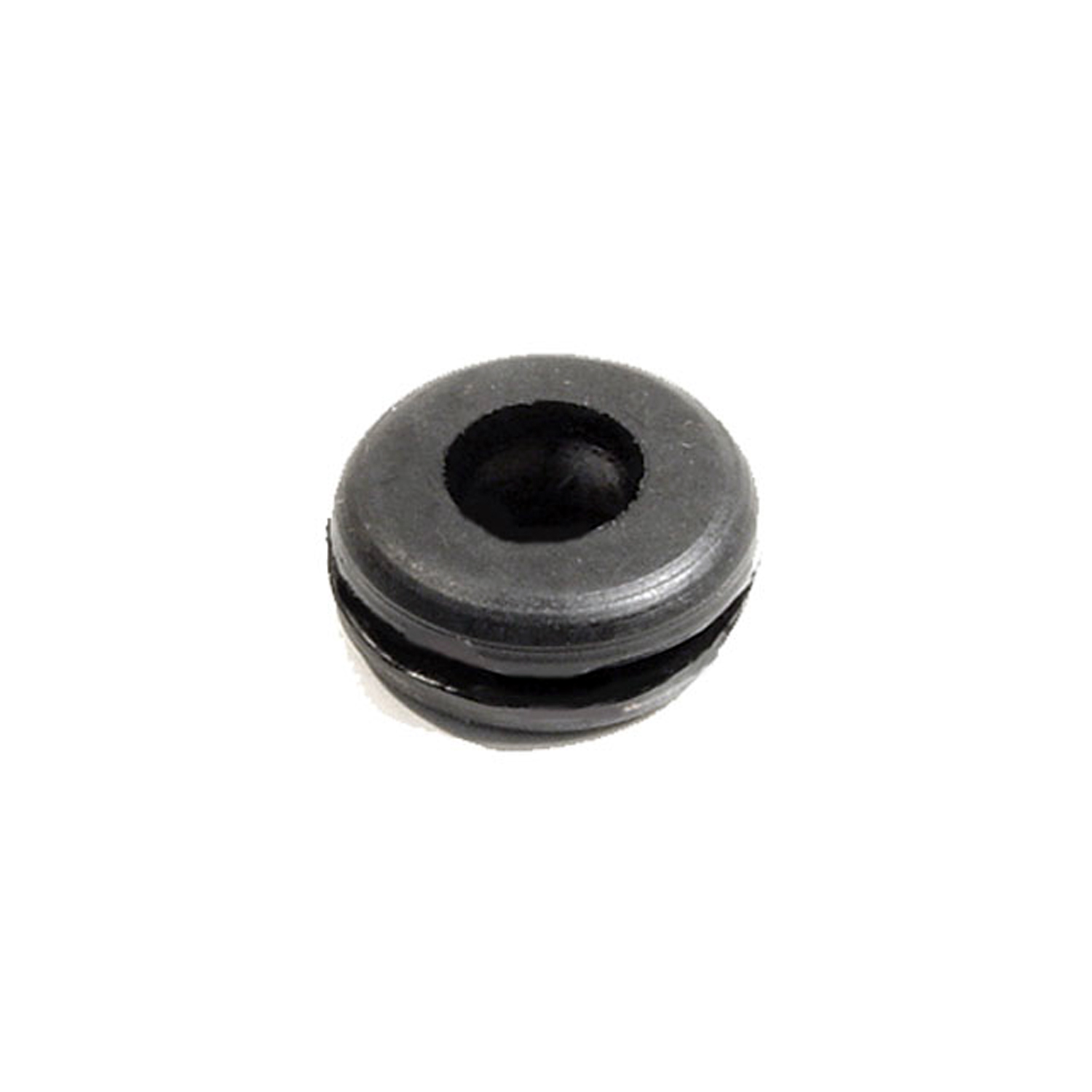 1946 Studebaker Taxi Headlight & Tail-Light Wire Grommet. 3/8" I.D., 7/8" O.D-SM 13-AHeadlight & Tail-Light Wire Grommet. 3/8" I.D., 7/8" O.D. Each
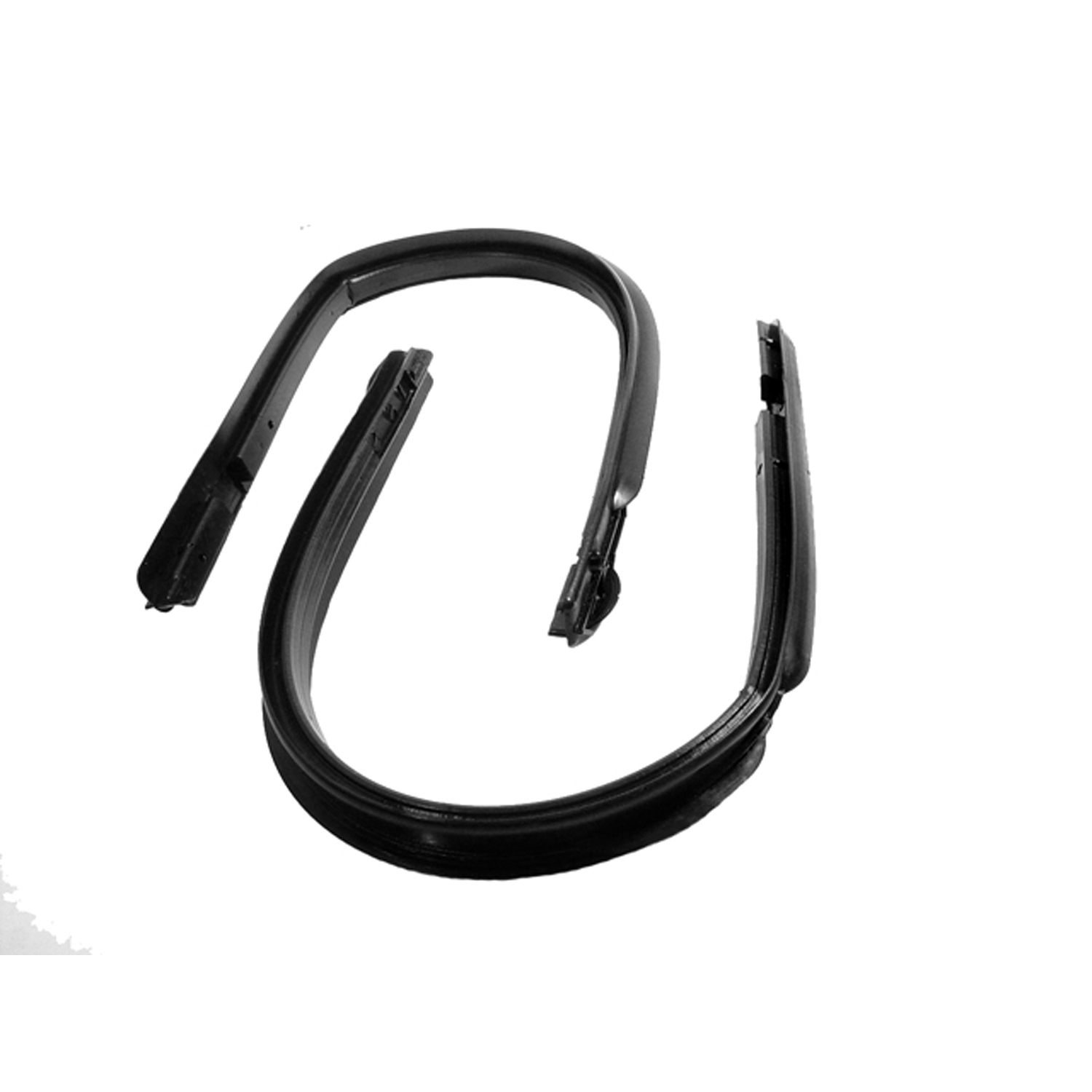 1946 Studebaker Taxi Front Vent Window Seals. 28-7/8" long each. Pair R&L-WR 9401Front Vent Window Seals. 28-7/8" long each. Pair R&L
Why Choose Metro?
For over 100 years, Metro Moulded Parts has been the pinnacle of quality in classic car restoration parts. Our commitment to precision and authenticity in every component ensures a perfect fit and an OEM-level appearance.
- Expert Craftsmanship & Quality: Each part is a testament to our dedication to reliability and perfection, crafted from original designs and thoroughly tested.
- Advanced Technology: We use cutting-edge techniques to create flawless, long-lasting parts that surpass others in performance.
- SuperSoft Sponge – The Ultimate Door Seal: Not only are our door seals 30% softer than competitors', but they're also guaranteed to never leak. They effectively reduce wind and road noise, enhancing your classic car's comfort and driving experience.
- Proudly American: Our parts are a product of American craftsmanship, made in the USA with a spirit of excellence and heritage.
- Unrivaled Warranty: We back our products with a 30-year industry-leading warranty, a testament to our confidence in their quality.
Join us in preserving the legacy of classic cars with parts that are crafted for perfection, not just made.