

Image of 1947 Studebaker Champion, Note: These illustrations use artistic license and may differ from actual historical models.
Performance Metrics
Fundamental Metrics
Emotional Appeal
MMP Rating
| Engine Specifications | |
|---|---|
| Engine: | 169.6 cu in (2.8 L) I6 |
| Displacement: | 169.6 cu in (2.8 L) |
| Horsepower: | 80 hp |
| Torque: | 125 lb-ft |
| Compression Ratio: | 7.0:1 |
| Ignition System: | Distributor and coil |
| Cooling System: | Liquid-cooled |
| Performance Specifications | |
| 0-60 Time: | Estimated 20 seconds |
| 1/4 Mile Time: | Not available |
| Top Speed: | 75 mph |
| Transmission and Drive | |
| Drive Type: | Rear-wheel drive |
| Transmission Type: | 3-speed manual with optional overdrive |
| Fuel and Efficiency | |
| Fuel System Type: | Carburetor |
| MPG: | Estimated 15-20 mpg |
| Dimensions and Brakes | |
| Brakes: | Drum brakes |
| Wheelbase: | 112 in (2,845 mm) |
| Weight: | 2,700 lbs |
Note: Specifications for classic cars are given to the best of our ability, considering the limited and variant data available.
1947 Studebaker Champion: A Postwar Style Leader
The 1947 Studebaker Champion arrived with a look that seemed to point toward the future, even as many rival cars were still adapting prewar designs for peacetime production. Built by the independent Studebaker Corporation in South Bend, Indiana, the Champion was the company’s affordable, fuel-conscious model. Its sleek body, practical six-cylinder engine, and distinctive coupe styling made it one of the most recognizable American cars of the early postwar years.
Studebaker had an unusual advantage after World War II: it was able to bring fresh postwar styling to market ahead of Detroit’s largest manufacturers. The 1947 Champion was part of that early wave. Its standout conversation piece was the Starlight coupe, whose broad rear window and narrow center divider gave the car a dramatic view through the back. That glass treatment was more than a styling flourish. It helped make the Champion look striking from every angle.
Streamlined Styling and Cabin Details
The Champion’s exterior was low and smooth for its era. Rounded fenders flowed into the body rather than appearing as separate, upright forms, while the long hood and gently sloping roof gave the car a streamlined profile. Brightwork around the grille, windows, and body details added a polished finish without overwhelming the design. The Starlight coupe was the most distinctive body style, thanks to its unusually wide rear-window arrangement.
Inside, the Champion offered a roomy bench-seat cabin with a broad, straightforward dashboard. Upholstery commonly combined durable cloth with vinyl or leatherette trim, depending on model and equipment. Painted metal surfaces, a large steering wheel, clear gauges, and simple controls reflected the practical priorities of the time. It was not a luxury-car interior, but it was comfortable and thoughtfully laid out for everyday motoring.
Exterior colors varied with trim and production, with buyers able to choose from period shades such as dark blue, green, maroon, gray, black, and lighter cream tones. Availability was not identical across every model or assembly run, so surviving cars may show a range of factory-correct colors. The lineup included two- and four-door sedans, business-oriented and passenger coupes, the Starlight coupe, and convertible versions in the broader range. The Starlight coupe remains the most iconic choice among enthusiasts.
Engineering for Everyday Driving
Power came from Studebaker’s 169.6-cubic-inch L-head inline-six, rated at about 80 horsepower. A three-speed manual transmission was standard, and an optional overdrive helped lower engine speed during steady highway driving. The Champion also used independent front suspension and hydraulic brakes, features that helped deliver a more composed ride than the car’s modest price might suggest.
Its appeal was not based on exotic engineering or high output. The Champion offered a balanced package: relatively light weight, economical six-cylinder power, useful passenger space, and styling that stood apart from more conservative competitors. Studebaker had already built a reputation for efficient, well-engineered cars, and the postwar Champion carried that identity into a new era.
Why the 1947 Champion Mattered
The Champion’s significance lies partly in its timing. Studebaker was among the first American manufacturers to put a fresh-looking postwar car in front of buyers, giving the company valuable attention while much of the industry was still selling updated prewar designs. The Champion helped show that a smaller independent automaker could compete through design and packaging, not just price or production volume.
Its styling also helped establish a more integrated approach to body design. The fenders, hood, and passenger compartment appeared to flow together, rather than reading as separate pieces. The Starlight coupe pushed that idea further with a rear window that became a defining visual feature. The Champion did not single-handedly dictate the direction of American car design, but it remains a memorable example of the creativity that independent automakers brought to the postwar market.
Performance and Road Manners
With roughly 80 horsepower, the Champion was a steady rather than swift performer. Period road conditions, axle ratios, transmission choice, and vehicle condition all affect the numbers, but a healthy example is generally estimated to reach about 80 to 85 mph. A 0-to-60-mph run could take roughly 20 to 25 seconds. Those figures are best treated as practical estimates, not guaranteed factory-test results.
On the road, the Champion feels distinctly mechanical in the best vintage-car sense. The flathead six produces a subdued, even burble, while the long-throw manual shifter and large steering wheel make the driver an active participant. Its suspension is suited to ordinary roads and absorbs bumps with a soft, period-correct motion, though body lean is noticeable on tighter bends. On a windy road, smooth inputs and sensible speeds suit the car better than aggressive cornering. The optional overdrive, when fitted and working properly, makes longer trips more relaxed.
Living With a 1947 Studebaker
Today, most Champions are used as weekend cruisers, show cars, or pieces of rolling family history rather than as daily transportation. A well-maintained car can still cover local roads comfortably, but its six-volt electrical system, drum brakes, older tires, and lack of modern safety equipment call for a different approach than driving a contemporary vehicle. Upgrading tires and carefully maintaining the braking system are sensible priorities for regular use.
Routine mechanical work is approachable for an owner with basic tools and patience. The engine is relatively simple, and many repairs involve familiar vintage-car tasks such as ignition service, carburetor adjustment, cooling-system work, and brake maintenance. Parts availability is generally workable through specialist suppliers and the Studebaker enthusiast community, though trim, glass, and model-specific body pieces can take more searching. As with any postwar classic, rust, previous repairs, and the quality of restoration matter more than a shiny paint job.
Champion Facts and Common Criticisms
The Starlight coupe’s expansive rear glass is its best-known talking point and a reminder that Studebaker was willing to take visual risks. The Champion also benefits from its place in Studebaker’s early postwar comeback, when the company used distinctive styling to distinguish itself from the much larger manufacturers. The model is not generally known for a major speed or endurance record, and no single record defines the 1947 car’s reputation.
Common criticisms are straightforward: the six-cylinder engine is modest by modern standards, acceleration is leisurely, and an old car’s handling and braking require anticipation. Some owners also find that sourcing correct restoration details takes time. Those limitations are part of the ownership bargain. Buyers choose the Champion for its character, design, and approachable mechanical layout, not for modern performance or convenience.
Collector Value and Availability
A reasonable production estimate for 1947 Champion models is roughly 180,000 to 190,000 cars across the range. That is a broad estimate rather than a precise count for every body style, and surviving examples are only a fraction of original production. Ordinary sedans tend to be easier to find than especially well-preserved coupes or convertibles. The Starlight coupe is the most visually sought-after version, so condition and body style can make a substantial difference in price.
As a general market estimate, a project car might sell for around $5,000 to $10,000, while a usable driver could fall roughly between $10,000 and $25,000. A high-quality restoration or particularly desirable example may reach $25,000 to $40,000 or more. These are broad guide ranges, not appraisals; location, originality, rust, restoration quality, and documentation all affect value. Well-presented cars have tended to hold collector interest, while the market remains sensitive to condition and the cost of restoration. The Champion is best viewed as a character-rich classic with steady enthusiast demand rather than a guaranteed investment.
A Distinctive Piece of Studebaker History
The 1947 Studebaker Champion combined useful six-cylinder engineering with styling that refused to blend into the crowd. Its early postwar timing gave it historical importance, while the Starlight coupe supplied a memorable design signature that collectors still recognize instantly. It may not be fast by modern standards, but it offers an engaging, hands-on driving experience and a vivid reminder of the independent automakers that helped shape American motoring. Few modest family cars from the era make such a memorable impression before they even leave the driveway.
1947 Studebaker Champion Catalog of Parts
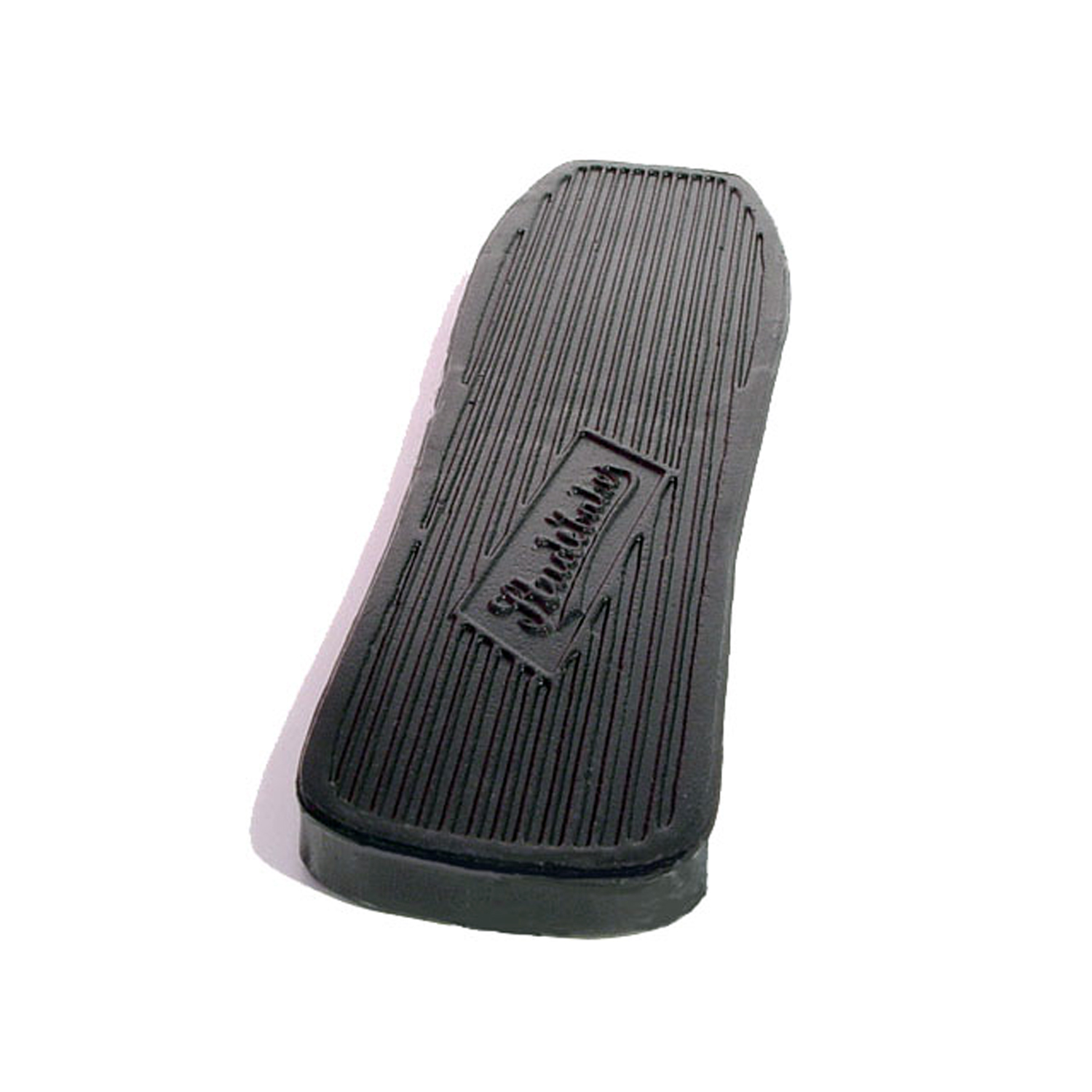 1947 Studebaker Champion Accelerator Pedal Pad, 2-3/8" X 9", Each-AP 22Accelerator Pedal Pad, 2-3/8" X 9", Each
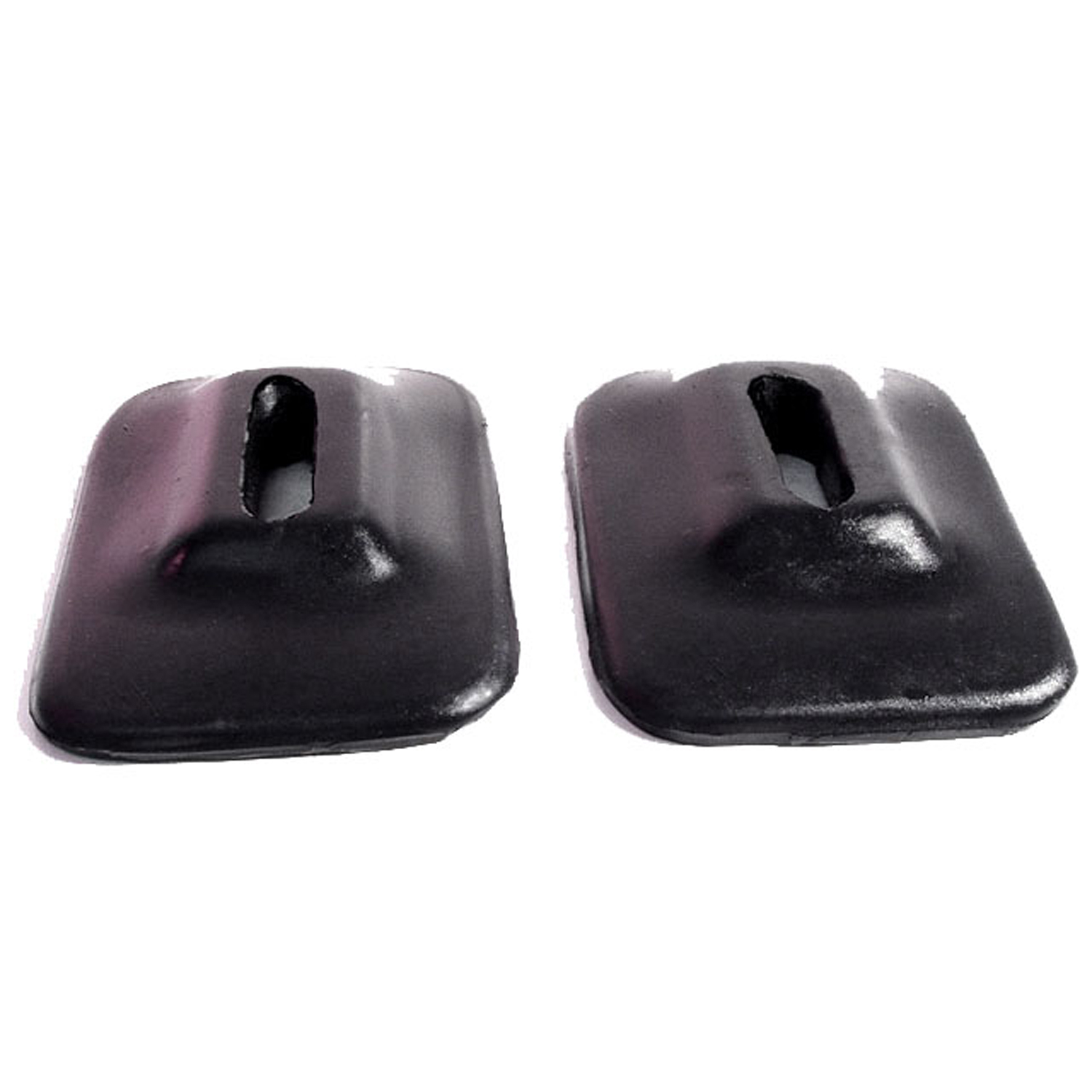 1947 Studebaker Champion Front and Rear Bumper Arm Grommets-BG 45Front and Rear Bumper Arm Grommets. 2-3/4" wide X 4-1/8" long, with 1-5/8" long inner slot. Pair
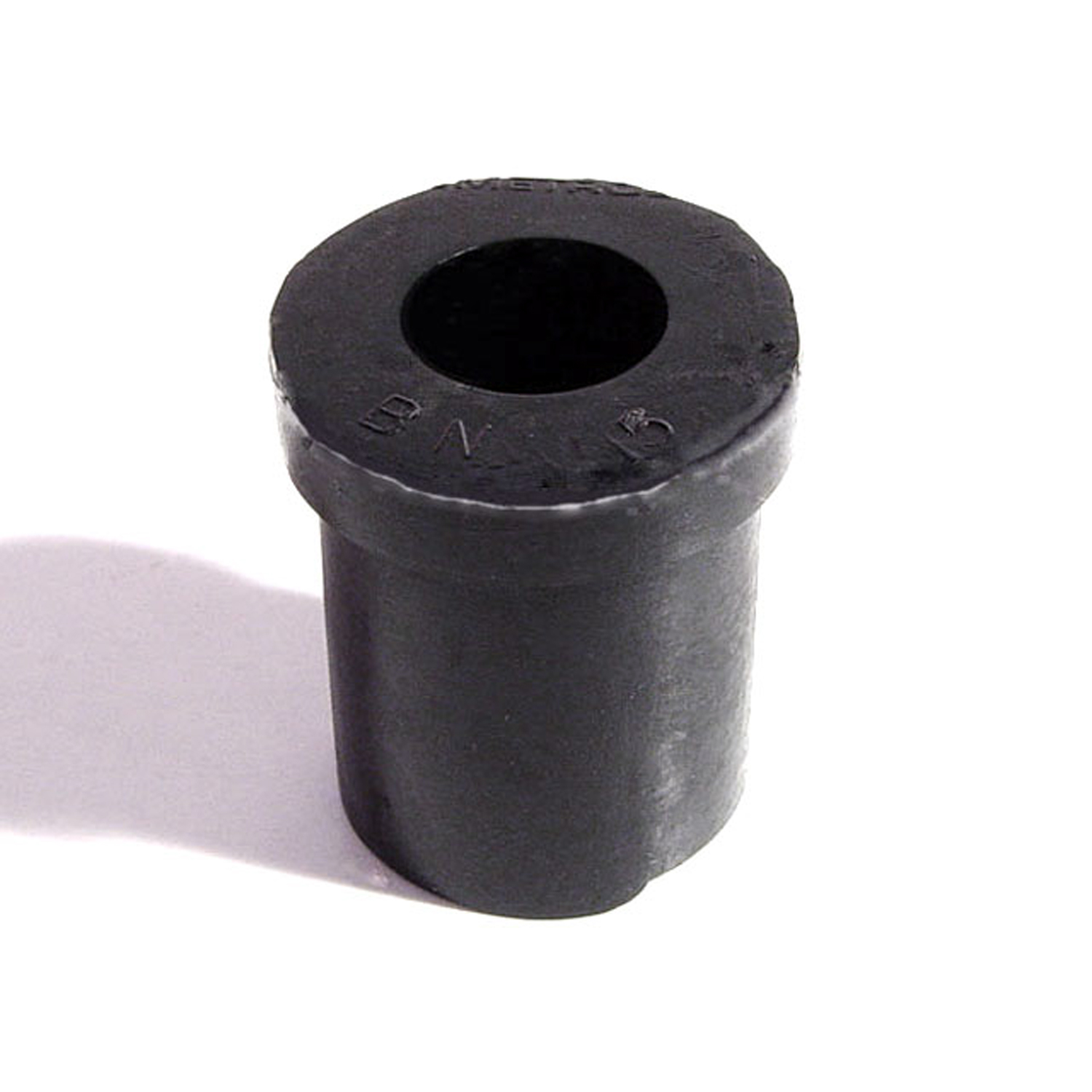 1947 Studebaker Champion Spring and Shackle Bushing. 7/8" bottom O.D-BN 15Spring and Shackle Bushing. 7/8" bottom O.D. X 1-1/8" high, with 1/2" I.D. Each
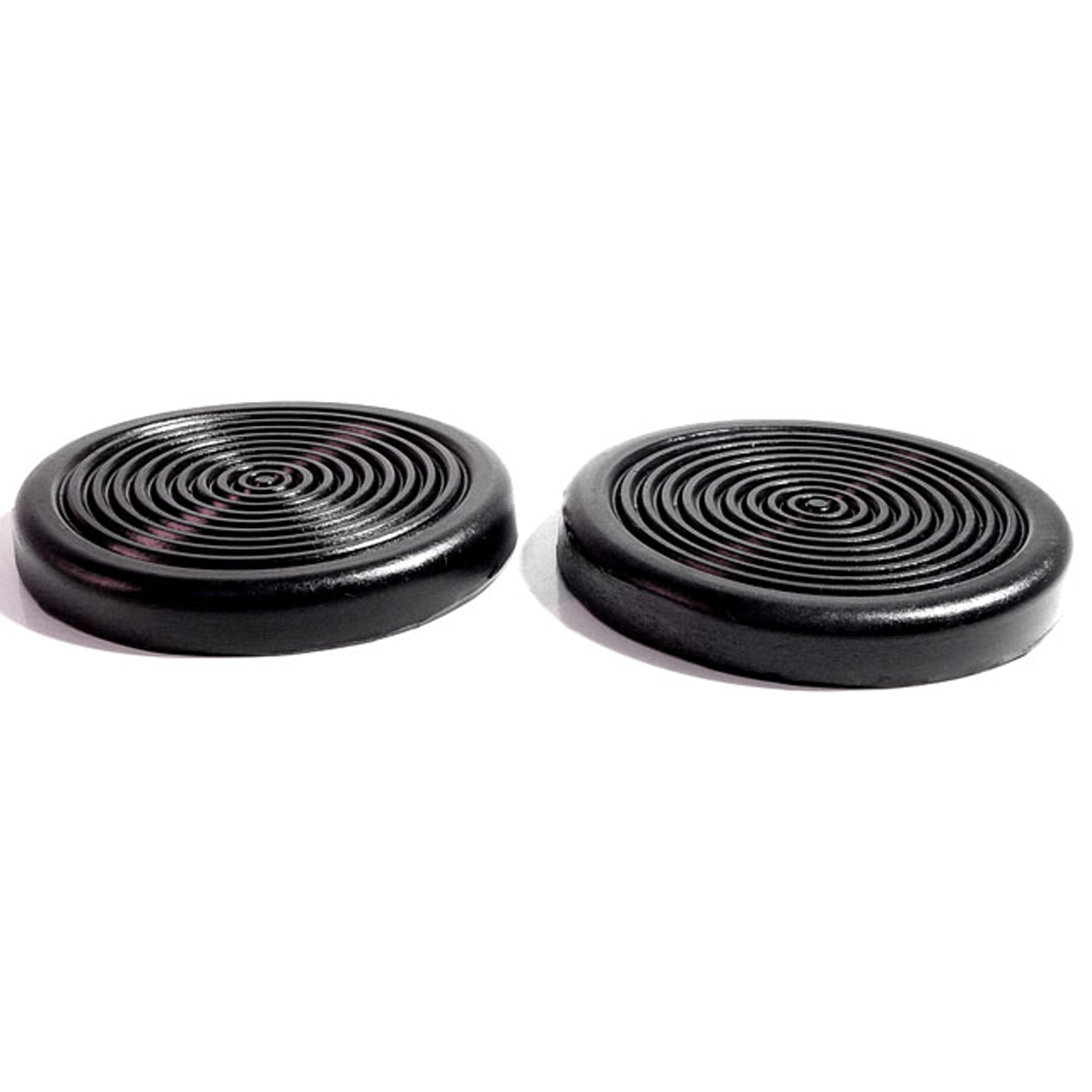 1947 Studebaker Champion Clutch and Brake Pedal Pads. 3" Diameter. Pair-CB 81Clutch and Brake Pedal Pads. 3" Diameter. Pair
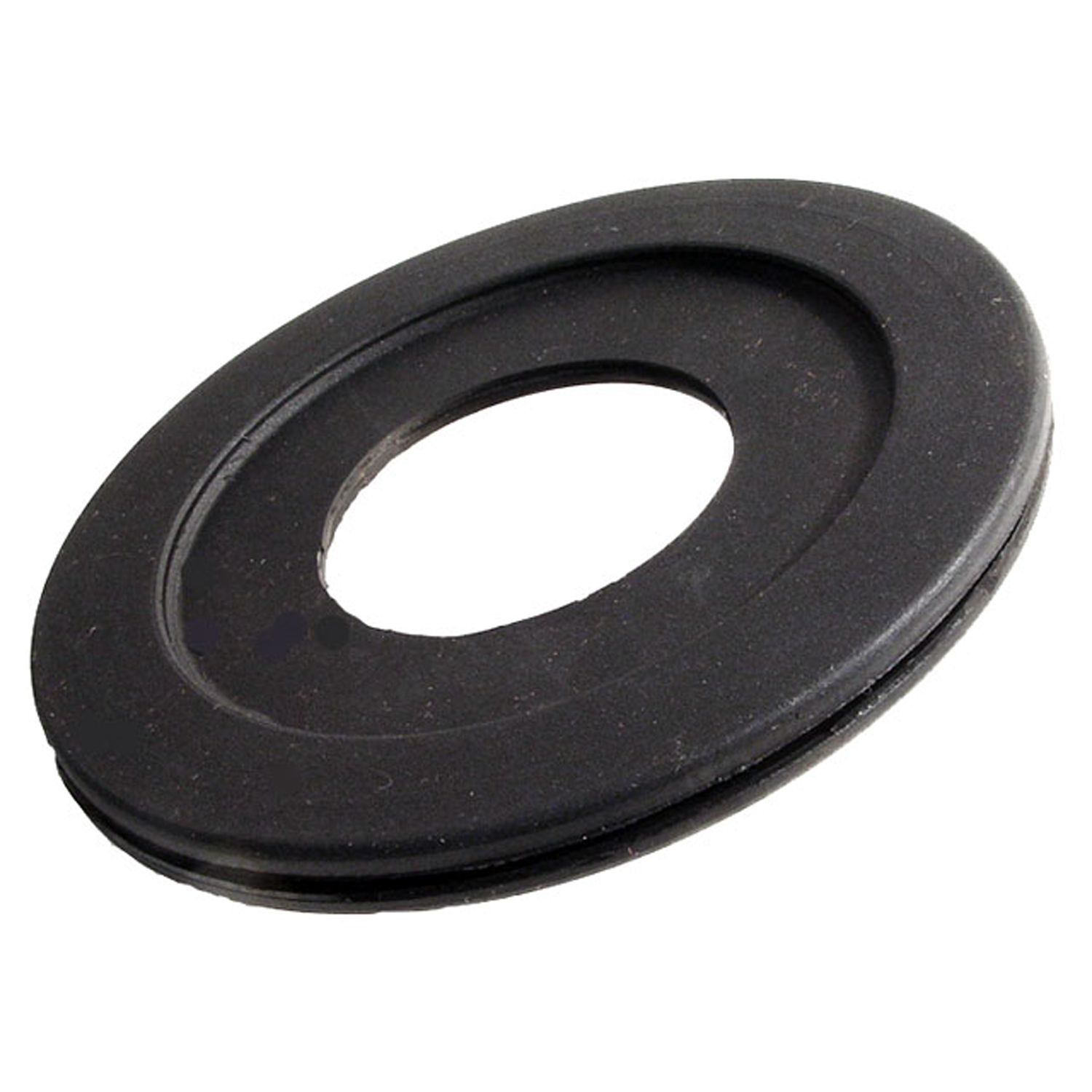 1947 Studebaker Champion Gas Filler Grommet. 1-3/4" I.D., 4-3/8" O.D. Each-GF 31Gas Filler Grommet. 1-3/4" I.D., 4-3/8" O.D. Each
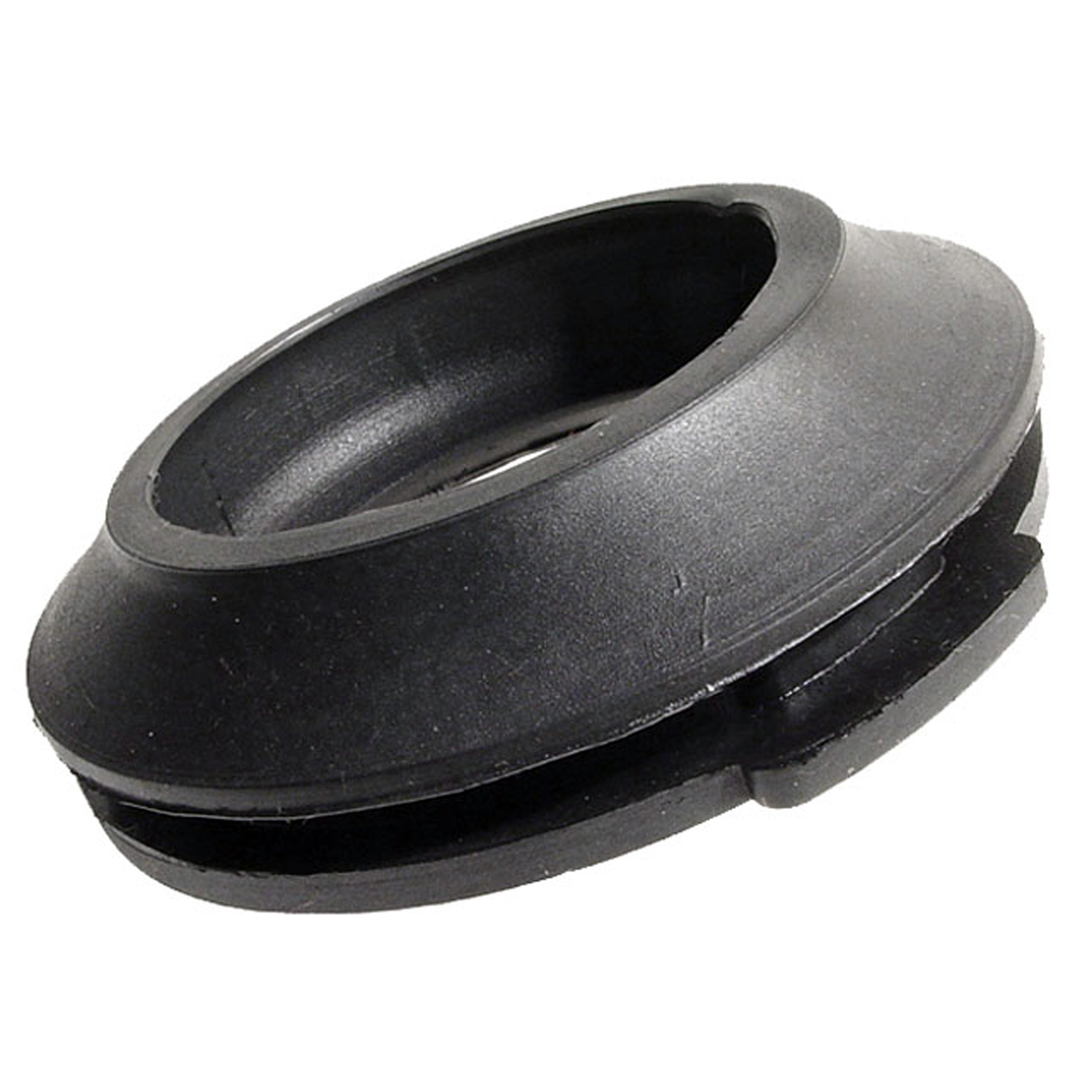 1947 Studebaker Champion Gas Filler Grommet. Perfect reproduction. Top 2-1/16" I.D-GF 45Gas Filler Grommet. Perfect reproduction. Top 2-1/16" I.D., 3-7/16" O.D. Each
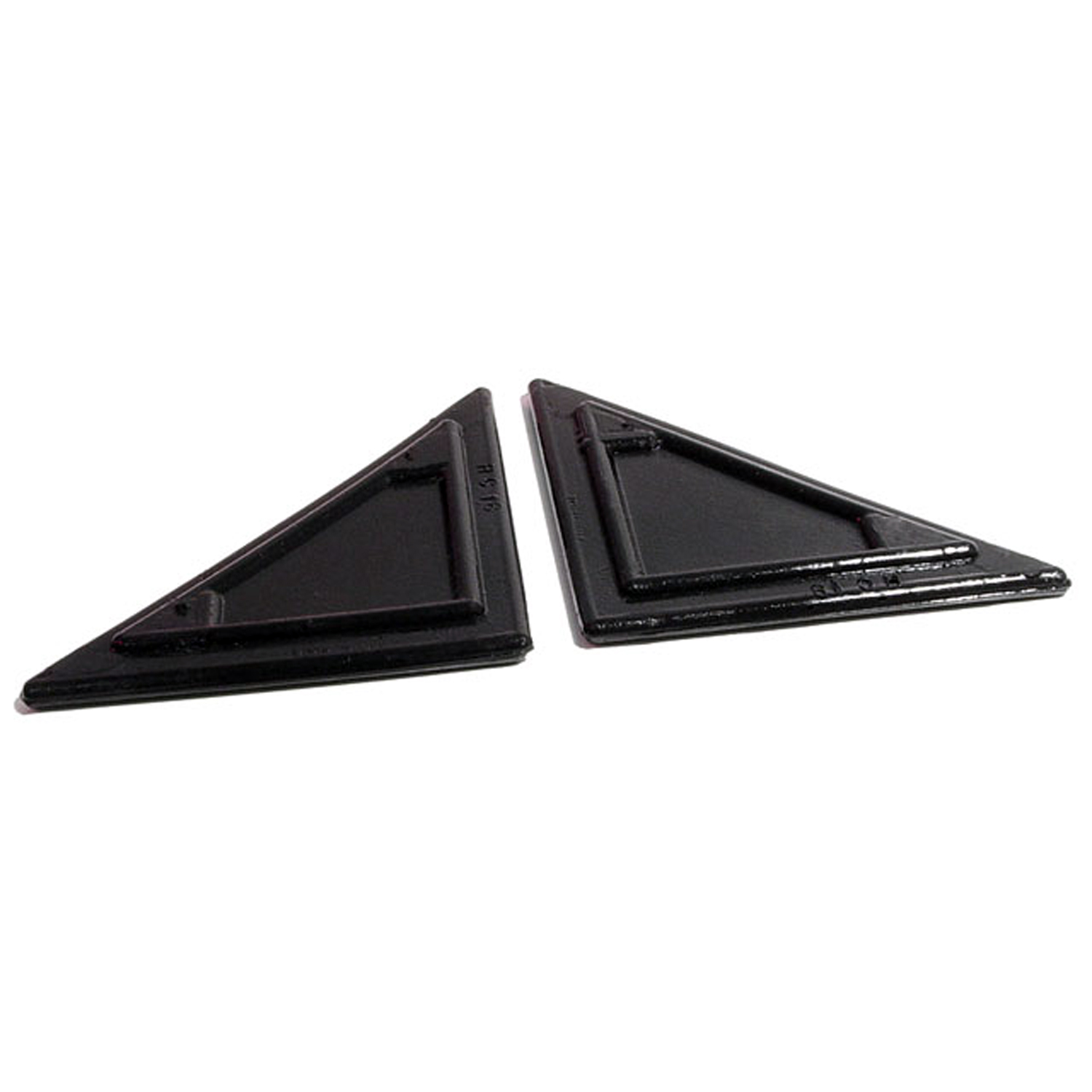 1947 Studebaker Champion Hood Corners. Original design. 2-3/4" wide. Pair-HC 18Hood Corners. Original design. 2-3/4" wide. Pair
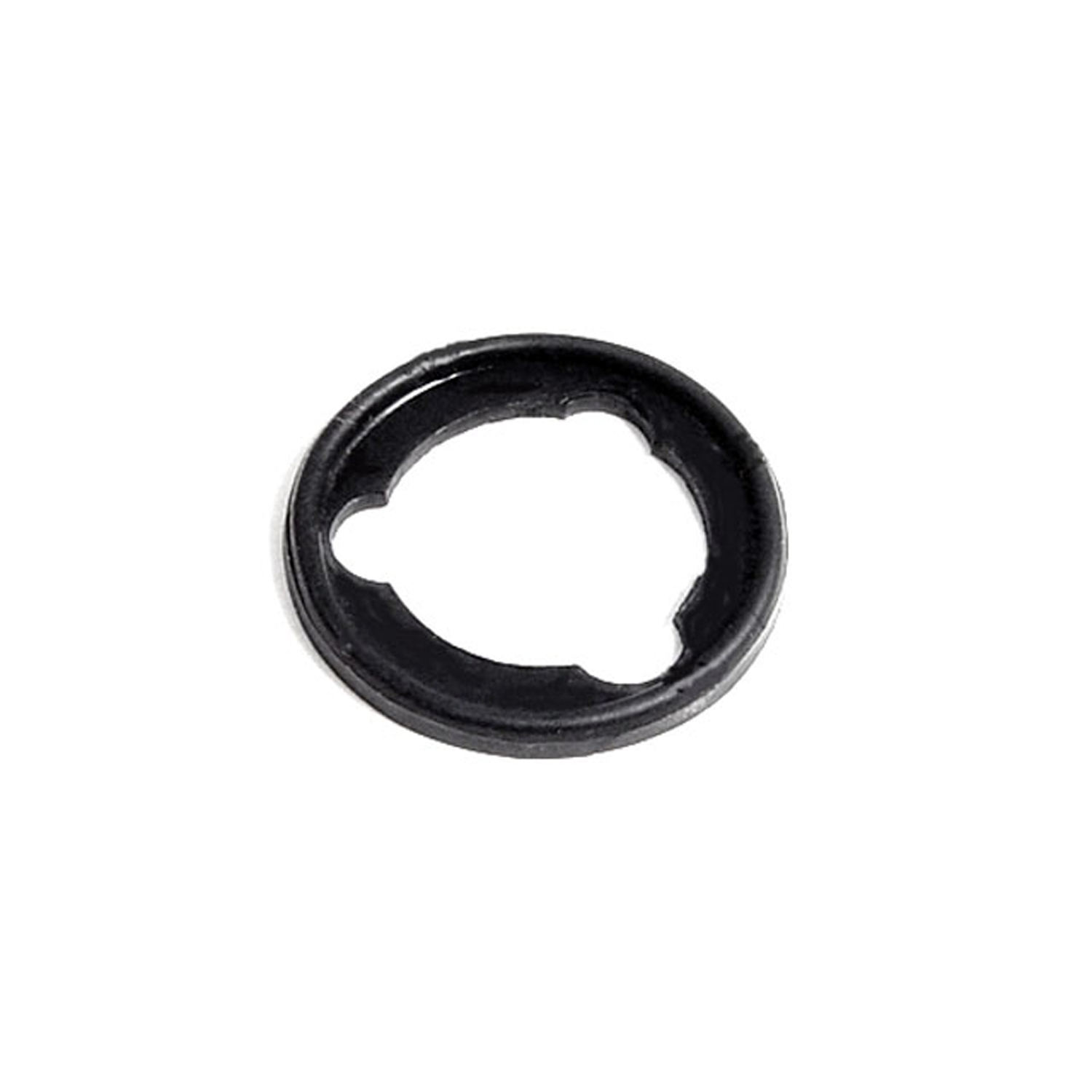 1947 Studebaker Champion Door Lock Pad. 1-1/8" O.D. Each-MP 979Door Lock Pad. 1-1/8" O.D. Each
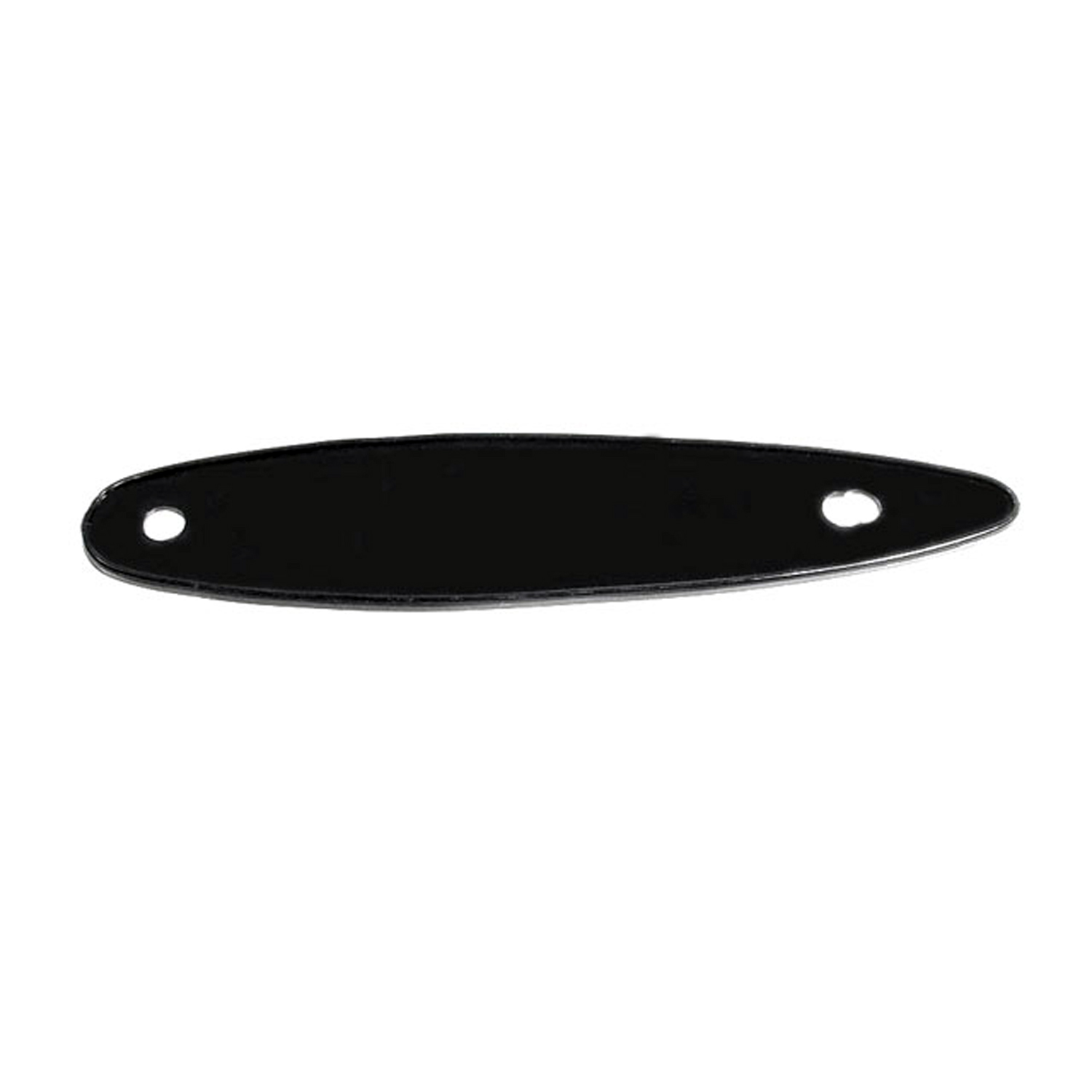 1947 Studebaker Champion Mirror Pad. 1-5/8" wide X 7-3/8" long. Each-MP 979-BMirror Pad. 1-5/8" wide X 7-3/8" long. Each
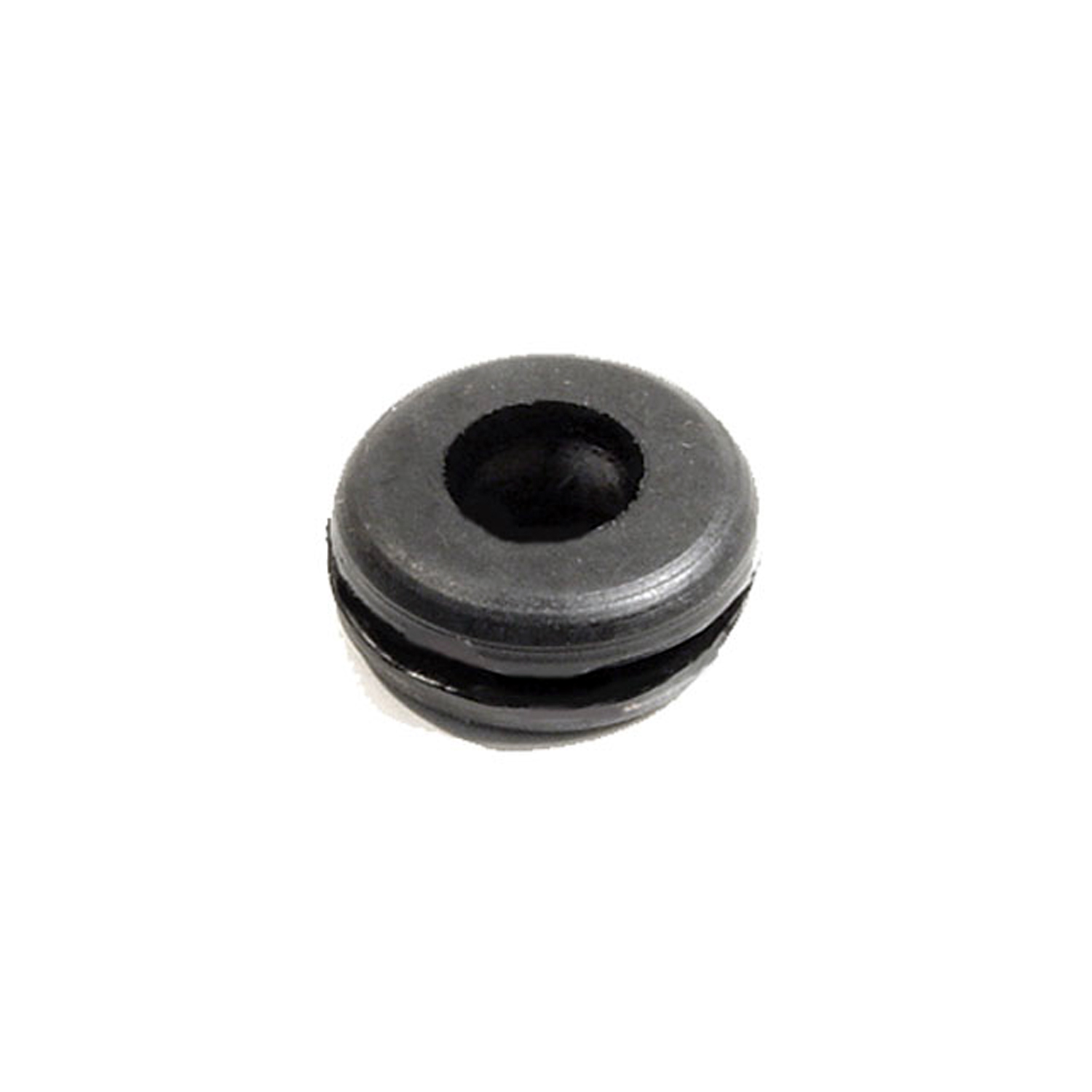 1947 Studebaker Champion Headlight & Tail-Light Wire Grommet. 3/8" I.D., 7/8" O.D-SM 13-AHeadlight & Tail-Light Wire Grommet. 3/8" I.D., 7/8" O.D. Each
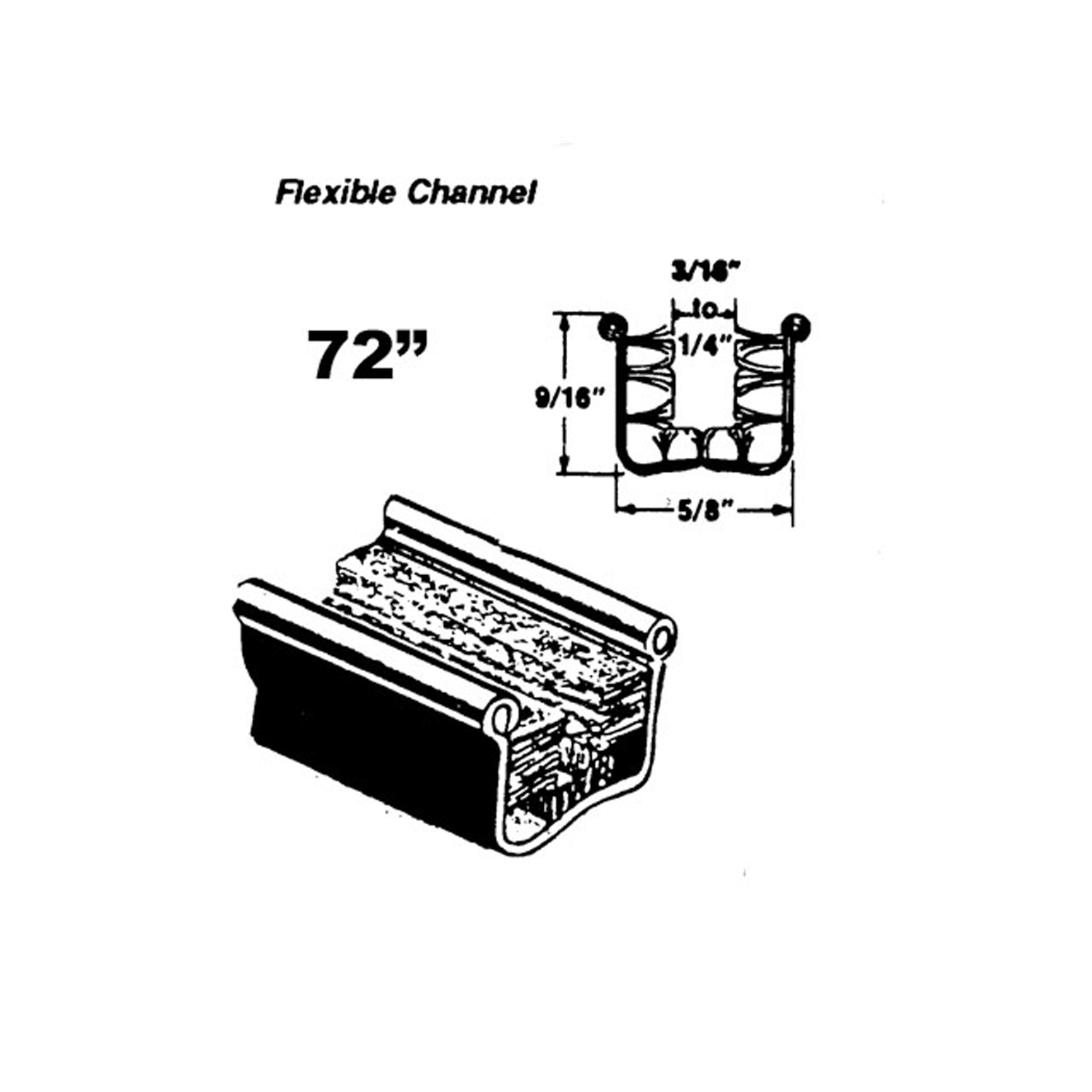 1947 Studebaker Champion Flexible glass-run channel-WC 11-72Flexible glass-run channel. Mohair lined, cloth covered with stainless steel bead. Used on side windows. 72 in. long. Each. NOTE: $20 special shipping charge applies for domestic orders. Call or email for overseas shipping costs. Part can be sectioned in two equal lengths to reduce overseas shipping costs.
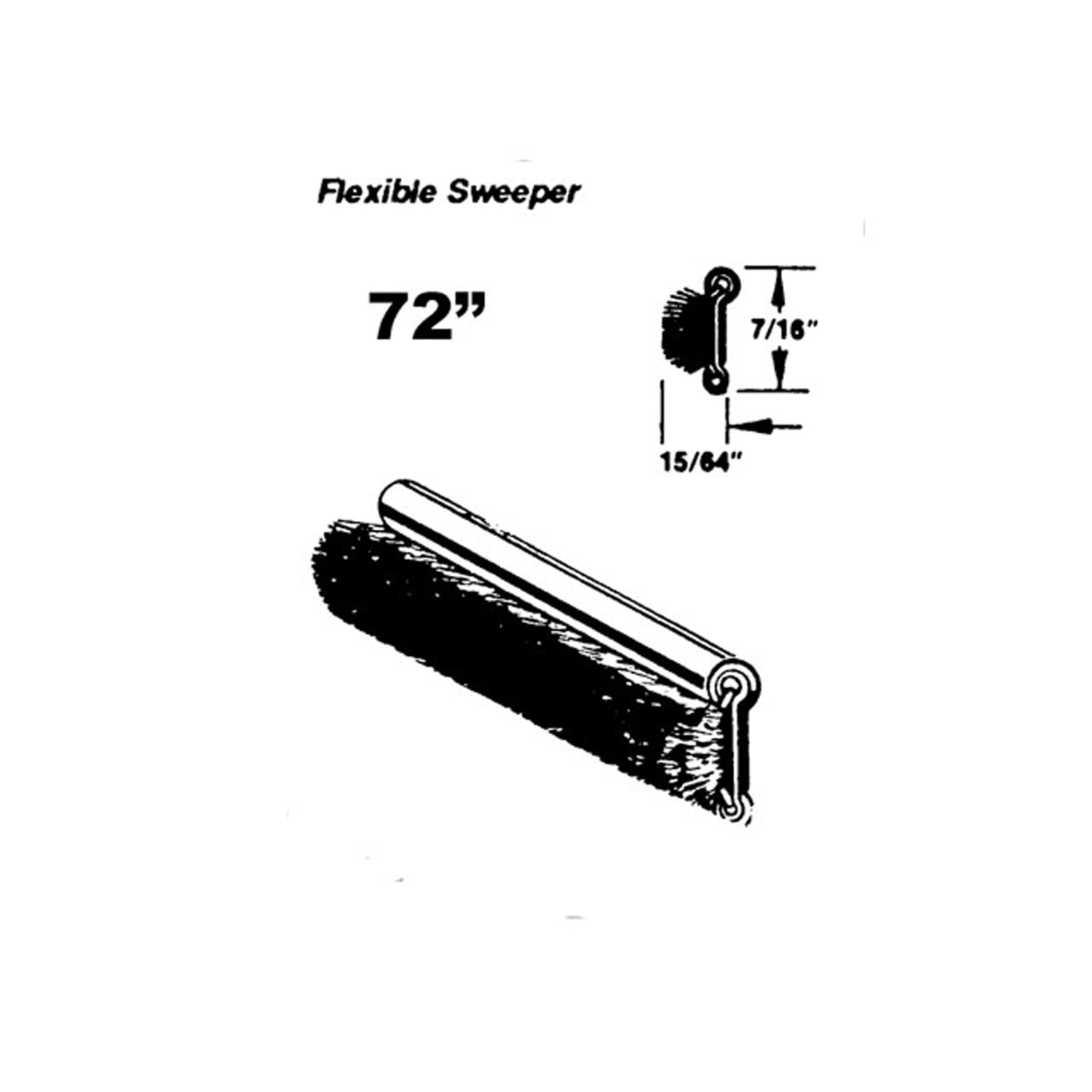 1947 Studebaker Champion Flexible sweeper. Made with stainless steel bead-WC 8-72Flexible sweeper. Made with stainless steel bead. Used on inner and outer beltlines. Also forms easily for use with sliding quarter windows. 72 in. long. Each. NOTE: $20 special shipping charge applies for domestic orders. Call or email for overseas shipping costs. Part can be sectioned into two equal lengths to reduce overseas shipping costs.
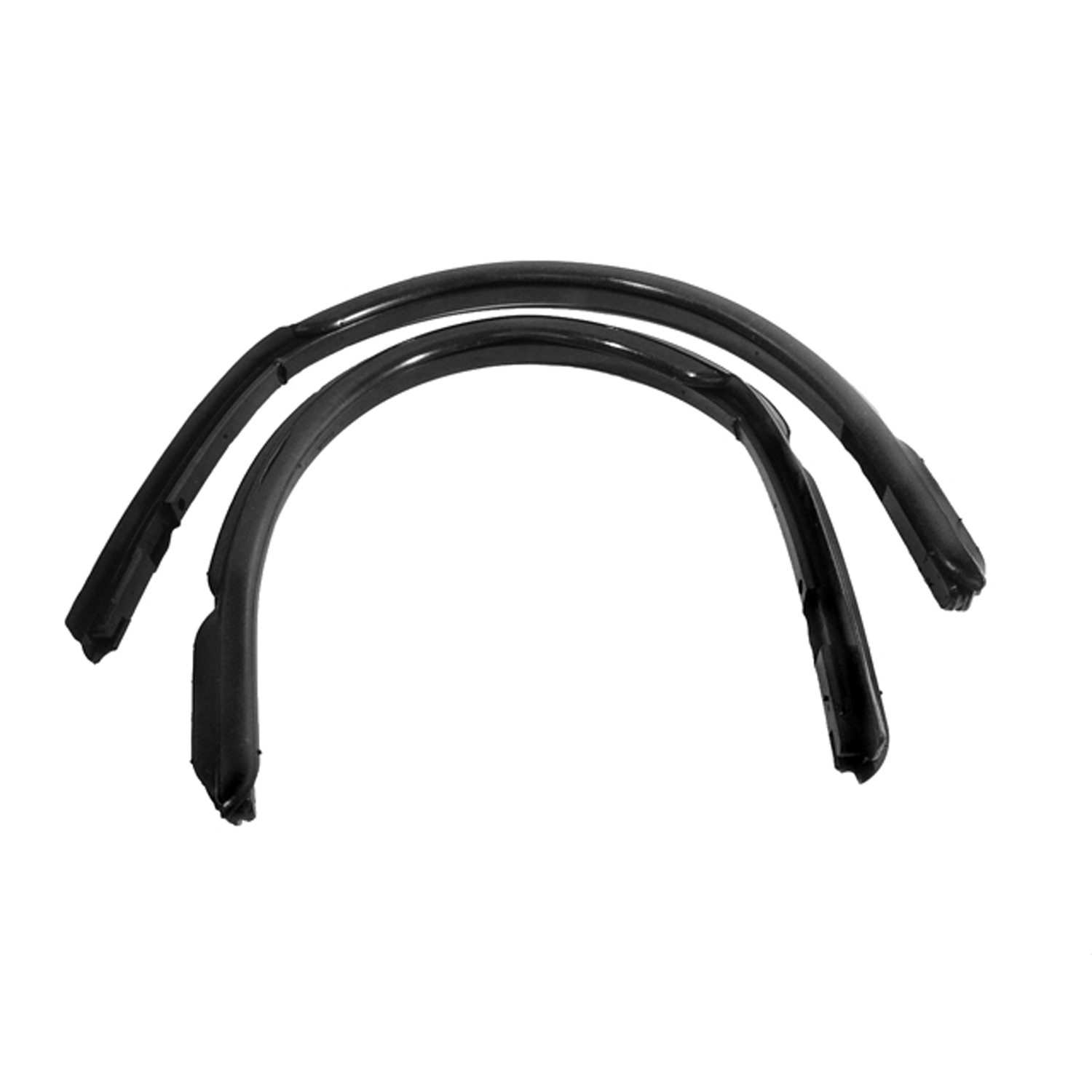 1947 Studebaker Champion Front Vent Window Seals-WR 9400Front Vent Window Seals. For all sedans '47-'50, for 2-door sedans '51-'52. Pair
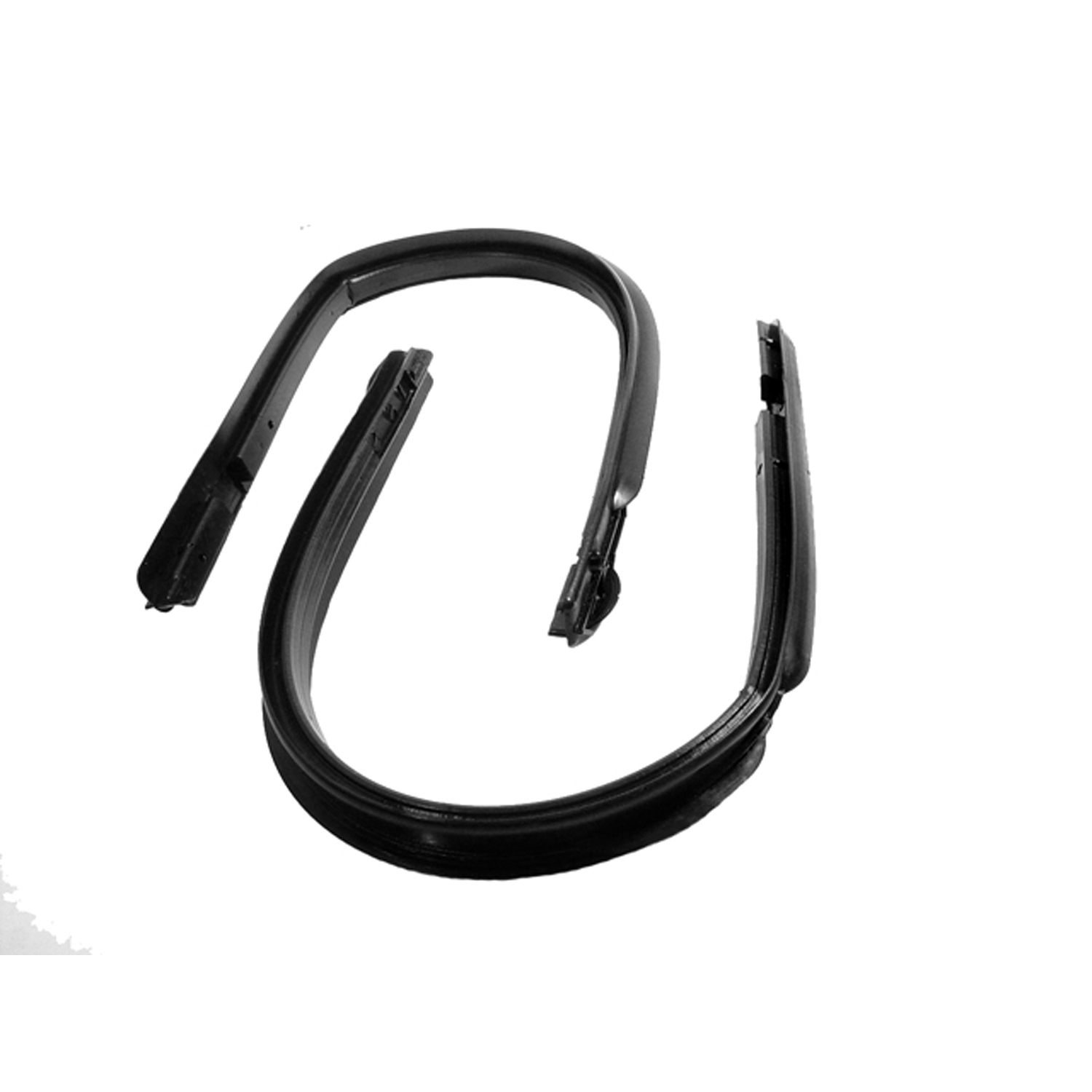 1947 Studebaker Champion Front Vent Window Seals. 28-7/8" long each. Pair R&L-WR 9401Front Vent Window Seals. 28-7/8" long each. Pair R&L
Why Choose Metro?
For over 100 years, Metro Moulded Parts has been the pinnacle of quality in classic car restoration parts. Our commitment to precision and authenticity in every component ensures a perfect fit and an OEM-level appearance.
- Expert Craftsmanship & Quality: Each part is a testament to our dedication to reliability and perfection, crafted from original designs and thoroughly tested.
- Advanced Technology: We use cutting-edge techniques to create flawless, long-lasting parts that surpass others in performance.
- SuperSoft Sponge – The Ultimate Door Seal: Not only are our door seals 30% softer than competitors', but they're also guaranteed to never leak. They effectively reduce wind and road noise, enhancing your classic car's comfort and driving experience.
- Proudly American: Our parts are a product of American craftsmanship, made in the USA with a spirit of excellence and heritage.
- Unrivaled Warranty: We back our products with a 30-year industry-leading warranty, a testament to our confidence in their quality.
Join us in preserving the legacy of classic cars with parts that are crafted for perfection, not just made.