

Image of 1947 Studebaker Commander, Note: These illustrations use artistic license and may differ from actual historical models.
Performance Metrics
Fundamental Metrics
Emotional Appeal
MMP Rating
| Engine Specifications | |
|---|---|
| Engine: | Inline 6 |
| Displacement: | 226 cubic inches |
| Horsepower: | Estimated 94 HP |
| Torque: | 176 lb-ft |
| Compression Ratio: | Estimated 6.5:1 |
| Ignition System: | Distributor and coil |
| Cooling System: | Liquid cooled |
| Performance Specifications | |
| 0-60 Time: | Information not available |
| 1/4 Mile Time: | Information not available |
| Top Speed: | 80 mph |
| Transmission and Drive | |
| Drive Type: | Rear wheel drive |
| Transmission Type: | 3-speed manual |
| Fuel and Efficiency | |
| Fuel System Type: | Carburetor |
| MPG: | Estimated 15-20 MPG |
| Dimensions and Brakes | |
| Brakes: | Drum brakes |
| Wheelbase: | 119 inches |
| Weight: | 3100 lbs |
Note: Specifications for classic cars are given to the best of our ability, considering the limited and variant data available.
1947 Studebaker Commander: A Postwar Original
Before Detroit’s biggest automakers had fully replaced their prewar designs, Studebaker was already turning heads with a fresh postwar shape. The 1947 Studebaker Commander brought modern, low-slung styling to American roads at a pivotal moment in automotive history, pairing its striking appearance with practical six-cylinder power.
Studebaker was an independent American manufacturer based in South Bend, Indiana, with roots in a family wagon business that dated to the 19th century. The Commander name had been part of its car lineup since 1927. For 1947, the company offered a new generation of postwar styling, developed by the design organization led by Raymond Loewy. The result looked notably different from the warmed-over prewar cars many competitors were still selling.
One detail still grabs attention today: the Commander could be ordered as a Starlight coupe, with a wide, distinctive rear-window treatment that gave passengers an unusually open view behind the car. It was an audacious feature for a conservative period, and one that helped make the 1947 Studebaker instantly recognizable.
Streamlined Styling and a Standout Cabin
The Commander’s exterior was low and smooth for its time. Its front fenders flowed into the body rather than appearing as separate, bulbous shapes, while a broad grille and restrained chrome trim gave the nose a clean, modern face. The gently sloping hood and rounded roofline carried the streamlined theme down the sides. From some angles, the shape seemed almost aircraft-inspired, but it remained a full-size American car with substantial presence.
The Starlight coupe was the most visually distinctive body style. Its broad rear glass, made up of multiple sections, wrapped around the back of the cabin and created a panoramic effect. Buyers could also choose conventional two-door and four-door sedans, along with a convertible. Exact body-style names and trim combinations varied across the Commander range. The Starlight coupe is generally the most iconic choice among collectors, while the sedan offered the most practical family-car layout.
Inside, the Commander favored comfort over sportiness. Broad bench seats, a full-width dashboard and period-style fabrics made it a welcoming place for long trips. Depending on trim and body style, upholstery could include durable cloth or richer fabrics such as broadcloth or mohair. Chrome accents and a large, legible instrument panel added a little glamour without making the cabin feel overly ornate. Paint choices varied by series and availability, with period colors including shades of black, maroon, blue, green, gray and tan. Darker hues were especially popular on well-dressed sedans and coupes.
By modern standards, the Commander’s equipment was straightforward, but it had useful engineering for its day. It used hydraulic drum brakes, independent front suspension with coil springs and a conventional three-speed manual transmission. An optional overdrive helped lower engine speed on the highway, making longer drives quieter and less demanding on the engine. Some cars were also equipped with Studebaker’s Hill Holder, a device designed to help prevent the car from rolling backward when starting on a slope.
Why the 1947 Commander Mattered
The Commander arrived when American buyers were eager for new cars after years of wartime production restrictions. Many manufacturers initially returned to the market with updated versions of their 1942 models. Studebaker, by contrast, introduced a genuinely fresh-looking postwar design early, giving it a valuable head start in the showroom and a strong identity on the road.
Its influence was less about a single mechanical breakthrough than a shift in what buyers expected a family car to look like. The low beltline, integrated fenders and streamlined body helped move American styling away from upright prewar forms. The Starlight coupe made the same point especially clearly: a practical car could also have a dramatic roofline and a memorable rear view.
The Commander was not alone in the lineup. Studebaker also sold the less expensive Champion, and the two ranges shared some of the company’s overall design language. But the Commander sat higher in the range and delivered a larger, more substantial package. Its combination of independent-company character, modern styling and sensible engineering helped Studebaker stand apart from the major Detroit brands.
Six-Cylinder Performance and Road Manners
The 1947 Commander was powered by a 226.2-cubic-inch, or 3.7-liter, flathead inline-six. Factory-rated output was about 94 horsepower. Power went to the rear wheels through a three-speed manual transmission, with optional overdrive available on some cars. This was not a high-performance machine, but the engine was designed for steady, dependable operation rather than high revs.
Period performance figures vary with body style, gearing and condition. As a useful modern estimate, a healthy Commander could reach roughly 80 to 85 mph, with a 0-to-60-mph time in the neighborhood of 20 to 23 seconds. Those numbers are modest by today’s standards, but they suited the car’s role as a comfortable full-size cruiser.
On a smooth highway, the Commander feels relaxed and substantial. The inline-six produces a measured, mellow exhaust note, and the car’s suspension takes the edge off ordinary road imperfections. Its coil-spring independent front suspension helps the front end feel more composed than the rigidly mounted front axles used on many older cars. Over large bumps, however, the body can still move noticeably, and the car’s age means that worn shocks, bushings or springs can make the ride feel loose.
On winding roads, the Commander rewards a calm driving style. Its steering is not as quick as that of a modern car, and the body leans through corners. The driver needs to plan braking early, especially because four-wheel drum brakes can fade under repeated hard stops. In period use, the Commander was built for ordinary roads and touring, not aggressive cornering. A well-maintained example feels steady and pleasant when driven within those limits.
Living With a 1947 Commander
Today, most Commanders are used for weekend drives, club events, local shows and vintage touring. A sound example can be driven regularly, but it takes more attention than a modern car. The six-volt electrical system, mechanical ignition points, carburetor and drum brakes all need periodic inspection and adjustment. Owners should also keep an eye on cooling-system condition, fuel lines, rubber components and age-related oil leaks.
Routine mechanical work is within reach of an owner who is comfortable with older vehicles. The engine and basic systems are conventional, and parts support is available through Studebaker clubs, specialist suppliers and the used-parts network. The Studebaker Drivers Club is a particularly useful resource. Mechanical parts are generally less challenging to source than correct trim, body panels, glass or interior pieces, especially for a specific body style.
Reliability depends heavily on maintenance and restoration quality. A Commander that has been serviced carefully can be a dependable vintage tourer. One that has sat for years may need extensive attention to its fuel system, brakes, wiring, tires and cooling system before it is roadworthy. As with any prewar or immediate postwar car, a thorough inspection matters more than a glossy paint job.
Commander Facts and Common Criticisms
The Starlight coupe is the Commander’s most famous conversation starter. Its generous rear-window design was unusual enough to give the car a signature look, and it remains a major reason enthusiasts seek out the coupe today. The 1947 Commander also belongs to the first wave of genuinely new postwar American designs, giving it an important place in the transition from prewar to modern car styling.
There is no widely recognized speed or endurance record associated with the 1947 Commander, and it was not built as a racing model. Its achievement was more commercial and stylistic: Studebaker made a strong impression with a fresh design while many competitors were still catching up with postwar demand.
Common criticisms are predictable for a car of this age. The Commander is slow by modern traffic standards, its drum brakes require more stopping distance than contemporary disc systems, and its steering and handling feel old-fashioned. Some replacement body and trim pieces can also be difficult to find. For enthusiasts, those drawbacks are balanced by the car’s comfort, approachable mechanical layout and unmistakable styling.
Collector Values and Availability
Production estimates vary according to how sources count model years and body styles, but a reasonable estimate is that roughly 80,000 to 95,000 Commanders were built for the 1947 model year. That makes the model far from a one-off rarity, though surviving cars are much less common than the production figure suggests. Four-door sedans are typically easier to find than convertibles or well-preserved Starlight coupes.
As a broad 2026 U.S. market guide, a project car may sell for about $5,000 to $12,000, while a usable driver often falls around $15,000 to $30,000. A strong, well-restored sedan or coupe may bring approximately $30,000 to $50,000. A desirable convertible or exceptional Starlight coupe can reach roughly $45,000 to $80,000 or more, depending on originality, restoration quality and documentation. These are estimates, not guaranteed sale prices, and local markets can differ considerably.
Values have generally been selective rather than explosive. A properly restored, appealing body style can attract steady interest, but the Commander has not followed the rapid price rises seen in some high-profile muscle cars. Over the long term, especially in inflation-adjusted terms, many examples have been relatively stable. The best prospects are cars with correct details, sound structure and a documented history, rather than projects that require scarce trim or extensive bodywork.
A Distinctive Piece of Postwar America
The 1947 Studebaker Commander combined a dependable flathead six, comfortable road manners and genuinely forward-looking design at a moment when the American car industry was finding its postwar footing. Its Starlight coupe remains a styling landmark, while the sedan and convertible versions offer a more understated way to enjoy the same distinctive engineering and character.
It may not be quick, but the Commander makes every drive feel like a small event. With its flowing lines, roomy cabin and unmistakable place in automotive history, it is a reminder that one of America’s most memorable postwar cars came from an independent company willing to take a different road.
1947 Studebaker Commander Catalog of Parts
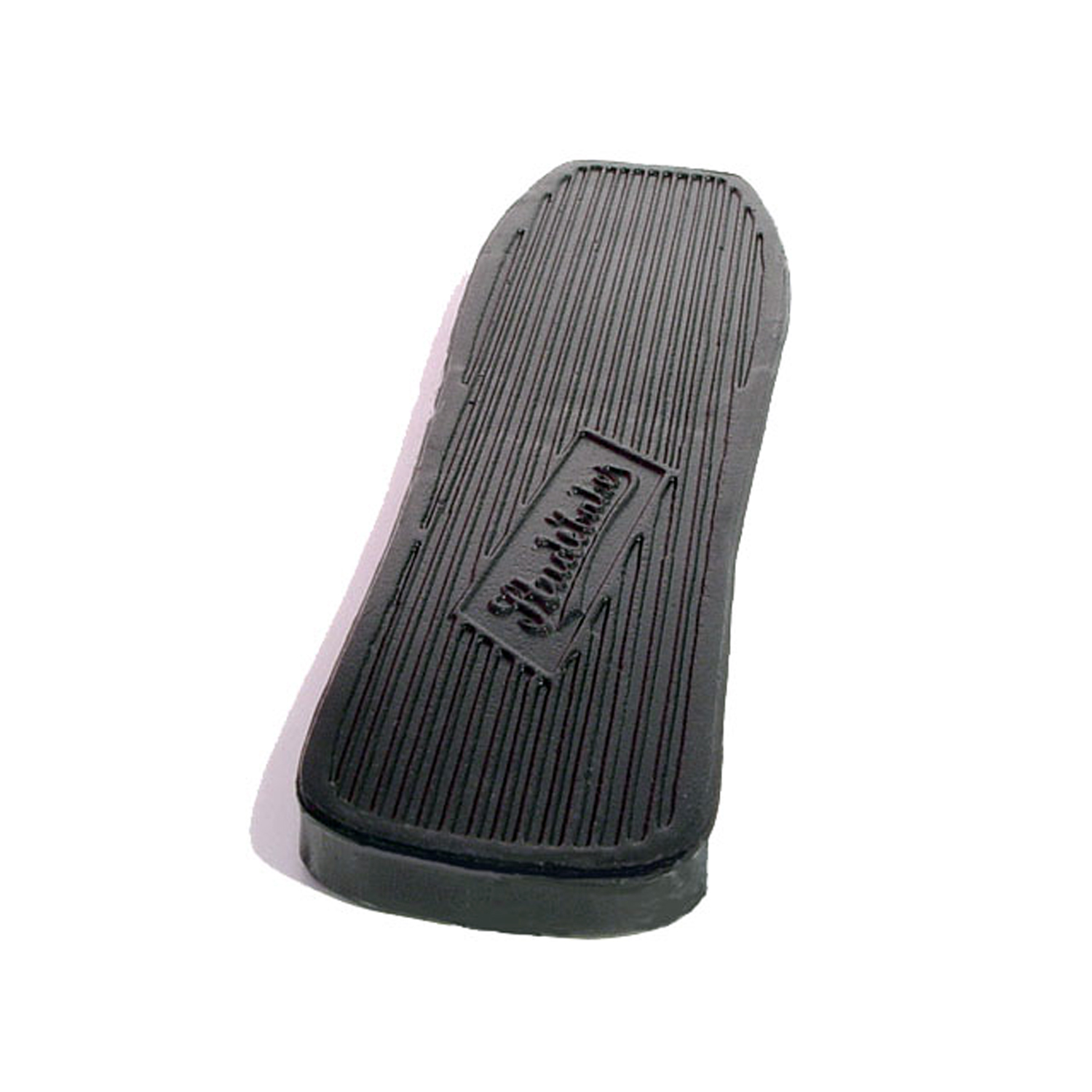 1947 Studebaker Commander Accelerator Pedal Pad, 2-3/8" X 9", Each-AP 22Accelerator Pedal Pad, 2-3/8" X 9", Each
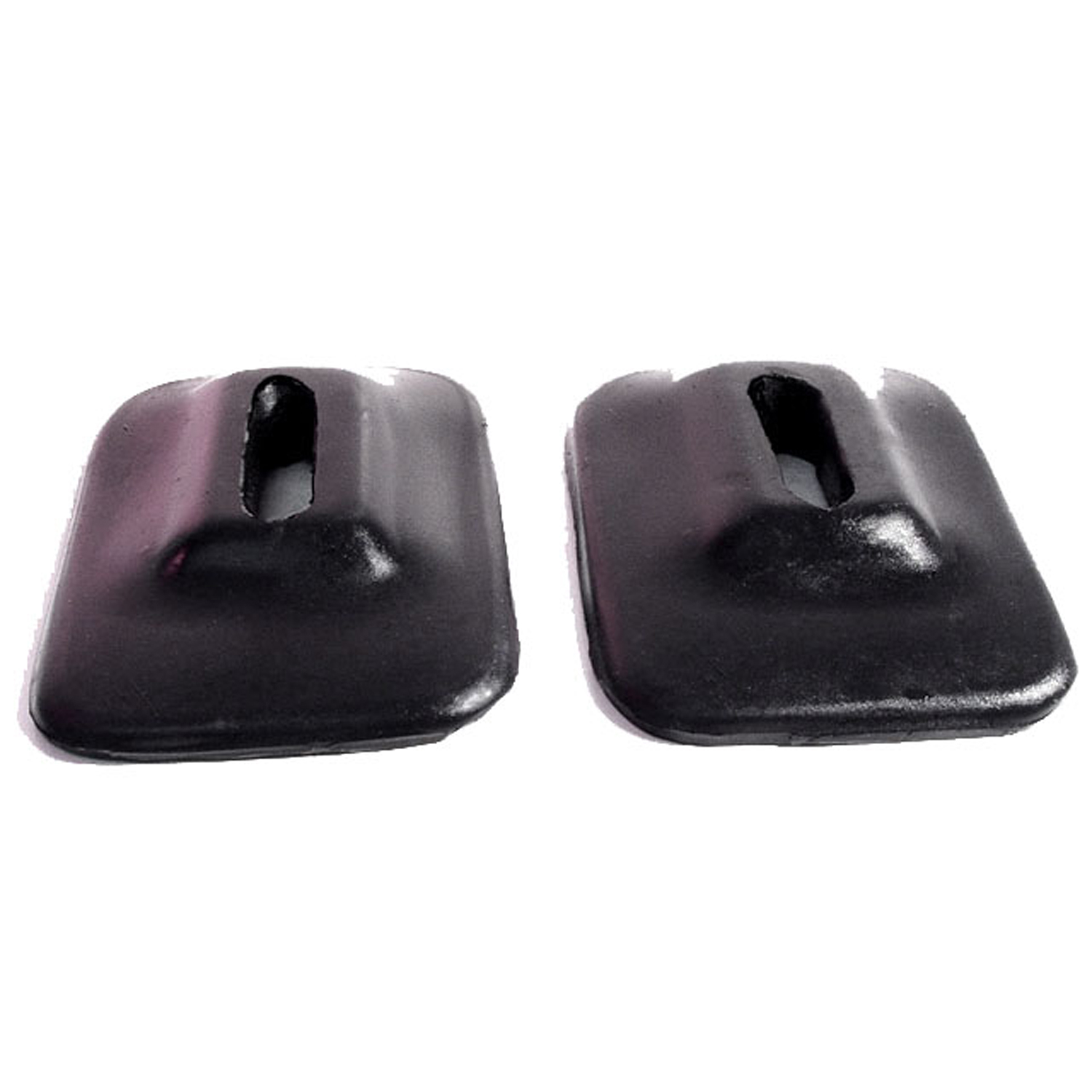 1947 Studebaker Commander Front and Rear Bumper Arm Grommets-BG 45Front and Rear Bumper Arm Grommets. 2-3/4" wide X 4-1/8" long, with 1-5/8" long inner slot. Pair
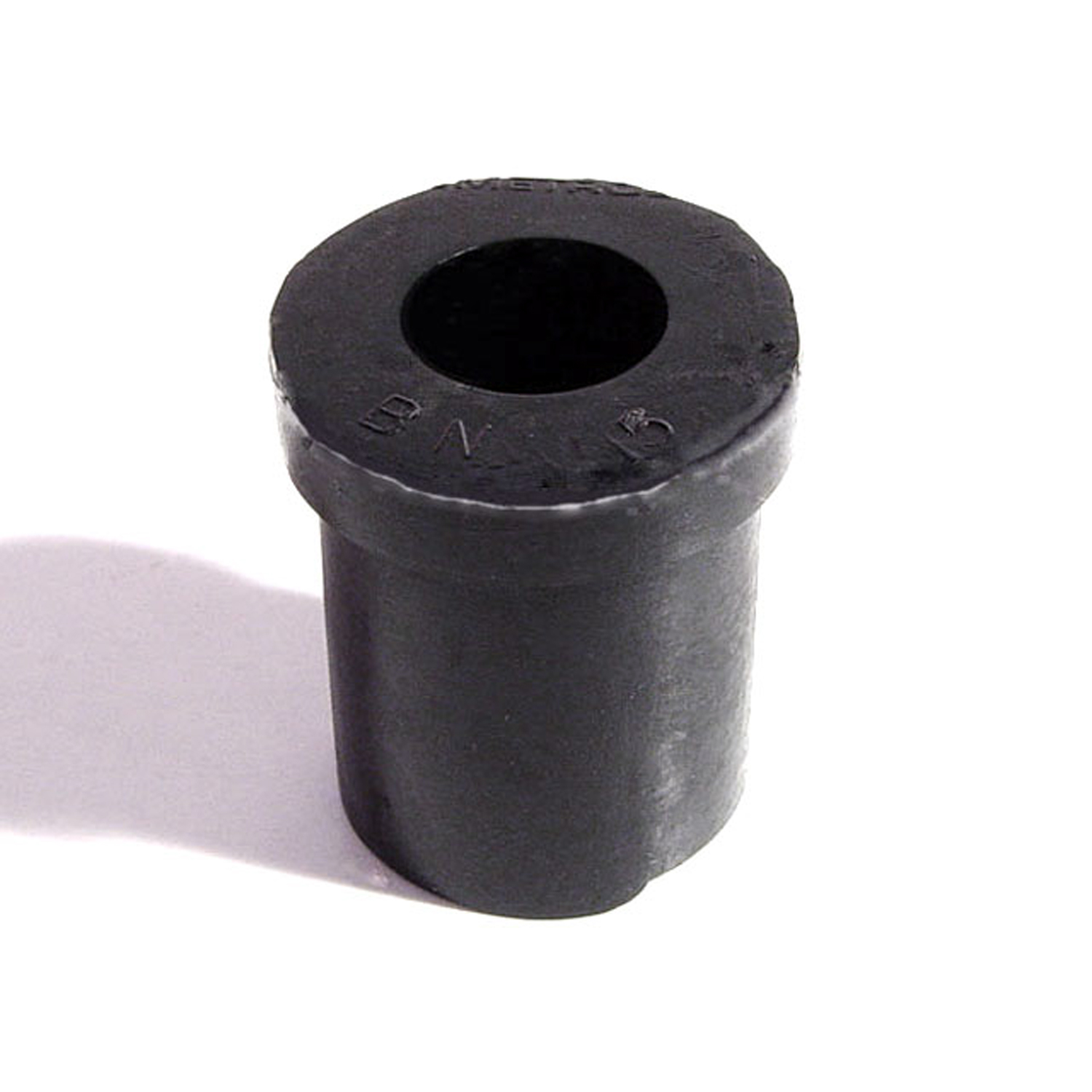 1947 Studebaker Commander Spring and Shackle Bushing. 7/8" bottom O.D-BN 15Spring and Shackle Bushing. 7/8" bottom O.D. X 1-1/8" high, with 1/2" I.D. Each
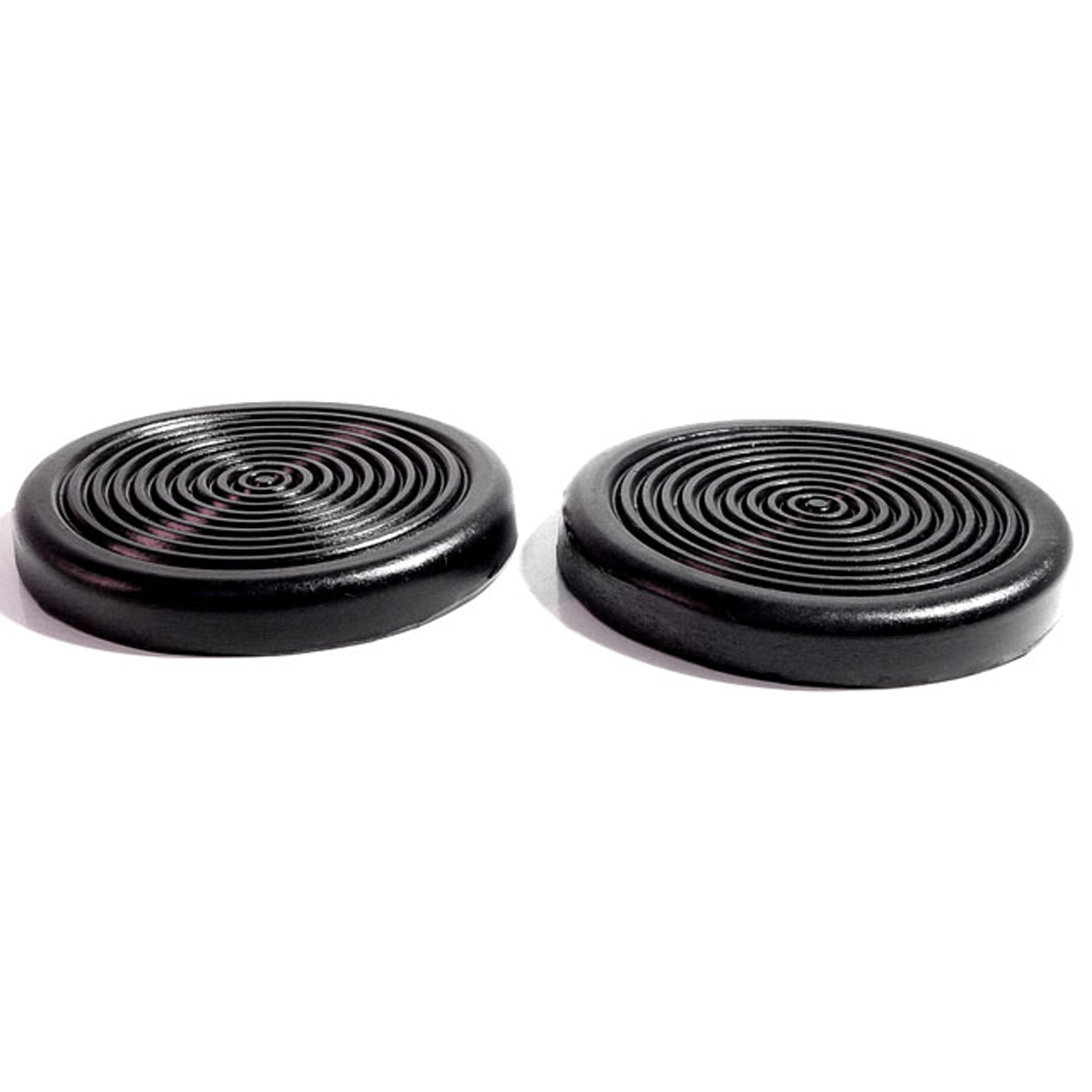 1947 Studebaker Commander Clutch and Brake Pedal Pads. 3" Diameter. Pair-CB 81Clutch and Brake Pedal Pads. 3" Diameter. Pair
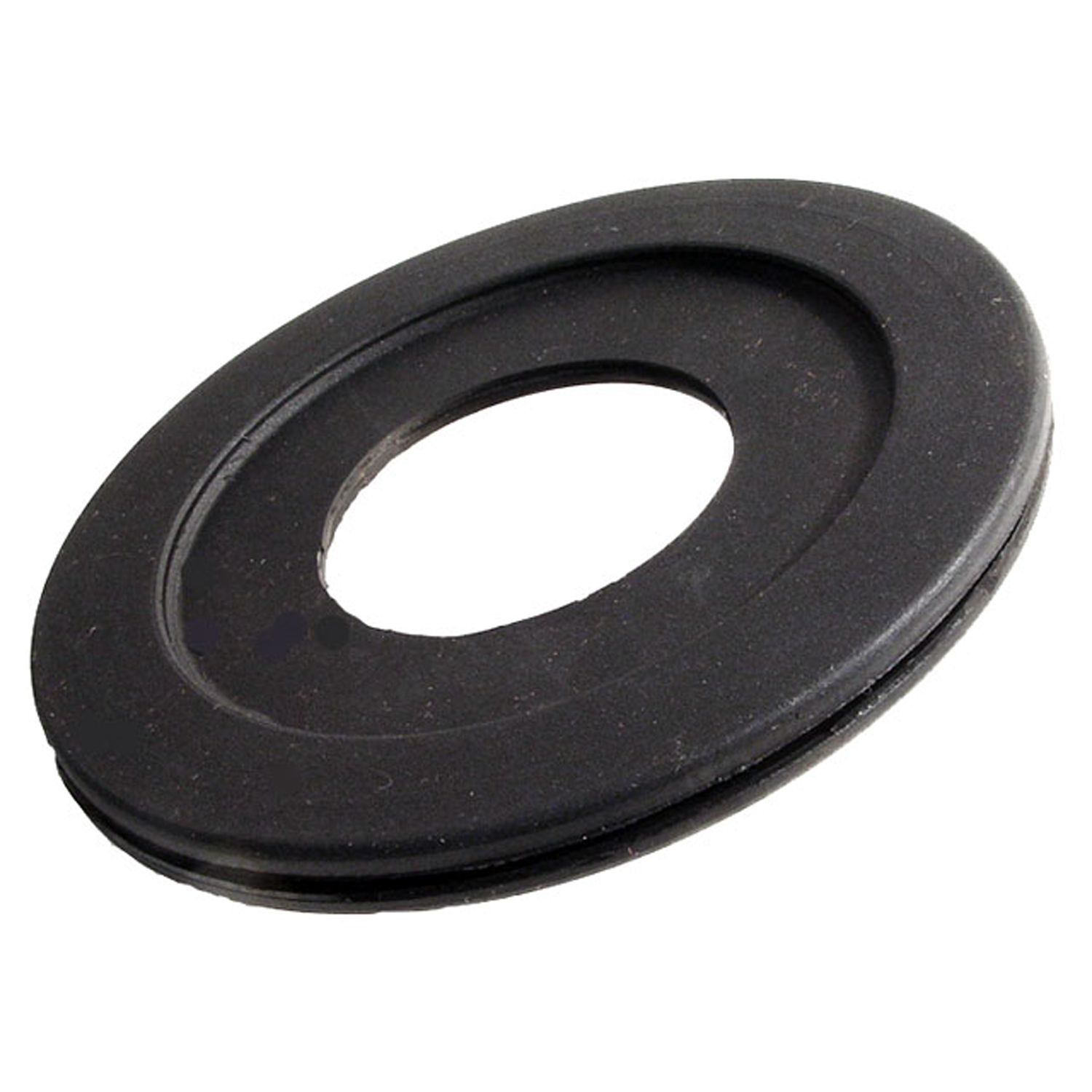 1947 Studebaker Commander Gas Filler Grommet. 1-3/4" I.D., 4-3/8" O.D. Each-GF 31Gas Filler Grommet. 1-3/4" I.D., 4-3/8" O.D. Each
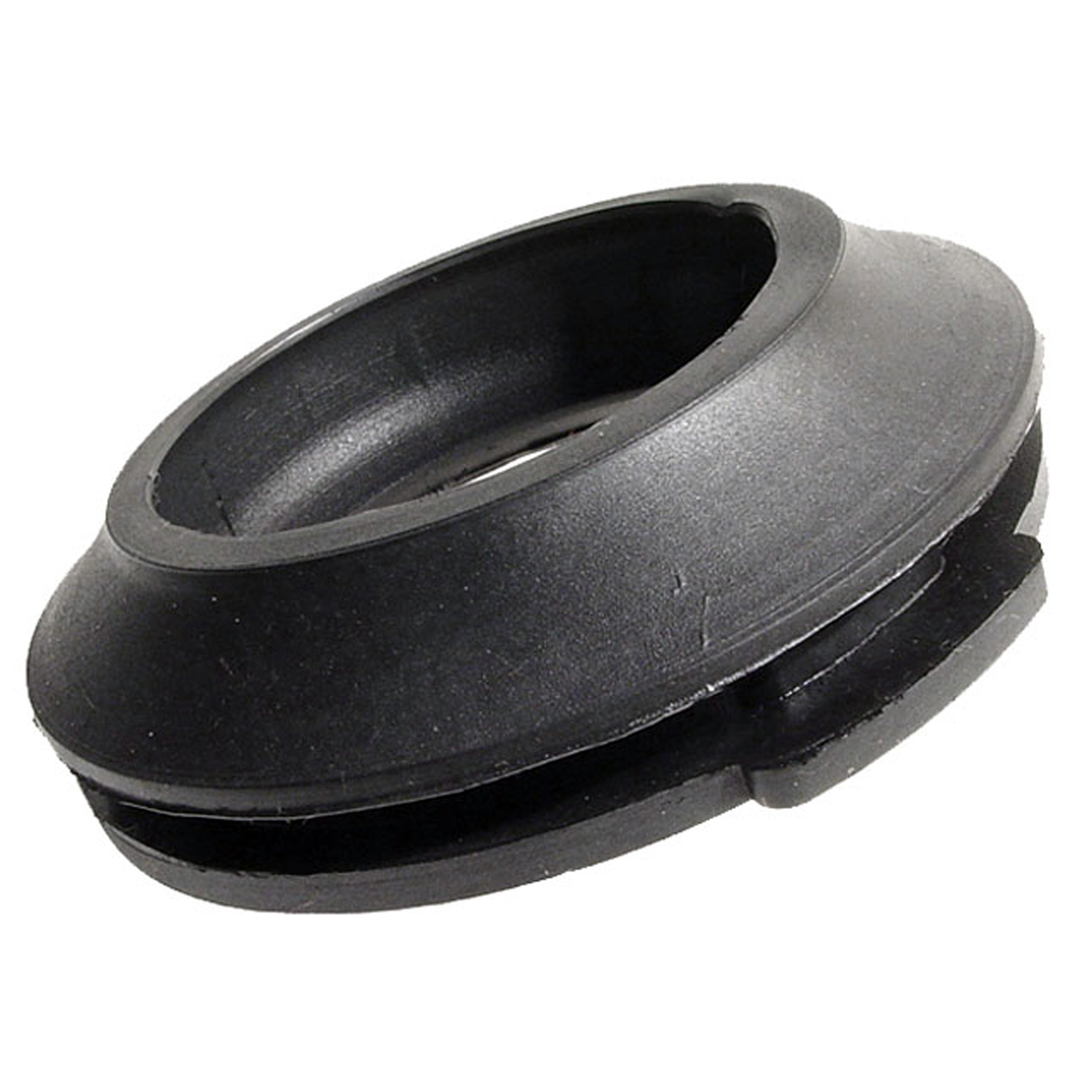 1947 Studebaker Commander Gas Filler Grommet. Perfect reproduction. Top 2-1/16" I.D-GF 45Gas Filler Grommet. Perfect reproduction. Top 2-1/16" I.D., 3-7/16" O.D. Each
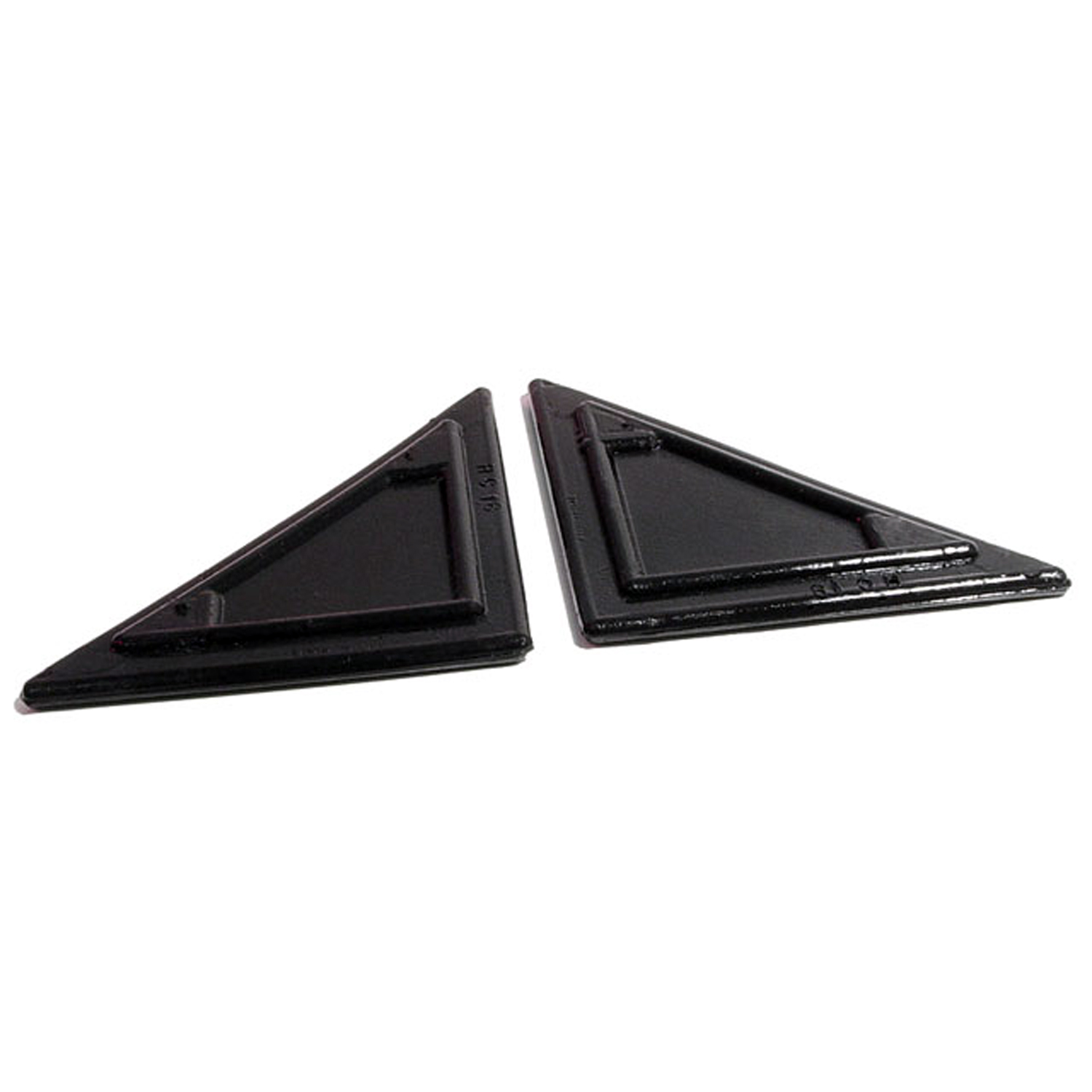 1947 Studebaker Commander Hood Corners. Original design. 2-3/4" wide. Pair-HC 18Hood Corners. Original design. 2-3/4" wide. Pair
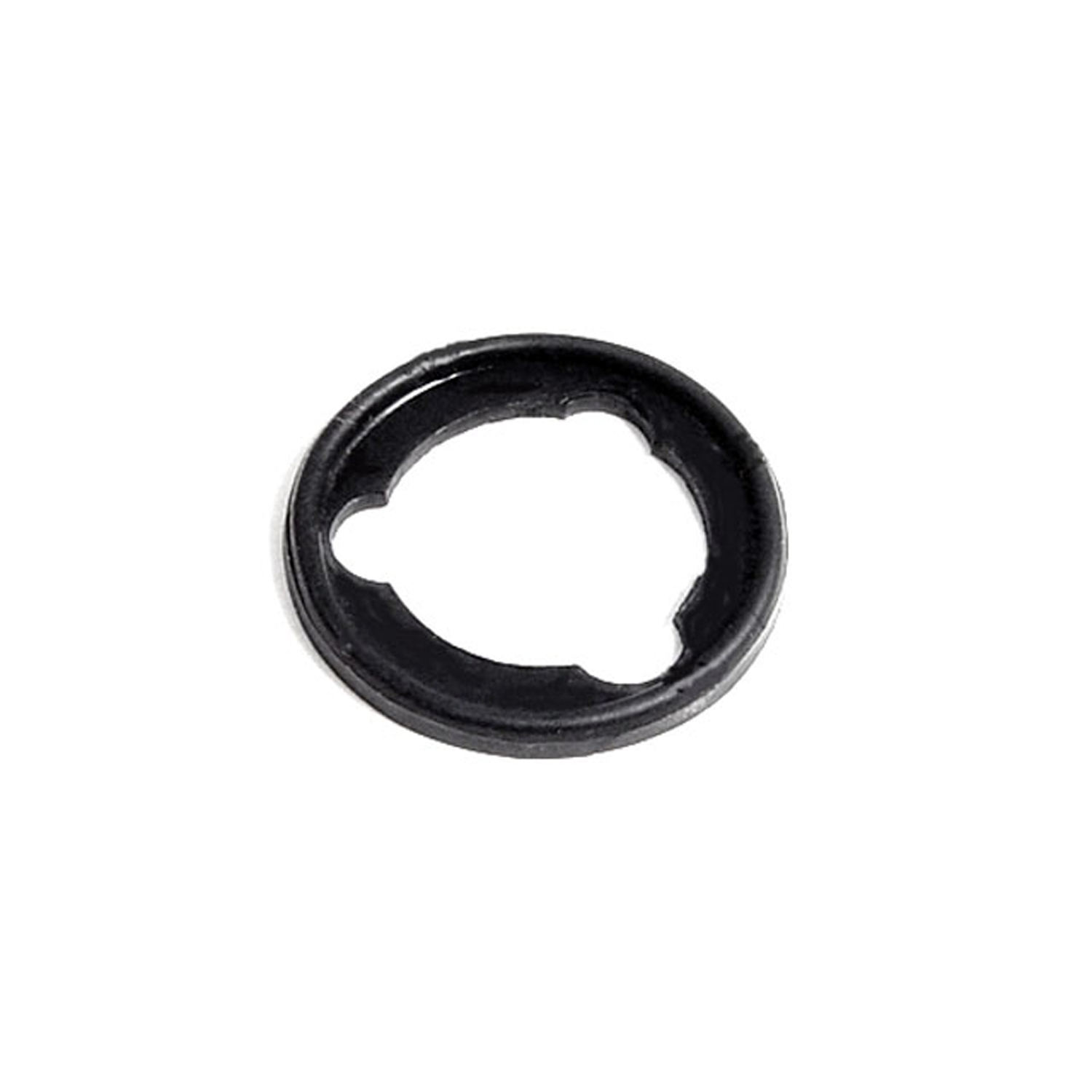 1947 Studebaker Commander Door Lock Pad. 1-1/8" O.D. Each-MP 979Door Lock Pad. 1-1/8" O.D. Each
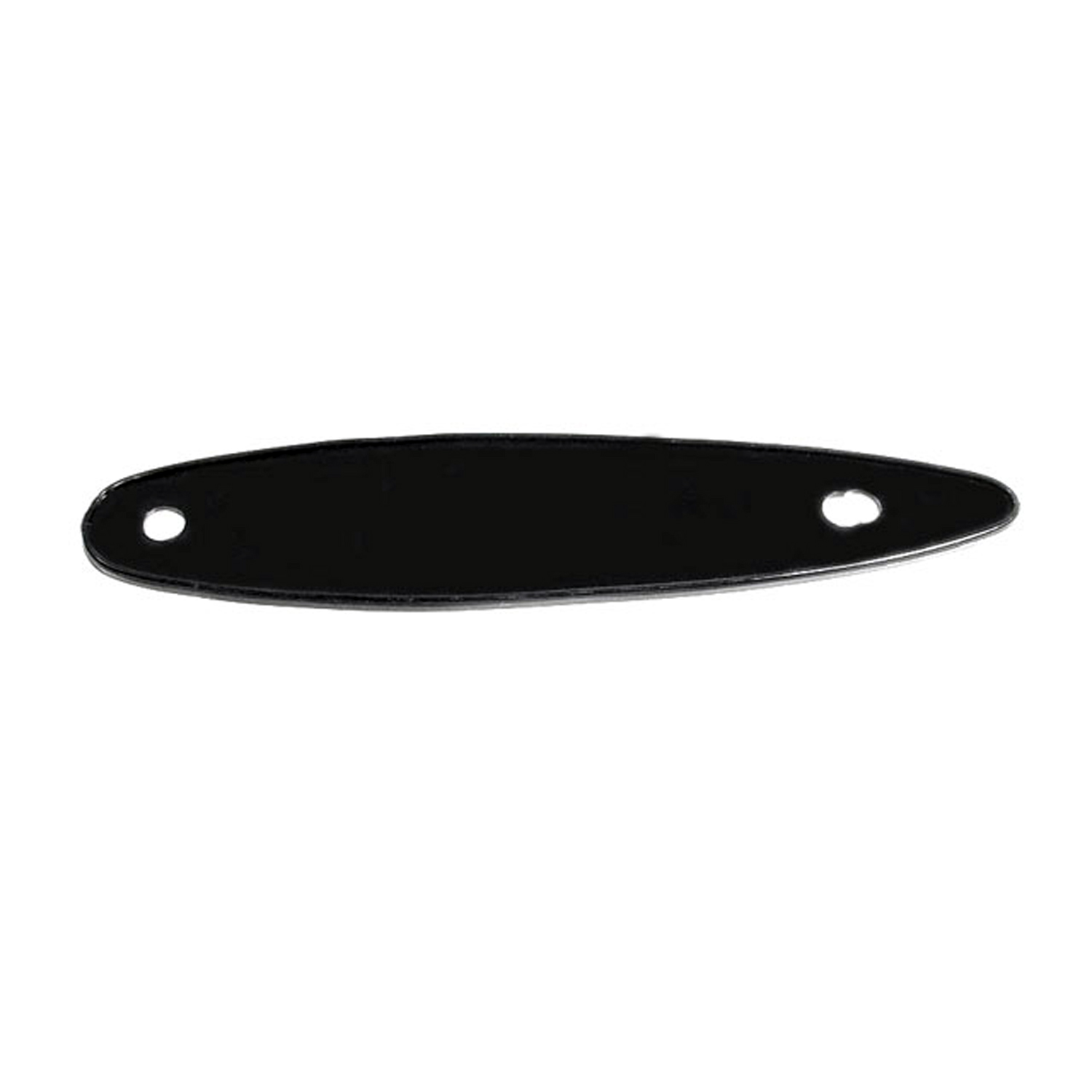 1947 Studebaker Commander Mirror Pad. 1-5/8" wide X 7-3/8" long. Each-MP 979-BMirror Pad. 1-5/8" wide X 7-3/8" long. Each
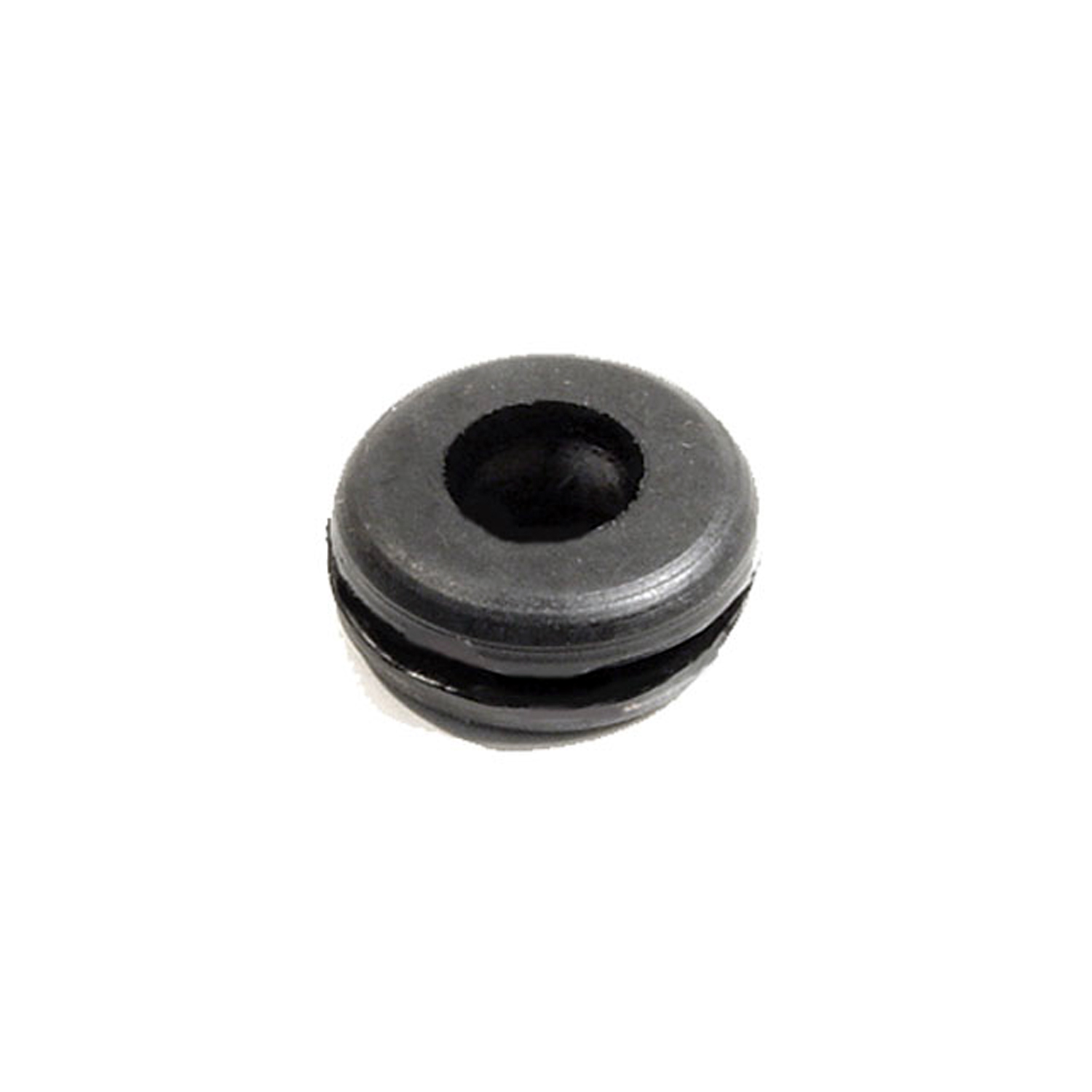 1947 Studebaker Commander Headlight & Tail-Light Wire Grommet. 3/8" I.D., 7/8" O.D-SM 13-AHeadlight & Tail-Light Wire Grommet. 3/8" I.D., 7/8" O.D. Each
 1947 Studebaker Commander Flexible glass-run channel-WC 11-72Flexible glass-run channel. Mohair lined, cloth covered with stainless steel bead. Used on side windows. 72 in. long. Each. NOTE: $20 special shipping charge applies for domestic orders. Call or email for overseas shipping costs. Part can be sectioned in two equal lengths to reduce overseas shipping costs.
 1947 Studebaker Commander Flexible sweeper. Made with stainless steel bead-WC 8-72Flexible sweeper. Made with stainless steel bead. Used on inner and outer beltlines. Also forms easily for use with sliding quarter windows. 72 in. long. Each. NOTE: $20 special shipping charge applies for domestic orders. Call or email for overseas shipping costs. Part can be sectioned into two equal lengths to reduce overseas shipping costs.
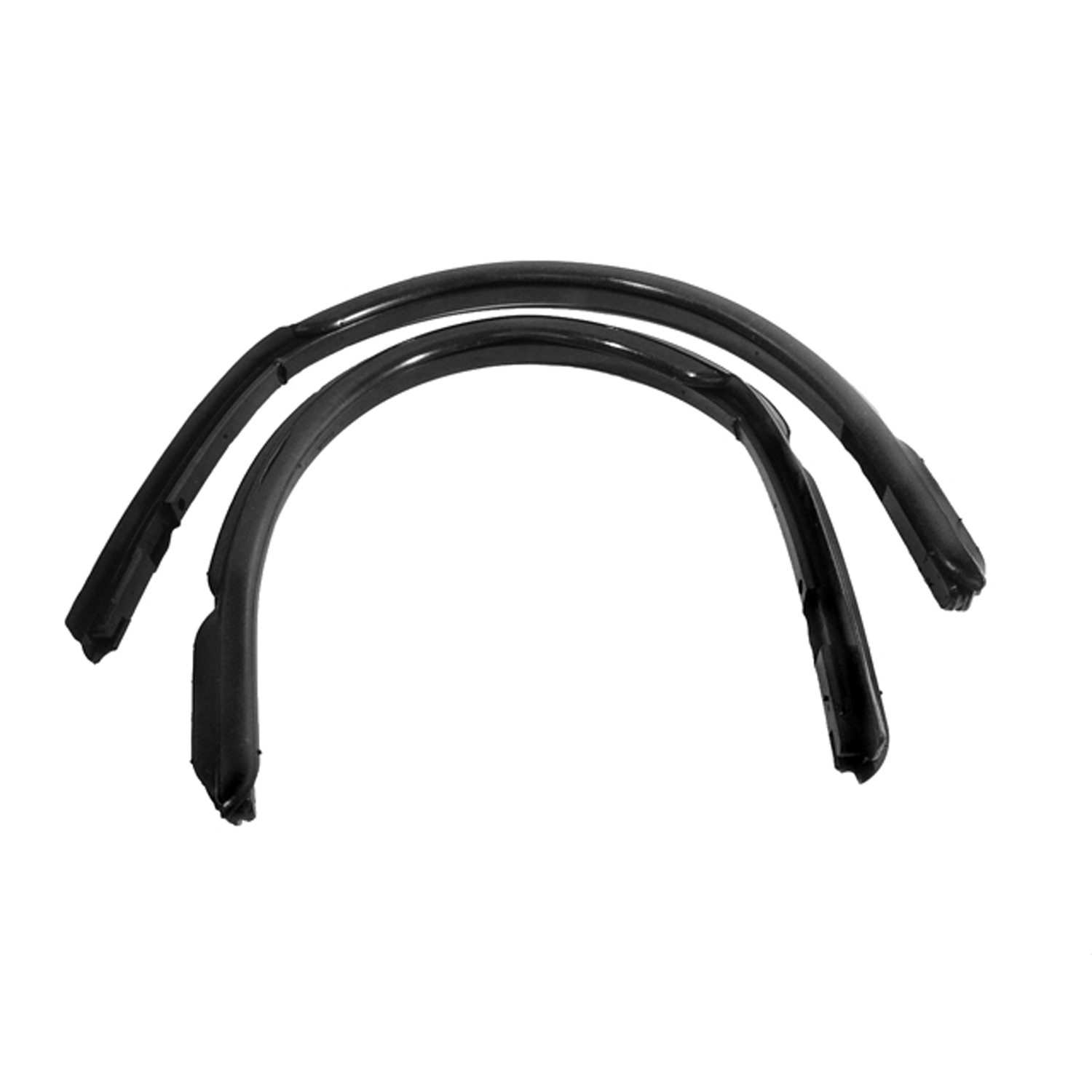 1947 Studebaker Commander Front Vent Window Seals-WR 9400Front Vent Window Seals. For all sedans '47-'50, for 2-door sedans '51-'52. Pair
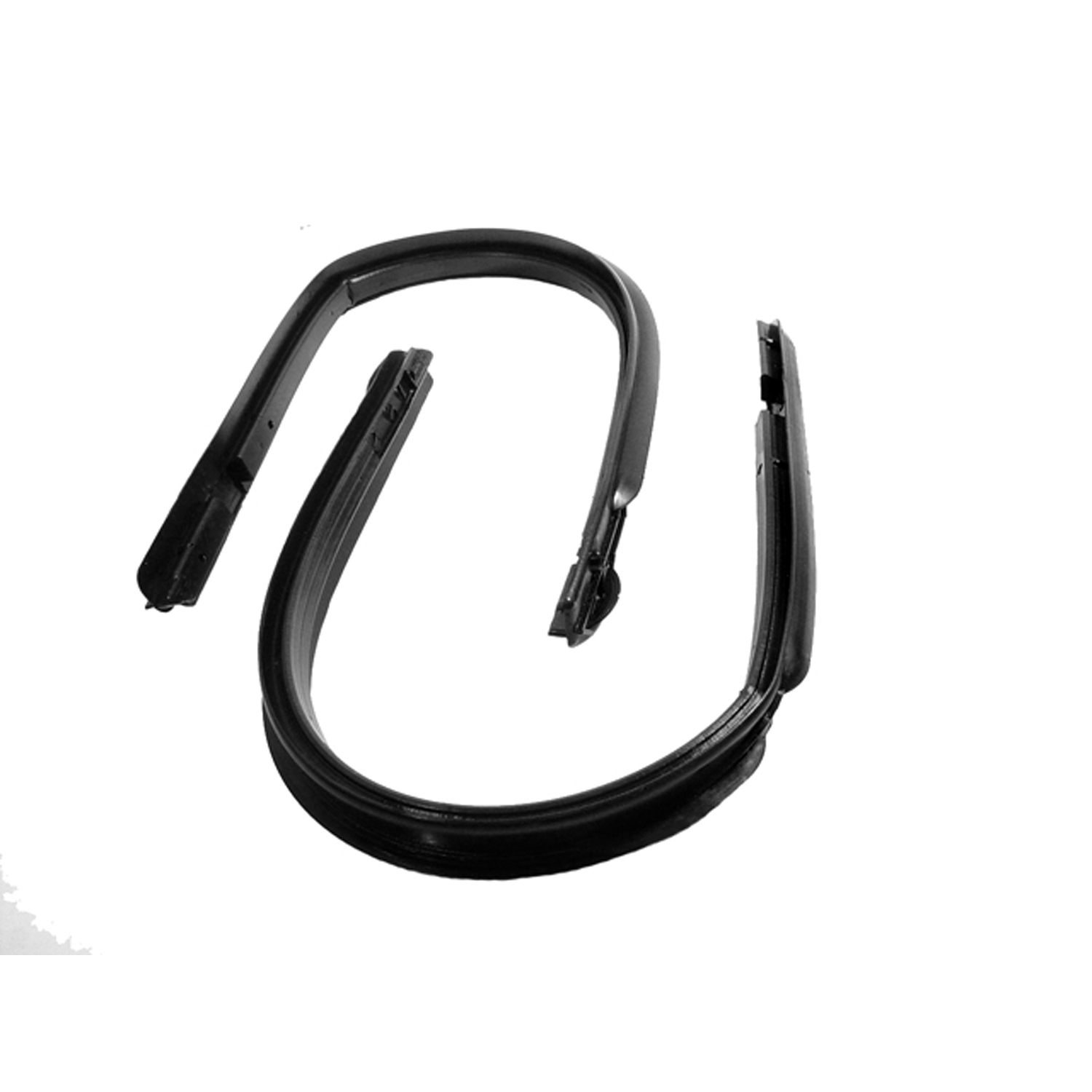 1947 Studebaker Commander Front Vent Window Seals. 28-7/8" long each. Pair R&L-WR 9401Front Vent Window Seals. 28-7/8" long each. Pair R&L
Why Choose Metro?
For over 100 years, Metro Moulded Parts has been the pinnacle of quality in classic car restoration parts. Our commitment to precision and authenticity in every component ensures a perfect fit and an OEM-level appearance.
- Expert Craftsmanship & Quality: Each part is a testament to our dedication to reliability and perfection, crafted from original designs and thoroughly tested.
- Advanced Technology: We use cutting-edge techniques to create flawless, long-lasting parts that surpass others in performance.
- SuperSoft Sponge – The Ultimate Door Seal: Not only are our door seals 30% softer than competitors', but they're also guaranteed to never leak. They effectively reduce wind and road noise, enhancing your classic car's comfort and driving experience.
- Proudly American: Our parts are a product of American craftsmanship, made in the USA with a spirit of excellence and heritage.
- Unrivaled Warranty: We back our products with a 30-year industry-leading warranty, a testament to our confidence in their quality.
Join us in preserving the legacy of classic cars with parts that are crafted for perfection, not just made.