

Image of 1947 Studebaker M15a, Note: These illustrations use artistic license and may differ from actual historical models.
Performance Metrics
Fundamental Metrics
Emotional Appeal
MMP Rating
| Engine Specifications | |
|---|---|
| Engine: | Inline 6 |
| Displacement: | 170 cubic inches |
| Horsepower: | Estimated 80-90 HP |
| Torque: | 150 lb-ft |
| Compression Ratio: | Estimated 6.5:1 |
| Ignition System: | Distributor and coil |
| Cooling System: | Liquid-cooled |
| Performance Specifications | |
| 0-60 Time: | Not available due to the age and type of vehicle |
| 1/4 Mile Time: | Not available due to the age and type of vehicle |
| Top Speed: | 60-70 mph |
| Transmission and Drive | |
| Drive Type: | Rear-wheel drive |
| Transmission Type: | 4-speed manual |
| Fuel and Efficiency | |
| Fuel System Type: | Carburetor |
| MPG: | Estimated 10-15 mpg |
| Dimensions and Brakes | |
| Brakes: | Drum brakes |
| Wheelbase: | 128 inches |
| Weight: | Estimated 3,200 lbs |
Note: Specifications for classic cars are given to the best of our ability, considering the limited and variant data available.
1947 Studebaker M15A: A Hardworking Postwar Classic
The 1947 Studebaker M15A brought postwar buyers a sturdy, no-nonsense truck with a face unmistakably shaped by the 1940s. Built by the Studebaker Corporation in South Bend, Indiana, it belonged to the company’s M-series, a line introduced before World War II and continued into the late 1940s. The M15A is generally identified as a three-quarter-ton, rear-wheel-drive model, positioned between lighter pickups and heavier commercial trucks.
Its timing is part of its appeal. In 1947, American businesses and families were replacing worn-out wartime vehicles and investing in new equipment. The M15A answered that demand with familiar mechanicals, a practical cab, and a range of configurations suited to farms, trades, and local delivery work. One notable detail is that it was not an entirely new postwar design: Studebaker carried its prewar M-series concept forward, making the truck a snapshot of both the prewar and postwar eras.
Rounded Fenders and a Practical Cab
The M15A wears the soft, rounded forms typical of early 1940s truck design. Its front fenders flow into the body rather than appearing as separate, angular pieces, while the broad hood and upright grille give it a purposeful stance. Headlamps sit in the front-fender area, and the tall cab provides a commanding view over the hood. The result is handsome without being delicate: this was a work vehicle first, but it has the sort of period character that looks right at a show or parked beside a barn.
Inside, the emphasis is on function. The cab typically has a straightforward bench seat, a painted-metal dashboard, basic gauges, and a large steering wheel. Depending on trim and restoration, the seat may be covered in durable cloth or vinyl, while a rubber floor mat helps keep dirt and water from becoming a permanent part of the interior. Compared with a modern pickup, it is sparse. Compared with many contemporary work trucks, that simplicity was the point: fewer distractions, easy-to-read instruments, and surfaces meant to take regular use.
Studebaker offered the M-series in commercial configurations that could include a pickup bed, stake or platform arrangements, and chassis forms intended for specialized bodies. The familiar pickup is the most recognizable version today. Exact combinations depended on the chassis, body supplier, and buyer’s requirements, so not every body style associated with the wider M-series was necessarily offered on every M15A.
Paint choices varied by model year, order, and fleet use. Period examples are seen in practical work-truck colors such as dark green, red, blue, and black, though a particular truck’s original paint should be verified from its records or surviving paint layers. Fleet customers could favor restrained colors, while privately owned trucks might wear brighter finishes. Restorers often choose a period-looking color that suits the truck, but factory-correct paint is the best route for a documented restoration.
1940s Truck Technology
The M15A was conventional by design, but its useful technology matched the needs of the time. It used a front-engine, rear-wheel-drive layout, a manual transmission, solid axles, and leaf springs. Hydraulic brakes and a six-volt electrical system were typical features of the period. There were no electronic controls or complex accessories to diagnose, and routine service could be handled with ordinary tools and mechanical knowledge.
Studebaker’s approach was evolutionary rather than revolutionary. The company refined a proven truck formula instead of chasing novelty, which made the M15A familiar to buyers who valued dependable transport over fashionable engineering. Its rounded styling helped distinguish it from more upright, utilitarian rivals, but the design remained grounded in the practical requirements of a working truck.
Place in Studebaker History
The M15A represents Studebaker’s effort to serve the postwar commercial market while drawing on a design introduced before the war. That continuity mattered. Materials and new vehicles had been scarce during the war years, and businesses returning to civilian operations needed equipment that was understandable, serviceable, and ready to earn its keep. The M15A fit that moment well.
It did not transform the pickup truck in the way a landmark new platform or engine might. Its significance is more measured: it shows how an independent American manufacturer carried a successful prewar truck line into a rapidly changing postwar market. The M-series’ rounded bodywork also gives it a distinct visual identity among late-1940s pickups, making it especially appealing to collectors who want something less common than a Ford, Chevrolet, or Dodge of the same era.
Engine, Speed, and Road Manners
A typical M15A is associated with Studebaker’s 169.6-cubic-inch (2.8-liter) L-head inline-six, producing roughly 80 horsepower, paired with a manual gearbox. Specifications can vary with configuration and surviving parts, so buyers should check the engine number, model plate, and documentation rather than assume every example remains mechanically original.
Period factory performance figures are not as readily available as they are for modern vehicles, and reliable instrumented tests are scarce. As a broad estimate, a sound, lightly loaded truck might reach about 55 to 65 mph. Acceleration from 0 to 60 mph is slow, likely taking well over 25 seconds and potentially longer depending on gearing, load, engine condition, and tires. Those figures are estimates, not guaranteed factory ratings. The M15A was built to carry a load, not to win a drag race.
On the road, the truck’s solid axles and leaf springs deliver a firm, bouncy ride, especially when the bed is empty. A modest load can settle the rear suspension and make the ride feel more composed. Steering requires more effort and attention than in a modern pickup, and narrow tires, period brakes, and a high center of gravity call for a measured pace. On winding roads, it rewards smooth inputs rather than quick direction changes.
The driving experience is wonderfully direct. The six-cylinder engine gives a steady mechanical hum, the manual transmission keeps the driver involved, and the tall seating position provides a clear view of the road. Expect engine noise, wind around the cab, and a fair amount of movement over rough pavement. A well-maintained example can be enjoyable on local roads, but it is best treated as a classic working truck rather than a comfortable long-distance cruiser.
Living With an M15A
Owners commonly use these trucks for local cruising, vintage-commercial displays, farm chores, and classic-car events. Some are restored to show condition, while others retain a weathered working appearance. The M15A is not a sensible choice for modern high-speed commuting, but it can be a rewarding driver for someone who enjoys an unhurried, hands-on vehicle.
Basic mechanical work is approachable for an owner with ordinary shop skills. The engine and chassis use straightforward, serviceable components, and many routine tasks do not require specialized diagnostic equipment. The bigger challenge is often finding correct parts, particularly trim, body panels, glass, and model-specific details. Before buying, inspect the frame, cab corners, floor, bed, and lower fenders for rust, and check that the brakes, steering, cooling system, and charging system are safe and functional.
Parts support is not as broad as it is for the most popular American pickups, so a complete truck is usually a better starting point than an inexpensive basket case. Mechanical substitutes may keep a truck on the road, but they can reduce originality and complicate a later restoration.
Facts, Myths, and Common Criticisms
The M15A’s most interesting “fact” may be its restraint: it was designed to be useful rather than glamorous. Its prewar roots are visible in the styling and engineering, while its 1947 build date places it squarely in the first full postwar wave of civilian vehicle buying. It is not widely associated with a major speed record or a single famous historical event, and claims of a particular celebrity connection should be supported by documentation.
A common criticism is that the truck feels slow, noisy, and physically demanding by modern standards. That is fair. The cabin is basic, the ride can be choppy, and the brakes and steering require more planning than those of a contemporary pickup. Its relatively modest parts network is another drawback. For enthusiasts, however, the same simplicity and distinctive styling are key attractions.
Collector Value and Rarity
Exact production totals for the 1947 M15A are not consistently available in commonly cited public sources. As a cautious estimate, the model-year total may have been in the several-thousand range, perhaps roughly 3,000 to 8,000 trucks. Treat that as an informed guess, not a confirmed Studebaker production figure. Surviving examples are less common than the most popular period pickups, and clean, original trucks can take time to find.
In the current U.S. collector market, a project vehicle might sell for roughly $5,000 to $12,000, while a usable driver could fall around $15,000 to $28,000. A well-restored example may bring approximately $30,000 to $50,000 or more, depending on originality, workmanship, body style, and documentation. These are broad estimates; regional demand and the condition of the truck can move the price substantially.
Values for vintage pickups have benefited from continuing interest in classic trucks, but Studebaker models remain a more specialized segment than the big-name competitors. The M15A appears best described as steady to gradually appreciating, with the strongest demand for complete, well-presented examples. Restoration costs can easily exceed the value added, so buying the best truck you can afford is usually wiser than assuming a full rebuild will be profitable.
Why the Studebaker M15A Still Matters
The 1947 Studebaker M15A combines a distinctive rounded design with simple, work-focused engineering and a strong connection to America’s postwar recovery. It is slower and less polished than a modern truck, but that is not the measure by which it should be judged. Its appeal lies in its honest character, approachable mechanics, and uncommon place in the classic-pickup landscape.
For collectors seeking something with real working-truck roots and a little more individuality than the usual choices, the M15A delivers. It is a reminder that a great classic does not need to be the fastest or most famous vehicle in its class; sometimes, a memorable face and a job well done are enough to earn a lasting place in automotive history.
1947 Studebaker M15a Catalog of Parts
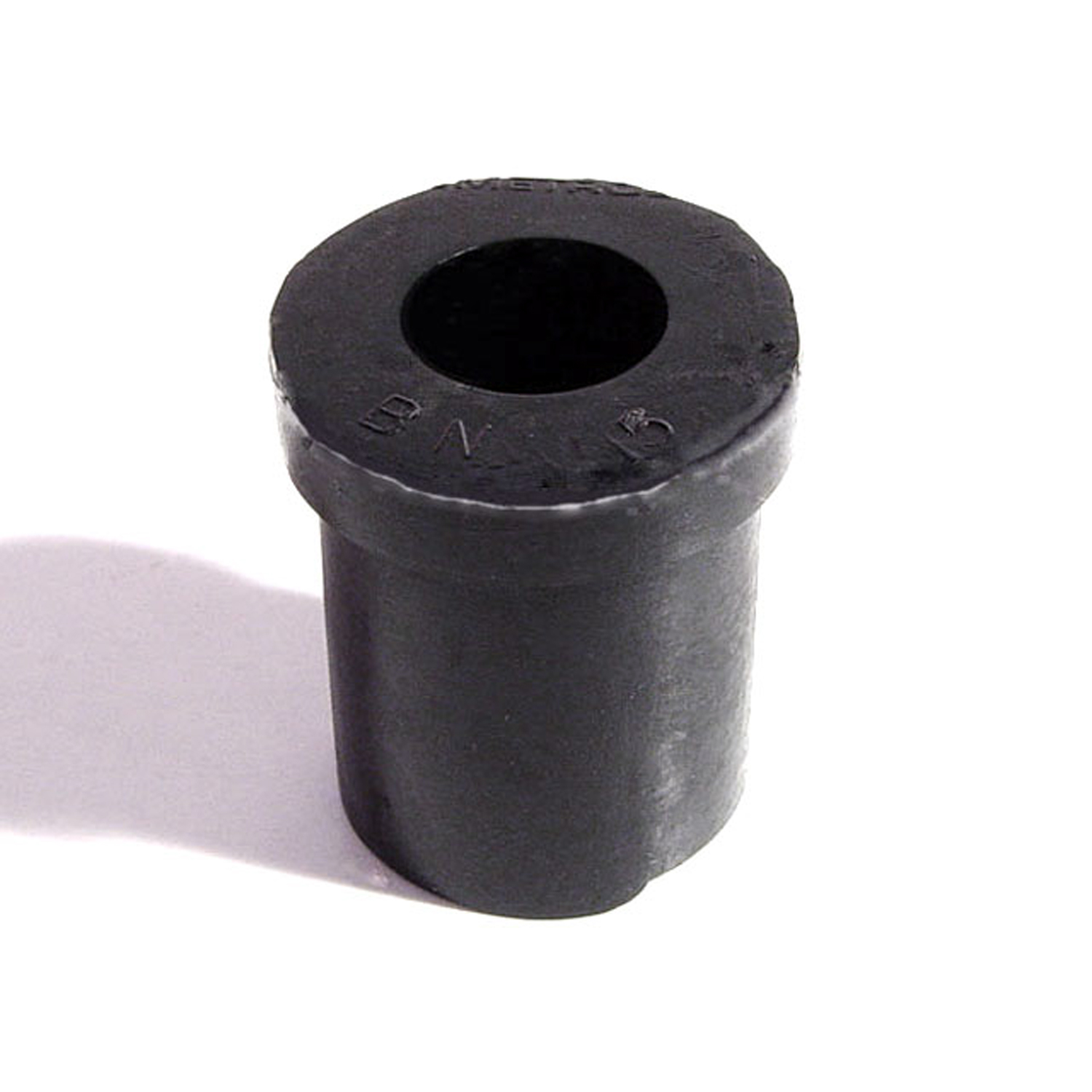 1947 Studebaker M15A Spring and Shackle Bushing. 7/8" bottom O.D-BN 15Spring and Shackle Bushing. 7/8" bottom O.D. X 1-1/8" high, with 1/2" I.D. Each
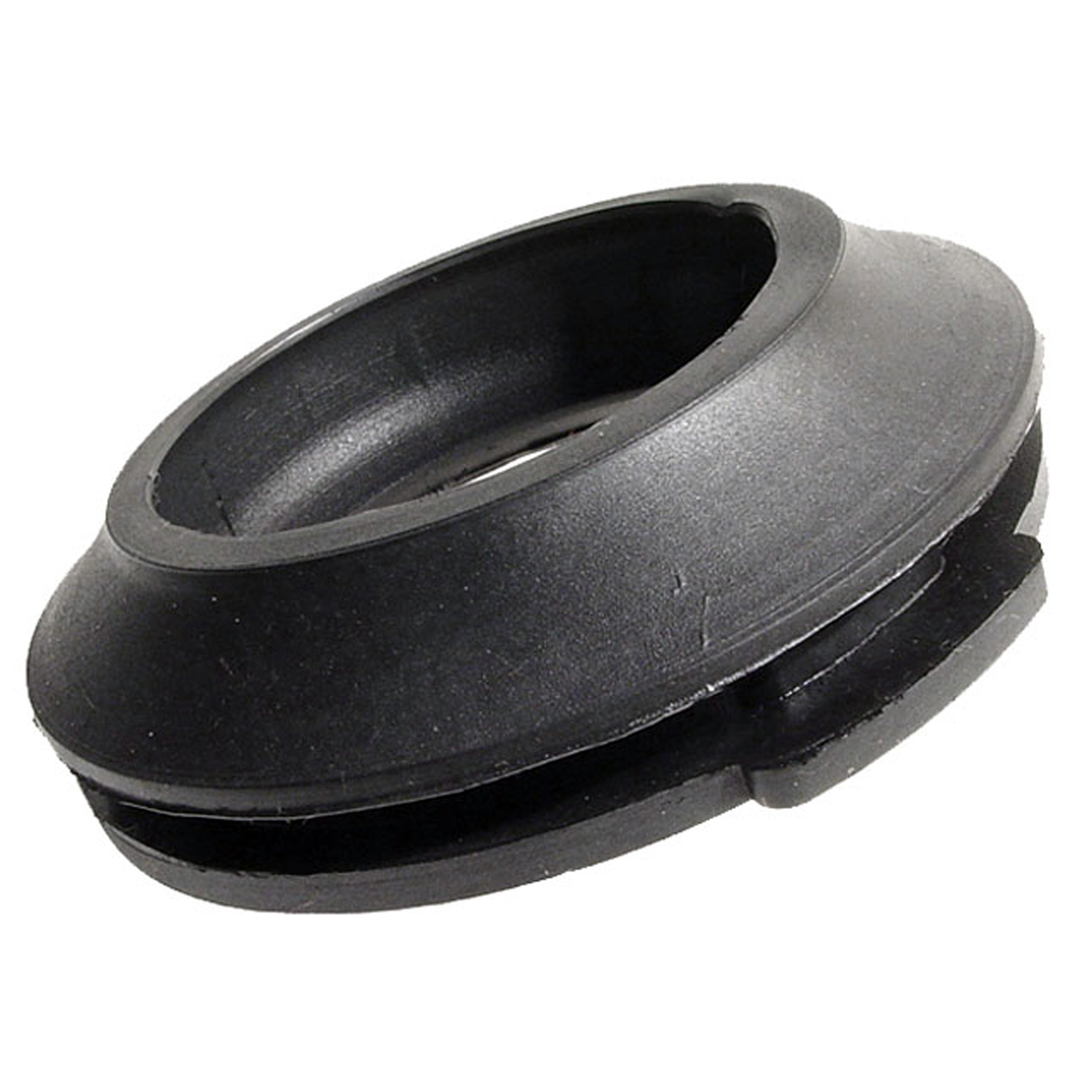 1947 Studebaker M15A Gas Filler Grommet. Perfect reproduction. Top 2-1/16" I.D-GF 45Gas Filler Grommet. Perfect reproduction. Top 2-1/16" I.D., 3-7/16" O.D. Each
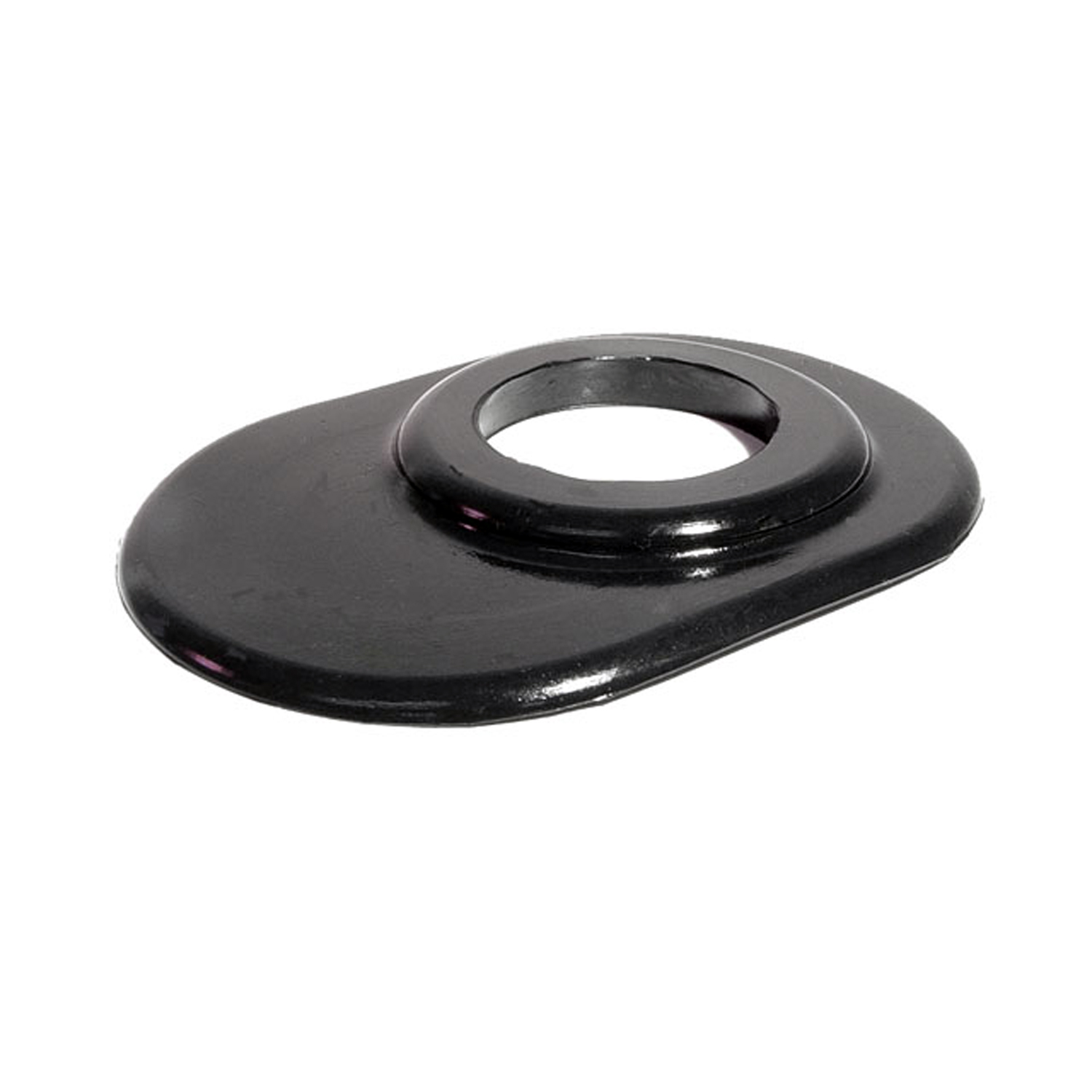 1947 Studebaker M15A Steering Column Grommet. For 4-speed models. Each-SC 24Steering Column Grommet. For 4-speed models. Each
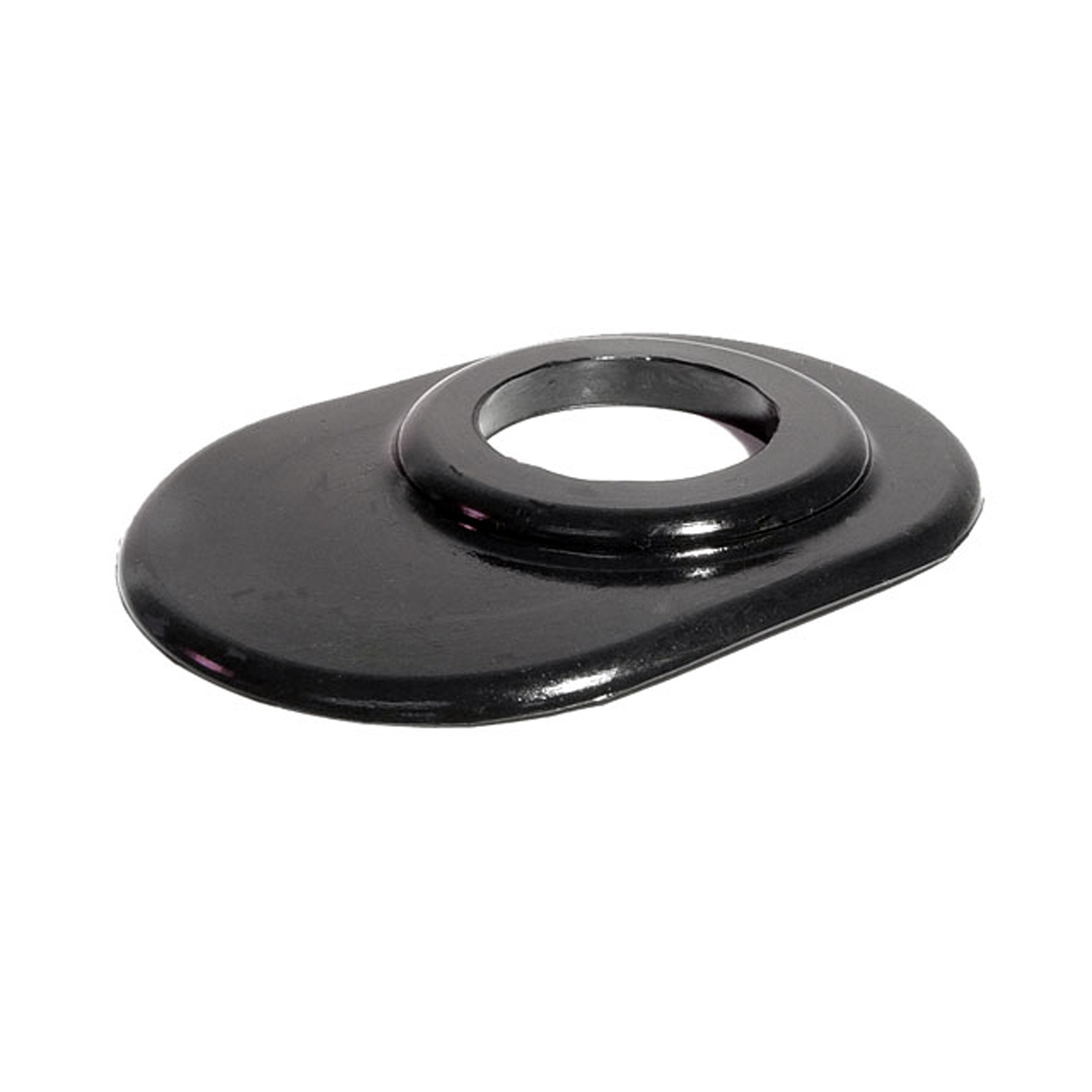 1947 Studebaker M15A Steering Column Grommet. For 3-speed models. Each-SC 24-ASteering Column Grommet. For 3-speed models. Each
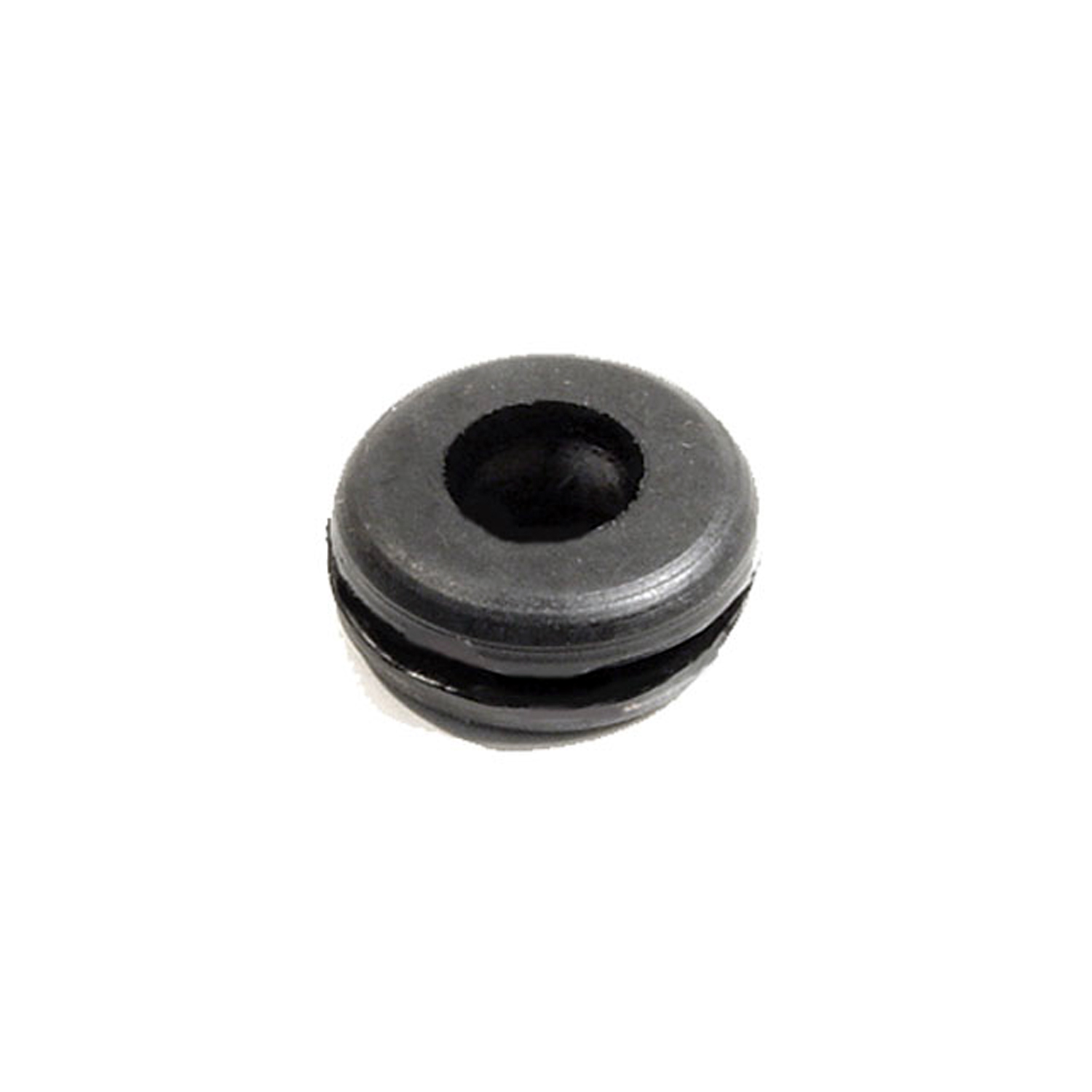 1947 Studebaker M15A Headlight & Tail-Light Wire Grommet. 3/8" I.D., 7/8" O.D-SM 13-AHeadlight & Tail-Light Wire Grommet. 3/8" I.D., 7/8" O.D. Each
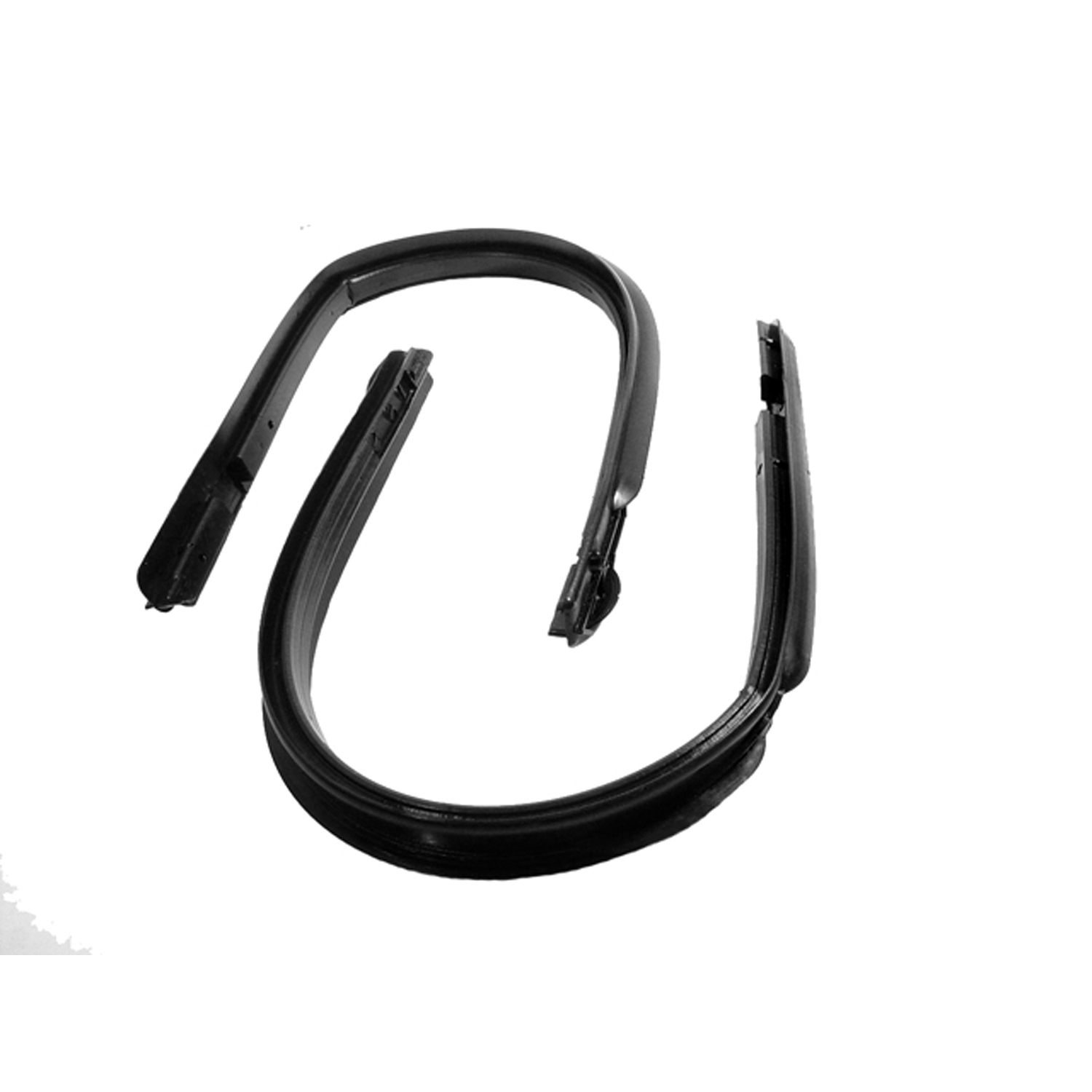 1947 Studebaker M15A Front Vent Window Seals. 28-7/8" long each. Pair R&L-WR 9401Front Vent Window Seals. 28-7/8" long each. Pair R&L
Why Choose Metro?
For over 100 years, Metro Moulded Parts has been the pinnacle of quality in classic car restoration parts. Our commitment to precision and authenticity in every component ensures a perfect fit and an OEM-level appearance.
- Expert Craftsmanship & Quality: Each part is a testament to our dedication to reliability and perfection, crafted from original designs and thoroughly tested.
- Advanced Technology: We use cutting-edge techniques to create flawless, long-lasting parts that surpass others in performance.
- SuperSoft Sponge – The Ultimate Door Seal: Not only are our door seals 30% softer than competitors', but they're also guaranteed to never leak. They effectively reduce wind and road noise, enhancing your classic car's comfort and driving experience.
- Proudly American: Our parts are a product of American craftsmanship, made in the USA with a spirit of excellence and heritage.
- Unrivaled Warranty: We back our products with a 30-year industry-leading warranty, a testament to our confidence in their quality.
Join us in preserving the legacy of classic cars with parts that are crafted for perfection, not just made.