

Image of 1947 Studebaker M16, Note: These illustrations use artistic license and may differ from actual historical models.
Performance Metrics
Fundamental Metrics
Emotional Appeal
MMP Rating
| Engine Specifications | |
|---|---|
| Engine: | Inline 6 |
| Displacement: | 226 cubic inches |
| Horsepower: | Estimated 94 hp |
| Torque: | 170 lb-ft |
| Compression Ratio: | Estimated 6.5:1 |
| Ignition System: | Distributor and coil |
| Cooling System: | Liquid-cooled |
| Performance Specifications | |
| 0-60 Time: | Not available due to the vehicle's age and purpose (it's a truck, not a performance vehicle) |
| 1/4 Mile Time: | Not available for the same reasons |
| Top Speed: | 50-55 mph |
| Transmission and Drive | |
| Drive Type: | Rear-wheel drive |
| Transmission Type: | 4-speed manual |
| Fuel and Efficiency | |
| Fuel System Type: | Carburetor |
| MPG: | Estimated 10-15 mpg (these vehicles were not designed with fuel efficiency in mind) |
| Dimensions and Brakes | |
| Brakes: | Hydraulic drum brakes |
| Wheelbase: | 128 inches |
| Weight: | 3,800 lbs |
Note: Specifications for classic cars are given to the best of our ability, considering the limited and variant data available.
1947 Studebaker M16: A Heavy-Duty Truck Built for the Postwar Boom
The 1947 Studebaker M16 was made for the work that helped rebuild America after World War II: hauling supplies, serving farms and businesses, and carrying heavy loads over roads that were not always kind to trucks. Built by the independent Studebaker Corporation, it belonged to the company’s M-series, a family of trucks introduced before the war and continued into the late 1940s.
The M16 was a roughly 1.5-ton class truck, positioned above Studebaker’s lighter pickups. Its appeal lies in the combination of robust, straightforward engineering and the rounded, unmistakably 1940s styling of the M-series. One intriguing detail is that a 1947 M16 could leave the factory as little more than a cab and chassis, then receive a stake bed, dump body, or other work body from a commercial body builder. As a result, surviving trucks can look remarkably different from one another.
Rounded Fenders and a Practical Cab
The M16’s exterior has the softened, flowing forms that defined many trucks of the era. Its tall hood, rounded front fenders, upright cab, and substantial running boards give it a purposeful silhouette without the boxy look that would become common on later work trucks. The grille and front-end trim vary with year and specification, but the overall design is unmistakably prewar in its proportions, even as the truck returned to civilian service in the postwar years.
Studebaker designed the truck to work first. The wide-opening doors, relatively low step-in height, and broad windshield helped make daily use easier. The cab’s curved panels and rounded roof add visual character, while the large fenders and high ground clearance suit rough yards and rural roads. This was not a streamlined highway machine, but it had a distinctive presence that separated it from plainer commercial rigs.
Inside, the M16 is simple and durable. The cab typically features a painted metal dashboard, a large steering wheel, basic gauges, and a full-width bench seat. Upholstery was functional rather than luxurious, often using durable cloth or vinyl-like materials depending on specification and replacement history. A rubber floor mat was more practical than carpeting, especially in a truck expected to carry mud, dust, and work boots into the cab.
Factory paint availability could vary by model year, order, and commercial specification. Period trucks are commonly seen in dark green, blue, red, black, and other solid work-truck colors. White and contrasting colors also appeared on commercial and fleet vehicles. There was no single color that defined every M16, and many trucks have since been repainted. For restorers, the original paint code or surviving traces of factory color are a better guide than assuming one shade was standard.
Chassis, Bodies, and Equipment
The M16 was a chassis designed to accept a working body, not just a pickup bed. Buyers could order a cab-and-chassis configuration and have it fitted with a stake or platform bed, dump body, box body, or specialist equipment. Some trucks served as tow vehicles, delivery rigs, farm haulers, or municipal equipment. The most familiar surviving examples are often stake-bed trucks and conventional work platforms, though the original body depended on the customer’s trade.
Equipment was suitably straightforward for the period. The M16 used a conventional manual transmission and a rugged rear axle, with gearing selected for carrying or pulling rather than rapid acceleration. Heavy-duty tires, a sturdy ladder-type frame, and mechanical systems that did not depend on complex electronics made it a practical choice for operators who needed a truck they could understand and service.
Studebaker in the Postwar Truck Market
Studebaker was one of America’s important independent automakers, competing against much larger manufacturers while building both passenger cars and commercial vehicles. When civilian production resumed after wartime restrictions, buyers urgently needed trucks for farms, construction, deliveries, and local businesses. The 1947 M16 met that demand with a familiar, proven platform rather than an entirely new design.
The M16 did not transform truck engineering, but it represents an important stage in the shift from prewar designs to the postwar commercial vehicle market. Its rounded cab and fenders reflected the styling of its time; its body-on-frame construction and heavy-duty running gear reflected the practical priorities of truck buyers. Compared with lighter pickups, it offered greater load-carrying capability and a more substantial chassis. Compared with many larger competitors, it also carried the distinctive styling and independent-maker identity of Studebaker.
The model’s legacy is less about a single breakthrough than about how it served working America during a period of rapid growth. Trucks like the M16 supported the expansion of local businesses and farms, and their adaptable chassis made them useful in a wide range of jobs. That versatility is also why the exact configuration of a surviving example can tell a story about its former owner or trade.
Flathead Six Performance and Road Manners
A typical M16 was powered by Studebaker’s 226-cubic-inch L-head, or flathead, six-cylinder engine. Output is commonly cited at roughly 90 to 95 horsepower, though the exact specification can depend on the truck’s configuration and the source used. That figure sounds modest today, but the engine was designed to deliver usable low-speed pulling power rather than high-revving performance. A manual transmission and low axle gearing helped the truck move heavy loads.
There is no dependable factory 0-to-60-mph figure for the M16, and the number would not have been a meaningful selling point for a loaded commercial truck. As a modern estimate, an unloaded, mechanically sound example might take around 30 to 40 seconds to reach 60 mph, if its gearing and condition allow it to get there comfortably. Many owners would keep one at a more relaxed speed. Depending on gearing, tires, load, and mechanical condition, a top speed in the neighborhood of 50 to 60 mph is a reasonable estimate, not a guaranteed specification.
On the road, expect a truck rather than a car. The M16’s long wheelbase and heavy chassis can feel reassuring on a straight stretch, but the steering is likely to be slow and require more effort than a modern vehicle. The truck’s solid axles and work-focused suspension communicate bumps clearly, especially when it is empty. Add cargo and the ride may settle down, but rough surfaces will still be part of the experience.
On winding roads, the M16 rewards patience. Its size, high seating position, and period brakes call for measured cornering and generous stopping distance. The flathead six produces a steady mechanical rumble, accompanied by the sounds of the drivetrain and the truck’s body over uneven ground. The driver works the large steering wheel, shifts deliberately, and listens to the engine rather than relying on modern electronic assistance. That involvement is a major part of the truck’s appeal today.
Living With an M16
In its working life, the M16 was a commercial tool, used for hauling, farm work, local delivery, and specialized service. Today, most examples are enjoyed as show trucks, parade vehicles, hobby-farm rigs, or occasional-use classics. A well-restored truck can attract attention at a local meet without requiring the owner to explain what makes it unusual: its scale and rounded styling do the talking.
Maintenance is relatively approachable for an owner comfortable with older mechanical systems. The engine is carbureted, the electrical system is simple by modern standards, and many service jobs can be handled with basic tools and workshop knowledge. Routine attention includes checking ignition and fuel systems, cooling, lubrication, brakes, tires, and the condition of the frame and body mounts. As with any old truck, the quality of prior repairs matters as much as the model’s original design.
Parts availability is mixed. Common service items and some engine components may be sourced through vintage-truck suppliers or specialist networks, but model-specific trim, cab pieces, and certain heavy-duty chassis parts can take more searching. The truck’s simple construction makes repairs understandable, but it does not guarantee that every replacement part will be easy to find. A pre-purchase inspection should pay particular attention to rust, worn steering and brake components, and alterations to the chassis or body.
Notable Details and Common Complaints
The M16’s most useful bit of trivia is also one of its defining traits: it was a platform for many kinds of work, so two trucks bearing the same model designation may have very different bodies and histories. A stake truck, a delivery conversion, and a cab-and-chassis restoration can all represent the M16 story. There are no widely recognized M16 speed or endurance records, and the model is not primarily associated with racing or celebrity ownership.
Studebaker’s broader wartime contribution is often remembered through its military trucks, especially the company’s US6 models. The 1947 M16 was a civilian commercial truck, however, and should not be mistaken for a military surplus US6. Its historical setting is the postwar return to civilian production, when businesses and farms were eager to replace worn equipment and expand operations.
Common criticisms are straightforward: the M16 is slow by modern standards, its steering and braking demand attention, and a heavy truck can be tiring in traffic. Cab comfort and noise insulation are modest, while parts hunting may frustrate owners of unusual body configurations. Those drawbacks are part of the bargain. The M16 offers working-truck character, not modern convenience.
Collector Values and Rarity
There is no widely published, definitive production total for the 1947 M16 alone. Studebaker built trucks across multiple M-series models, and surviving production records do not always make it easy to separate one model and body configuration from another. A reasonable, explicitly approximate estimate is that 1947 M16 production numbered in the low thousands, perhaps around 2,000 to 5,000 trucks. Treat that as a best-guess range, not a factory-confirmed count.
Values depend heavily on condition, completeness, body style, and the quality of any restoration. In the U.S. market, a project or incomplete truck might fall around $3,000 to $8,000. A running, presentable driver could bring roughly $10,000 to $25,000, while a high-quality restoration or especially appealing, well-documented example may reach $30,000 to $50,000 or more. Unusual commercial bodies can be valuable to the right buyer, but they may also narrow the audience.
Prices for older working trucks have generally benefited from growing interest in practical, visually distinctive classics, but the M16 is a niche collector vehicle rather than a blue-chip investment. Exceptional restorations can command strong prices, while ordinary drivers may sell slowly if the market is quiet. Condition and provenance matter more than promises of rapid appreciation. A sound, complete truck is usually a safer buy than a cheap project with missing cab or chassis parts.
Why the 1947 Studebaker M16 Still Matters
The 1947 Studebaker M16 combines a stout 1.5-ton-class chassis, a simple flathead six, adaptable commercial body options, and unmistakable postwar styling. It was built for hard work, not speed or luxury, and its heavy steering, firm ride, and modest performance reflect that purpose. Yet those same qualities make it rewarding to own: the truck feels mechanical, useful, and connected to the era that produced it.
More than a handsome old hauler, the M16 is a reminder of how independent manufacturers helped keep American businesses moving after the war. Find one with a sound frame and a complete drivetrain, and you have more than a vintage truck. You have a working piece of Studebaker history, ready to tell its story one deliberate shift at a time.
1947 Studebaker M16 Catalog of Parts
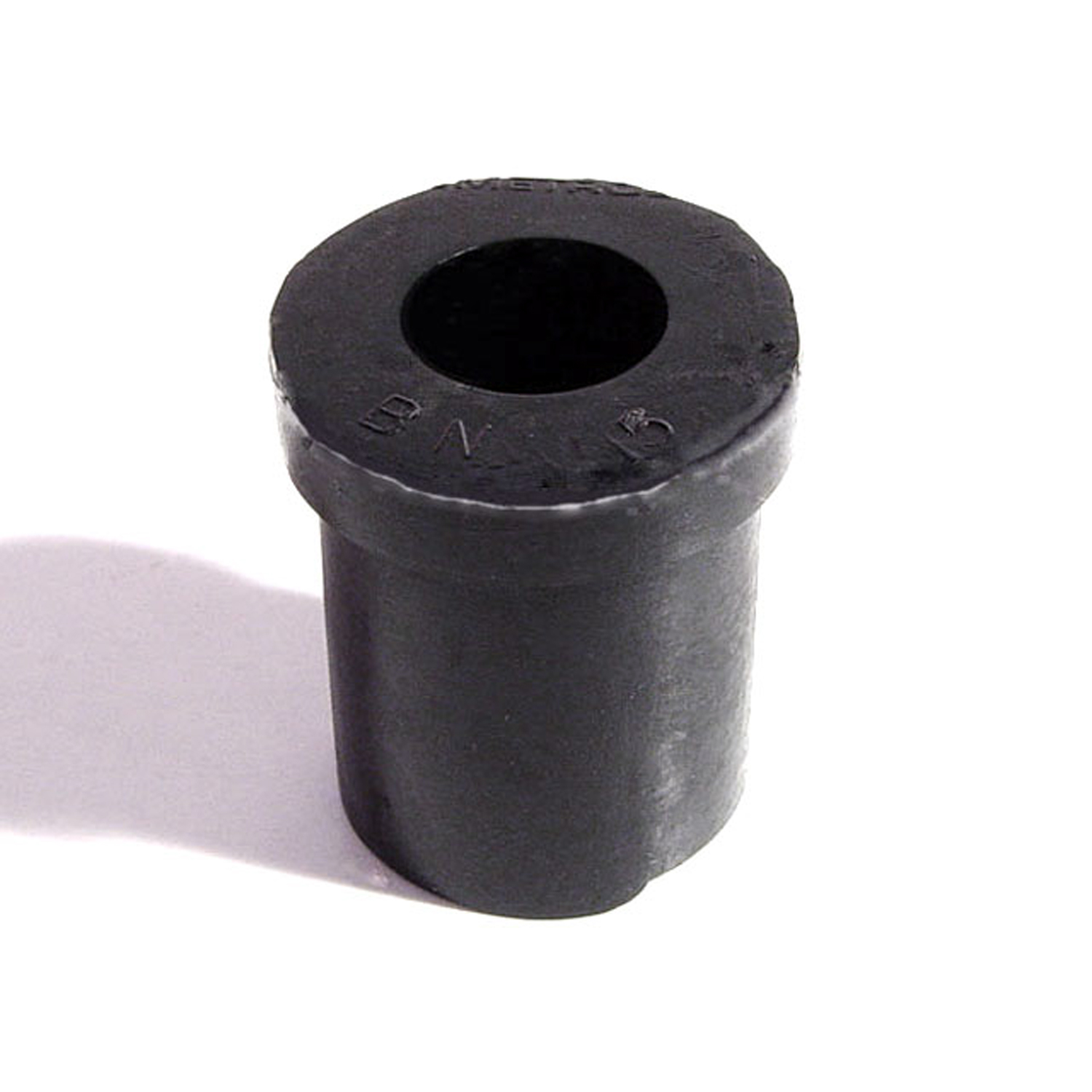 1947 Studebaker M16 Spring and Shackle Bushing. 7/8" bottom O.D-BN 15Spring and Shackle Bushing. 7/8" bottom O.D. X 1-1/8" high, with 1/2" I.D. Each
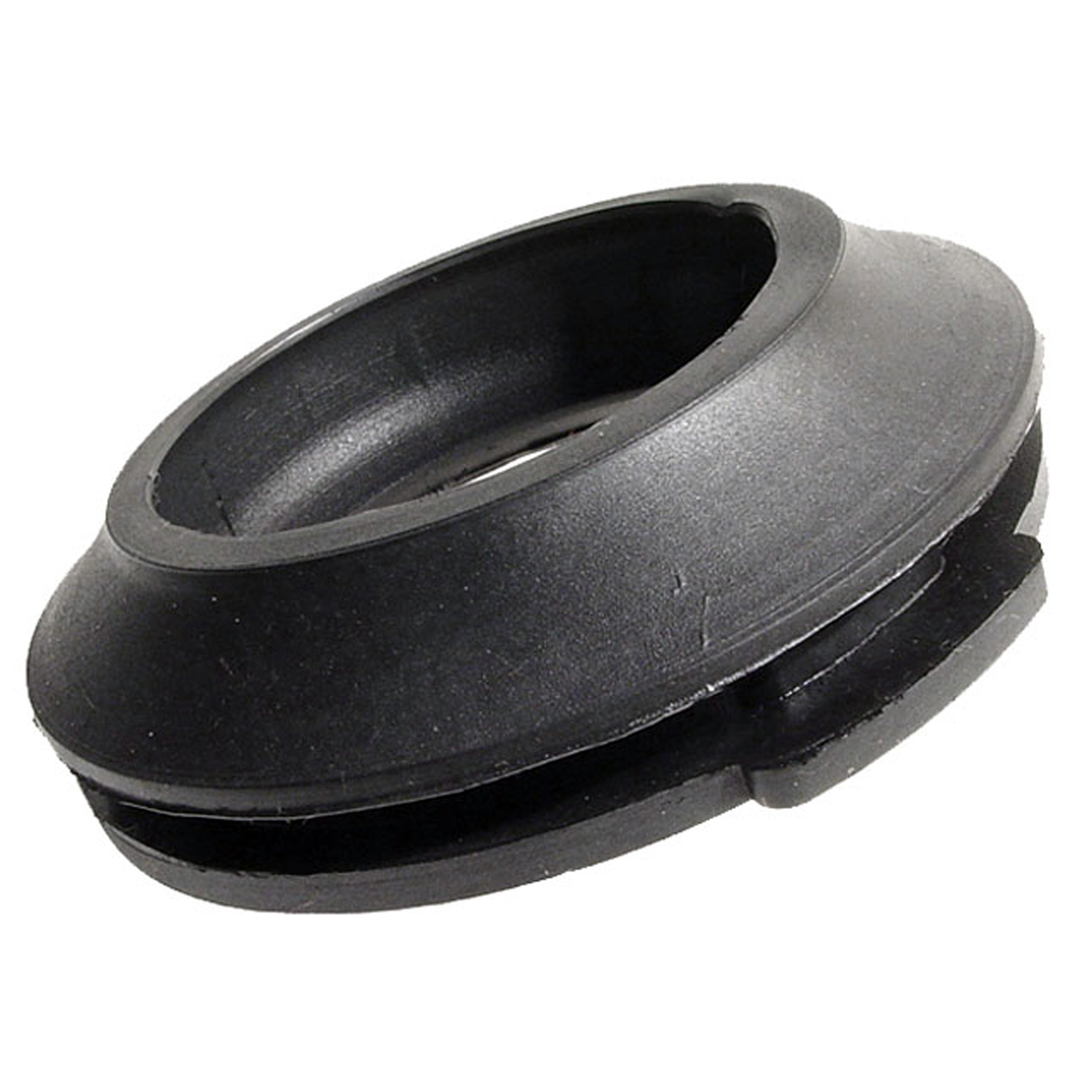 1947 Studebaker M16 Gas Filler Grommet. Perfect reproduction. Top 2-1/16" I.D-GF 45Gas Filler Grommet. Perfect reproduction. Top 2-1/16" I.D., 3-7/16" O.D. Each
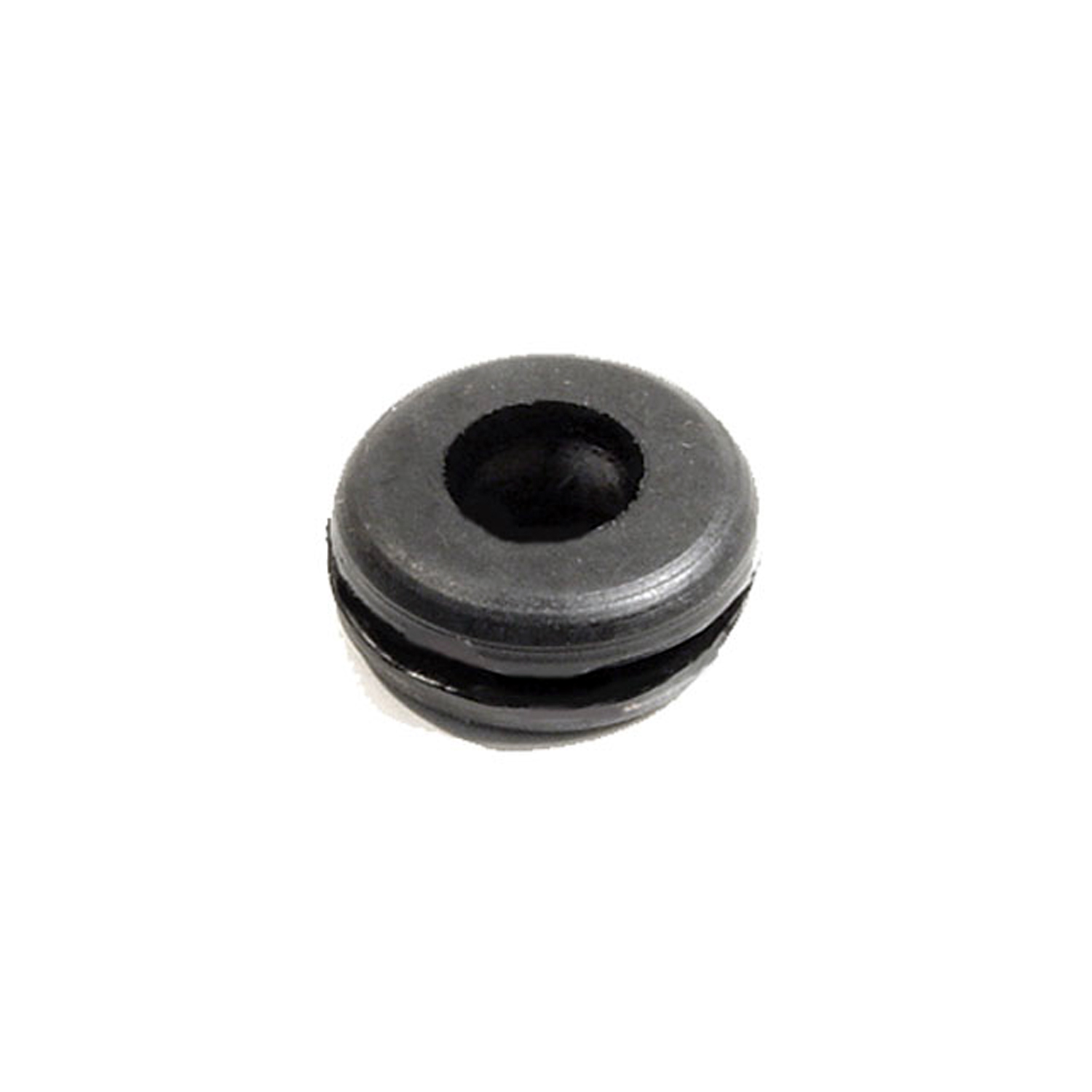 1947 Studebaker M16 Headlight & Tail-Light Wire Grommet. 3/8" I.D., 7/8" O.D-SM 13-AHeadlight & Tail-Light Wire Grommet. 3/8" I.D., 7/8" O.D. Each
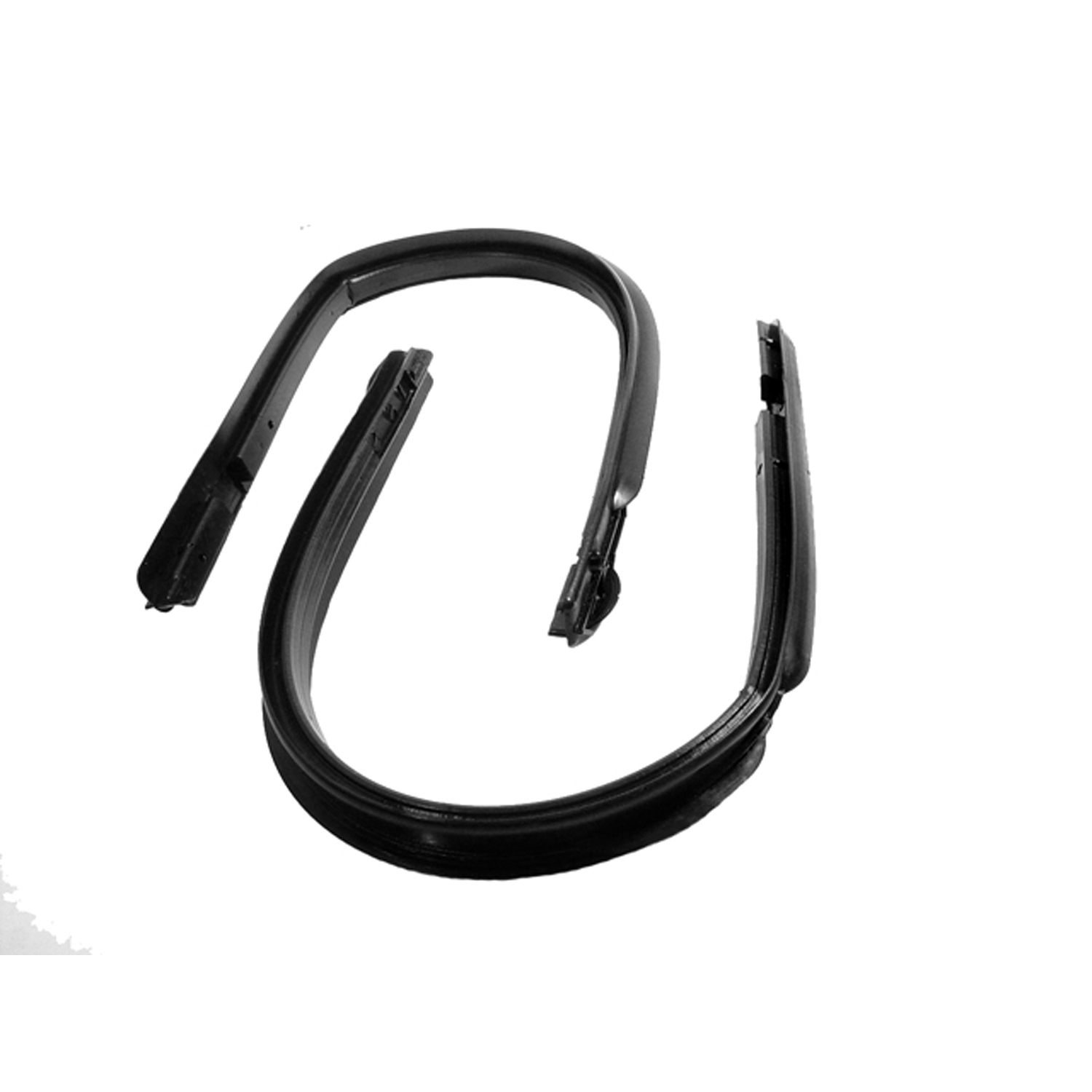 1947 Studebaker M16 Front Vent Window Seals. 28-7/8" long each. Pair R&L-WR 9401Front Vent Window Seals. 28-7/8" long each. Pair R&L
Why Choose Metro?
For over 100 years, Metro Moulded Parts has been the pinnacle of quality in classic car restoration parts. Our commitment to precision and authenticity in every component ensures a perfect fit and an OEM-level appearance.
- Expert Craftsmanship & Quality: Each part is a testament to our dedication to reliability and perfection, crafted from original designs and thoroughly tested.
- Advanced Technology: We use cutting-edge techniques to create flawless, long-lasting parts that surpass others in performance.
- SuperSoft Sponge – The Ultimate Door Seal: Not only are our door seals 30% softer than competitors', but they're also guaranteed to never leak. They effectively reduce wind and road noise, enhancing your classic car's comfort and driving experience.
- Proudly American: Our parts are a product of American craftsmanship, made in the USA with a spirit of excellence and heritage.
- Unrivaled Warranty: We back our products with a 30-year industry-leading warranty, a testament to our confidence in their quality.
Join us in preserving the legacy of classic cars with parts that are crafted for perfection, not just made.