

Image of 1947 Studebaker M17, Note: These illustrations use artistic license and may differ from actual historical models.
Performance Metrics
Fundamental Metrics
Emotional Appeal
MMP Rating
| Engine Specifications | |
|---|---|
| Engine Options: | Inline 6-cylinder engine |
| Displacement Range: | 226 cubic inches |
| Horsepower Range: | Estimated 94 horsepower |
| Torque: | Not available |
| Compression Ratio: | Not available |
| Ignition System: | Distributor and coil |
| Cooling System: | Liquid-cooled |
| Performance Specifications | |
| 0-60 Time: | Not available |
| 1/4 Mile Time: | Not available |
| Top Speed: | Estimated 70 mph |
| Transmission and Drive | |
| Drive Type: | Rear-wheel drive |
| Transmission Type: | 4-speed manual |
| Fuel and Efficiency | |
| Fuel System Type: | Carburetor |
| MPG: | Not available |
| Dimensions and Brakes | |
| Brakes: | Hydraulic drum brakes |
| Wheelbase: | 128 inches |
| Weight: | Estimated 3,400 lbs |
Note: Specifications for classic cars are given to the best of our ability, considering the limited and variant data available.
1947 Studebaker M17: A Heavy-Duty Postwar Workhorse
The 1947 Studebaker M17 was built for hauling, not posing. With its upright cab, rounded fenders, and substantial commercial chassis, it belonged to the hardworking end of Studebaker’s postwar truck range. Studebaker Corporation, headquartered in South Bend, Indiana, had been building vehicles since the nineteenth century, and its M-series trucks carried that manufacturing experience into the busy years after World War II.
The M17 was a medium-duty truck in the roughly two-ton class, sold primarily as a chassis-cab ready to accept a work body. That distinction matters: unlike the familiar half-ton pickup, an M17 might leave the dealer with a stake bed, dump body, box body, or specialized equipment fitted to suit its first owner. One appealing detail is that an M17’s original identity may be easier to spot in its chassis and model tags than in its body. Commercial bodies were often replaced or rebuilt during decades of hard use.
Studebaker’s Postwar Trucking Years
The M-series appeared before the war and remained in production into the late 1940s. In 1947, American businesses were restocking fleets and expanding to meet postwar demand. Studebaker’s established truck designs gave buyers a practical option while the company prepared its next generation of trucks, the 2R series, introduced for 1949.
The M17 was not a record-setting novelty or a celebrated luxury vehicle. Its historical value is more grounded: it represents the return to civilian commerce and the essential local work performed by trucks in that era. M17s and their siblings served contractors, farms, municipal departments, delivery businesses, and other operators who needed a sturdy platform more than fashionable extras.
Rounded Fenders and a Straightforward Cab
The M17 wears the confident, rounded styling typical of prewar and immediate postwar trucks. Its tall hood leads into a broad, upright grille, while bulbous front fenders frame the headlights and give the truck a substantial stance. The cab is simple and practical, with a broad windshield, relatively flat side glass, and doors shaped to provide useful access rather than dramatic flair. From the side, the long chassis and high-set cab make clear that this is a commercial vehicle built to carry a body and a load.
Inside, the M17 is all business. Expect a painted-metal dashboard, large, legible instruments, a broad bench seat, and controls laid out for a driver who may spend a full day behind the wheel. Upholstery and trim depended on specification and replacement history, but materials were utilitarian rather than luxurious. A surviving truck may have cloth or vinyl-like seat covering, though decades of work and restoration can make its current interior quite different from the factory original.
Color choices varied by year, market, and fleet order. Commercial trucks were commonly finished in practical solid colors, and red, green, dark blue, black, and cream are familiar choices among surviving examples. Many trucks were later repainted in a company’s colors, so a bright or unusual finish should not automatically be assumed to be factory-original. The M17 itself was generally a chassis for a separately supplied commercial body, not a standard consumer pickup with a single body configuration. Stake beds, flatbeds, enclosed delivery bodies, and dump bodies are among the styles an owner might encounter.
Simple Technology, Built to Be Serviced
Power came from Studebaker’s 226-cubic-inch L-head inline-six, commonly called the Big Six. In period specifications, output is generally listed at about 94 horsepower, with power delivered through a manual transmission, typically a four-speed in this heavier-duty application. Exact equipment could vary with configuration and production details, so surviving trucks should be checked by serial number and component markings.
The formula was conventional but sensible: a carbureted engine, manual steering, a sturdy frame, leaf-sprung axles, and mechanical systems that a working garage could understand. The M17 did not bring a revolutionary new technology to trucking. Its appeal was the combination of a proven six-cylinder engine, a robust commercial chassis, and body flexibility. That practicality helped define what operators expected from a medium-duty truck.
Road Manners and Real-World Performance
There are no dependable factory 0-to-60 mph figures for the M17, and such a number would not tell much about its intended job. With roughly 94 horsepower moving a heavy truck, its acceleration is leisurely by modern standards. As a broad, modern estimate, an unloaded truck in good mechanical condition might need well over 30 seconds to reach 60 mph, if its gearing, tires, and condition allow it to do so. With a load, the run would take longer, and many examples are better suited to keeping to moderate road speeds.
A reasonable estimated top-speed range is about 45 to 55 mph, though gearing, tire size, load, engine health, and the particular transmission can shift that considerably. The M17 feels most at home working steadily rather than rushing. Its engine produces the subdued, rhythmic clatter of a low-revving flathead six, while the transmission asks the driver to plan shifts and choose gears thoughtfully.
On rough roads, the leaf springs and heavy chassis are designed to cope with weight, but an unloaded M17 can feel firm and bouncy. Loaded, it settles into its work more naturally. The large steering wheel and manual steering require effort, especially at low speed or when parking. On winding roads, its size, solid axles, and truck tires call for measured inputs. The driving experience is direct and physical: the driver listens to the engine, feels the road through the chassis, and stays involved in every shift.
Living With an M17
Today, an M17 is most often a restoration project, show vehicle, parade truck, farm or property vehicle, or occasional-use classic. Its original strengths remain useful for light-duty hauling, but modern traffic, limited speed, and the demands of old brakes and tires make it a poor choice for routine highway commuting.
Mechanical work is generally approachable for an owner familiar with older vehicles. The engine and chassis use straightforward technology, and many repairs can be handled with ordinary tools and a workshop manual. The bigger challenge is often finding the right parts, especially model-specific trim, cab pieces, gauges, and components for an unusual commercial body. Before buying, inspect the frame, cab corners, floor, fenders, and body mounts for corrosion or poor repairs. Also check the condition of the cooling system, brakes, steering, and tires. A truck that has sat for years may need a full recommissioning even if the engine starts.
Rare Details and Common Complaints
There is no widely recognized celebrity-owned M17, headline speed record, or famous endurance achievement that defines the model. Its story is less about one celebrated truck than about thousands of working vehicles doing everyday jobs. M17-specific production totals are not consistently published, so an exact number would be misleading. A reasonable estimate is that several thousand were built, perhaps in the range of 5,000 to 10,000, but that should be treated as an informed approximation rather than a confirmed factory count.
Common criticisms are familiar to anyone considering a heavy prewar-style truck: slow acceleration, modest cruising speed, heavy steering, limited comfort, and the difficulty of sourcing some parts. Its wide, slow-moving character can feel out of place in fast modern traffic. Those drawbacks are part of why the M17 is appreciated more as a piece of working history than as a practical everyday vehicle.
Collector Value and Availability
M17s are less commonly encountered than Studebaker’s smaller pickups, and condition and body style have a major effect on value. As a broad U.S. market estimate for 2026, a project truck may sell for roughly $5,000 to $12,000. A running, usable example with a presentable body might bring about $15,000 to $30,000, while a carefully restored truck can reach approximately $30,000 to $55,000 or more. Exceptional restorations, desirable original equipment, or a distinctive period body can change the equation.
These are niche-market estimates, not guaranteed asking or selling prices. M17s appear less often than mainstream pickups, and buyers for large commercial classics are a smaller group. Values have generally been steady to gradually firmer for well-presented trucks, while rough projects remain sensitive to repair costs. Originality, documented history, sound structure, and a complete, correctly identified chassis are usually more important than shiny paint alone.
Why the Studebaker M17 Still Matters
The 1947 Studebaker M17 combines a distinctive rounded-cab look with the practical engineering of a genuine working truck. Its six-cylinder engine and heavy-duty chassis were designed for steady service, while its chassis-cab format let businesses tailor the truck to many different jobs. It was not fast, plush, or technologically radical, and that is precisely the point: the M17 represents the dependable commercial equipment that helped keep postwar communities moving.
For collectors, the M17 offers something different from the familiar pickup. It is a substantial, characterful Studebaker with room for a story in every body style and every old fleet marking. Restored or preserved, it stands as a reminder that some of the most important vehicles in automotive history were built not to make headlines, but to get the work done.
1947 Studebaker M17 Catalog of Parts
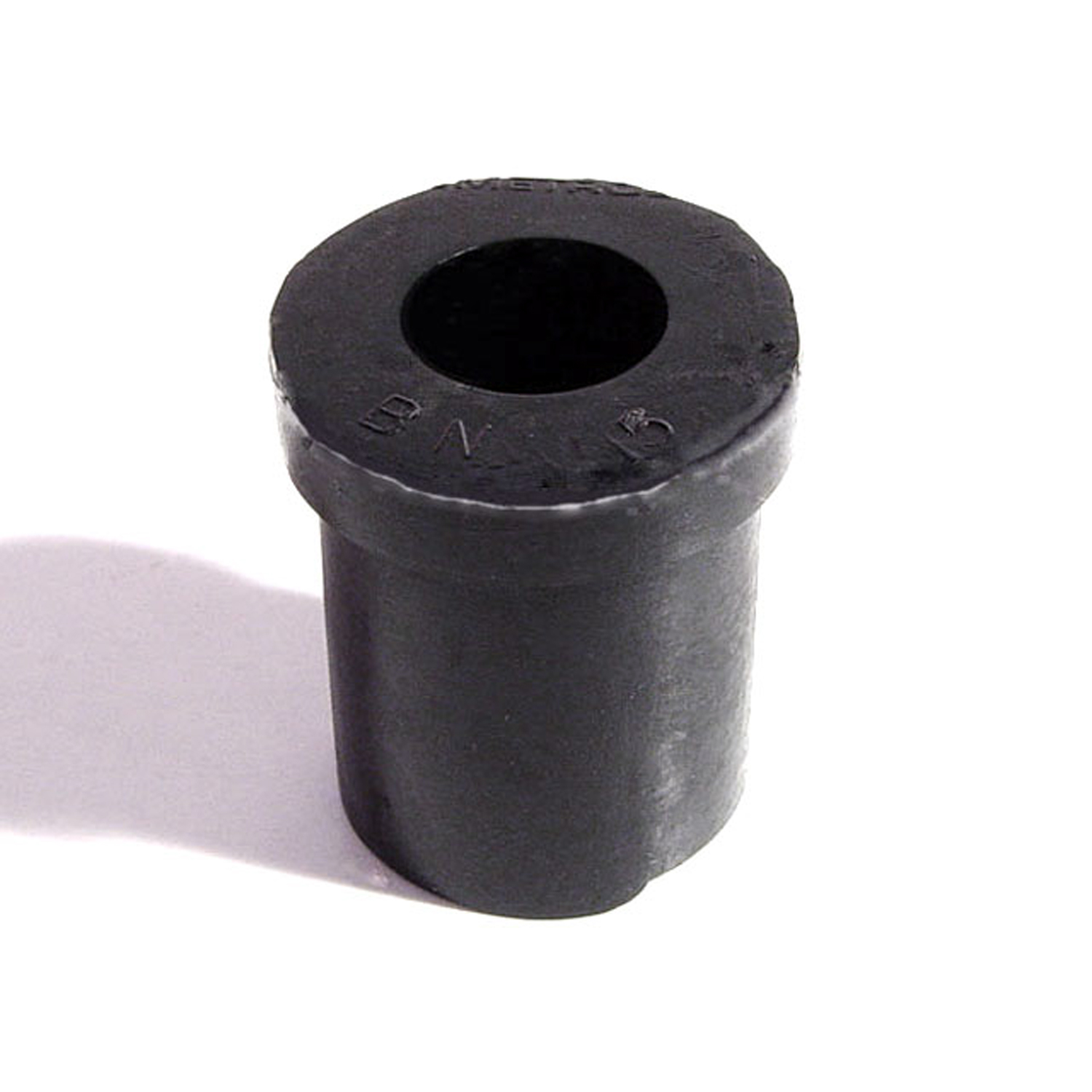 1947 Studebaker M17 Spring and Shackle Bushing. 7/8" bottom O.D-BN 15Spring and Shackle Bushing. 7/8" bottom O.D. X 1-1/8" high, with 1/2" I.D. Each
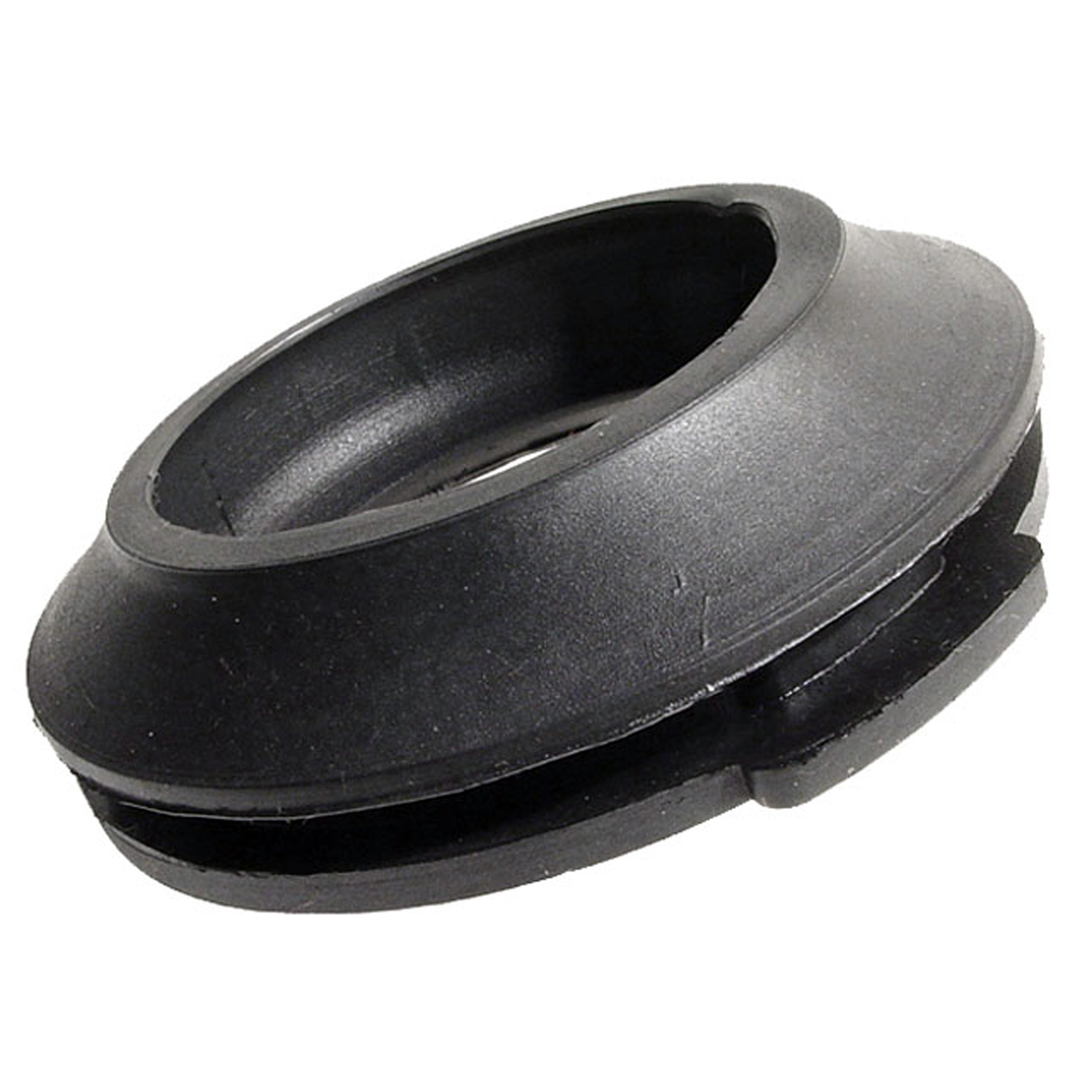 1947 Studebaker M17 Gas Filler Grommet. Perfect reproduction. Top 2-1/16" I.D-GF 45Gas Filler Grommet. Perfect reproduction. Top 2-1/16" I.D., 3-7/16" O.D. Each
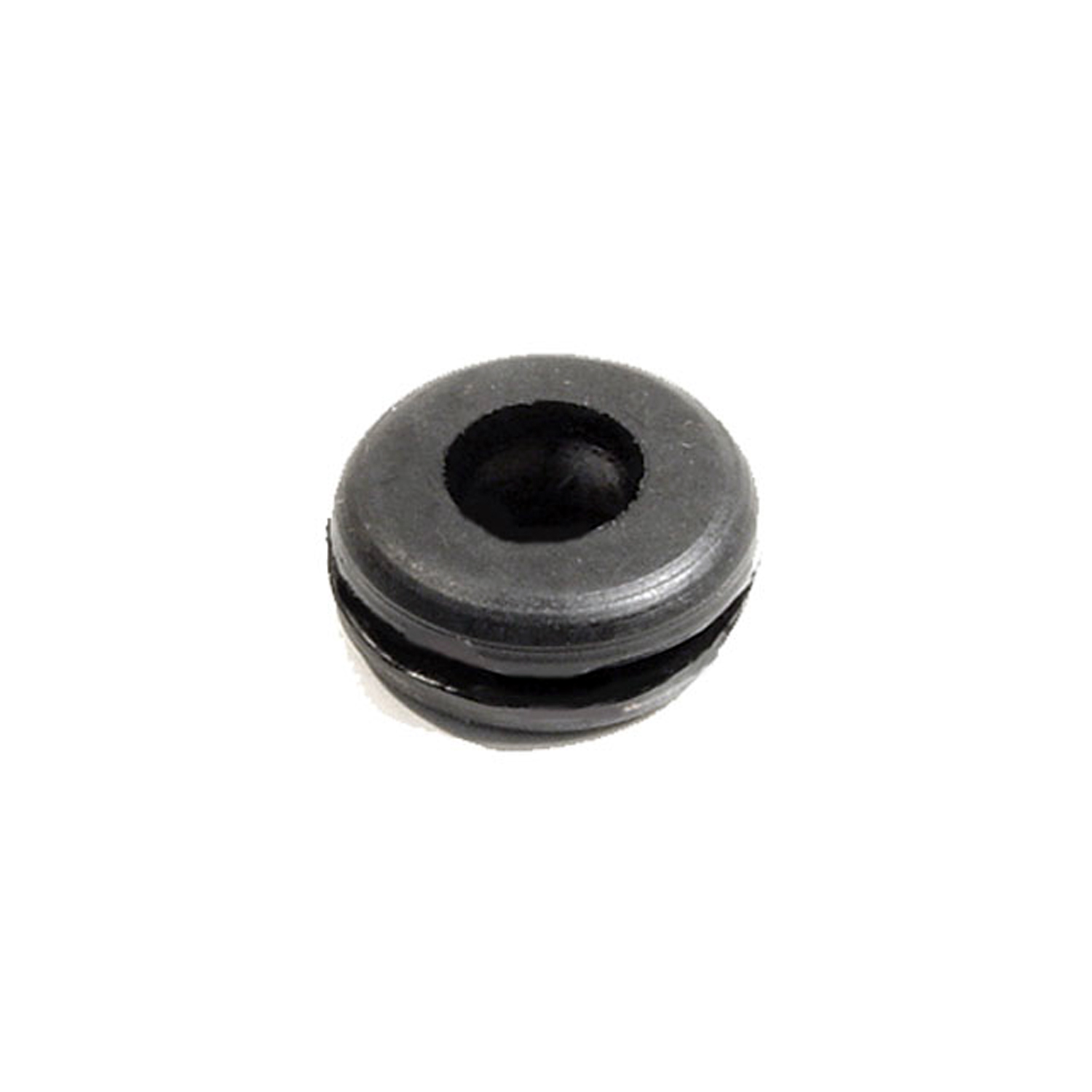 1947 Studebaker M17 Headlight & Tail-Light Wire Grommet. 3/8" I.D., 7/8" O.D-SM 13-AHeadlight & Tail-Light Wire Grommet. 3/8" I.D., 7/8" O.D. Each
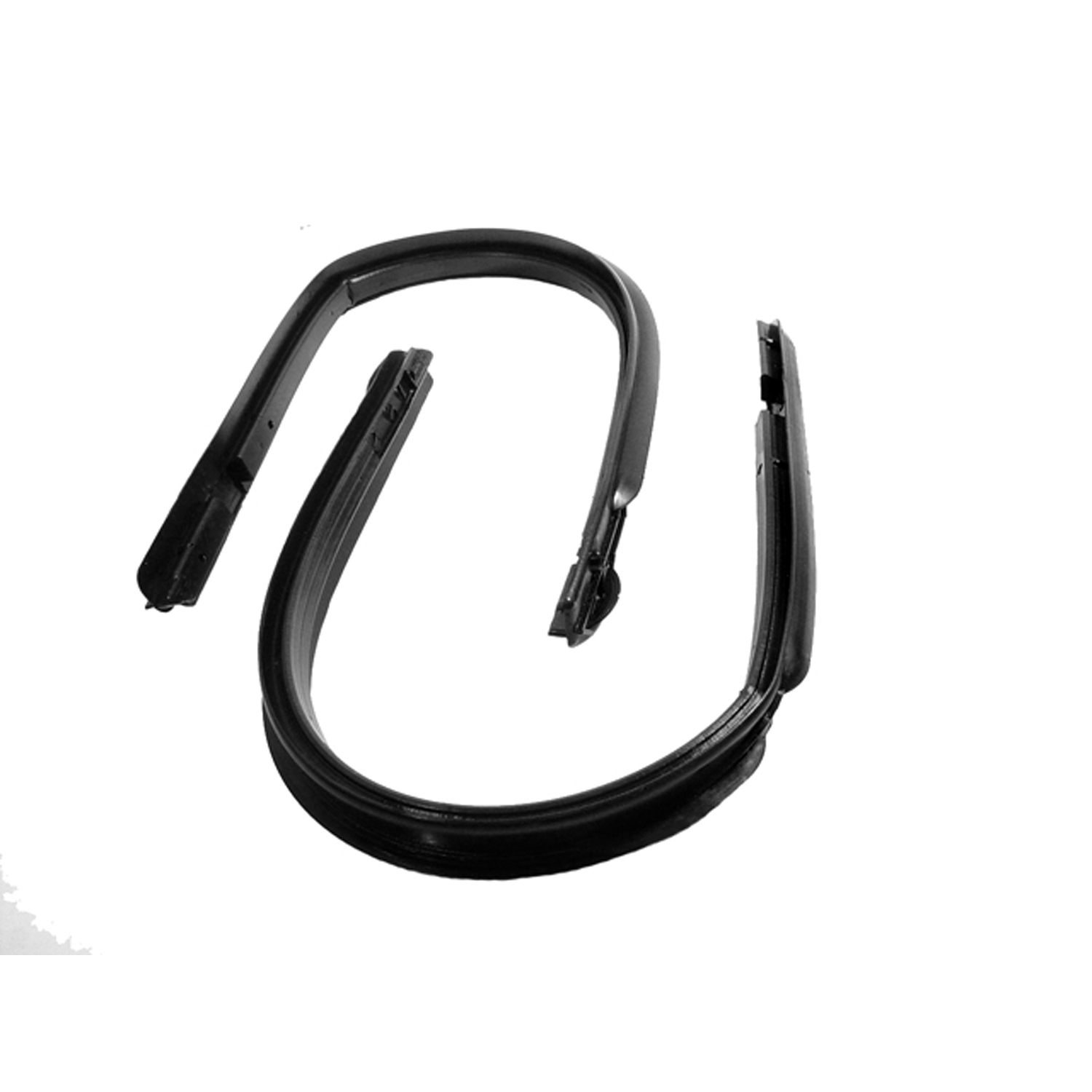 1947 Studebaker M17 Front Vent Window Seals. 28-7/8" long each. Pair R&L-WR 9401Front Vent Window Seals. 28-7/8" long each. Pair R&L
Why Choose Metro?
For over 100 years, Metro Moulded Parts has been the pinnacle of quality in classic car restoration parts. Our commitment to precision and authenticity in every component ensures a perfect fit and an OEM-level appearance.
- Expert Craftsmanship & Quality: Each part is a testament to our dedication to reliability and perfection, crafted from original designs and thoroughly tested.
- Advanced Technology: We use cutting-edge techniques to create flawless, long-lasting parts that surpass others in performance.
- SuperSoft Sponge – The Ultimate Door Seal: Not only are our door seals 30% softer than competitors', but they're also guaranteed to never leak. They effectively reduce wind and road noise, enhancing your classic car's comfort and driving experience.
- Proudly American: Our parts are a product of American craftsmanship, made in the USA with a spirit of excellence and heritage.
- Unrivaled Warranty: We back our products with a 30-year industry-leading warranty, a testament to our confidence in their quality.
Join us in preserving the legacy of classic cars with parts that are crafted for perfection, not just made.