

Image of 1947 Studebaker M5, Note: These illustrations use artistic license and may differ from actual historical models.
Performance Metrics
Fundamental Metrics
Emotional Appeal
MMP Rating
| Engine Specifications | |
|---|---|
| Engine: | Inline 6-cylinder |
| Displacement: | 170 cubic inches |
| Horsepower: | Estimated 80-90 HP |
| Torque: | 150 lb-ft |
| Compression Ratio: | Estimated 6.5:1 |
| Ignition System: | Distributor and coil |
| Cooling System: | Liquid-cooled |
| Performance Specifications | |
| 0-60 Time: | Information not available |
| 1/4 Mile Time: | Information not available |
| Top Speed: | 70 mph |
| Transmission and Drive | |
| Drive Type: | Rear-wheel drive |
| Transmission Type: | 3-speed manual |
| Fuel and Efficiency | |
| Fuel System Type: | Carburetor |
| MPG: | Estimated 15-20 MPG |
| Dimensions and Brakes | |
| Brakes: | Drum brakes |
| Wheelbase: | 112 inches |
| Weight: | 3,200 lbs |
Note: Specifications for classic cars are given to the best of our ability, considering the limited and variant data available.
1947 Studebaker M5: A Postwar Pickup with Prewar Roots
The 1947 Studebaker M5 earned its keep with a modest six-cylinder engine, sturdy half-ton chassis, and styling that stood out from the workaday pickups of its era. Built by the South Bend, Indiana, automaker Studebaker, the M5 was part of the company’s M-series truck line, a design introduced just before the United States entered World War II and continued into the postwar years.
That timing gives the M5 an interesting place in automotive history. Wartime production had paused civilian truck manufacturing, so when factories returned to peacetime work, buyers were eager for new vehicles. Studebaker answered with a truck that looked familiar to prewar customers but felt fresh in the expanding postwar market. One notable detail: the M5 used a version of the Champion six-cylinder engine, linking this practical pickup to Studebaker’s popular passenger cars.
M5 Styling: Rounded Fenders and a Bold Grille
The M5’s styling is unmistakably early 1940s Studebaker. Its broad hood flows into rounded front fenders, while the upright grille gives the nose a tall, purposeful look. Separate running boards sit between the fenders, and the cab has a gently curved roof and broad windshield. The result is less slab-sided than many later pickups, with a flowing shape that makes the truck feel almost sculpted.
Inside, the M5 is all business. The cab centers on a simple painted-metal dashboard, large, easy-to-read gauges, and straightforward controls. A wide bench seat provides room for a driver and passenger, with upholstery materials varying by trim and replacement history. Cloth or durable leatherette-style coverings were typical for utilitarian vehicles of the period. Compared with a modern truck, there is little sound insulation or convenience equipment, but the uncluttered layout is easy to understand and service.
Technology was practical rather than showy. The M5 had a conventional ladder-type frame, hydraulic brakes, and a three-speed manual transmission. Its six-volt electrical system and mechanical controls reflect the standards of the time. There were no electronic driving aids or power accessories to complicate ownership, which is part of the truck’s appeal to hands-on enthusiasts.
Factory paint choices varied, and original color information can depend on the truck’s build details. Period-appropriate examples are often seen in restrained shades such as dark green, blue, gray, black, and red. Today, restored trucks also appear in brighter custom colors, though a well-documented original finish can be especially appealing to collectors.
Body Styles and M5 Configurations
The classic M5 is the half-ton pickup, and that is the version most people picture today: a regular cab paired with an open cargo bed. Commercial chassis and special-purpose bodies were also part of the broader Studebaker truck world, with availability depending on configuration, market, and body builder. The pickup remains the most recognizable and commonly sought-after M5 form.
Options and equipment were modest by modern standards. Buyers could specify work-focused details and different rear-axle or equipment combinations, while many trucks were ordered as basic tools rather than personalized vehicles. That simplicity is a big reason surviving examples can differ in small details.
Why the Studebaker M5 Matters
The M5 was not a radical technical breakthrough, and that is not what makes it significant. It represents the transition from prewar American truck design to the enormous postwar boom in personal and commercial vehicles. Its rounded fenders, distinctive front end, and car-influenced styling gave it more visual character than a purely functional box on wheels.
Studebaker also occupied a distinctive position among American manufacturers. It was an independent company competing with much larger rivals, and its trucks helped serve farms, small businesses, tradespeople, and local fleets. The M5’s blend of familiar mechanicals and individual styling reflected the company’s effort to offer something practical without looking generic. Its lasting influence is less about a specific innovation than about preserving a recognizable, transitional style from a short but important period in truck design.
Engine, Speed, and Road Manners
Most 1947 M5 pickups were powered by Studebaker’s 169.6-cubic-inch inline-six, commonly rated at about 80 horsepower. Power went to the rear wheels through a three-speed manual transmission. Exact specifications can vary with engine and equipment, and many surviving trucks have been rebuilt or modified over the decades.
Period performance figures are not as consistently documented as those for passenger cars, so modern estimates should be treated as estimates, not factory test results. A sound, lightly loaded M5 might reach roughly 60 to 65 mph, with higher speeds possible under favorable conditions. Getting from 0 to 60 mph could take around 25 to 30 seconds, or longer with a load, worn components, or steep grades. This is a working pickup, not a stoplight sprinter.
On the road, the M5 rewards a steady pace. Its ladder frame and leaf-spring suspension are built to carry cargo, so an empty truck can feel firm over sharp bumps and may hop or sway on rough pavement. A load in the bed can settle the ride, though it also asks more of the brakes and modest six-cylinder engine. On winding roads, expect slow steering response and a wide, upright driving position rather than modern-car precision.
The driving experience is wonderfully mechanical. The six-cylinder produces a low, even rumble, while the manual gearbox and unassisted steering keep the driver involved in every maneuver. Shifting, braking, and turning all require more deliberate effort than in a contemporary vehicle. The M5 feels most at home on rural roads, at local shows, or carrying a modest load at a relaxed speed.
Living with a 1947 M5
Today, M5s are most often used as show trucks, weekend cruisers, parade vehicles, or carefully maintained farm and shop trucks. Some owners drive them regularly, but modern traffic can be a challenge. The truck lacks contemporary crash protection, high-speed braking, and the effortless acceleration needed to keep pace on busy highways.
Maintenance is generally approachable for an owner with basic mechanical skills. The engine, manual transmission, brakes, and chassis use conventional components that a vintage-truck mechanic can understand without specialized electronic tools. The biggest ownership concerns are often age-related rather than mysterious: rust, worn wiring, tired brakes, leaks, and hard-to-find trim or body parts. Before buying, inspect the frame, cab corners, floor, bed, and fender areas carefully. A truck that looks complete can still need substantial metalwork.
Parts support is helped by Studebaker clubs, specialist suppliers, and the wider community of vintage-truck owners. Mechanical repairs are often more straightforward than sourcing correct original trim. As with many old pickups, a well-sorted driver can be more satisfying than a costly restoration that leaves the truck too precious to use.
M5 Trivia and Common Criticisms
The M5’s Champion-derived six is a neat example of parts sharing in the postwar era: Studebaker could build on a familiar engine family rather than engineer an entirely separate powerplant for every vehicle. It also gives the truck a distinctive connection to the company’s better-known passenger cars.
No widely recognized speed or endurance record is associated with the 1947 M5, and the model is not especially known for celebrity ownership. Its historical importance is more everyday than headline-making. These trucks served ordinary businesses and farms, which is precisely why they are meaningful snapshots of postwar American life.
Common criticisms are easy to understand. The engine is modest by modern standards, the ride can be choppy when the bed is empty, and original parts may take time to locate. The cab is also basic, with limited comfort and few conveniences. Those drawbacks are part of the truck’s character, but they matter if you expect it to behave like a modern daily driver.
Collector Values and Availability
There is no single definitive production figure for 1947 M5 pickups in commonly available records. A reasonable working estimate is roughly 15,000 to 25,000 built for the 1947 model year, but that range should be treated as an informed estimate rather than an audited total. Many were used hard, modified, or scrapped, so surviving examples are much less common than their original numbers suggest.
In the current U.S. collector market, a project truck might sell for about $5,000 to $10,000, depending on completeness and rust. A running, presentable driver often falls around $15,000 to $25,000. A professionally restored example can bring roughly $30,000 to $50,000, with exceptional condition, originality, provenance, and regional demand influencing the final price. These are broad guide ranges, not guaranteed sale prices.
Values have generally benefited from the wider appreciation of vintage pickups, especially trucks with distinctive prewar and postwar styling. The M5 is not as universally sought after as certain mass-market models, so its prices can be more sensitive to condition and buyer interest. Clean, correctly restored examples should remain desirable, while rough projects may see slower price growth because restoration costs can quickly exceed the finished truck’s value.
A Studebaker Built to Work and Be Remembered
The 1947 Studebaker M5 combines honest working-truck engineering with styling that gives it real personality. Its Champion six, simple manual controls, and sturdy half-ton layout make it a hands-on classic, while its rounded cab and bold grille set it apart from more anonymous pickups. It may not be fast or plush, but the M5 captures a moment when American industry was returning to civilian life and a practical truck could still turn heads.
For collectors, the M5 is more than an old pickup. It is a distinctive survivor from Studebaker’s independent era, ready to tell its story one steady mile at a time.
1947 Studebaker M5 Catalog of Parts
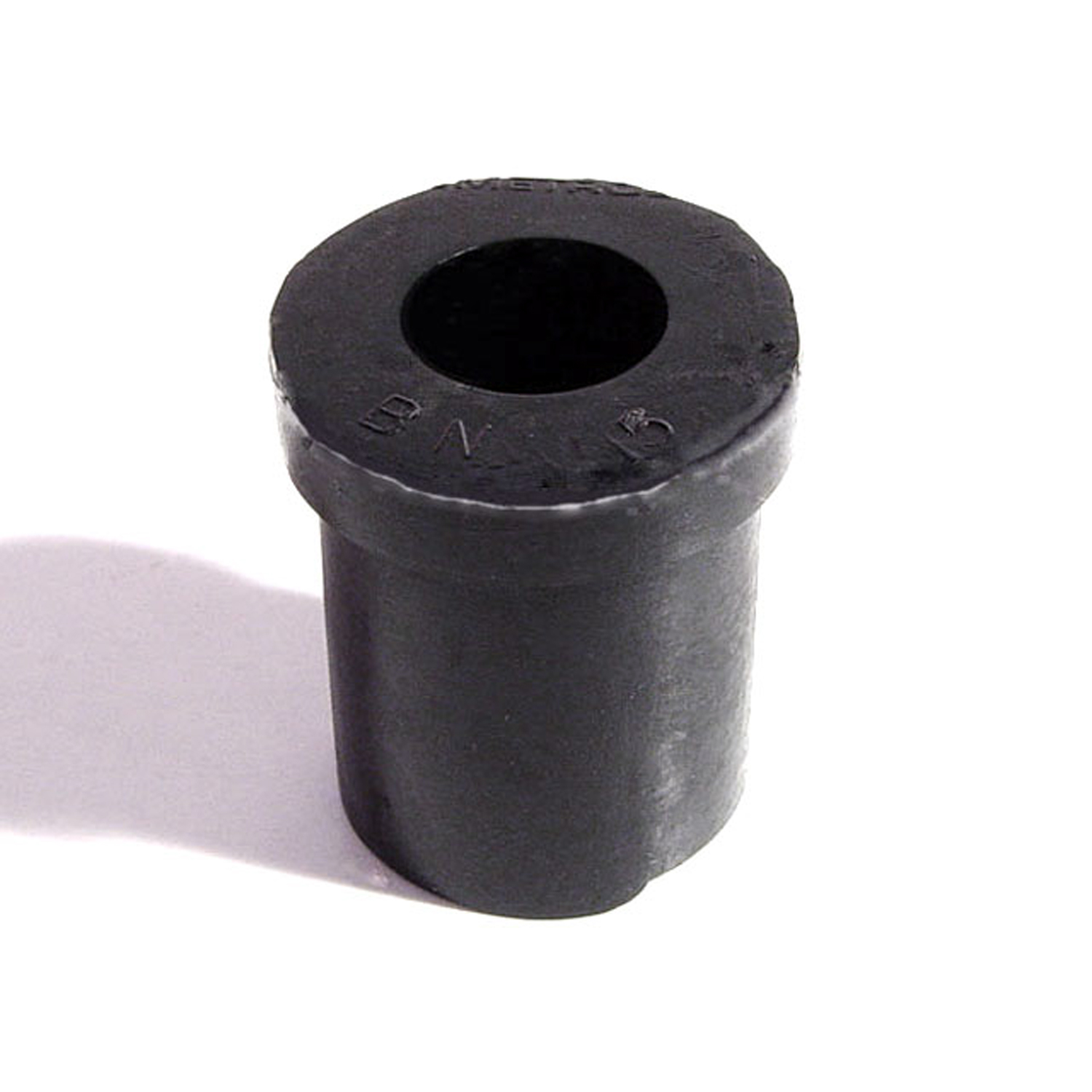 1947 Studebaker M5 Spring and Shackle Bushing. 7/8" bottom O.D-BN 15Spring and Shackle Bushing. 7/8" bottom O.D. X 1-1/8" high, with 1/2" I.D. Each
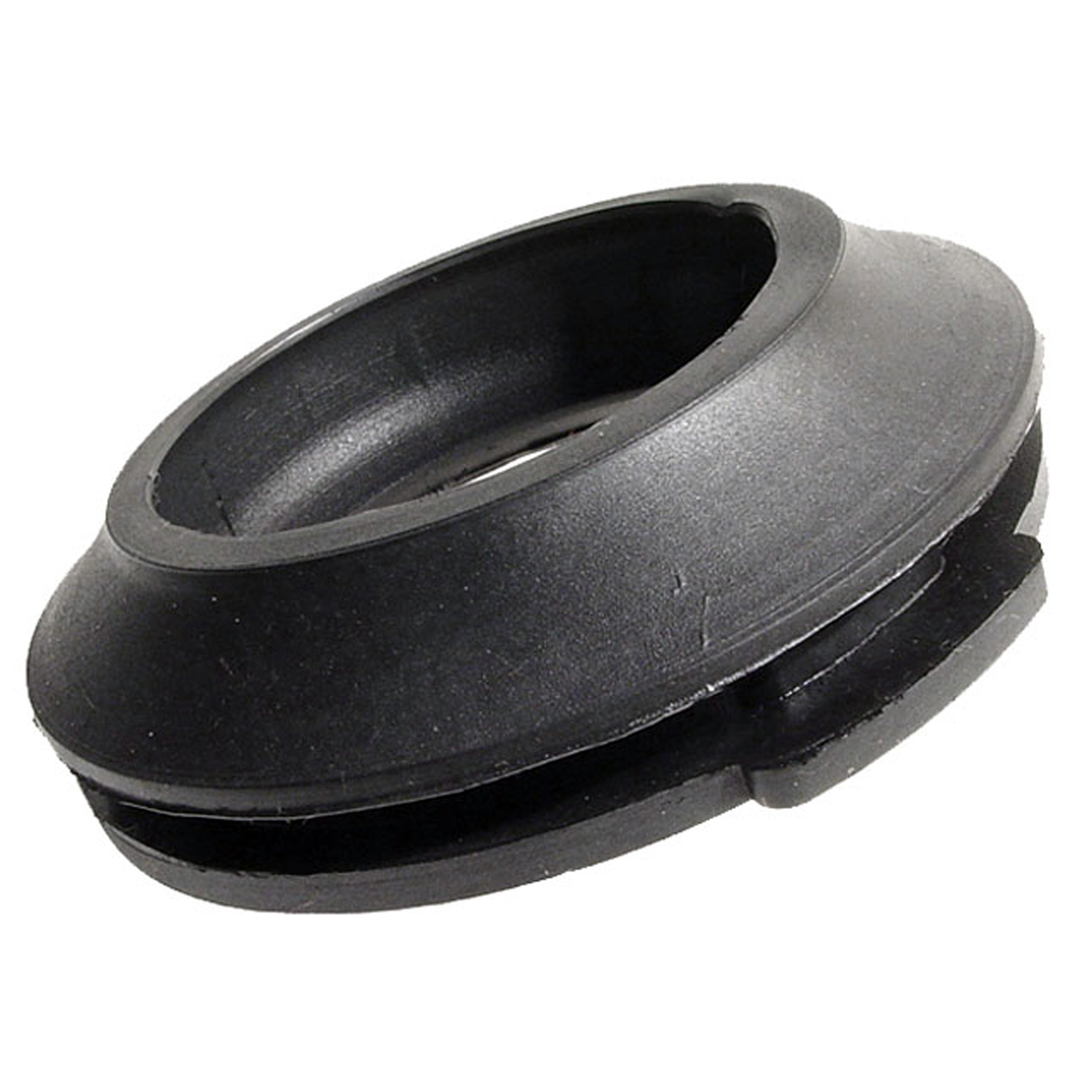 1947 Studebaker M5 Gas Filler Grommet. Perfect reproduction. Top 2-1/16" I.D-GF 45Gas Filler Grommet. Perfect reproduction. Top 2-1/16" I.D., 3-7/16" O.D. Each
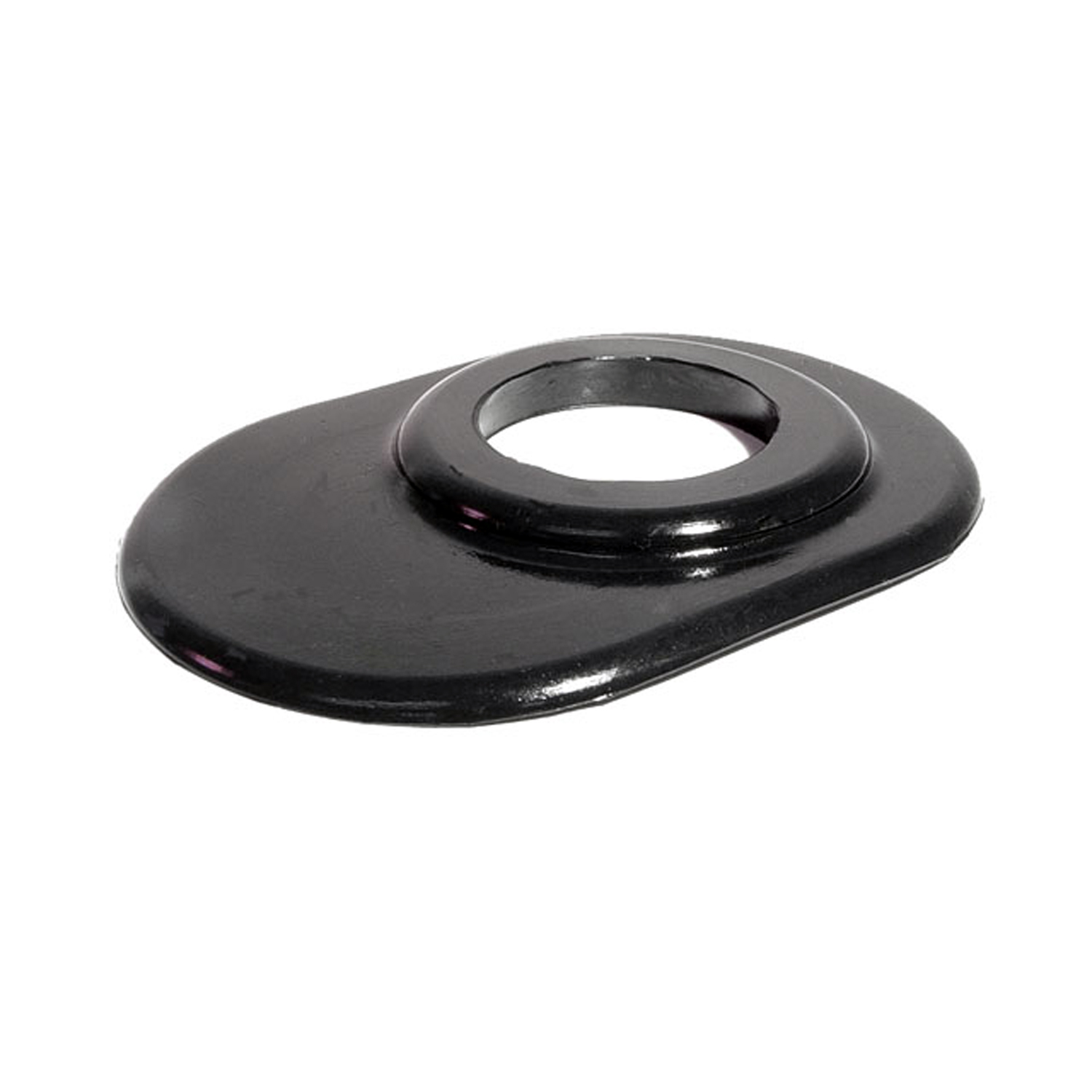 1947 Studebaker M5 Steering Column Grommet. For 4-speed models. Each-SC 24Steering Column Grommet. For 4-speed models. Each
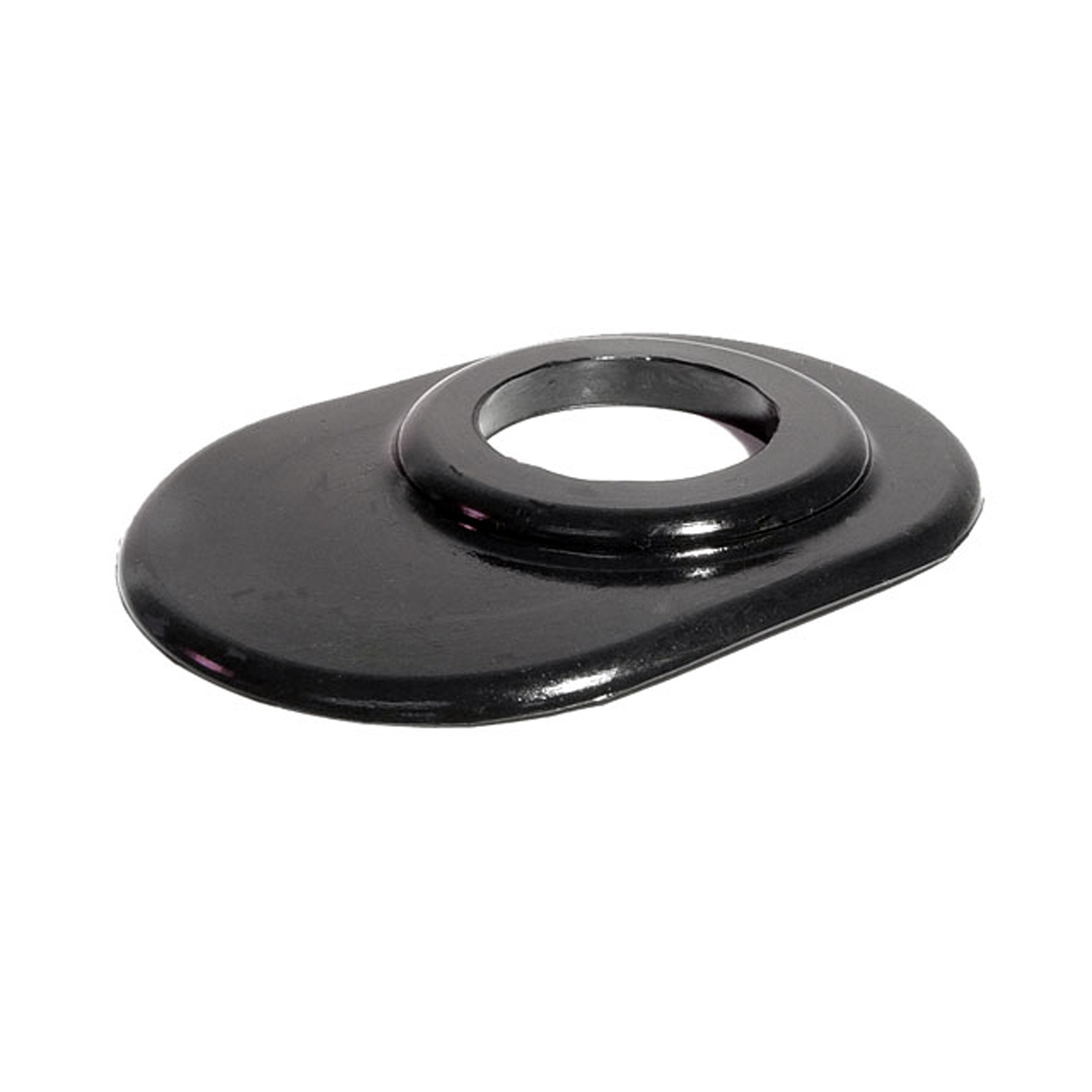 1947 Studebaker M5 Steering Column Grommet. For 3-speed models. Each-SC 24-ASteering Column Grommet. For 3-speed models. Each
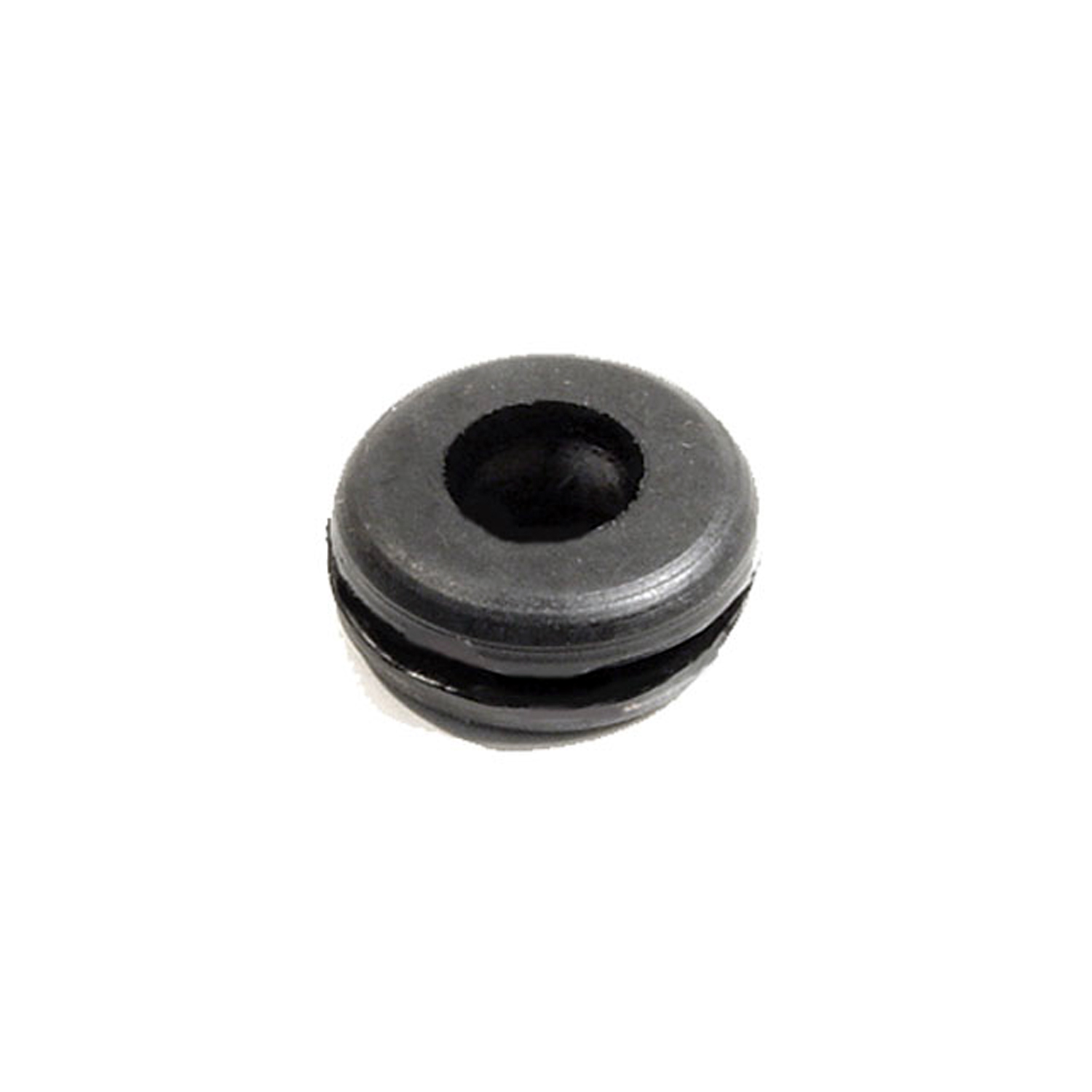 1947 Studebaker M5 Headlight & Tail-Light Wire Grommet. 3/8" I.D., 7/8" O.D-SM 13-AHeadlight & Tail-Light Wire Grommet. 3/8" I.D., 7/8" O.D. Each
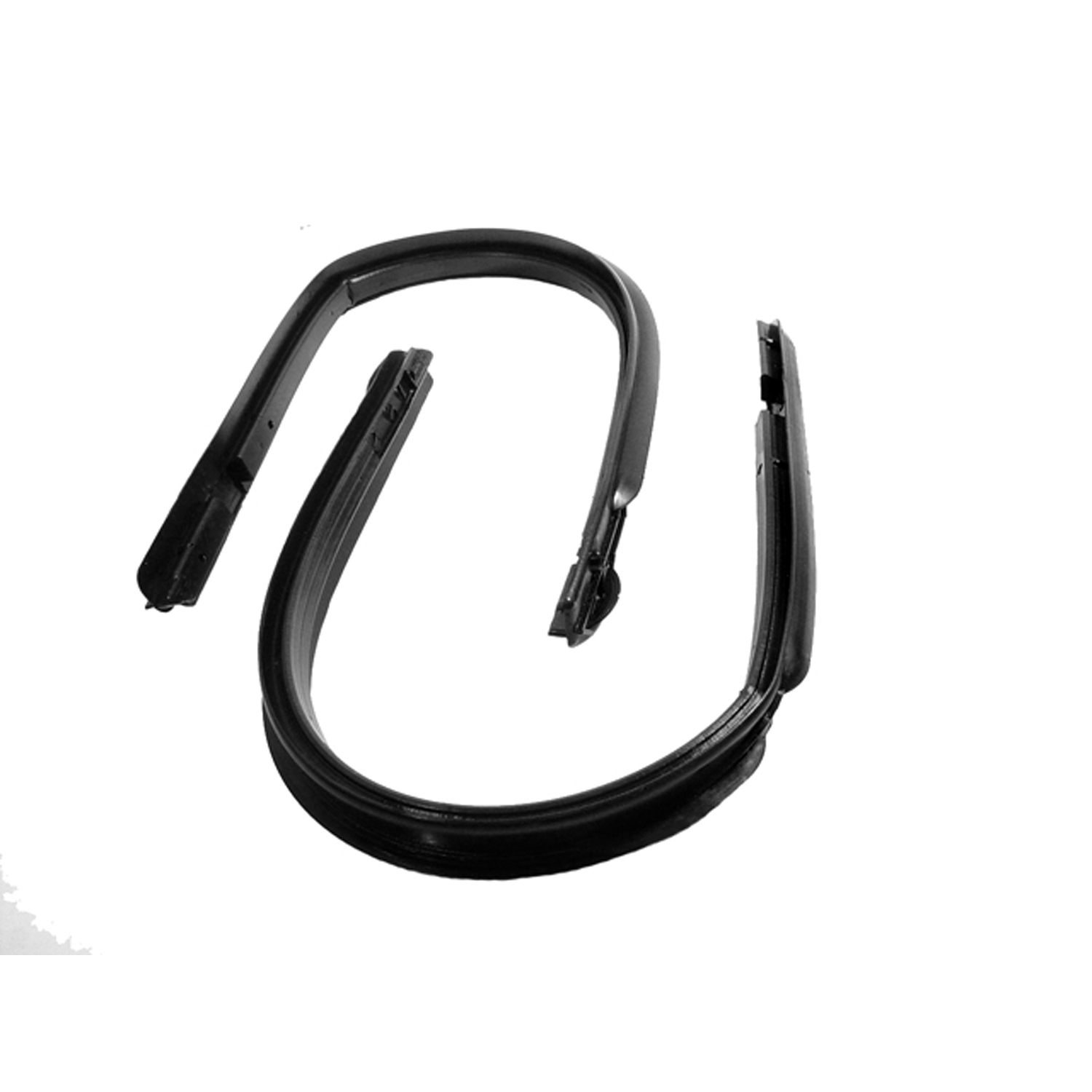 1947 Studebaker M5 Front Vent Window Seals. 28-7/8" long each. Pair R&L-WR 9401Front Vent Window Seals. 28-7/8" long each. Pair R&L
Why Choose Metro?
For over 100 years, Metro Moulded Parts has been the pinnacle of quality in classic car restoration parts. Our commitment to precision and authenticity in every component ensures a perfect fit and an OEM-level appearance.
- Expert Craftsmanship & Quality: Each part is a testament to our dedication to reliability and perfection, crafted from original designs and thoroughly tested.
- Advanced Technology: We use cutting-edge techniques to create flawless, long-lasting parts that surpass others in performance.
- SuperSoft Sponge – The Ultimate Door Seal: Not only are our door seals 30% softer than competitors', but they're also guaranteed to never leak. They effectively reduce wind and road noise, enhancing your classic car's comfort and driving experience.
- Proudly American: Our parts are a product of American craftsmanship, made in the USA with a spirit of excellence and heritage.
- Unrivaled Warranty: We back our products with a 30-year industry-leading warranty, a testament to our confidence in their quality.
Join us in preserving the legacy of classic cars with parts that are crafted for perfection, not just made.