

Image of 1948 Studebaker Commander, Note: These illustrations use artistic license and may differ from actual historical models.
Performance Metrics
Fundamental Metrics
Emotional Appeal
MMP Rating
| Engine Specifications | |
|---|---|
| Engine: | Inline 6 |
| Displacement: | 226 cubic inches |
| Horsepower: | Estimated 94 hp |
| Torque: | 176 lb-ft |
| Compression Ratio: | Estimated 6.5:1 |
| Ignition System: | Distributor and coil |
| Cooling System: | Liquid-cooled |
| Performance Specifications | |
| 0-60 Time: | Information not available |
| 1/4 Mile Time: | Information not available |
| Top Speed: | 80 mph |
| Transmission and Drive | |
| Drive Type: | Rear-wheel drive |
| Transmission Type: | 3-speed manual with optional overdrive |
| Fuel and Efficiency | |
| Fuel System Type: | Carburetor |
| MPG: | Information not available |
| Dimensions and Brakes | |
| Brakes: | Drum brakes |
| Wheelbase: | 119 inches |
| Weight: | 3,200 lbs |
Note: Specifications for classic cars are given to the best of our ability, considering the limited and variant data available.
1948 Studebaker Commander: A Postwar Classic With a View
The 1948 Studebaker Commander looked less like a carryover from the prewar years and more like a car from the future. Built by the Studebaker Corporation of South Bend, Indiana, it belonged to the company’s boldly redesigned postwar range, introduced for the 1947 model year. Its low, streamlined body and distinctive Starlight coupe made it one of the most recognizable American cars of its era.
Studebaker had a long history of building wagons and automobiles, but the company’s postwar styling helped it stand out in a market where many rivals were still selling lightly updated prewar designs. The Commander sat above the smaller Champion in Studebaker’s lineup and offered a roomier cabin and more powerful six-cylinder engine. One detail still grabs attention today: the Starlight coupe’s broad rear window, divided into sections by slim vertical pillars, gave passengers an unusually wide view of the road behind.
Low Lines and the Famous Starlight Window
The Commander’s shape was sleek for 1948. Its nose sat low, the front fenders flowed into the body rather than appearing as separate bulbous forms, and the long hood led into a rounded roofline and gently sloping rear. The result was a streamlined silhouette that looked modern beside many high-sided competitors. The design is often associated with Studebaker’s styling chief Raymond Loewy, whose team helped give the company’s postwar cars their distinctive profile.
The Starlight coupe is the design’s signature. Its rear window wraps around the back of the cabin in several glass sections, framed by narrow pillars. From the outside, the arrangement gives the coupe a panoramic, almost observatory-like appearance. Inside, it provides a bright cabin and a much better view to the rear than the small backlights common on many cars of the period.
Other Commander body styles included two-door and four-door sedans, a convertible, and the upscale Land Cruiser four-door sedan. The Land Cruiser emphasized passenger space and comfort, while the convertible added open-air appeal. For many collectors, however, the Starlight coupe remains the most iconic version because its glass treatment is so closely tied to the 1947-48 Studebaker look.
Interiors were appropriately substantial for a mid-priced American car of the late 1940s. Depending on trim and equipment, buyers could find cloth upholstery, broad bench seats, patterned door panels, painted or polished interior trim, and a large, legible dashboard. Materials and finish varied by model and condition, but a well-kept Commander feels roomy and thoughtfully laid out rather than spartan.
Factory paint choices varied by body style, trim, and production details. Period palettes included restrained dark shades as well as lighter and brighter colors, with two-tone combinations available on some configurations. Deep green, maroon, blue, black, and cream-toned finishes all suit the car’s lines particularly well. Original paint and upholstery information is best confirmed against the car’s data plate and period literature, since restorations and later repainting can make a car’s current color misleading.
Practical Engineering for a New Era
The Commander paired its fresh styling with conventional, serviceable mechanicals. Its engine was a 226.2-cubic-inch L-head inline six, rated at about 94 horsepower. Power went to the rear wheels through a three-speed manual transmission. Buyers could also specify options such as overdrive, which reduced engine speed during steady highway cruising, and Studebaker’s Hill-Holder system, designed to help keep the car from rolling backward when starting on an incline.
Its chassis used independent front suspension with coil springs and a solid rear axle supported by leaf springs. Hydraulic drum brakes handled stopping duties. By modern standards, the equipment is simple, but it was familiar technology for repair shops and owners in the postwar period. The Commander’s engineering priority was not radical mechanical experimentation. It was to combine a fresh-looking body with proven components that could handle everyday use.
A Design That Made Studebaker Stand Apart
The 1948 Commander’s importance comes largely from its timing and appearance. Studebaker was among the first American manufacturers to bring a genuinely new postwar passenger-car design to market. While some competitors continued building versions of their prewar cars, Studebaker offered a low, integrated shape that suggested a more streamlined future.
The Starlight coupe made that difference especially obvious. Its expansive rear glass was more than a styling flourish: it changed the way the back of a coupe could look and feel. The car’s front-end treatment, low hood, and smoothly connected fenders also helped move American design away from the separate-fender forms of the 1930s and early 1940s.
The Commander did not single-handedly dictate the direction of American car design, and its basic layout remained conventional. Its lasting influence is better understood as part of Studebaker’s contribution to the postwar design shift. The company showed that a smaller independent manufacturer could still take a striking visual risk and produce a car that looked contemporary without waiting for the Detroit giants to make the first move.
Six-Cylinder Pace and Period Road Manners
With roughly 94 horsepower moving a full-size car, the Commander was built for relaxed travel rather than stoplight contests. Period performance figures vary with body style, gearing, condition, and testing method, but a reasonable estimate for a healthy example is a top speed in the neighborhood of 80 to 85 mph. Acceleration from 0 to 60 mph was likely in the high teens to low 20-second range. Those are estimates, not guaranteed figures for every car.
On the road, the straight-six delivers its power smoothly and with a steady, low-pitched exhaust note. The three-speed manual calls for deliberate shifts, and a car equipped with overdrive feels better suited to sustained highway speeds. Steering and braking require more effort and anticipation than in a modern vehicle, while the tall body and period tires reward a measured driving style.
The suspension is designed for the uneven roads of its day. It can absorb ordinary bumps and broken pavement with a soft, substantial feel, though worn bushings, tired springs, or old shock absorbers can make a Commander wander or bounce. On winding roads, expect body lean and slower responses rather than sports-car precision. The car is most enjoyable when driven smoothly, with enough room to plan a stop and enough time to appreciate the view through that distinctive rear glass.
Living With a 1948 Commander
Today, most Commanders are used as weekend drivers, parade cars, show entries, or part of a larger collection. A properly sorted example can handle local trips and occasional longer drives, but regular highway use calls for careful inspection of the brakes, tires, cooling system, steering, and electrical components. These cars were built before modern safety equipment, so they are best driven with extra caution and kept well away from dense, fast traffic where possible.
Routine repairs are generally approachable for an owner with mechanical experience. The flathead six is a straightforward design, and many service tasks involve familiar components rather than complex electronics. Parts availability is more specialized than it is for a Chevrolet or Ford of the same era, but Studebaker clubs, marque suppliers, swap meets, and online owner groups can help source parts and technical advice.
As with any nearly 80-year-old car, condition matters more than reputation. Rust in the body, frame, floor, and structural areas can turn a seemingly affordable project into an expensive restoration. Electrical faults, cooling problems, brake wear, and neglected engine work are also common concerns. A pre-purchase inspection by someone familiar with Studebakers is a smart investment.
Noteworthy Details and Common Criticisms
The Starlight coupe’s rear window remains the Commander’s best-known conversation starter. It offered an unusually open view and gave the car a profile that was easy to recognize from a distance. The styling also helped create a family resemblance with Studebaker’s later postwar cars, though the much-discussed “bullet nose” belongs to the 1950 model year, not the 1948 Commander.
It is also worth separating the 1948 car from later Studebaker achievements. Studebaker’s later V-8-powered Commanders earned attention for high-speed endurance performances, but those records should not be credited to the 1948 six-cylinder model. The 1948 Commander’s claim to fame is chiefly its role in the company’s early postwar design leadership.
Common criticisms include modest acceleration, less familiar parts support than the big-selling domestic makes, and the difficulty of finding excellent original trim and glass. The car’s rear pillars can also interrupt the view despite the large window. For collectors, that distinctive glass is part of the charm, but it is also an item to inspect closely because replacement pieces and correct installation may take effort.
Collector Value and Availability
Exact production totals for individual 1948 Commander body styles can be difficult to pin down from commonly available summaries. As a broad estimate, total Commander production for the model year was likely in the tens of thousands, perhaps around 100,000 to 130,000 across the range. That is a useful ballpark rather than a verified body-style-by-body-style count. The Starlight coupe and convertible are generally more sought after than ordinary sedans, while the Land Cruiser appeals to buyers who value its size and upscale character.
In the current collector market, a project or rough-running car may sell for roughly $5,000 to $12,000. A usable driver in solid condition might bring about $15,000 to $30,000, while a high-quality restoration or especially desirable body style can reach approximately $35,000 to $55,000 or more. Exceptional examples may exceed that range, but sale prices depend heavily on originality, restoration quality, documentation, and local demand.
Values have generally been steady to gradually improving for well-presented examples, particularly Starlight coupes and convertibles. The Commander is not as liquid or universally recognized as a comparable Ford or Chevrolet, so buyers may need patience when selling. A documented, correctly restored car tends to have a stronger market than a modified or poorly finished example. In practical terms, this is a car to buy for its design and driving character, not as a guaranteed investment.
Why the 1948 Studebaker Commander Still Matters
The 1948 Studebaker Commander combines a practical six-cylinder drivetrain with one of the most memorable American postwar designs. Its low, flowing body set it apart when many rivals were still rooted in prewar styling, and the Starlight coupe’s panoramic rear window gave it a feature few contemporaries could match. It is not fast by modern standards, and it asks for the care of any elderly car, but its straightforward engineering and unmistakable profile make it rewarding to own.
For collectors seeking something more distinctive than the usual postwar sedan, the Commander offers a compelling mix of style, history, and usable mechanical simplicity. Its most enduring feature may be the way it turns an ordinary glance over the shoulder into a reminder that Studebaker once dared to see the road from a different angle.
1948 Studebaker Commander Catalog of Parts
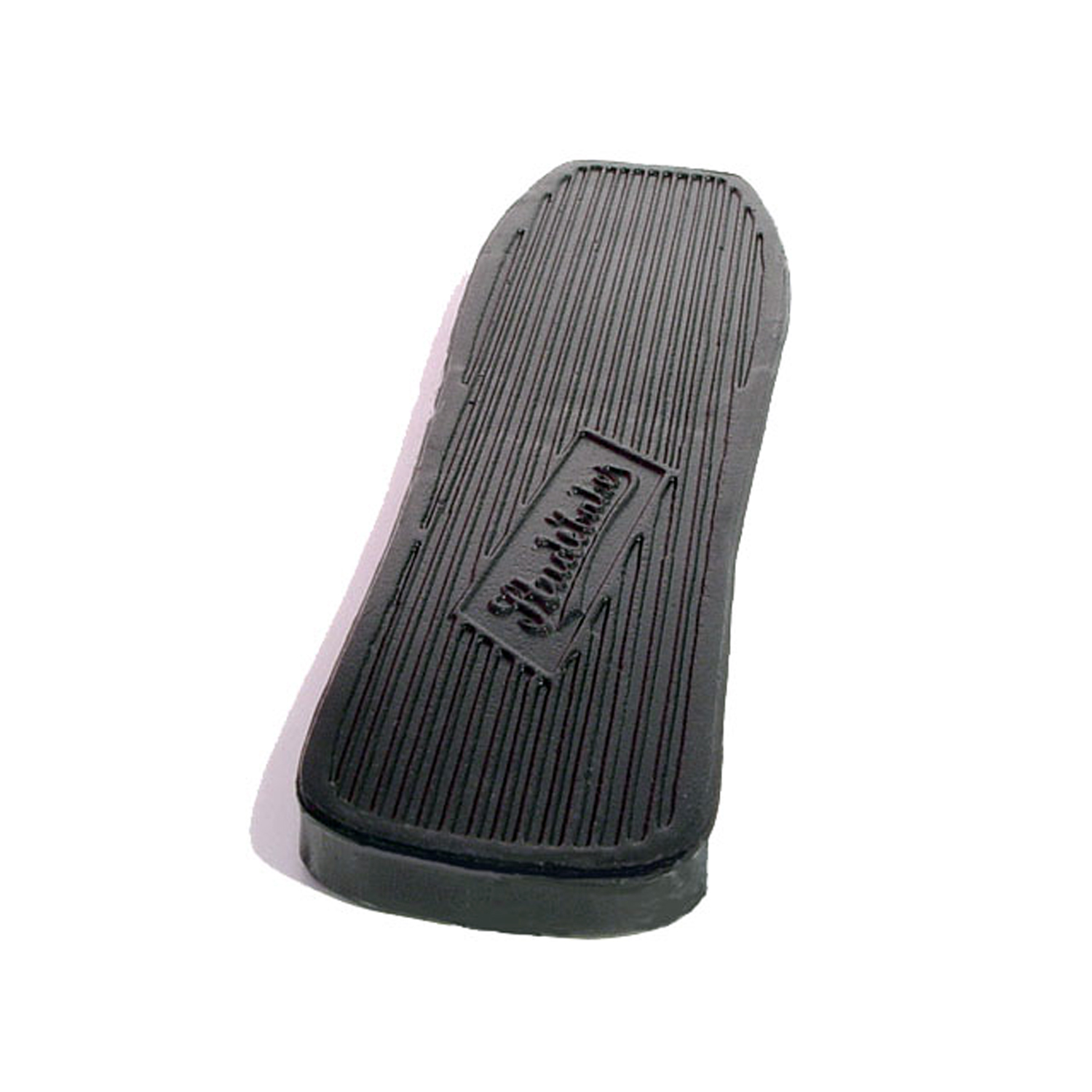 1948 Studebaker Commander Accelerator Pedal Pad, 2-3/8" X 9", Each-AP 22Accelerator Pedal Pad, 2-3/8" X 9", Each
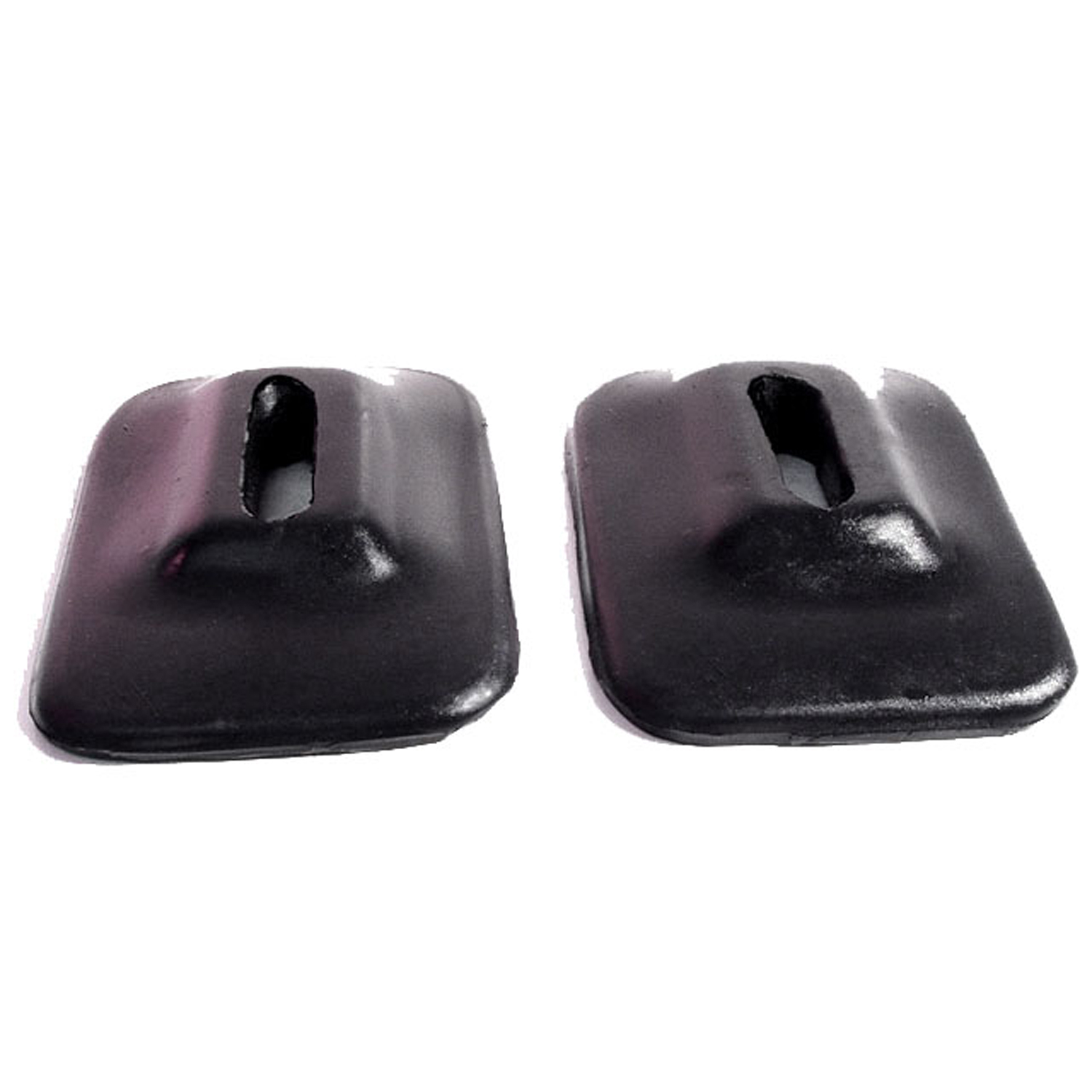 1948 Studebaker Commander Front and Rear Bumper Arm Grommets-BG 45Front and Rear Bumper Arm Grommets. 2-3/4" wide X 4-1/8" long, with 1-5/8" long inner slot. Pair
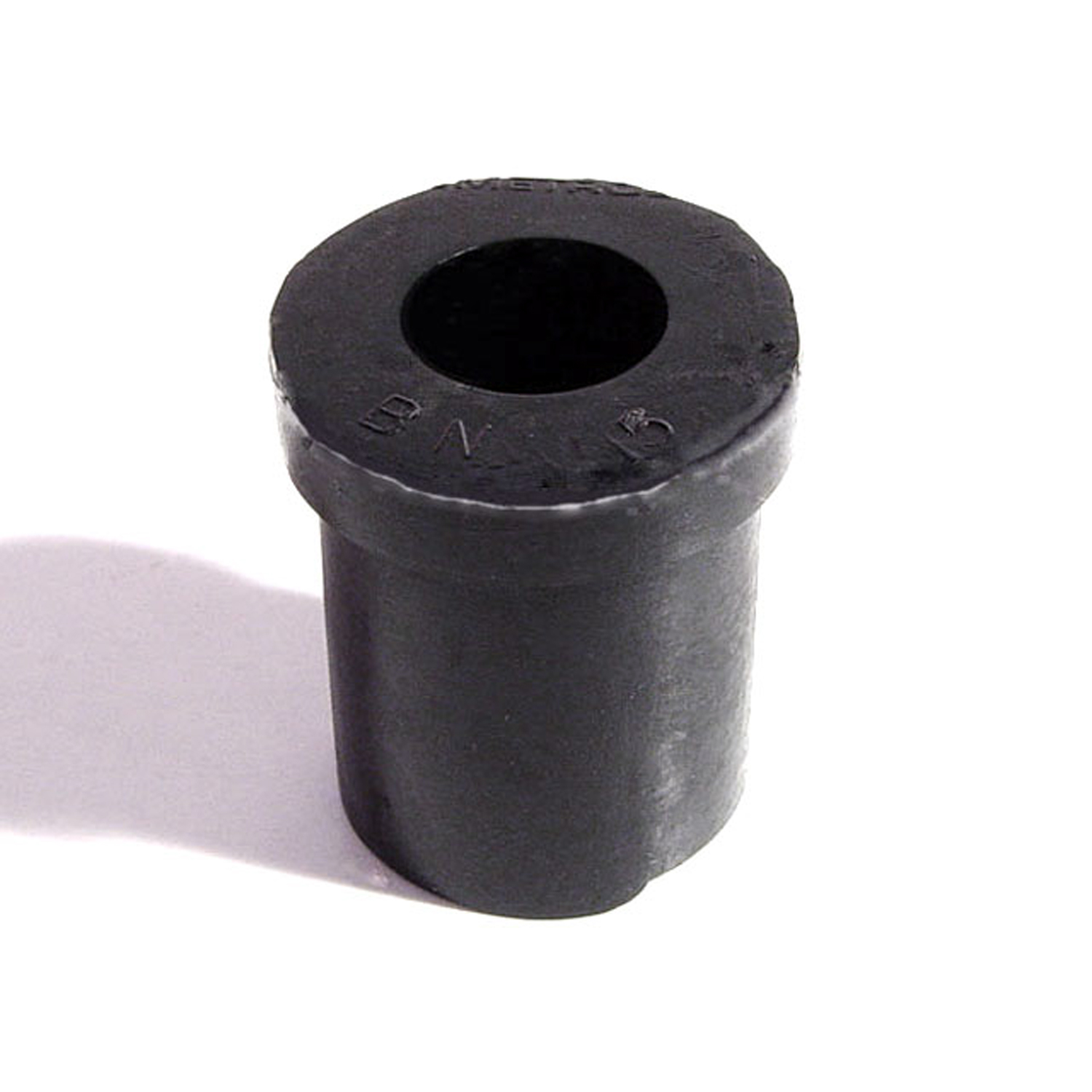 1948 Studebaker Commander Spring and Shackle Bushing. 7/8" bottom O.D-BN 15Spring and Shackle Bushing. 7/8" bottom O.D. X 1-1/8" high, with 1/2" I.D. Each
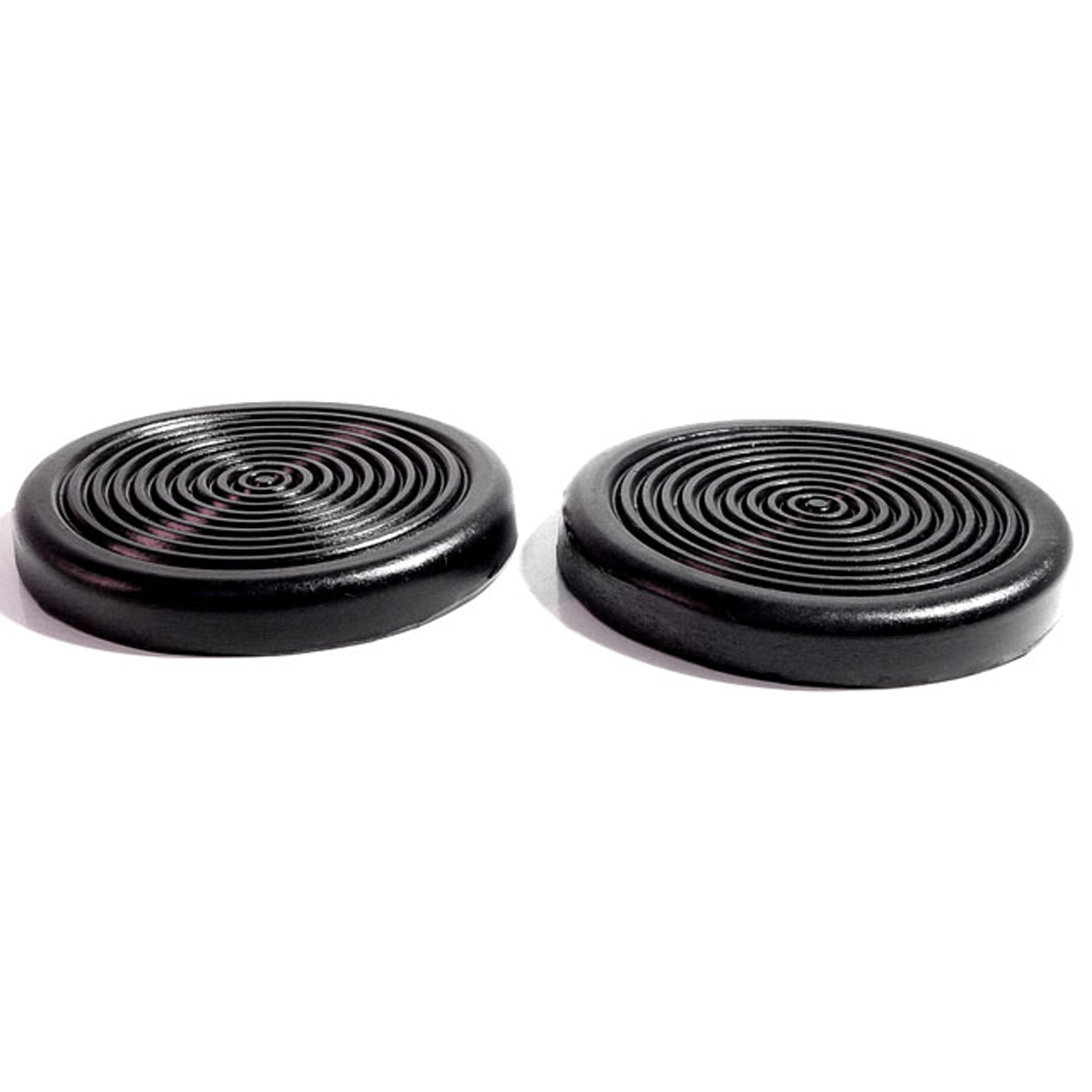 1948 Studebaker Commander Clutch and Brake Pedal Pads. 3" Diameter. Pair-CB 81Clutch and Brake Pedal Pads. 3" Diameter. Pair
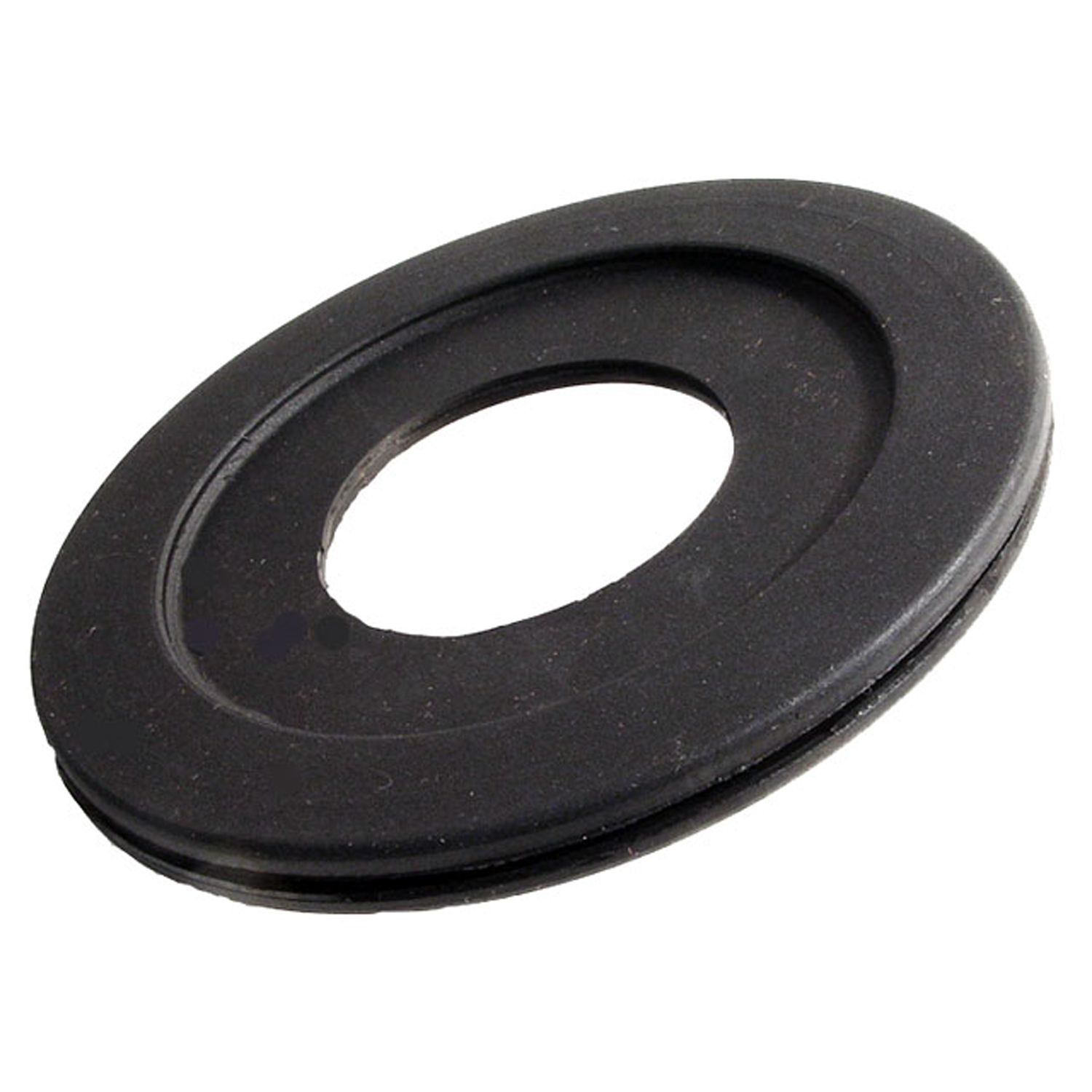 1948 Studebaker Commander Gas Filler Grommet. 1-3/4" I.D., 4-3/8" O.D. Each-GF 31Gas Filler Grommet. 1-3/4" I.D., 4-3/8" O.D. Each
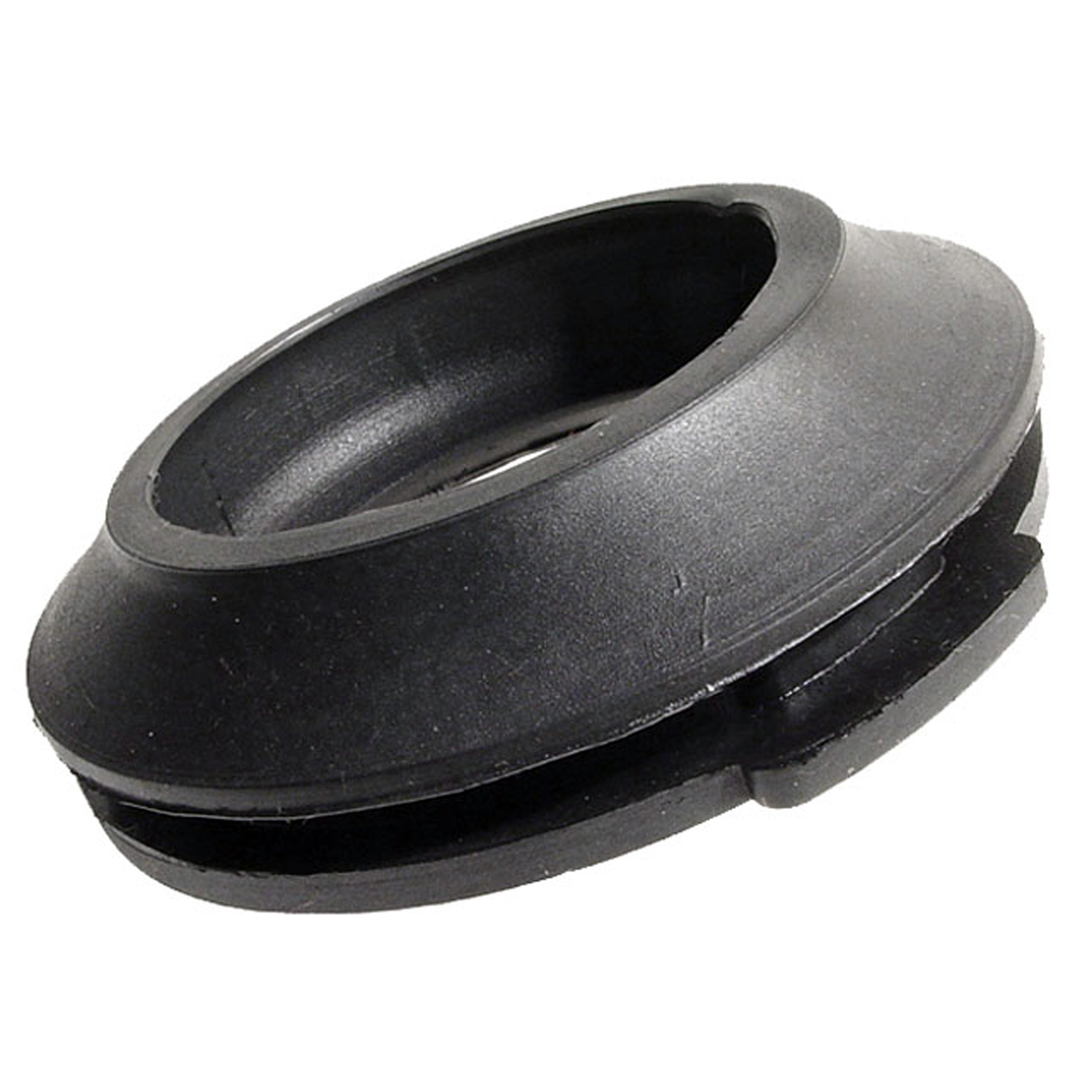 1948 Studebaker Commander Gas Filler Grommet. Perfect reproduction. Top 2-1/16" I.D-GF 45Gas Filler Grommet. Perfect reproduction. Top 2-1/16" I.D., 3-7/16" O.D. Each
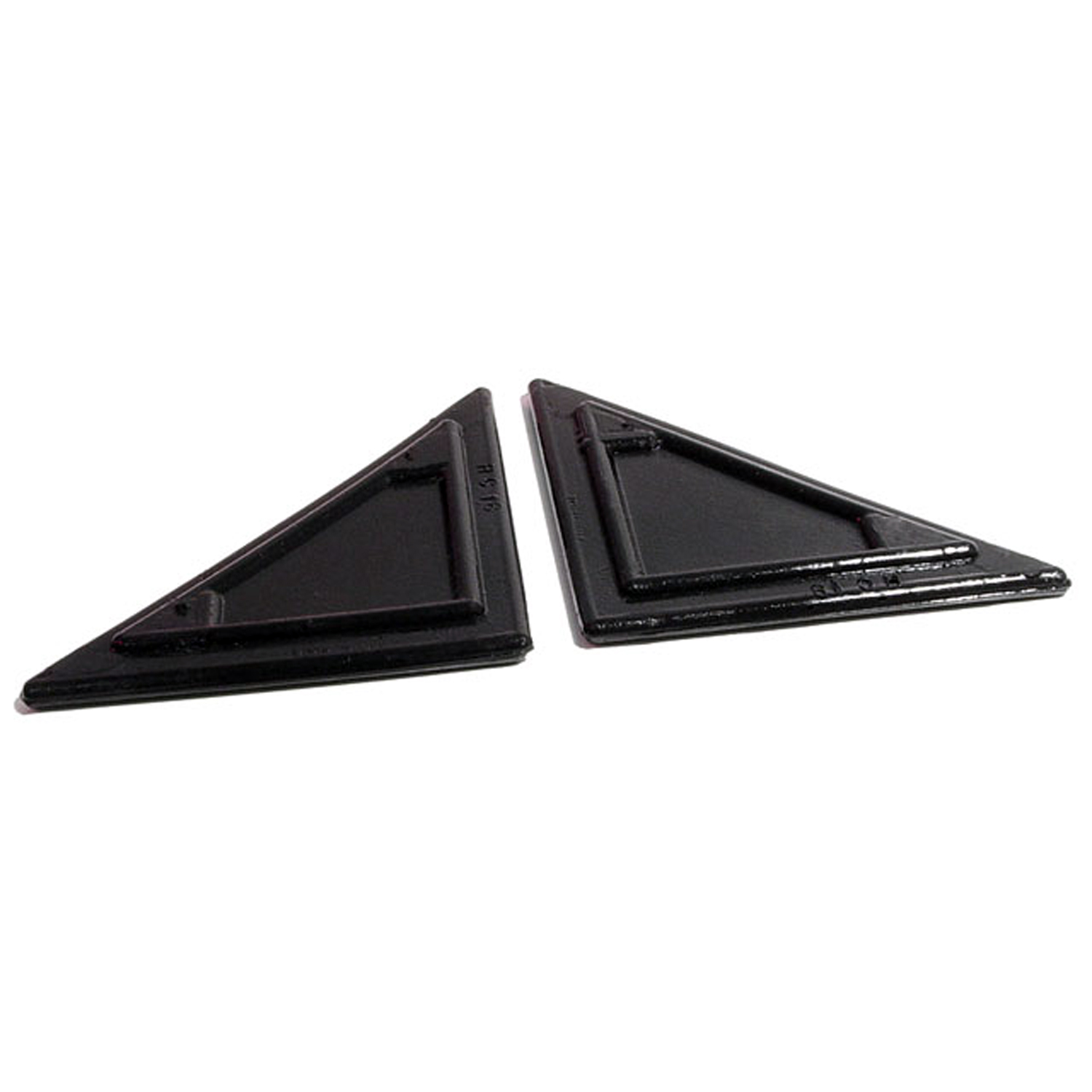 1948 Studebaker Commander Hood Corners. Original design. 2-3/4" wide. Pair-HC 18Hood Corners. Original design. 2-3/4" wide. Pair
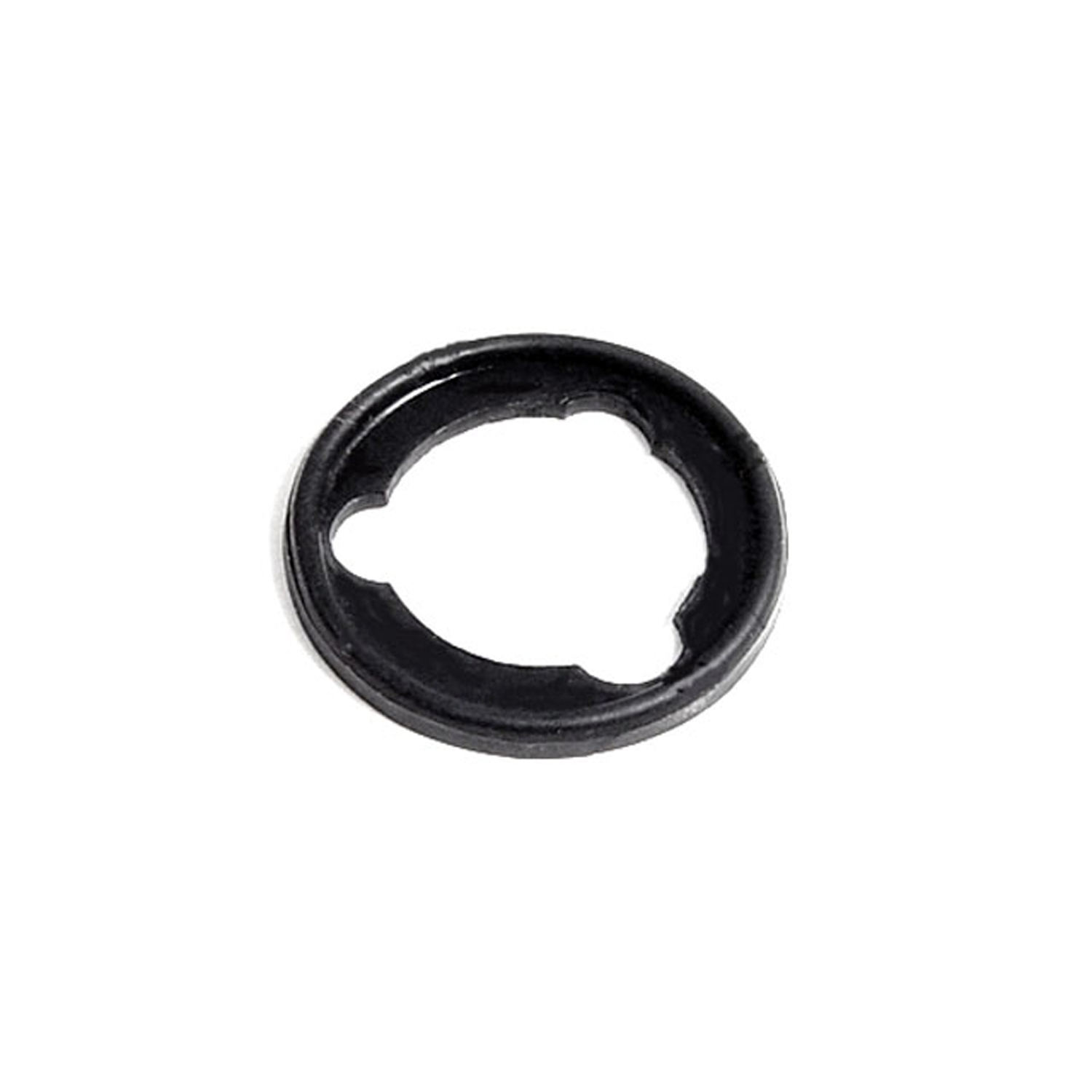 1948 Studebaker Commander Door Lock Pad. 1-1/8" O.D. Each-MP 979Door Lock Pad. 1-1/8" O.D. Each
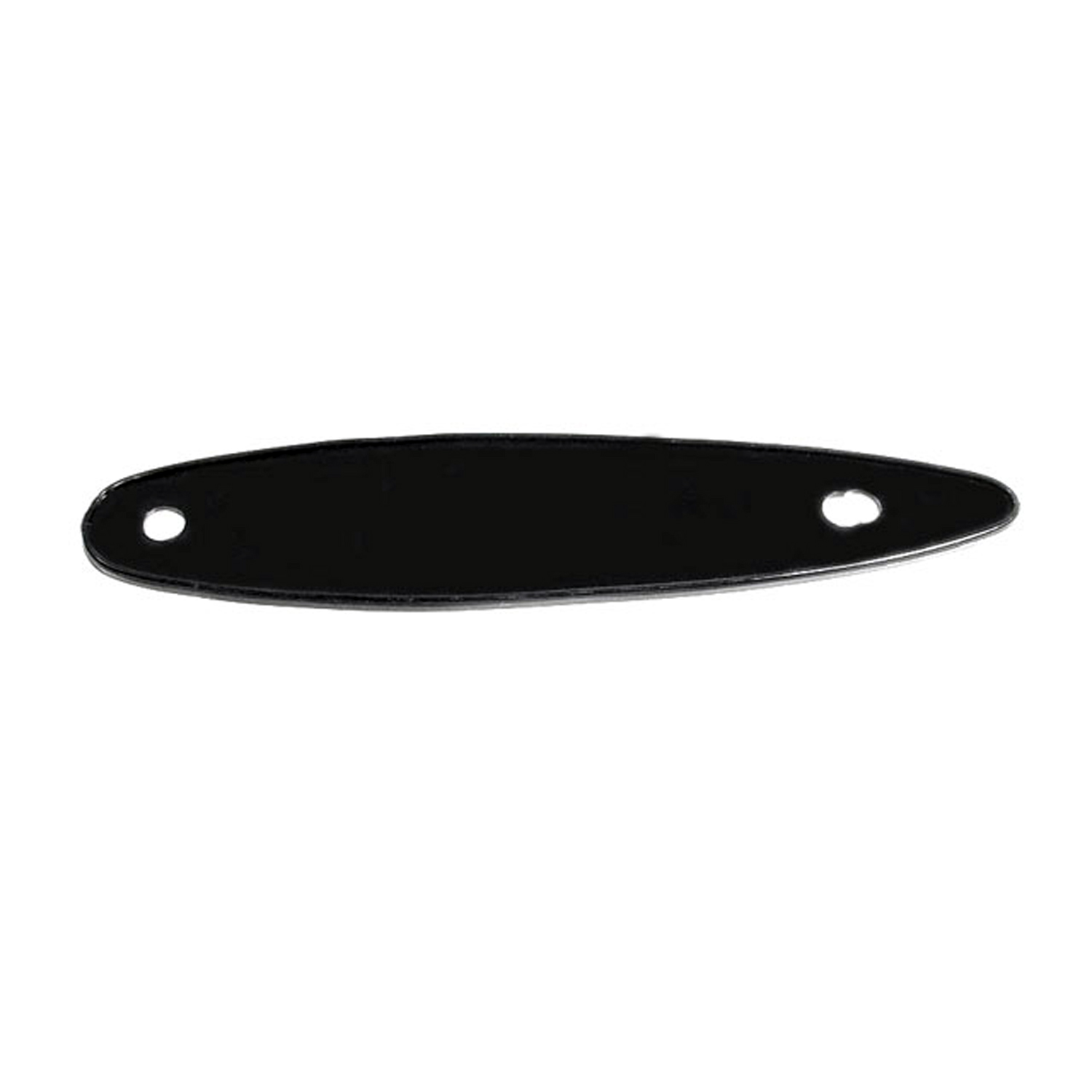 1948 Studebaker Commander Mirror Pad. 1-5/8" wide X 7-3/8" long. Each-MP 979-BMirror Pad. 1-5/8" wide X 7-3/8" long. Each
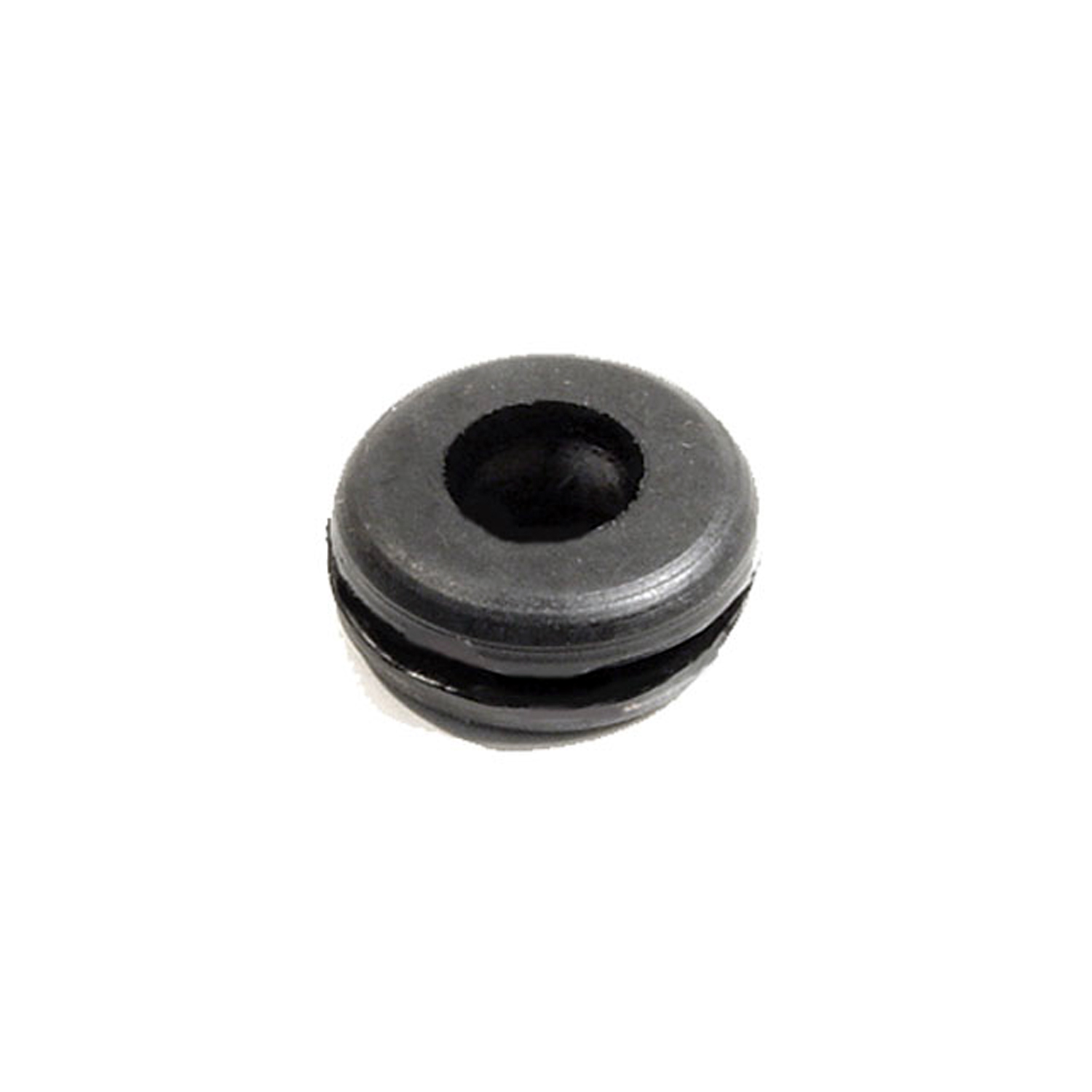 1948 Studebaker Commander Headlight & Tail-Light Wire Grommet. 3/8" I.D., 7/8" O.D-SM 13-AHeadlight & Tail-Light Wire Grommet. 3/8" I.D., 7/8" O.D. Each
 1948 Studebaker Commander Flexible glass-run channel-WC 11-72Flexible glass-run channel. Mohair lined, cloth covered with stainless steel bead. Used on side windows. 72 in. long. Each. NOTE: $20 special shipping charge applies for domestic orders. Call or email for overseas shipping costs. Part can be sectioned in two equal lengths to reduce overseas shipping costs.
 1948 Studebaker Commander Flexible sweeper. Made with stainless steel bead-WC 8-72Flexible sweeper. Made with stainless steel bead. Used on inner and outer beltlines. Also forms easily for use with sliding quarter windows. 72 in. long. Each. NOTE: $20 special shipping charge applies for domestic orders. Call or email for overseas shipping costs. Part can be sectioned into two equal lengths to reduce overseas shipping costs.
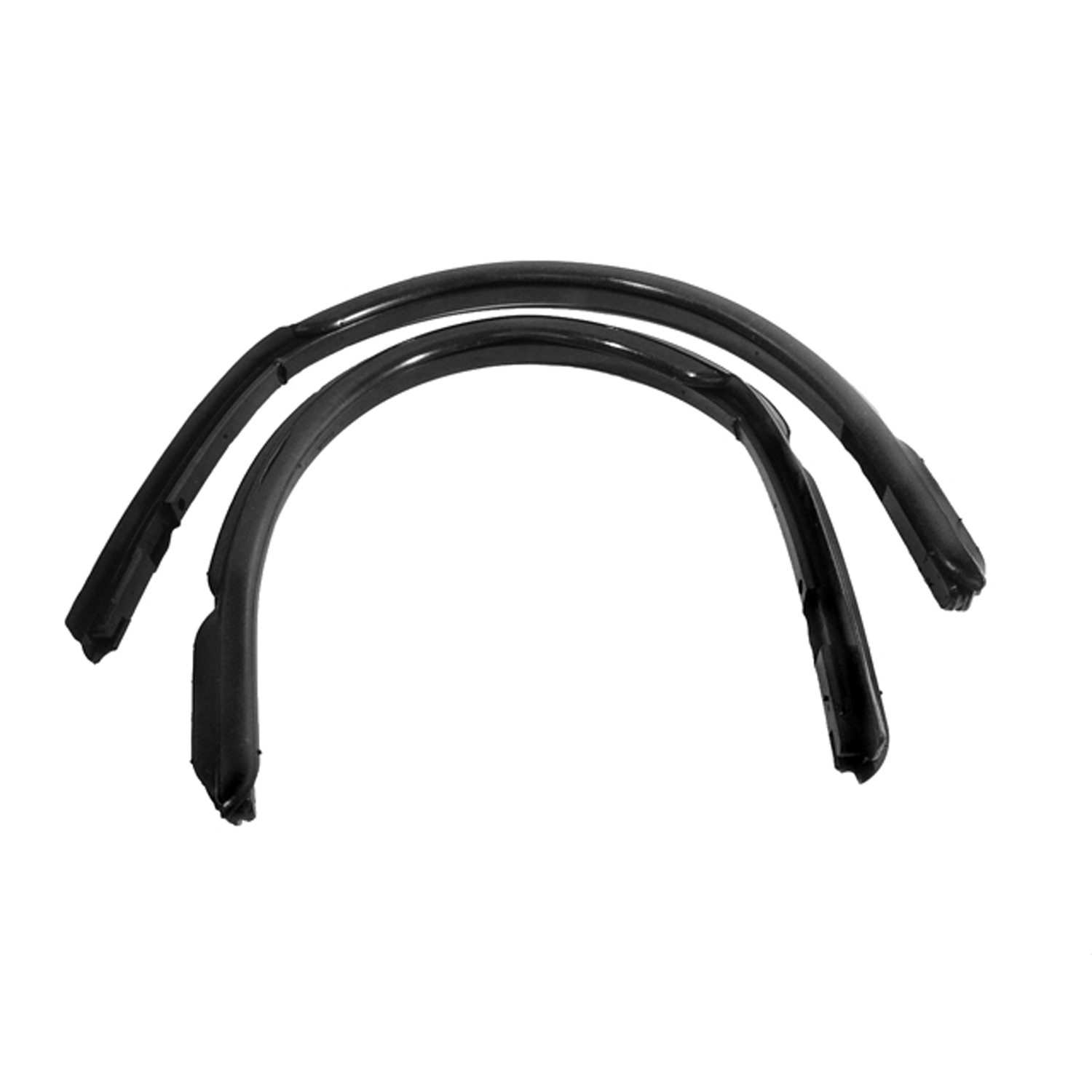 1948 Studebaker Commander Front Vent Window Seals-WR 9400Front Vent Window Seals. For all sedans '47-'50, for 2-door sedans '51-'52. Pair
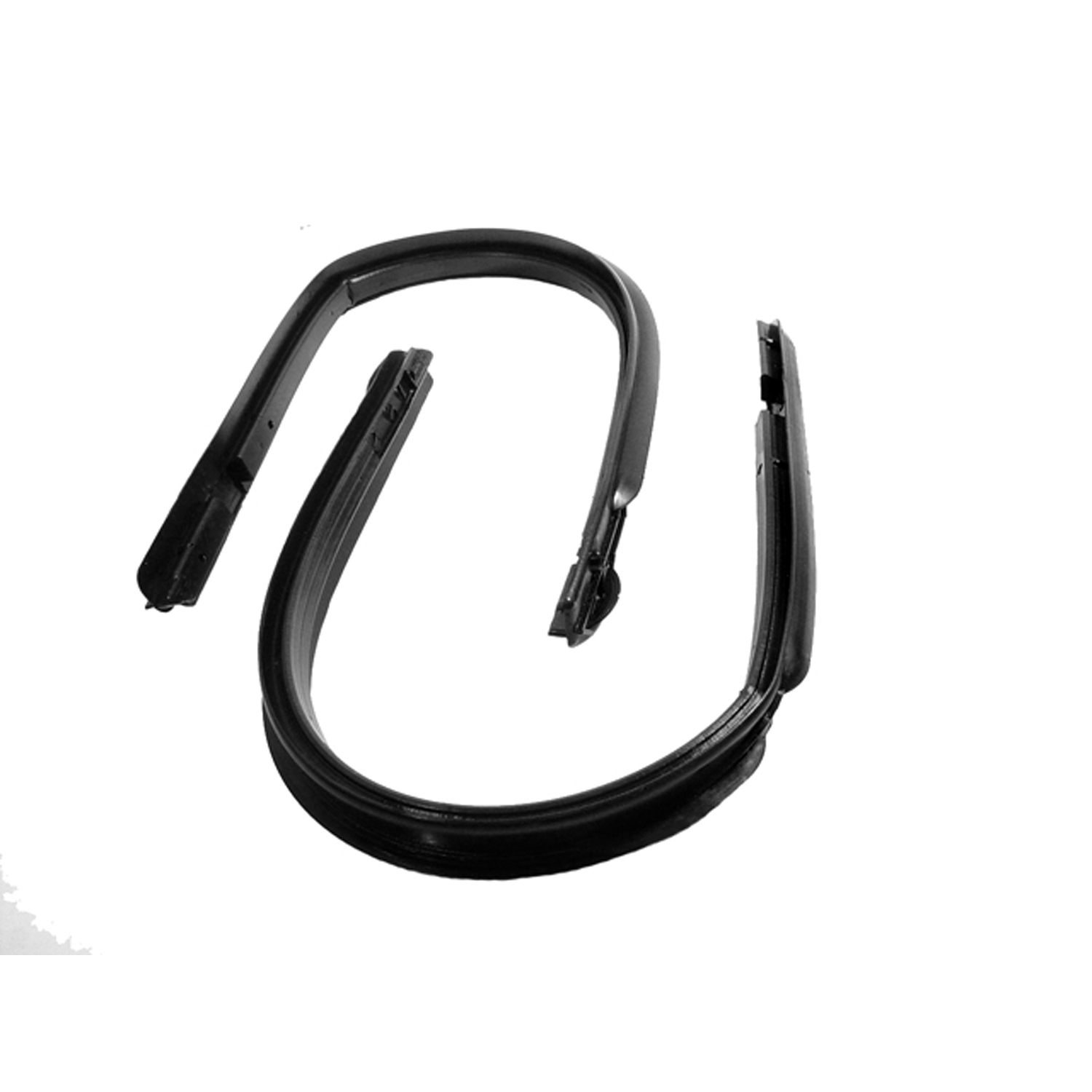 1948 Studebaker Commander Front Vent Window Seals. 28-7/8" long each. Pair R&L-WR 9401Front Vent Window Seals. 28-7/8" long each. Pair R&L
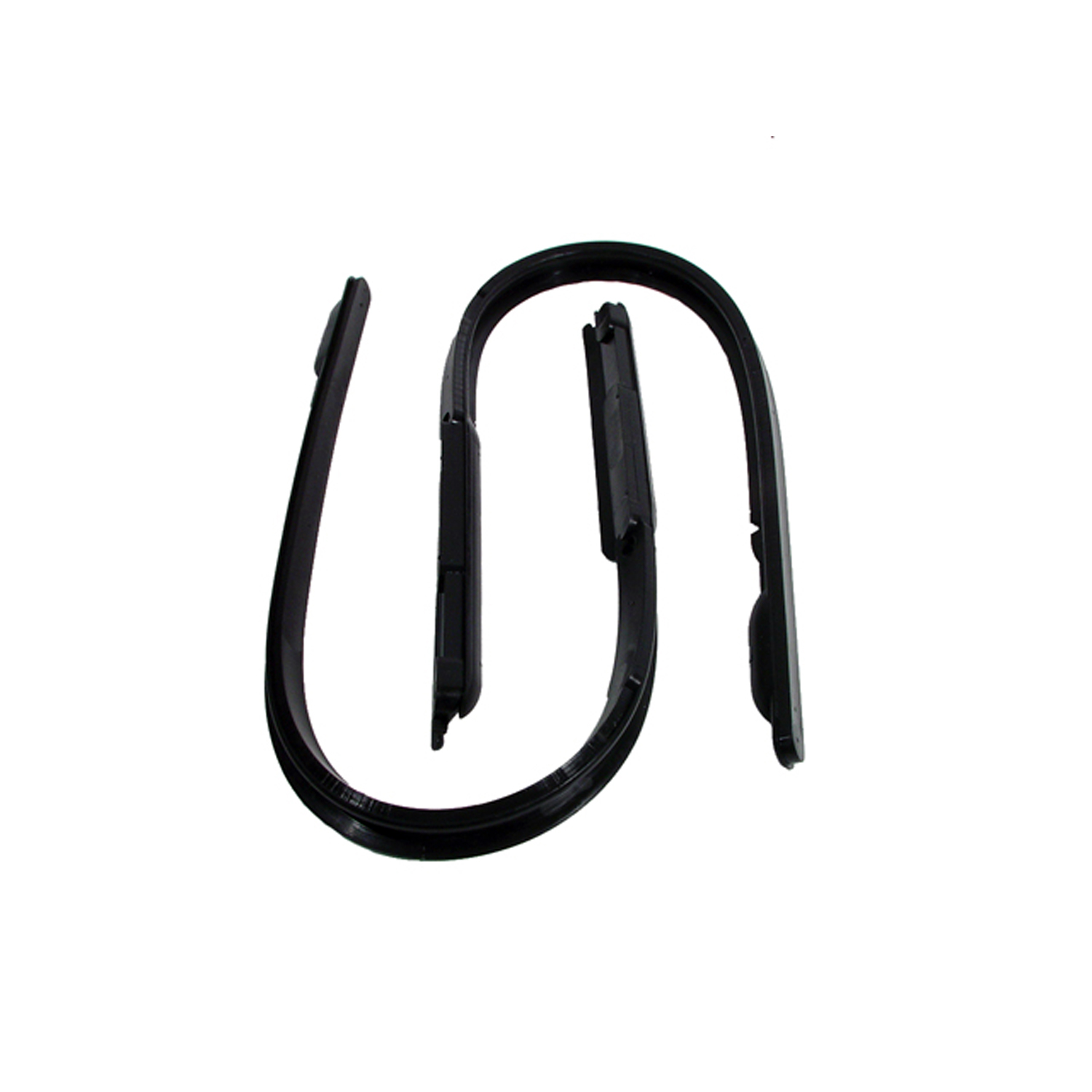 1948 Studebaker Commander Front Vent Window Seals, for Convertibles-WR 9403Front Vent Window Seals, for Convertibles. 28-1/4" long each. Pair R&L
Why Choose Metro?
For over 100 years, Metro Moulded Parts has been the pinnacle of quality in classic car restoration parts. Our commitment to precision and authenticity in every component ensures a perfect fit and an OEM-level appearance.
- Expert Craftsmanship & Quality: Each part is a testament to our dedication to reliability and perfection, crafted from original designs and thoroughly tested.
- Advanced Technology: We use cutting-edge techniques to create flawless, long-lasting parts that surpass others in performance.
- SuperSoft Sponge – The Ultimate Door Seal: Not only are our door seals 30% softer than competitors', but they're also guaranteed to never leak. They effectively reduce wind and road noise, enhancing your classic car's comfort and driving experience.
- Proudly American: Our parts are a product of American craftsmanship, made in the USA with a spirit of excellence and heritage.
- Unrivaled Warranty: We back our products with a 30-year industry-leading warranty, a testament to our confidence in their quality.
Join us in preserving the legacy of classic cars with parts that are crafted for perfection, not just made.