

Image of 1948 Studebaker M15a, Note: These illustrations use artistic license and may differ from actual historical models.
Performance Metrics
Fundamental Metrics
Emotional Appeal
MMP Rating
| Engine Specifications | |
|---|---|
| Engine: | Inline 6 |
| Displacement: | 170 cubic inches |
| Horsepower: | Estimated 80-85 hp |
| Torque: | 150 lb-ft |
| Compression Ratio: | Estimated 6.5:1 |
| Ignition System: | Distributor and coil |
| Cooling System: | Liquid-cooled |
| Performance Specifications | |
| 0-60 Time: | Information not available |
| 1/4 Mile Time: | Information not available |
| Top Speed: | 70 mph |
| Transmission and Drive | |
| Drive Type: | Rear-wheel drive |
| Transmission Type: | 4-speed manual |
| Fuel and Efficiency | |
| Fuel System Type: | Carburetor |
| MPG: | Estimated 15-20 mpg |
| Dimensions and Brakes | |
| Brakes: | Drum brakes |
| Wheelbase: | 112 inches |
| Weight: | 3,200 lbs |
Note: Specifications for classic cars are given to the best of our ability, considering the limited and variant data available.
1948 Studebaker M15A: A Workhorse from South Bend
The 1948 Studebaker M15A was built for honest work, but its handsome postwar styling gives it a presence that still turns heads at a classic-truck show. Produced by the Studebaker Corporation in South Bend, Indiana, the M15A belonged to Studebaker’s M-series, a line of trucks that carried prewar design into the changing world of postwar America.
Studebaker had been building vehicles since the nineteenth century and entered the motor-vehicle business with a reputation for practical engineering. Its M-series trucks arrived in the early 1940s, then continued after World War II as farms, businesses, and communities needed dependable vehicles to move people and goods. The 1948 M15A represents the final year of this long-running series, just before Studebaker introduced a more thoroughly updated truck range.
One appealing detail is that the M15A was not simply a pickup in a different trim level. It was a heavier-duty chassis intended for owners who needed a truck that could be configured for a specific job, from hauling supplies to carrying a commercial body. That work-first character is a big part of its appeal today.
Postwar Styling and Practical Craft
The M15A wears a distinctly early-1940s shape that remained familiar to buyers in 1948. Its long, gently sloping hood leads to a bold, upright grille, while rounded front fenders flow around the headlights and soften the truck’s otherwise purposeful profile. The cab has a tall, upright stance, broad glass, and simple, easily recognized lines. It looks substantial without the bulky proportions of some heavier contemporary trucks.
Inside, the M15A is straightforward rather than luxurious. The cabin centers on a wide bench seat, a large steering wheel, clear, simple instruments, and painted metal surfaces. Materials were chosen for durability and easy cleaning, not plushness. Depending on the truck’s original specification and subsequent restoration, upholstery and trim details can vary. The driving position is upright, and the broad windshield gives the driver a useful view of the road and worksite.
Technology was conventional for the period, but functional. The truck used a front-engine, rear-wheel-drive layout, a manual transmission, and hydraulic brakes. Steering was unassisted, and the electrical system was generally 6-volt, so owners accustomed to modern vehicles will notice slower cranking and dimmer lighting by today’s standards. The M15A’s appeal lies less in gadgetry than in its straightforward mechanical layout, which makes its major systems understandable and serviceable.
Studebaker trucks were offered in practical factory colors, though exact choices could vary with year, body, and order. Green, red, blue, black, and neutral commercial shades are all familiar on restored examples. Green and red are especially eye-catching at shows, while black and subdued work-truck colors give the M15A a more businesslike, period-correct appearance. A truck’s current paint color does not necessarily prove it was delivered that way, so original paint evidence is worth checking on a restoration.
The M15A was a chassis model, not just one fixed body style. It could be fitted as a pickup or ordered with commercial equipment such as a stake bed, platform body, dump body, or other vocational setup. The pickup is the most immediately recognizable and popular configuration among hobbyists, but a well-preserved original utility body can be especially appealing because it shows how the truck earned its keep.
Why the M15A Matters
The M15A was not a radical engineering breakthrough, and that is precisely what made it useful. Studebaker carried a proven design into the postwar boom, offering buyers a familiar, relatively uncomplicated truck at a time when businesses and farms needed dependable transport more than experimental features. Its sturdy frame and body-on-frame construction suited a wide range of commercial applications.
Compared with a light pickup, the M15A’s key distinction was its work capacity and adaptability. Buyers could select a body to suit their trade rather than accept a single passenger-oriented configuration. Compared with larger heavy trucks, it remained manageable enough for local delivery and general-purpose hauling. That middle ground gave it practical value, even if it never became as famous as Studebaker’s passenger cars or later pickup designs.
The M15A did not define a new styling trend, but it preserves an important moment in American truck design: the transition from prewar forms to the more modern postwar vehicles that followed. Its rounded fenders and upright cab have the visual character of an earlier era, while its continued service after the war reflects how long useful designs could remain relevant.
Engine, Speed, and Road Manners
A typical M15A is powered by Studebaker’s 226-cubic-inch (about 3.7-liter) flathead inline-six. Exact output can depend on the engine specification and condition, but figures around 85 horsepower are commonly associated with this type of setup. The six-cylinder engine favors steady pulling and low-speed work over high-revving performance. A manual gearbox, commonly a four-speed in heavier M15-series applications, helps the driver make use of the engine’s modest power; verify the transmission on an individual truck, since configurations and later swaps can differ.
Studebaker did not publish a modern-style 0-to-60 figure for the M15A. As a practical estimate, a sound, unloaded example might take roughly 30 to 40 seconds to reach 60 mph, if it can reach that speed comfortably at all. A reasonable top-speed estimate is about 50 to 60 mph, depending on gearing, tire size, mechanical condition, and load. These are estimates, not guaranteed factory performance figures. The truck is happiest at workday speeds rather than cruising with fast modern traffic.
On rough roads, the M15A feels like a commercial vehicle: sturdy, upright, and more concerned with carrying a load than isolating the driver from bumps. An empty truck can feel firm and busy over broken pavement, while a working load may settle the ride. On a winding road, the large steering wheel and unassisted steering require more effort than a modern pickup, and the truck’s size and older suspension call for measured inputs. It rewards anticipation, not sudden braking or quick lane changes.
Behind the wheel, the inline-six supplies a low, even mechanical note, with engine and road sounds clearly present in the cabin. The driver shifts by hand, works the steering wheel, and feels the road through a comparatively direct, old-fashioned control layout. That physical connection is part of the experience, but it also demands attention. There are no modern driver aids to compensate for worn brakes, tired tires, or loose steering components.
Living with a Studebaker M15A
In period, the M15A was a working truck for farms, tradespeople, delivery businesses, and local operators. Today, owners use surviving examples as show trucks, parade vehicles, weekend drivers, and occasional light-duty haulers. A carefully restored pickup makes a charming classic, while a platform or stake-bed truck can be a rolling display of its original commercial purpose.
Routine maintenance is approachable for someone comfortable with older vehicles. The engine is mechanically simple, and many service tasks can be handled with standard tools and a workshop manual. However, “simple” does not mean every part is readily available. Brake components, electrical parts, engine pieces, and body panels may require specialist suppliers, swap meets, or careful sourcing. Originality can also make repairs more complicated if a previous owner has mixed parts from different years or models.
Reliability depends heavily on condition. Before regular use, inspect the cooling system, fuel lines, wiring, tires, steering, and the entire brake system. Check the frame and body for corrosion, especially around structural areas and previous repairs. A well-sorted M15A can be dependable for leisurely local outings, but its age, limited highway pace, and older safety equipment make it a poor substitute for a modern daily driver.
Little-Known M15A Details
The M15A is often confused with other members of the Studebaker M-series, including lighter M5 pickups and heavier M16 trucks. Model names and ratings can be confusing in old advertisements and modern listings, so buyers should check identification plates, chassis details, and period documentation instead of relying on a seller’s label alone.
There is no widely recognized M15A speed record or major endurance achievement associated with the model, and no famous celebrity ownership story defines its reputation. Its significance is more ordinary and, in some ways, more compelling: trucks like this supported local commerce, agriculture, construction, and delivery work. They were tools, not publicity pieces, so many lived hard lives and were discarded rather than preserved.
Common criticisms include modest power, slow road speed, heavy steering, limited modern safety features, and the challenge of finding certain model-specific parts. Collectors also need to watch for incorrect engine or transmission substitutions and body conversions. Those drawbacks are part of the ownership calculation, but they are balanced by the truck’s distinctive styling and relatively uncomplicated mechanical character.
Collector Values and Availability
There is no dependable, universally cited production total for the 1948 M15A alone. Studebaker built the broader M-series over several years and in multiple configurations, but surviving production figures are not always separated in a way that provides a clean M15A count. A sensible estimate is that several thousand M15A trucks were produced, though the number of surviving, correctly identified examples is much smaller. Original commercial bodies and complete, unmodified trucks can be harder to find than pickup-style restorations.
As a broad North American market estimate, a project truck may sell for about $3,000 to $8,000, depending on completeness and rust. A sound driver or older restoration might fall around $8,000 to $18,000. A high-quality restoration, especially one with a desirable body style and strong documentation, could reach roughly $25,000 to $40,000 or more. Exceptional examples can exceed those ranges, while rough trucks missing major parts can fall below them. Condition, originality, location, and the cost of transporting a heavy commercial vehicle all matter.
M15A values tend to move gradually rather than surge. Interest in classic trucks has helped support prices, particularly for attractive, usable restorations, but restoration costs can outpace the final sale price. The best examples are likely to hold interest among Studebaker enthusiasts and collectors of early postwar trucks; the market remains narrower than for a famous car or a more widely recognized pickup.
A Working Truck with Lasting Character
The 1948 Studebaker M15A combines a practical commercial chassis, a durable flathead six, and the rounded styling of a truck from the edge of the postwar era. It was built to serve, not to impress with speed or luxury, and its adaptable body options helped it meet the needs of businesses and farms across America.
Today, the M15A offers a rewarding look at how working trucks were designed, maintained, and driven before modern conveniences became standard. It may ask more of its driver than a newer vehicle, but in return it delivers mechanical simplicity, distinctive Studebaker character, and a direct link to the everyday work that helped build the postwar years.
1948 Studebaker M15a Catalog of Parts
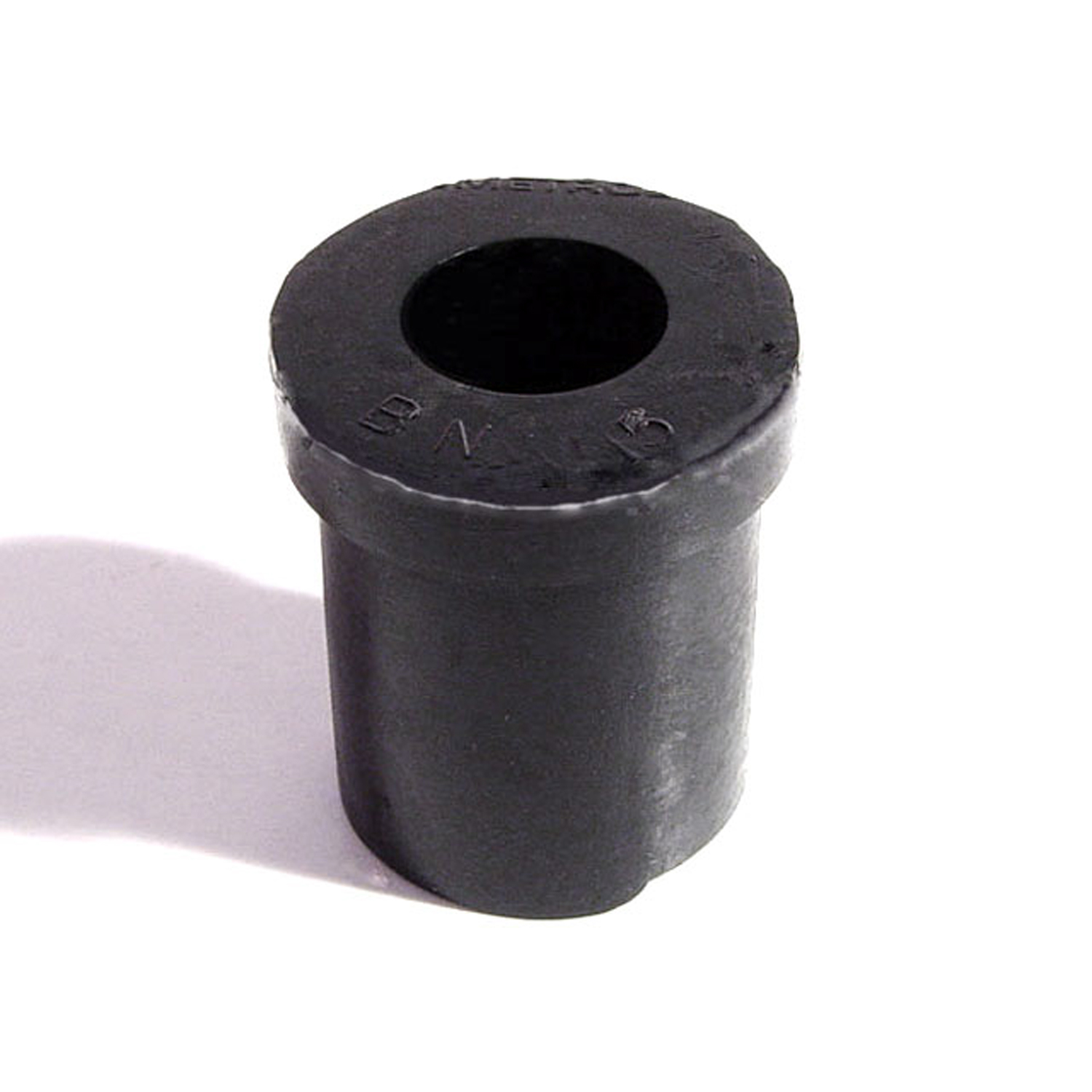 1948 Studebaker M15A Spring and Shackle Bushing. 7/8" bottom O.D-BN 15Spring and Shackle Bushing. 7/8" bottom O.D. X 1-1/8" high, with 1/2" I.D. Each
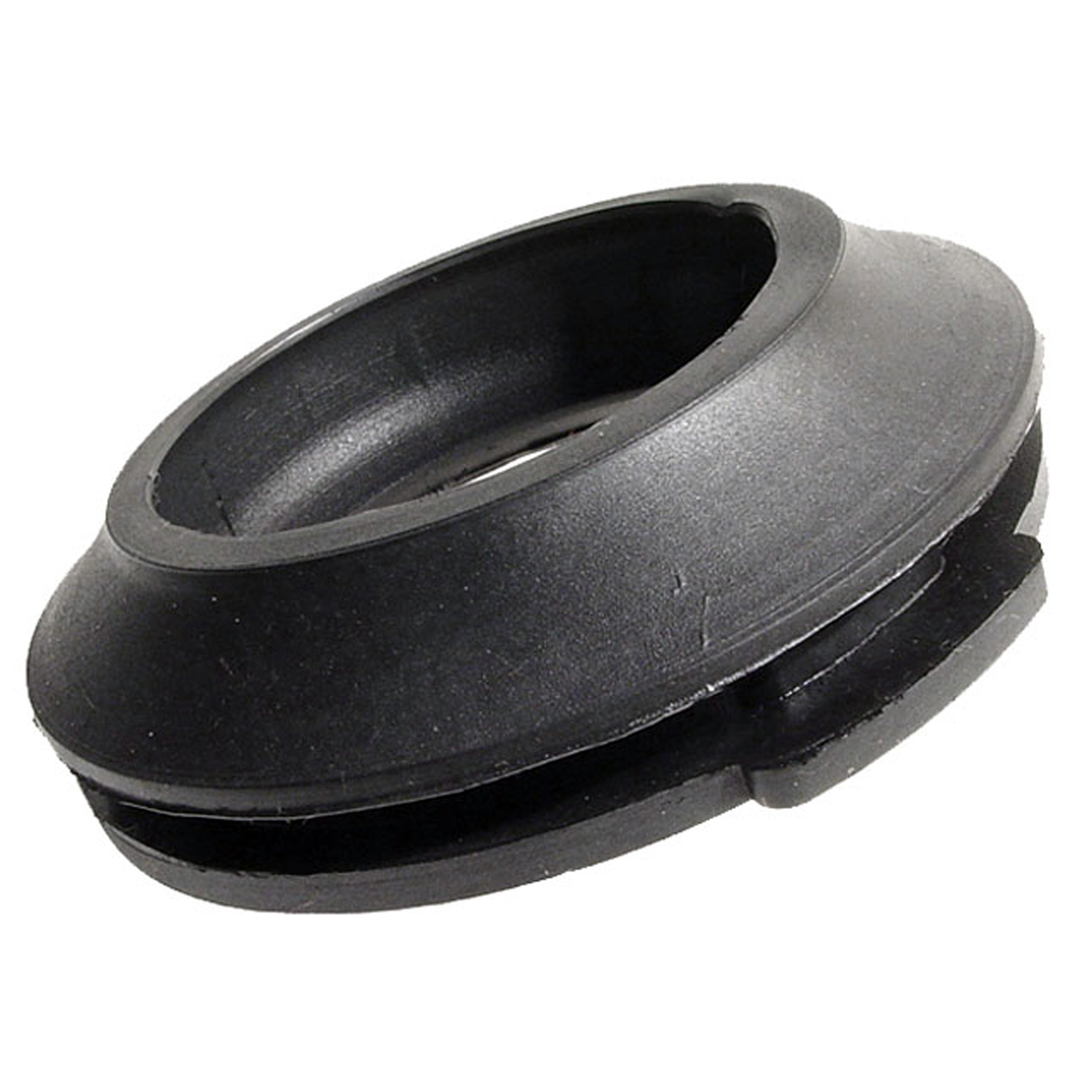 1948 Studebaker M15A Gas Filler Grommet. Perfect reproduction. Top 2-1/16" I.D-GF 45Gas Filler Grommet. Perfect reproduction. Top 2-1/16" I.D., 3-7/16" O.D. Each
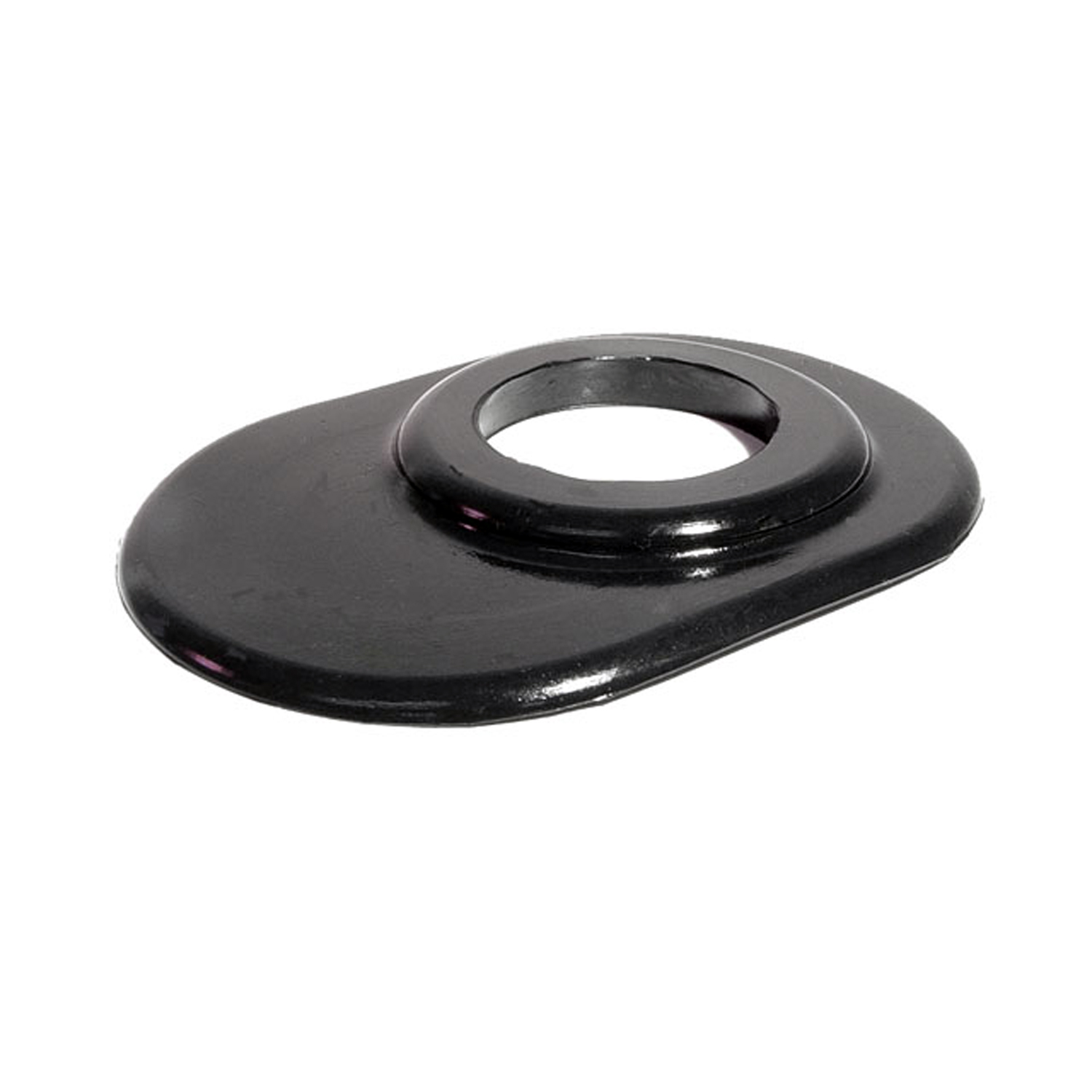 1948 Studebaker M15A Steering Column Grommet. For 4-speed models. Each-SC 24Steering Column Grommet. For 4-speed models. Each
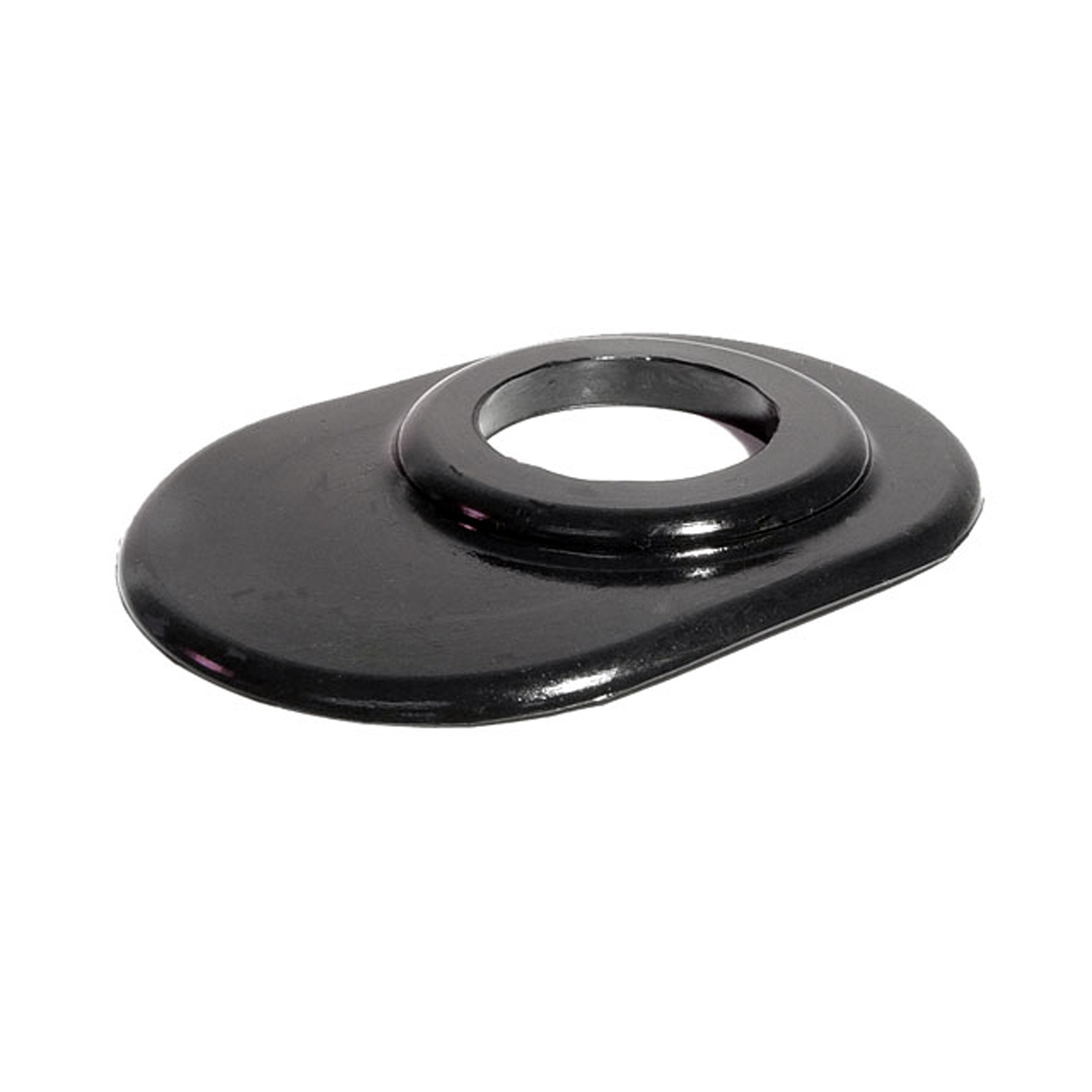 1948 Studebaker M15A Steering Column Grommet. For 3-speed models. Each-SC 24-ASteering Column Grommet. For 3-speed models. Each
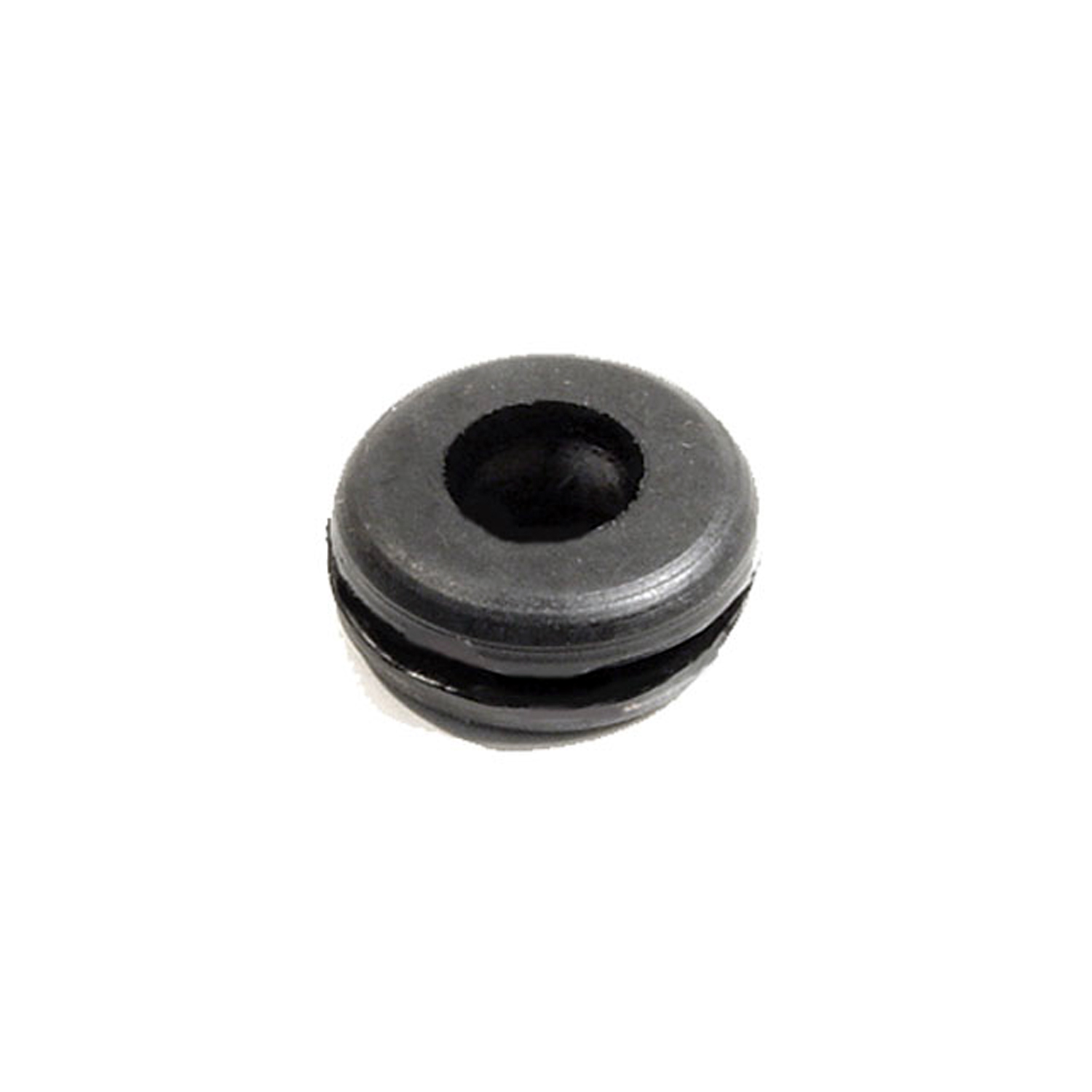 1948 Studebaker M15A Headlight & Tail-Light Wire Grommet. 3/8" I.D., 7/8" O.D-SM 13-AHeadlight & Tail-Light Wire Grommet. 3/8" I.D., 7/8" O.D. Each
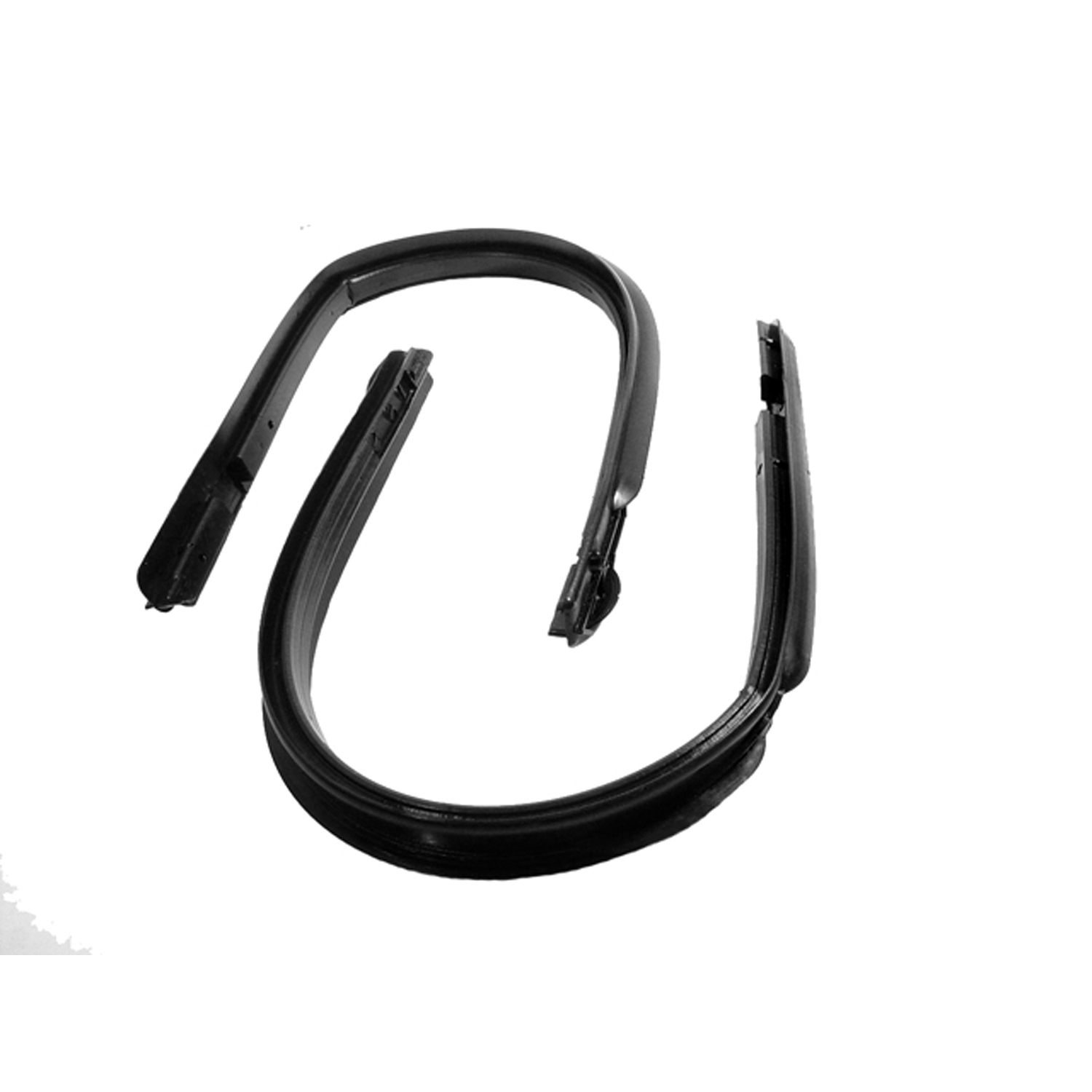 1948 Studebaker M15A Front Vent Window Seals. 28-7/8" long each. Pair R&L-WR 9401Front Vent Window Seals. 28-7/8" long each. Pair R&L
Why Choose Metro?
For over 100 years, Metro Moulded Parts has been the pinnacle of quality in classic car restoration parts. Our commitment to precision and authenticity in every component ensures a perfect fit and an OEM-level appearance.
- Expert Craftsmanship & Quality: Each part is a testament to our dedication to reliability and perfection, crafted from original designs and thoroughly tested.
- Advanced Technology: We use cutting-edge techniques to create flawless, long-lasting parts that surpass others in performance.
- SuperSoft Sponge – The Ultimate Door Seal: Not only are our door seals 30% softer than competitors', but they're also guaranteed to never leak. They effectively reduce wind and road noise, enhancing your classic car's comfort and driving experience.
- Proudly American: Our parts are a product of American craftsmanship, made in the USA with a spirit of excellence and heritage.
- Unrivaled Warranty: We back our products with a 30-year industry-leading warranty, a testament to our confidence in their quality.
Join us in preserving the legacy of classic cars with parts that are crafted for perfection, not just made.