

Image of 1948 Studebaker M16, Note: These illustrations use artistic license and may differ from actual historical models.
Performance Metrics
Fundamental Metrics
Emotional Appeal
MMP Rating
| Engine Specifications | |
|---|---|
| Engine: | Inline 6 |
| Displacement: | 226 cubic inches |
| Horsepower: | Estimated 94 hp |
| Torque: | 172 lb-ft |
| Compression Ratio: | Estimated 6.5:1 |
| Ignition System: | Distributor and coil |
| Cooling System: | Liquid-cooled |
| Performance Specifications | |
| 0-60 Time: | Not available due to the vehicle's age and intended use as a work truck |
| 1/4 Mile Time: | Not available due to the vehicle's age and intended use as a work truck |
| Top Speed: | 50-55 mph |
| Transmission and Drive | |
| Drive Type: | Rear-wheel drive |
| Transmission Type: | 4-speed manual |
| Fuel and Efficiency | |
| Fuel System Type: | Carburetor |
| MPG: | Estimated 10-15 mpg |
| Dimensions and Brakes | |
| Brakes: | Hydraulic drum brakes |
| Wheelbase: | 128 inches |
| Weight: | 3,400 lbs |
Note: Specifications for classic cars are given to the best of our ability, considering the limited and variant data available.
1948 Studebaker M16: The Heavy-Duty Hauler With Loewy-Era Style
The 1948 Studebaker M16 paired the workmanlike toughness of a medium-duty truck with a surprisingly graceful, streamlined face. Built by the South Bend, Indiana, automaker, it belonged to Studebaker’s M-series, a family of trucks introduced in 1941 and continued through the immediate postwar years. The M16 was a commercial chassis, not a pickup: buyers and body builders could outfit it for hauling, delivery, farming, construction, or municipal service.
Its timing matters. American businesses urgently needed trucks after World War II, and manufacturers initially had to satisfy that demand with designs rooted in prewar engineering. Studebaker’s M-series filled that role while standing out from the square, upright work trucks around it. One intriguing detail is that the M-series’ smooth, distinctive styling came from the same broader design culture associated with Studebaker’s Raymond Loewy-era cars, giving this working truck an unusually polished presence.
Streamlined M-Series Styling
The M16’s front end is its signature. A tall, rounded hood flows toward a broad grille, while the front fenders swell around the wheels and carry the headlights in integrated housings. The effect is more sculpted than the blunt, upright look common to many commercial trucks of the period. Separate fenders, running boards, a substantial bumper, and a high-set cab make its working purpose clear, but the carefully shaped nose keeps it from looking purely utilitarian.
The cab is a practical, upright space with a broad bench seat, a large steering wheel, simple instruments, and straightforward controls. Materials and trim varied with specification and prior use, but the emphasis was durability rather than luxury. Expect painted metal, hard-wearing upholstery, and equipment that could be cleaned and repaired without specialized tools. Compared with a modern truck, visibility is good, though the high seating position, large steering wheel, and limited sound insulation remind the driver that this is a machine built for labor.
Factory and dealer colors depended on the order and body configuration. Commercial buyers often chose fleet-friendly colors such as dark green, red, blue, or black, while individual owners and later operators sometimes repainted their trucks to suit a business or municipality. A well-preserved original finish is appealing to collectors, but many M16s have lived several working lives and wear more than one layer of paint.
The M16 was generally sold as a chassis-cab, leaving the buyer to select or commission the body. Common configurations included flatbeds, stake beds, platform bodies, dump bodies, and specialist bodies for fire, utility, or municipal service. The classic flatbed or stake-bed version is especially recognizable, but the truck’s real appeal is its versatility: its shape and sturdy chassis could be adapted to a wide range of jobs.
Engineering for Work
At the heart of the M16 was a 226-cubic-inch (3.7-liter) side-valve inline-six, commonly rated at about 94 horsepower in this application. Power went through a manual transmission, typically a four-speed in heavy-duty configurations, to a solid rear axle. Exact equipment could vary by specification, and surviving trucks may have been modified over decades of service.
That engine was designed for steady pulling rather than high-revving performance. Its straightforward layout, conventional ignition, and accessible mechanical components made routine servicing manageable for a competent owner or local mechanic. The M16 also used familiar heavy-truck construction: a robust frame, leaf springs, and a body mounted separately from the chassis. It was not a technological showpiece, but it was engineered in a way that suited long working days and practical repairs.
Studebaker’s importance here is as much about design as engineering. The M16 showed that a commercial truck could look modern and cohesive without giving up a conventional, serviceable chassis. Its rounded fenders and carefully integrated front end softened the appearance of a heavy vehicle, a design approach that helped distinguish Studebaker trucks from more austere competitors.
Road Manners and Performance
Factory acceleration figures for an M16 are not commonly published, and performance varies considerably with axle ratio, body style, cargo, tire condition, and mechanical health. As a realistic guide, a sound, lightly loaded example might reach roughly 50 to 55 mph. A 0-to-60-mph run would be slow and may be beyond the truck’s comfortable operating range; an estimate of around 30 to 40 seconds or longer is more useful than treating it like a modern road vehicle. With a heavy load, expect less speed and more patience.
On the road, the M16 feels substantial. The flathead six produces a measured, mechanical rumble, while the manual gearbox rewards deliberate shifts. Its steering is heavy at low speeds, especially without later modifications, and its brakes and tires need to be in excellent condition before regular road use. The truck’s leaf springs are built to carry weight, so an unloaded example can feel firm over sharp bumps. With a proper load, the suspension settles and the ride becomes more composed.
On winding roads, the M16 asks the driver to plan ahead. Its tall stance, solid front axle, and truck-oriented tires are not suited to quick cornering. Crosswinds can also make a tall-bodied example feel unsettled. The best driving experience comes from keeping a sensible speed, looking well down the road, and treating the controls with the calm, positive movements the truck was designed for.
A Truck Built for the Postwar Boom
The M16 arrived in a period when American farms, contractors, delivery firms, and towns were replacing worn-out equipment and expanding their fleets. Studebaker resumed civilian truck production after wartime restrictions, and its M-series carried familiar, proven engineering into the postwar market. That continuity was an advantage: businesses could put a straightforward truck to work without waiting for an entirely new design to mature.
What set the M16 apart was its combination of medium-duty capability and distinctive styling. It was not the first truck to use a conventional ladder frame or a six-cylinder engine, but it gave those familiar ingredients a more flowing visual treatment. Its influence is best understood as part of Studebaker’s broader design identity rather than as a single technology that transformed the industry. Today, it represents an era when commercial vehicles were becoming more refined in appearance while remaining fundamentally mechanical and repairable.
Living With an M16
Most M16s are better suited to hobby use, occasional hauling, local parades, farm work, and show displays than daily commuting. A restored truck can attract attention at classic-car events, and a working flatbed or stake-bed makes an especially appealing display. Some examples have also been converted into food trucks, promotional vehicles, or recreational haulers, though modifications can affect originality and collector value.
Mechanical service is generally approachable for owners familiar with older vehicles. The engine bay is relatively accessible, and many repairs involve conventional parts and procedures. The bigger ownership challenges are often the condition of the chassis, brakes, tires, wiring, and bodywork, along with finding correct trim or model-specific parts. Before driving one regularly, inspect the frame for corrosion or poor repairs, check the steering and wheel bearings, and make sure the braking system has been thoroughly renewed. A truck that has sat for years should be recommissioned carefully rather than driven hard immediately.
Facts, Myths, and Collector Appeal
The M16 is sometimes mistaken for a large pickup, but it is a medium-duty commercial truck whose body could be selected or built to suit the buyer. That distinction is part of its appeal: two surviving examples may look quite different because one was a flatbed, another a dump truck, and another a specialist vehicle. A fire-engine or municipal conversion can be especially striking, but its body may be the work of an independent builder rather than Studebaker itself.
There is no widely cited, dependable production total for the 1948 M16 alone, and Studebaker production records are not always broken down in the detail collectors would like. A reasonable, clearly approximate estimate is that production for a particular year and configuration was likely in the low thousands, rather than in the tens of thousands. The number of surviving, usable examples is much smaller, especially for trucks that retain their original body and equipment. No major speed or endurance record is generally associated with the M16; its legacy is as a practical working truck, not a competition machine.
Common criticisms are predictable: slow acceleration, heavy controls, a firm ride when empty, and the challenge of sourcing certain correct parts. Those are real considerations, not deal breakers. The M16’s simple mechanical layout is a strength, but its size and vintage braking and steering systems demand respect. It should be driven like a period medium-duty truck, not like a modern pickup.
1948 Studebaker M16 Values
Values vary widely because condition, body type, originality, and location make a major difference. As a broad current-market estimate, a project or incomplete example might sell for roughly $4,000 to $10,000. A running driver or usable work truck could fall around $10,000 to $22,000, while a well-restored, correctly presented example may bring approximately $25,000 to $45,000. Unusual professional bodies, exceptional restorations, or highly original trucks can exceed that range, while heavily modified examples may appeal to a narrower audience.
These figures are estimates rather than a guaranteed price guide. Compared with scarce prewar passenger cars, medium-duty trucks often have a smaller buyer pool, so condition and presentation matter more than rarity alone. Values for attractive, usable examples have generally held up and can rise as well-restored survivors become harder to find, but the market is selective. A solid, documented truck is usually a safer purchase than an ambitious restoration project with missing parts and extensive rust.
Why the M16 Still Matters
The 1948 Studebaker M16 is a reminder that a work truck can be both purposeful and handsome. Its 226-cubic-inch six, sturdy chassis, adaptable body options, and distinctive M-series styling made it a useful postwar tool, while its rounded front end gave it a character few commercial trucks could match. It is not fast, plush, or effortless to drive, and that is precisely part of its charm: the M16 delivers a direct connection to the working world of the late 1940s, one steady gear change and deep six-cylinder rumble at a time.
1948 Studebaker M16 Catalog of Parts
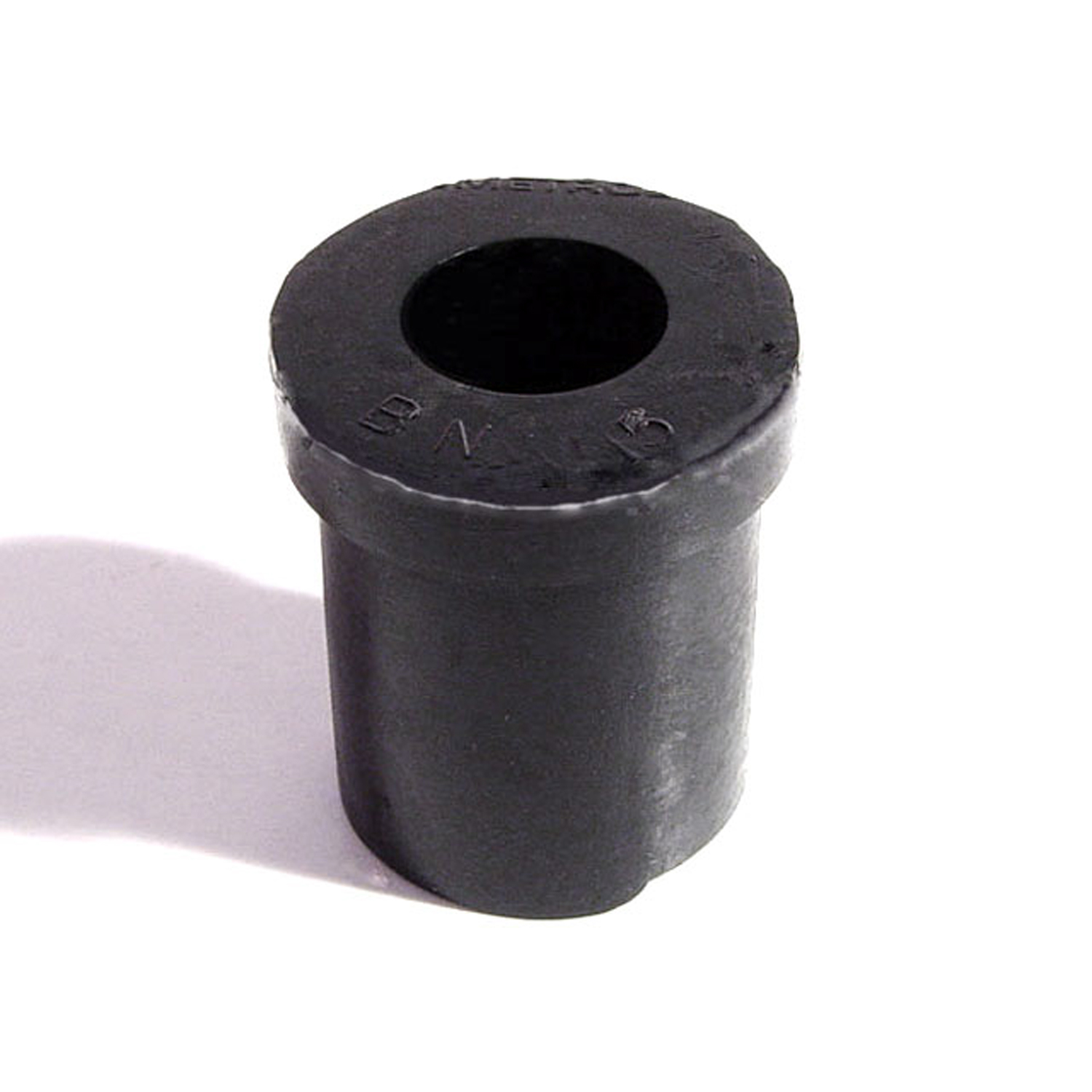 1948 Studebaker M16 Spring and Shackle Bushing. 7/8" bottom O.D-BN 15Spring and Shackle Bushing. 7/8" bottom O.D. X 1-1/8" high, with 1/2" I.D. Each
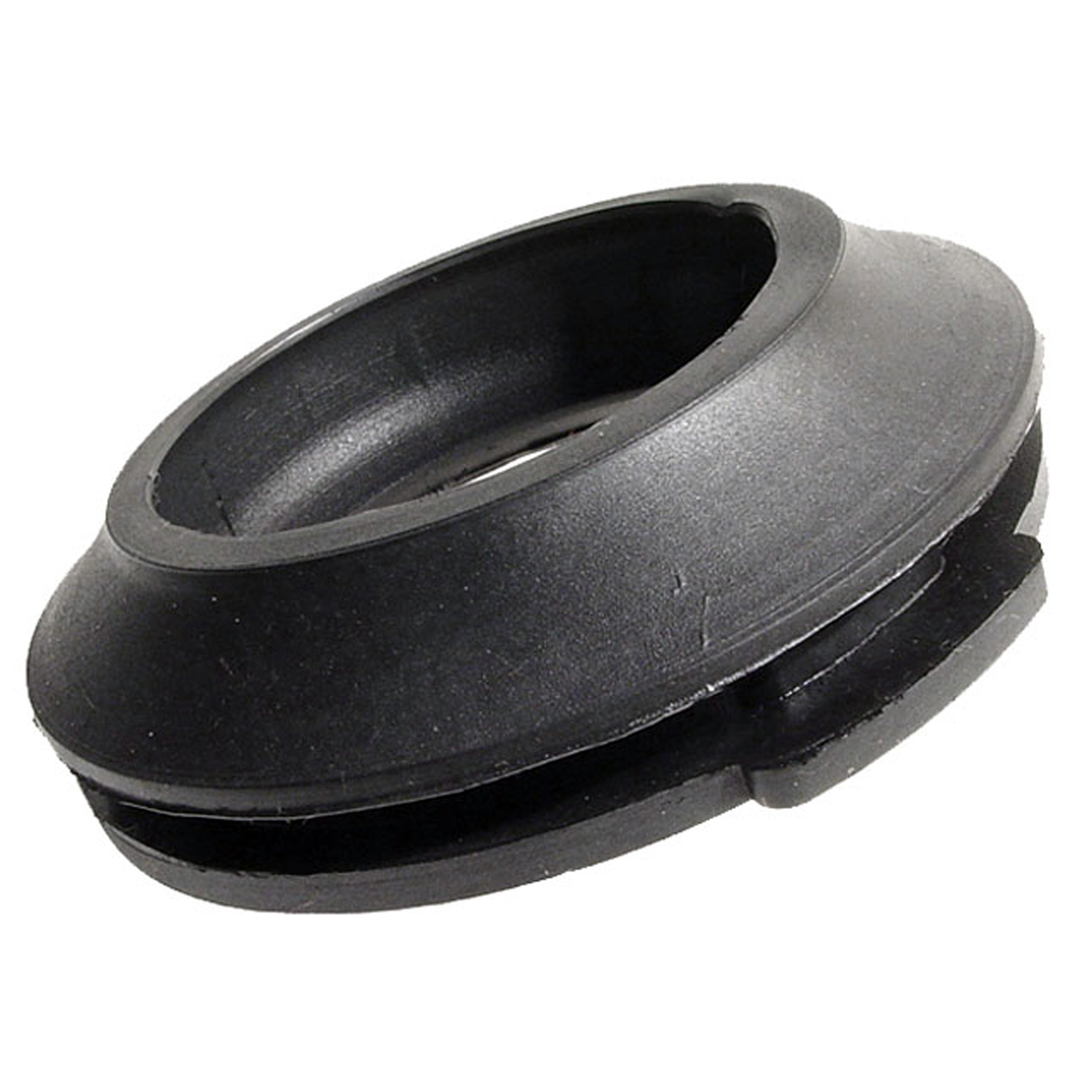 1948 Studebaker M16 Gas Filler Grommet. Perfect reproduction. Top 2-1/16" I.D-GF 45Gas Filler Grommet. Perfect reproduction. Top 2-1/16" I.D., 3-7/16" O.D. Each
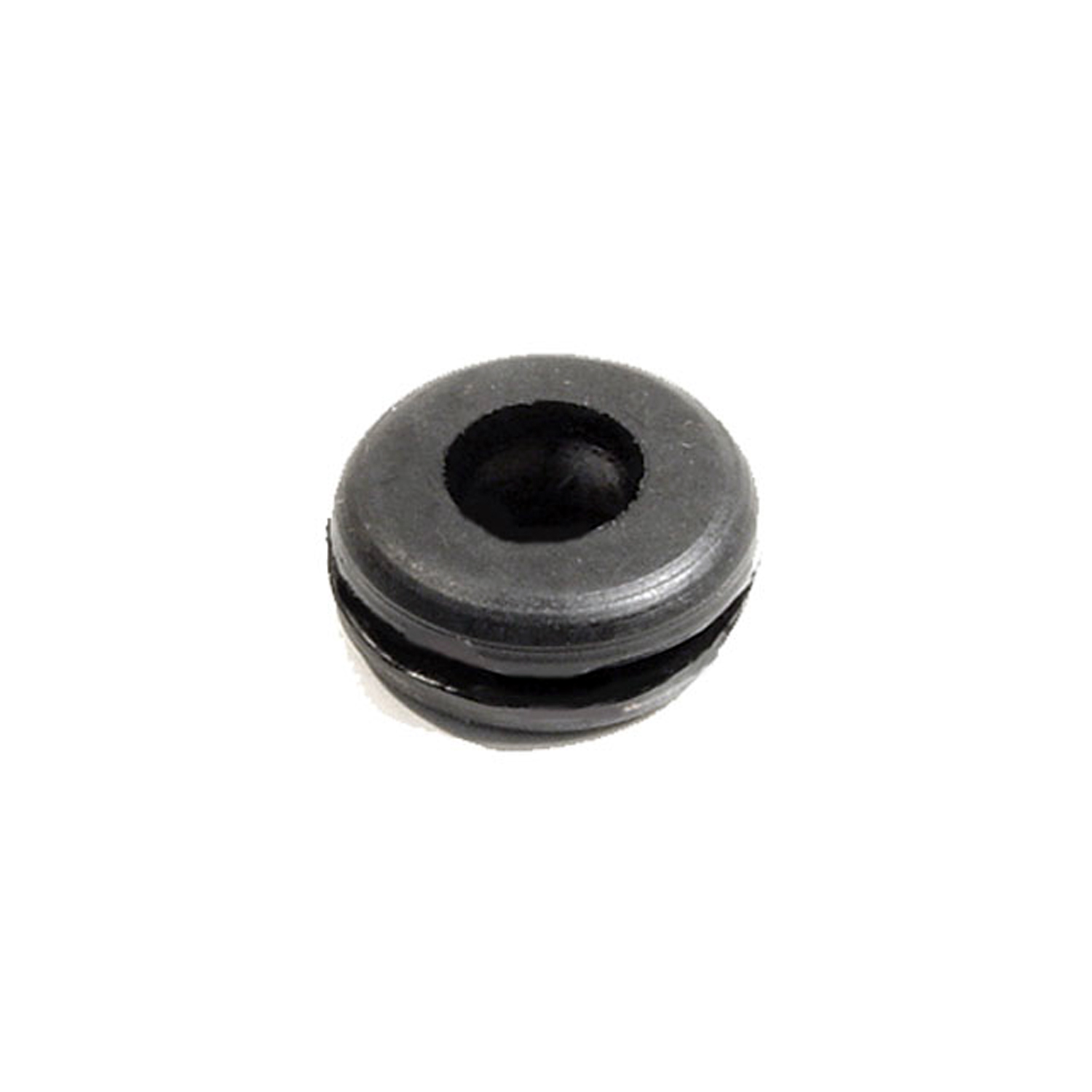 1948 Studebaker M16 Headlight & Tail-Light Wire Grommet. 3/8" I.D., 7/8" O.D-SM 13-AHeadlight & Tail-Light Wire Grommet. 3/8" I.D., 7/8" O.D. Each
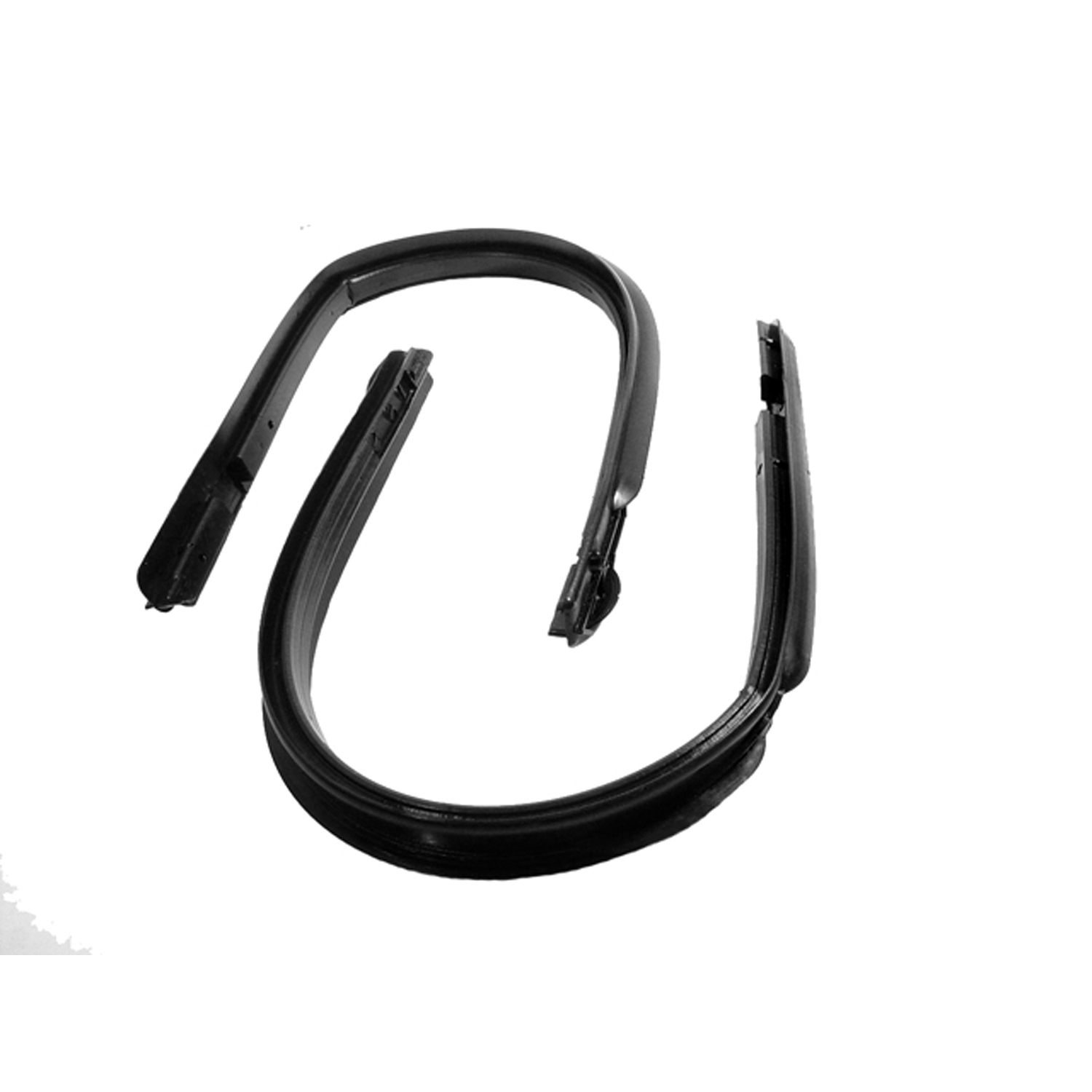 1948 Studebaker M16 Front Vent Window Seals. 28-7/8" long each. Pair R&L-WR 9401Front Vent Window Seals. 28-7/8" long each. Pair R&L
Why Choose Metro?
For over 100 years, Metro Moulded Parts has been the pinnacle of quality in classic car restoration parts. Our commitment to precision and authenticity in every component ensures a perfect fit and an OEM-level appearance.
- Expert Craftsmanship & Quality: Each part is a testament to our dedication to reliability and perfection, crafted from original designs and thoroughly tested.
- Advanced Technology: We use cutting-edge techniques to create flawless, long-lasting parts that surpass others in performance.
- SuperSoft Sponge – The Ultimate Door Seal: Not only are our door seals 30% softer than competitors', but they're also guaranteed to never leak. They effectively reduce wind and road noise, enhancing your classic car's comfort and driving experience.
- Proudly American: Our parts are a product of American craftsmanship, made in the USA with a spirit of excellence and heritage.
- Unrivaled Warranty: We back our products with a 30-year industry-leading warranty, a testament to our confidence in their quality.
Join us in preserving the legacy of classic cars with parts that are crafted for perfection, not just made.