

Image of 1948 Studebaker M17, Note: These illustrations use artistic license and may differ from actual historical models.
Performance Metrics
Fundamental Metrics
Emotional Appeal
MMP Rating
| Engine Specifications | |
|---|---|
| Engine: | Inline 6 |
| Displacement: | 226 cubic inches |
| Horsepower: | Estimated 94 hp |
| Torque: | Not available |
| Compression Ratio: | Not available |
| Ignition System: | Distributor and coil |
| Cooling System: | Liquid-cooled |
| Performance Specifications | |
| 0-60 Time: | Not available |
| 1/4 Mile Time: | Not available |
| Top Speed: | 70 mph |
| Transmission and Drive | |
| Drive Type: | Rear-wheel drive |
| Transmission Type: | 4-speed manual |
| Fuel and Efficiency | |
| Fuel System Type: | Carburetor |
| MPG: | Not available |
| Dimensions and Brakes | |
| Brakes: | Drum brakes |
| Wheelbase: | 128 inches |
| Weight: | 3,400 lbs |
Note: Specifications for classic cars are given to the best of our ability, considering the limited and variant data available.
1948 Studebaker M17: A Working-Class Heavyweight
The 1948 Studebaker M17 was built to haul, not pose, but its rounded postwar styling gives this two-ton work truck a character few modern haulers can match. Made by the Studebaker Corporation of South Bend, Indiana, the M17 belonged to the company’s M-series commercial trucks, a family that carried prewar engineering into the booming years after World War II.
Studebaker had a long history of building trucks, and the M-series helped serve farms, construction sites, local businesses, and delivery fleets during a period of rapid rebuilding and growth. The M17 was a heavy-duty chassis rather than a single-purpose pickup, so buyers could pair it with bodies suited to their work. One interesting consequence is that two surviving M17s may look quite different: their original bodywork could have come from a body builder or fleet operator rather than directly from Studebaker.
Rounded Fenders and a Practical Cab
The M17’s cab has the friendly, rounded appearance typical of early postwar trucks. Its tall hood leads into a simple upright grille, while broad front fenders curve around the wheels and give the truck a substantial stance. A short, vertical windshield and sturdy running boards underline its practical purpose. The design looks softer than a modern commercial truck, but the proportions are unmistakably work-focused.
Inside, expect a straightforward working environment, not passenger-car luxury. The bench seat was designed to accommodate a driver and passenger, while the dashboard kept the essential gauges and controls within easy reach. Painted metal surfaces, basic trim, and durable upholstery suited the truck’s job. Cab condition matters greatly today: decades of moisture can affect the floor, cab corners, and lower panels.
Mechanical equipment was conventional for its era. The M17 used a front-mounted, water-cooled inline-six and a manual transmission, with rear-wheel drive and a heavy-duty rear axle. Its appeal was not novelty technology but serviceable engineering that a mechanic could understand. Exact specifications can vary with production details and later repairs, so buyers should verify the engine, gearbox, axle ratio, and identification numbers on the individual truck.
Factory paint choices depended on the year, body, and order, and commercial buyers often specified fleet colors. Red, green, blue, black, and muted neutral shades are all plausible period appearances, but a surviving truck’s paint is not necessarily its original color. The M17 was sold primarily as a chassis-cab. Common working bodies included stake and platform beds, dump bodies, and specialized commercial installations. The stake or flatbed configuration is among the most recognizable today, though many trucks have been rebodied over the years.
Where the M17 Fits in Truck History
The M17 represents a practical bridge between prewar truck design and the expanding postwar commercial market. Rather than introduce an entirely new platform immediately after the war, Studebaker continued with a familiar, rugged formula and updated it for civilian demand. Businesses needed dependable vehicles quickly, and conventional construction made the truck easier to maintain than a more complicated design.
Its distinction was its combination of sturdy, medium-duty capability and approachable engineering. The M17 was not a styling revolution, nor did it introduce a technology that transformed the industry. Its historical importance is more grounded: it illustrates how American manufacturers supported farms, small businesses, and local commerce as the country shifted from wartime production to peacetime growth. Its rounded cab and fenders also preserve a recognizable moment in the evolution of the American work truck.
Performance: Built for Loads, Not Drag Races
Period performance figures for an individual M17 are difficult to pin down, and a two-ton truck’s speed depends heavily on gearing, tire size, bodywork, load, and mechanical condition. Many trucks in this class used a Studebaker flathead inline-six of roughly 226 cubic inches, with output commonly quoted around 90 to 95 horsepower. The four-speed manual transmission prioritized pulling power and durability over quick acceleration.
There is no useful, widely established factory 0-to-60-mph figure for the M17. A loaded example would accelerate slowly, and reaching 60 mph may be unrealistic or undesirable depending on its gearing and condition. An unloaded, well-maintained truck might manage roughly 45 to 55 mph in ordinary use, but that is an estimate, not a guaranteed specification. These trucks are happiest at moderate speeds, especially when carrying weight.
Behind the wheel, expect a mechanical experience. The engine produces a steady, low-revving six-cylinder rumble, while the manual gearbox asks the driver to plan shifts rather than rush them. The truck’s heavy chassis and leaf springs can feel firm when empty, and bumps are more noticeable than in a modern vehicle. With a load, the suspension settles into its intended role. On winding roads, the M17 rewards smooth steering and early braking, rather than fast cornering. Wind, large tires, and a tall commercial body can also influence how it feels on the road.
Owning and Maintaining a Studebaker M17
Today, an M17 is most at home as a show truck, parade vehicle, farm or property hauler, or carefully used hobby vehicle. Some owners keep them in working condition, but it is not an ideal daily driver for modern traffic. Braking performance, steering feel, lighting, and highway pace differ sharply from contemporary vehicles. A professional inspection and appropriate safety upgrades are wise before regular road use.
The truck’s straightforward mechanical layout is a plus for hands-on owners. Routine work on the engine, clutch, brakes, and suspension is familiar to a competent vintage-truck mechanic. The main challenge is not always repair complexity; it is locating the correct parts, especially model-specific trim, cab sheet metal, and components for the original commercial body. Engine and chassis parts may be easier to source through specialist suppliers, swap meets, and Studebaker clubs than through ordinary parts stores.
Before buying, inspect the frame for corrosion or poor repairs, check the cab and running boards for rust, and look closely at the brakes and steering. Confirm whether the truck still has its original engine and transmission, and establish what body is fitted. A restored-looking truck can still need extensive mechanical work beneath fresh paint.
Noteworthy M17 Facts
The M17’s identity is closely tied to its chassis designation and intended capacity, not to one famous trim package. Unlike a passenger car with a celebrated special edition, commercial M17s were generally ordered to do a job. That makes surviving examples especially varied, and an unusual body may reflect a local business or a later conversion rather than a rare factory option.
The M17 is not generally known for a headline speed record, racing career, or a specific celebrity connection. Its real story is the everyday labor performed by trucks like it: carrying building materials, supporting farms, and moving goods around towns. Common criticisms today include slow acceleration, limited cruising speed, heavy controls, and the difficulty of finding some body-specific parts. Those traits are part of the truck’s period character, but they should be considered honestly by prospective owners.
1948 Studebaker M17 Value and Rarity
There is no dependable, widely published production total for the 1948 M17 alone, and surviving trucks are not always easy to identify after years of body changes and repairs. A cautious estimate would put production in the hundreds to low thousands for the model year, rather than suggesting a precise figure without factory documentation. The M17 is less commonly encountered than a small Studebaker pickup, though its rarity varies by body style and region.
As a broad 2026 U.S. market guide, a project truck or incomplete example might sell for about $4,000 to $10,000. A running, usable truck with a presentable body could fall around $10,000 to $22,000. A well-restored example with sound structure, correct details, and an appealing period body may bring roughly $25,000 to $45,000 or more. These are estimates: condition, provenance, restoration quality, and transport costs can move a sale substantially.
Values for vintage commercial trucks tend to rise more slowly than those of highly publicized muscle cars, and buyer interest is specialized. A well-documented, correctly restored M17 may appreciate over time, but restoration costs can exceed resale value. Buyers should choose one for its history and usability, not as a guaranteed investment.
A Studebaker Made to Earn Its Keep
The 1948 Studebaker M17 combines postwar American utility with the rounded styling and straightforward mechanical character of an earlier era. It is slow by modern standards, asks for thoughtful maintenance, and may require patience when sourcing parts. In return, it offers a substantial, distinctive piece of working-truck history, one that reminds us that some of the most meaningful classic vehicles were designed not for glamour, but for getting the job done.
1948 Studebaker M17 Catalog of Parts
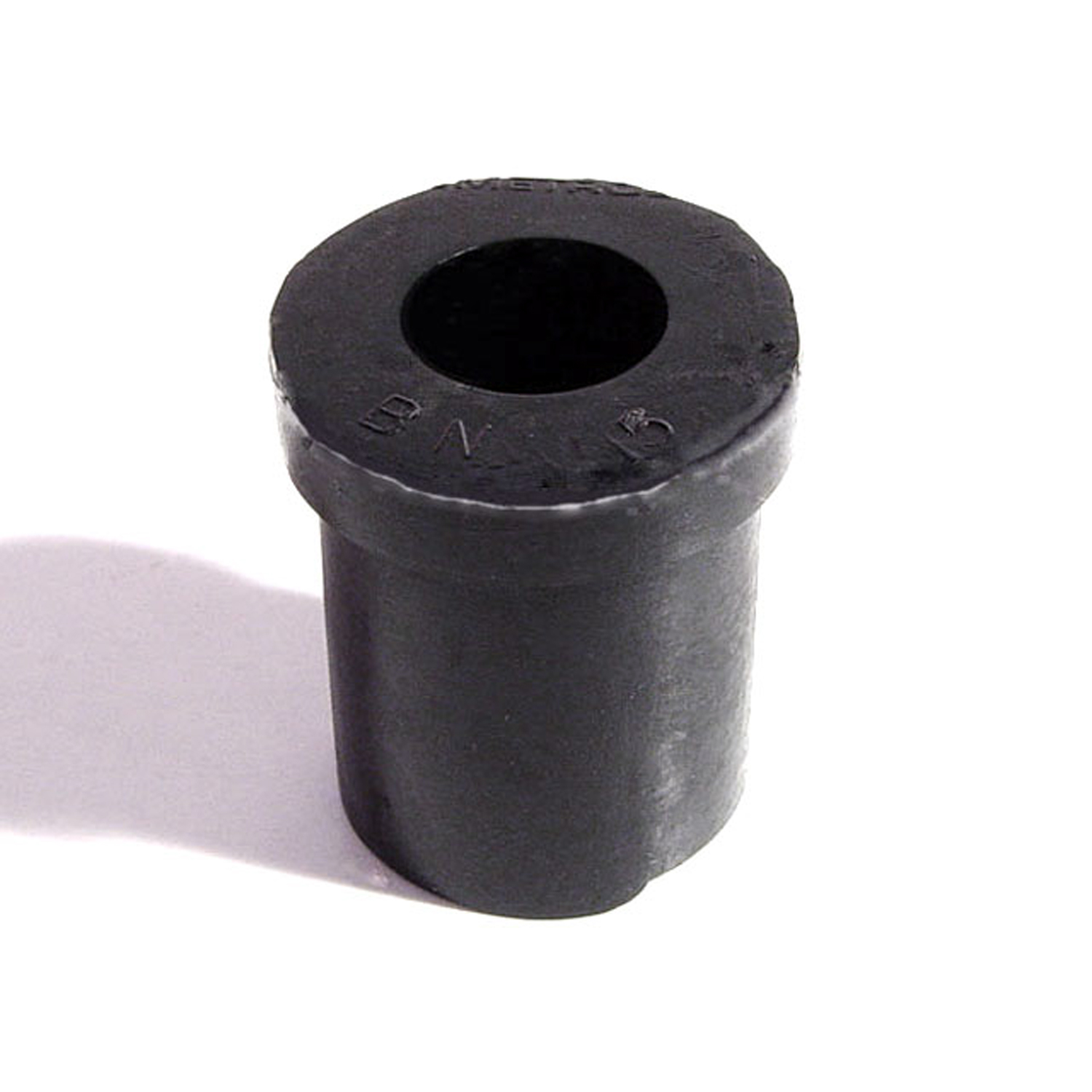 1948 Studebaker M17 Spring and Shackle Bushing. 7/8" bottom O.D-BN 15Spring and Shackle Bushing. 7/8" bottom O.D. X 1-1/8" high, with 1/2" I.D. Each
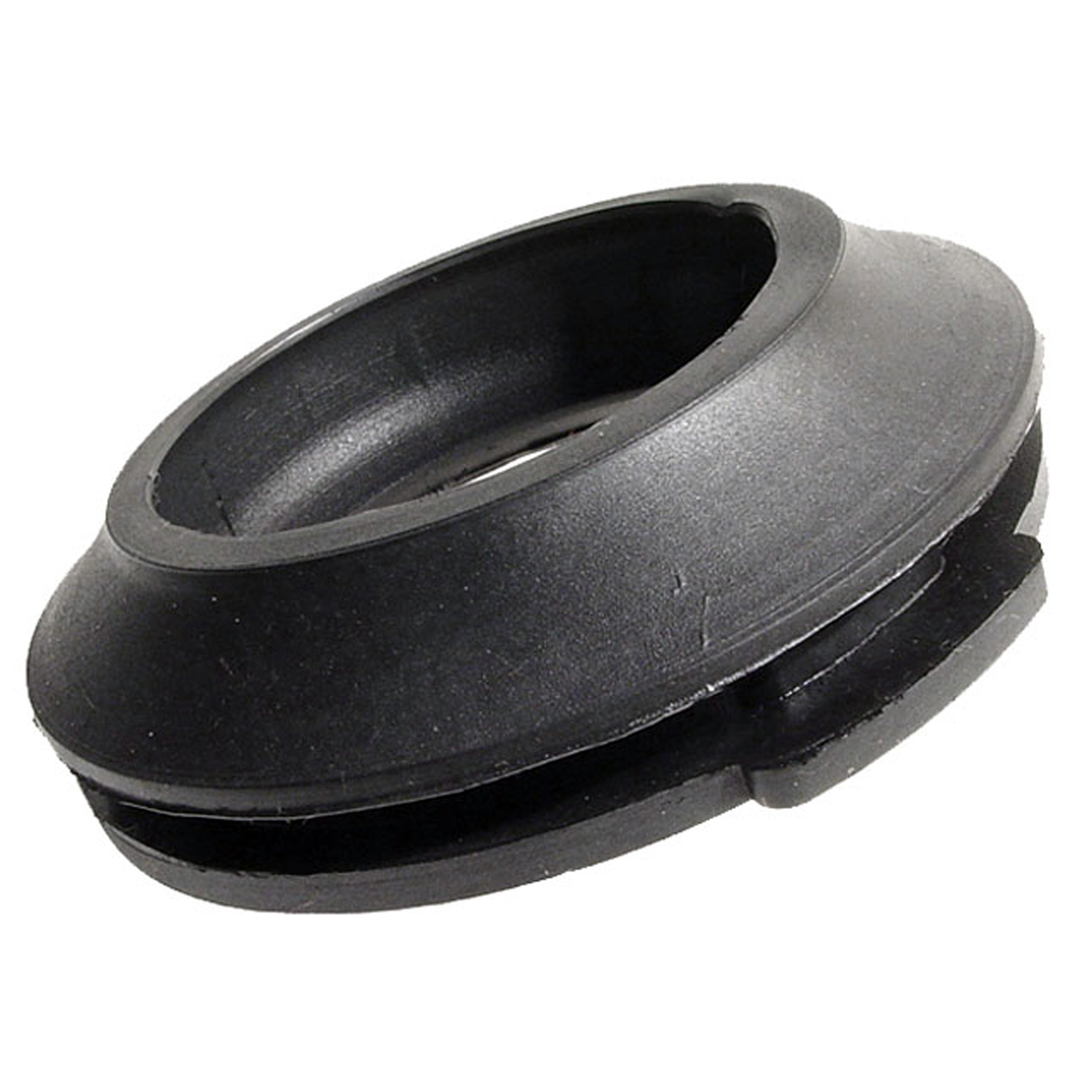 1948 Studebaker M17 Gas Filler Grommet. Perfect reproduction. Top 2-1/16" I.D-GF 45Gas Filler Grommet. Perfect reproduction. Top 2-1/16" I.D., 3-7/16" O.D. Each
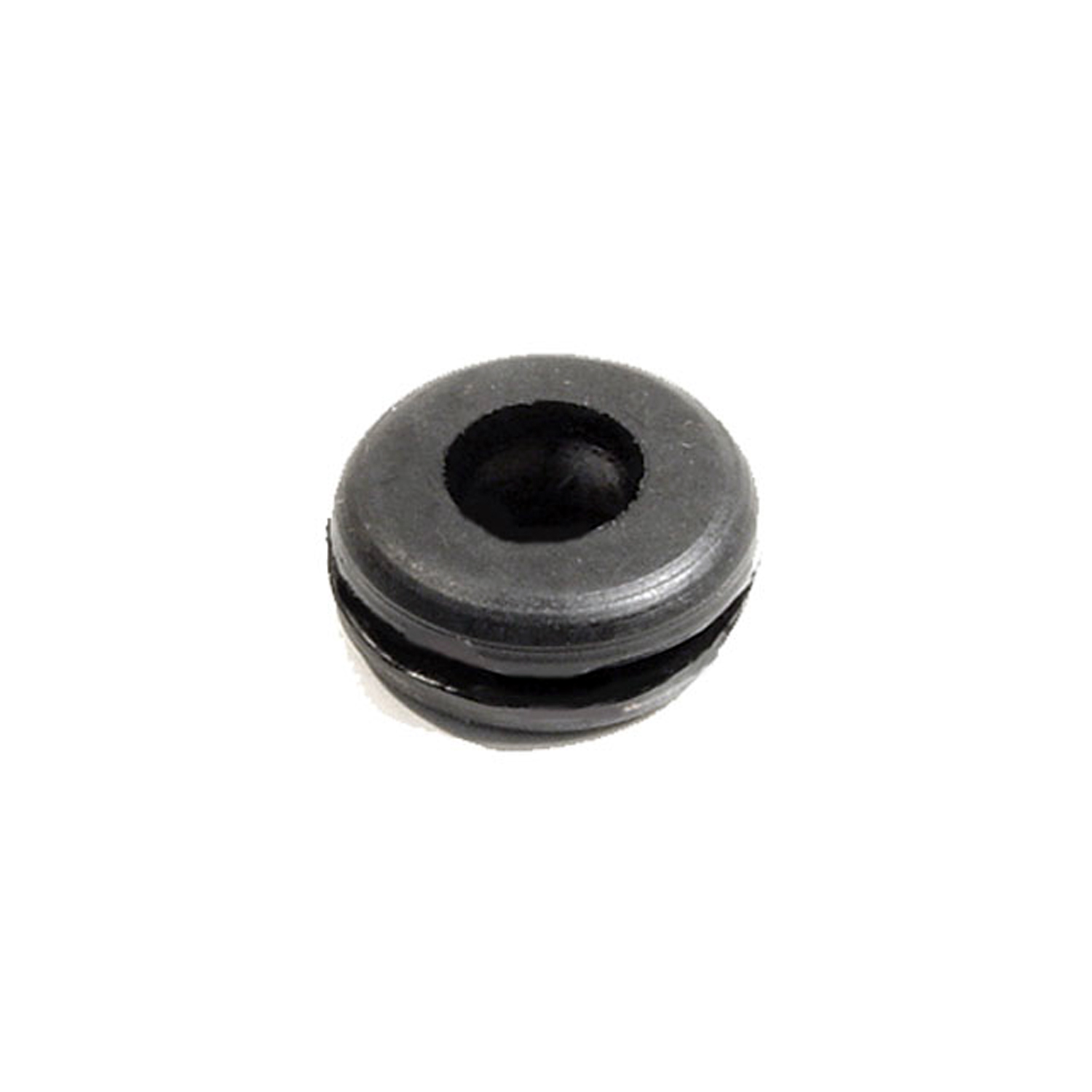 1948 Studebaker M17 Headlight & Tail-Light Wire Grommet. 3/8" I.D., 7/8" O.D-SM 13-AHeadlight & Tail-Light Wire Grommet. 3/8" I.D., 7/8" O.D. Each
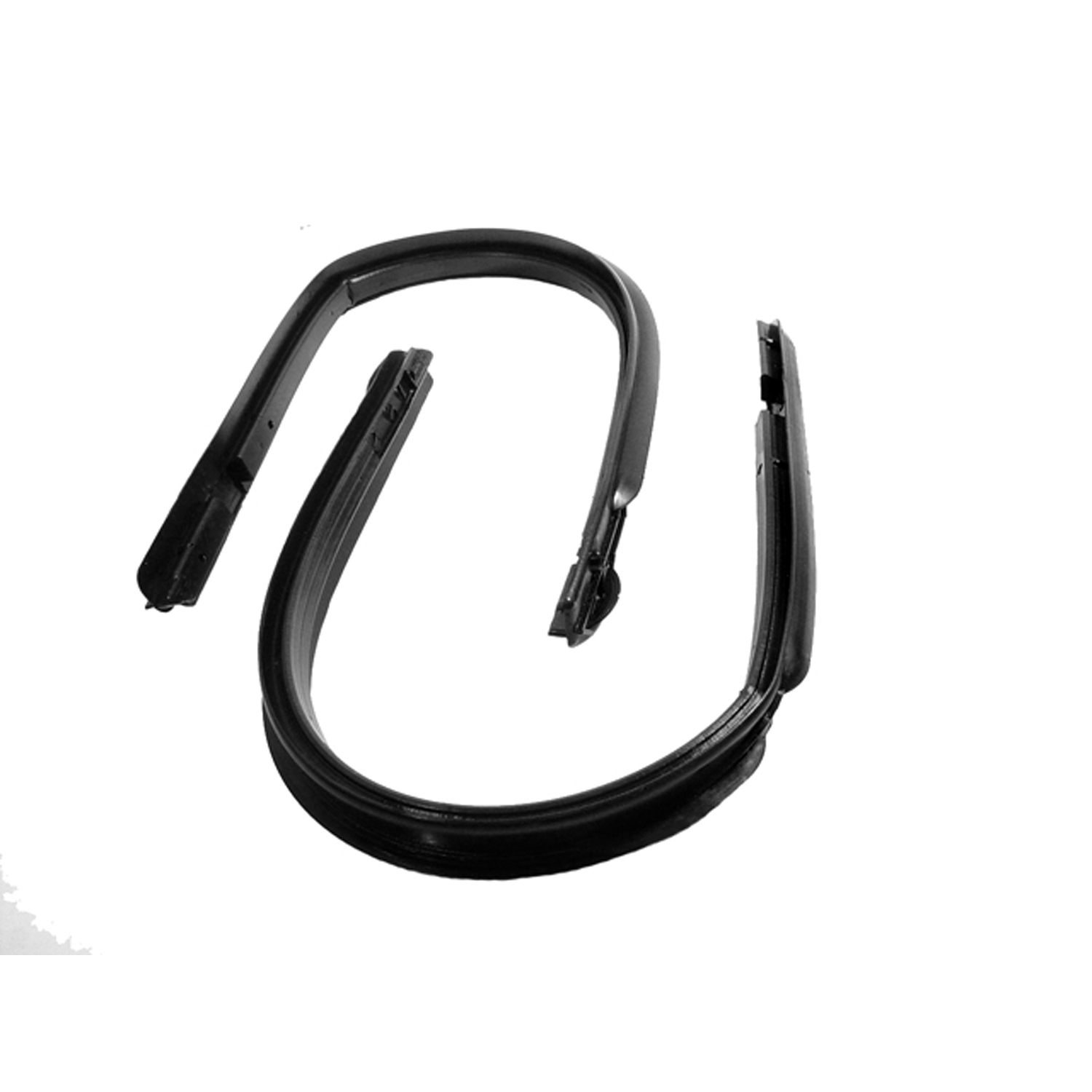 1948 Studebaker M17 Front Vent Window Seals. 28-7/8" long each. Pair R&L-WR 9401Front Vent Window Seals. 28-7/8" long each. Pair R&L
Why Choose Metro?
For over 100 years, Metro Moulded Parts has been the pinnacle of quality in classic car restoration parts. Our commitment to precision and authenticity in every component ensures a perfect fit and an OEM-level appearance.
- Expert Craftsmanship & Quality: Each part is a testament to our dedication to reliability and perfection, crafted from original designs and thoroughly tested.
- Advanced Technology: We use cutting-edge techniques to create flawless, long-lasting parts that surpass others in performance.
- SuperSoft Sponge – The Ultimate Door Seal: Not only are our door seals 30% softer than competitors', but they're also guaranteed to never leak. They effectively reduce wind and road noise, enhancing your classic car's comfort and driving experience.
- Proudly American: Our parts are a product of American craftsmanship, made in the USA with a spirit of excellence and heritage.
- Unrivaled Warranty: We back our products with a 30-year industry-leading warranty, a testament to our confidence in their quality.
Join us in preserving the legacy of classic cars with parts that are crafted for perfection, not just made.