

Image of 1948 Studebaker M5, Note: These illustrations use artistic license and may differ from actual historical models.
Performance Metrics
Fundamental Metrics
Emotional Appeal
MMP Rating
| Engine Specifications | |
|---|---|
| Engine: | Inline 6-cylinder |
| Displacement: | 170 cubic inches |
| Horsepower: | Estimated 80-90 HP |
| Torque: | 150 lb-ft |
| Compression Ratio: | Estimated 6.5:1 |
| Ignition System: | Distributor and coil |
| Cooling System: | Liquid-cooled |
| Performance Specifications | |
| 0-60 Time: | Not available due to the age of the vehicle |
| 1/4 Mile Time: | Not available due to the age of the vehicle |
| Top Speed: | 70 mph |
| Transmission and Drive | |
| Drive Type: | Rear-wheel drive |
| Transmission Type: | 3-speed manual |
| Fuel and Efficiency | |
| Fuel System Type: | Carburetor |
| MPG: | Estimated 15-20 MPG |
| Dimensions and Brakes | |
| Brakes: | Drum brakes |
| Wheelbase: | 112 inches |
| Weight: | 3,200 lbs |
Note: Specifications for classic cars are given to the best of our ability, considering the limited and variant data available.
1948 Studebaker M5: A Postwar Pickup with Prewar Character
The 1948 Studebaker M5 looks ready to go to work, but its rounded fenders and distinctive nose give it more personality than the average postwar pickup. Built by Studebaker Corporation in South Bend, Indiana, the M5 was the half-ton member of the company’s M-series truck line. It paired a practical work-truck layout with styling that had first appeared before the United States entered World War II.
The M-series was introduced for 1941, then carried on through the war years and into the postwar production boom. By 1948, the M5 was in its final model year before Studebaker replaced the line with its new 2R trucks for 1949. That makes a 1948 M5 a bridge between two eras: an older, prewar design still earning its keep in a rapidly changing postwar America.
One detail worth knowing: the M5 is sometimes mistaken for a “bullet-nose” Studebaker because of its prominent front-end styling. The famous passenger-car bullet nose arrived later, for the 1950 model year. The M5’s own nose is a different design, but it gives the truck a similarly memorable face.
M5 Styling and Cab Details
From the front, the M5 has a broad, rounded hood that slopes toward a vertical grille. Horizontal grille bars, a sturdy bumper, and headlights set into the front fenders give it a purposeful look. The fenders flow smoothly into the body rather than appearing like separate, angular pieces, while the tall cab and relatively upright windshield keep the truck’s work-first proportions intact. Its gently curved sheet metal feels distinctly late 1930s and early 1940s, even in the postwar setting.
The cab is straightforward and durable. A wide bench seat, painted metal surfaces, a simple instrument panel, and large, easy-to-read gauges are typical of the period. The materials were chosen for hard use rather than luxury: painted steel, practical upholstery, and controls designed to be operated with work gloves. Compared with a modern pickup, the cabin is narrow and basic, but its uncomplicated layout is part of the M5’s appeal.
Factory colors and trim could vary by year, equipment, and destination, so a single universal color list is difficult to establish. Buyers could find utilitarian fleet colors as well as more attractive factory finishes. Dark green, blue, red, and black are popular choices on surviving restored examples, though those colors should not be taken as a definitive list of every 1948 factory offering. Many trucks were repainted during their working lives.
The M5 was the half-ton model in a broader Studebaker truck family. Buyers could also look to heavier M-series models, including the M15 and M16, for greater carrying capacity. The pickup is the best-known M5 configuration today, but Studebaker also offered commercial and chassis-based configurations across its truck range. The standard pickup bed remains the most recognizable version, with its open cargo area and simple, functional construction.
Technology and Historical Importance
The 1948 M5 was not a technological showpiece. Its significance lies in how well Studebaker adapted a proven design to postwar needs. American businesses, farms, and tradespeople needed dependable vehicles as factories returned to civilian production and the economy expanded. A conventional cab, straightforward controls, and a familiar six-cylinder engine made the M5 an approachable tool for owners who valued serviceability over novelty.
Under the hood was Studebaker’s 169.6-cubic-inch flathead inline-six, rated at about 80 horsepower. A three-speed manual transmission was typical, with the gearshift mounted on the floor. The truck used a conventional rear-wheel-drive layout and a solid rear axle, a robust arrangement well suited to hauling and routine maintenance. Its engineering was traditional, but that was an advantage for many buyers: mechanics already understood the basic systems, and owners could often handle ordinary service themselves.
The M5 also reflects a transitional moment in American truck design. Its rounded, integrated bodywork looked more modern than the boxier trucks of earlier years, yet the basic structure and mechanical layout remained familiar. It was not the truck that transformed the industry, but it helped carry Studebaker through the immediate postwar years. The 1949 2R series would bring a more thoroughly updated look, making the final M-series trucks especially interesting to collectors who appreciate the end of a design era.
Six-Cylinder Performance on the Road
Studebaker did not market the M5 as a high-speed vehicle, and factory performance figures such as zero-to-60 times are not commonly available. Based on its roughly 80-horsepower engine, low gearing, and the weight and aerodynamics of a working pickup, a reasonable modern estimate is about 25 to 35 seconds from zero to 60 mph, if the truck is capable of reaching that speed in its present condition. A healthy, lightly loaded example might manage a top speed in the neighborhood of 60 to 70 mph, but gearing, tire size, engine condition, and road conditions make a large difference. Those figures are estimates, not guaranteed factory specifications.
On a rough road, the M5 feels every bit like a truck. Its solid axles and leaf springs are designed to carry a load, so an empty example can bounce and hop over potholes and washboard surfaces. Add cargo, and the suspension settles down. On winding roads, the steering is slower and less precise than a modern pickup’s, and the truck’s tall body encourages a measured pace. Drivers should remember that a 1948 vehicle also lacks modern conveniences such as power steering, anti-lock brakes, and contemporary crash protection.
The engine delivers its power with an unhurried, steady rhythm. Expect the low, even note of a flathead six, the mechanical sounds of an older drivetrain, and a fair amount of engine and road noise in the cab. The floor-shifted manual transmission keeps the driver engaged, while the upright seating position and broad hood make the M5 feel substantial from behind the wheel. It rewards smooth inputs and anticipation, not hurried shifts or aggressive cornering.
Living with a 1948 Studebaker M5
Today, the M5 is most often used as a show truck, a weekend cruiser, or a light-duty utility vehicle. Some owners still haul modest loads, but a restored 1948 pickup is generally too valuable and too old for regular heavy work. It can be driven on local roads and to events, provided it has been properly inspected and maintained.
Routine servicing is within reach for an owner with basic mechanical skills. Oil changes, ignition tune-ups, brake work, and many engine repairs follow familiar vintage-vehicle practices. The flathead six is relatively uncomplicated, and Studebaker’s parts-sharing with other vehicles of the period can help with some components. However, not every part is easy to find. Model-specific trim, body panels, glass, and correct interior pieces may take time to locate, and reproduction availability can vary.
Before buying, inspect the frame, cab corners, floor, bed, and fenders for rust or old repairs. Check the cooling system, brakes, steering, and electrical wiring, then verify that the engine holds oil pressure and runs without excessive smoke or knocking. Many examples have been modified, including changes to the engine, wheels, brakes, or electrical system. Such upgrades can improve usability, but they affect originality and collector value.
Interesting M5 Facts and Common Complaints
The 1948 M5’s most notable “record” is its longevity rather than a speed or endurance achievement. The M-series design served Studebaker from 1941 through 1948, spanning wartime production constraints and the busy return to civilian manufacturing. Exact production totals for individual M5 model years are not consistently reported in commonly available reference sources. A reasonable working estimate is that roughly 8,000 to 15,000 M5s were built for the 1948 model year, with perhaps 75,000 to 100,000 produced across the full M-series run. These are estimates, not confirmed factory totals.
There is no widely documented celebrity association or major racing record that defines the 1948 M5. Its story is more closely tied to everyday American work: deliveries, farm chores, local businesses, and trades. That ordinary service is part of its charm. Unlike a glamorous show car, the M5 was built to earn its place in a working fleet.
Common criticisms are easy to understand from a modern perspective. The cab is basic, the ride can be choppy when the bed is empty, and acceleration is modest. Braking distances and handling also fall short of modern expectations. On the other hand, those limitations come with a simple mechanical character and a direct driving experience that many classic-truck fans actively seek.
Collector Values and Availability
Values vary considerably with condition, originality, body configuration, and the quality of any restoration. As a broad U.S. market guide for 2026, a project M5 may sell for roughly $5,000 to $12,000. A running, presentable driver could fall around $15,000 to $28,000, while a well-restored example may bring approximately $30,000 to $45,000 or more. Exceptional restorations, rare configurations, or trucks with documented history can exceed those ranges, while serious rust or incomplete parts can push a project below them.
The M5 is uncommon but not so scarce that collectors never encounter one. A sound, original truck can take patience to find, and restored pickups tend to draw the most attention. Because reliable year-by-year production figures are hard to verify, rarity is best judged by the number of examples appearing in the market and the condition of each truck rather than by a precise production claim.
Prices for classic pickups have risen over the long term, though individual results are uneven. The M5 generally attracts a smaller audience than more famous Chevrolet, Ford, and Dodge pickups, which can keep its prices comparatively approachable. Well-presented examples have benefited from interest in distinctive prewar and postwar trucks, but restoration costs can quickly exceed resale value. Buyers should choose a truck they genuinely enjoy, rather than assume that a full restoration will automatically produce a profit.
Why the 1948 Studebaker M5 Still Matters
The 1948 Studebaker M5 combines an easy-to-recognize shape, a sturdy flathead six, and the straightforward character of a working half-ton pickup. It is not fast, luxurious, or packed with modern technology. Instead, it offers a vivid connection to the postwar years, when familiar machinery helped businesses and families get moving again.
As the final M-series model year, the 1948 M5 marks the close of a distinctive chapter in Studebaker truck design. Whether it is parked at a car show or rumbling down a quiet back road, this honest old pickup reminds us that a truck does not need to be complicated to be memorable.
1948 Studebaker M5 Catalog of Parts
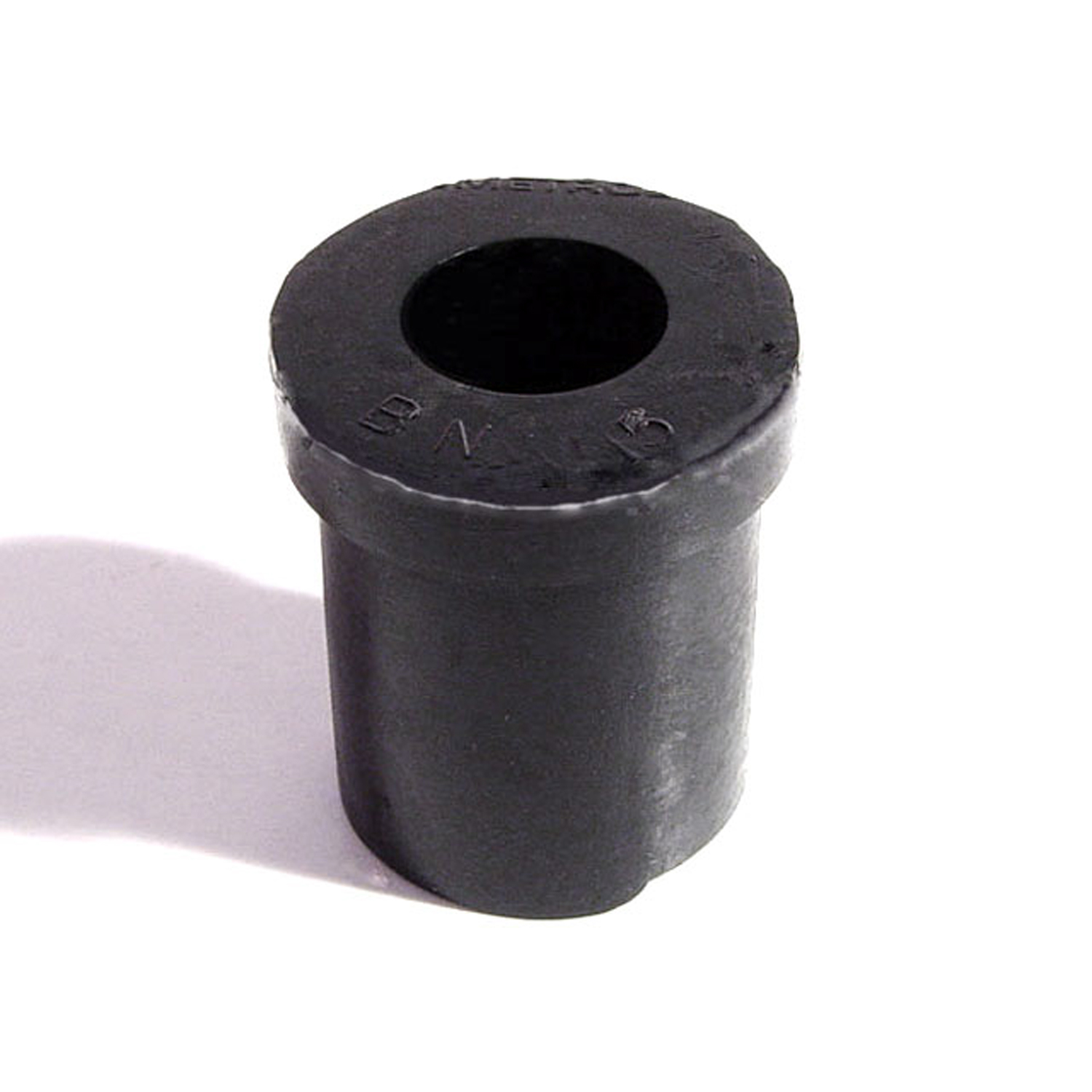 1948 Studebaker M5 Spring and Shackle Bushing. 7/8" bottom O.D-BN 15Spring and Shackle Bushing. 7/8" bottom O.D. X 1-1/8" high, with 1/2" I.D. Each
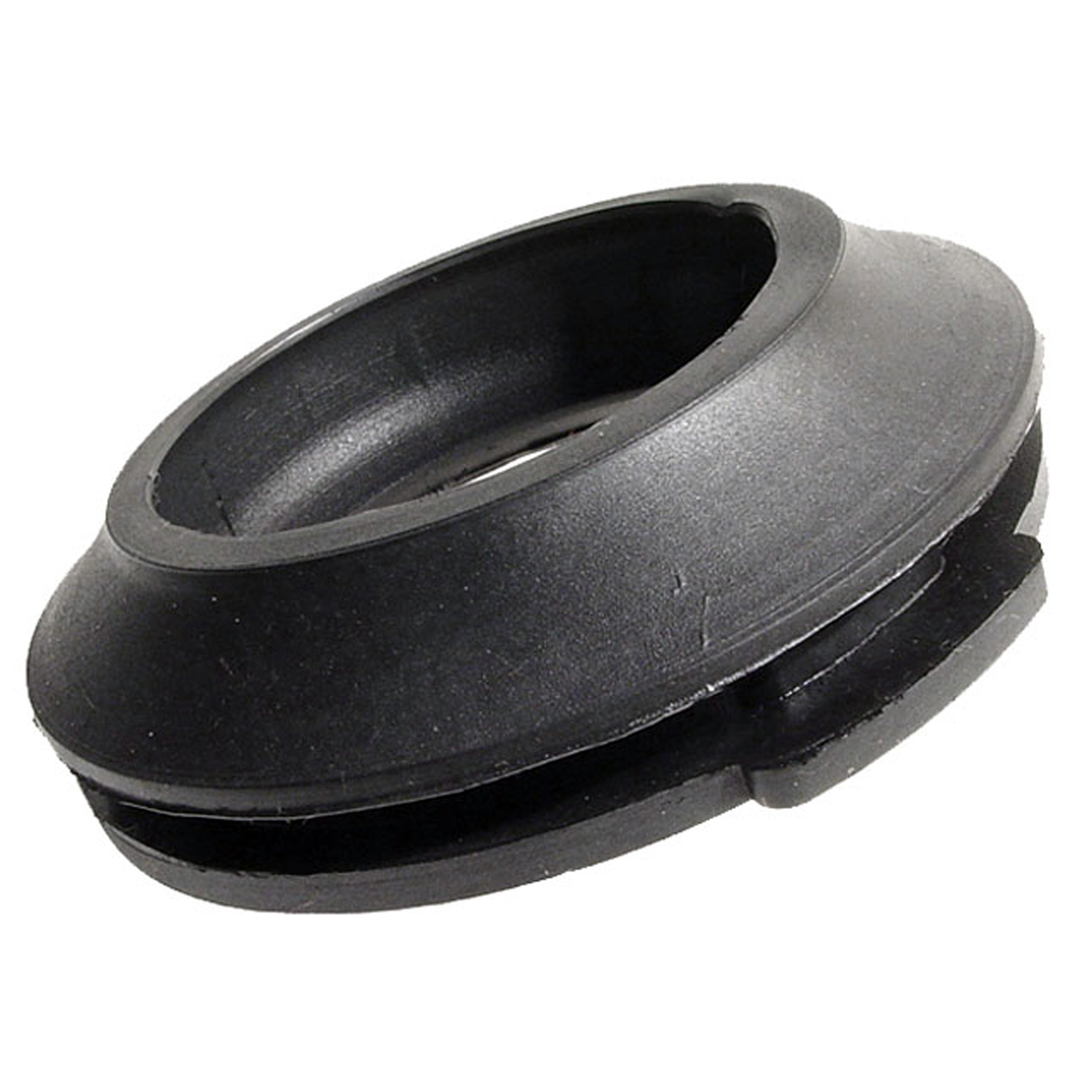 1948 Studebaker M5 Gas Filler Grommet. Perfect reproduction. Top 2-1/16" I.D-GF 45Gas Filler Grommet. Perfect reproduction. Top 2-1/16" I.D., 3-7/16" O.D. Each
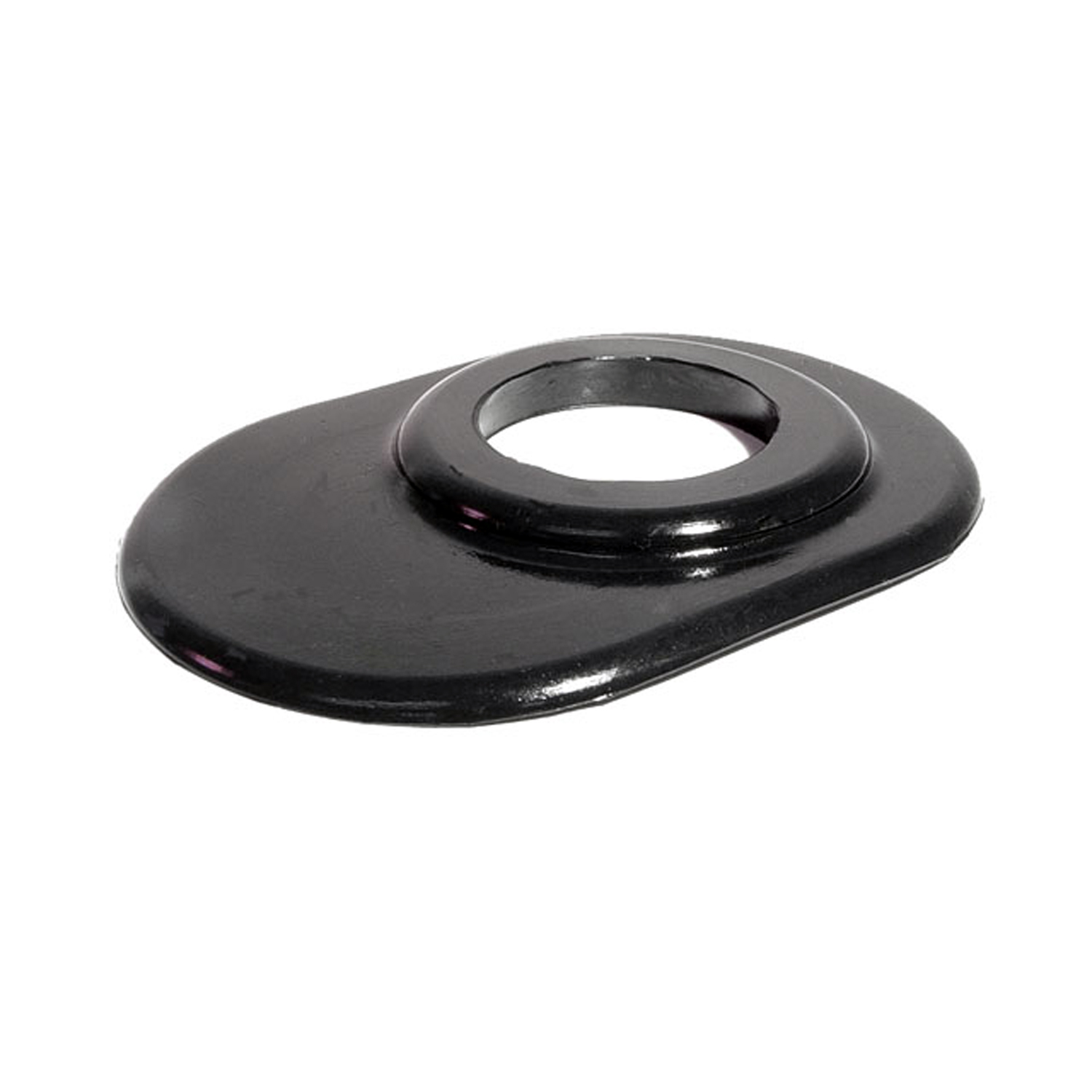 1948 Studebaker M5 Steering Column Grommet. For 4-speed models. Each-SC 24Steering Column Grommet. For 4-speed models. Each
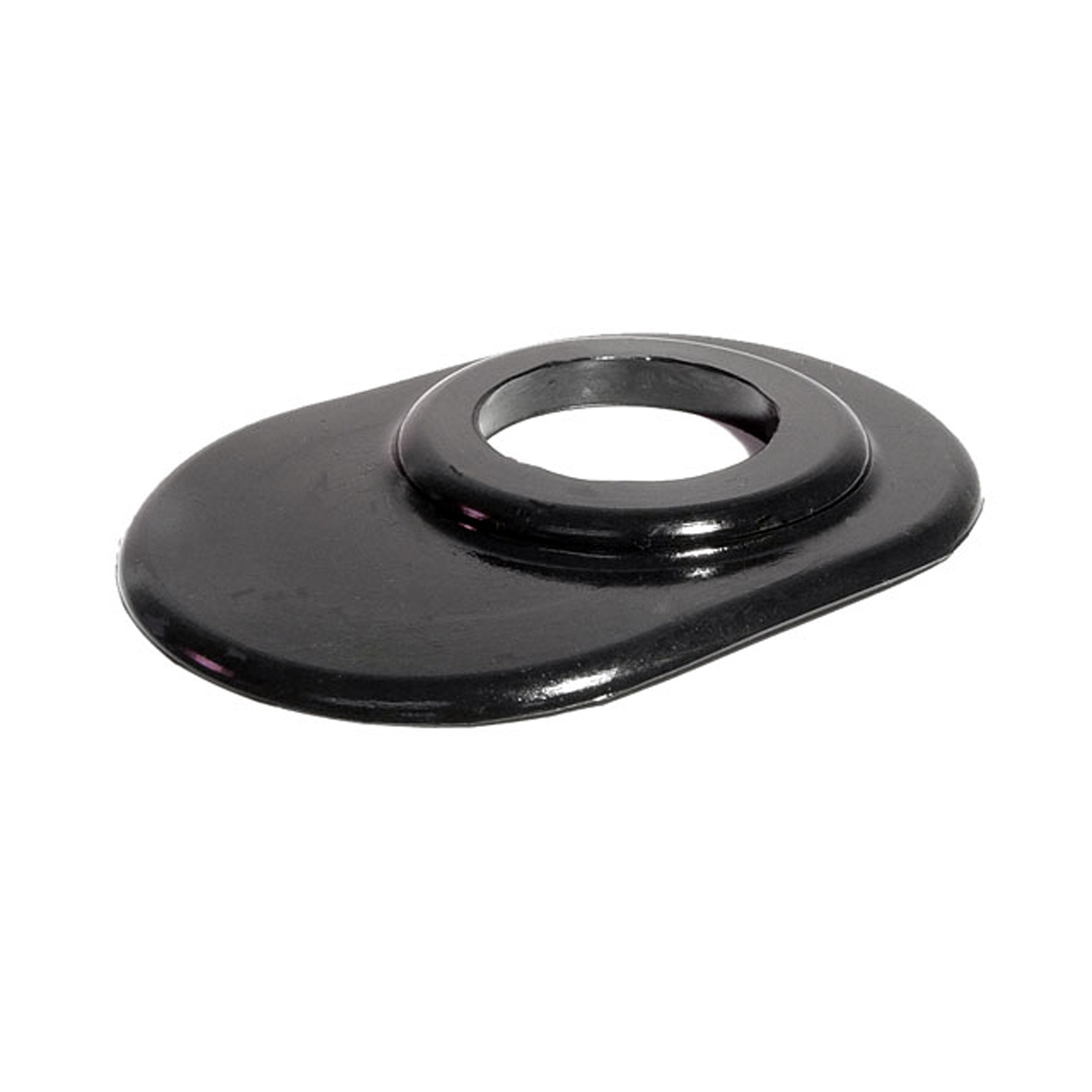 1948 Studebaker M5 Steering Column Grommet. For 3-speed models. Each-SC 24-ASteering Column Grommet. For 3-speed models. Each
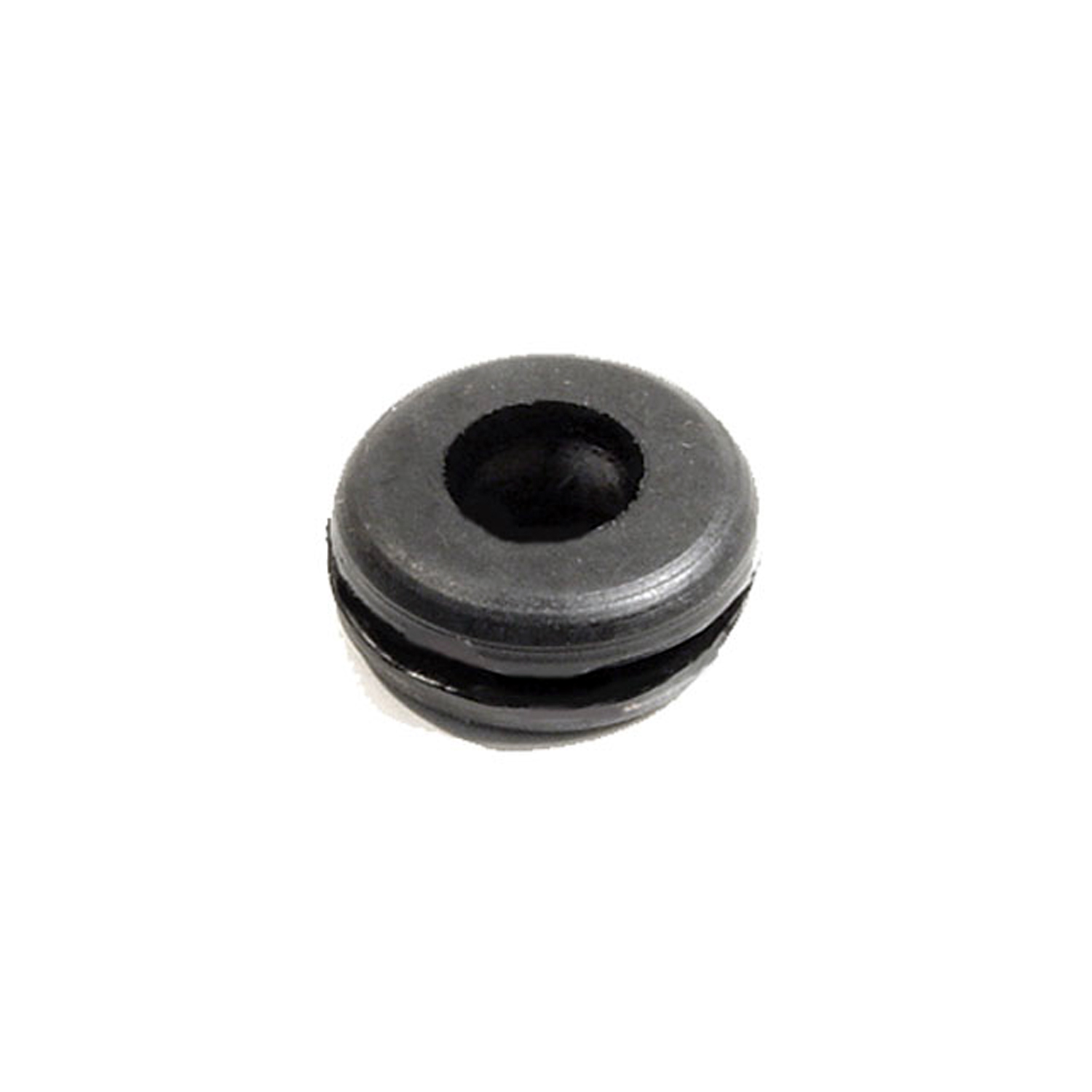 1948 Studebaker M5 Headlight & Tail-Light Wire Grommet. 3/8" I.D., 7/8" O.D-SM 13-AHeadlight & Tail-Light Wire Grommet. 3/8" I.D., 7/8" O.D. Each
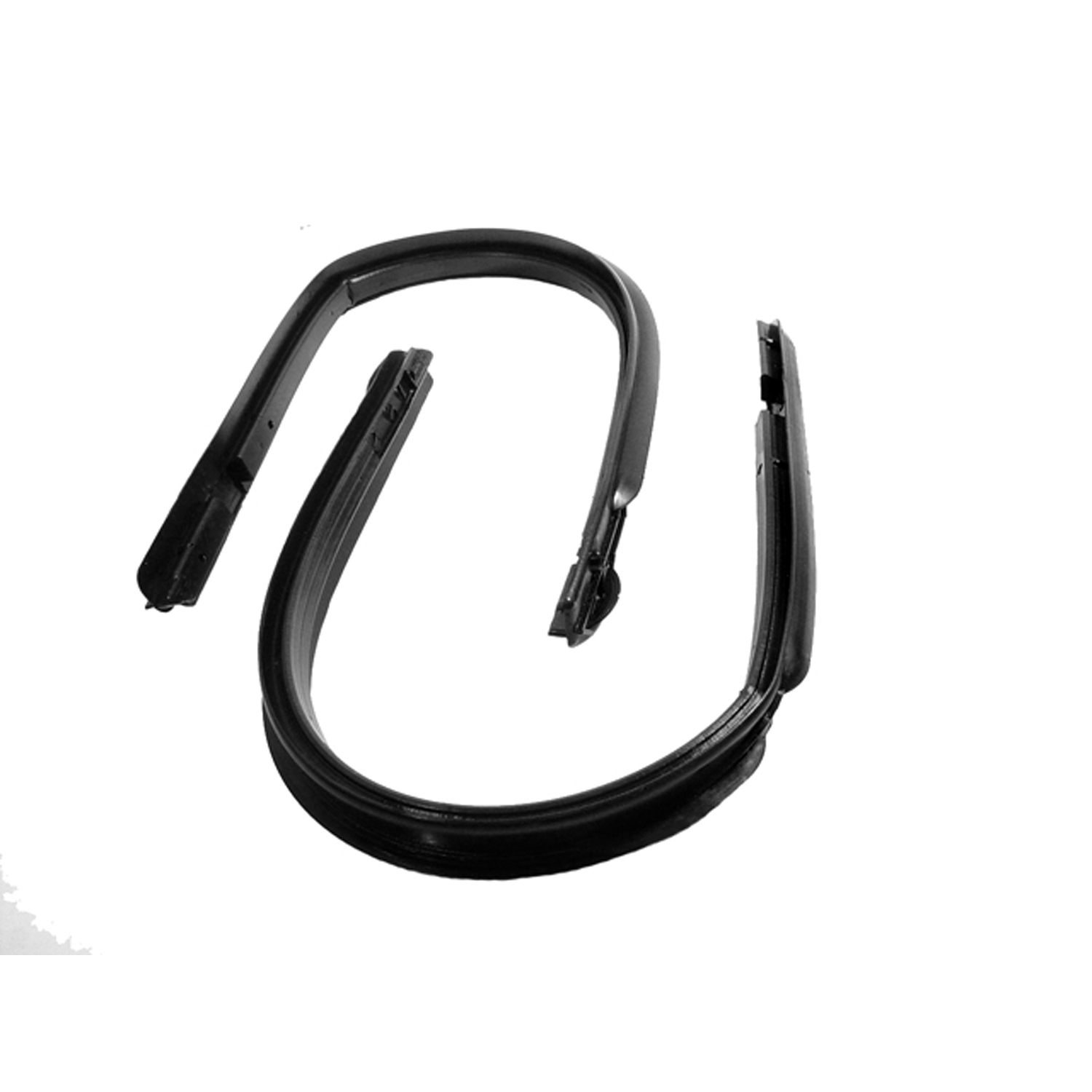 1948 Studebaker M5 Front Vent Window Seals. 28-7/8" long each. Pair R&L-WR 9401Front Vent Window Seals. 28-7/8" long each. Pair R&L
Why Choose Metro?
For over 100 years, Metro Moulded Parts has been the pinnacle of quality in classic car restoration parts. Our commitment to precision and authenticity in every component ensures a perfect fit and an OEM-level appearance.
- Expert Craftsmanship & Quality: Each part is a testament to our dedication to reliability and perfection, crafted from original designs and thoroughly tested.
- Advanced Technology: We use cutting-edge techniques to create flawless, long-lasting parts that surpass others in performance.
- SuperSoft Sponge – The Ultimate Door Seal: Not only are our door seals 30% softer than competitors', but they're also guaranteed to never leak. They effectively reduce wind and road noise, enhancing your classic car's comfort and driving experience.
- Proudly American: Our parts are a product of American craftsmanship, made in the USA with a spirit of excellence and heritage.
- Unrivaled Warranty: We back our products with a 30-year industry-leading warranty, a testament to our confidence in their quality.
Join us in preserving the legacy of classic cars with parts that are crafted for perfection, not just made.