

Image of 1948 Studebaker Taxi, Note: These illustrations use artistic license and may differ from actual historical models.
Performance Metrics
Fundamental Metrics
Emotional Appeal
MMP Rating
| Engine Specifications | |
|---|---|
| Engine: | Inline 6 |
| Displacement: | 170 cubic inches |
| Horsepower: | Estimated 80-85 hp |
| Torque: | 125-130 lb-ft |
| Compression Ratio: | Estimated 6.5:1 |
| Ignition System: | Distributor and coil |
| Cooling System: | Liquid-cooled |
| Performance Specifications | |
| 0-60 Time: | Estimated 20-25 seconds |
| 1/4 Mile Time: | Not available |
| Top Speed: | 75-80 mph |
| Transmission and Drive | |
| Drive Type: | Rear-wheel drive |
| Transmission Type: | 3-speed manual |
| Fuel and Efficiency | |
| Fuel System Type: | Carburetor |
| MPG: | Estimated 15-20 mpg |
| Dimensions and Brakes | |
| Brakes: | Drum brakes |
| Wheelbase: | 112 inches |
| Weight: | Estimated 2800-3000 lbs |
Note: Specifications for classic cars are given to the best of our ability, considering the limited and variant data available.
1948 Studebaker Taxi: A Postwar Cab with Style
A 1948 Studebaker taxi could take you across town in a car that looked more like a piece of modern design than a workaday cab. Built from Studebaker’s postwar Champion or Commander sedans, these taxis combined practical American engineering with the distinctive styling that made the South Bend, Indiana, automaker stand out.
One detail matters when identifying one today: “1948 Studebaker Taxi” describes a Studebaker sedan equipped for cab service, not necessarily a separate, clearly documented factory model. Taxi companies could order suitable cars and add equipment such as a meter, roof light, partition, and fleet markings. The exact specification varied by operator, so surviving examples can differ considerably.
Studebaker’s redesigned 1947 line gave the 1948 cars a fresh postwar look. The company was among the first American automakers to bring a genuinely new postwar body design to market, giving its sedans a strikingly modern appearance at a time when many competitors were still adapting prewar designs. That made a Studebaker cab a memorable sight on city streets.
Streamlined Studebaker Styling
The 1948 sedan’s shape was low and clean for its era. Its rounded front fenders flowed into the body rather than sitting apart like separate wings, while the broad hood and upright grille gave the car a confident face. At the rear, curved fenders and a gently sloping roofline softened the formal four-door profile. Studebaker’s styling was often described as looking modern from either direction, a compliment to its unusually cohesive lines.
Taxi equipment added a distinctly working look. A roof-mounted sign, visible fare meter, fleet numbers, and a driver-passenger partition could transform an ordinary sedan into a professional cab. These additions were generally determined by the taxi operator or local regulations, rather than being universal factory equipment.
Inside, the standard sedan cabin was designed for everyday use, not luxury-car display. Cloth upholstery, a broad bench seat, simple door trim, and a straightforward dashboard suited long hours on the road. Taxi operators often favored durable, easy-to-clean materials or replaced upholstery over time. A partition could separate the driver from passengers, while a meter and dispatch radio might be installed according to the company’s needs.
Studebaker offered its passenger cars in a range of factory colors, but fleet buyers typically chose practical, easily maintained finishes or had cars painted in company colors. Black, dark green, gray, and maroon are plausible period fleet choices, though the exact palette depended on the operator and paint supplier. Many cabs also carried lettering or contrasting trim that made the company name easy to spot.
The four-door sedan was the natural choice for taxi work, offering a rear seat and easier passenger access. Studebaker’s 1948 range also included other passenger-car body styles, but two-door cars and coupes were far less useful as cabs. Champion sedans were an economical option; larger or better-equipped Commander sedans could offer a roomier, more powerful alternative. A particular taxi’s wheelbase and equipment depend on its underlying model and conversion.
Why the 1948 Taxi Stood Out
Studebaker’s postwar design was a major part of its identity. Rather than relying solely on prewar styling, the company gave its new sedans smoother contours and a more integrated body. The look helped establish Studebaker as an independent automaker willing to take visual risks alongside the much larger Detroit manufacturers.
For taxi service, the styling had a practical benefit too: a cab did not have to look plain to be useful. The sedan’s generous doors, conventional layout, and bench seating made it adaptable for passenger work, while its distinctive profile helped it stand apart from the more familiar cabs of the period. Its influence was chiefly stylistic rather than technological. It did not introduce a revolutionary taxi-specific system, but it demonstrated how modern passenger-car design could serve commercial use.
Engine, Speed, and Road Manners
Performance depends on whether the taxi began life as a Champion or Commander. A typical 1948 Champion used a 169.6-cubic-inch inline-six rated at about 80 horsepower. The larger Commander’s 226.2-cubic-inch six was rated at roughly 94 horsepower. Both were paired with a conventional three-speed manual transmission, with overdrive available on some passenger-car configurations.
Period performance figures vary by body style, gearing, condition, and test method. As a broad estimate, a Champion sedan might reach a top speed in the neighborhood of 75 to 80 mph and take roughly 20 to 25 seconds to accelerate from 0 to 60 mph. A Commander could feel stronger, particularly with a full load, but neither was built for quick acceleration by modern standards. These are estimates for comparable sedans, not guaranteed figures for every taxi conversion.
On the road, the Studebaker feels like a substantial late-1940s sedan: a bench seat, a large steering wheel, and a suspension tuned more for comfort than sharp cornering. It can soak up rough pavement reasonably well, though worn springs, tired shocks, and old tires can make a surviving example feel loose or bouncy. On winding roads, expect body lean and slower steering response compared with a modern car. In crosswinds, its broad body and period tires call for a steady hand.
The inline-six delivers its power with a steady, workmanlike sound rather than a sporty bark. The manual gearbox asks for deliberate shifts, and the driver remains closely involved through the steering, clutch, and brakes. A well-maintained car can be pleasant at sensible speeds, but heavy traffic and long modern highway runs demand more attention than they would in a contemporary sedan.
Owning and Maintaining a Studebaker Cab
In period service, the Studebaker taxi’s job was straightforward: carry passengers, luggage, and fares around town. Today, most are better suited to local cruising, vintage-car events, museum displays, and taxi-themed collections than daily commuting. A convincing restoration can be a standout at a show, especially if it retains period-correct cab equipment and authentic fleet markings.
The basic mechanical layout is conventional, which helps with routine maintenance. Owners should pay particular attention to the cooling system, ignition, carburetor, brakes, suspension, and electrical connections. As with any car nearing 80 years old, condition and previous repairs matter more than the badge. Rust in the body and structural areas, incomplete trim, and neglected brake components can turn an apparently inexpensive project into a major restoration.
Some service parts and specialist knowledge remain available through Studebaker clubs and vintage-parts suppliers, but taxi-specific equipment can be much harder to find. Meters, partitions, roof signs, and fleet accessories may be period add-ons rather than Studebaker parts. Before buying, verify the car’s model and drivetrain, inspect the chassis and body carefully, and look for documentation supporting any claim that it served as a taxi.
Taxi Trivia and Common Myths
The most intriguing fact about the 1948 Studebaker taxi is that its identity is often tied to local history rather than a factory model designation. Two cars that both look like Studebaker cabs may have different engines, wheelbases, interior layouts, and equipment because they were ordered or modified for different operators.
There is no widely established production total for “1948 Studebaker taxis” as a distinct model, because taxi service was an application for passenger cars rather than a single, consistently recorded factory series. It is reasonable to think that hundreds, and possibly more, Studebaker sedans entered taxi or livery service during the period, but that is an informed estimate, not a verified production figure. The number of surviving, well-documented original cabs is likely much smaller.
There is also no widely recognized speed, endurance, or sales record associated specifically with the 1948 Studebaker taxi. Its appeal is more local and personal: a former cab may carry traces of a city, company, or working life that an ordinary restored sedan cannot reproduce. Common criticisms are typical of cars from this era: modest acceleration, heavy controls, limited modern safety features, and increasing difficulty finding specialized parts.
Collector Values and Availability
Values vary widely with rust, mechanical condition, restoration quality, and proof of taxi history. As a general 2026 estimate, an incomplete or rough Studebaker sedan project might sell for around $3,000 to $8,000. A solid, running car could fall roughly in the $8,000 to $20,000 range, while a high-quality restoration may bring $20,000 to $35,000 or more, depending on the model and market.
A documented taxi conversion can command a premium when its equipment, markings, and history are convincing. A well-restored, authentic example might bring approximately $15,000 to $35,000, with exceptional provenance potentially pushing it higher. A sedan painted like a cab without evidence of actual taxi service may be valued closer to a comparable Studebaker sedan. These ranges are broad estimates, and local demand can make a significant difference.
True taxi examples are uncommon on the market, but ordinary 1948 Studebaker sedans are easier to find than cars with verifiable cab histories. Values for sound, attractive examples have generally been supported by interest in postwar styling and marque-specific collecting, though the market is selective. Originality, documentation, and quality of restoration tend to matter more than simply labeling a car a taxi.
A Working Car with Lasting Style
The 1948 Studebaker taxi brings together two appealing stories: the rise of postwar American car design and the everyday history of urban transportation. Its smooth, distinctive body made it a stylish alternative on city streets, while its conventional six-cylinder power and sedan layout suited the practical demands of cab work.
It was not a purpose-built taxi model with one universal specification, and its exact performance or production numbers depend on the car beneath the cab equipment. That variety is part of its charm. Whether preserved as a working cab or restored as a postwar Studebaker, it remains a reminder that even the daily ride across town could arrive with a little design flair.
1948 Studebaker Taxi Catalog of Parts
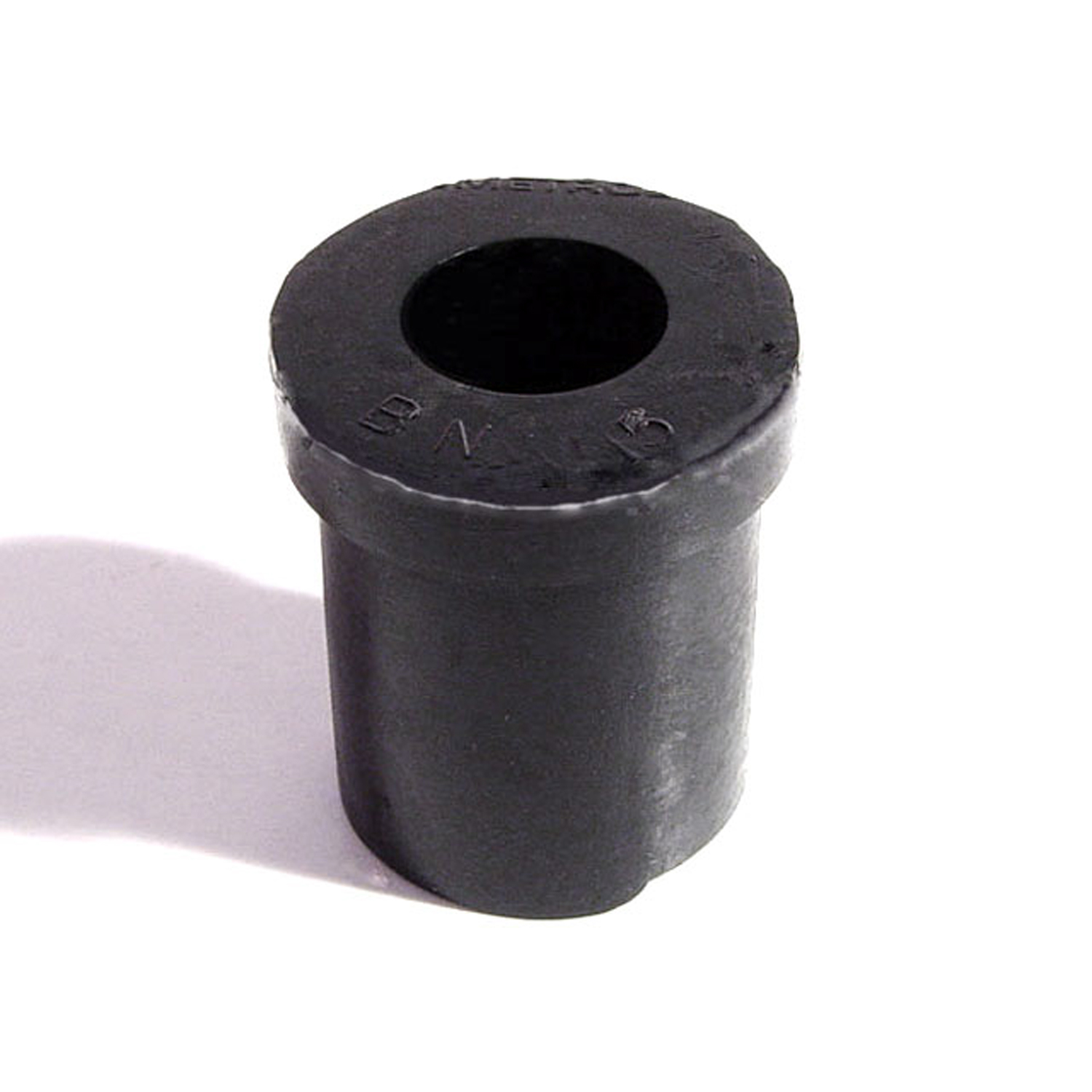 1948 Studebaker Taxi Spring and Shackle Bushing. 7/8" bottom O.D-BN 15Spring and Shackle Bushing. 7/8" bottom O.D. X 1-1/8" high, with 1/2" I.D. Each
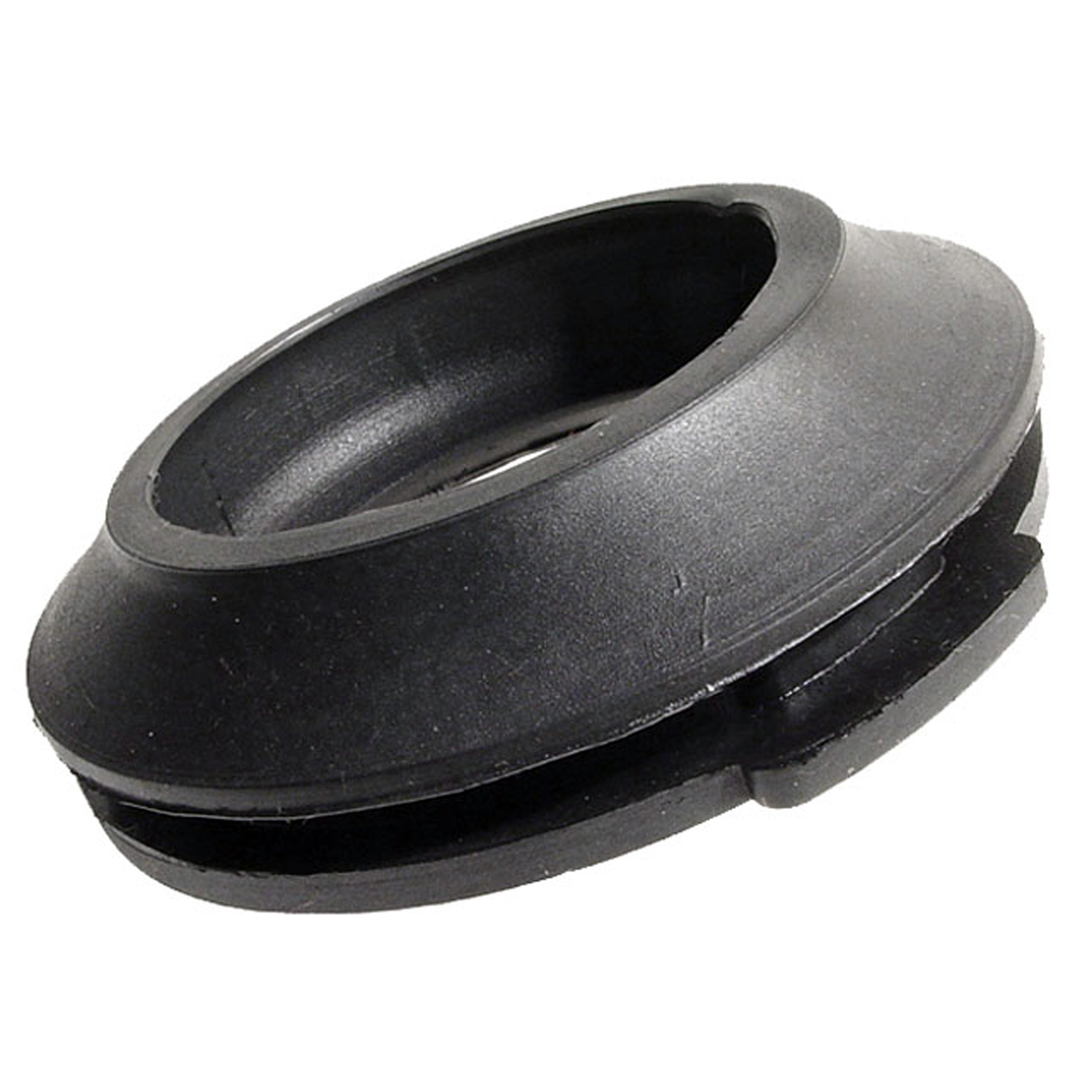 1948 Studebaker Taxi Gas Filler Grommet. Perfect reproduction. Top 2-1/16" I.D-GF 45Gas Filler Grommet. Perfect reproduction. Top 2-1/16" I.D., 3-7/16" O.D. Each
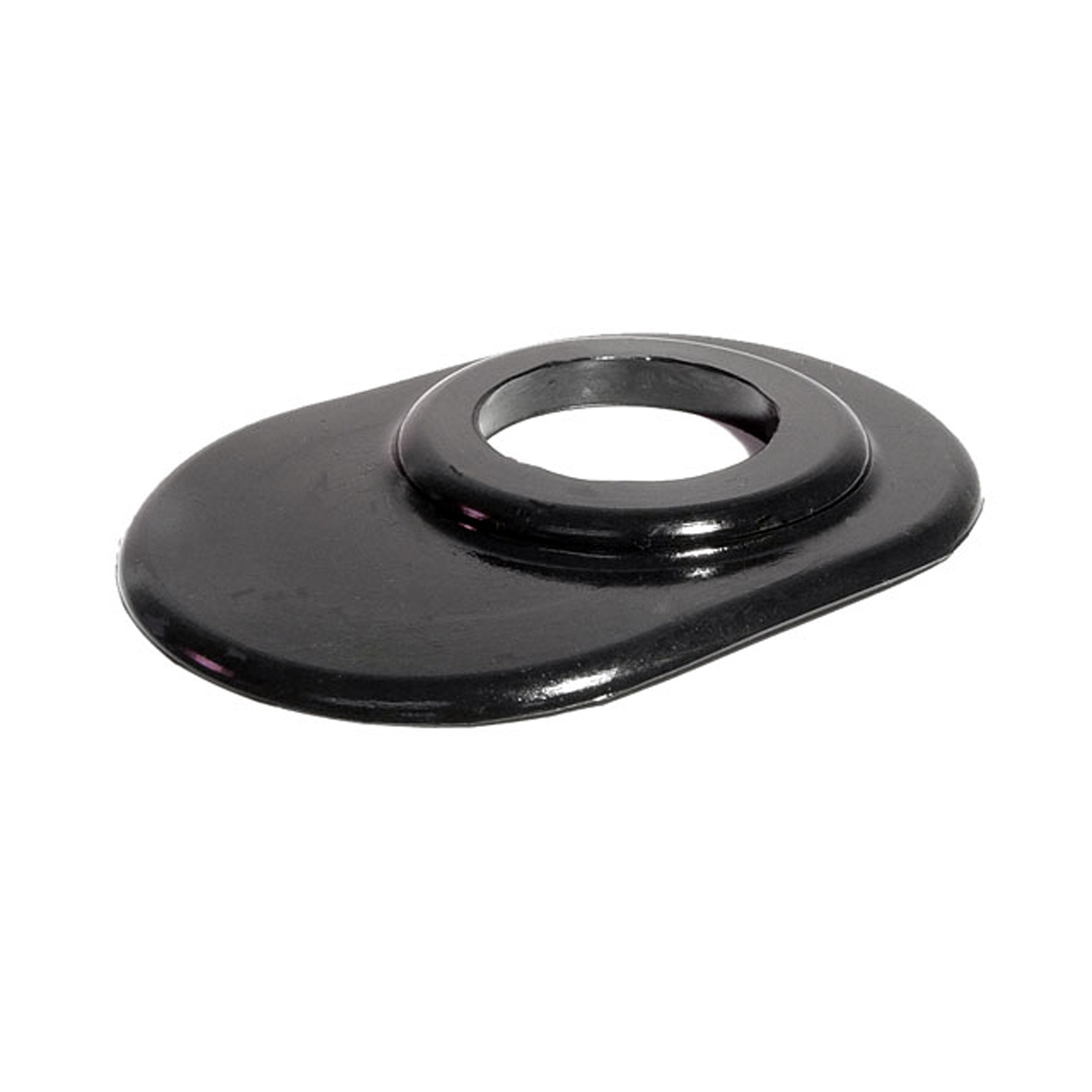 1948 Studebaker Taxi Steering Column Grommet. For 3-speed models. Each-SC 24-ASteering Column Grommet. For 3-speed models. Each
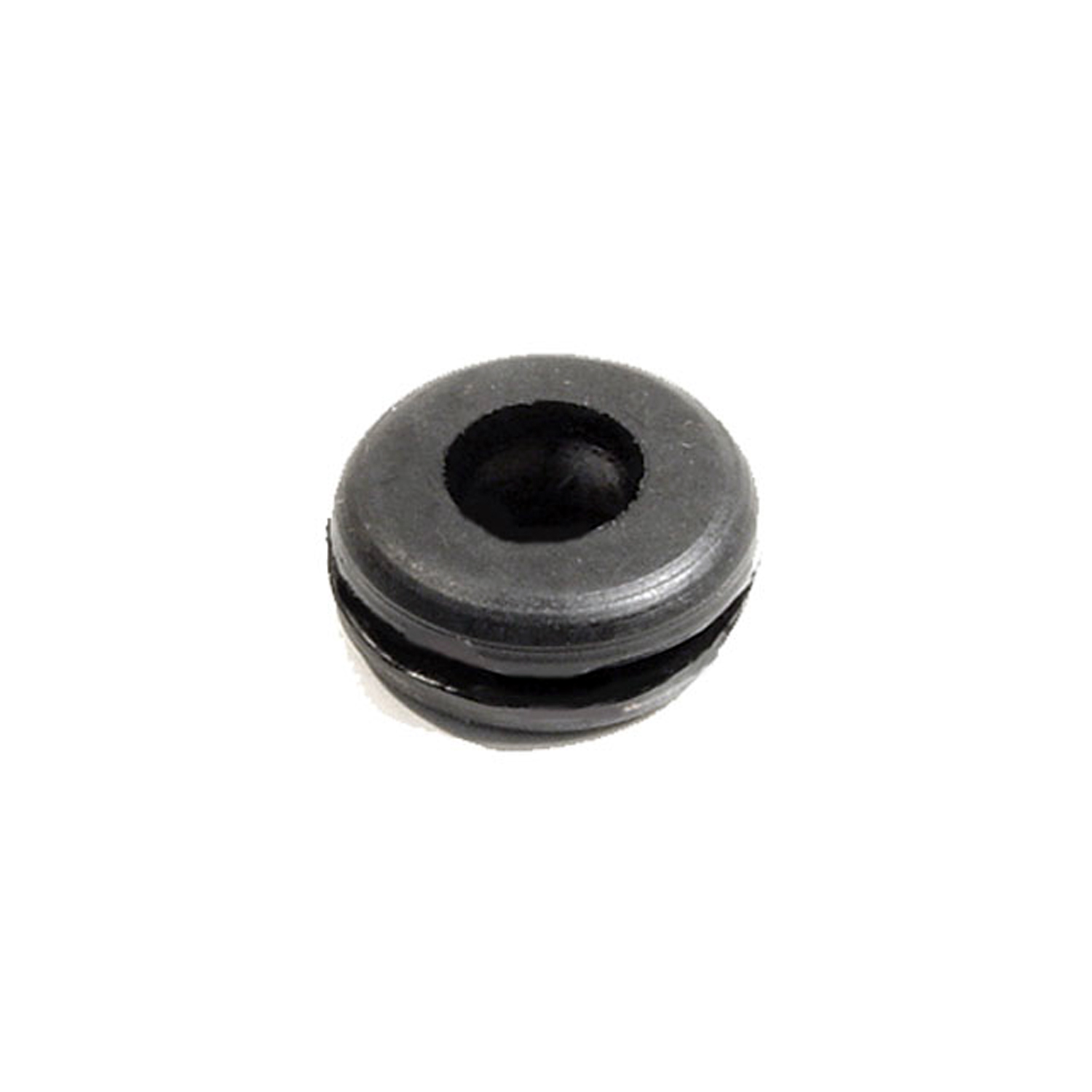 1948 Studebaker Taxi Headlight & Tail-Light Wire Grommet. 3/8" I.D., 7/8" O.D-SM 13-AHeadlight & Tail-Light Wire Grommet. 3/8" I.D., 7/8" O.D. Each
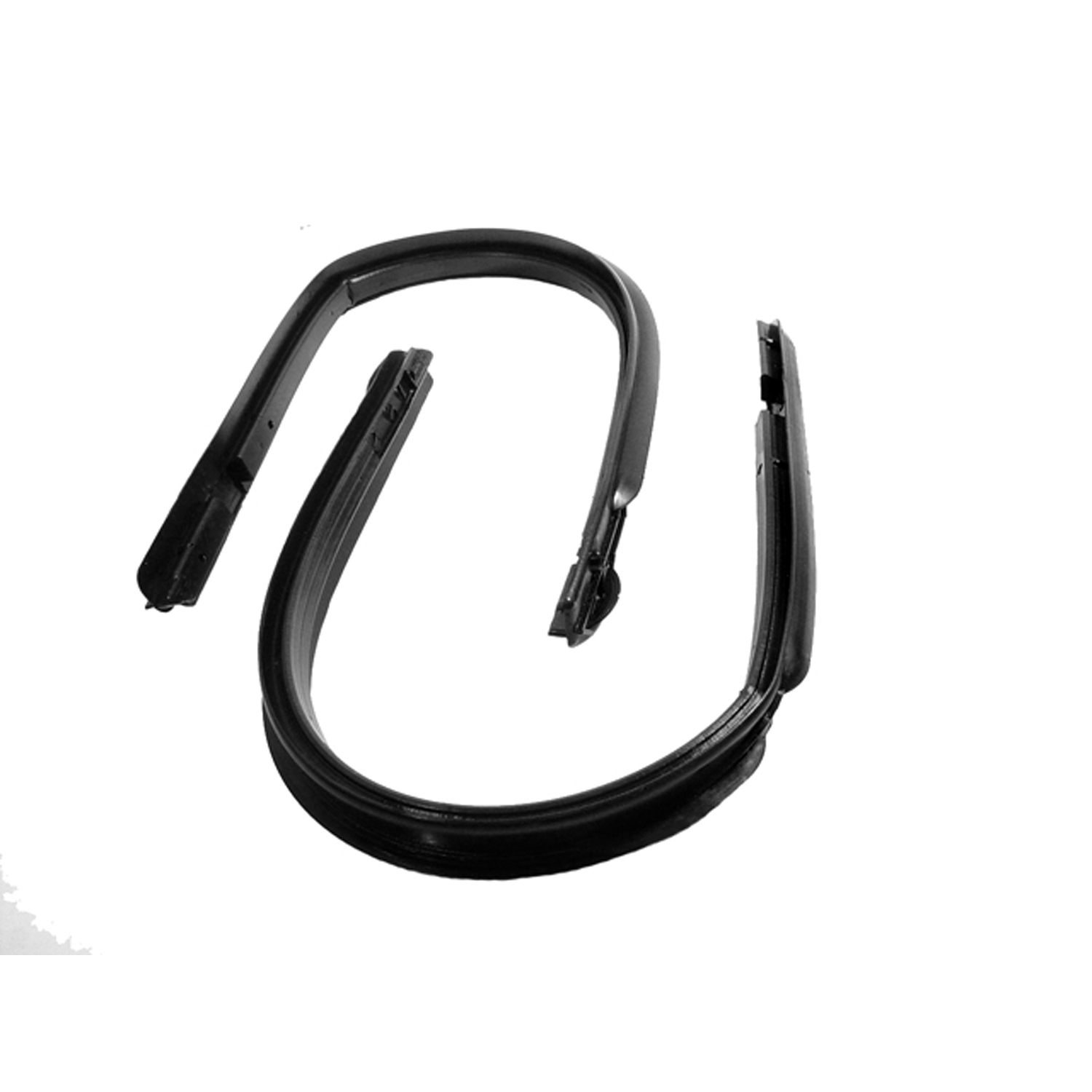 1948 Studebaker Taxi Front Vent Window Seals. 28-7/8" long each. Pair R&L-WR 9401Front Vent Window Seals. 28-7/8" long each. Pair R&L
Why Choose Metro?
For over 100 years, Metro Moulded Parts has been the pinnacle of quality in classic car restoration parts. Our commitment to precision and authenticity in every component ensures a perfect fit and an OEM-level appearance.
- Expert Craftsmanship & Quality: Each part is a testament to our dedication to reliability and perfection, crafted from original designs and thoroughly tested.
- Advanced Technology: We use cutting-edge techniques to create flawless, long-lasting parts that surpass others in performance.
- SuperSoft Sponge – The Ultimate Door Seal: Not only are our door seals 30% softer than competitors', but they're also guaranteed to never leak. They effectively reduce wind and road noise, enhancing your classic car's comfort and driving experience.
- Proudly American: Our parts are a product of American craftsmanship, made in the USA with a spirit of excellence and heritage.
- Unrivaled Warranty: We back our products with a 30-year industry-leading warranty, a testament to our confidence in their quality.
Join us in preserving the legacy of classic cars with parts that are crafted for perfection, not just made.