

Image of 1949 Studebaker 2r10, Note: These illustrations use artistic license and may differ from actual historical models.
Performance Metrics
Fundamental Metrics
Emotional Appeal
MMP Rating
| Engine Specifications | |
|---|---|
| Engine: | Inline 6 |
| Displacement: | 170 cubic inches |
| Horsepower: | Estimated 80-85 hp |
| Torque: | 125-130 lb-ft |
| Compression Ratio: | Estimated 6.5:1 |
| Ignition System: | Distributor and coil |
| Cooling System: | Liquid-cooled |
| Performance Specifications | |
| 0-60 Time: | Information not available |
| 1/4 Mile Time: | Information not available |
| Top Speed: | 70-75 mph |
| Transmission and Drive | |
| Drive Type: | Rear-wheel drive |
| Transmission Type: | 3-speed manual |
| Fuel and Efficiency | |
| Fuel System Type: | Carburetor |
| MPG: | Estimated 15-20 mpg |
| Dimensions and Brakes | |
| Brakes: | Drum brakes |
| Wheelbase: | 112 inches |
| Weight: | Estimated 3,000-3,500 lbs |
Note: Specifications for classic cars are given to the best of our ability, considering the limited and variant data available.
1949 Studebaker 2R10: A New Look for the Postwar Truck
The 1949 Studebaker 2R10 brought a distinctly modern face to a working truck. Its rounded fenders, broad glass and clean, low profile looked a world away from the upright, prewar-style pickups still common on American roads. Built by the South Bend, Indiana, automaker, the 2R10 was the three-quarter-ton member of Studebaker’s new 2R truck range, aimed at owners who needed more capacity than a half-ton pickup could offer.
The 2R series arrived as American manufacturers shifted from wartime production back to civilian vehicles. Studebaker had already earned attention for forward-looking postwar passenger-car design, and its trucks carried some of that same visual confidence into the workaday market. A notable detail: the 2R10 was not simply a heavier-duty pickup. Studebaker also offered its chassis in commercial configurations, making the model useful to tradespeople and small businesses that needed a platform, stake body or other work body.
Streamlined Styling, Built to Work
The 2R10’s shape is its most memorable feature. A broad hood flows into rounded front fenders, with the headlamps set into the fenders rather than perched as separate pods. The grille gives the nose a strong horizontal presence, while the cab’s large windshield and generous side glass make it feel open compared with many earlier trucks. The result is streamlined without looking delicate: it still has the upright stance and practical proportions expected of a commercial vehicle.
Inside, the cab is straightforward and durable. Painted metal surfaces, a broad bench seat and simple, clearly arranged controls reflect the truck’s working purpose. Depending on trim and equipment, buyers could find upgraded upholstery and convenience details, but this was not a luxury cabin. The materials were chosen to tolerate daily use, and the uncluttered layout made the truck easy to understand and service.
Under the hood, the 2R10 is commonly associated with Studebaker’s 245-cubic-inch inline-six, rated at about 102 horsepower in typical period specifications. The three-quarter-ton model also had heavier-duty running gear than the lighter 2R5, including components suited to greater payload demands. A manual transmission and traditional rear-wheel-drive layout kept the mechanical package familiar to drivers and mechanics.
Color choices depended on the buyer, body style and order, with solid work-truck colors and fleet finishes among the practical options. Original paint colors can vary across surviving trucks, so a correct restoration should be checked against the truck’s documentation or factory paint information rather than relying on a generic color chart. The pickup is the best-known 2R10 today, but Studebaker’s commercial offerings also included chassis-cab arrangements that could be fitted with stake, platform and other bodies.
Why the 2R10 Stood Out
The 2R10’s importance lies in how it combined a fresh postwar appearance with a conventional, serviceable truck underneath. Its cab and front-end styling looked contemporary, while its straight-six engine, manual gearbox and sturdy chassis were rooted in proven technology. That balance made it appealing to buyers who wanted a truck that looked new but did not require unfamiliar mechanical skills to keep running.
Compared with many contemporaries, the Studebaker’s design was less boxy and visually lighter. The large windshield and rounded fenders gave the truck a more integrated appearance, helping distinguish it from pickups that still carried a more utilitarian prewar look. The 2R10 did not create the modern pickup by itself, but it helped establish the idea that a commercial truck could be both a practical tool and a carefully styled vehicle.
Performance and Road Manners
The 245-cubic-inch six delivers its power in a steady, work-focused way rather than with a dramatic rush. It is built for pulling and carrying, and the driver’s job is to make good use of the manual gearbox, especially when the truck is loaded or climbing a grade. Period truck makers did not always publish directly comparable acceleration figures. As a modern estimate, a sound 2R10 may take roughly 25 to 30 seconds to reach 60 mph, while top speed is generally in the neighborhood of 65 to 75 mph, depending on gearing, tire size, engine condition and load.
Those figures are best treated as estimates, not guaranteed factory test results. A 2R10 is happiest at moderate speeds, where the engine can work without being pushed hard and the driver has time to plan ahead. Its solid axles and leaf springs are designed for durability and payload, not sports-car cornering. On a rough road, the ride can be firm when the bed is empty; with a load aboard, the suspension settles and feels more composed.
On winding roads, the truck rewards smooth inputs. The steering is slower and heavier than that of a modern pickup, and the taller body and period tires call for measured cornering. Behind the wheel, the experience is satisfyingly mechanical: the straight-six’s low, even note, the movement of the shift lever and the feel of the road through the steering wheel all make the driver part of the process. It is a truck to operate, not simply to point and forget.
Living With a 1949 Studebaker
Today, a 2R10 can serve as a weekend driver, a vintage work-truck display, a restoration project or a regular participant in local shows. Some owners use them for light hauling, though a nearly eight-decade-old truck should not be treated like a modern heavy-duty vehicle. Brakes, tires, steering and suspension deserve careful inspection before regular road use, and original components should be judged by condition rather than age alone.
The basic mechanical layout is approachable for a capable home mechanic. The inline-six is relatively accessible, and many routine jobs require ordinary tools and traditional repair skills. The main ownership challenge is often finding the right parts, particularly trim, glass, body panels and model-specific details. Mechanical pieces may be repairable or adaptable, but a complete, unmodified truck is usually easier to restore correctly than one missing major components.
As with any old vehicle, reliability depends heavily on maintenance and the quality of past repairs. A properly sorted 2R10 can be enjoyable and dependable for the kind of driving it was designed to do, but it lacks modern safety equipment, highway power and comfort. Regular attention to the cooling system, fuel system, electrical connections, brakes and lubrication is essential.
2R10 Facts and Common Criticisms
The 2R10 belongs to Studebaker’s 2R family, introduced for the 1949 model year. The same broad design appeared across several truck classes and commercial body types, which is why surviving examples can look quite different from one another. A pickup is the familiar image, but a period 2R truck might also have worn a stake or platform body tailored to a business’s needs.
There is no widely cited, dependable production total for the 2R10 alone. Studebaker production records are often discussed by broader truck series or model years rather than by every body and weight-class combination. A reasonable, clearly labeled estimate is that roughly 15,000 to 25,000 2R10s may have been built across the 2R run, but that figure should not be mistaken for a confirmed factory count.
Common criticisms are the same ones that apply to many postwar trucks: modest acceleration, heavy manual controls, a firm empty-bed ride and limited modern safety features. Parts availability can also require patience. On the other hand, those uncomplicated mechanics and the distinctive styling are major reasons enthusiasts continue to seek them out. The 2R10 is not especially known for a specific speed or endurance record; its appeal is as a durable, recognizable example of Studebaker’s postwar commercial design.
Collector Value and Availability
Values vary substantially with rust, completeness, originality, mechanical condition and the quality of any restoration. As a broad 2026 market guide, a project 2R10 may sell for around $3,000 to $8,000. A usable driver in solid condition could fall roughly between $8,000 and $18,000, while a well-restored example may bring about $20,000 to $35,000 or more. Exceptional restorations, rare body configurations or unusually documented trucks can exceed those ranges, while incomplete or heavily corroded examples may fall below them.
The 2R10 is less common than the more familiar half-ton pickup, but it is not impossible to find. A buyer may need to search specialist classifieds, online auctions, Studebaker clubs and regional swap meets, especially when looking for a particular commercial body style. Prices for good examples have generally been supported by interest in postwar trucks, though the model is better viewed as a steadily collectible classic than as a guaranteed high-growth investment. Condition and provenance matter more than speculation.
A Studebaker With Work-Truck Character
The 1949 Studebaker 2R10 blends a distinctive postwar design with the straightforward engineering of a traditional working truck. Its rounded front end and expansive glass set it apart visually, while its six-cylinder power, manual transmission and heavier-duty chassis kept it grounded in practical use. It may not be fast or plush by modern standards, but that is part of its appeal. The 2R10 is a reminder that a truck could be a dependable tool and a memorable piece of design at the same time.
1949 Studebaker 2r10 Catalog of Parts
 1949 Studebaker 2R10 Shock Absorber Grommet. 1" bottom O.D-BN 11Shock Absorber Grommet. 1" bottom O.D., 3/4" high, with 5/8" I.D. Each
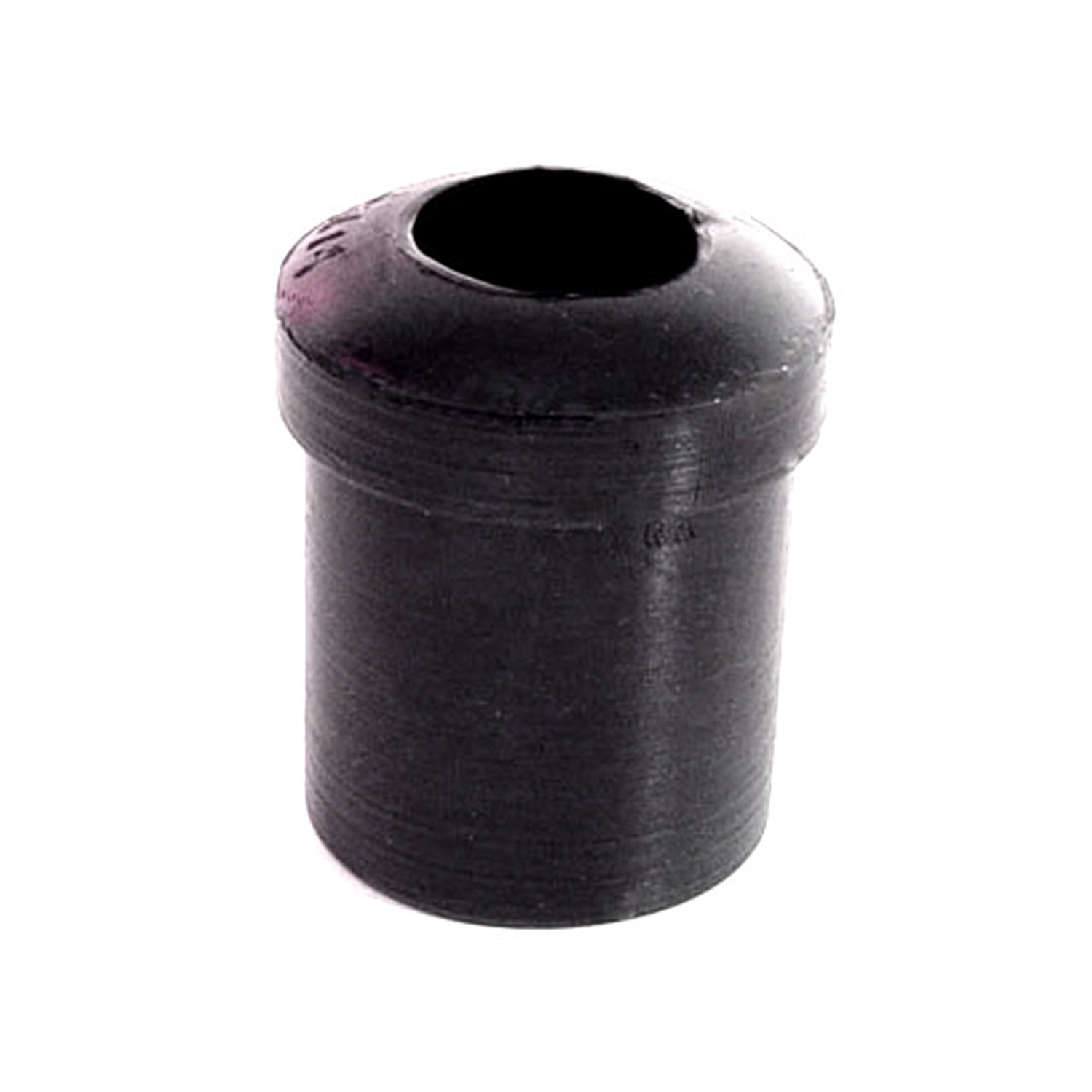 1949 Studebaker 2R10 Spring and Shackle Bushing. 1-1/16" bottom O.D-BN 14Spring and Shackle Bushing. 1-1/16" bottom O.D. X 1-1/2" high, with 5/8" I.D. Each
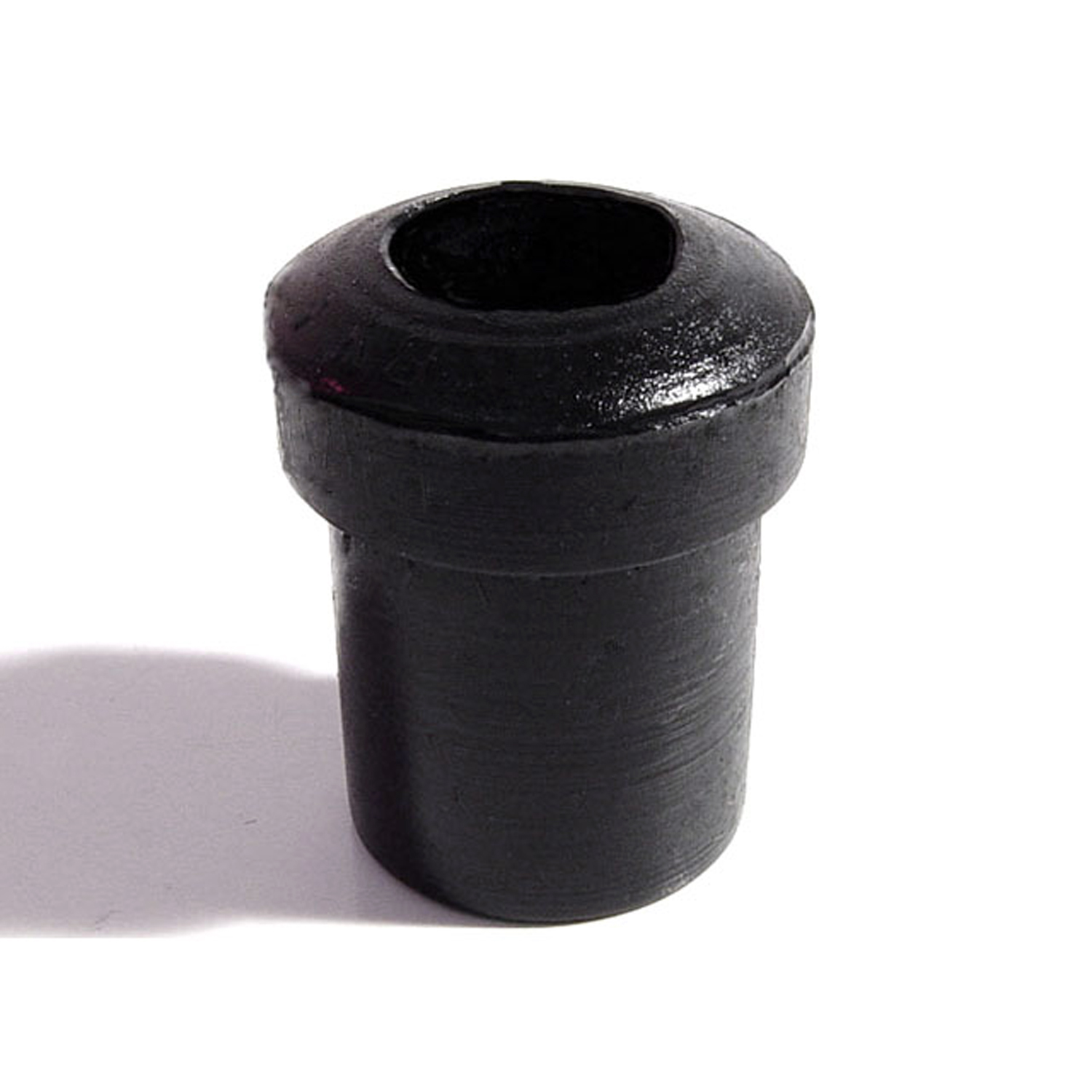 1949 Studebaker 2R10 Spring and Shackle Bushing. 7/8" bottom O.D-BN 16Spring and Shackle Bushing. 7/8" bottom O.D. X 1-1/8" high, with 1/2" I.D. Each
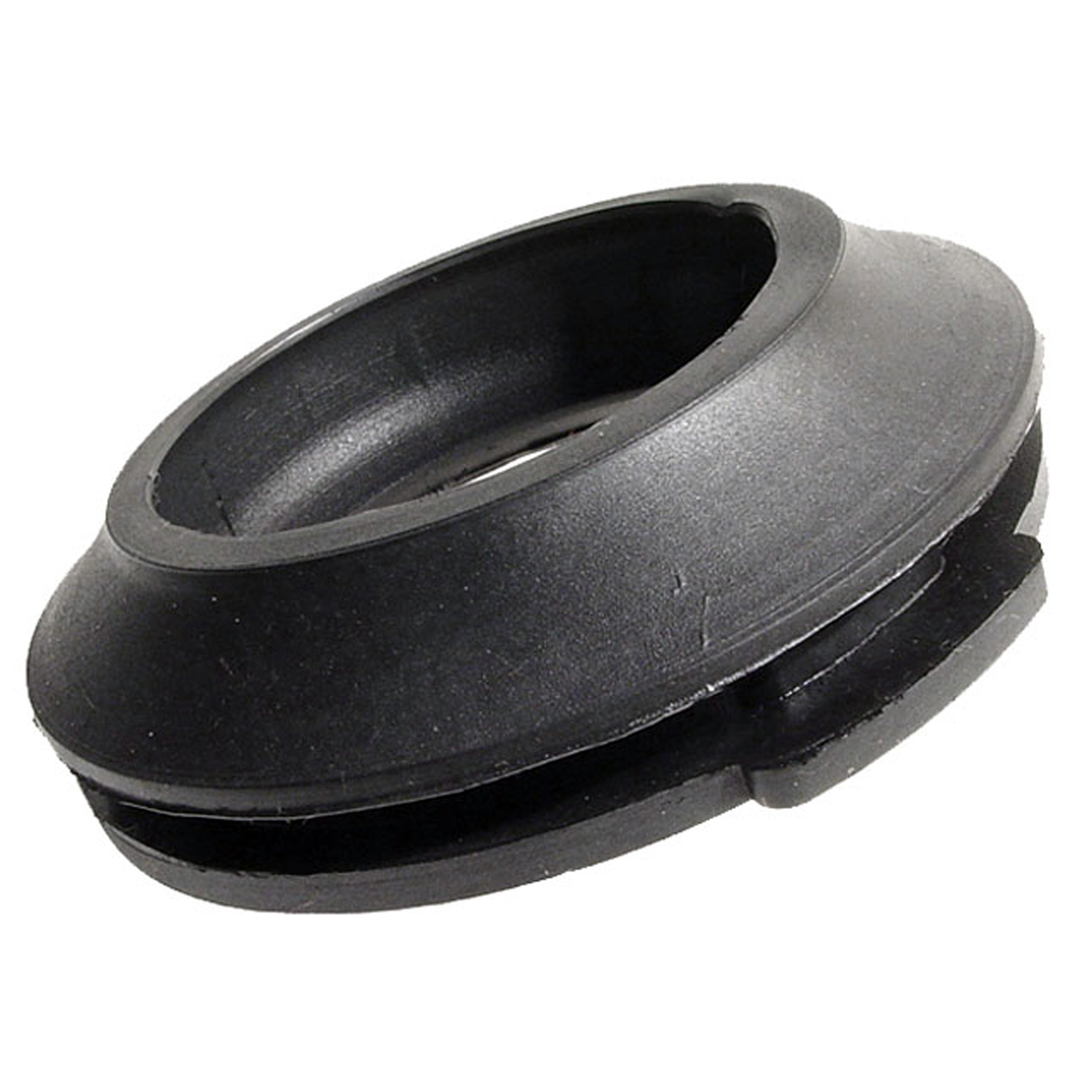 1949 Studebaker 2R10 Gas Filler Grommet. Perfect reproduction. Top 2-1/16" I.D-GF 45Gas Filler Grommet. Perfect reproduction. Top 2-1/16" I.D., 3-7/16" O.D. Each
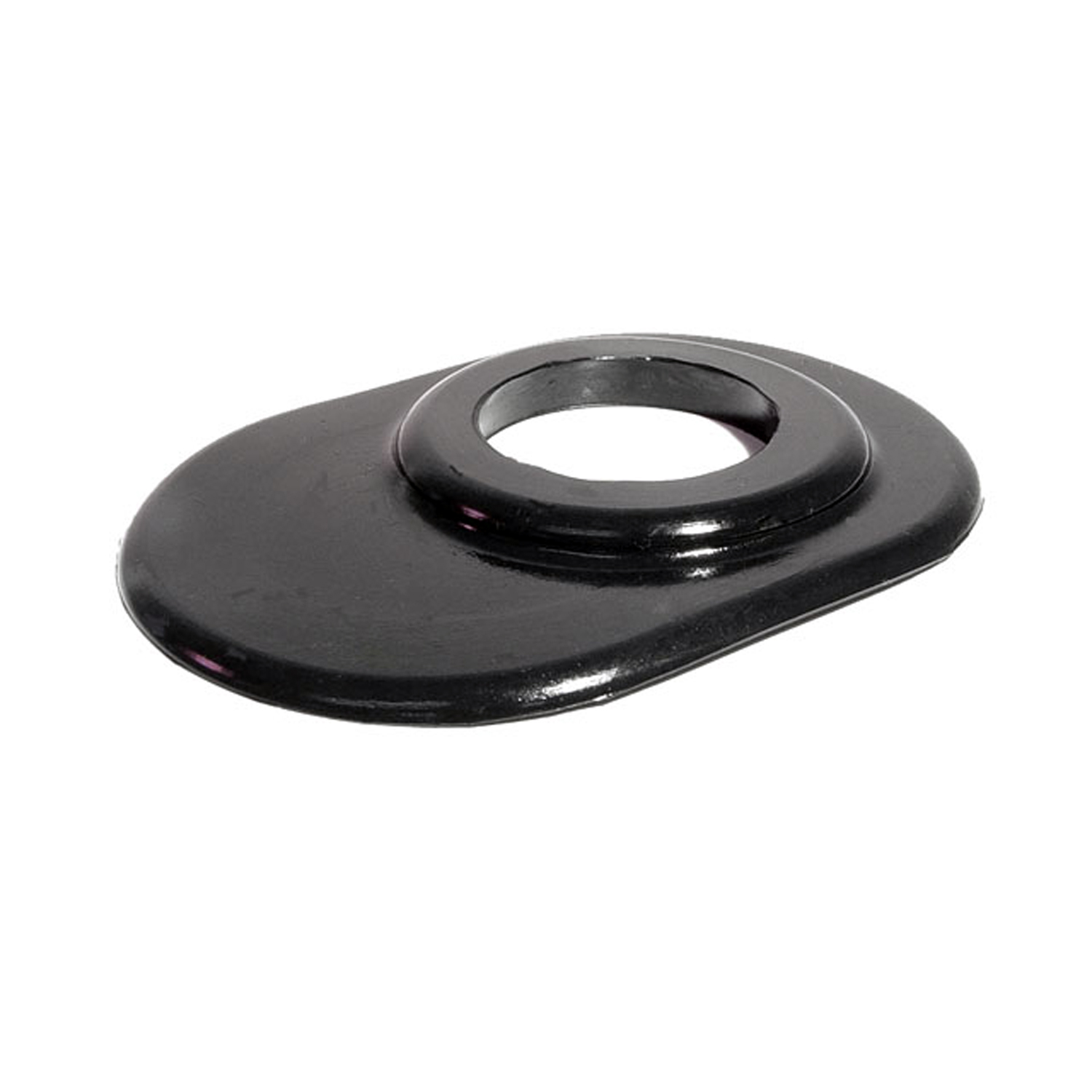 1949 Studebaker 2R10 Steering Column Grommet. For 4-speed models. Each-SC 24Steering Column Grommet. For 4-speed models. Each
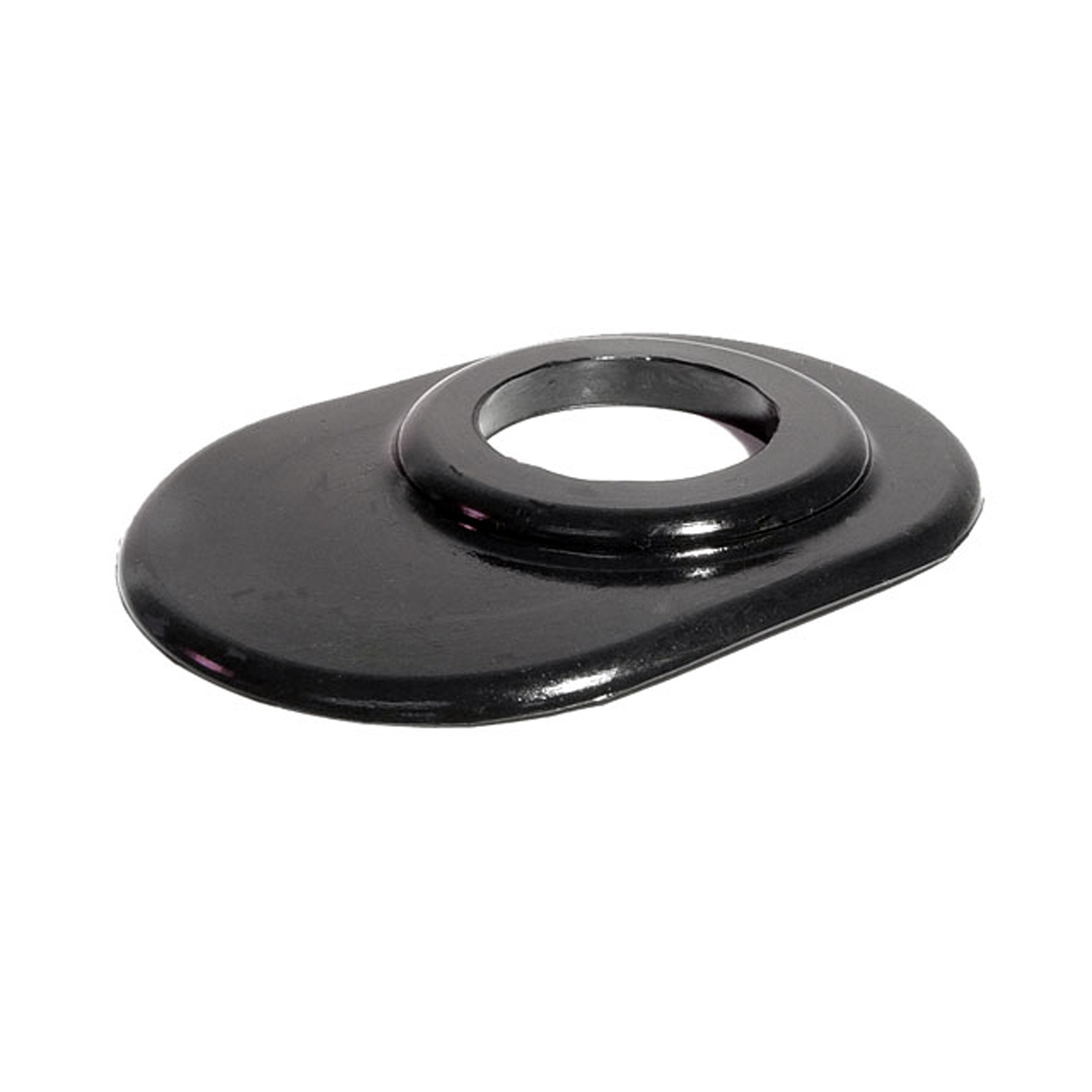 1949 Studebaker 2R10 Steering Column Grommet. For 3-speed models. Each-SC 24-ASteering Column Grommet. For 3-speed models. Each
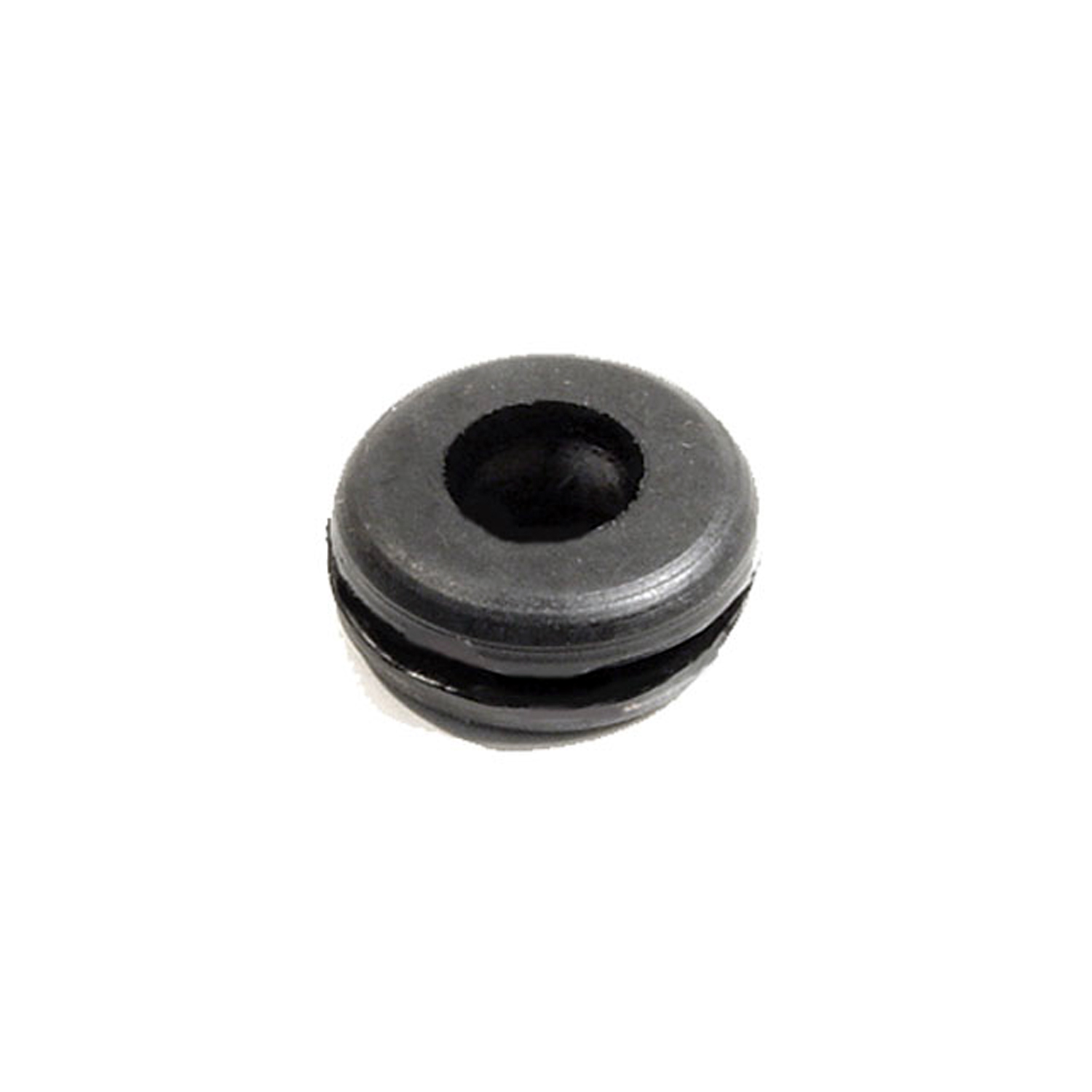 1949 Studebaker 2R10 Headlight & Tail-Light Wire Grommet. 3/8" I.D., 7/8" O.D-SM 13-AHeadlight & Tail-Light Wire Grommet. 3/8" I.D., 7/8" O.D. Each
Why Choose Metro?
For over 100 years, Metro Moulded Parts has been the pinnacle of quality in classic car restoration parts. Our commitment to precision and authenticity in every component ensures a perfect fit and an OEM-level appearance.
- Expert Craftsmanship & Quality: Each part is a testament to our dedication to reliability and perfection, crafted from original designs and thoroughly tested.
- Advanced Technology: We use cutting-edge techniques to create flawless, long-lasting parts that surpass others in performance.
- SuperSoft Sponge – The Ultimate Door Seal: Not only are our door seals 30% softer than competitors', but they're also guaranteed to never leak. They effectively reduce wind and road noise, enhancing your classic car's comfort and driving experience.
- Proudly American: Our parts are a product of American craftsmanship, made in the USA with a spirit of excellence and heritage.
- Unrivaled Warranty: We back our products with a 30-year industry-leading warranty, a testament to our confidence in their quality.
Join us in preserving the legacy of classic cars with parts that are crafted for perfection, not just made.