

Image of 1949 Studebaker 2r15, Note: These illustrations use artistic license and may differ from actual historical models.
Performance Metrics
Fundamental Metrics
Emotional Appeal
MMP Rating
| Engine Specifications | |
|---|---|
| Engine: | Inline 6 |
| Displacement: | 170 cubic inches |
| Horsepower: | Estimated 85 hp |
| Torque: | 125 lb-ft |
| Compression Ratio: | Estimated 6.5:1 |
| Ignition System: | Distributor and coil |
| Cooling System: | Liquid-cooled |
| Performance Specifications | |
| 0-60 Time: | Information not available |
| 1/4 Mile Time: | Information not available |
| Top Speed: | 70 mph |
| Transmission and Drive | |
| Drive Type: | Rear-wheel drive |
| Transmission Type: | 4-speed manual |
| Fuel and Efficiency | |
| Fuel System Type: | Carburetor |
| MPG: | Information not available |
| Dimensions and Brakes | |
| Brakes: | Drum brakes |
| Wheelbase: | 112 inches |
| Weight: | Estimated 3,200 lbs |
Note: Specifications for classic cars are given to the best of our ability, considering the limited and variant data available.
1949 Studebaker 2R15: A One-Ton Truck with Independent-Minded Style
The 1949 Studebaker 2R15 brought postwar American truck design to the working end of the road, pairing a distinctive rounded cab with the sturdy hardware needed for serious hauling. Built by the Studebaker Corporation of South Bend, Indiana, it belonged to the company’s new 2R truck series, introduced for 1949 as Studebaker sought to compete in a market dominated by much larger manufacturers.
The 2R15 was the one-ton member of the lineup, larger and more work-focused than the familiar half-ton pickup. It was made for farms, businesses, delivery fleets, and contractors who needed a dependable commercial vehicle rather than a dressed-up passenger car. One appealing detail for collectors is that “2R15” identifies a chassis and capacity class, not just one body shape: depending on how it was ordered, the truck could be fitted for pickup, commercial, or vocational work.
Studebaker’s independent status gives the truck extra historical interest. The company was not simply following Detroit’s styling cues; it had a long engineering and manufacturing tradition of its own. The 2R15 reflects that mix of practical utility and a more individual look, making it a memorable alternative to the era’s more familiar Ford, Chevrolet, and Dodge trucks.
Rounded Cab, Purposeful Details
The 2R15 has the unmistakable postwar truck profile: a rounded hood, broad fenders, upright grille, and a cab that looks softer and more integrated than the boxier designs that preceded it. The front end gives the truck a friendly, almost sculpted appearance, while its substantial frame, tall stance, and work-truck proportions make its one-ton purpose clear. It is handsome without pretending to be delicate.
Inside, the priorities were durability and straightforward operation. The cab generally featured a broad bench seat, simple painted-metal surfaces, large, legible instruments, and robust controls. Materials were practical rather than luxurious, with upholstery and trim varying by specification and market. This was a place designed to handle muddy boots, work clothes, and long days behind the wheel, not to imitate a luxury-car interior.
Equipment depended on the truck’s original order. A heater, radio, and other comfort items could be optional, while basic versions stayed deliberately simple. That simplicity is part of the appeal today: there are fewer complicated systems to understand, and many repairs can be approached with ordinary mechanical tools and a good service manual.
Paint choices varied with year, body type, and whether the truck was ordered for private or fleet use. Period commercial colors could be lively, but many surviving trucks wear familiar reds, greens, blues, creams, or workmanlike fleet shades. Restorers should check the truck’s original paint code or build records where available rather than assume that its present color is factory-correct.
The 2R15’s one-ton chassis could serve several kinds of work. Pickup-bed examples are the most immediately recognizable, but chassis-cab and other commercial configurations suited the model’s heavier-duty role. Bodies and equipment could be tailored for local businesses and trades, so two 2R15s may look quite different even when they share the same basic model designation.
Why the 2R15 Matters
The 2R series marked Studebaker’s postwar truck generation, replacing the company’s earlier M-series designs. Its significance is less about a single revolutionary gadget than about how it represented Studebaker’s effort to modernize its commercial vehicles while preserving a distinctive identity. The company was a comparatively small independent manufacturer competing against giants, and its trucks had to stand out on both appearance and practical usefulness.
That individuality remains the 2R15’s strongest design legacy. Its rounded cab and integrated-looking front end give it a character that is easy to distinguish in a lineup of late-1940s trucks. It did not overturn the industry’s basic truck formula, but it offered buyers another credible choice and helped keep Studebaker visible in a highly competitive market.
The 2R15 also illustrates the variety hidden within the word “pickup.” A one-ton model was not simply a half-ton with a bigger badge: its heavier chassis and commercial equipment were intended for greater loads and more demanding service. For modern enthusiasts, that makes the 2R15 a useful reminder that vintage trucks were often selected and equipped as tools first, and collectible vehicles second.
Engine, Speed, and Road Manners
Engine and equipment details can vary by configuration, but the 2R15 is commonly associated with Studebaker’s larger 245-cubic-inch inline-six, rated at roughly 102 horsepower in period specifications. The engine’s appeal is not high-revving speed. It is the steady, low-speed pulling character that suits a one-ton truck. A manual transmission and rear-wheel drive were typical, with gearing chosen to move a load reliably rather than deliver quick acceleration.
There is no single dependable factory 0-to-60-mph figure for every 2R15, and period testing was not standardized in the way it is today. As a practical estimate, a sound, lightly loaded example might take roughly 25 to 35 seconds to reach 60 mph, if it reaches that speed comfortably at all. Depending on gearing, condition, tires, and bodywork, a realistic top speed is approximately 55 to 65 mph. Loaded operation would be slower, and sustained highway cruising is best kept at a moderate pace.
On a smooth road, the 2R15 feels substantial and deliberate. Its truck suspension is built to carry weight, so an empty vehicle can ride firmly and bounce over sharp bumps. Add a proper load and the chassis tends to settle into its job. On winding roads, expect slower steering response and more body movement than in a modern pickup. Crosswinds can also push the tall cab and body around, particularly when the truck is unladen.
Behind the wheel, the inline-six provides a familiar mechanical soundtrack: a steady exhaust note, a clear hum through the cab, and the occasional rattle or vibration that comes with an old work truck. The driver does more of the work than in a modern vehicle. There is no power steering or modern driver-assistance system to smooth things over, so good planning, deliberate gear changes, and generous braking distance are essential parts of the experience.
Living with a 1949 Studebaker Truck
Today, a 2R15 is most often used as a show vehicle, weekend driver, parade truck, or carefully maintained farm and property vehicle. A well-sorted example can be enjoyable on local roads, but it is not an ideal choice for routine high-speed commuting. Its size, braking, handling, and lack of modern safety equipment call for a more measured driving style.
Basic maintenance is accessible to owners comfortable with older machinery. Routine servicing includes ignition tune-ups, fluid changes, cooling-system checks, brake adjustments, and attention to the chassis and driveline. The relatively simple mechanical layout is a plus, but age brings its own challenges: worn wiring, tired fuel systems, leaking seals, corrosion, and decades of repairs made with whatever parts were available.
Parts support is generally better for common service items than for model-specific trim or body components. Some mechanical pieces may be shared across Studebaker models or supplied by specialist vendors, but finding correct 2R15 sheet metal, badges, glass, or commercial body parts can take patience. Before buying, inspect the frame, cab corners, floor, fenders, and bed carefully. A running engine is encouraging, but structural rust and missing hard-to-find parts can quickly turn a bargain into a major project.
Useful Facts and Common Criticisms
The 2R15 is not known for a major speed record, racing achievement, or celebrity connection. Its story is more grounded: it was a working truck built for ordinary businesses and communities during the postwar expansion of American road transport. That everyday service is historically meaningful, even if it did not produce the headline-grabbing exploits associated with sports cars or military vehicles.
One point that can surprise buyers is how much condition and configuration affect the truck’s value. A complete, original example with a sound chassis and correct components may be more desirable than a shiny restoration built from mismatched parts. Likewise, a rare commercial body can be fascinating to collectors, but it may appeal to a narrower audience than a familiar pickup-bed version.
Common criticisms are typical of trucks from the period: modest speed, firm ride when empty, heavy manual controls, limited cabin comfort, and braking that demands more anticipation than a modern vehicle. The 2R15 also lacks contemporary crash protection. Those limitations are part of its historical character, but they should be taken seriously when planning regular road use.
Rarity, Prices, and Collector Outlook
Exact production totals for the 2R15 alone are difficult to pin down, and figures are not consistently separated by model and body style in commonly available summaries. As a broad estimate rather than a documented factory count, several thousand 2R15 trucks may have been built across the relevant 2R-series years. That makes the model uncommon today, especially in complete, original, or unusual commercial configurations, but not necessarily a one-off rarity.
Collector values vary widely with rust, completeness, mechanical condition, originality, body style, and quality of restoration. As a general North American guide, a project truck might sell for about $5,000 to $12,000. A usable driver or solid older restoration could fall around $15,000 to $30,000, while an excellent, correctly restored example may reach roughly $30,000 to $50,000 or more. Exceptional commercial bodies or particularly well-documented trucks can depart from those ranges. These are broad estimates, not guaranteed sale prices.
Values for vintage trucks have benefited from growing interest in classic utility vehicles, but the 2R15 remains a more specialized purchase than a popular half-ton pickup. Its one-ton capacity and Studebaker badge give it character, while the smaller pool of parts and buyers can limit top-end prices. Clean, usable examples have the strongest appeal, and properly maintained trucks are likely to hold interest better than rough projects. As with any classic, local demand and condition matter more than optimistic asking prices.
A Studebaker Built to Work
The 1949 Studebaker 2R15 combines postwar styling, straightforward mechanical design, and the heavier-duty purpose of a one-ton truck. It is not fast or plush, and it asks its driver to respect the limits of vintage brakes and handling. What it offers instead is a distinctive look, an engaging hands-on driving experience, and a direct link to the independent American manufacturer that built it.
For collectors, the 2R15 is a rewarding choice for precisely those reasons. It is a working truck with real history, not just a piece of nostalgia, and every carefully restored example keeps a distinctive chapter of Studebaker’s story on the road.
1949 Studebaker 2r15 Catalog of Parts
 1949 Studebaker 2R15 Shock Absorber Grommet. 1" bottom O.D-BN 11Shock Absorber Grommet. 1" bottom O.D., 3/4" high, with 5/8" I.D. Each
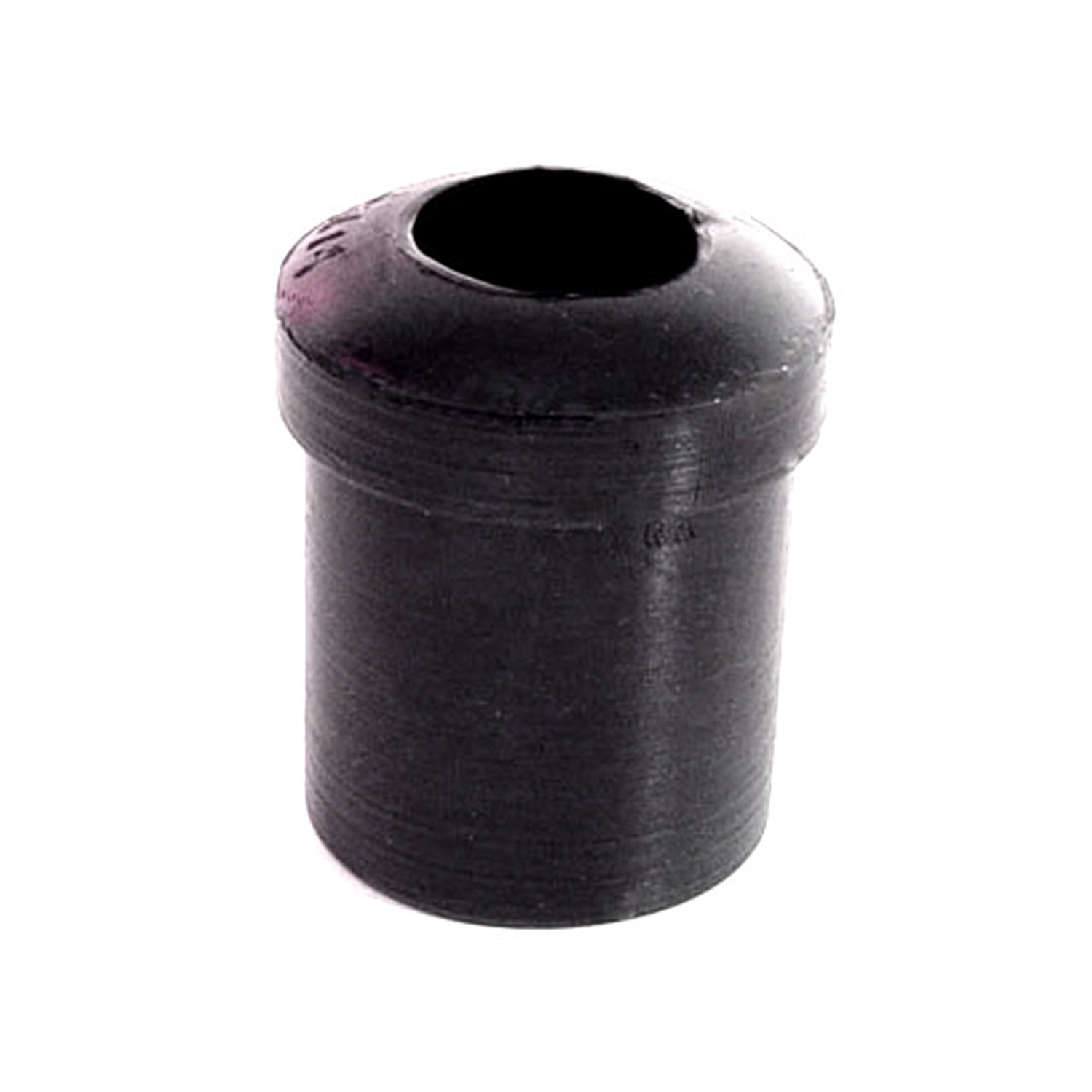 1949 Studebaker 2R15 Spring and Shackle Bushing. 1-1/16" bottom O.D-BN 14Spring and Shackle Bushing. 1-1/16" bottom O.D. X 1-1/2" high, with 5/8" I.D. Each
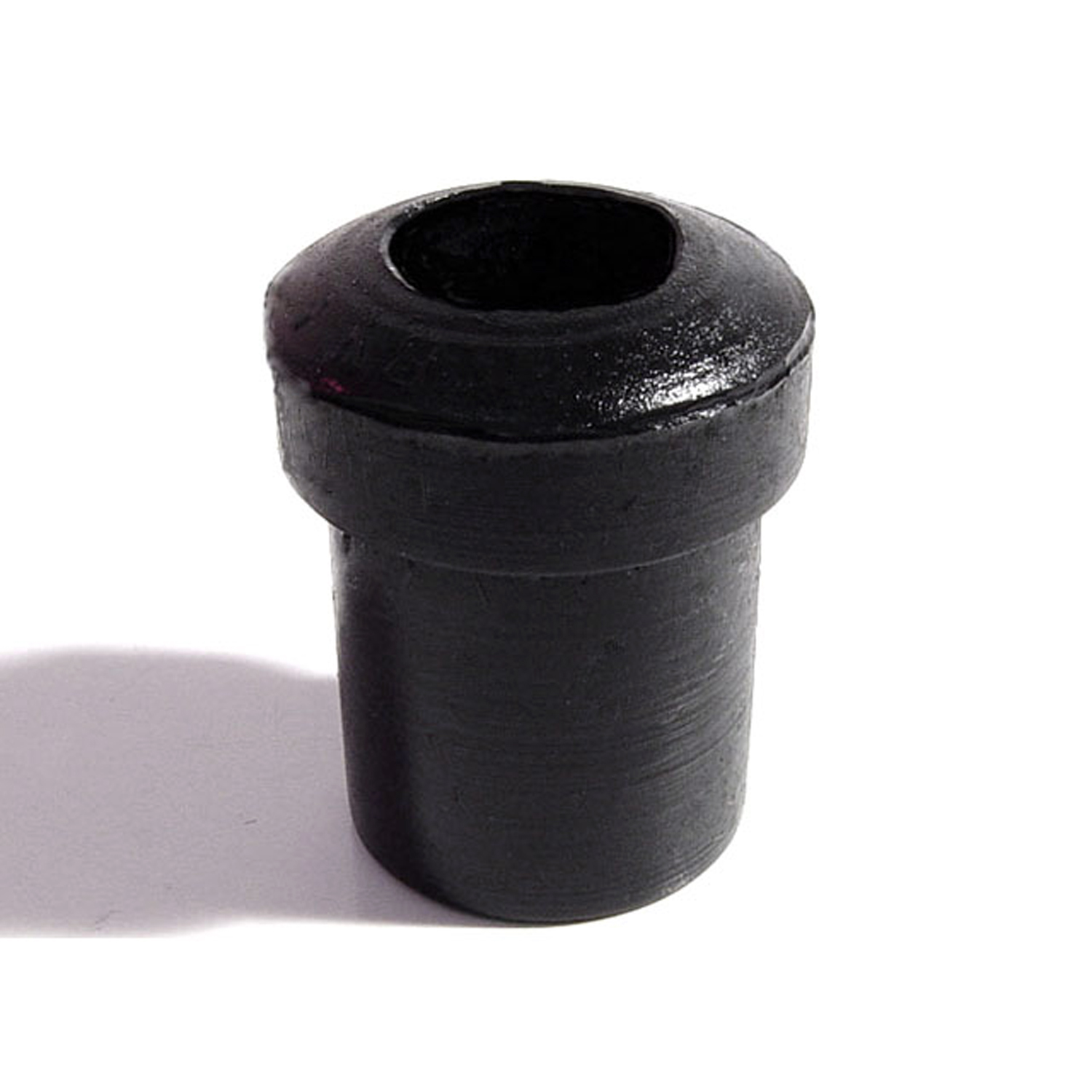 1949 Studebaker 2R15 Spring and Shackle Bushing. 7/8" bottom O.D-BN 16Spring and Shackle Bushing. 7/8" bottom O.D. X 1-1/8" high, with 1/2" I.D. Each
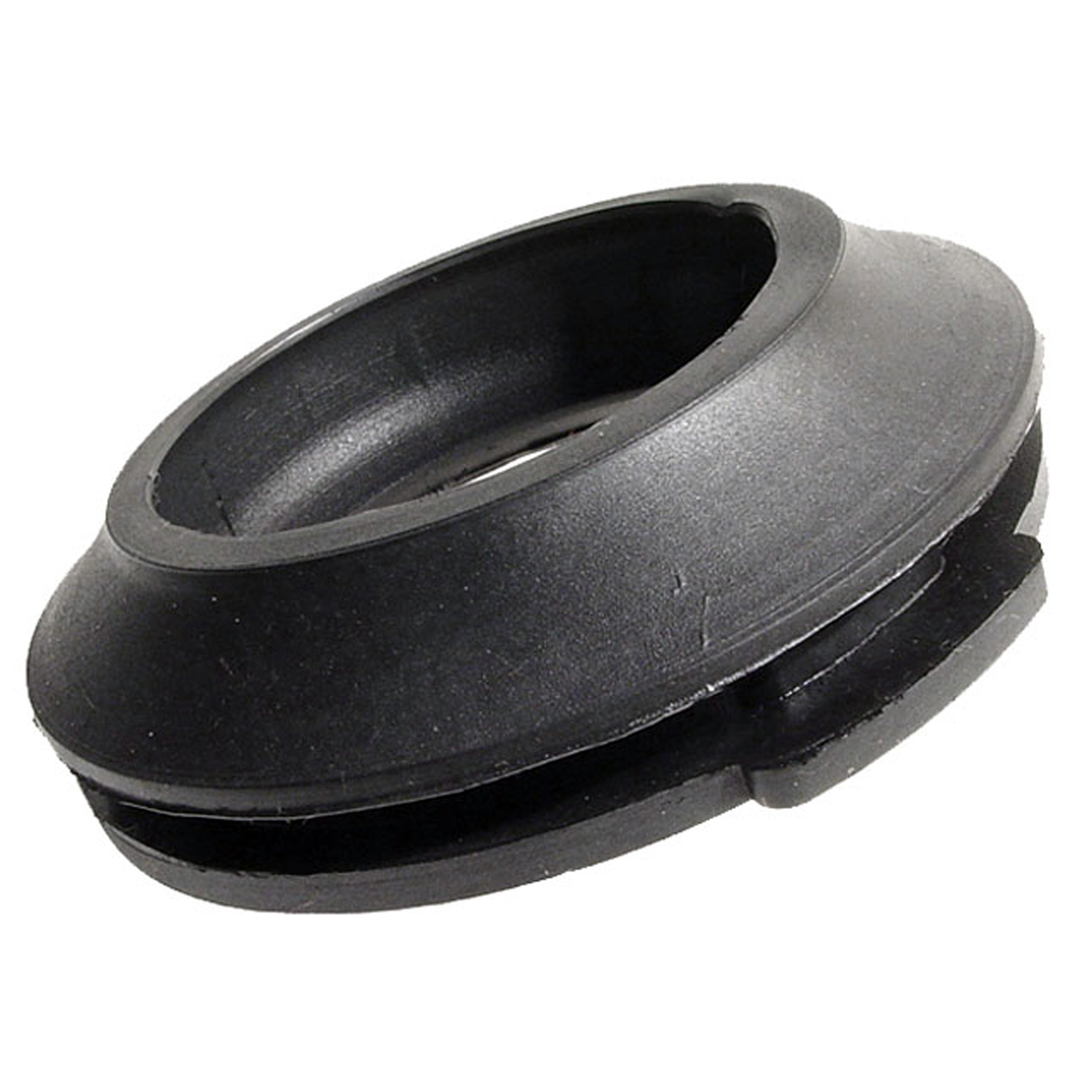 1949 Studebaker 2R15 Gas Filler Grommet. Perfect reproduction. Top 2-1/16" I.D-GF 45Gas Filler Grommet. Perfect reproduction. Top 2-1/16" I.D., 3-7/16" O.D. Each
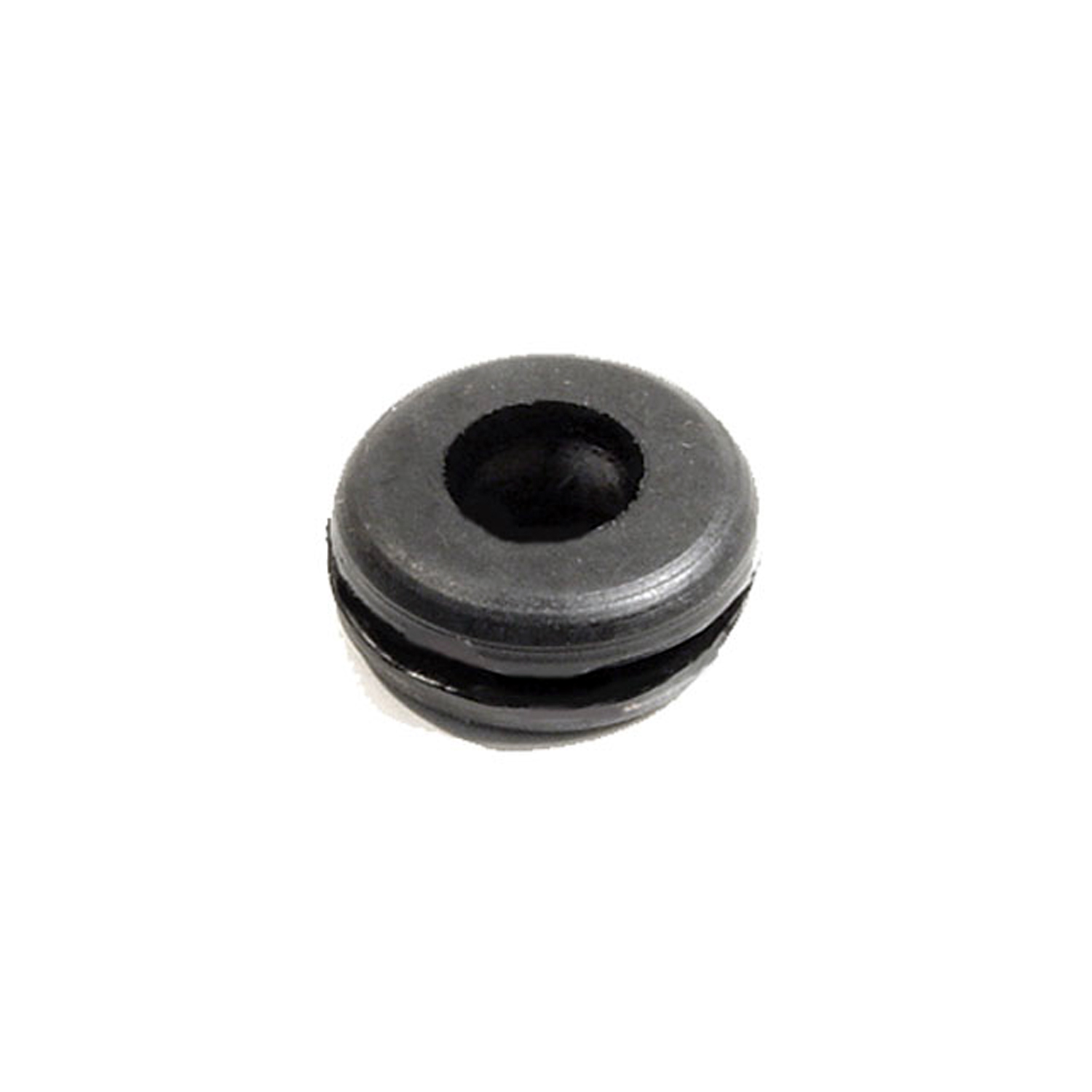 1949 Studebaker 2R15 Headlight & Tail-Light Wire Grommet. 3/8" I.D., 7/8" O.D-SM 13-AHeadlight & Tail-Light Wire Grommet. 3/8" I.D., 7/8" O.D. Each
Why Choose Metro?
For over 100 years, Metro Moulded Parts has been the pinnacle of quality in classic car restoration parts. Our commitment to precision and authenticity in every component ensures a perfect fit and an OEM-level appearance.
- Expert Craftsmanship & Quality: Each part is a testament to our dedication to reliability and perfection, crafted from original designs and thoroughly tested.
- Advanced Technology: We use cutting-edge techniques to create flawless, long-lasting parts that surpass others in performance.
- SuperSoft Sponge – The Ultimate Door Seal: Not only are our door seals 30% softer than competitors', but they're also guaranteed to never leak. They effectively reduce wind and road noise, enhancing your classic car's comfort and driving experience.
- Proudly American: Our parts are a product of American craftsmanship, made in the USA with a spirit of excellence and heritage.
- Unrivaled Warranty: We back our products with a 30-year industry-leading warranty, a testament to our confidence in their quality.
Join us in preserving the legacy of classic cars with parts that are crafted for perfection, not just made.