
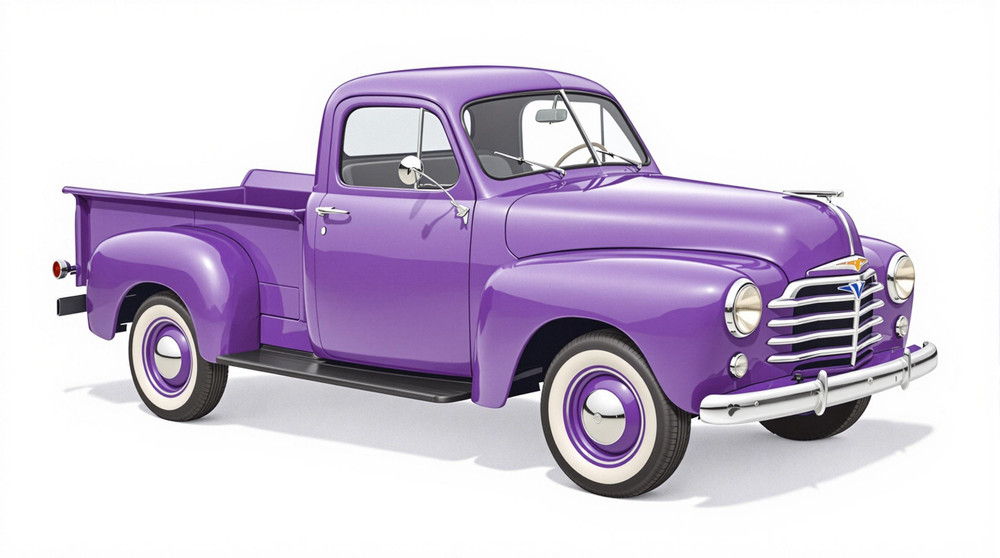
Image of 1949 Studebaker 2r16, Note: These illustrations use artistic license and may differ from actual historical models.
Performance Metrics
Fundamental Metrics
Emotional Appeal
MMP Rating
| Engine Specifications | |
|---|---|
| Engine: | Inline 6 |
| Displacement: | 226 cubic inches |
| Horsepower: | Estimated 94 hp |
| Torque: | 176 lb-ft |
| Compression Ratio: | Estimated 6.5:1 |
| Ignition System: | Distributor and coil |
| Cooling System: | Liquid-cooled |
| Performance Specifications | |
| 0-60 Time: | Not available due to the age and type of vehicle |
| 1/4 Mile Time: | Not available due to the age and type of vehicle |
| Top Speed: | 60 mph |
| Transmission and Drive | |
| Drive Type: | Rear-wheel drive |
| Transmission Type: | 4-speed manual |
| Fuel and Efficiency | |
| Fuel System Type: | Carburetor |
| MPG: | Estimated 10-15 mpg |
| Dimensions and Brakes | |
| Brakes: | Drum brakes |
| Wheelbase: | 131 inches |
| Weight: | Estimated 3,800 lbs |
Note: Specifications for classic cars are given to the best of our ability, considering the limited and variant data available.
1949 Studebaker 2R16: A One-Ton Truck with Style
The 1949 Studebaker 2R16 proves that a work truck can look purposeful without looking plain. Its broad, carefully shaped front end and rounded postwar cab gave it a distinctive presence, while its one-ton rating made it a serious tool for farms, trades, and local businesses.
Built by the Studebaker Corporation in South Bend, Indiana, the 2R16 belonged to Studebaker’s 2R truck line, introduced in 1949. The new series arrived as American manufacturers were shifting from wartime production to a booming postwar market. Buyers needed trucks for construction, delivery, agriculture, and small businesses, and Studebaker offered a fresh-looking alternative to the more common offerings from Ford, Chevrolet, and Dodge.
The 2R16 designation identifies a heavy-duty, one-ton model in the 2R family. It was not a luxury trim package. It was a working chassis that could be ordered in different configurations to suit the buyer’s needs. Its combination of independent-company character, substantial six-cylinder power, and distinctive styling has made it a memorable choice among postwar American trucks.
Postwar Truck Design, the Studebaker Way
The 2R16 wears the rounded, integrated look that helped define postwar truck design. Its fenders flow into the body more smoothly than those of many earlier trucks, while the broad hood and carefully detailed grille give the front end a confident, almost streamlined appearance. The headlights sit out at the fenders, and the cab’s generous glass area helps the truck feel more open than many prewar designs.
Studebaker had a reputation for design flair, strengthened by its association with industrial designer Raymond Loewy and his design organization. The 2R16 is part of that broader design story, although it is best appreciated as a practical truck shaped by the styling tastes of its era rather than as a showpiece. Its rounded forms look especially handsome in restored condition, with the grille, brightwork, and painted fenders providing plenty of visual character.
Inside, the cabin is straightforward and durable. The driver sits on a wide bench seat, typically trimmed in hard-wearing upholstery, surrounded by painted metal surfaces and simple controls. The instrument panel puts the essential gauges within easy view, and the large steering wheel gives the driver leverage when maneuvering at low speeds. Comfort is basic by modern standards, but the cab is functional and refreshingly uncomplicated.
For its time, the truck’s useful visibility and relatively modern cab layout were important features. It was still a conventional body-on-frame vehicle with manual controls and little in the way of creature comforts, but its broad glass area and practical dashboard made it a capable place to work from.
Engines, Bodies, and Options
The 2R16 was designed for heavier work than Studebaker’s half-ton models. It was commonly equipped with a 245.6-cubic-inch L-head inline-six, generally quoted at about 102 horsepower in this application. A manual transmission was standard, with a three-speed gearbox typical and heavier-duty transmission choices available depending on configuration. Exact equipment could vary with the truck’s intended use and original order.
Studebaker offered its trucks in several work-oriented forms, including pickup, chassis-cab, stake, and platform configurations. The pickup is the version most people picture today: a conventional cab paired with a steel cargo bed. Chassis-cab examples could be fitted with commercial bodies to serve as delivery trucks, service vehicles, or farm equipment haulers. Availability and specifications varied, so surviving trucks may differ in wheelbase, rear axle, bodywork, and equipment.
Factory color choices depended on model year and body style. Period trucks were often ordered in practical, relatively restrained colors, while restored examples today also appear in brighter shades chosen to highlight the body lines. There is no single color that defines every 2R16, and buyers should check a particular truck’s paint history rather than assume its current finish is original.
Why the 2R16 Stood Out
The 2R16 occupied a useful middle ground in the postwar truck market. Its one-ton capacity made it more substantial than a light pickup, while its conventional mechanical layout kept it familiar to fleet operators and independent owners. Studebaker was a smaller manufacturer than the Detroit giants, so the truck also offered buyers a way to stand apart without choosing an exotic or difficult-to-service design.
The 2R series helped carry Studebaker’s truck business into the postwar era with a modernized appearance and a range broad enough for both personal and commercial use. Its styling is a lasting reminder that utility vehicles were not exempt from the design ambitions of the late 1940s. Today, its independent-brand origins and less-common presence make it an appealing alternative to a period Ford F-Series or Chevrolet Advance-Design truck.
Studebaker continued building trucks after the 2R period, but the company’s truck range eventually ended in the early 1960s. The 2R16 therefore belongs to an important chapter in the firm’s history, when the company was still competing across cars and commercial vehicles as an independent American automaker.
Road Manners and Performance
With roughly 102 horsepower and low commercial gearing, a 2R16 is built to pull and carry rather than sprint. Factory performance figures are not commonly available for every configuration, and a one-ton truck’s gearing, body, load, and condition make a major difference. As a realistic modern estimate, a healthy example may reach roughly 60 to 65 mph, while a 0-to-60 mph run could take well over 20 seconds. Those figures are best treated as period-truck estimates, not guaranteed specifications.
On the road, the inline-six delivers its effort in a steady, workmanlike way. The engine’s low, even growl and the mechanical sounds of the gearbox are part of the experience. Drivers use the manual transmission deliberately, especially when starting on a hill or moving a load. Steering is unassisted, and the truck’s size and turning circle call for planning in tight spaces.
Leaf springs and a sturdy frame help the 2R16 cope with cargo, but an unloaded truck can feel firm over sharp bumps. Add a proper load and the ride often settles down. On winding roads, the high seating position provides a good view, but the truck’s weight, solid rear axle, and period tires reward smooth inputs rather than quick cornering. Braking is by hydraulic drums, so maintaining the system and leaving generous stopping distance are essential.
Living with a 2R16
Owners use surviving 2R16s as show trucks, weekend drivers, farm vehicles, parade entries, and occasional haulers. A well-sorted example can be driven on local roads, but regular modern highway use requires realistic expectations. It lacks contemporary safety equipment, power steering, and modern braking performance, and its cruising speed is modest compared with today’s traffic.
Mechanical simplicity is one of its strengths. The six-cylinder engine, manual transmission, and conventional chassis are accessible to an experienced home mechanic. Routine work such as ignition service, carburetor adjustment, brake maintenance, and lubrication follows familiar vintage-truck principles. Replacement parts are available through specialist suppliers and enthusiast networks, though some model-specific trim, sheet metal, and correct components can take patience to locate.
As with any nearly 80-year-old truck, condition matters more than the badge. Inspect the frame, cab corners, floor, bed, and areas around the windshield for corrosion or old repairs. Check the cooling system, oil pressure, clutch, gearbox, rear axle, and brakes. A truck advertised as restored should have documentation showing what was repaired and whether the work addressed the chassis and mechanical systems as well as the paint.
Quick Facts and Common Criticisms
The 2R16’s most notable claim is practical rather than flashy: it brought Studebaker’s distinctive postwar styling to a one-ton work truck. Its model number is a useful reminder that Studebaker’s range included more than light pickups. The company’s commercial vehicles served farms, businesses, and municipal users, even though surviving examples are less familiar than contemporary trucks from the largest manufacturers.
No widely recognized land-speed or endurance record is associated with the 2R16. Its legacy is instead tied to everyday work and to Studebaker’s effort to compete in a crowded postwar market. Exact production figures for the 2R16 by itself are difficult to establish from commonly available summaries. A cautious estimate would place production in the thousands to low tens of thousands across its run, with the exact total depending on how body styles and related configurations are counted.
Common criticisms are familiar to anyone considering a period one-ton truck: slow acceleration, firm ride when empty, heavy steering, limited modern safety features, and the challenge of finding certain model-specific parts. Those drawbacks are part of its character, but they should be weighed honestly if the truck will be used regularly rather than kept mainly for shows and occasional drives.
Collector Value and Availability
Values vary significantly with condition, originality, body style, and the quality of any restoration. As a broad current-market estimate, a project 2R16 may sell for about $3,000 to $8,000. A usable driver could fall around $10,000 to $20,000, while a well-restored example may bring roughly $25,000 to $40,000 or more. Exceptional restorations, rare commercial configurations, and trucks with strong documentation can exceed those ranges, while corrosion or incomplete parts can pull a price down sharply.
The 2R16 is uncommon compared with high-volume Ford and Chevrolet pickups of the same period, but it is not impossible to find. Its availability is best described as limited: examples turn up through classic-truck dealers, online listings, marque clubs, and auctions, but buyers may need to wait for the right body style and condition. Over the long term, well-presented Studebaker trucks have attracted growing interest as collectors look beyond the most familiar American makes. Prices are condition-sensitive, so a sound, correctly restored truck is more likely to hold value than a hurried cosmetic project.
A Distinctive Studebaker Workhorse
The 1949 Studebaker 2R16 combines one-ton capability, straightforward mechanicals, and postwar styling that still looks distinctive today. It was built to work, but it also reflects Studebaker’s willingness to give a practical vehicle a strong visual identity. For collectors, it offers something different from the usual Big Three pickup. For drivers, it delivers a hands-on connection to a time when a truck’s character came through in its engine note, manual controls, and honest steel construction.
That is the 2R16’s lasting appeal: not just a rare name on a grille, but a capable piece of American truck history with the style and substance to earn a place in the spotlight.
1949 Studebaker 2r16 Catalog of Parts
 1949 Studebaker 2R16 Shock Absorber Grommet. 1" bottom O.D-BN 11Shock Absorber Grommet. 1" bottom O.D., 3/4" high, with 5/8" I.D. Each
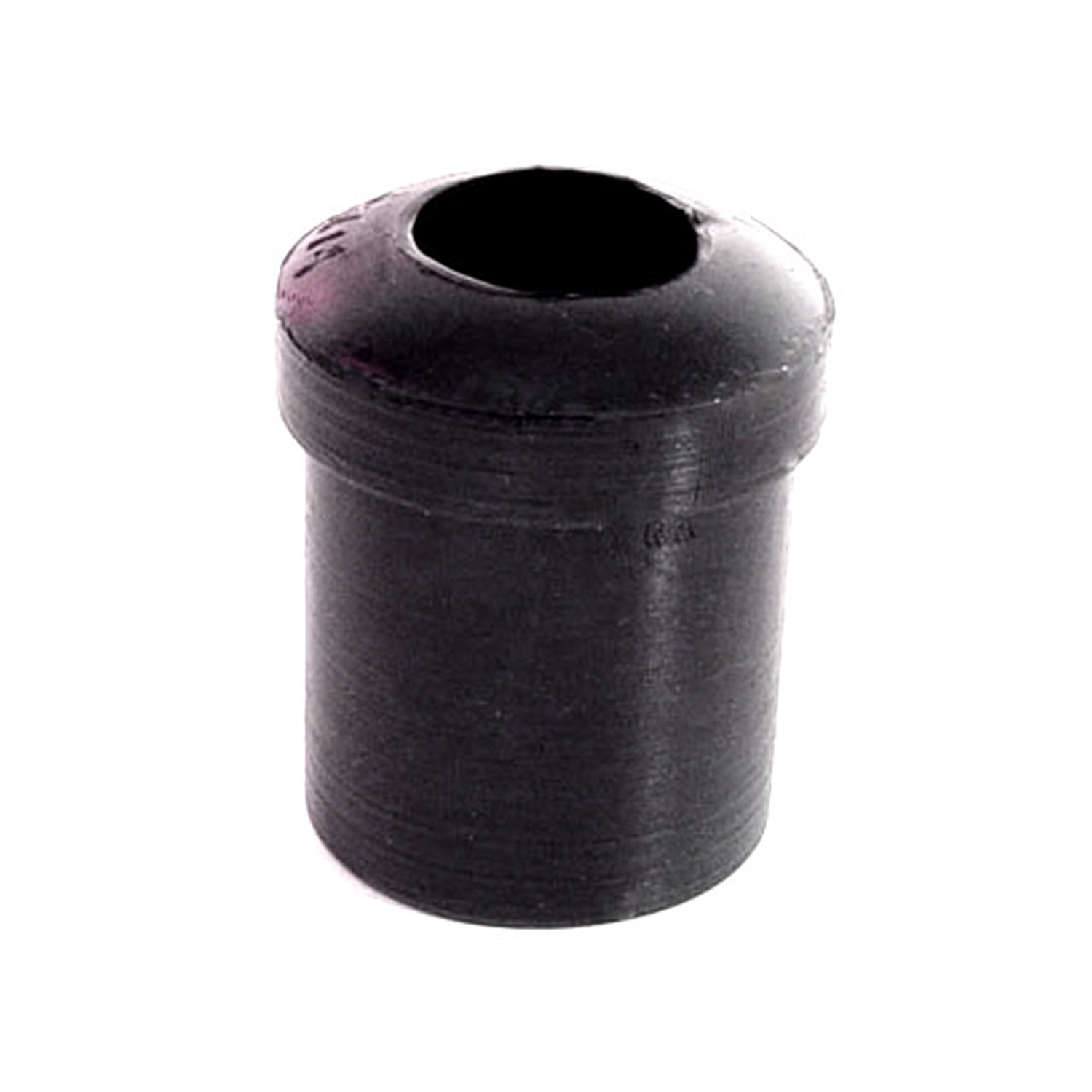 1949 Studebaker 2R16 Spring and Shackle Bushing. 1-1/16" bottom O.D-BN 14Spring and Shackle Bushing. 1-1/16" bottom O.D. X 1-1/2" high, with 5/8" I.D. Each
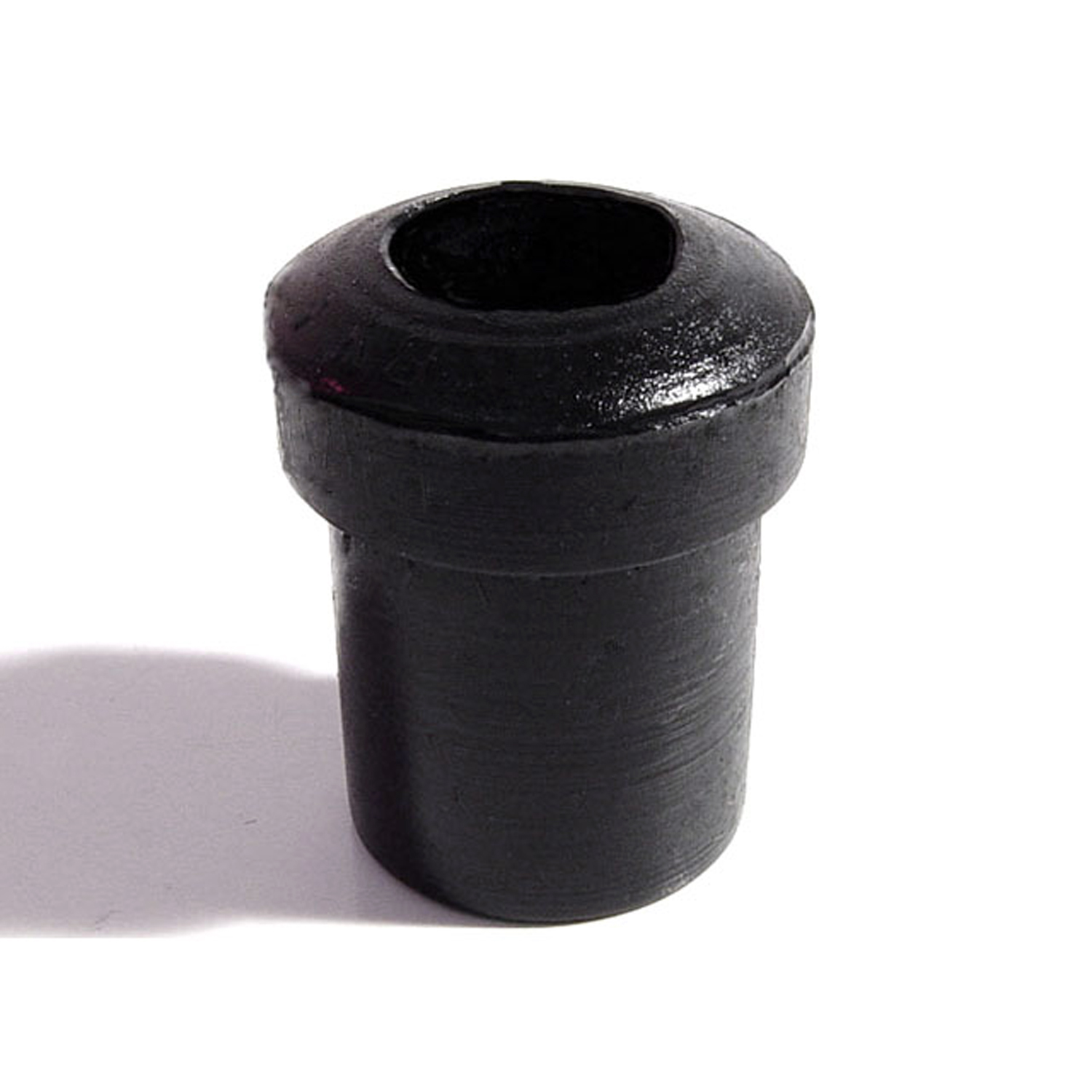 1949 Studebaker 2R16 Spring and Shackle Bushing. 7/8" bottom O.D-BN 16Spring and Shackle Bushing. 7/8" bottom O.D. X 1-1/8" high, with 1/2" I.D. Each
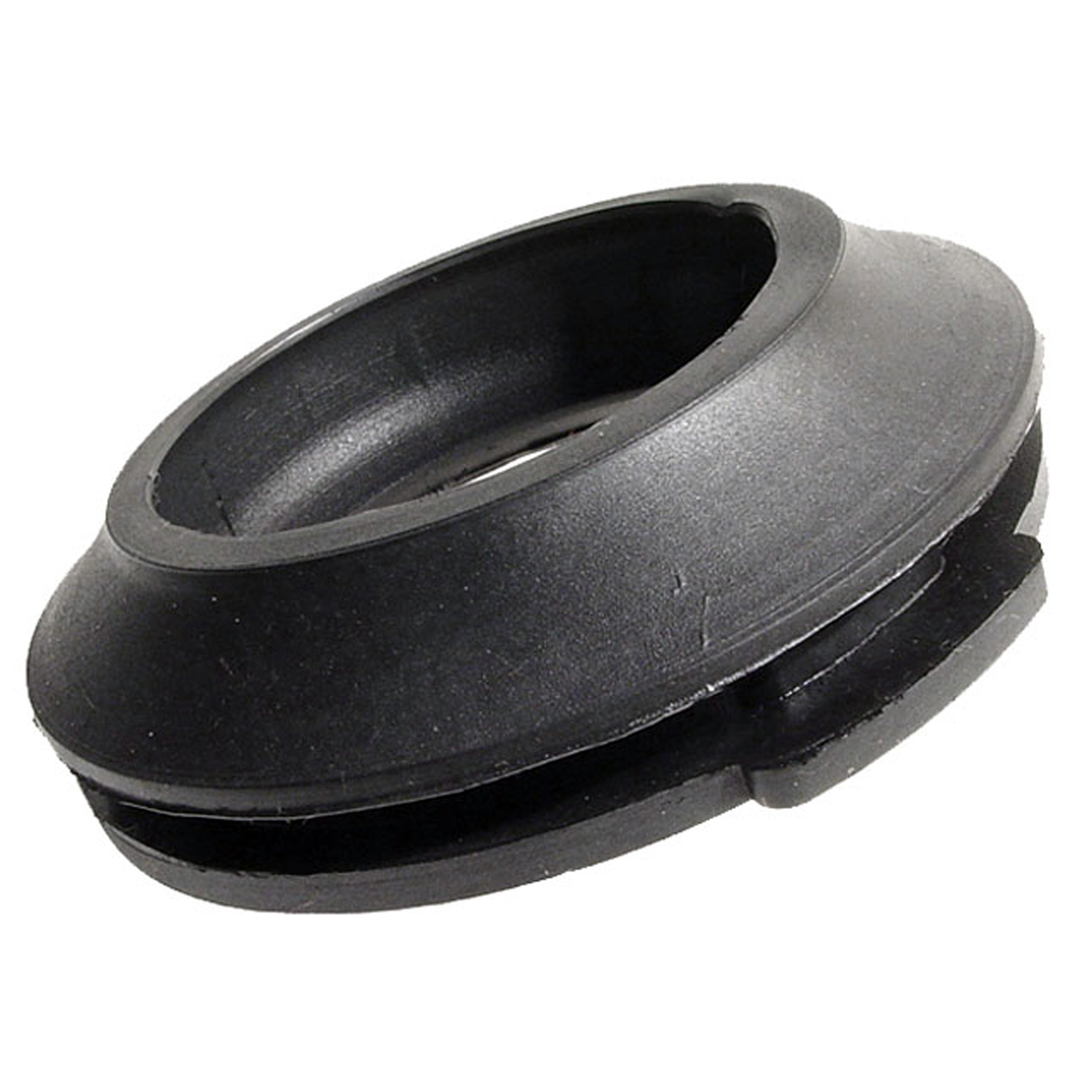 1949 Studebaker 2R16 Gas Filler Grommet. Perfect reproduction. Top 2-1/16" I.D-GF 45Gas Filler Grommet. Perfect reproduction. Top 2-1/16" I.D., 3-7/16" O.D. Each
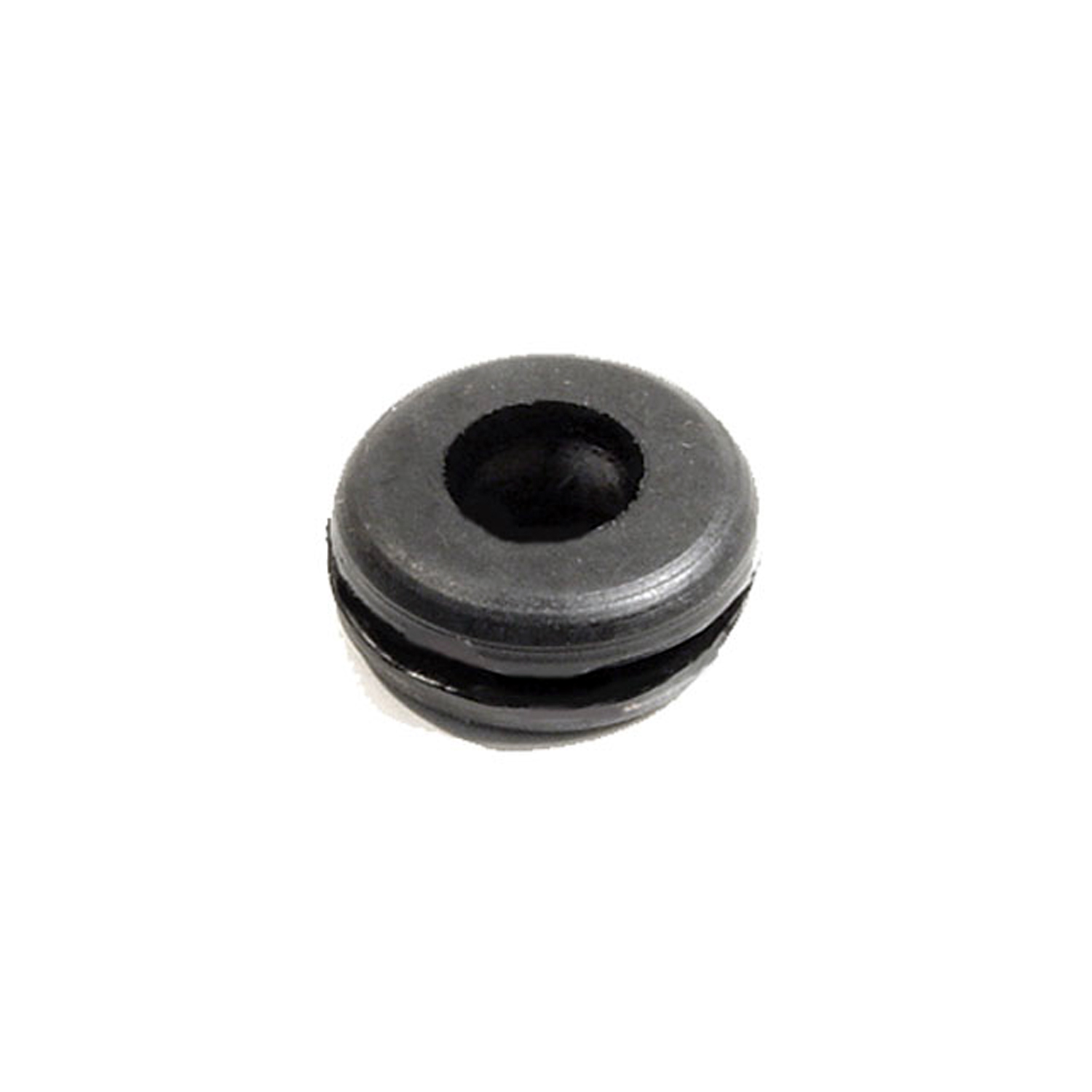 1949 Studebaker 2R16 Headlight & Tail-Light Wire Grommet. 3/8" I.D., 7/8" O.D-SM 13-AHeadlight & Tail-Light Wire Grommet. 3/8" I.D., 7/8" O.D. Each
Why Choose Metro?
For over 100 years, Metro Moulded Parts has been the pinnacle of quality in classic car restoration parts. Our commitment to precision and authenticity in every component ensures a perfect fit and an OEM-level appearance.
- Expert Craftsmanship & Quality: Each part is a testament to our dedication to reliability and perfection, crafted from original designs and thoroughly tested.
- Advanced Technology: We use cutting-edge techniques to create flawless, long-lasting parts that surpass others in performance.
- SuperSoft Sponge – The Ultimate Door Seal: Not only are our door seals 30% softer than competitors', but they're also guaranteed to never leak. They effectively reduce wind and road noise, enhancing your classic car's comfort and driving experience.
- Proudly American: Our parts are a product of American craftsmanship, made in the USA with a spirit of excellence and heritage.
- Unrivaled Warranty: We back our products with a 30-year industry-leading warranty, a testament to our confidence in their quality.
Join us in preserving the legacy of classic cars with parts that are crafted for perfection, not just made.