

Image of 1949 Studebaker 2r16a, Note: These illustrations use artistic license and may differ from actual historical models.
Performance Metrics
Fundamental Metrics
Emotional Appeal
MMP Rating
| Engine Specifications | |
|---|---|
| Engine Options: | Inline 6 |
| Displacement Range: | 226 cubic inches |
| Horsepower Range: | Estimated 94 hp |
| Torque: | 176 lb-ft |
| Compression Ratio: | Estimated 6.5:1 |
| Ignition System: | Distributor and coil |
| Cooling System: | Liquid-cooled |
| Performance Specifications | |
| 0-60 Time: | Not available due to the age of the vehicle |
| 1/4 Mile Time: | Not available due to the age of the vehicle |
| Top Speed: | 70 mph |
| Transmission and Drive | |
| Drive Type: | Rear-wheel drive |
| Transmission Type: | 4-speed manual |
| Fuel and Efficiency | |
| Fuel System Type: | Carburetor |
| MPG: | Estimated 10-15 mpg |
| Dimensions and Brakes | |
| Brakes: | Drum brakes |
| Wheelbase: | 131 inches |
| Weight: | 3,800 lbs |
Note: Specifications for classic cars are given to the best of our ability, considering the limited and variant data available.
1949 Studebaker 2R16A: A Postwar Truck with Real Character
The 1949 Studebaker 2R16A brought a distinctly modern face to the American work truck, pairing Studebaker’s forward-looking styling with the sturdy mechanicals needed for farms, businesses, and job sites. It belonged to the new 2R truck series, introduced for 1949 by the Studebaker Corporation of South Bend, Indiana. The 2R16A is generally identified as a one-ton model, though the exact body and equipment on an individual truck can vary.
Studebaker had long built cars and commercial vehicles, but the 2R series made a strong statement in the first years after World War II. While many competitors’ trucks still carried styling rooted in prewar designs, Studebaker gave its new range a smoother, more integrated look. A memorable detail is that the 2R trucks were styled with the same postwar ambition that shaped Studebaker’s passenger cars, making a working vehicle look unusually fresh for its time.
Loewy-Era Looks and a Practical Cab
The 2R16A’s exterior is defined by a broad, rounded hood, integrated front fenders, and a prominent grille that gives the truck a confident, almost sculpted appearance. Its front end looks less like a collection of separate panels and more like a unified design. That visual polish is part of the 2R’s appeal today: it is unmistakably a classic work truck, but it does not look as boxy as many of its contemporaries.
The cab was designed for work rather than luxury. Drivers sat on a wide bench seat, typically finished in durable upholstery, surrounded by painted metal surfaces and straightforward controls. A simple instrument panel, large steering wheel, rubber floor covering, and generous glass made the cabin functional and relatively easy to clean. Materials were sturdy and serviceable, though not comparable to the plush trim of a Studebaker passenger car.
Technology was conventional but well suited to the job. The 2R16A used a front-mounted inline-six, a manual transmission, hydraulic brakes, and leaf-spring suspension. Those systems were familiar to mechanics and owners, an important advantage for a truck expected to spend its life earning its keep. Exact equipment could differ with chassis specification and buyer choices, so the truck’s data plate and surviving parts are the best guides to a particular example.
Factory paint choices varied by year and configuration. Period work trucks could be ordered in practical solid colors, while red, green, blue, cream, and dark shades are commonly seen on surviving examples. Red and green restorations are especially eye-catching, but a well-documented original color is usually more compelling to collectors than a fashionable repaint.
The 2R range was offered in several commercial forms, including pickups and chassis intended for stake, platform, and other bodies. The one-ton 2R16A suited owners who needed greater load capacity than a light-duty pickup could provide. Exact body availability depended on the chassis and market, and some trucks received custom or aftermarket bodies during their working lives.
Why the 2R Series Mattered
The 2R16A’s significance is less about introducing a radical mechanical breakthrough and more about bringing modern design to a hard-working truck. Its integrated styling helped move the industry away from the upright, separate-fender look that had dominated earlier generations. Studebaker showed that a commercial vehicle could be practical without appearing dated or purely utilitarian.
Compared with many competing postwar trucks, the Studebaker stood out through its distinctive front-end treatment and passenger-car-inspired design approach. It was still built to haul, tow, and withstand regular use, but its visual identity gave it a personality that was easy to recognize. That combination of useful engineering and memorable styling explains why 2R trucks remain popular at vintage-truck shows.
Six-Cylinder Power and Road Manners
One-ton 2R16A trucks are commonly associated with Studebaker’s 245-cubic-inch inline-six, rated at about 102 gross horsepower in period specifications. Engine and equipment details should be checked against the individual truck, since restorations, substitutions, and configuration changes are common after decades of service. The six-cylinder was designed for steady pulling power, not high-speed performance.
Studebaker did not publish a modern-style 0-to-60-mph figure for this truck. As a general estimate, an unloaded, mechanically sound example may take roughly 25 to 35 seconds to reach 60 mph, depending on gearing, transmission, tire size, engine condition, and load. A realistic top speed is around 60 to 65 mph for many examples, though that should not be taken as a recommendation for sustained highway driving. These figures are estimates, not guaranteed factory test results.
On the road, the 2R16A feels like a truck first. The engine produces a steady, working six-cylinder note, and the manual transmission asks the driver to plan shifts rather than rush them. The steering is more deliberate than modern power-assisted systems, and the large wheel gives the driver plenty of leverage. With its leaf springs and truck tires, the ride can feel firm over sharp bumps, especially when unloaded. A load often settles the chassis, but it also changes braking and cornering behavior.
On a winding road, the truck rewards smooth inputs and moderate speeds. Its high stance, solid rear axle, and commercial-duty suspension are not intended for quick cornering. Crosswinds can be noticeable, particularly with a tall body or empty bed. In return, the driver gets a direct, mechanical experience: engine sounds and road texture come through clearly, and every shift feels like part of the work.
Living with a 1949 Studebaker Truck
Most 2R16As today are used as weekend drivers, show vehicles, parade trucks, or carefully maintained farm and property vehicles. A few are still put to light-duty use, but their age, slower traffic pace, and lack of modern safety equipment make them a less convenient choice for daily commuting or heavy hauling.
Routine servicing is straightforward for an experienced home mechanic. The engine bay is relatively accessible, and the truck uses familiar mechanical systems that can be repaired with conventional tools. Parts support is not as broad as it is for more common Ford or Chevrolet trucks, so finding trim pieces, sheet metal, or model-specific components may take patience. Before buying, inspect the frame, cab corners, floor, bed, brake hydraulics, steering, and cooling system. Rust and incomplete restoration work can cost more than basic engine repairs.
Reliability depends heavily on maintenance and restoration quality. A sound six-cylinder can be durable, but decades of storage, improvised repairs, and modern traffic demands can expose weak cooling, braking, or electrical systems. A careful mechanical inspection is more useful than assuming that a freshly painted truck is road-ready.
Notable Details and Common Criticisms
The 2R series is remembered for bringing a sleek, postwar design language to Studebaker’s truck lineup. Its most notable distinction is visual rather than a famous speed or endurance record: the truck looks unusually streamlined for a vehicle built to carry substantial loads. There is no widely recognized 2R16A production record or celebrated racing achievement associated with the model.
Nor is there a well-established celebrity ownership story that defines the 2R16A. Its historical setting is more everyday and, in many ways, more meaningful: these trucks served the postwar economy as businesses expanded, farms modernized, and construction activity increased. They were working vehicles rather than prestige machines.
Common criticisms include modest acceleration, heavy steering, limited comfort, and the challenge of sourcing certain Studebaker-specific parts. Some owners also find that the truck’s distinctive styling makes replacement exterior trim difficult to locate. Those drawbacks are part of the honest ownership picture, but they are also why a complete, carefully preserved example is so appealing.
Collector Value and Availability
There is no dependable published production tally for the 1949 2R16A alone, so any model-specific number should be treated as an estimate. Studebaker built trucks in several configurations, and surviving records do not always make it easy to separate 2R16A production from the broader 2R family. A reasonable best guess is that production was in the thousands, potentially reaching the low tens of thousands across relevant configurations, but that is not a confirmed factory figure. Survivors are less common than the most familiar Chevrolet and Ford pickups of the era.
As a broad 2026 U.S. market estimate, a project truck might sell for about $5,000 to $12,000, depending on completeness and rust. A usable driver or older restoration could bring roughly $15,000 to $30,000, while a high-quality, well-documented restoration may reach $35,000 to $50,000 or more. Exceptional condition, a desirable body style, and strong originality can raise the price; missing parts, structural rust, and non-original modifications can lower it substantially.
Values for classic trucks have generally benefited from renewed interest in vintage utility vehicles, but the 2R16A remains a more specialized choice than a mass-market pickup. Its long-term value is likely to depend on condition, originality, and the availability of parts. Clean, authentic examples have the best chance of appreciating modestly, while poorly executed restorations may be harder to sell at a premium.
A Studebaker Built to Work and Be Remembered
The 1949 Studebaker 2R16A combines a capable one-ton platform, straightforward mechanical engineering, and styling that still turns heads. It may not be quick, quiet, or effortless by modern standards, but it offers a vivid connection to the postwar years when trucks were essential tools and could still have genuine design flair. For collectors who want something less common than the usual Ford or Chevrolet, the 2R16A is a handsome reminder that a working truck can become a classic in its own right.
1949 Studebaker 2r16a Catalog of Parts
 1949 Studebaker 2R16A Shock Absorber Grommet. 1" bottom O.D-BN 11Shock Absorber Grommet. 1" bottom O.D., 3/4" high, with 5/8" I.D. Each
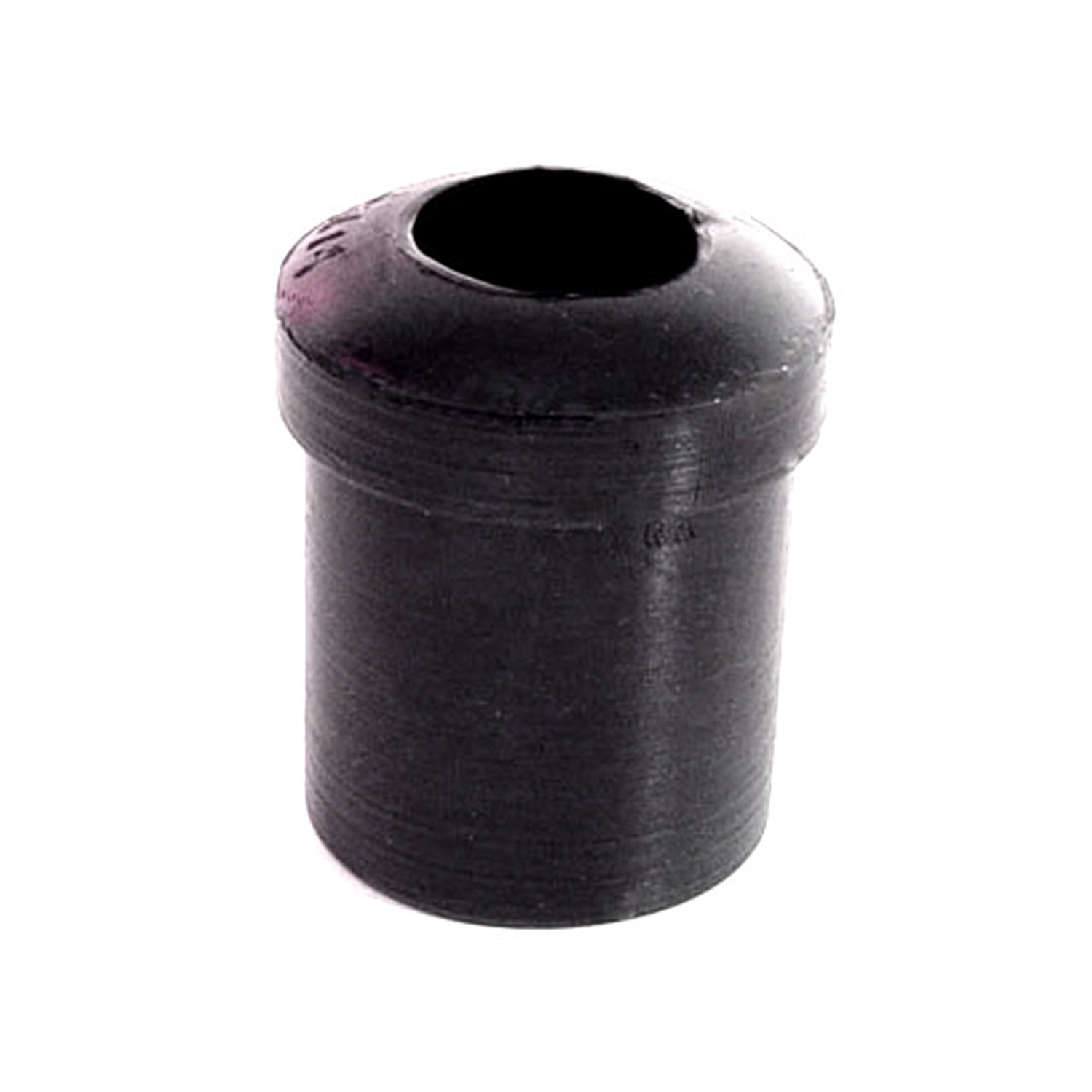 1949 Studebaker 2R16A Spring and Shackle Bushing. 1-1/16" bottom O.D-BN 14Spring and Shackle Bushing. 1-1/16" bottom O.D. X 1-1/2" high, with 5/8" I.D. Each
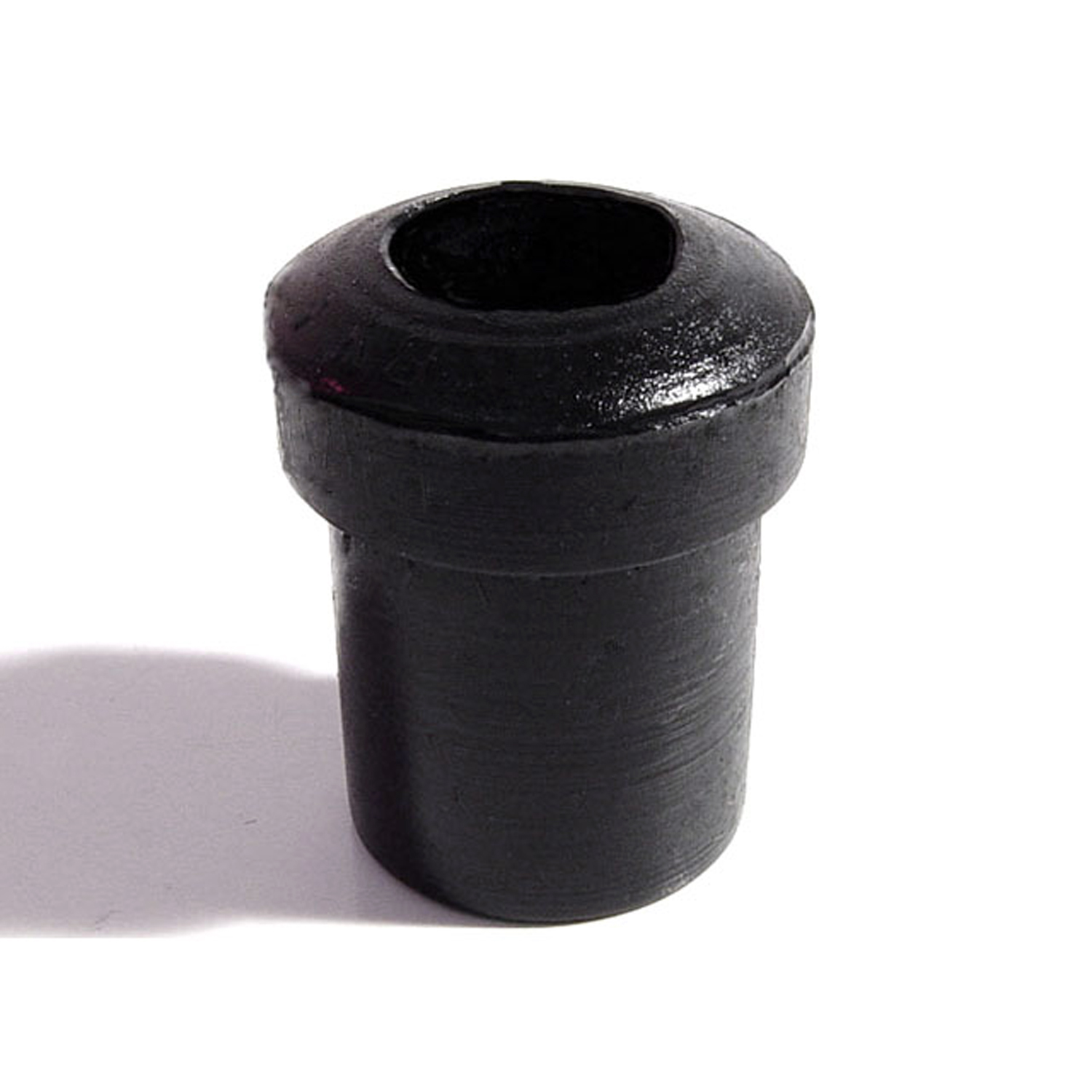 1949 Studebaker 2R16A Spring and Shackle Bushing. 7/8" bottom O.D-BN 16Spring and Shackle Bushing. 7/8" bottom O.D. X 1-1/8" high, with 1/2" I.D. Each
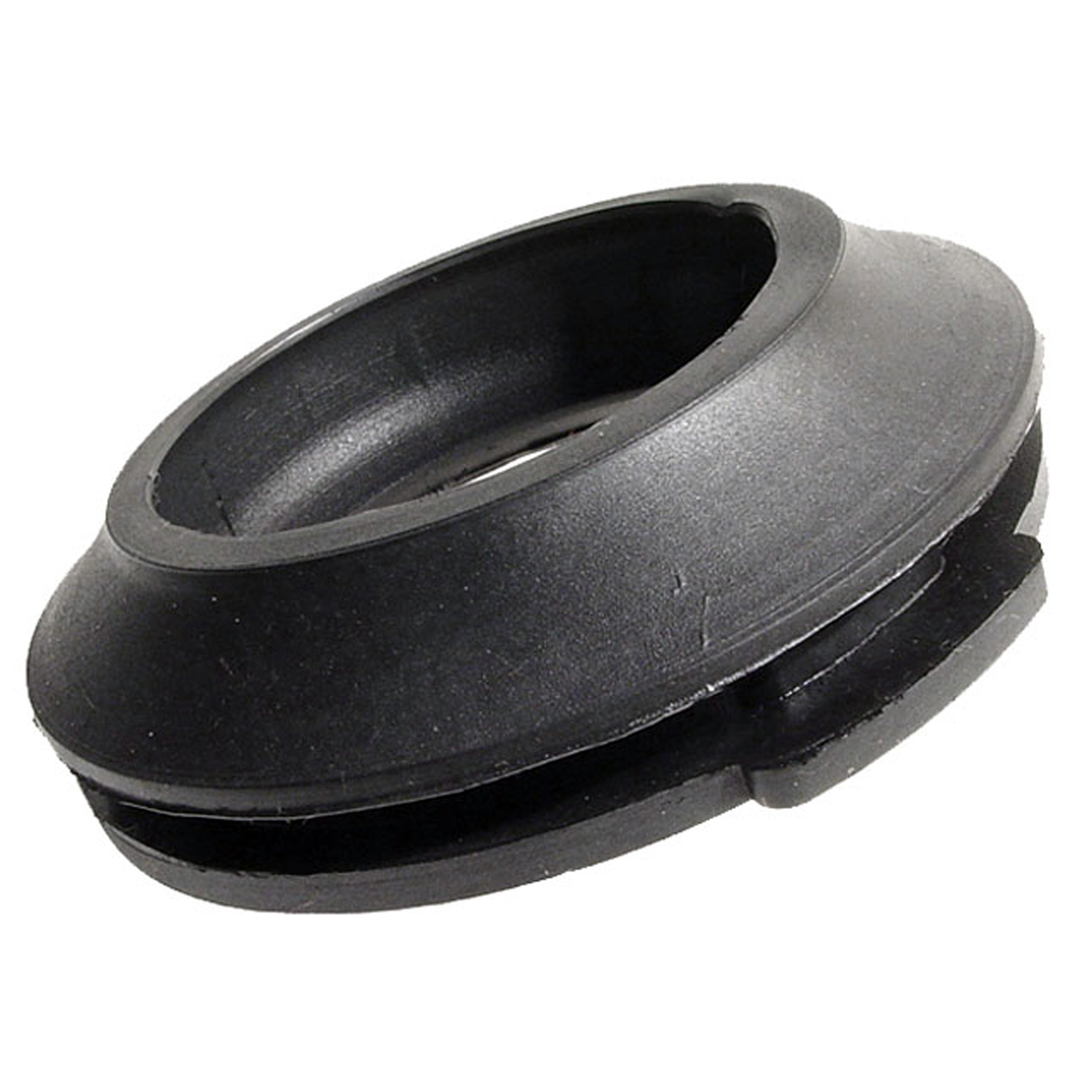 1949 Studebaker 2R16A Gas Filler Grommet. Perfect reproduction. Top 2-1/16" I.D-GF 45Gas Filler Grommet. Perfect reproduction. Top 2-1/16" I.D., 3-7/16" O.D. Each
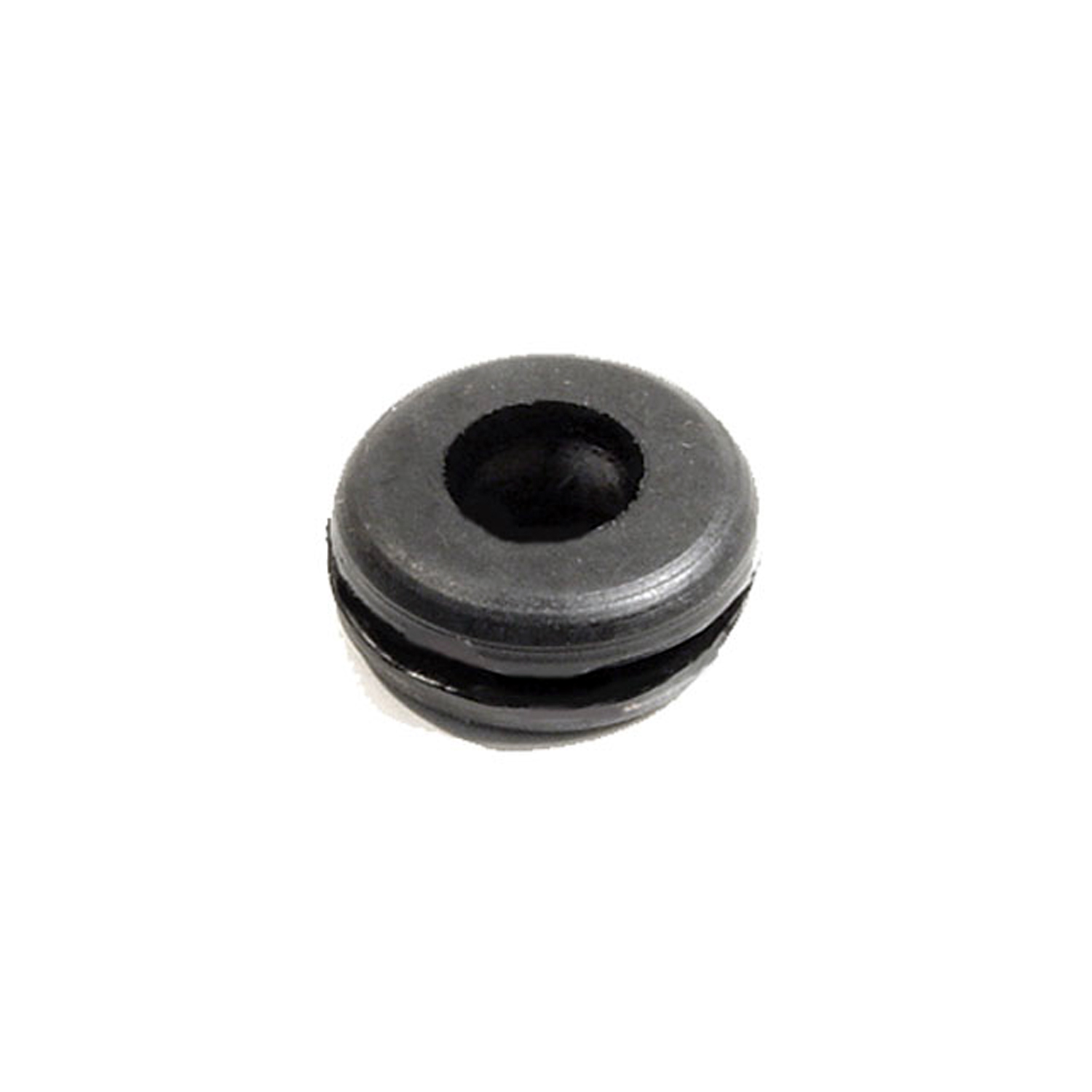 1949 Studebaker 2R16A Headlight & Tail-Light Wire Grommet. 3/8" I.D., 7/8" O.D-SM 13-AHeadlight & Tail-Light Wire Grommet. 3/8" I.D., 7/8" O.D. Each
Why Choose Metro?
For over 100 years, Metro Moulded Parts has been the pinnacle of quality in classic car restoration parts. Our commitment to precision and authenticity in every component ensures a perfect fit and an OEM-level appearance.
- Expert Craftsmanship & Quality: Each part is a testament to our dedication to reliability and perfection, crafted from original designs and thoroughly tested.
- Advanced Technology: We use cutting-edge techniques to create flawless, long-lasting parts that surpass others in performance.
- SuperSoft Sponge – The Ultimate Door Seal: Not only are our door seals 30% softer than competitors', but they're also guaranteed to never leak. They effectively reduce wind and road noise, enhancing your classic car's comfort and driving experience.
- Proudly American: Our parts are a product of American craftsmanship, made in the USA with a spirit of excellence and heritage.
- Unrivaled Warranty: We back our products with a 30-year industry-leading warranty, a testament to our confidence in their quality.
Join us in preserving the legacy of classic cars with parts that are crafted for perfection, not just made.