

Image of 1949 Studebaker 2r17, Note: These illustrations use artistic license and may differ from actual historical models.
Performance Metrics
Fundamental Metrics
Emotional Appeal
MMP Rating
| Engine Specifications | |
|---|---|
| Engine: | Inline 6 |
| Displacement: | 170 cubic inches |
| Horsepower: | Estimated 85-90 HP |
| Torque: | 150 lb-ft |
| Compression Ratio: | Estimated 6.5:1 |
| Ignition System: | Distributor and coil |
| Cooling System: | Liquid-cooled |
| Performance Specifications | |
| 0-60 Time: | Information not available |
| 1/4 Mile Time: | Information not available |
| Top Speed: | 70 mph |
| Transmission and Drive | |
| Drive Type: | Rear-wheel drive |
| Transmission Type: | 4-speed manual |
| Fuel and Efficiency | |
| Fuel System Type: | Carburetor |
| MPG: | Information not available |
| Dimensions and Brakes | |
| Brakes: | Drum brakes |
| Wheelbase: | 122 inches |
| Weight: | 3,200 lbs |
Note: Specifications for classic cars are given to the best of our ability, considering the limited and variant data available.
1949 Studebaker 2R17: A Hardworking Postwar Classic
The 1949 Studebaker 2R17 brought fresh postwar styling to the kind of truck expected to earn its keep every day. Built by Studebaker Corporation in South Bend, Indiana, it belonged to the company’s new 2R truck range and sat in the nominal two-ton class. Rather than a light-duty pickup, the 2R17 was a substantial commercial chassis intended for heavier loads and a variety of working bodies.
Its launch came at a pivotal moment. American farms, businesses, and towns were expanding after World War II, and demand for practical trucks was high. Studebaker was an independent automaker competing against much larger rivals, so the 2R range had to combine useful capacity with a distinctive look. One noteworthy detail is that the 2R17’s identity was not defined by one standard cargo body: buyers could order a chassis and cab, then fit it with a stake, platform, dump, or other commercial body suited to the job.
Fresh 2R Styling and Work-Ready Details
The 2R17 looks more streamlined than many prewar trucks. Its broad hood flows into rounded front fenders, while a horizontal grille and integrated headlamp treatment give the nose a clean, unified appearance. The effect is less ornamental than the famous “bullet-nose” styling Studebaker used on some of its passenger cars, but it still feels unmistakably postwar. The tall stance, solid frame, and large wheels make clear that this is a working truck first.
Inside, the cab is straightforward and durable. Painted metal surfaces, a wide bench seat, and a rubber floor mat prioritize easy cleaning over luxury. Depending on equipment and condition, the seat covering may be cloth or durable vinyl-like material. The upright driving position gives a commanding view of the road and the truck’s front corners, a practical advantage when maneuvering around a loading dock or farmyard. Heating and other comfort equipment could be specified, but equipment varied by buyer and truck configuration.
Studebaker’s truck palette included practical commercial colors, with shades such as dark green, blue, red, gray, and black seen across the range. Fleet buyers could also arrange company colors, so surviving trucks may wear paint that was not a standard factory shade. The most convincing restoration color is usually the one supported by the truck’s original paint traces or documentation.
The 2R17 was primarily a cab-and-chassis platform rather than a single, fixed body style. A buyer might have it fitted as a stake truck, flatbed, dump truck, or another commercial body by Studebaker or a body-building firm. That flexibility is part of its appeal today: two 2R17s can look quite different while sharing the same basic truck underneath.
Why the 2R17 Mattered
The 2R line helped Studebaker bring a more modern appearance to its commercial trucks in the postwar years. Its rounded sheet metal and integrated front-end design stood apart from the more upright, visibly separate fenders common on older work trucks. The styling made the truck look contemporary without sacrificing the practical layout operators needed.
The 2R17 also illustrates how commercial vehicles were sold and used in the period. Manufacturers supplied a capable chassis, while specialist builders and local businesses adapted the back end to specific work. That approach made a truck useful across a wide range of industries, from agriculture and construction to municipal services and local delivery. The model was not a technological revolution, but its combination of updated styling, conventional mechanicals, and body flexibility was well suited to the demands of the era.
245 Six Performance and Road Manners
A typical heavy-duty 2R17 is associated with Studebaker’s 245-cubic-inch inline-six, an engine designed to deliver steady pulling power rather than high-revving performance. Output is commonly listed at roughly 100 horsepower, though specifications can vary with engine and equipment. A heavy-duty manual gearbox, often a four-speed in this class, sends power to the rear wheels. Because individual trucks could be ordered with different gearing, axles, and bodies, there is no single performance figure that applies to every 2R17.
As a guide, a sound, unloaded truck might reach roughly 55 to 65 mph under favorable conditions. Acceleration from 0 to 60 mph is slow by modern standards and may take well over 30 seconds, if the truck can reach 60 at all with its gearing and load. These are estimates, not guaranteed factory test results. With cargo aboard, the engine’s useful trait is its low-speed pull, not quick acceleration or relaxed highway cruising.
Behind the wheel, the 2R17 feels like a proper commercial truck. The steering is manual and requires more effort at low speed, while the clutch and gear changes demand deliberate input. The six-cylinder engine has a steady, purposeful rumble, and the transmission rewards a driver who anticipates hills and shifts early. A heavy frame and leaf springs handle a working load well, but an empty truck can ride firmly and bounce over rough pavement. On winding roads, its size, tall stance, and period tires call for measured cornering and plenty of space.
Living With a Studebaker 2R17
In its working life, the 2R17 was a farm, business, and municipal tool, not a weekend performance vehicle. Today, owners use surviving examples as show trucks, parade vehicles, farm haulers, or carefully maintained drivers. Some are restored to factory-style finishes, while others retain honest working patina or wear a later custom body.
The truck’s straightforward mechanical layout is a plus for hands-on owners. The inline-six and manual drivetrain are based on conventional systems, and many routine tasks can be handled by a capable home mechanic with suitable tools. The bigger challenge is often locating correct trim, body parts, and model-specific components. Before buying, inspect the frame, cab corners, floor, running boards, and body mounts for corrosion or poor repairs. On a heavy commercial truck, brakes, tires, steering parts, and rear-axle condition deserve particular attention.
Parts support is strongest through Studebaker clubs, specialist suppliers, swap meets, and the classic-truck community. Mechanical repairs are generally more approachable than a complex modern vehicle’s, but restoration should not be mistaken for a simple bolt-on project. Large bodywork, scarce components, and the cost of tires or brake work can quickly add up.
2R17 Facts, Myths, and Criticisms
The 2R17’s most interesting distinction is its role as a versatile two-ton platform. The same basic model could serve very different businesses depending on the body installed behind the cab. That versatility also complicates research today: historical production and equipment information may be recorded by chassis model, body builder, or final configuration rather than in one easy-to-find total.
There is no widely recognized 2R17 speed, sales, or endurance record, and no single celebrity association defines the model. Its significance is more grounded: it represents the everyday commercial trucks that helped move goods and support local businesses in postwar America. Common criticisms are equally practical. It is slow, noisy, physically demanding to drive, and less comfortable than a modern truck. Heavy-duty examples can also be harder to park and more expensive to restore than a half-ton pickup.
Collector Values and Availability
Clean 2R17s appear less frequently than light-duty vintage pickups, and condition varies widely. A project or incomplete truck might bring roughly $3,000 to $8,000, while a usable driver could fall around $8,000 to $18,000. A well-restored example with a desirable period body may reach approximately $25,000 to $45,000, with exceptional trucks occasionally asking more. These are broad U.S. market estimates; location, body style, restoration quality, and mechanical condition make a major difference.
A precise production total for the 1949 2R17 is difficult to establish from commonly available model summaries. As a cautious estimate, production was likely in the low thousands rather than the tens of thousands, but that should be treated as an informed guess, not a documented factory figure. The model is uncommon enough to attract Studebaker and vintage-truck enthusiasts, yet it is not so scarce that a patient buyer will never find one.
Values have generally benefited from growing interest in distinctive postwar trucks, but the market is selective. Restored pickups often attract a wider audience than large commercial chassis, while a well-executed stake, dump, or period utility body can be especially appealing to the right buyer. The best long-term prospects belong to complete, authentic examples with sound frames and documented restoration work.
A Distinctive Studebaker Workhorse
The 1949 Studebaker 2R17 pairs postwar design with honest commercial purpose. Its rounded styling gives it character, its six-cylinder engine and manual transmission suit steady work, and its chassis could be adapted to a remarkable range of jobs. It may not be quick or comfortable by modern standards, but that is not the point. The 2R17 is a memorable reminder that a working truck can be both a practical machine and a piece of automotive history.
1949 Studebaker 2r17 Catalog of Parts
 1949 Studebaker 2R17 Shock Absorber Grommet. 1" bottom O.D-BN 11Shock Absorber Grommet. 1" bottom O.D., 3/4" high, with 5/8" I.D. Each
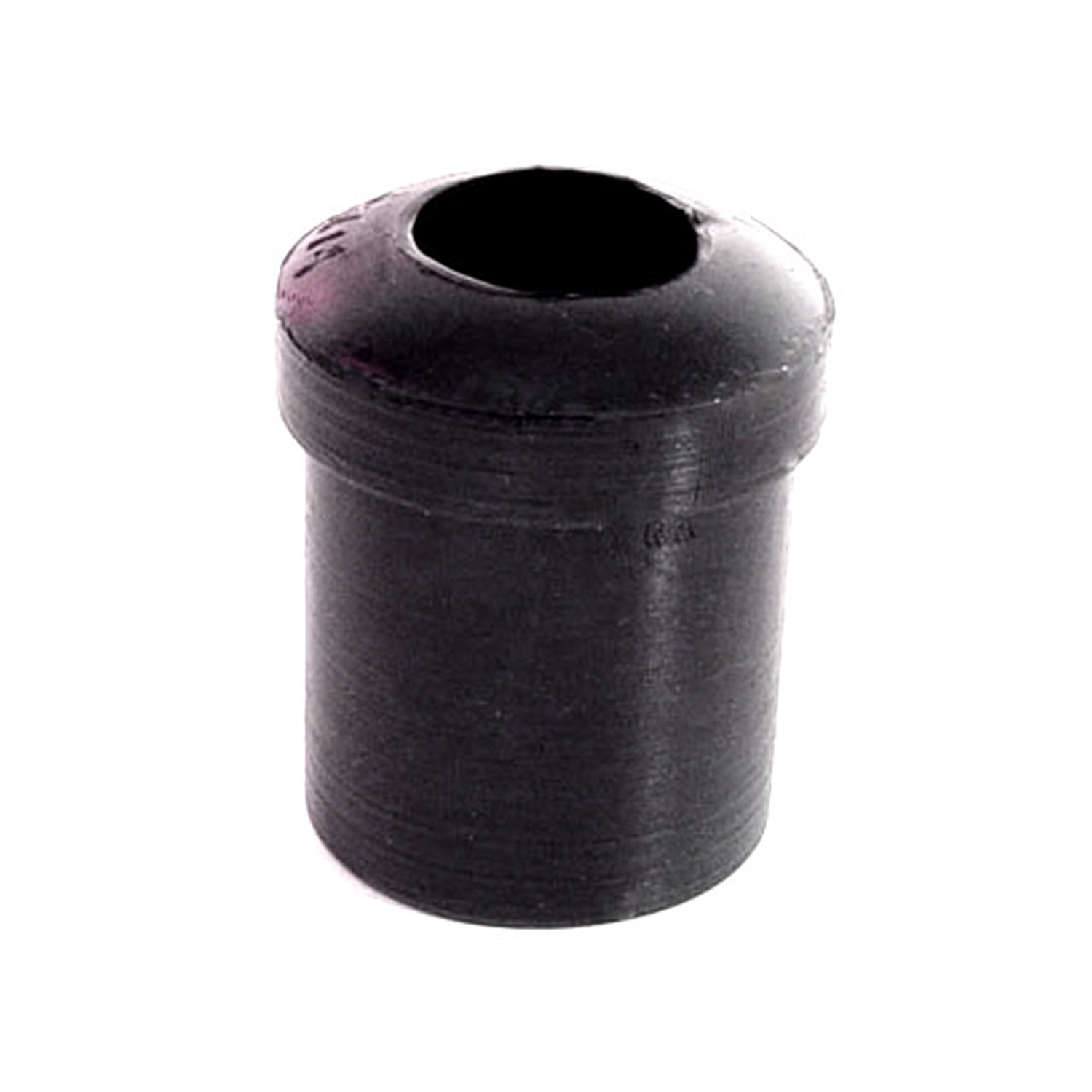 1949 Studebaker 2R17 Spring and Shackle Bushing. 1-1/16" bottom O.D-BN 14Spring and Shackle Bushing. 1-1/16" bottom O.D. X 1-1/2" high, with 5/8" I.D. Each
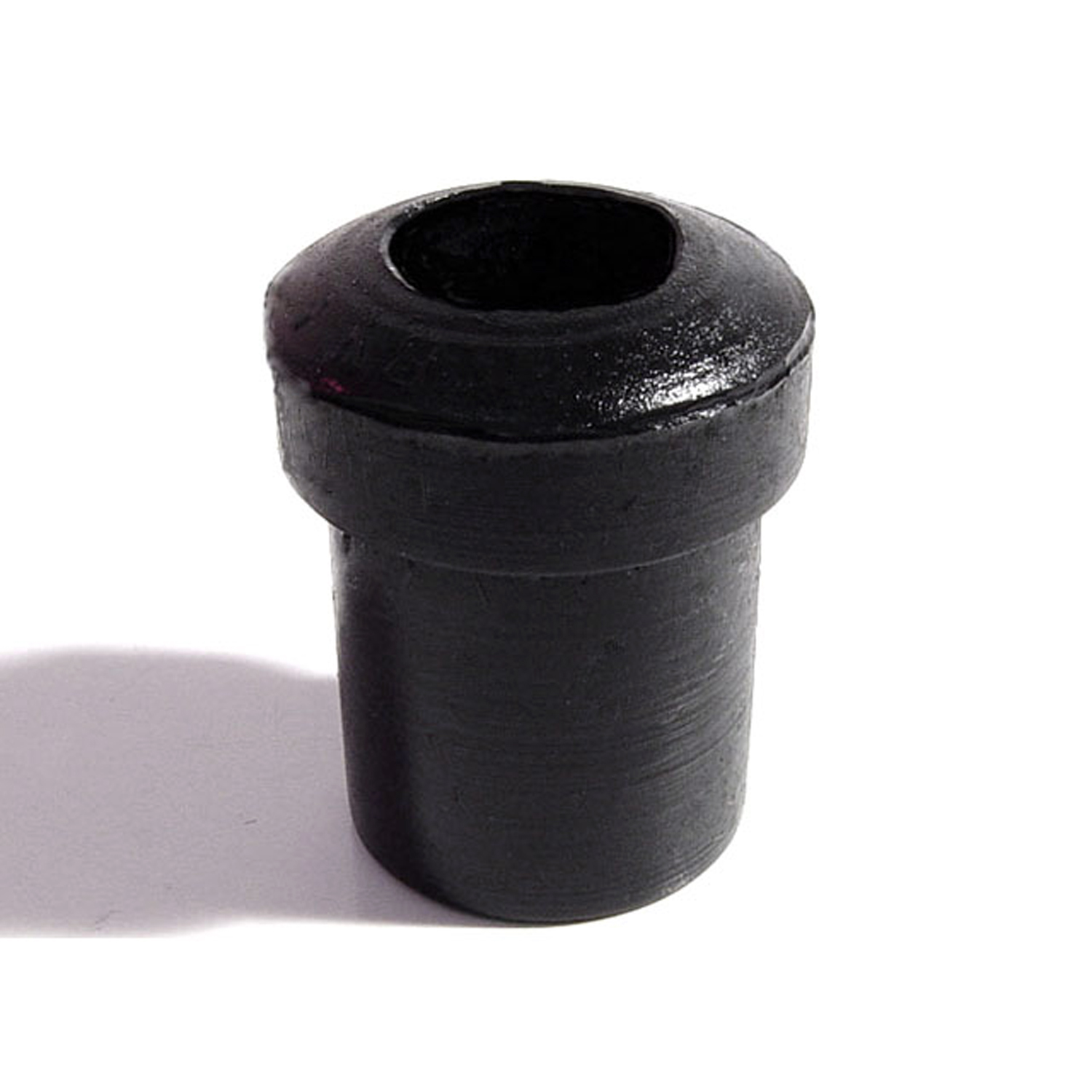 1949 Studebaker 2R17 Spring and Shackle Bushing. 7/8" bottom O.D-BN 16Spring and Shackle Bushing. 7/8" bottom O.D. X 1-1/8" high, with 1/2" I.D. Each
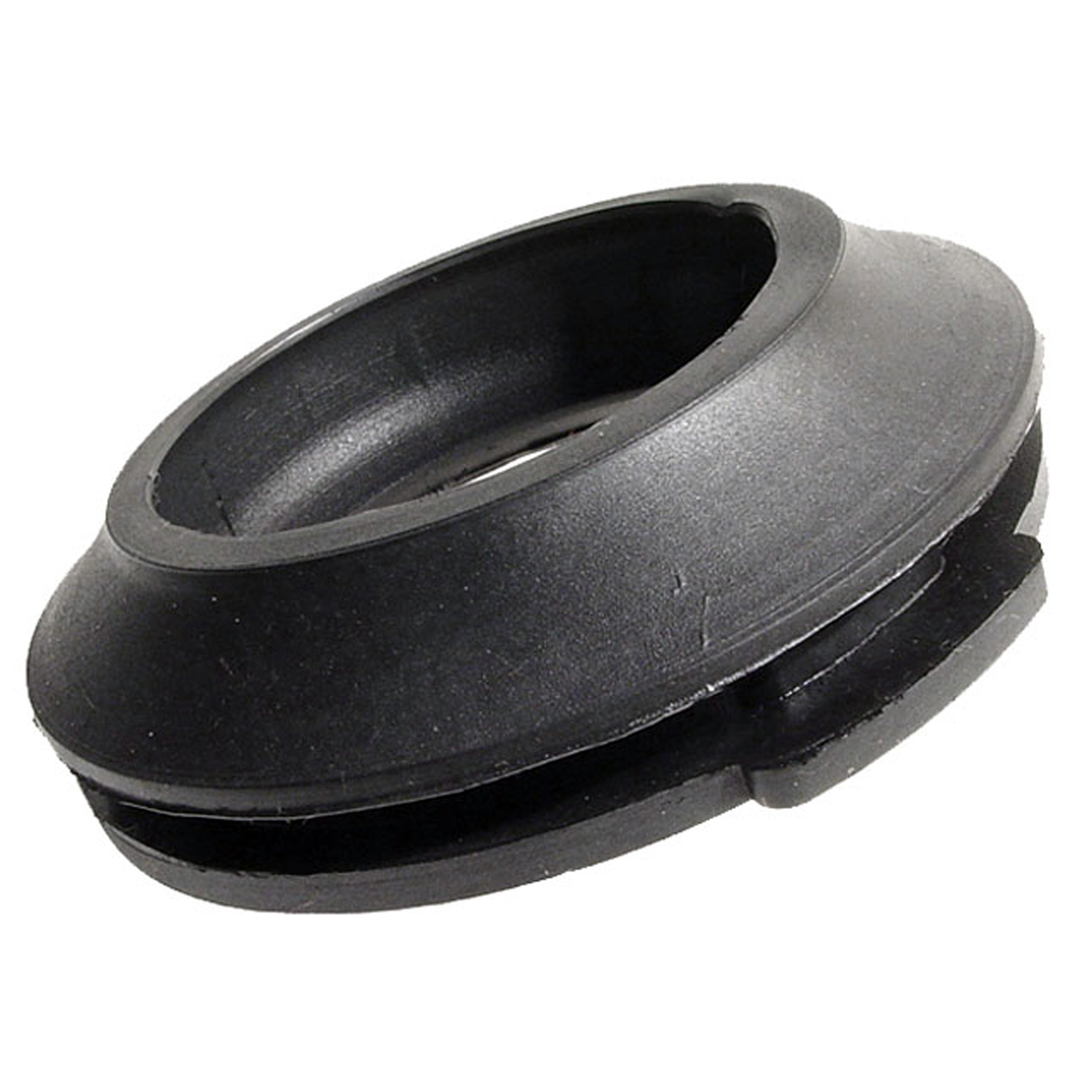 1949 Studebaker 2R17 Gas Filler Grommet. Perfect reproduction. Top 2-1/16" I.D-GF 45Gas Filler Grommet. Perfect reproduction. Top 2-1/16" I.D., 3-7/16" O.D. Each
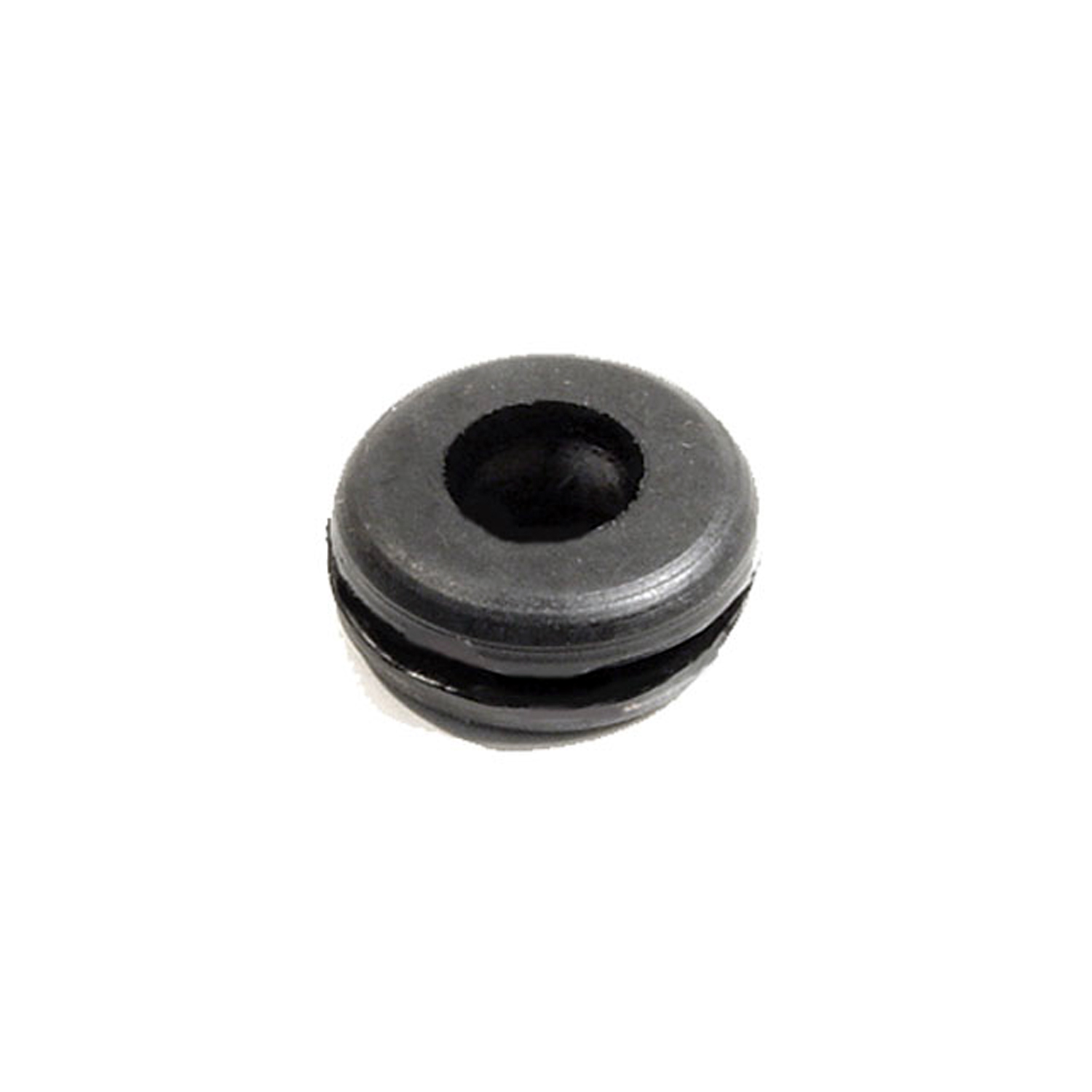 1949 Studebaker 2R17 Headlight & Tail-Light Wire Grommet. 3/8" I.D., 7/8" O.D-SM 13-AHeadlight & Tail-Light Wire Grommet. 3/8" I.D., 7/8" O.D. Each
Why Choose Metro?
For over 100 years, Metro Moulded Parts has been the pinnacle of quality in classic car restoration parts. Our commitment to precision and authenticity in every component ensures a perfect fit and an OEM-level appearance.
- Expert Craftsmanship & Quality: Each part is a testament to our dedication to reliability and perfection, crafted from original designs and thoroughly tested.
- Advanced Technology: We use cutting-edge techniques to create flawless, long-lasting parts that surpass others in performance.
- SuperSoft Sponge – The Ultimate Door Seal: Not only are our door seals 30% softer than competitors', but they're also guaranteed to never leak. They effectively reduce wind and road noise, enhancing your classic car's comfort and driving experience.
- Proudly American: Our parts are a product of American craftsmanship, made in the USA with a spirit of excellence and heritage.
- Unrivaled Warranty: We back our products with a 30-year industry-leading warranty, a testament to our confidence in their quality.
Join us in preserving the legacy of classic cars with parts that are crafted for perfection, not just made.