
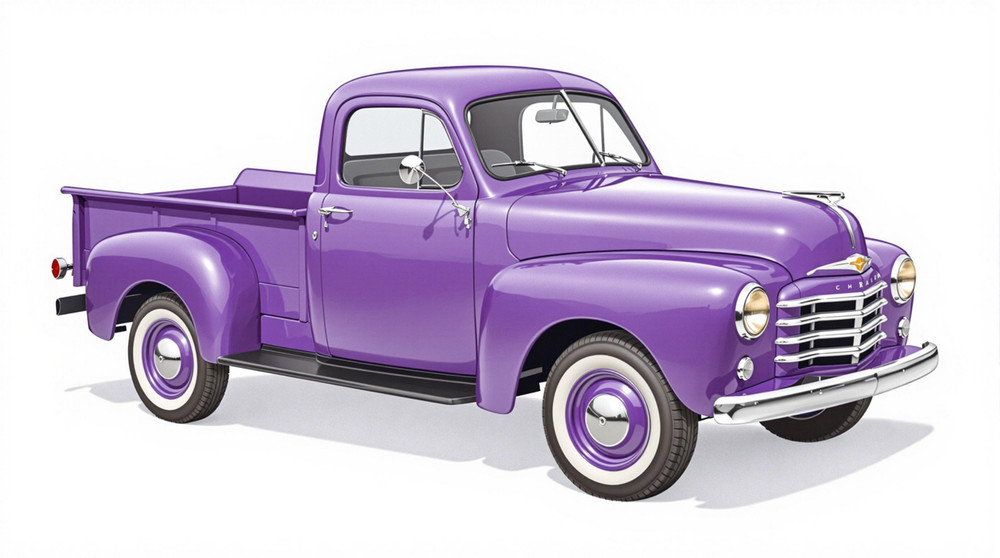
Image of 1949 Studebaker 2r17a, Note: These illustrations use artistic license and may differ from actual historical models.
Performance Metrics
Fundamental Metrics
Emotional Appeal
MMP Rating
| Engine Specifications | |
|---|---|
| Engine: | Inline 6 |
| Displacement: | 170 cubic inches |
| Horsepower: | Estimated 85-90 hp |
| Torque: | 150 lb-ft |
| Compression Ratio: | Estimated 6.5:1 |
| Ignition System: | Distributor and coil |
| Cooling System: | Liquid-cooled |
| Performance Specifications | |
| 0-60 Time: | Not available |
| 1/4 Mile Time: | Not available |
| Top Speed: | Estimated 70 mph |
| Transmission and Drive | |
| Drive Type: | Rear-wheel drive |
| Transmission Type: | 4-speed manual |
| Fuel and Efficiency | |
| Fuel System Type: | Carburetor |
| MPG: | Not available |
| Dimensions and Brakes | |
| Brakes: | Drum brakes |
| Wheelbase: | 131 inches |
| Weight: | Estimated 3,500 lbs |
Note: Specifications for classic cars are given to the best of our ability, considering the limited and variant data available.
1949 Studebaker 2R17A: A Work Truck with a Distinctive Point of View
The 1949 Studebaker 2R17A looks ready for a day’s work, but it does not look like every other postwar truck. Its broad hood, confident upright grille, and rounded fenders give it the presence of a machine designed to be noticed as well as used. It belongs to Studebaker’s 2R truck series, introduced for the 1949 model year, and represents the South Bend, Indiana, company’s effort to bring fresh styling and practical engineering to a booming postwar market.
Studebaker had built vehicles since the nineteenth century and entered the automobile business long before the 2R trucks appeared. After World War II, Americans needed trucks for farms, construction, local deliveries, and expanding businesses. The 2R range answered that demand with multiple weight classes and work-ready chassis configurations. The 2R17A is generally identified as a heavier-duty member of that family, rather than one of the familiar light-duty pickups. Exact equipment can vary with the truck’s chassis, body, and build record, so the serial plate and factory documentation are valuable when identifying an individual example.
A notable detail is that the 2R trucks were part of Studebaker’s postwar redesign, not simply prewar trucks with fresh trim. Their cleaner, more modern cab and front-end design gave working vehicles a contemporary look at a time when many competitors were still transitioning from older designs.
2R17A Styling and Cab Details
The 2R17A’s exterior is all about purposeful proportions. A long, gently crowned hood leads to a broad front face, while rounded fenders soften the truck’s otherwise upright, no-nonsense shape. The grille is made up of horizontal elements, and the headlamps sit prominently in the front-fender area. The result is unmistakably late-1940s: substantial and utilitarian, but smoother and more integrated than many prewar trucks.
Because the 2R17A was a heavier-duty chassis model, its appearance depended substantially on what was fitted behind the cab. Depending on the original order and subsequent use, a truck could carry a platform, stake, service, dump, or other commercial body. Many were sold as chassis-cab vehicles for a body builder to complete. That flexibility is part of the model’s appeal today: two 2R17As can share the same basic identity yet look entirely different.
The cab was designed for work, not luxury. Painted metal surfaces, a broad steering wheel, straightforward instruments, and durable upholstery suited drivers who spent their days making deliveries or moving equipment. Materials were sturdy and easy to clean, although they feel spartan beside a modern truck. Visibility was aided by the cab’s relatively upright glass and large side windows. Comfort features and trim could vary by order, so a surviving truck’s interior may not match every other example.
Studebaker offered period-appropriate paint choices, but exact colors depended on model year, body type, and customer order. Commercial buyers often chose practical fleet colors, while brighter or more distinctive shades could make a privately owned truck stand out. On a restored example, paint history is worth checking: an attractive color is not necessarily the one the truck wore when new.
Engineering for the Job
The 2R series combined a conventional front-engine layout with a ladder-frame chassis, solid axles, leaf springs, and manual steering. These were familiar, serviceable choices for a working truck. Their advantage was not novelty for its own sake, but straightforward construction that could cope with heavy use and be repaired by mechanics outside a major dealership network.
Engine and drivetrain specifications depended on the specific model and order. Studebaker’s truck range used inline six-cylinder engines, with larger-displacement power generally associated with heavier applications. A 2R17A is commonly encountered with a larger Studebaker six, but the engine in any particular truck should be confirmed from its serial information and physical components. Manual transmissions were typical, with gearing chosen for hauling rather than quick acceleration or quiet high-speed cruising.
That distinction matters when evaluating one today. A truck may have had an engine, transmission, axle, or body replaced during decades of commercial service. A period-correct-looking truck is not automatically an original, matching specification vehicle.
Why the 2R Truck Mattered
The 2R series helped Studebaker compete in the crowded postwar truck market by combining useful commercial configurations with a fresh, recognizable design. Its styling was more than decoration: the integrated-looking front end and rounded cab details made the truck feel like a product of the new era rather than a carryover from the years before the war.
The 2R17A was not a revolutionary technology platform, and it did not displace the conventional engineering that fleets trusted. Its importance lies instead in how Studebaker packaged familiar, repairable truck hardware in a modern-looking range broad enough to serve different businesses. That balance of styling and utility remains part of its attraction. Compared with a generic work truck, a Studebaker has a more distinctive face and a stronger connection to an independent American manufacturer.
Performance, Speed, and the Driving Experience
There is no single dependable factory 0-to-60 mph figure for every 1949 2R17A. Engine choice, axle ratio, tire size, bodywork, load, and mechanical condition all make a substantial difference. As a period heavy-duty truck, it was designed to move cargo at sensible working speeds, not to sprint away from a stoplight. A modern estimate would put acceleration to 60 mph at well over 20 seconds in many configurations, and some loaded or lower-geared examples may not be comfortable reaching that speed at all.
Top speed should also be treated as an estimate rather than a fixed specification. An unloaded, well-maintained truck with suitable gearing might manage roughly 50 to 60 mph, but sustained highway cruising is not its natural role. Loaded, it is happier at a more modest pace. Owners should have the brakes, tires, steering, and driveline inspected before attempting modern traffic speeds.
Behind the wheel, the 2R17A feels like a working machine. The inline six delivers a steady mechanical rumble, while the manual gearbox calls for deliberate shifts and thoughtful use of engine speed. Steering is heavier at low speeds than modern power-assisted systems, and the long wheelbase and solid axles make the truck feel substantial. Bumps are transmitted more directly than in a contemporary pickup, especially when the truck is lightly loaded. With cargo aboard, the springs settle into their work and the ride can feel more composed.
On winding roads, the driver needs to plan ahead. The truck’s weight, steering effort, and drum-brake-era stopping distances reward smooth inputs and sensible following distances. It can be a satisfying drive, but it is not a sports truck. The pleasure comes from the view over the hood, the sound of the six, and the feeling of operating a vehicle built around a clear purpose.
Owning and Maintaining a 2R17A
New, a 2R17A was a commercial tool. It could serve a farm, contractor, delivery company, municipal department, or business needing a sturdy chassis for specialized equipment. Today, surviving examples are more likely to be used as occasional drivers, show vehicles, parade trucks, farm runners, or restoration projects. Their scale and historic character make them popular conversation pieces, but their size and modest road performance limit their appeal as everyday transportation.
Basic mechanical work is approachable for an experienced home mechanic. The conventional engine layout, manual controls, and straightforward chassis do not require the diagnostic equipment used on modern vehicles. Regular attention to ignition, fuel delivery, cooling, lubrication, brakes, wheel bearings, and the electrical system is essential. Parts support exists through specialist suppliers, clubs, and the vintage-truck community, though body panels, trim, and model-specific components can take more effort to locate than common service items.
Reliability depends heavily on maintenance and restoration quality. Decades of hard use can leave hidden problems in the frame, cab mounts, brake hydraulics, wiring, and cooling system. Before buying, inspect the chassis carefully for corrosion or poor repairs, and confirm that the brakes and steering are safe. A tidy paint job can conceal a truck that needs extensive mechanical work.
2R17A Trivia and Common Criticisms
The 2R17A’s most interesting “option” may be the body mounted behind its cab. Because many trucks were supplied as chassis cabs, they could be transformed into very different machines by local body builders. A restored platform truck, a period service body, and a fire or utility conversion can each tell a different story about how the chassis was put to work.
There is no widely recognized speed, sales, or endurance record specifically associated with the 2R17A. Nor is the model especially known for celebrity ownership. Its historical interest is more grounded: it represents the work trucks that helped farms, businesses, and towns rebuild and expand after the war.
Common criticisms are familiar to anyone who has driven a mid-century commercial truck. The ride can be firm, steering and braking require more effort than in a modern vehicle, and highway speeds are limited by gearing and safety equipment. Parts for a less common heavy chassis or an unusual original body may also be harder to source than parts for a popular half-ton pickup. For enthusiasts, those limitations are part of the experience, but they should be understood before purchase.
Collector Value and Availability
Production figures for the 2R17A alone are not commonly published in a way that allows a confident model-specific total. Studebaker built trucks across the 2R range, but a precise count for this particular designation should not be assumed without factory production records. As a practical estimate, the 2R17A is far less commonly encountered than the light-duty 2R pickups. Its survival rate is also reduced by decades of commercial use, when trucks were often worked hard, modified, or scrapped after retirement.
Values vary widely with condition, completeness, originality, and body style. As a broad current-market estimate, a project or incomplete truck might sell for around $3,000 to $8,000. A running, usable example could fall roughly in the $8,000 to $18,000 range, while a well-restored, attractive truck with a desirable period body may bring about $20,000 to $35,000 or more. Exceptional restorations can exceed that range, while a rough or heavily altered example may sell for less.
These figures are general estimates, not a formal appraisal. Heavy-duty trucks appeal to a smaller collector audience than classic pickups, so condition and local demand have a strong effect on sale price. Values for the best restored examples have generally been supported by the growing interest in vintage commercial vehicles, but that does not mean every 2R17A is rapidly appreciating. Restoration costs can easily outrun resale value, making a sound, complete truck a better starting point than the cheapest one available.
A Studebaker Built to Work, and Built to Be Remembered
The 1949 Studebaker 2R17A combines practical postwar engineering with styling that gives it a personality many work trucks lack. Its conventional six-cylinder power and robust chassis were intended for dependable service, while its distinctive cab and front end marked a new chapter for Studebaker trucks. It is not quick, quiet, or effortless by modern standards, but it offers an engaging link to the businesses and communities that relied on trucks like it every day.
For collectors, the 2R17A is most compelling as an honest, working piece of Studebaker history. Preserve one carefully, and it becomes more than a vintage truck: it becomes a rolling reminder that utility and character can share the same chassis.
1949 Studebaker 2r17a Catalog of Parts
 1949 Studebaker 2R17A Shock Absorber Grommet. 1" bottom O.D-BN 11Shock Absorber Grommet. 1" bottom O.D., 3/4" high, with 5/8" I.D. Each
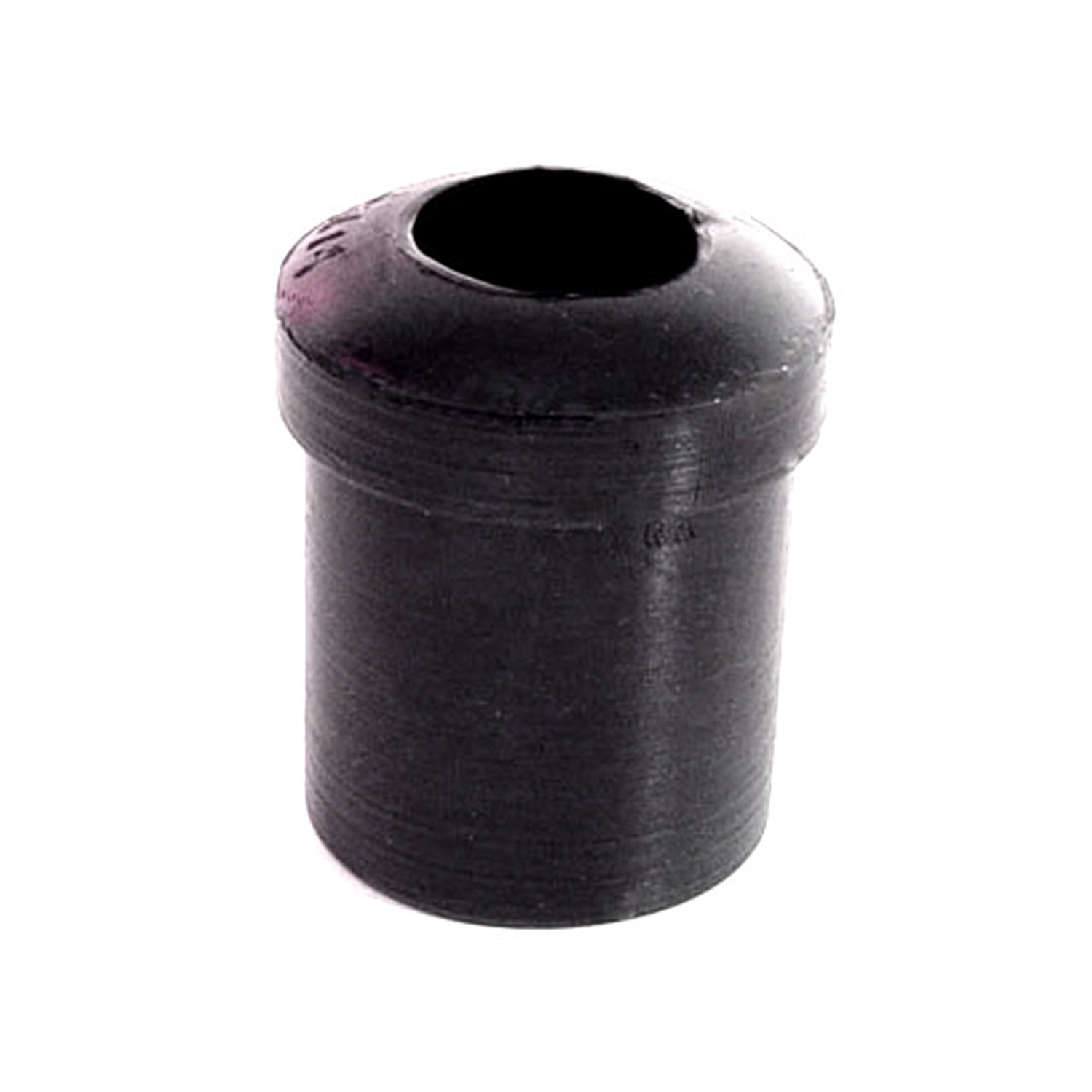 1949 Studebaker 2R17A Spring and Shackle Bushing. 1-1/16" bottom O.D-BN 14Spring and Shackle Bushing. 1-1/16" bottom O.D. X 1-1/2" high, with 5/8" I.D. Each
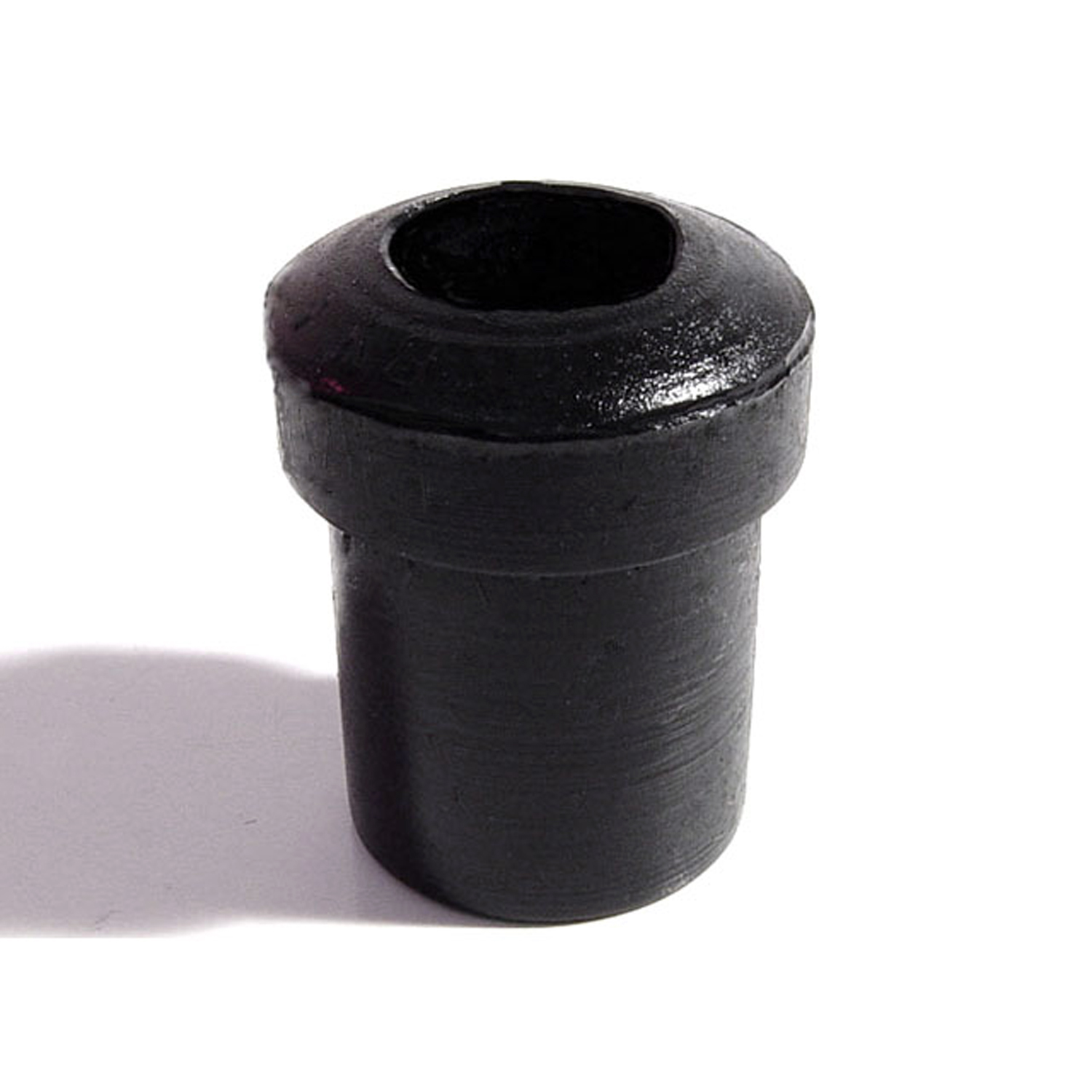 1949 Studebaker 2R17A Spring and Shackle Bushing. 7/8" bottom O.D-BN 16Spring and Shackle Bushing. 7/8" bottom O.D. X 1-1/8" high, with 1/2" I.D. Each
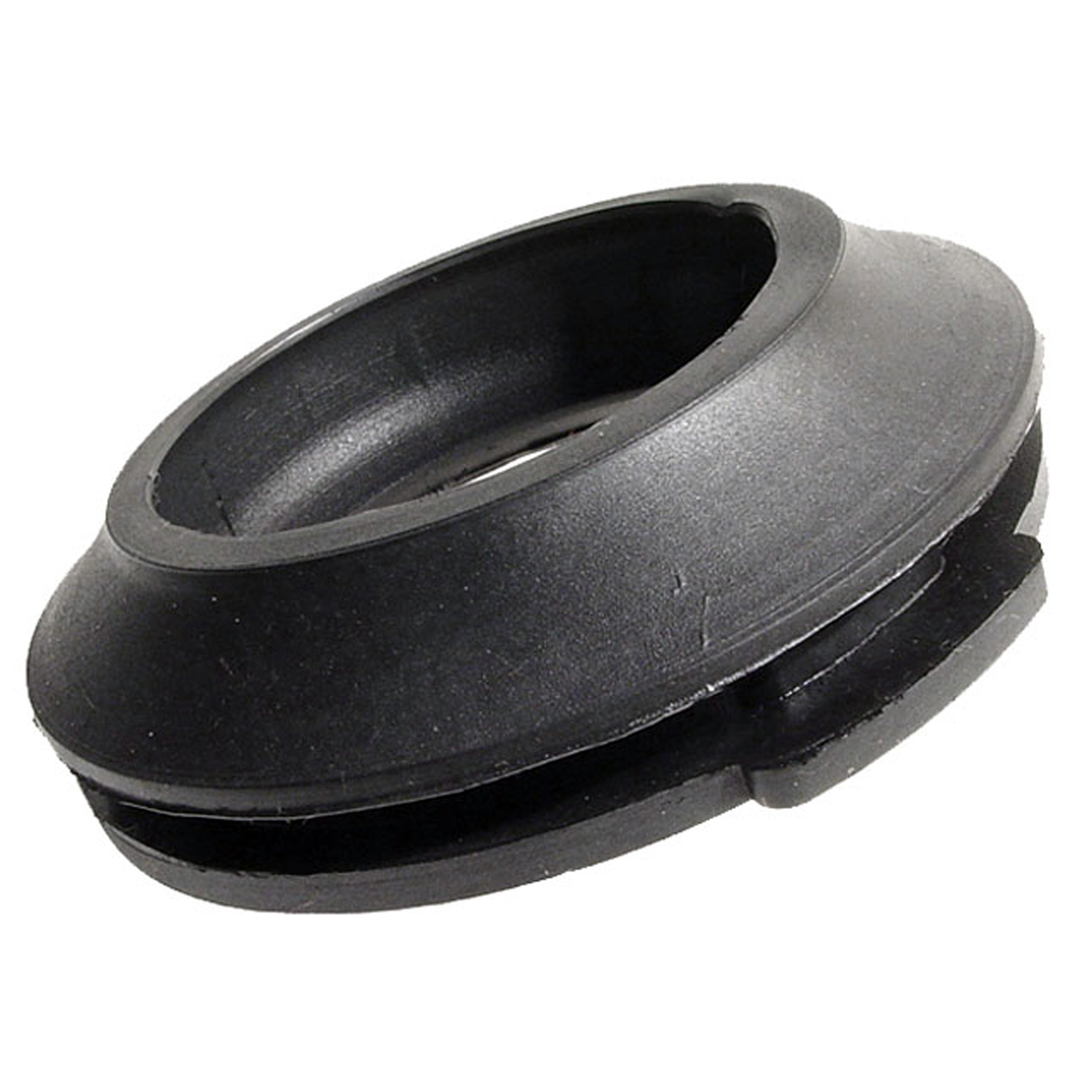 1949 Studebaker 2R17A Gas Filler Grommet. Perfect reproduction. Top 2-1/16" I.D-GF 45Gas Filler Grommet. Perfect reproduction. Top 2-1/16" I.D., 3-7/16" O.D. Each
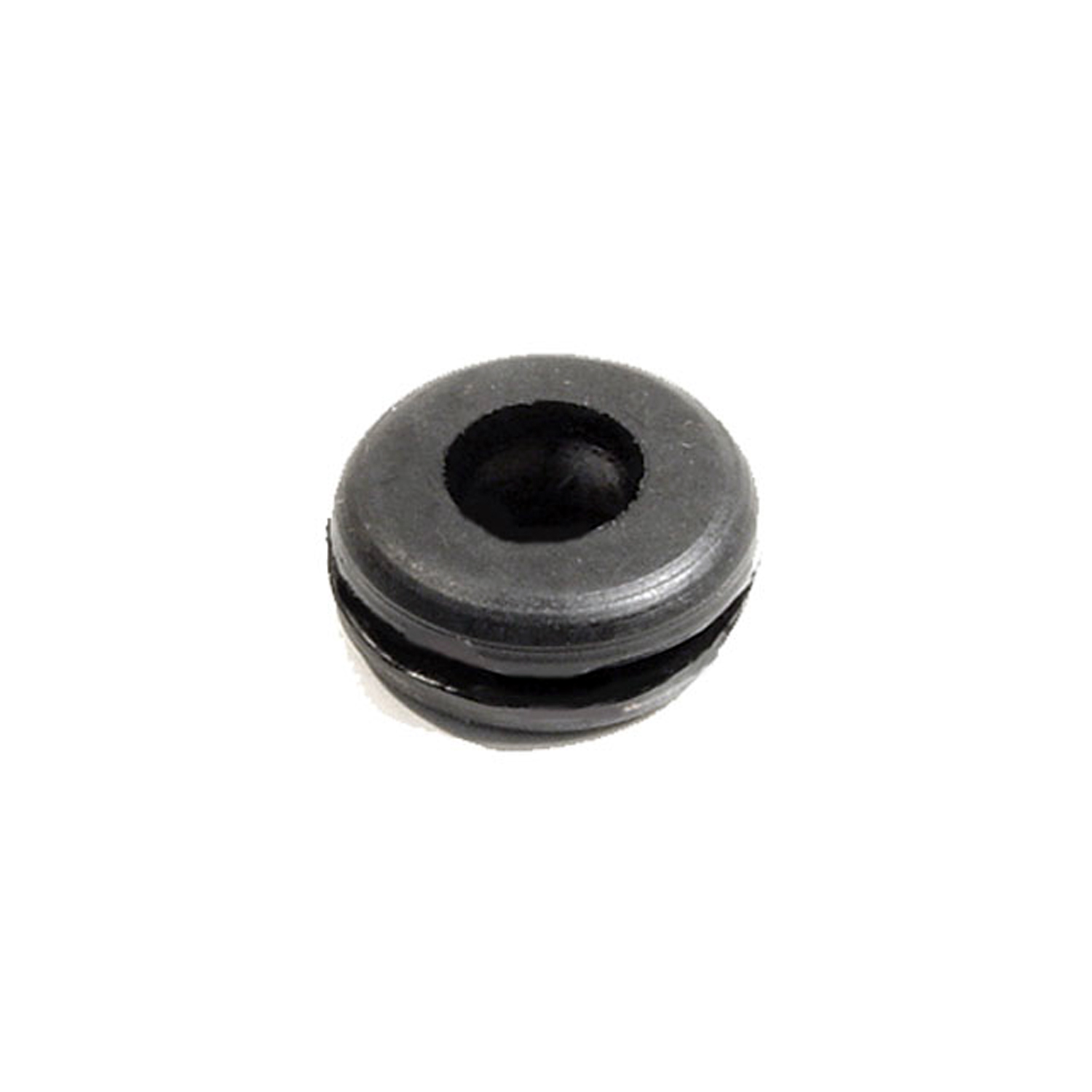 1949 Studebaker 2R17A Headlight & Tail-Light Wire Grommet. 3/8" I.D., 7/8" O.D-SM 13-AHeadlight & Tail-Light Wire Grommet. 3/8" I.D., 7/8" O.D. Each
Why Choose Metro?
For over 100 years, Metro Moulded Parts has been the pinnacle of quality in classic car restoration parts. Our commitment to precision and authenticity in every component ensures a perfect fit and an OEM-level appearance.
- Expert Craftsmanship & Quality: Each part is a testament to our dedication to reliability and perfection, crafted from original designs and thoroughly tested.
- Advanced Technology: We use cutting-edge techniques to create flawless, long-lasting parts that surpass others in performance.
- SuperSoft Sponge – The Ultimate Door Seal: Not only are our door seals 30% softer than competitors', but they're also guaranteed to never leak. They effectively reduce wind and road noise, enhancing your classic car's comfort and driving experience.
- Proudly American: Our parts are a product of American craftsmanship, made in the USA with a spirit of excellence and heritage.
- Unrivaled Warranty: We back our products with a 30-year industry-leading warranty, a testament to our confidence in their quality.
Join us in preserving the legacy of classic cars with parts that are crafted for perfection, not just made.