

Image of 1949 Studebaker Commander, Note: These illustrations use artistic license and may differ from actual historical models.
Performance Metrics
Fundamental Metrics
Emotional Appeal
MMP Rating
| Engine Specifications | |
|---|---|
| Engine Options: | Inline 6, V8 |
| Displacement Range: | 170-245 cu in (Inline 6), 232 cu in (V8) |
| Horsepower Range: | 85-102 hp (Inline 6), 120 hp (V8) |
| Torque: | 150-170 lb-ft (Inline 6), 200 lb-ft (V8) |
| Compression Ratio: | 7.0:1 (Inline 6), 7.5:1 (V8) |
| Ignition System: | Distributor and coil |
| Cooling System: | Liquid-cooled |
| Performance Specifications | |
| 0-60 Time: | Estimated 15-20 seconds |
| 1/4 Mile Time: | Estimated 20-25 seconds |
| Top Speed: | 80-90 mph |
| Transmission and Drive | |
| Drive Type: | Rear-wheel drive |
| Transmission Type: | 3-speed manual, 4-speed automatic |
| Fuel and Efficiency | |
| Fuel System Type: | Carburetor |
| MPG: | Estimated 15-20 mpg |
| Dimensions and Brakes | |
| Brakes: | Drum brakes |
| Wheelbase: | 119 inches |
| Weight: | 3100-3300 lbs |
Note: Specifications for classic cars are given to the best of our ability, considering the limited and variant data available.
1949 Studebaker Commander: A Postwar Original
The 1949 Studebaker Commander looked as if it had arrived from the future, and that was exactly the point. Built by the Studebaker Corporation of South Bend, Indiana, the Commander paired a roomy American sedan’s practicality with sleek, unmistakably postwar styling. It sat above Studebaker’s more economical Champion, offering a larger six-cylinder engine and a more upscale place in the company’s lineup.
The Commander belonged to the striking family of cars Studebaker introduced for 1947, when many competitors were still updating prewar designs. Raymond Loewy’s design organization helped shape the look, with Virgil Exner playing an important role in the styling work. One of the most memorable versions was the Starlight coupe, whose broad rear window and long, smooth roofline gave it an appearance that seemed almost as dramatic from behind as from the front. That distinctive silhouette earned the car a lasting place in postwar design history.
Streamlined Studebaker Styling
The Commander’s body was low and clean compared with many of its contemporaries. Its integrated front fenders flowed into the body rather than sitting apart like rounded wings, while the long hood, subtle grille, and rounded roofline made the car look sleek without resorting to excessive chrome. The profile was especially effective on the Starlight coupe, where the roof swept back toward a wide rear window and a generously sized trunk.
Inside, the Commander offered a comfortable, well-finished cabin for its class. Upholstery varied with body style and trim, but buyers could expect durable cloth or broadcloth-style materials, with leather available on some convertible interiors. The dashboard used clear, period-style gauges and straightforward controls. It was not a modern luxury-car cockpit, but it felt substantial and thoughtfully arranged, with more room and a more generous finish than an economy-focused model.
Studebaker’s color selection changed by paint code, body style, and trim combination. Period choices included restrained shades of black, gray, cream, blue, green, and maroon. Darker colors emphasize the Commander’s formal character, while lighter or brighter hues show off the body contours particularly well. A two-tone treatment, when available for a particular configuration, could make the roofline and sculpted sides stand out even more.
Commander body styles included two- and four-door sedans, the distinctive two-door Starlight coupe, and a convertible. The Land Cruiser, a spacious, long-wheelbase four-door sedan in the broader Studebaker range, is also closely associated with the Commander family. For many enthusiasts, the Starlight coupe remains the most iconic version, thanks to its unusual rear glass and unmistakably streamlined profile.
Design That Looked Ahead
The 1949 Commander’s significance comes partly from its timing. Studebaker had committed to a fresh postwar design early, while many American manufacturers were still selling updated versions of their prewar cars. The result was a car that looked modern and individual rather than merely familiar. Its integrated fenders, low stance, and carefully balanced proportions helped establish the visual language of late-1940s American cars.
The Commander also showed how a manufacturer could give a practical family car a strong identity. The Starlight coupe’s expansive rear window was more than a styling flourish: it made the car instantly recognizable. The design was often described as looking as though it could be driven in either direction, a playful reaction to its unusual front and rear profiles. Studebaker did not invent streamlined automobile design, but it made the idea a defining part of its postwar image.
Underneath, the Commander remained conventional and serviceable by the standards of the day. That balance mattered. Its appearance was daring, but its basic engineering was familiar enough for owners and independent garages to maintain. The car’s legacy is therefore a mix of styling confidence and practical American motoring, rather than a single breakthrough gadget.
Six-Cylinder Power and Road Manners
The 1949 Commander was powered by a 226.2-cubic-inch L-head inline-six, rated at about 100 horsepower. It used a conventional three-speed manual transmission, with overdrive available as an option on some cars. This was a six-cylinder Commander, not one of the later Studebakers fitted with a V8. Buyers seeking more relaxed highway cruising could benefit from overdrive, which reduced engine speed at higher road speeds.
Performance figures vary with body style, gearing, vehicle condition, and the tires fitted today. As a general period-car estimate, a healthy Commander can reach roughly 85 to 90 mph, with a 0-to-60-mph time in the neighborhood of 18 to 20 seconds. Those numbers make clear that the Commander was built for comfortable transportation, not stoplight sprints. Its six delivered steady, usable pulling power, while the manual gearbox asked the driver to plan overtakes rather than rush them.
On a rough road, the Commander’s suspension and long wheelbase help it feel composed, though the ride is softer and less controlled than a modern car’s. The steering is unassisted, so parking takes more effort, but it becomes easier once the car is moving. On a winding road, the Commander rewards smooth inputs. Its size, period tires, and body-on-frame construction favor a relaxed pace over sharp cornering. Drum brakes also call for sensible following distances, especially in modern traffic.
From behind the wheel, the experience is unhurried and mechanical in the best classic-car sense. The six-cylinder engine produces a steady, low-pitched note, and the driver stays involved through the clutch, gear lever, and relatively direct steering. The Commander feels most at home on a scenic two-lane road, where its quiet confidence and distinctive shape can be enjoyed without asking it to behave like a contemporary sedan.
Living With a 1949 Commander
Today, most Commanders are used as weekend drivers, show cars, or occasional touring cars. A well-sorted example can handle local trips and relaxed drives, but using one as a daily vehicle requires patience and a realistic understanding of its limitations. It lacks modern crash protection, power steering, and the braking performance expected in current traffic.
Routine mechanical work is generally approachable for an owner with basic skills and suitable tools. The engine is a straightforward flathead six, and much of the car’s mechanical layout follows familiar mid-century practice. Parts support is available through specialist Studebaker suppliers and enthusiast networks, though some trim, glass, and body-specific items can take more effort to locate. Rust, previous collision repairs, aging wiring, worn brakes, and neglected cooling systems deserve careful inspection before purchase.
Reliability depends heavily on maintenance and restoration quality. A Commander that has been kept mechanically sound can be enjoyable and dependable for hobby use. A car that has sat for years may need a thorough recommissioning, even if it appears presentable. Before driving one regularly, check the fuel system, tires, brake hydraulics, suspension, charging system, and cooling system rather than assuming that a recent coat of paint means the car is road-ready.
Commander Trivia and Common Criticisms
The Starlight coupe’s rear window is its best-known conversation starter. Its broad, wraparound arrangement created a cabin that felt unusually open for the period and gave the car the nickname-worthy “coming or going” look. The design was not simply a novelty: it helped make the Commander one of the most recognizable American cars of its era.
The Commander was not a purpose-built racing car, and it did not set a major speed record. Its achievement was more cultural than competitive: it helped show that postwar American family cars could look genuinely new. Exact production totals vary among model and body-style references, but a reasonable estimate is roughly 60,000 to 70,000 Commanders for the 1949 model year. That makes them less common than mass-market Chevrolets or Fords, while still findable through marque clubs, online listings, and specialist dealers.
Common criticisms include modest acceleration, heavy low-speed steering, drum brakes, and the challenge of finding certain restoration parts. The unusual styling can also divide opinion, especially among people accustomed to more conventional rounded sedans. For enthusiasts, however, that individuality is a major part of the appeal. There are no widely documented celebrity-ownership stories that define the 1949 Commander’s reputation; its standout claim is the design itself.
Collector Values and Availability
Values depend strongly on body style, originality, rust, and restoration quality. As a broad current-market guide, a project Commander might sell for about $5,000 to $12,000, while a presentable driver often falls around $15,000 to $30,000. A high-quality restored sedan or Starlight coupe can reach roughly $30,000 to $55,000 or more. Convertibles are scarcer and can command substantially higher prices, with exceptional examples potentially exceeding $60,000. These are estimates rather than fixed appraisals, and local demand can shift the numbers.
The Commander’s market is best described as steady, with the strongest cars holding interest among Studebaker collectors and fans of postwar styling. Well-restored convertibles and especially attractive Starlight coupes tend to draw the most attention. Ordinary sedans are usually more affordable, but the cost of a poor restoration can quickly outweigh the bargain purchase price. Condition and completeness matter more than a seller’s claim that a car is “rare.”
Over time, top-quality examples are likely to remain the most resilient, while rough projects can be harder to sell as restoration costs rise. Buyers should compare recent sales of the same body style and condition, inspect the car in person when possible, and budget for hidden mechanical and bodywork needs.
Why the 1949 Studebaker Commander Still Matters
The 1949 Studebaker Commander brought together a strong six-cylinder engine, practical construction, comfortable accommodation, and styling that stood apart from the crowd. Its performance was sensible rather than fast, and its old-fashioned mechanicals ask for a more attentive driver. In return, it delivers a distinctive postwar driving experience and a design that still turns heads.
More than a handsome old sedan, the Commander is a reminder that Studebaker was willing to take a visual risk when the American car industry was finding its postwar identity. The Starlight coupe may be the star, but every 1949 Commander carries that same confident, forward-looking spirit.
1949 Studebaker Commander Catalog of Parts
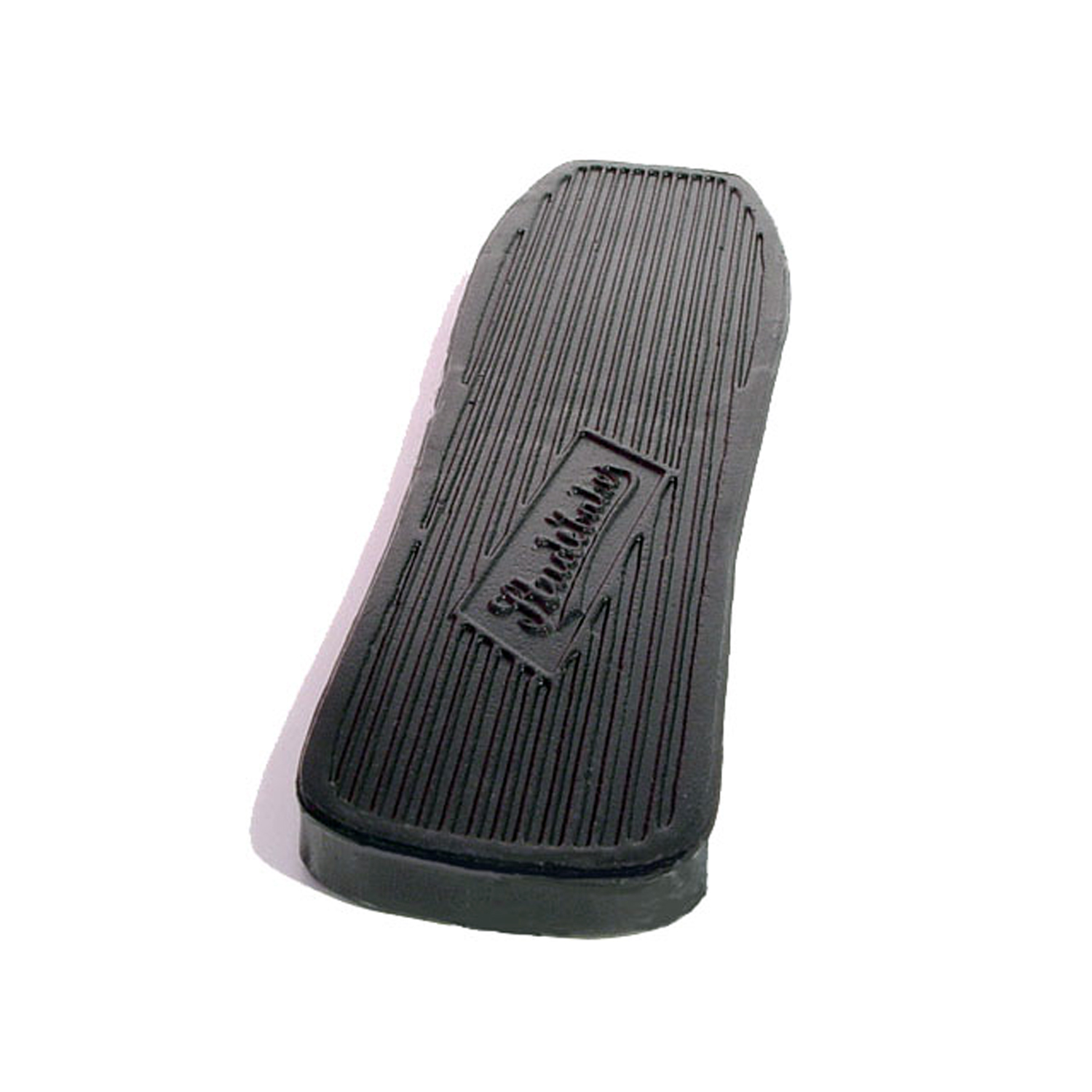 1949 Studebaker Commander Accelerator Pedal Pad, 2-3/8" X 9", Each-AP 22Accelerator Pedal Pad, 2-3/8" X 9", Each
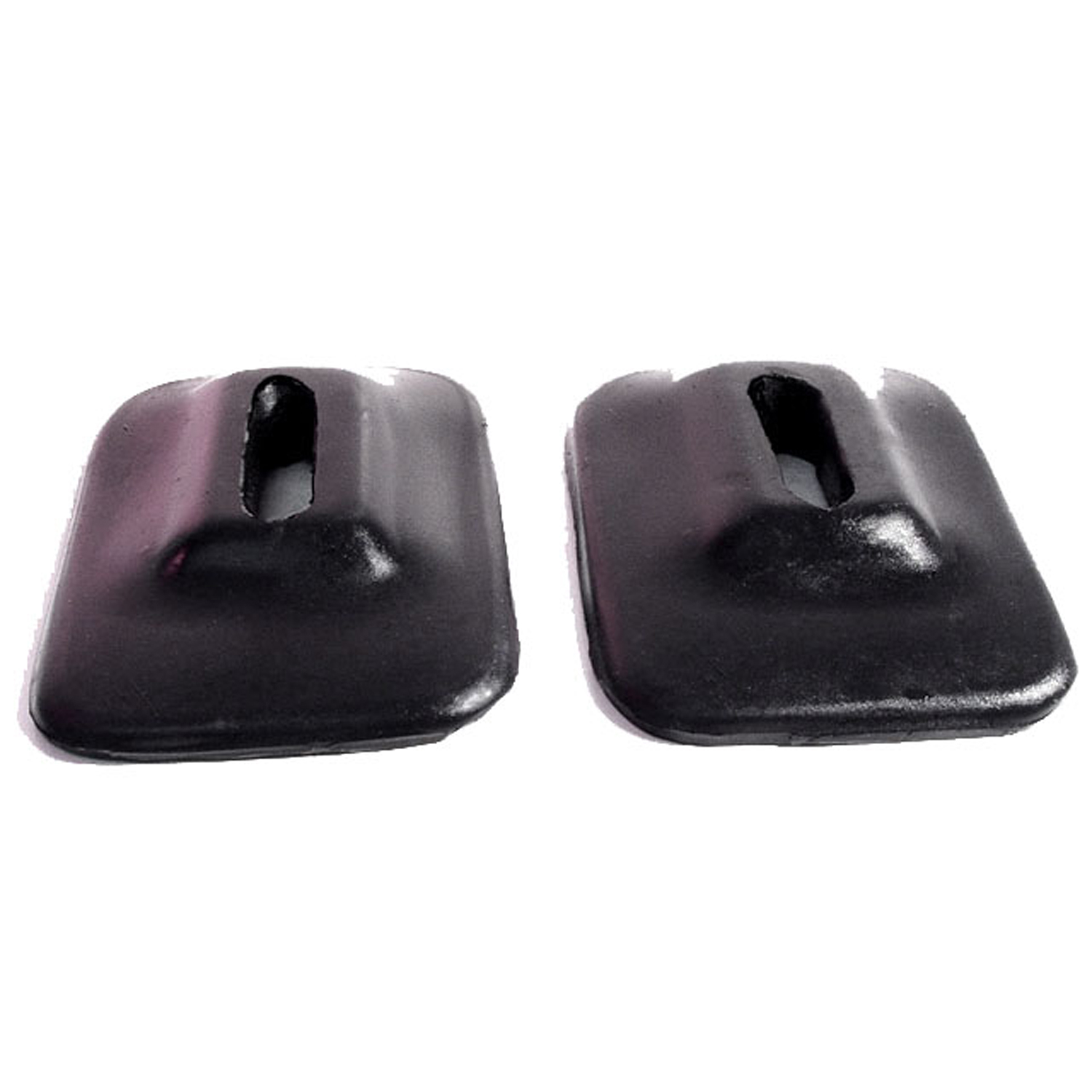 1949 Studebaker Commander Front and Rear Bumper Arm Grommets-BG 45Front and Rear Bumper Arm Grommets. 2-3/4" wide X 4-1/8" long, with 1-5/8" long inner slot. Pair
 1949 Studebaker Commander Shock Absorber Grommet. 1" bottom O.D-BN 11Shock Absorber Grommet. 1" bottom O.D., 3/4" high, with 5/8" I.D. Each
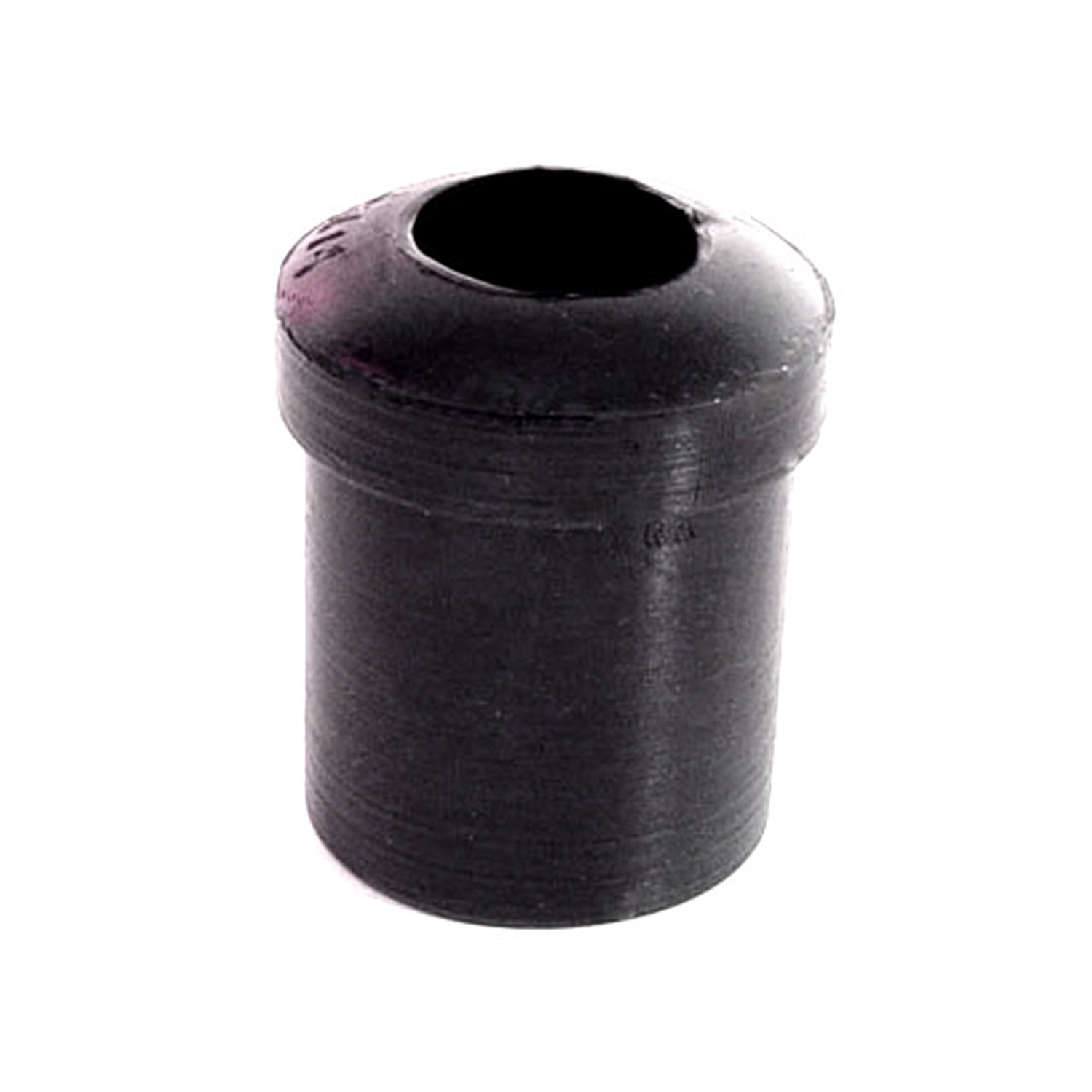 1949 Studebaker Commander Spring and Shackle Bushing. 1-1/16" bottom O.D-BN 14Spring and Shackle Bushing. 1-1/16" bottom O.D. X 1-1/2" high, with 5/8" I.D. Each
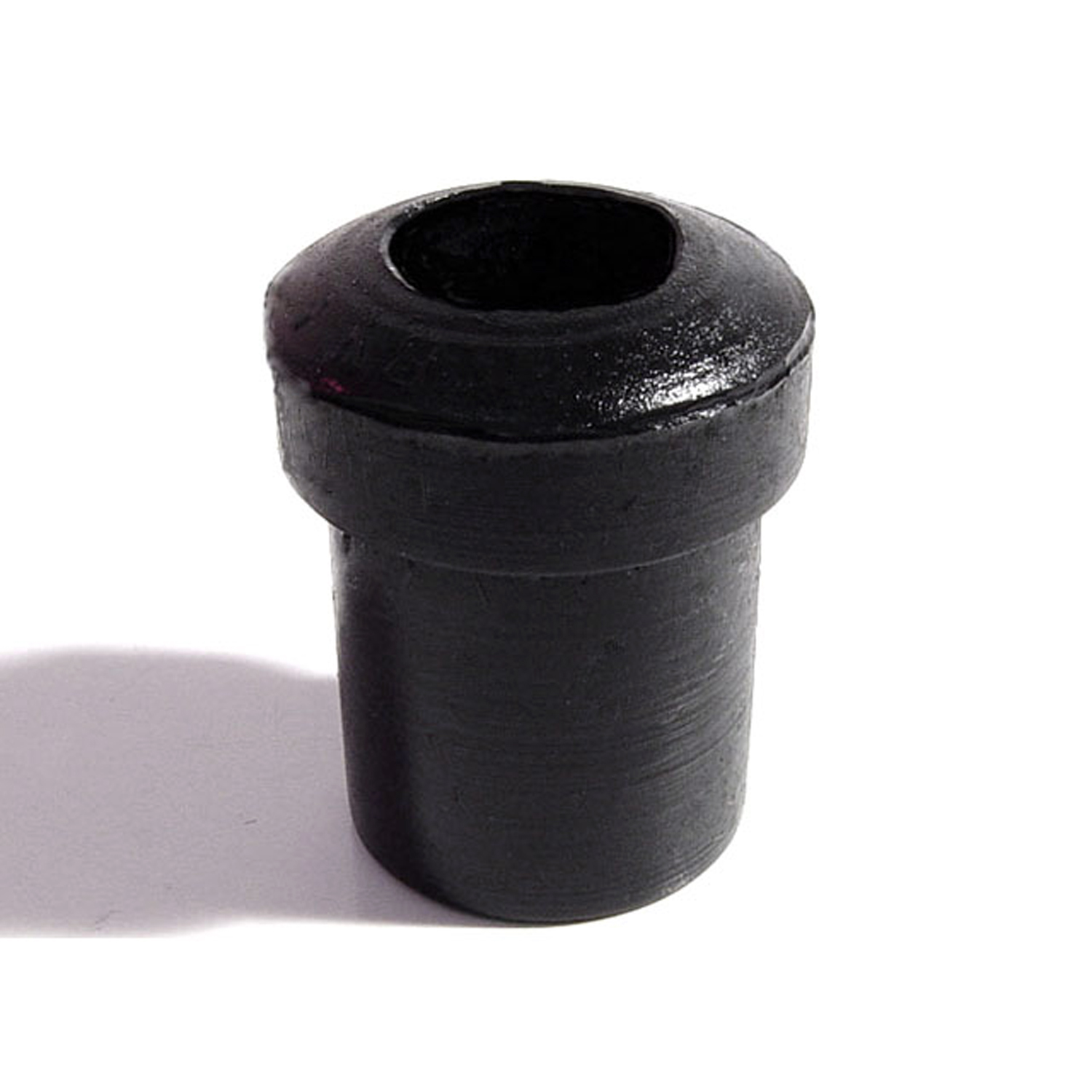 1949 Studebaker Commander Spring and Shackle Bushing. 7/8" bottom O.D-BN 16Spring and Shackle Bushing. 7/8" bottom O.D. X 1-1/8" high, with 1/2" I.D. Each
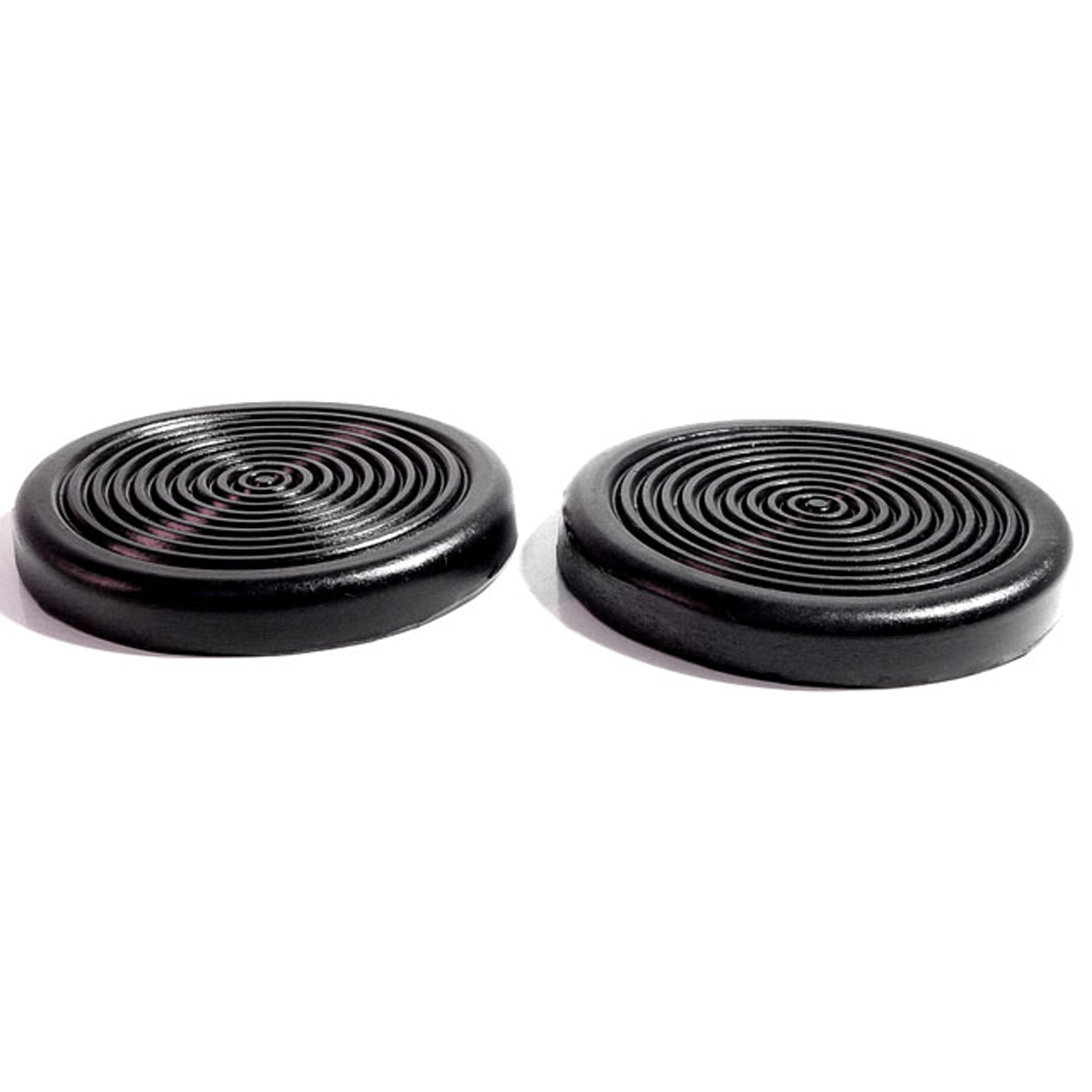 1949 Studebaker Commander Clutch and Brake Pedal Pads. 3" Diameter. Pair-CB 81Clutch and Brake Pedal Pads. 3" Diameter. Pair
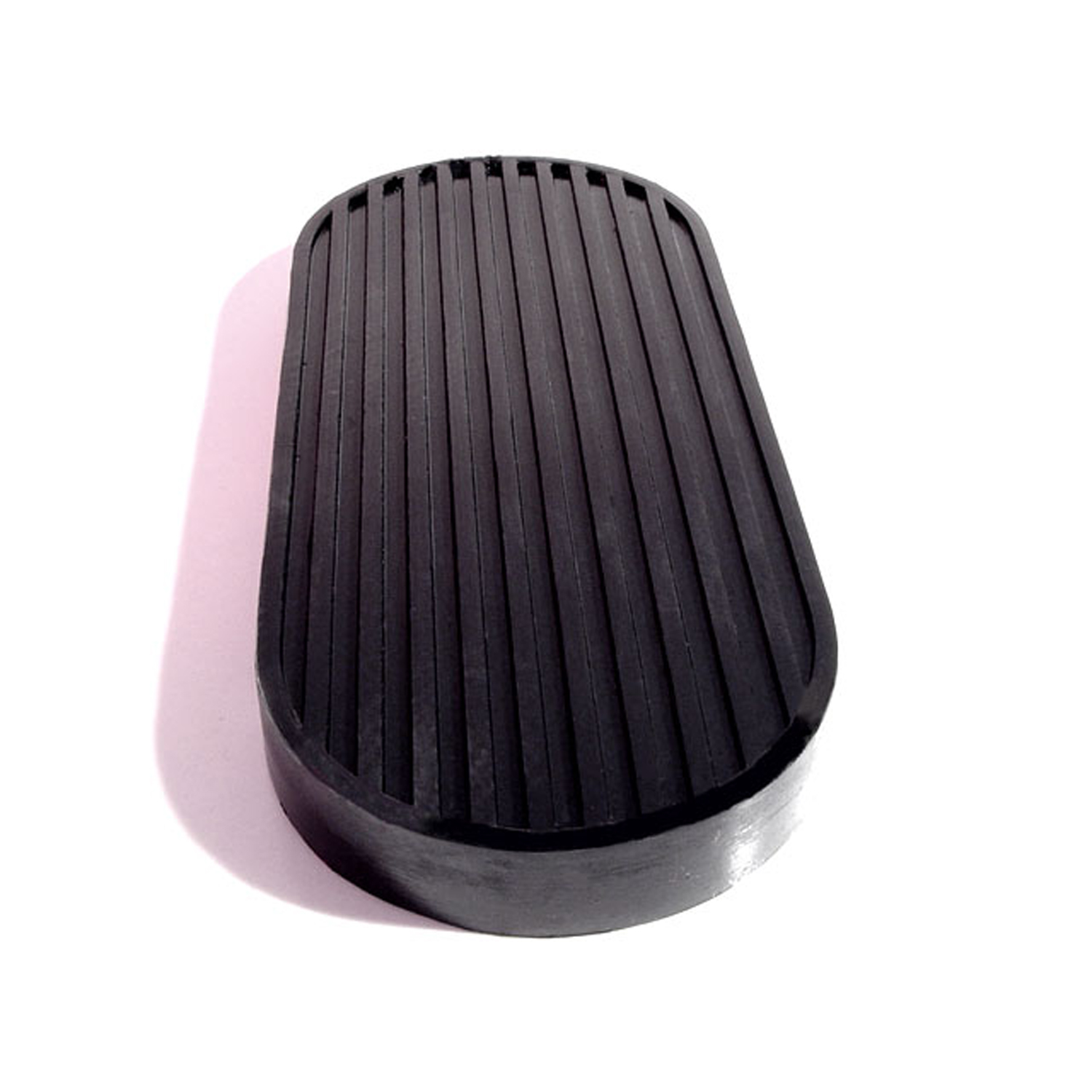 1949 Studebaker Commander Brake Pedal Pad. For models with automatic transmission-CB 87Brake Pedal Pad. For models with automatic transmission. 3" wide X 7-1/8" long. Each
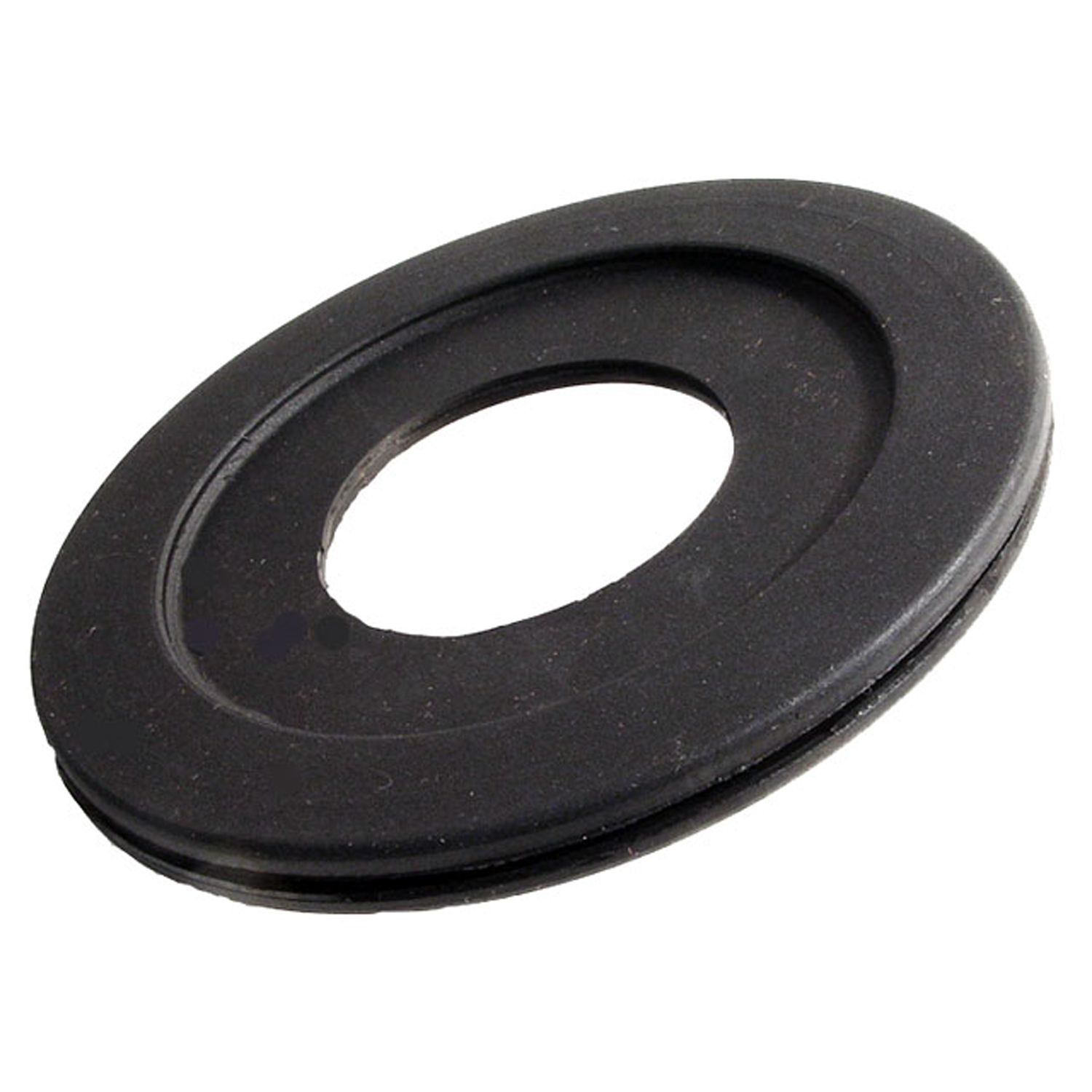 1949 Studebaker Commander Gas Filler Grommet. 1-3/4" I.D., 4-3/8" O.D. Each-GF 31Gas Filler Grommet. 1-3/4" I.D., 4-3/8" O.D. Each
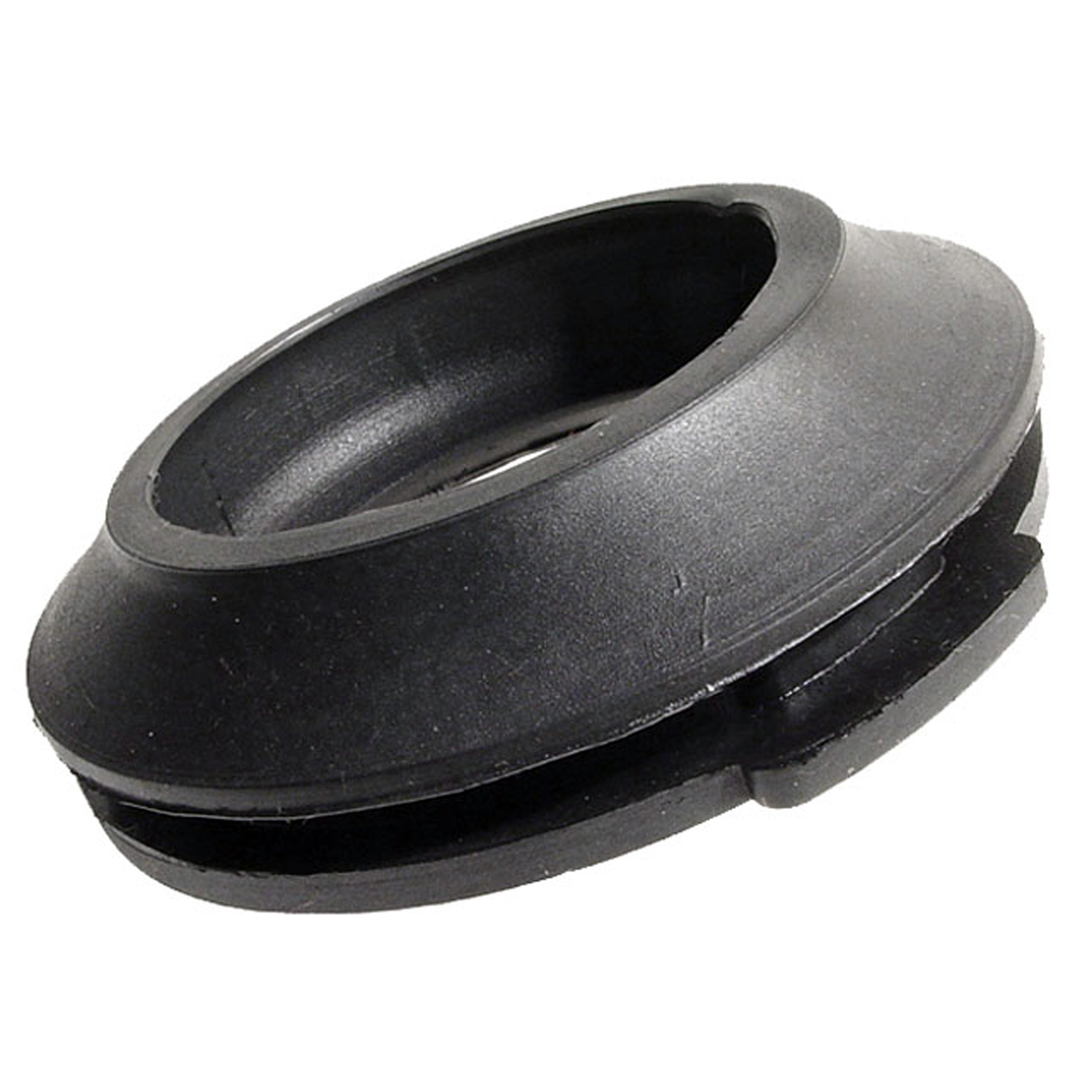 1949 Studebaker Commander Gas Filler Grommet. Perfect reproduction. Top 2-1/16" I.D-GF 45Gas Filler Grommet. Perfect reproduction. Top 2-1/16" I.D., 3-7/16" O.D. Each
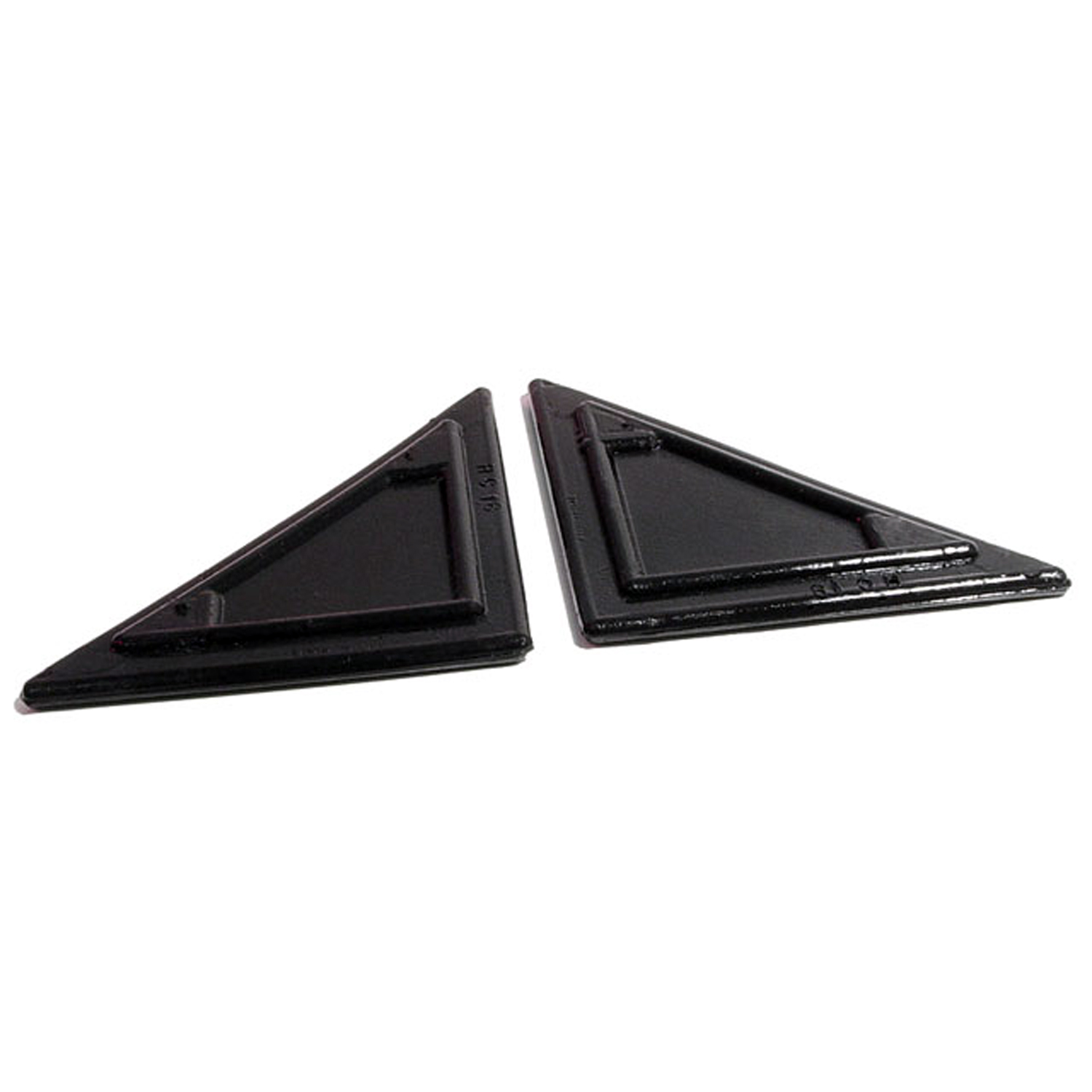 1949 Studebaker Commander Hood Corners. Original design. 2-3/4" wide. Pair-HC 18Hood Corners. Original design. 2-3/4" wide. Pair
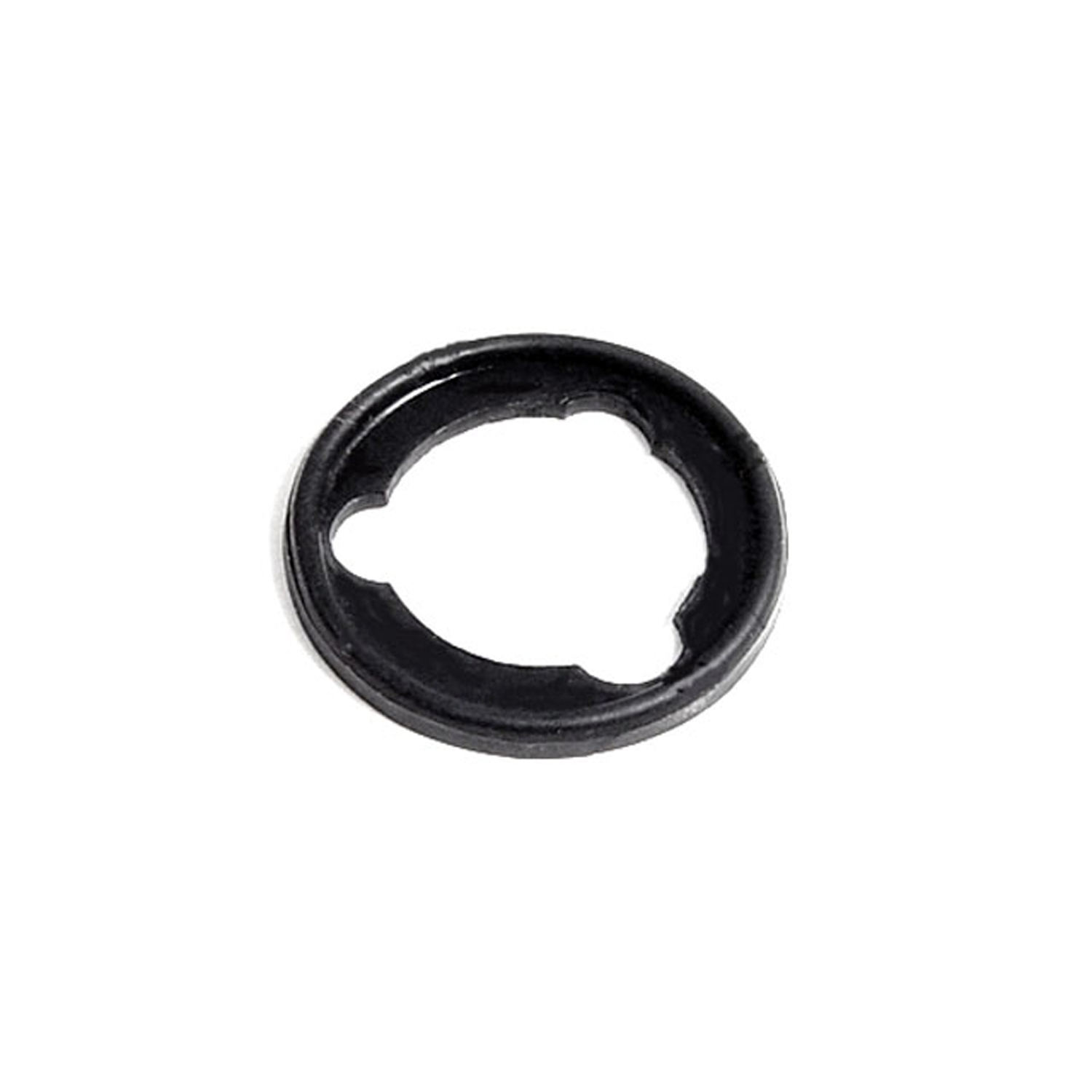 1949 Studebaker Commander Door Lock Pad. 1-1/8" O.D. Each-MP 979Door Lock Pad. 1-1/8" O.D. Each
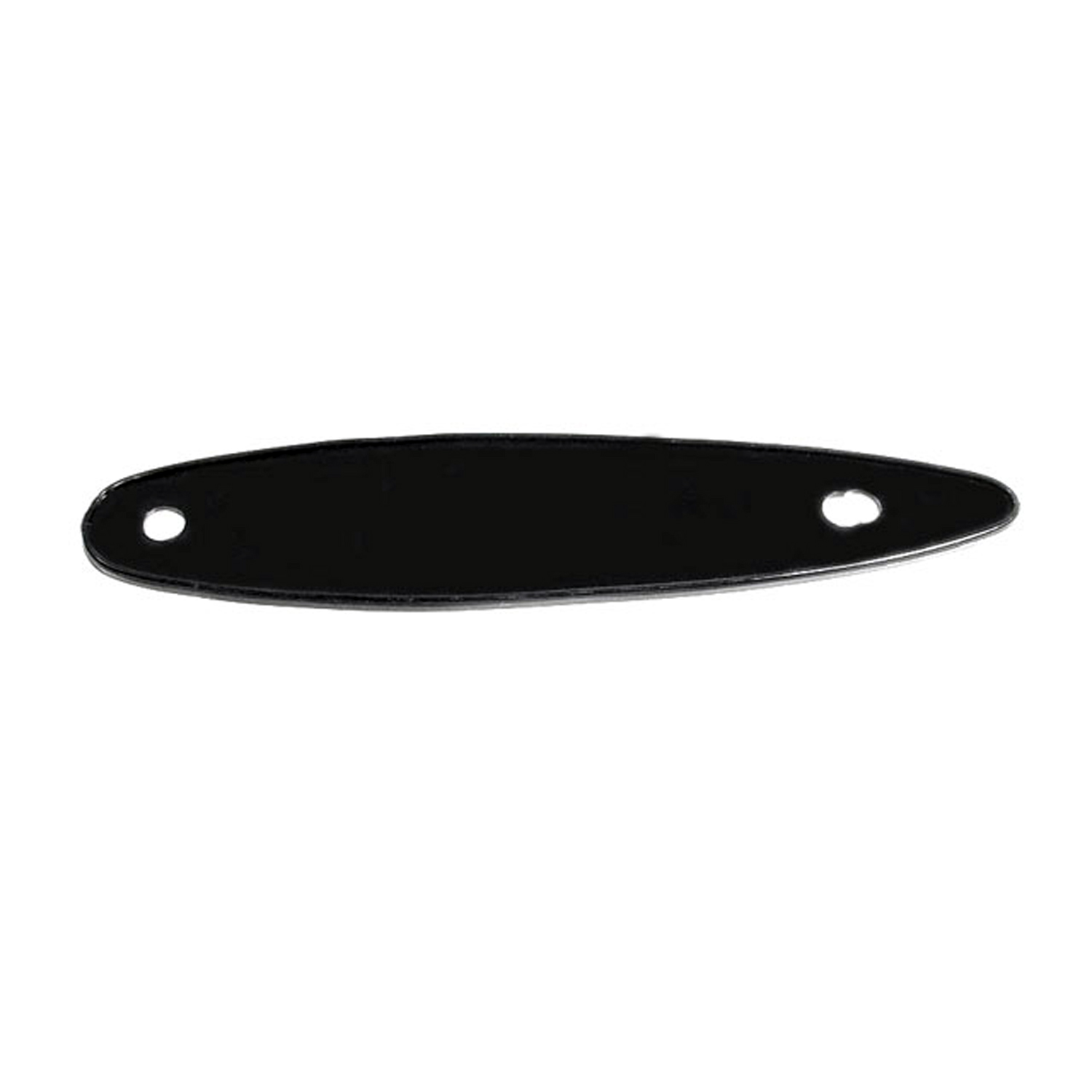 1949 Studebaker Commander Mirror Pad. 1-5/8" wide X 7-3/8" long. Each-MP 979-BMirror Pad. 1-5/8" wide X 7-3/8" long. Each
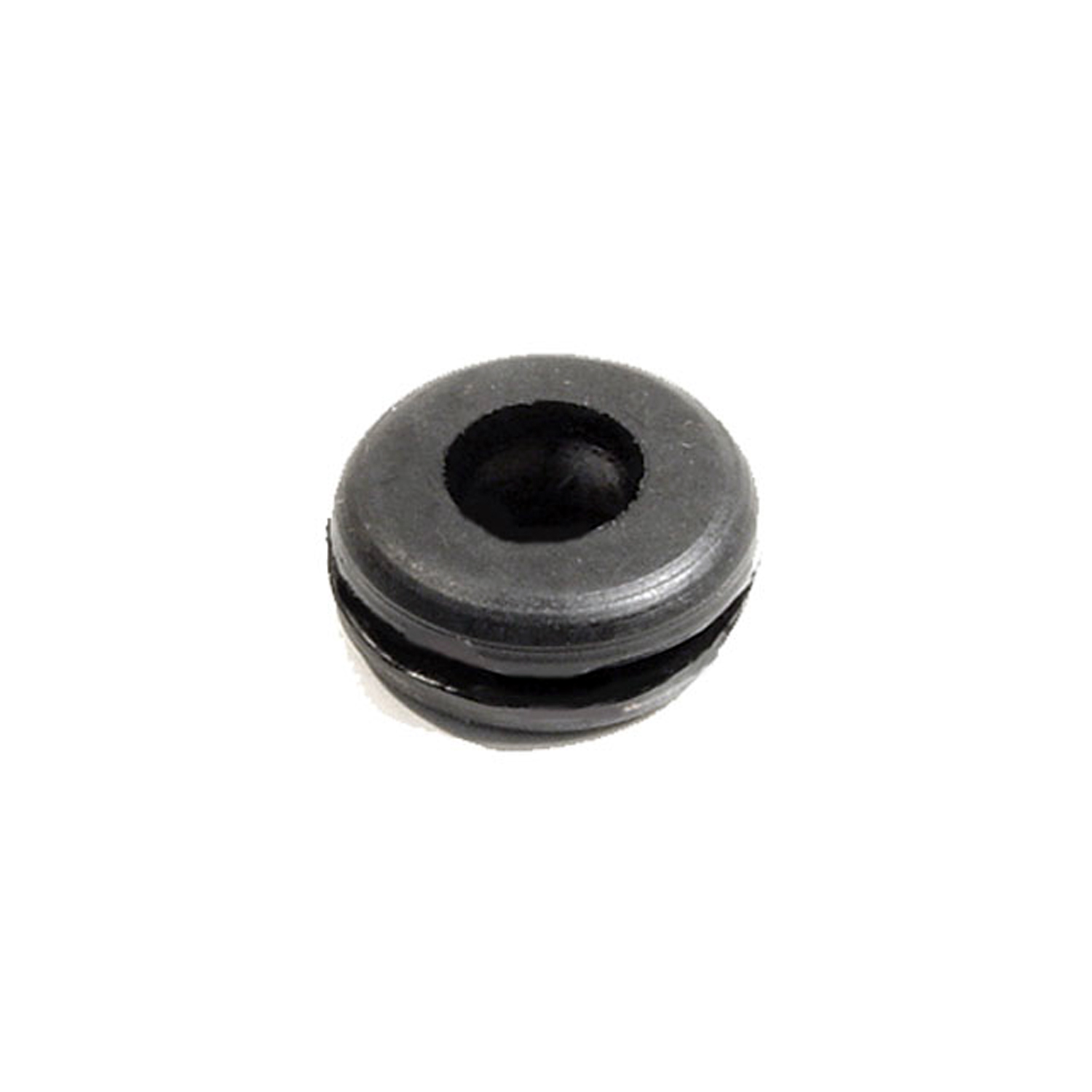 1949 Studebaker Commander Headlight & Tail-Light Wire Grommet. 3/8" I.D., 7/8" O.D-SM 13-AHeadlight & Tail-Light Wire Grommet. 3/8" I.D., 7/8" O.D. Each
 1949 Studebaker Commander Flexible glass-run channel-WC 11-72Flexible glass-run channel. Mohair lined, cloth covered with stainless steel bead. Used on side windows. 72 in. long. Each. NOTE: $20 special shipping charge applies for domestic orders. Call or email for overseas shipping costs. Part can be sectioned in two equal lengths to reduce overseas shipping costs.
 1949 Studebaker Commander Flexible sweeper. Made with stainless steel bead-WC 8-72Flexible sweeper. Made with stainless steel bead. Used on inner and outer beltlines. Also forms easily for use with sliding quarter windows. 72 in. long. Each. NOTE: $20 special shipping charge applies for domestic orders. Call or email for overseas shipping costs. Part can be sectioned into two equal lengths to reduce overseas shipping costs.
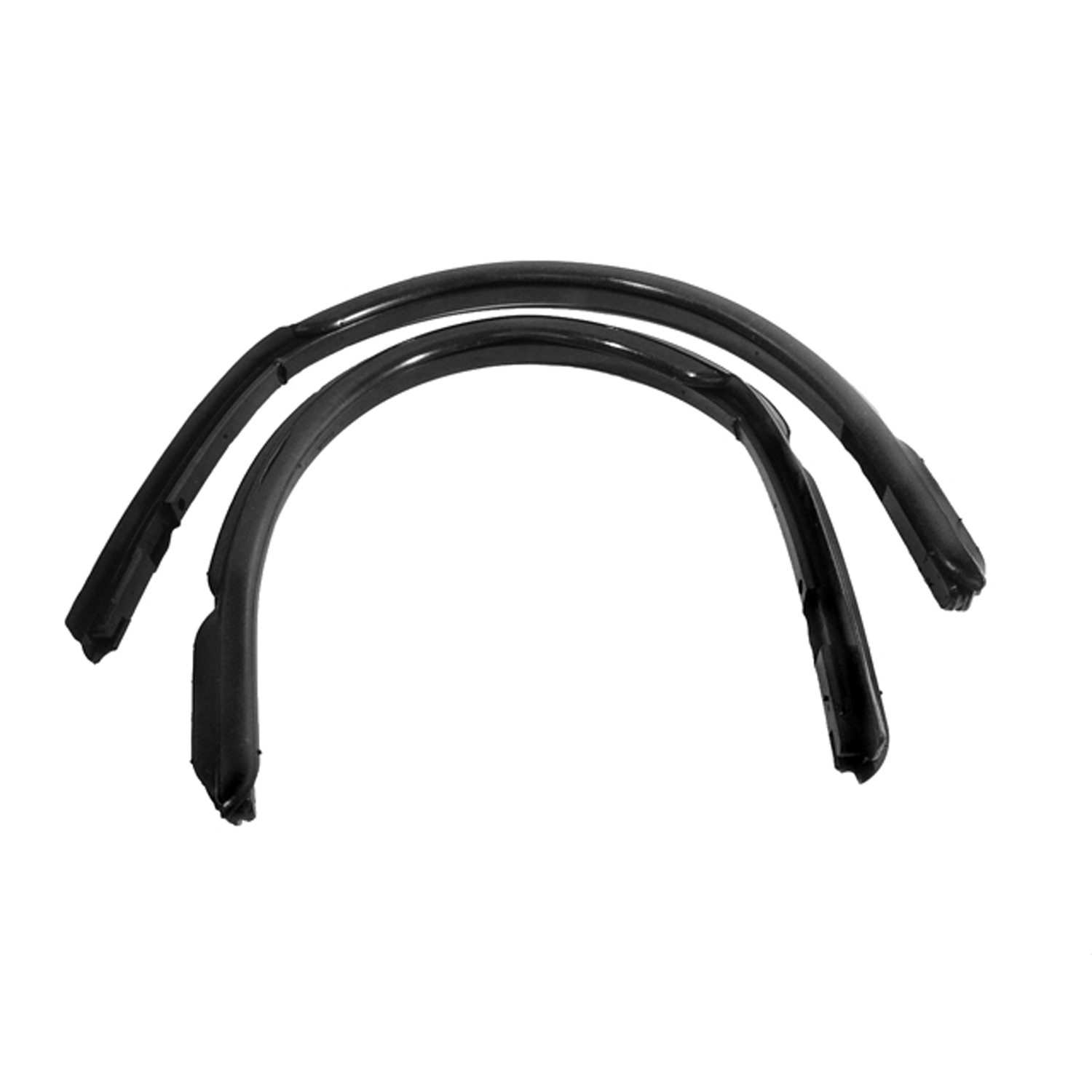 1949 Studebaker Commander Front Vent Window Seals-WR 9400Front Vent Window Seals. For all sedans '47-'50, for 2-door sedans '51-'52. Pair
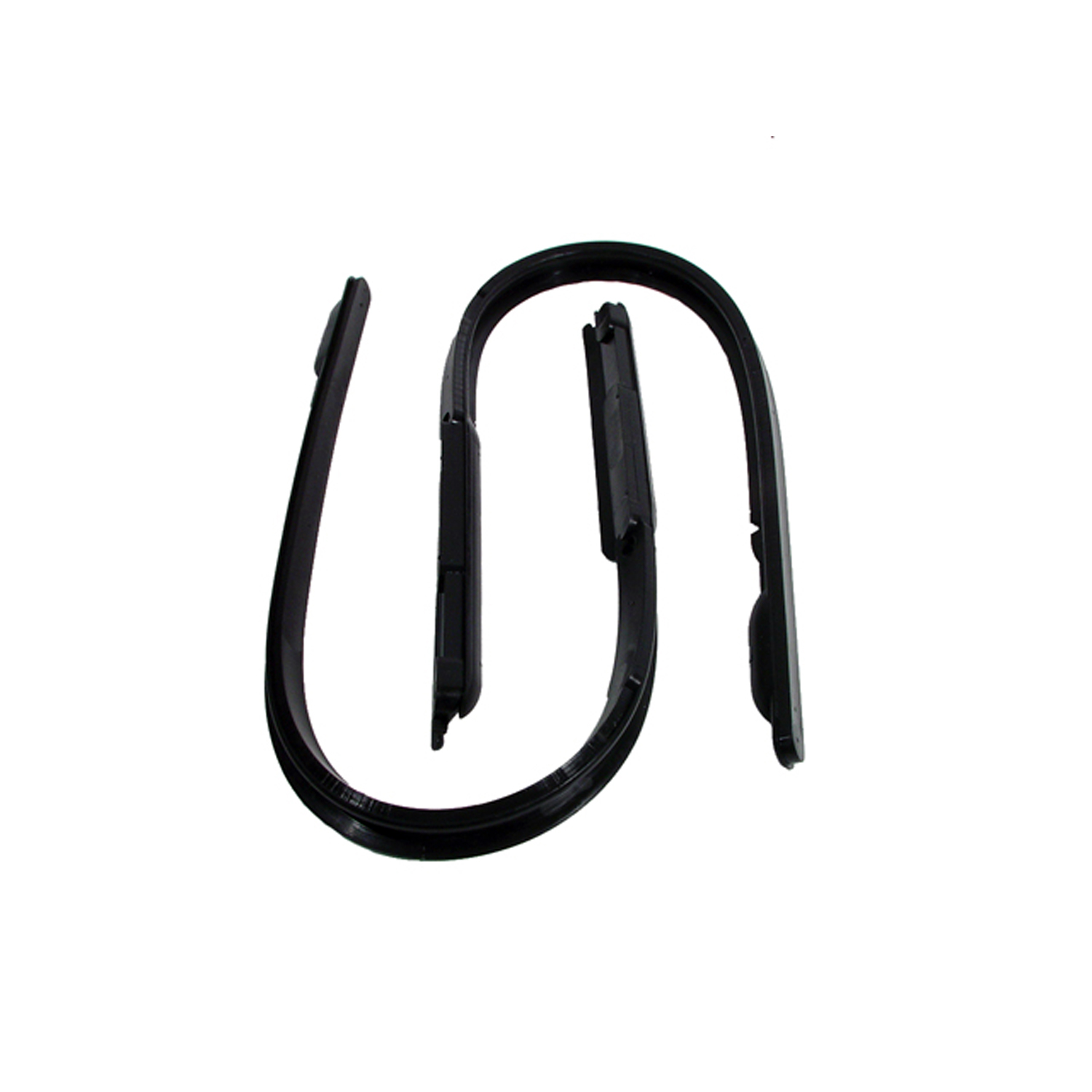 1949 Studebaker Commander Front Vent Window Seals, for Convertibles-WR 9403Front Vent Window Seals, for Convertibles. 28-1/4" long each. Pair R&L
Why Choose Metro?
For over 100 years, Metro Moulded Parts has been the pinnacle of quality in classic car restoration parts. Our commitment to precision and authenticity in every component ensures a perfect fit and an OEM-level appearance.
- Expert Craftsmanship & Quality: Each part is a testament to our dedication to reliability and perfection, crafted from original designs and thoroughly tested.
- Advanced Technology: We use cutting-edge techniques to create flawless, long-lasting parts that surpass others in performance.
- SuperSoft Sponge – The Ultimate Door Seal: Not only are our door seals 30% softer than competitors', but they're also guaranteed to never leak. They effectively reduce wind and road noise, enhancing your classic car's comfort and driving experience.
- Proudly American: Our parts are a product of American craftsmanship, made in the USA with a spirit of excellence and heritage.
- Unrivaled Warranty: We back our products with a 30-year industry-leading warranty, a testament to our confidence in their quality.
Join us in preserving the legacy of classic cars with parts that are crafted for perfection, not just made.