

Image of 1949 Studebaker Taxi, Note: These illustrations use artistic license and may differ from actual historical models.
Performance Metrics
Fundamental Metrics
Emotional Appeal
MMP Rating
| Engine Specifications | |
|---|---|
| Engine: | Inline 6 |
| Displacement: | 170 cubic inches |
| Horsepower: | Estimated 80-85 hp |
| Torque: | 125 lb-ft |
| Compression Ratio: | Estimated 7.0:1 |
| Ignition System: | Distributor and coil |
| Cooling System: | Liquid-cooled |
| Performance Specifications | |
| 0-60 Time: | Estimated 20 seconds |
| 1/4 Mile Time: | Not available |
| Top Speed: | 75 mph |
| Transmission and Drive | |
| Drive Type: | Rear-wheel drive |
| Transmission Type: | 3-speed manual |
| Fuel and Efficiency | |
| Fuel System Type: | Carburetor |
| MPG: | Estimated 15-20 mpg |
| Dimensions and Brakes | |
| Brakes: | Drum brakes |
| Wheelbase: | 113 inches |
| Weight: | Estimated 3,200 lbs |
Note: Specifications for classic cars are given to the best of our ability, considering the limited and variant data available.
1949 Studebaker Taxi: A Postwar Cab with Standout Style
The 1949 Studebaker Taxi brought a distinctly modern look to a familiar sight on city streets: the working cab. Built by the Studebaker Corporation of South Bend, Indiana, it was generally a taxi-equipped version of the company’s four-door passenger sedan rather than a separate, consistently documented model. That distinction matters: equipment and details could vary according to the buyer, the local taxi operator, and the body style ordered.
Its foundations came from Studebaker’s major postwar redesign, introduced for 1947. While many automakers were still adapting prewar designs, Studebaker gave its cars a fresh, low-slung appearance. The 1949 model kept that look for one final year before the better-known “bullet nose” styling arrived for 1950. A taxi made from the 1949 sedan was therefore both a practical fleet vehicle and a rolling example of Studebaker’s brief, confident postwar design era.
One intriguing point for collectors is that “1949 Studebaker Taxi” does not identify a single, uniform factory specification. Fleet cars could be ordered or adapted with particular upholstery, paint, meters, roof signs, and other equipment. Two period taxis might share the same basic body and mechanicals yet look quite different in service.
Studebaker Sedan Styling and Cabin Details
The 1949 Studebaker’s exterior looked trim and contemporary beside many upright prewar cars. Its broad hood sat relatively low, the front fenders flowed into the body, and the grille and brightwork gave the nose a clean, horizontal emphasis. The overall shape was smooth rather than heavily ornamented, with a rounded roofline and a substantial four-door body that made getting passengers in and out easier.
For taxi duty, the four-door sedan was the most useful and recognizable configuration. It offered a proper rear seat, convenient access, and a separate trunk for luggage. Studebaker’s wider passenger-car range included other body styles, but coupes and convertibles were not natural choices for everyday cab work. Taxi equipment was typically supplied to suit the fleet, not as a dramatic styling package of its own.
Passenger-car interiors used cloth upholstery and finished trim, while fleet specifications could prioritize hard-wearing materials and easy cleaning over luxury. A working taxi might have protective seat covers, rubber floor mats, a partition, a fare meter, or a roof sign installed by its operator. As a result, surviving cars can differ from an ordinary showroom sedan in ways that reflect decades of local use and later restoration.
Factory paint choices depended on the passenger-car series and trim, while taxi operators often chose colors to match local rules or company identity. Yellow became a familiar taxi color in many places, but it was not a universal Studebaker taxi color. Black, cream, green, and other fleet colors could also appear. A car wearing an unusual shade may have been repainted during its working life rather than ordered in a special taxi-only color.
Features and Technology for 1949
Underneath its fresh bodywork, the Studebaker used proven period engineering. The Champion, a common choice for economical service, was powered by a 169.6-cubic-inch L-head inline six, rated at about 80 horsepower in typical specification. A three-speed manual transmission was standard on many cars, and overdrive was available on some passenger-car versions. Exact equipment on an individual taxi depends on its original series and order.
The car also had independent front suspension with coil springs, a feature that helped give it a more composed ride than a simple solid-front-axle design. Hydraulic drum brakes and a six-volt electrical system were typical of the era. Comfort and convenience equipment such as a heater or radio could be ordered on passenger cars, although fleet operators might leave out extras that added cost or complicated maintenance.
Why the 1949 Studebaker Taxi Matters
The taxi’s significance rests partly in the car beneath the commercial equipment. Studebaker had taken a risk by bringing a genuinely new postwar design to market early, rather than waiting for competitors to finish updating their prewar models. The 1947-to-1949 body style helped establish the company as an independent automaker willing to look different, and its low, flowing proportions stood apart from the boxier shapes common across the industry.
The 1949 taxi also captures a practical side of postwar motoring. Cities needed dependable vehicles that could carry passengers all day, and operators often chose familiar, serviceable sedans rather than exotic machinery. In that role, the Studebaker joined a varied field of American cabs. Its styling was more distinctive than its mechanical formula, but that combination is precisely what makes it appealing today: sensible working-car engineering wrapped in unmistakably postwar design.
Its influence should not be overstated. The taxi version did not introduce a new transmission or transform cab technology. Its importance is as a representative fleet application of Studebaker’s ambitious redesign, and as a reminder that independent manufacturers supplied cars for everyday commercial work as well as private motoring.
Engine Performance and City Driving
With roughly 80 horsepower from the Champion six, a three-speed manual, and the weight of a full-size sedan, the 1949 taxi was built for steady service rather than quick acceleration. Period road tests for comparable Champion sedans suggest a top speed in the neighborhood of 75 to 85 mph and a 0-to-60-mph time of roughly 20 to 25 seconds. Those are estimates, not guaranteed figures for every taxi: vehicle condition, gearing, load, and engine specification all make a difference.
In town, the six-cylinder engine’s smooth, unhurried delivery suited stop-and-go work. Drivers would have used the gearbox frequently, especially when pulling away with passengers or climbing a grade. On open roads, the Studebaker could keep pace at moderate highway speeds, but modern drivers should not expect contemporary acceleration or braking performance.
The independent front suspension helped soften broken pavement and city bumps, while the sedan’s wheelbase gave it a stable feel on ordinary roads. On tight, winding routes, its size and period steering required more effort and planning than a modern compact car. Crosswinds and rough surfaces could be felt through the body, and drum brakes demanded sensible following distances.
Behind the wheel, the experience is mechanical and direct. The flathead six produces a muted, steady note rather than a high-revving roar. The driver works a column-mounted manual shifter on many examples, feels the road through the steering wheel, and gets a relatively soft, old-fashioned ride. A well-maintained car can be pleasant at relaxed speeds, but it is best enjoyed as a historic vehicle rather than driven like a modern daily commuter.
Living with a Studebaker Taxi
In its working life, a taxi Studebaker was meant for passenger service: carrying people to stations, hotels, shops, and neighborhood destinations. Today, surviving examples are more likely to appear in classic-car shows, transportation museums, movie or television work, and private collections. Some owners still drive them on local outings, though regular use calls for careful attention to brakes, tires, cooling, and electrical systems.
The basic mechanical layout is understandable to a mechanically minded owner, and many routine jobs do not require specialist tools. However, age is the real challenge. Rubber parts, wiring, seals, brake components, and cooling-system pieces may need replacement even if the car appears tidy. Studebaker-specific trim, glass, and body parts can take more searching than common service items, so a parts network or marque club is valuable.
Before buying one, check the chassis and body for rust, inspect the brake hydraulics, and verify the engine’s condition rather than relying on a quick start-up. If the car is represented as an original taxi, look for period photographs, fleet records, old registration documents, meter mounts, roof-sign wiring, or other evidence. Taxi equipment can be added later, so a sign on the roof alone does not establish a car’s history.
Taxi Trivia, Records, and Common Criticisms
There is no widely established factory production total for 1949 Studabaker taxis as a distinct model. The cars were generally based on passenger sedans, and surviving production records do not provide a dependable count of how many were actually used as cabs. A cautious estimate would put original taxi use in the hundreds to perhaps a few thousand cars, but that is a reasoned guess, not a verified factory figure. The number of surviving, clearly documented examples is smaller still.
No famous speed or endurance record is commonly associated with the 1949 taxi. Its story is a working one, shaped by local fleets and operators rather than headline-grabbing competition. Individual cars may have interesting local histories, but claims of celebrity ownership or a major historical appearance should be supported with documentation.
Common criticisms are familiar for a car of this age: modest power, drum brakes, a six-volt electrical system, and parts that can be harder to source than components for more common makes. A taxi that spent years in commercial service may also have high wear, repairs of varying quality, or a long chain of repainting. On the other hand, that hard-working past is part of the appeal when it can be traced and preserved responsibly.
1949 Studebaker Taxi Values and Rarity
Values depend heavily on condition, completeness, and proof of taxi history. As a broad 2026 estimate, a project or rough driver might sell for about $5,000 to $12,000. A sound, presentable sedan could fall around $12,000 to $25,000, while a high-quality restoration or a particularly convincing, documented taxi could reach roughly $25,000 to $40,000 or more. These are general market estimates, not a formal appraisal, and regional demand can shift the result substantially.
The taxi identity can make a car more interesting, but it does not automatically guarantee a premium. Buyers tend to value solid bodywork, a complete interior, correct mechanical parts, and credible history more than a recently added roof sign. The market is also narrower than it is for celebrated Studebaker coupes, so a seller may need patience to find the right collector.
Well-preserved examples are uncommon, though the underlying 1949 Studebaker sedan is not as rare as a one-off or limited-production model. Over time, values for clean, usable postwar Studebakers have generally benefited from interest in distinctive independent makes. The taxi niche is less predictable: documented survivors may attract strong attention, while ordinary sedans and unfinished projects can remain price-sensitive.
A Working Classic with Lasting Character
The 1949 Studebaker Taxi combines practical four-door utility with one of Studebaker’s most memorable postwar designs. Its six-cylinder engine, straightforward mechanical layout, and softly sprung ride made sense for everyday passenger work, while its low, flowing body gave it a look that stood apart from many contemporary cabs.
It is not a fast car, a technology landmark, or a model with a reliable taxi-production tally. Its appeal is more human than that: a rare surviving reminder of the vehicles that quietly carried people through postwar city life. Restored with care and backed by a believable history, a 1949 Studebaker Taxi is more than an old sedan with a roof sign. It is a distinctive piece of American transportation history.
1949 Studebaker Taxi Catalog of Parts
 1949 Studebaker Taxi Shock Absorber Grommet. 1" bottom O.D-BN 11Shock Absorber Grommet. 1" bottom O.D., 3/4" high, with 5/8" I.D. Each
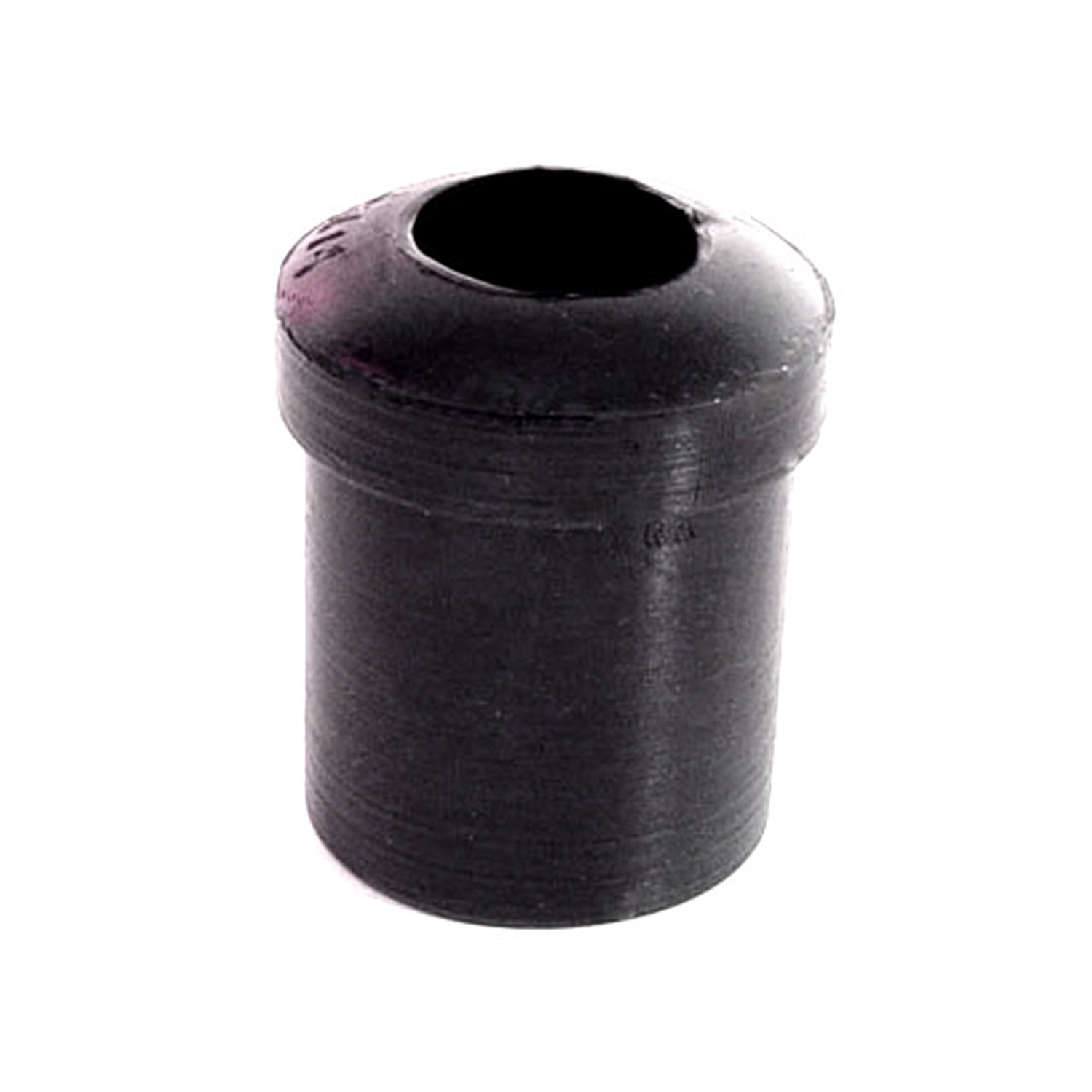 1949 Studebaker Taxi Spring and Shackle Bushing. 1-1/16" bottom O.D-BN 14Spring and Shackle Bushing. 1-1/16" bottom O.D. X 1-1/2" high, with 5/8" I.D. Each
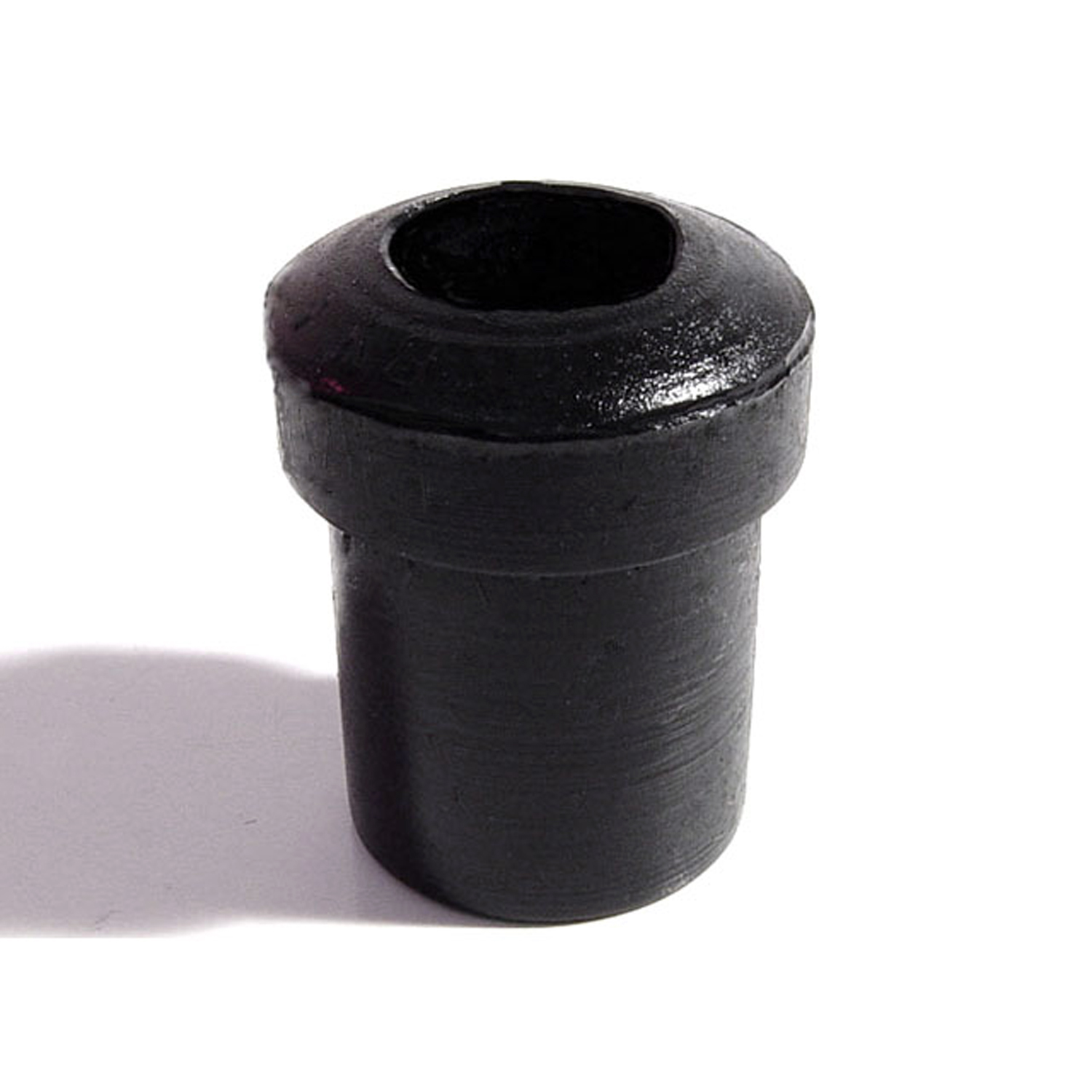 1949 Studebaker Taxi Spring and Shackle Bushing. 7/8" bottom O.D-BN 16Spring and Shackle Bushing. 7/8" bottom O.D. X 1-1/8" high, with 1/2" I.D. Each
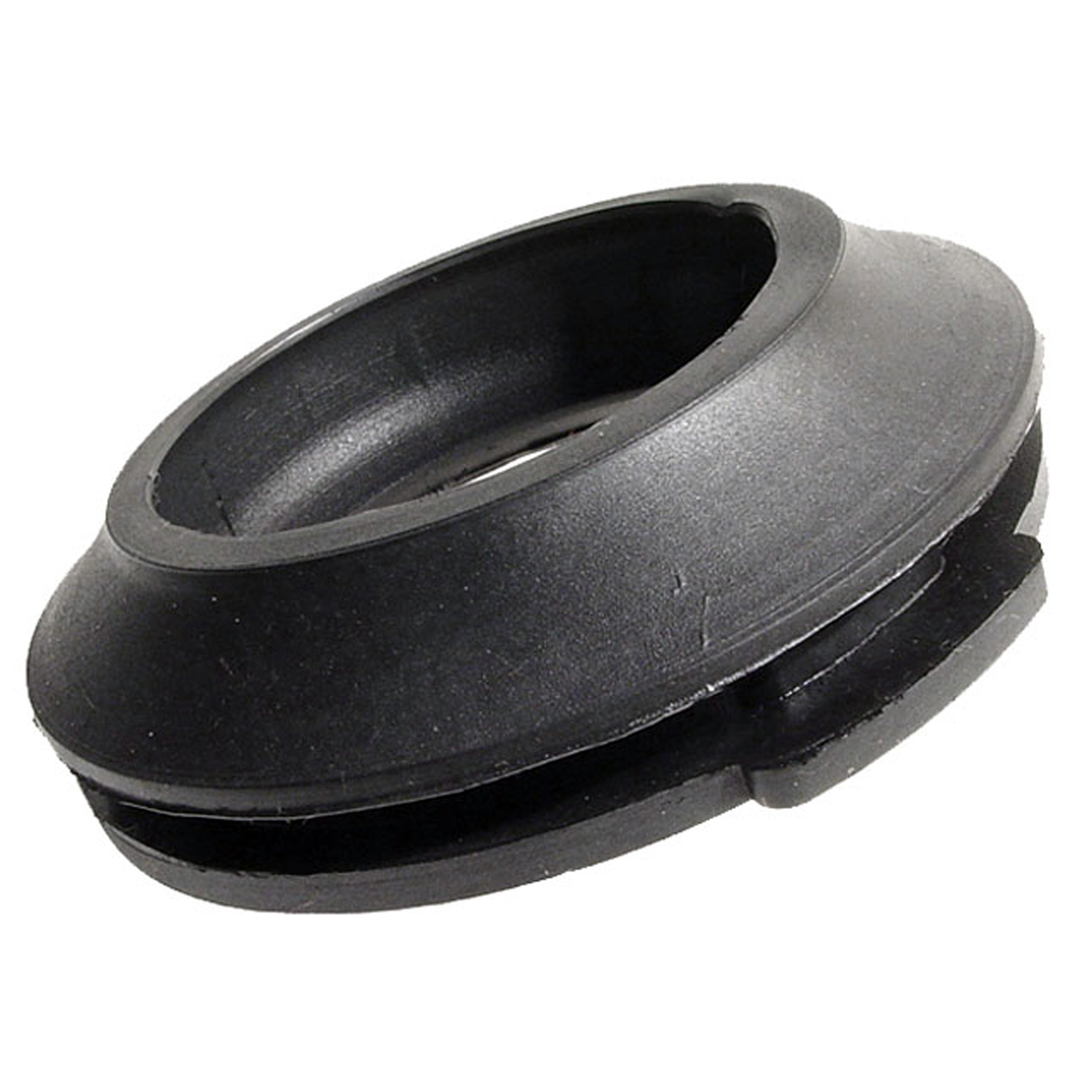 1949 Studebaker Taxi Gas Filler Grommet. Perfect reproduction. Top 2-1/16" I.D-GF 45Gas Filler Grommet. Perfect reproduction. Top 2-1/16" I.D., 3-7/16" O.D. Each
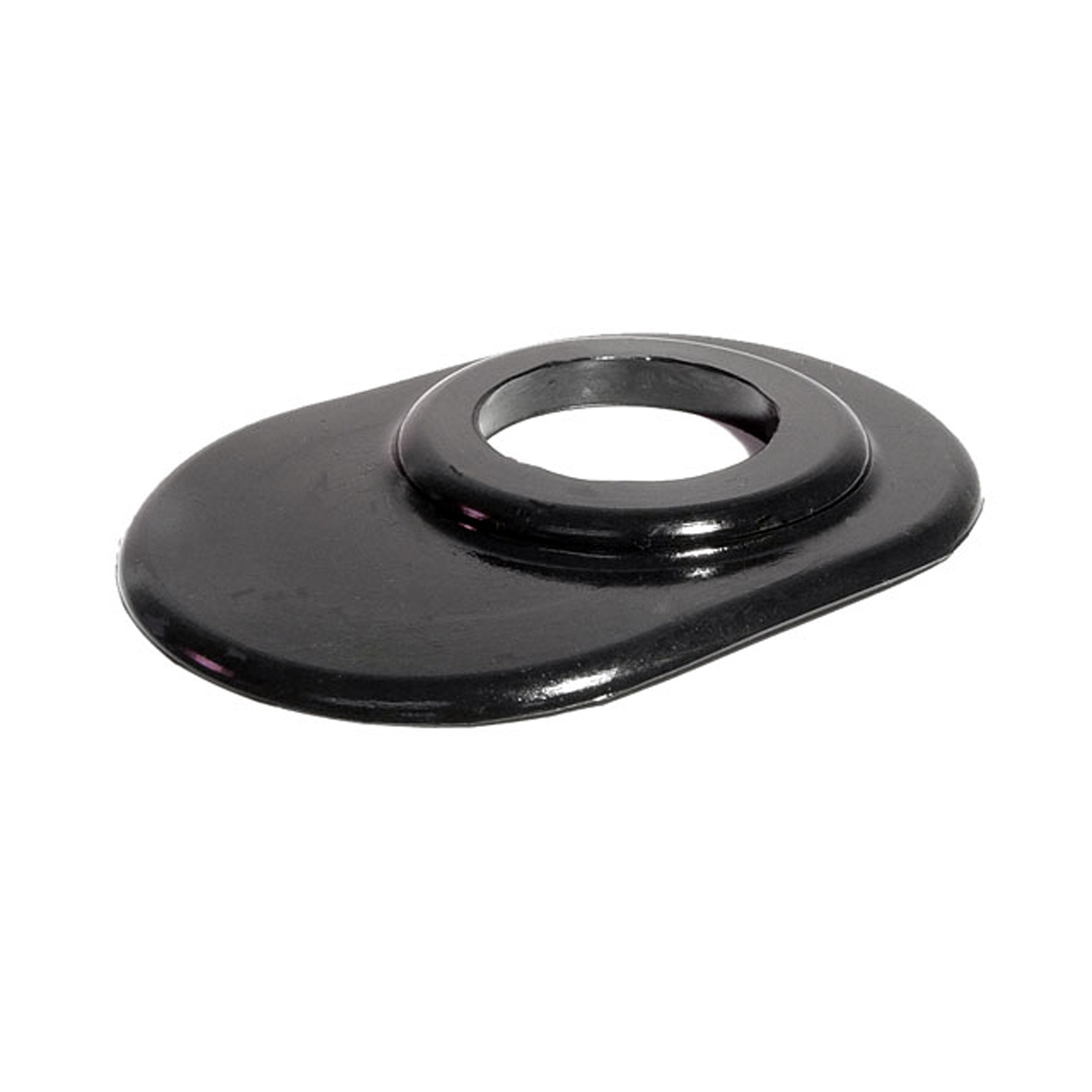 1949 Studebaker Taxi Steering Column Grommet. For 3-speed models. Each-SC 24-ASteering Column Grommet. For 3-speed models. Each
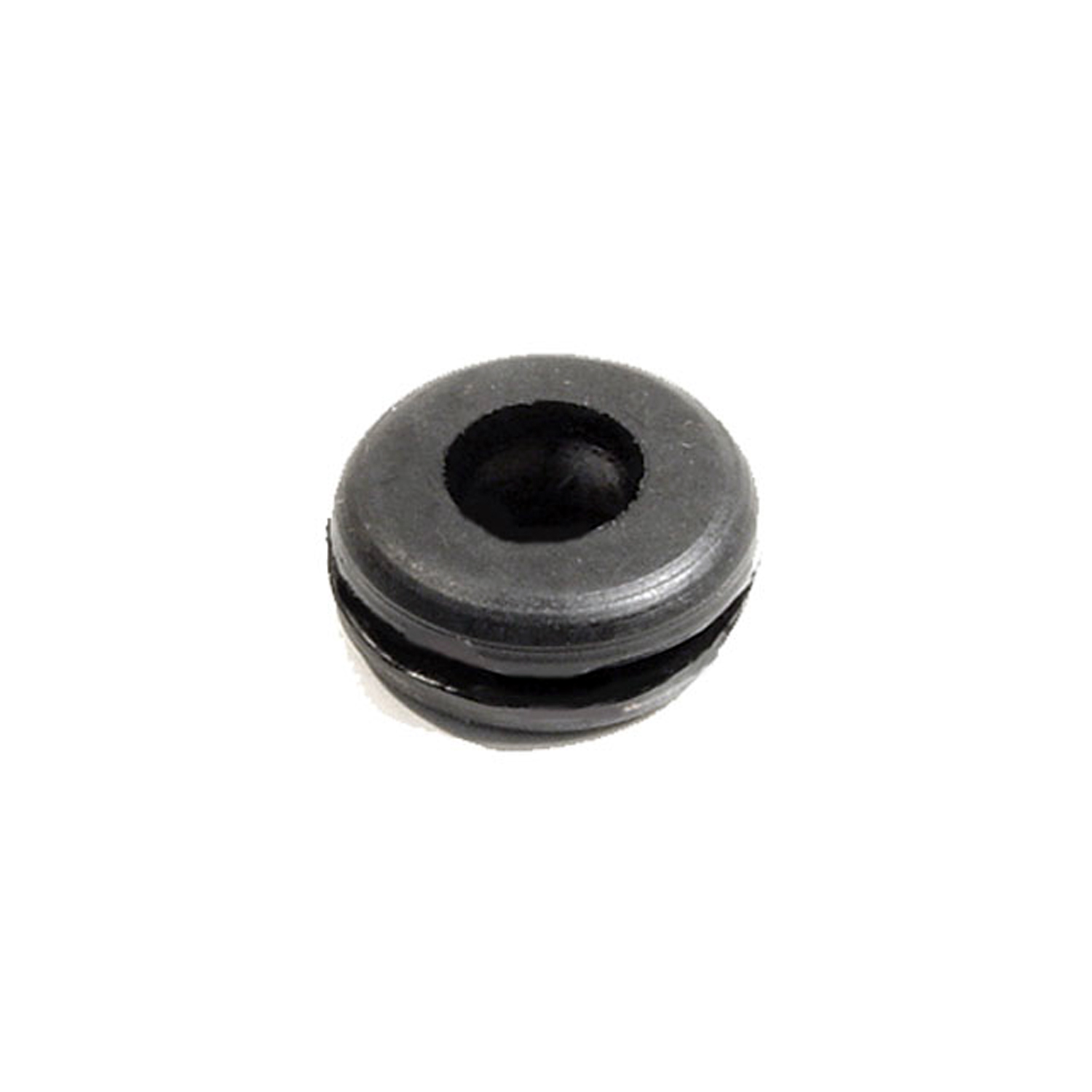 1949 Studebaker Taxi Headlight & Tail-Light Wire Grommet. 3/8" I.D., 7/8" O.D-SM 13-AHeadlight & Tail-Light Wire Grommet. 3/8" I.D., 7/8" O.D. Each
Why Choose Metro?
For over 100 years, Metro Moulded Parts has been the pinnacle of quality in classic car restoration parts. Our commitment to precision and authenticity in every component ensures a perfect fit and an OEM-level appearance.
- Expert Craftsmanship & Quality: Each part is a testament to our dedication to reliability and perfection, crafted from original designs and thoroughly tested.
- Advanced Technology: We use cutting-edge techniques to create flawless, long-lasting parts that surpass others in performance.
- SuperSoft Sponge – The Ultimate Door Seal: Not only are our door seals 30% softer than competitors', but they're also guaranteed to never leak. They effectively reduce wind and road noise, enhancing your classic car's comfort and driving experience.
- Proudly American: Our parts are a product of American craftsmanship, made in the USA with a spirit of excellence and heritage.
- Unrivaled Warranty: We back our products with a 30-year industry-leading warranty, a testament to our confidence in their quality.
Join us in preserving the legacy of classic cars with parts that are crafted for perfection, not just made.