

Image of 1955 Studebaker E28, Note: These illustrations use artistic license and may differ from actual historical models.
Performance Metrics
Fundamental Metrics
Emotional Appeal
MMP Rating
| Engine Specifications | |
|---|---|
| Engine: | Inline 6-cylinder engine |
| Displacement: | 170-185 cubic inches |
| Horsepower: | Estimated 85-101 hp |
| Torque: | 125-130 lb-ft |
| Compression Ratio: | Estimated 7.0:1 |
| Ignition System: | Distributor and coil |
| Cooling System: | Liquid-cooled |
| Performance Specifications | |
| 0-60 Time: | Estimated 20-25 seconds |
| 1/4 Mile Time: | Not available |
| Top Speed: | 75-80 mph |
| Transmission and Drive | |
| Drive Type: | Rear-wheel drive |
| Transmission Type: | 3-speed manual, optional overdrive |
| Fuel and Efficiency | |
| Fuel System Type: | Carburetor |
| MPG: | Estimated 15-20 mpg |
| Dimensions and Brakes | |
| Brakes: | Drum brakes |
| Wheelbase: | 116 inches |
| Weight: | Estimated 2,800-3,000 lbs |
Note: Specifications for classic cars are given to the best of our ability, considering the limited and variant data available.
1955 Studebaker E28: A Workhorse from Studebaker’s Final Truck Era
The 1955 Studebaker E28 was built for the hard, practical work that kept farms, businesses, and construction sites moving. It came from Studebaker, the long-established American manufacturer based in South Bend, Indiana, and belonged to the company’s postwar E-series trucks. The E28 was a heavy-duty commercial truck, not a pickup in the everyday sense: buyers typically ordered a chassis and cab, then fitted it with a body suited to the job.
Studebaker entered the 1950s competing against much larger truck operations from Ford, Chevrolet, and Dodge. Its trucks earned a following for sturdy construction and distinctive styling, but they were produced in far smaller numbers than those rivals. A notable point in the E28’s story is that it represents Studebaker’s late-period truck business. The company continued building trucks after many independent manufacturers had already left the market, even as its resources and sales reach became increasingly limited.
Model names and specifications can be confusing in old listings. The E28 is often identified in enthusiast material as a 1955 Studebaker E28 or 3E28. Equipment varied with chassis configuration, engine, and the body fitted by the original buyer, so surviving examples do not all share the same specifications.
Studebaker E28 Styling and Cab Design
The E28 has the purposeful proportions of a mid-century work truck: a tall, upright cab, a long hood, substantial fenders, and a broad front end designed to look capable rather than delicate. Its face is unmistakably from the 1950s, with a prominent grille and rounded forms that soften the truck’s otherwise square, utilitarian outline. The result is more distinctive than the plain commercial styling of many fleet vehicles, but it remains a machine whose shape follows its function.
Inside, the cab is straightforward and work-focused. The driver sits upright behind a large steering wheel, with simple instruments arranged for quick reading. Expect painted metal, durable upholstery, and practical trim rather than the plush materials or elaborate ornament found in a contemporary passenger car. Depending on the truck’s original order and later restoration, details such as seat covering, trim, and convenience equipment can differ.
Studebaker offered commercial buyers a range of factory paint choices, while fleets could specify colors to match a business or municipality. Red, blue, green, and other solid work-truck colors are commonly associated with period examples, but the precise palette depended on the order and model-year documentation. Today, many restored E28s wear traditional bright colors, while original fleet trucks may have been painted in more restrained shades.
The E28’s most important “body style” was really its chassis configuration. Buyers could order a cab-and-chassis truck and have it completed as a stake-bed, flatbed, dump truck, box truck, or another commercial body. That flexibility is part of its appeal: two E28s can look very different depending on their intended work. A well-preserved stake-bed or period-correct flatbed is especially evocative, while a dump or delivery body tells a more specialized working story.
Engineering and Historical Significance
The E28 was not a revolutionary design that transformed the truck industry. Its significance is more grounded: it shows how an independent automaker continued to serve commercial customers with practical, adaptable equipment in an increasingly consolidated market. Studebaker’s smaller scale gave its trucks a less common presence on the road, and that relative scarcity is now part of their charm.
Compared with the mass-market offerings from Detroit’s largest manufacturers, a Studebaker truck could feel like an individual choice. It had its own styling, its own engineering lineage, and a buyer base that valued utility over fashion. The E28’s conventional layout also made it understandable to mechanics familiar with the trucks of its era. Its lasting influence is not a single breakthrough feature, but the example it provides of an independent American manufacturer competing through practical design and a distinctive identity.
Technology was straightforward by modern standards. The E28 relied on a conventional front-engine, rear-wheel-drive layout, a manual transmission, and mechanical systems that were familiar to working drivers and service shops. Its strengths were simplicity and serviceability, not electronic aids, high-speed refinement, or passenger-car comfort.
1955 Studebaker E28 Performance and Road Manners
Performance depends heavily on the engine, axle ratio, transmission, tire size, and body fitted to the truck. Many Studebaker trucks of this period used an inline-six, with larger engines and V8 power available in parts of the broader range. The exact engine installed in an E28 should be confirmed from its identification plates and components, since decades of repairs and swaps can leave a truck different from its original specification.
As a rough guide rather than a factory-tested figure for every E28, an unloaded example might reach approximately 55 to 65 mph, depending on gearing and condition. A 0-to-60 mph run is not a meaningful strength of a heavy commercial truck, and a period E28 would be slow by modern traffic standards. A broad estimate of roughly 30 to 45 seconds is more realistic than a crisp passenger-car figure, but weight, engine, and gearing can move that number substantially. With a heavy load, acceleration and top speed would fall further.
On the road, the E28 feels like a working truck. The steering is likely to be heavier and less precise than a modern vehicle, especially at low speed, and its turning circle and dimensions demand planning. On rough pavement, the sturdy chassis and commercial suspension can transmit bumps into the cab, particularly when the truck is lightly loaded. A load may settle the ride, though it also increases stopping distances and demands more from the brakes.
Windy roads call for a measured pace. The high cab and broad body can be affected by crosswinds, while the truck’s weight and old-fashioned steering reward smooth, deliberate inputs. Behind the wheel, the experience is tactile: a large steering wheel, a firm gear change, mechanical controls, and the steady sound of an engine working rather than whispering. It is best enjoyed at a relaxed pace, where the view from the cab and the truck’s mechanical character become the point.
Owning and Maintaining an E28
Most E28s were bought to work, and surviving trucks may have served as farm vehicles, delivery trucks, municipal equipment, or construction haulers. Today, they are more often collector vehicles, parade trucks, business displays, or occasional-use classics. A sound example can still be driven, but regular highway commuting is less comfortable and convenient than in a modern pickup.
Basic maintenance is familiar to anyone who works on older vehicles: inspect fluids, ignition components, cooling, brakes, tires, steering, and suspension, and keep up with lubrication. The mechanical systems are generally less complicated than those of a modern truck, and many repairs can be handled by an experienced home mechanic. The bigger challenge is often finding the correct parts, particularly specialized trim, body panels, model-specific components, and pieces for a truck that has been modified.
Before buying, pay close attention to frame condition, cab floors, lower cab corners, fenders, and the areas where a custom body attaches to the chassis. Check the brakes and steering carefully, and verify that the engine, transmission, and axle suit the truck’s intended use. A running project can be tempting, but commercial bodies and large-scale restoration work can quickly cost more than the truck itself.
Studebaker E28 Facts, Rarity, and Common Criticisms
The E28’s most appealing trivia is that its identity often reflects the work it once performed. A faded fleet number, an old body builder’s plate, or a surviving municipal or business marking can tell more about a particular truck than its trim level ever could. Unlike a celebrity-owned sports car, the E28’s story is usually tied to ordinary working life, which is exactly what makes original examples interesting to historians and collectors.
There is no widely accepted, readily available production total for the E28 alone. Studebaker’s commercial trucks were produced in much smaller numbers than the best-selling pickups from the Big Three, and surviving E28s are uncommon. As a cautious estimate, production of the specific E28 configuration was likely in the low thousands or fewer, but that is an informed estimate rather than a verified factory count. The number still surviving in usable condition is lower, especially for trucks retaining their original commercial bodies.
Common criticisms are part of the ownership picture. The E28 is slow, noisy, and demanding compared with a modern truck. Braking, steering, and ride quality reflect its age and intended role, and some replacement parts can take time to locate. Its size can also make it less convenient than a light pickup for casual use. For collectors who want a historically grounded work truck, however, those traits are part of its character rather than a surprise.
Collector Values and Market Outlook
Values vary sharply with condition, completeness, body style, and the quality of any restoration. As a broad 2026 U.S. market estimate, a non-running or heavily deteriorated project might sell for roughly $2,000 to $7,000. A usable driver or partially restored truck could fall around $8,000 to $18,000. A high-quality restoration, an attractive period body, or an unusually complete example might bring approximately $20,000 to $35,000 or more. These are guide ranges, not guaranteed sale prices, and rare body configurations can behave differently.
The E28 is generally less liquid than a popular classic pickup: it may take longer to find the right buyer, and a costly restoration does not always return its full investment. Its long-term appeal is supported by rarity and growing interest in unusual commercial vehicles, but values are best described as condition-sensitive rather than certain to rise. Originality, documentation, sound metal, and a well-preserved working body tend to matter more than flashy modifications.
Why the 1955 Studebaker E28 Still Matters
The 1955 Studebaker E28 is a substantial, distinctive reminder of the period when independent American manufacturers still competed in the truck market. Its upright cab, adaptable chassis, and straightforward mechanical layout were built around practical work, while its relative rarity gives it a special place among mid-century commercial vehicles.
It is not the fastest, quietest, or easiest classic truck to own. Its reward is something different: the sense of a real working machine, shaped by a manufacturer with its own identity. Restored or unrestored, the E28 tells a story that few ordinary pickups can match, and every mile puts a little of Studebaker’s independent spirit back on the road.
1955 Studebaker E28 Catalog of Parts
 1955 Studebaker E28 Shock Absorber Grommet. 1" bottom O.D-BN 11Shock Absorber Grommet. 1" bottom O.D., 3/4" high, with 5/8" I.D. Each
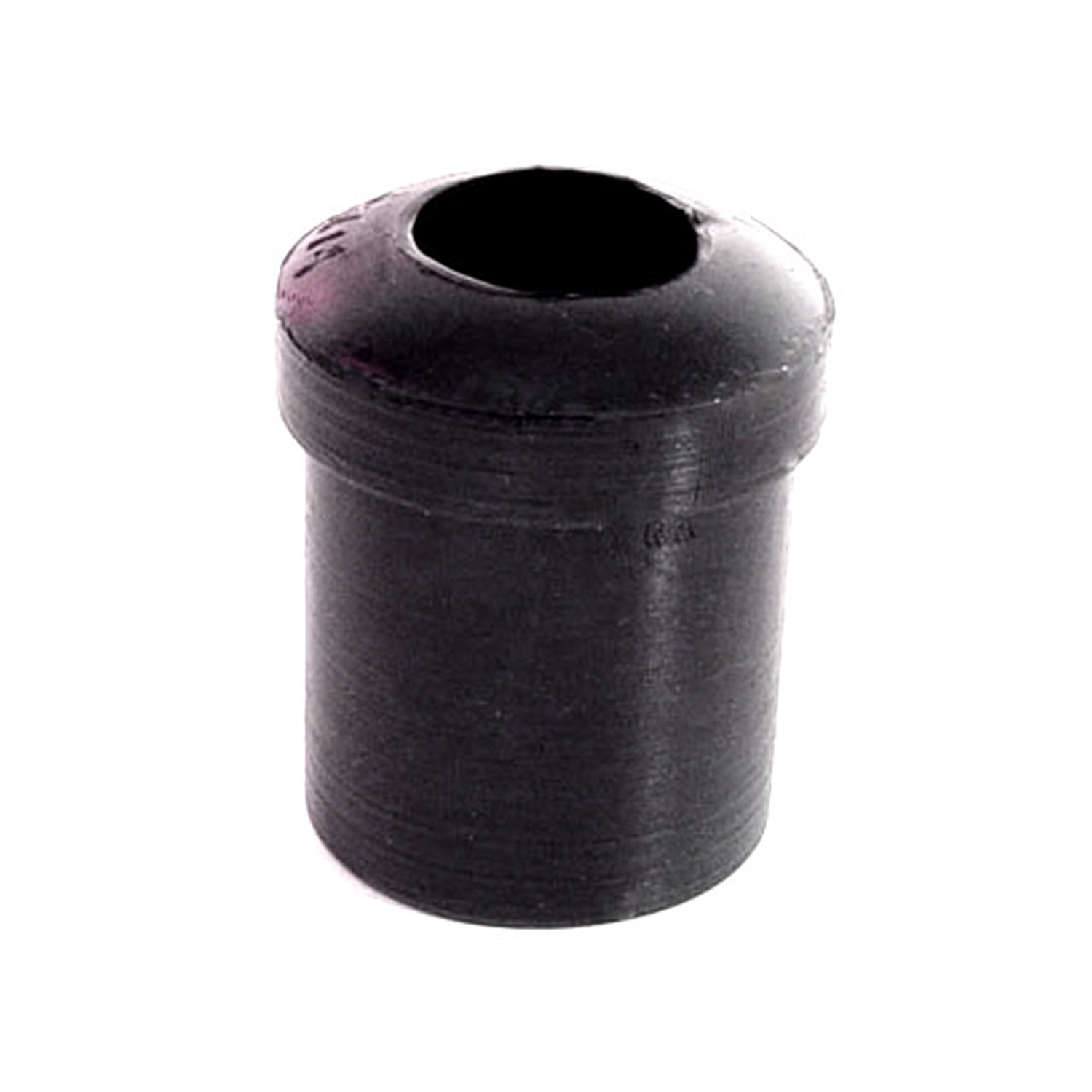 1955 Studebaker E28 Spring and Shackle Bushing. 1-1/16" bottom O.D-BN 14Spring and Shackle Bushing. 1-1/16" bottom O.D. X 1-1/2" high, with 5/8" I.D. Each
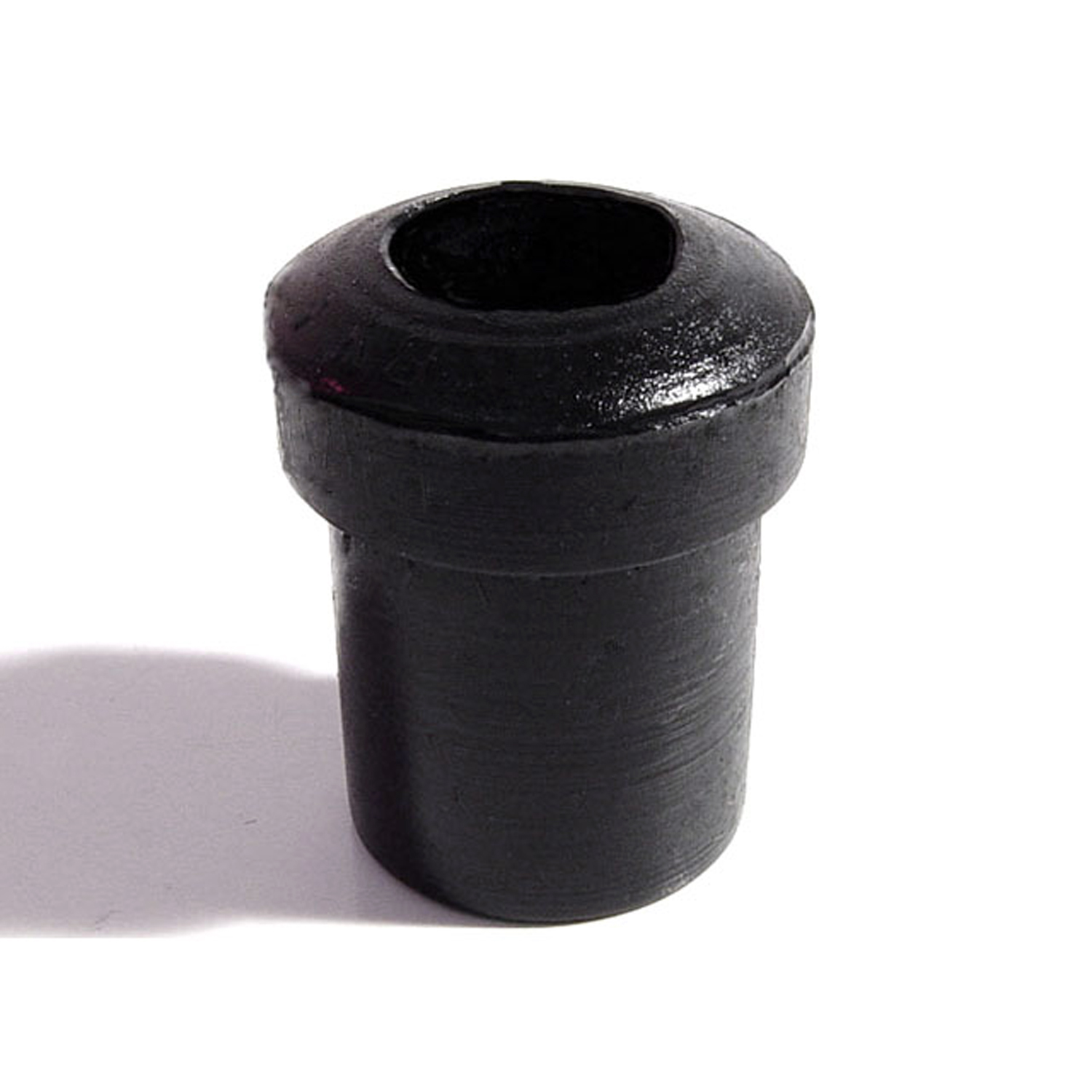 1955 Studebaker E28 Spring and Shackle Bushing. 7/8" bottom O.D-BN 16Spring and Shackle Bushing. 7/8" bottom O.D. X 1-1/8" high, with 1/2" I.D. Each
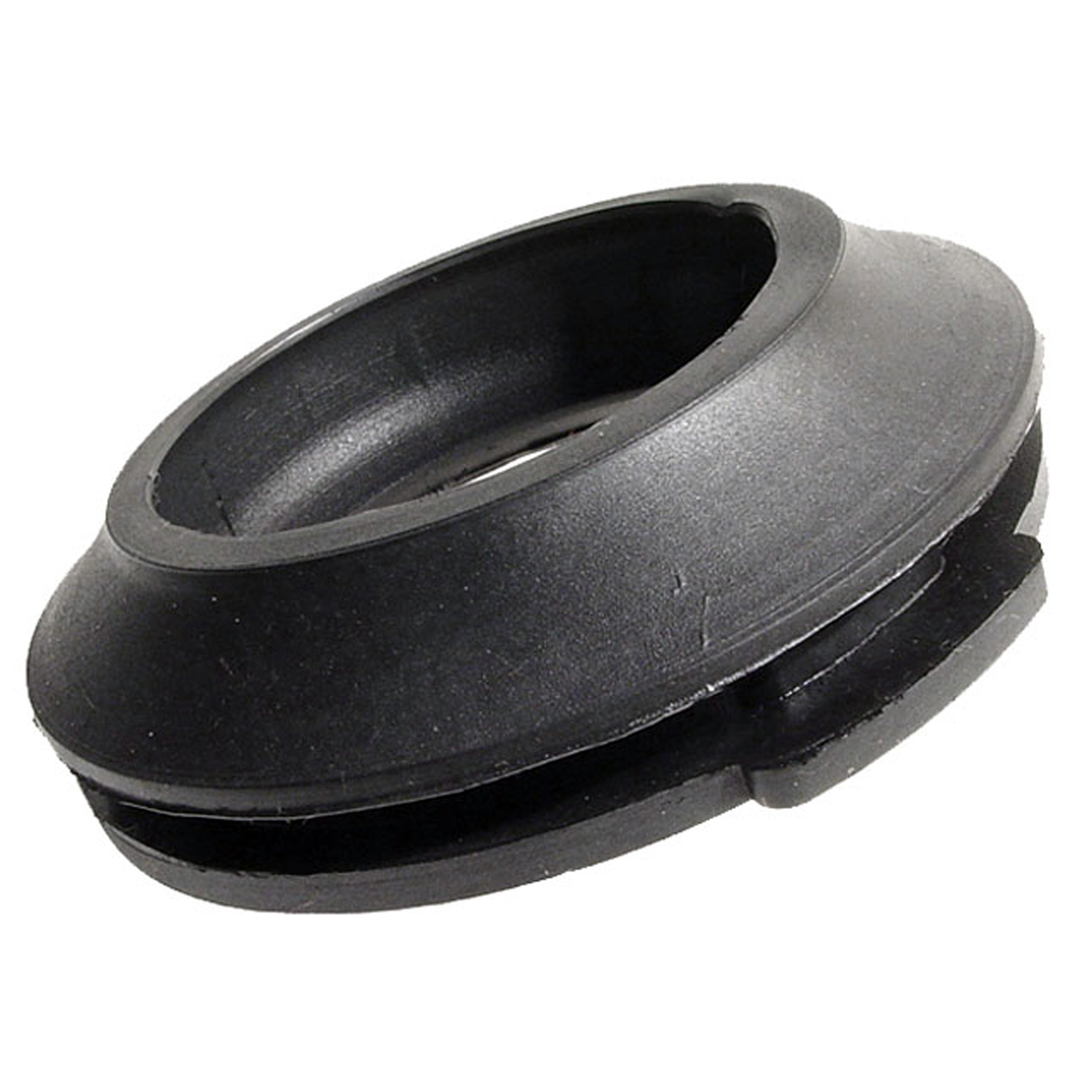 1955 Studebaker E28 Gas Filler Grommet. Perfect reproduction. Top 2-1/16" I.D-GF 45Gas Filler Grommet. Perfect reproduction. Top 2-1/16" I.D., 3-7/16" O.D. Each
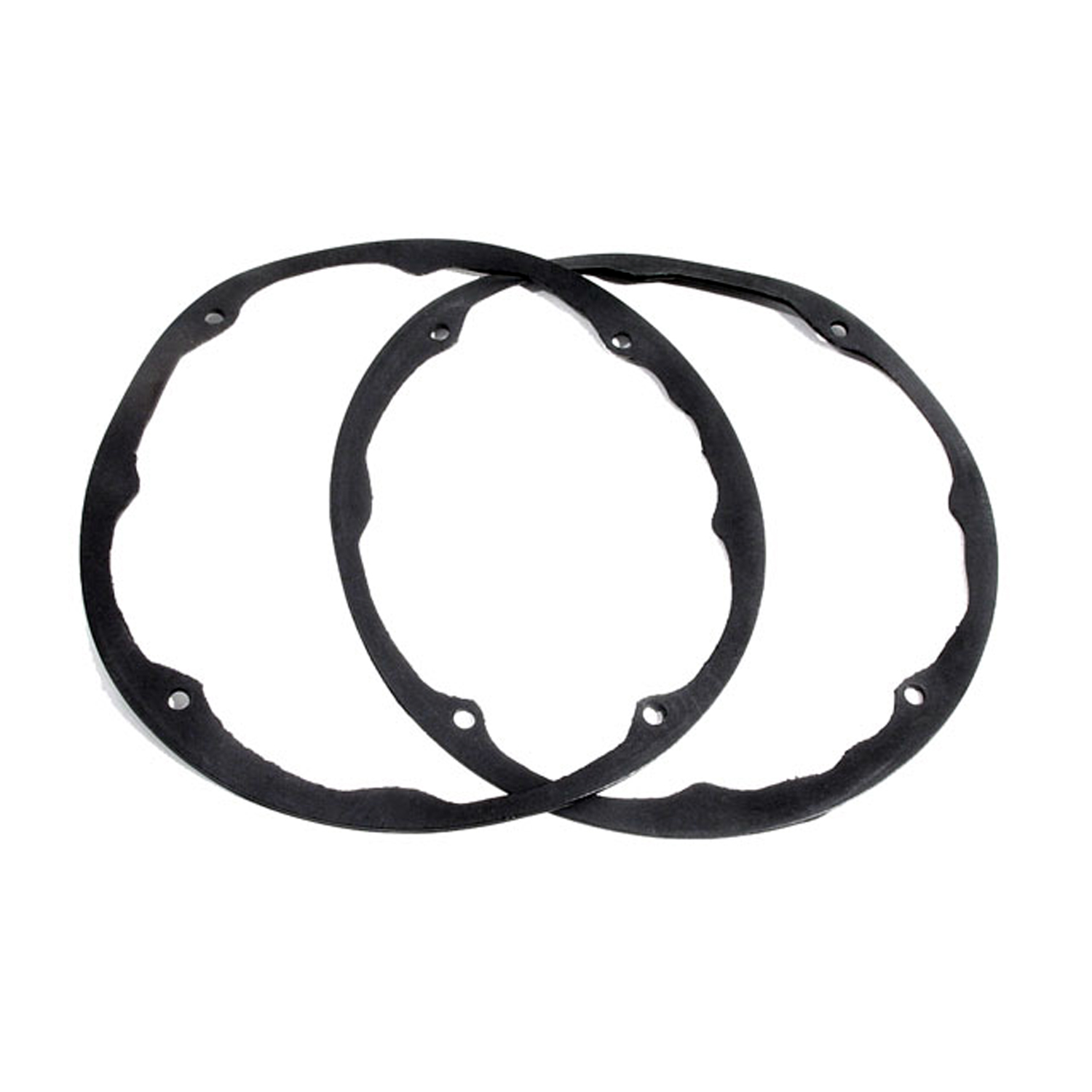 1955 Studebaker E28 Headlight Ring Seal. 8-5/8" O.D., 7-7/8" I.D. Pair-HR 16Headlight Ring Seal. 8-5/8" O.D., 7-7/8" I.D. Pair
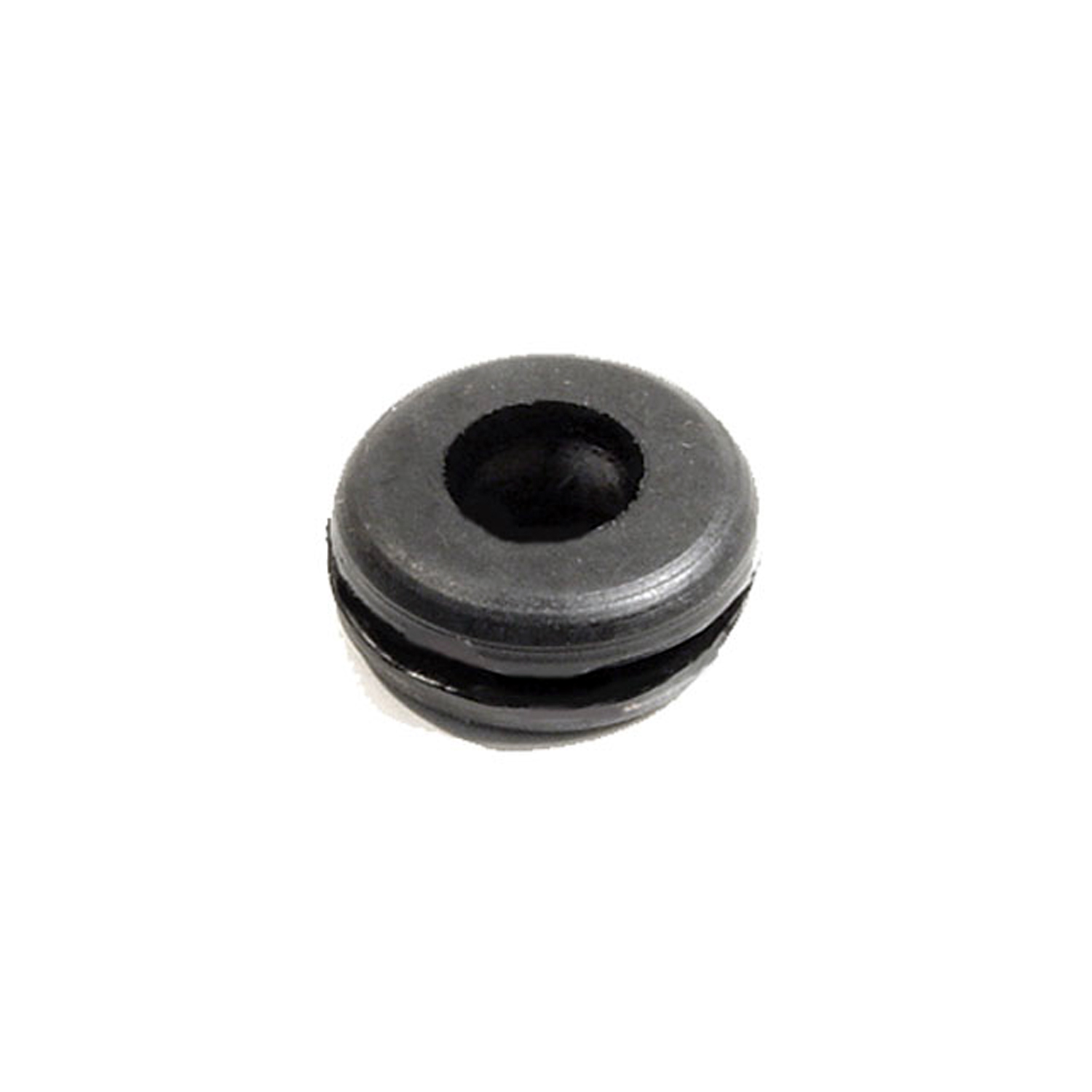 1955 Studebaker E28 Headlight & Tail-Light Wire Grommet. 3/8" I.D., 7/8" O.D-SM 13-AHeadlight & Tail-Light Wire Grommet. 3/8" I.D., 7/8" O.D. Each
Why Choose Metro?
For over 100 years, Metro Moulded Parts has been the pinnacle of quality in classic car restoration parts. Our commitment to precision and authenticity in every component ensures a perfect fit and an OEM-level appearance.
- Expert Craftsmanship & Quality: Each part is a testament to our dedication to reliability and perfection, crafted from original designs and thoroughly tested.
- Advanced Technology: We use cutting-edge techniques to create flawless, long-lasting parts that surpass others in performance.
- SuperSoft Sponge – The Ultimate Door Seal: Not only are our door seals 30% softer than competitors', but they're also guaranteed to never leak. They effectively reduce wind and road noise, enhancing your classic car's comfort and driving experience.
- Proudly American: Our parts are a product of American craftsmanship, made in the USA with a spirit of excellence and heritage.
- Unrivaled Warranty: We back our products with a 30-year industry-leading warranty, a testament to our confidence in their quality.
Join us in preserving the legacy of classic cars with parts that are crafted for perfection, not just made.