

Image of 1955 Studebaker E38, Note: These illustrations use artistic license and may differ from actual historical models.
Performance Metrics
Fundamental Metrics
Emotional Appeal
MMP Rating
| Engine Specifications | |
|---|---|
| Engine: | Inline 6 |
| Displacement: | 3.7L |
| Horsepower: | Estimated 85-100 hp |
| Torque: | Estimated 150-170 lb-ft |
| Compression Ratio: | 7.0:1 |
| Ignition System: | Distributor and coil |
| Cooling System: | Liquid-cooled |
| Performance Specifications | |
| 0-60 Time: | Estimated 20 seconds |
| 1/4 Mile Time: | Not available |
| Top Speed: | 80 mph |
| Transmission and Drive | |
| Drive Type: | Rear-wheel drive |
| Transmission Type: | 3-speed manual |
| Fuel and Efficiency | |
| Fuel System Type: | Carburetor |
| MPG: | Estimated 15-20 mpg |
| Dimensions and Brakes | |
| Brakes: | Drum brakes |
| Wheelbase: | 116 inches |
| Weight: | Estimated 3,000 lbs |
Note: Specifications for classic cars are given to the best of our ability, considering the limited and variant data available.
1955 Studebaker E38: A Working-Class Classic
The 1955 Studebaker E38 has the kind of presence that makes a work truck look like it has somewhere important to be. It belongs to Studebaker’s 3E truck series, a family of pickups and commercial chassis built by the long-running American manufacturer in South Bend, Indiana. Studebaker was better known to many buyers for its passenger cars, but its trucks served farms, businesses, municipal fleets, and tradespeople across the country.
One naming note for collectors: period references generally use the designation 3E8, with the series number first. “E38” is sometimes used in listings or informal references. Exact equipment and body configuration depended on the truck’s full model and chassis specification, so it is wise to check the serial plate and original paperwork when identifying an example.
The 1955 model arrived during a competitive period for American work trucks. Ford, Chevrolet, Dodge, and International all offered established lines, while Studebaker competed with practical engineering and a distinctive, carefully styled appearance. The E38 was not a showy luxury machine. Its appeal came from being a useful commercial vehicle with more personality than its strictly utilitarian mission required.
Studebaker Truck Design
The E38 carries the rounded, postwar truck form that was still common in the mid-1950s. Its hood and front fenders flow into one another rather than forming the boxier, squared-off front ends that would become more familiar later. A broad grille gives the nose a confident face, while the headlamps sit out on the fenders and make the truck easy to recognize from a distance. The overall effect is sturdy and slightly streamlined, with enough Studebaker character to distinguish it from the more familiar Big Three pickups.
Cab and bed details vary with the truck’s original configuration. A pickup-style body gives it the classic short, purposeful profile, while commercial versions could be ordered as a cab and chassis for a stake bed, service body, or other trade-specific installation. Period trucks were frequently adapted to suit their first owner’s business, so a surviving E38 may not look exactly like another one even when both began with the same basic chassis.
Inside, the cabin is straightforward and work-focused. Expect painted metal surfaces, a simple instrument panel, a broad bench seat, and durable upholstery rather than extensive trim or soft-touch materials. Depending on the truck’s original equipment and later restoration, the seat may have cloth or vinyl covering. A rubber floor mat was well suited to muddy boots and job-site use. The large windows and uncomplicated controls make the cab feel open, even by the standards of its era.
Color choices depended on the body style and the buyer’s order. Commercial customers often chose practical fleet colors, while privately owned pickups could be finished in more attention-getting shades. Two-tone treatments were possible on some configurations, but original paint charts and build records are the best way to confirm a particular truck’s factory colors. Today, restorers often favor period-correct colors that show off the rounded fenders and grille.
Features and Engineering
The E38 follows a traditional truck formula: body-on-frame construction, a front-mounted engine, rear-wheel drive, and a manual transmission. That straightforward layout made it adaptable to different jobs and comparatively accessible to mechanics familiar with American trucks of the period. Exact engine and axle specifications depended on the particular model and order, so a truck’s data plate and service documentation matter more than a generic online listing.
Studebaker’s 3E-series trucks offered six-cylinder power, with V8 availability in parts of the lineup. The precise engine fitted to an E38 should be verified rather than assumed, especially because engines were often replaced during decades of working life. Like many 1955 American vehicles, the truck used relatively simple electrical and braking systems by modern standards. It did not have electronic engine controls, power steering as a universal feature, or the safety and comfort equipment expected in a new truck today.
Why the E38 Matters
The E38’s significance is less about introducing a single revolutionary feature and more about showing how Studebaker applied its own design identity to a hard-working vehicle. Its smoothly integrated front end and rounded cab gave it a more individual look than a plain fleet appliance, while its conventional construction kept it useful to owners who valued easy service and practical adaptability.
That combination set Studebaker apart in a crowded market. Buyers could choose a truck from a large manufacturer with broad dealer support, or pick a Studebaker that felt a little less common without sacrificing the basic qualities a work vehicle needed. The E38 did not transform truck engineering, but it remains a distinctive example of the period when American manufacturers were balancing new styling with proven mechanical layouts.
Performance and Road Manners
There is no dependable single 0-to-60-mph figure for every E38. Engine choice, axle ratio, transmission, body installation, tire size, and load all make a substantial difference, and period work trucks were not commonly tested like passenger cars. As a broad estimate, a lightly loaded truck with a healthy engine might take roughly 25 to 35 seconds or more to reach 60 mph. With a heavy body or cargo aboard, acceleration would be slower still.
Top speed also varies with gearing and condition. A reasonable estimate for an unloaded, well-maintained example is around 55 to 65 mph, though sustained highway speed is not the same as a brief maximum. The E38 is happiest at a relaxed pace, where its engine is not being pushed and the driver can leave plenty of room for braking.
On rough roads, the truck’s sturdy chassis and work-oriented suspension are built to carry a load, not to deliver a modern, cushioned ride. Empty, it may feel firm and bouncy over sharp bumps. With cargo, the suspension settles and the ride can become more composed. On winding roads, expect slower steering response and more body movement than in a modern pickup. The driver needs to plan ahead, particularly when cornering or descending a hill.
The driving experience is pleasantly mechanical. You hear the engine working, feel the manual gearbox through each shift, and get direct feedback through the steering wheel and seat. It is not a quiet, effortless cruiser. Instead, it gives the driver a close connection to the truck’s pace and workload, which is part of its appeal for vintage-vehicle enthusiasts.
Living With a 1955 Studebaker
In its working years, an E38 might have carried supplies, hauled farm equipment, served a small business, or worn a custom body for a specific trade. Today, surviving examples are more likely to be weekend drivers, restoration projects, parade vehicles, or displays at classic-truck shows. A sound, properly maintained truck can still be driven locally, but modern traffic and highway speeds call for a cautious approach.
Basic mechanical work is approachable for an owner with vintage-vehicle experience. The truck’s conventional layout avoids the diagnostic complexity of modern electronics, and many repairs can be handled with ordinary shop tools. The bigger challenge is often finding the correct parts, particularly model-specific trim, cab pieces, glass, and components for less common commercial configurations. Before buying, inspect the frame, cab corners, floors, bed, and any custom bodywork for corrosion or old repairs.
Reliability depends heavily on condition and maintenance. A truck that has been stored poorly or modified repeatedly may need substantial work even if it starts and moves. Check the cooling system, fuel lines, wiring, brakes, steering joints, tires, and drivetrain before regular road use. A careful inspection by a mechanic familiar with older trucks is money well spent.
Rare Details and Common Criticisms
The most interesting E38s are often the ones that retain evidence of their original working life: a period service body, a distinctive company paint scheme, or documentation showing the truck’s first owner and job. Such details can make an otherwise modest truck especially compelling to collectors. There is no widely recognized E38 speed or endurance record, and the model is not chiefly remembered for competition history. Its story is rooted in everyday commercial use.
A common criticism is that Studebaker trucks do not enjoy the parts availability or broad enthusiast support of comparable Chevrolet or Ford models. Their performance and comfort also feel modest beside later pickups, and heavy-duty versions can be slow and tiring in modern traffic. Those drawbacks are real, but they are balanced by the truck’s distinctive styling and the satisfaction of keeping a less-common make on the road.
Collector Value and Availability
There is no widely published production total for the specific E38 configuration, and Studebaker production figures can be difficult to separate by detailed body and chassis variation. A cautious estimate is that the number built was likely in the hundreds to low thousands, rather than a mass-market total comparable to the most popular pickups from Ford or Chevrolet. That is an informed estimate, not a confirmed factory count. Surviving examples are less common than mainstream American pickups of the same era, especially in original, well-documented condition.
As a broad 2026 market guide, a project truck may sell for roughly $3,000 to $10,000, depending on completeness and rust. A usable driver or older restoration could fall around $10,000 to $25,000, while a high-quality restoration or especially desirable, documented configuration may reach approximately $25,000 to $40,000 or more. These are estimates, not fixed values: body style, originality, mechanical condition, location, and buyer interest can shift the price considerably.
Values for unusual classic trucks have generally benefited from interest in vintage pickups, but the E38 remains a niche vehicle. It is best viewed as a steady enthusiast collectible rather than a guaranteed investment. Exceptional examples may appreciate, while poorly restored or incomplete trucks can be difficult to sell at a premium.
The E38’s Lasting Appeal
The 1955 Studebaker E38 combines practical, conventional truck engineering with a shape that feels unmistakably mid-century. It offered working owners a capable platform and a distinctive alternative to the industry’s more common pickups. Today, its relatively uncommon status, hands-on driving character, and adaptable commercial roots make it rewarding for collectors who value more than badge popularity.
It may not be the fastest or easiest classic truck to own, but the E38 has something many vehicles lack: a clear sense of purpose and a look all its own. Kept in good shape, it turns an ordinary drive into a small piece of Studebaker history rolling down the road.
1955 Studebaker E38 Catalog of Parts
 1955 Studebaker E38 Shock Absorber Grommet. 1" bottom O.D-BN 11Shock Absorber Grommet. 1" bottom O.D., 3/4" high, with 5/8" I.D. Each
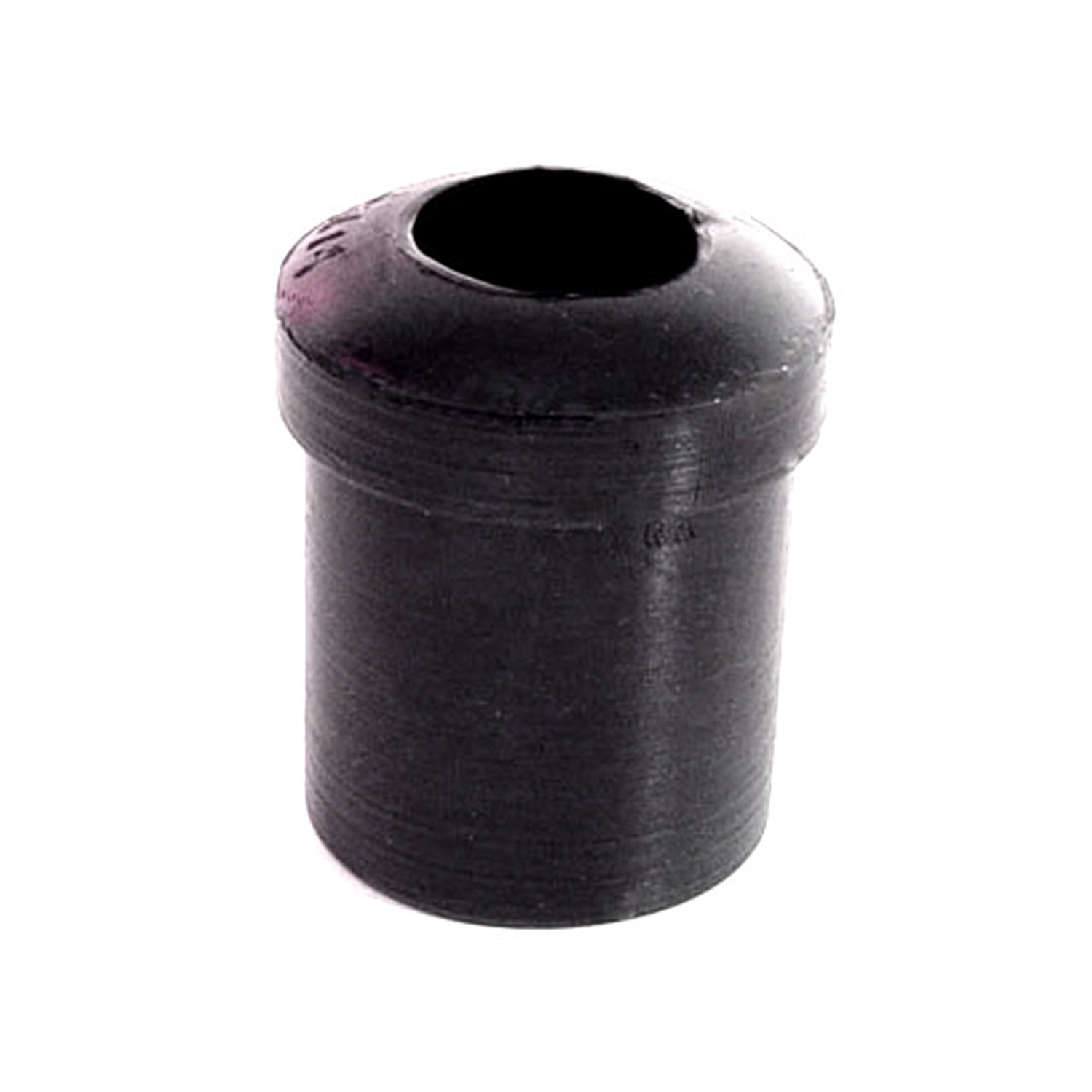 1955 Studebaker E38 Spring and Shackle Bushing. 1-1/16" bottom O.D-BN 14Spring and Shackle Bushing. 1-1/16" bottom O.D. X 1-1/2" high, with 5/8" I.D. Each
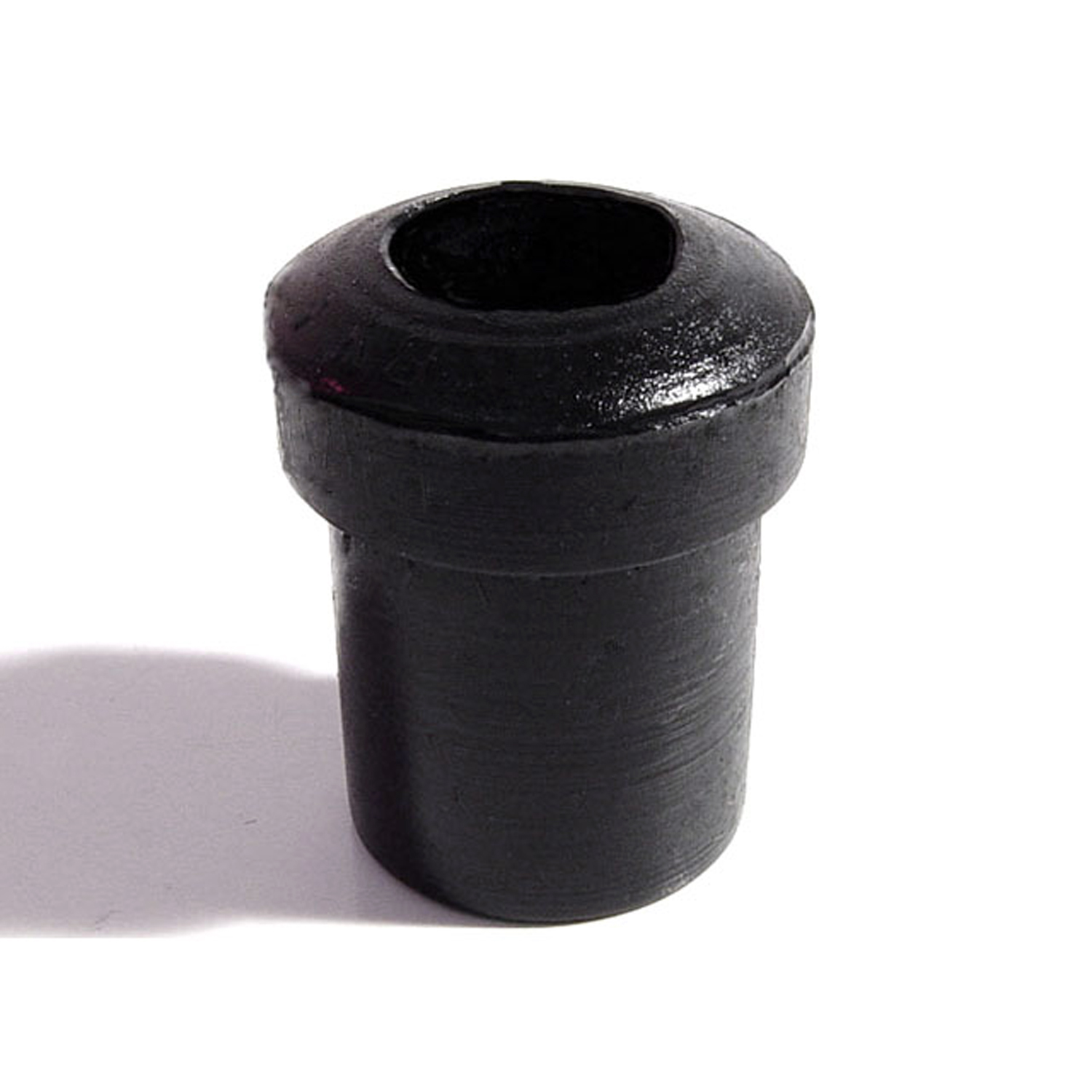 1955 Studebaker E38 Spring and Shackle Bushing. 7/8" bottom O.D-BN 16Spring and Shackle Bushing. 7/8" bottom O.D. X 1-1/8" high, with 1/2" I.D. Each
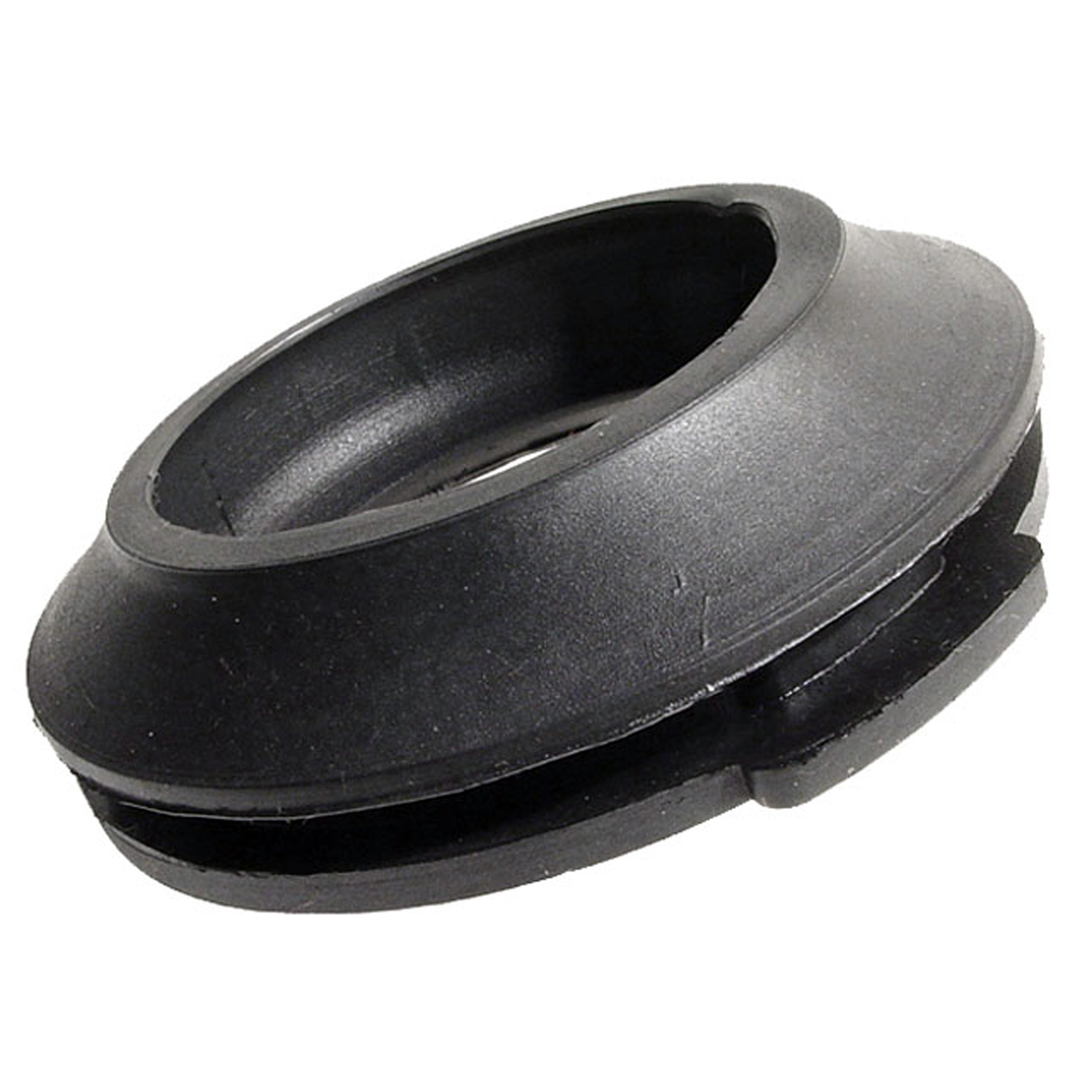 1955 Studebaker E38 Gas Filler Grommet. Perfect reproduction. Top 2-1/16" I.D-GF 45Gas Filler Grommet. Perfect reproduction. Top 2-1/16" I.D., 3-7/16" O.D. Each
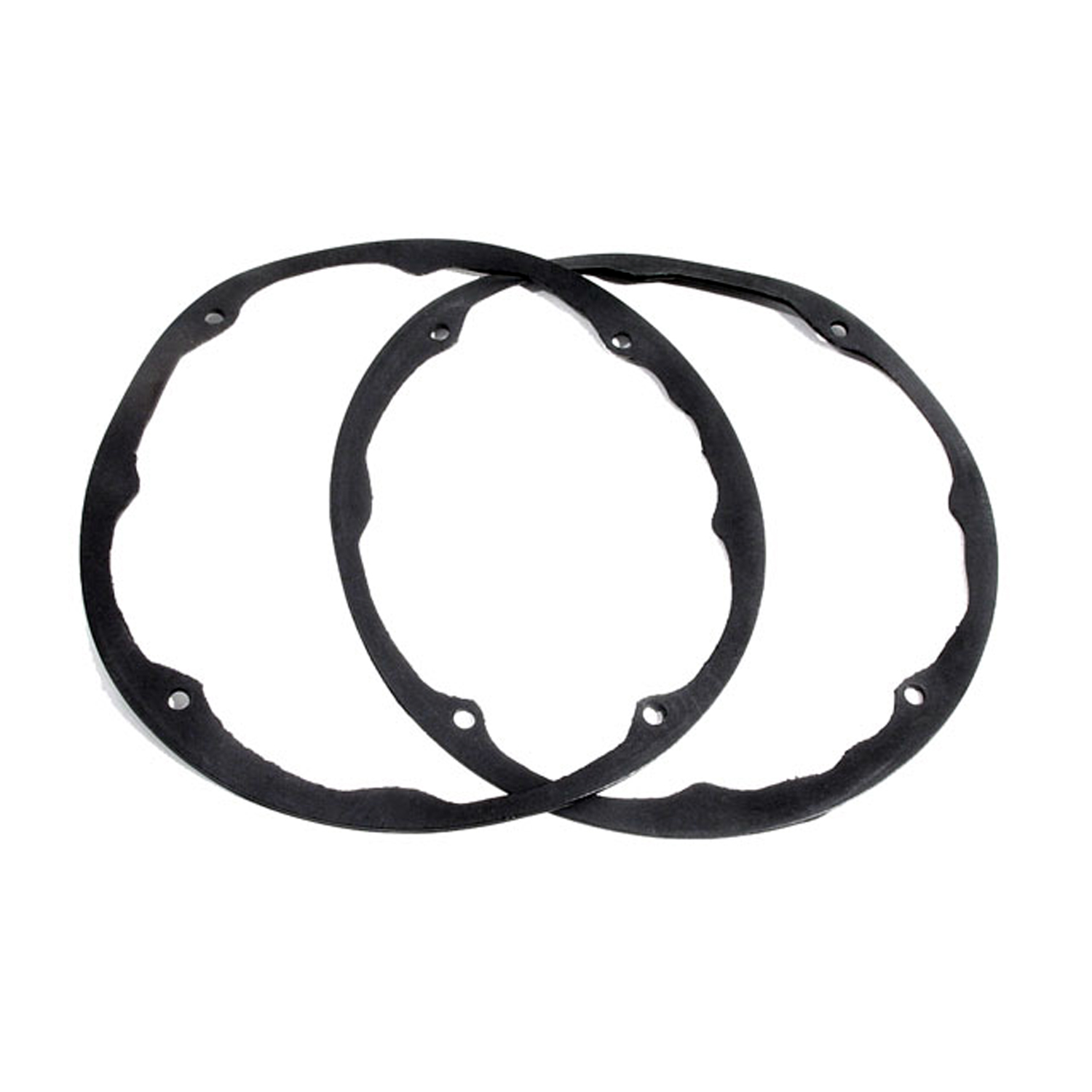 1955 Studebaker E38 Headlight Ring Seal. 8-5/8" O.D., 7-7/8" I.D. Pair-HR 16Headlight Ring Seal. 8-5/8" O.D., 7-7/8" I.D. Pair
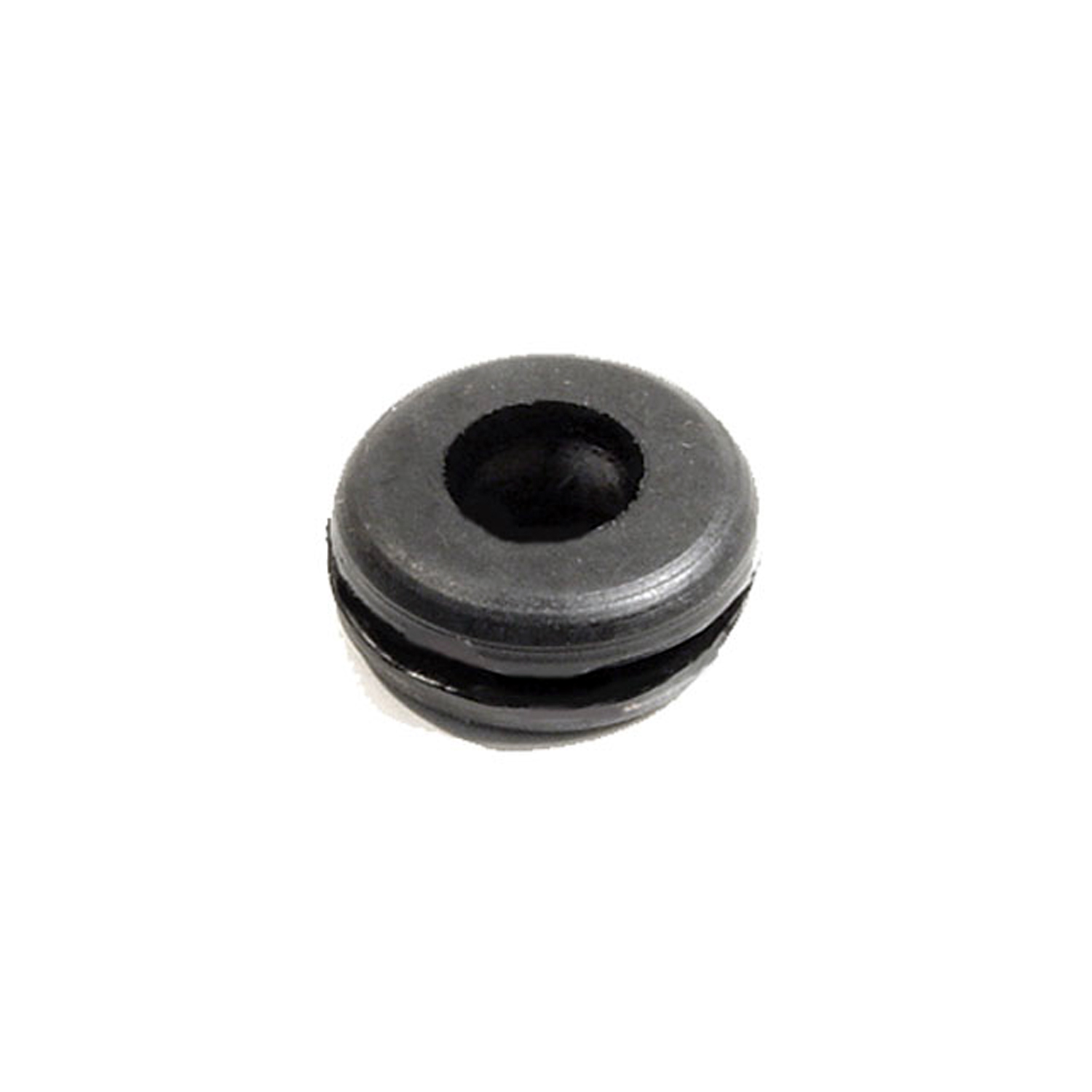 1955 Studebaker E38 Headlight & Tail-Light Wire Grommet. 3/8" I.D., 7/8" O.D-SM 13-AHeadlight & Tail-Light Wire Grommet. 3/8" I.D., 7/8" O.D. Each
Why Choose Metro?
For over 100 years, Metro Moulded Parts has been the pinnacle of quality in classic car restoration parts. Our commitment to precision and authenticity in every component ensures a perfect fit and an OEM-level appearance.
- Expert Craftsmanship & Quality: Each part is a testament to our dedication to reliability and perfection, crafted from original designs and thoroughly tested.
- Advanced Technology: We use cutting-edge techniques to create flawless, long-lasting parts that surpass others in performance.
- SuperSoft Sponge – The Ultimate Door Seal: Not only are our door seals 30% softer than competitors', but they're also guaranteed to never leak. They effectively reduce wind and road noise, enhancing your classic car's comfort and driving experience.
- Proudly American: Our parts are a product of American craftsmanship, made in the USA with a spirit of excellence and heritage.
- Unrivaled Warranty: We back our products with a 30-year industry-leading warranty, a testament to our confidence in their quality.
Join us in preserving the legacy of classic cars with parts that are crafted for perfection, not just made.